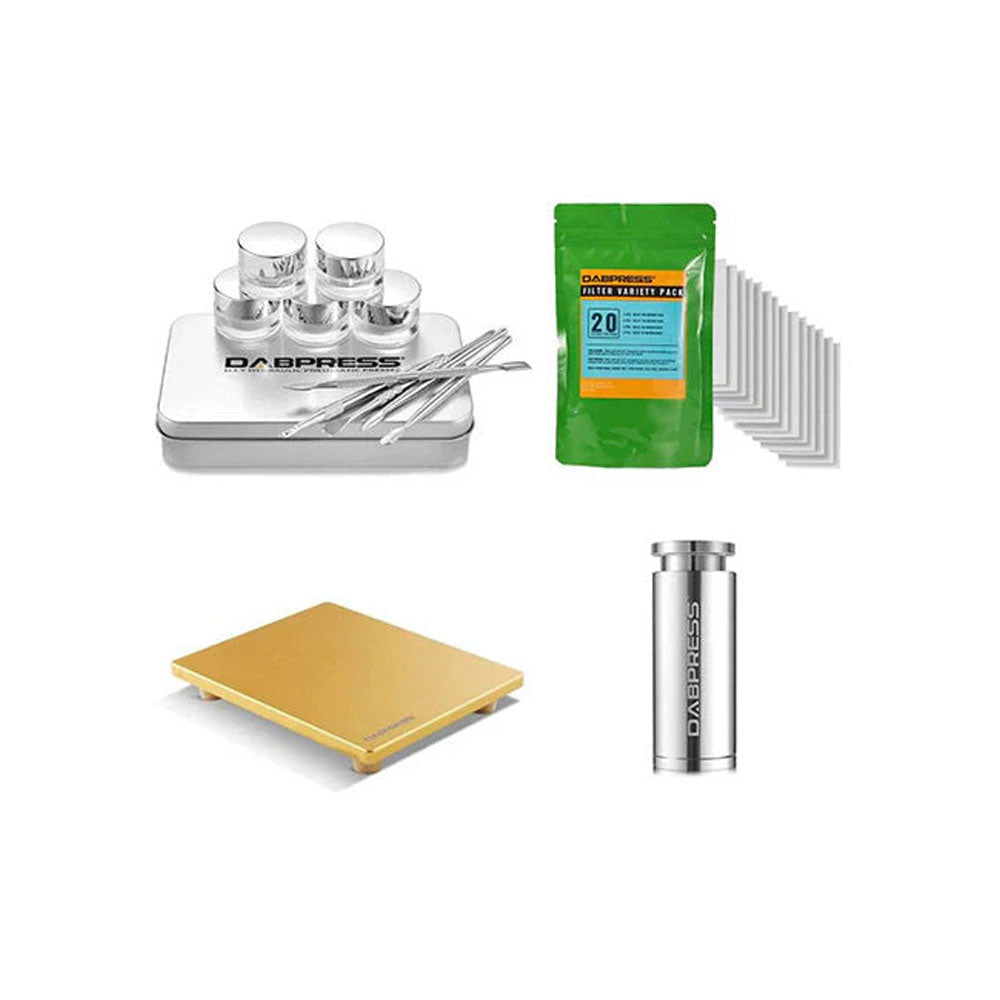
Rosin Presses & Solventless Heat Extractors
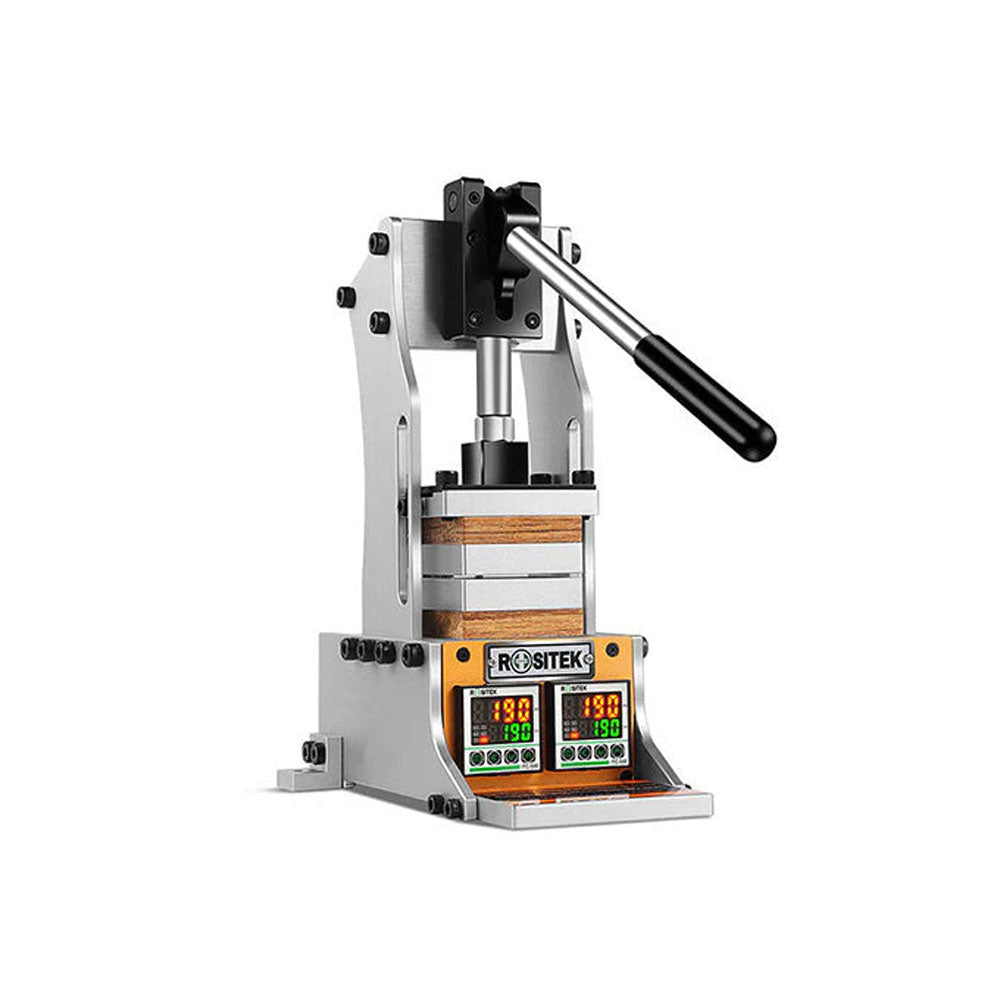
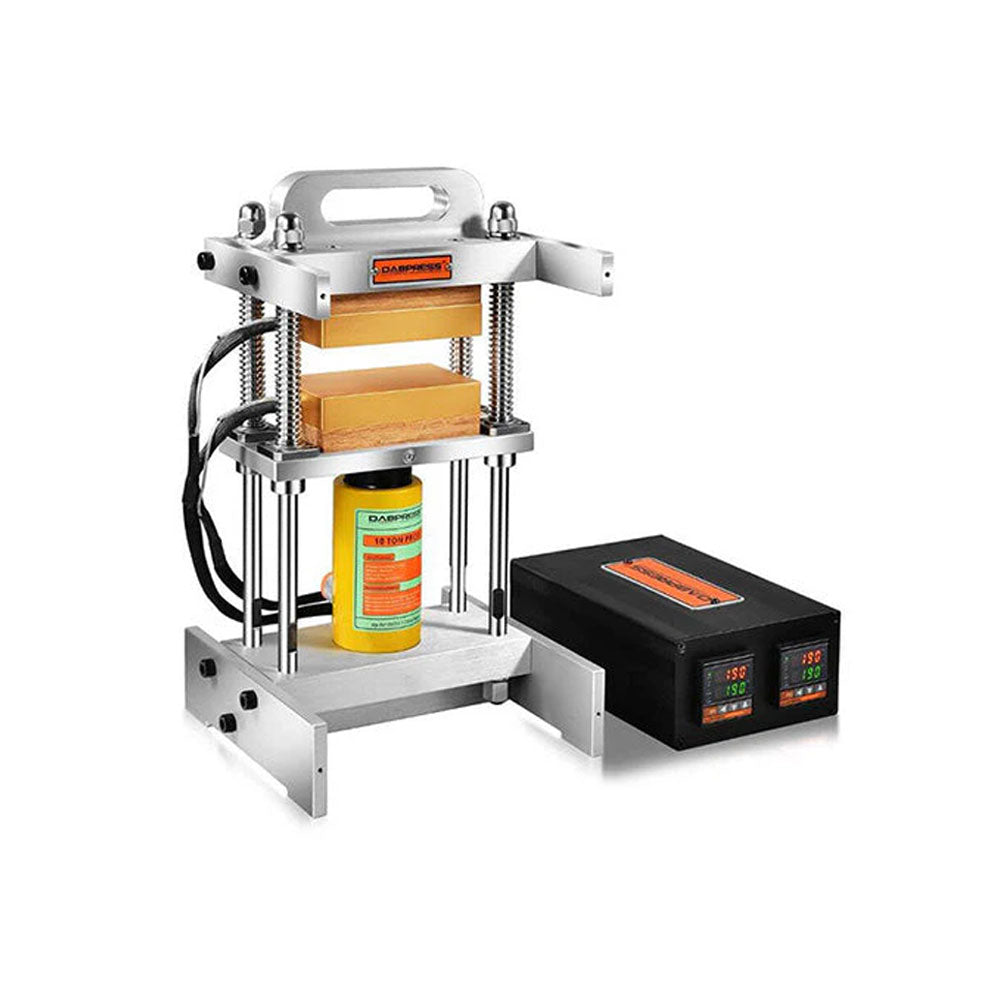
Rosin presses use heat and pressure to extract botanical oils from plant material without solvents -- a plate press design where two heated plates compress material between them, forcing oil to flow out and collect on parchment paper beneath. The solventless process eliminates the need for hydrocarbon or chemical solvents, making rosin extraction accessible without the safety infrastructure that solvent-based extraction requires. Presses range from compact manual hand-crank units suitable for small personal quantities through large pneumatic and hydraulic commercial presses capable of processing significant material volumes in production environments.
Press Types by Actuation
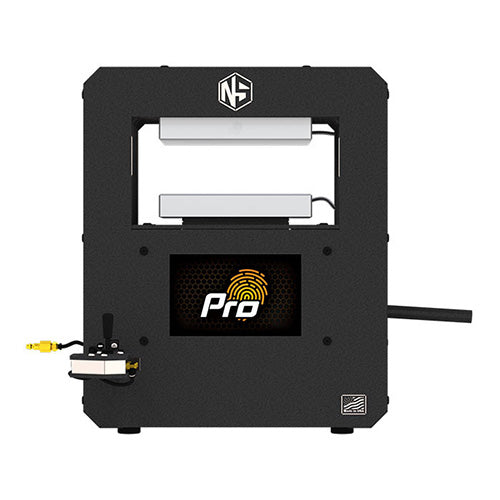
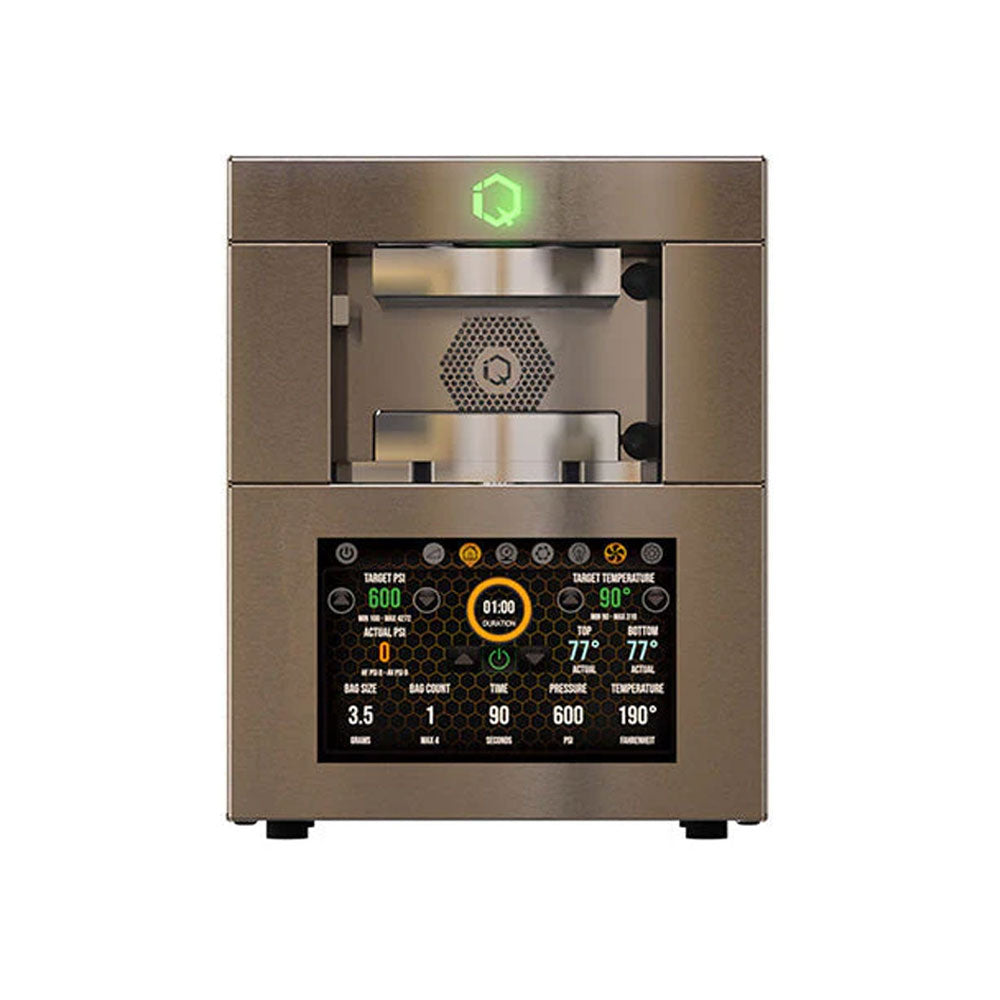
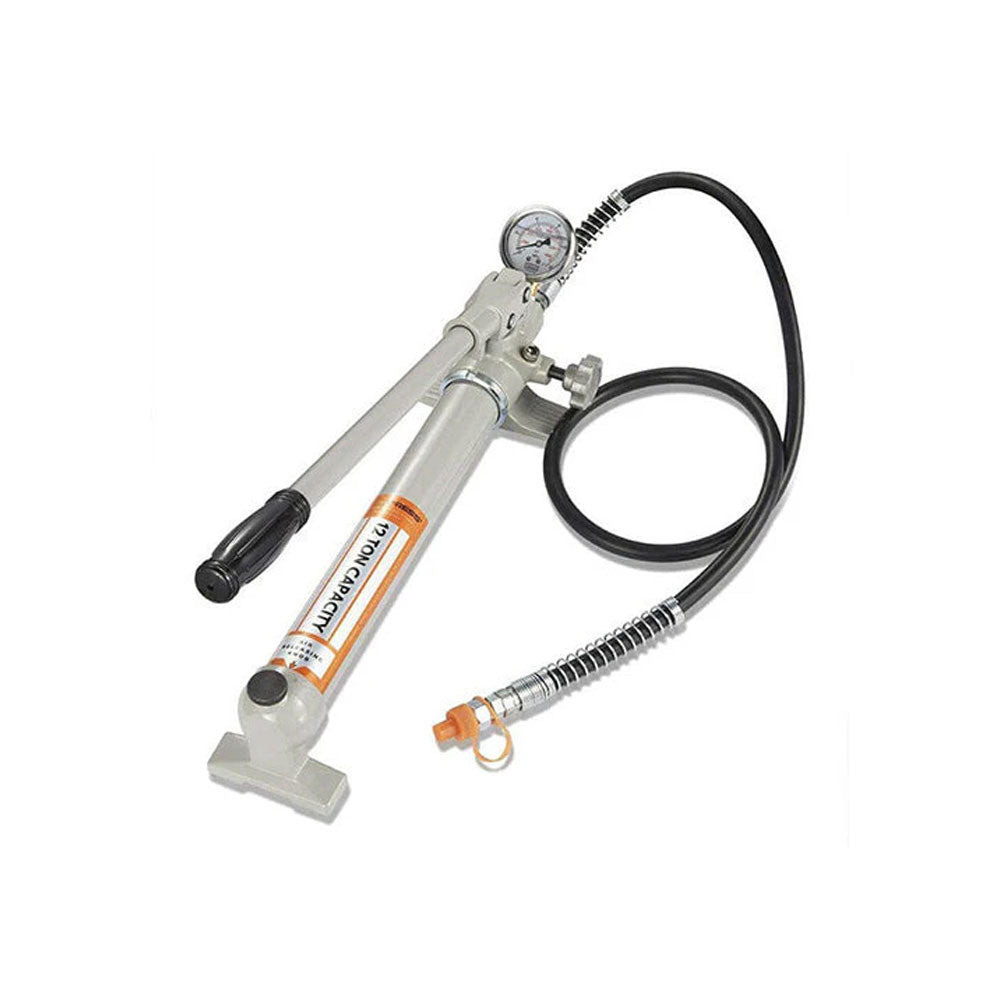
Manual or lever-assisted presses use hand force to close the plates -- limited to the pressure a person can generate, suitable for small personal quantities and sampling. Electric presses (see our electric rosin presses collection) use an electric motor or hydraulic pump to generate and maintain press pressure precisely, with programmable pressure control and consistent results across batches. Hydraulic presses -- both hand-pump hydraulic and pneumatic cylinder -- deliver the highest pressure for production-scale extraction and are the standard for commercial operations. Pressure is the primary driver of yield; temperature is the primary driver of consistency and quality.
Heated Plates & Temperature Control
Plate temperature determines the viscosity of the extracted oil and affects the retention of heat-sensitive aromatic compounds. Lower temperatures (160-190 degrees F) produce lighter, more aromatic output at somewhat lower yield; higher temperatures (200-220 degrees F) produce higher yield at some cost to aromatic complexity. Dual-zone plate heaters that maintain even temperature across the full plate surface produce more consistent results than single-element plates with temperature gradients from center to edge. Plate size directly determines the maximum batch size per press cycle. Fast shipping.
Rosin Presses FAQ
What is a rosin press and how does it work?
A rosin press uses two flat heated metal plates to compress botanical plant material, forcing the plant's natural oils to flow out under the combined effect of heat and pressure. The extracted oil collects on parchment paper positioned beneath the plates during the press cycle. No solvents are used -- the process is entirely mechanical and thermal. The resulting extract retains the full spectrum of compounds present in the starting material without the residual solvent concerns associated with butane or CO2 extraction.
What temperature and pressure settings should I use?
Starting parameters for most material: 180-200 degrees F plate temperature, 500-1,000 PSI applied pressure, 60-90 second press duration. Lower temperature (160-180 degrees F) with higher pressure and shorter duration tends to produce lighter, more aromatic output. Higher temperature (200-220 degrees F) increases yield at the cost of some aromatic quality. These are starting points -- the optimal parameters for any specific input material require experimentation. Most commercial press operators run small test batches at multiple temperature and pressure combinations to establish the ideal parameters for each material batch before committing to full production runs.
What size press do I need?
Match press plate size and pressure capacity to your intended batch size. For personal small-quantity use: a 2x4 inch or 3x5 inch plate press rated to 3-5 tons is adequate. For small commercial batches: 4x7 inch or 5x7 inch plates at 10-20 tons. For production-scale commercial extraction: 6x12 inch or larger plates at 20-40+ tons, typically pneumatic or hydraulic actuated. Undersizing the press for the batch weight results in uneven pressure distribution and lower yield from the material that does not receive adequate plate contact.
What is the yield I can expect from a rosin press?
Yield as a percentage of input material weight varies significantly by material type, quality, and press parameters. Starting material quality is the largest variable -- higher-quality, properly dried and cured input material yields substantially more than lower-quality or improperly processed material. General ranges: 15-30% yield from quality dried flower; 30-60% from bubble hash or dry sift concentrate used as starting material. These ranges reflect real-world production experience across various operators and conditions -- individual results depend heavily on input material characteristics.
Is rosin pressing safe to do at home?
Rosin pressing is one of the safest extraction methods available -- it uses only heat and pressure without flammable or toxic solvents. The primary safety considerations are: heat burns from plate contact (plates reach 200+ degrees F and retain heat after the press cycle); mechanical pinch hazard from the closing plates on lever and hydraulic press designs; and electrical safety for electric press models. Use heat-resistant gloves when handling the heated plates and parchment paper, keep hands clear of the plate gap during pressing, and follow standard electrical safety practices for electric models.