Organic Nutrients for Indoor & Outdoor Growing
Organic nutrients encompass all naturally derived fertilizer and amendment products - plant, animal, and mineral-sourced inputs that feed the soil food web and provide plant-available nutrition without synthetic mineral salts. For growers prioritizing natural growing methods, OMRI-certified organic production, or the soil food web approach that characterizes living soil programs, Hydrobuilder carries the complete range of organic base nutrients, bloom boosters, and biological amendments from the industry's most trusted brands.
Liquid Organic Nutrients
Liquid organic formulas (fish emulsion, liquid kelp, fermented plant juices, and blended liquid organic concentrates) provide the most immediately available form of organic nutrition - partially broken down by the manufacturing process into more plant-accessible compounds than raw dry organics. Fox Farm Big Bloom, Emerald Harvest Root Wizard, and similar liquid organic products are applied as part of a weekly feed schedule alongside or instead of synthetic nutrients. Browse our complete organic nutrients collection for individual products and our organic nutrient packages for complete bundled programs with feed charts.
Dry Organic Amendments
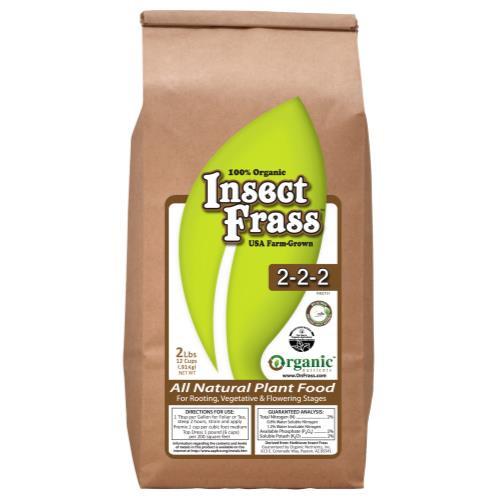
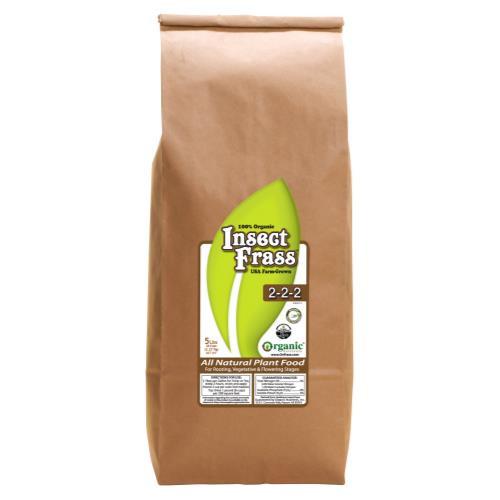
Dry organic amendments (bat guano, kelp meal, worm castings, bone meal, blood meal, and compost) are incorporated into soil mixes before planting or top-dressed during the growing cycle. They release nutrients more slowly than liquid formulas as soil microorganisms decompose them - well-suited to living soil programs where the biological activity in the growing medium is a primary nutrient cycling mechanism. Granular dry organics are also used as base amendments when building custom soil blends, providing nutrient reserves that support the crop for weeks or months rather than requiring frequent liquid feeding. Fast shipping.
Organic Nutrients FAQ
What brands carry organic nutrients at Hydrobuilder?
Fox Farm (Big Bloom, Grow Big, Tiger Bloom trio), Emerald Harvest, Botanicare (Pure Blend Pro), General Organics (part of General Hydroponics), and several specialty brands carry OMRI-listed organic formulas in the Hydrobuilder catalog. For complete programs with accompanying feed charts, Fox Farm and Emerald Harvest offer the most comprehensive multi-bottle organic systems with documented schedules. For dry organic amendments, various brands provide bat guano, kelp meal, and worm casting products in the organic amendments sub-category.
Can organic nutrients be used in hydroponic systems?
Most liquid organic nutrients dissolve in water and can be used in hydroponic systems, but require more careful reservoir management than synthetic programs. Organic concentrates encourage microbial growth in reservoir water - change the reservoir every 5-7 days, maintain cool water temperatures (below 68 degrees F), and run air stones to prevent the anaerobic conditions that cause organic solution degradation. For recirculating systems (DWC, NFT), organic programs create more reservoir maintenance than equivalent synthetic programs. Many commercial hydroponic operators use synthetic nutrients in the hydroponic system and reserve organic inputs for soil or coco applications.
Do I need to use a full organic nutrient line, or can I mix organic and synthetic?
Mixing organic and synthetic inputs is common and generally effective - you are not required to use a fully organic program to incorporate organic products. Many growers use synthetic base nutrients for reliable EC and pH control and add organic supplements (kelp, fish, fulvic acid) as growth promoters alongside the mineral program. True OMRI-certified organic production requires using only approved inputs throughout, but for non-certified growing programs, mixing organic supplements into a synthetic base is a practical approach to get benefits of both systems.
What NPK ratios should I look for in organic nutrients?
Organic nutrient NPK ratios are typically lower than equivalent synthetic formulas - organic nutrients release nutrients gradually through microbial breakdown rather than providing immediately soluble mineral salts. Vegetative organic nutrients typically show N-dominant analysis (e.g., 4-2-2 to 6-3-3). Flowering organic nutrients shift toward P and K (e.g., 0-10-10 for bloom boosters like bat guano). The low numbers on organic labels do not mean the products are less effective than synthetic equivalents - they reflect the slow-release nature of organic nutrition rather than the immediately available concentration of mineral formulas.
How do I know if an organic nutrient is OMRI listed?
Look for the OMRI Listed seal on the product packaging or in the product description - a green circular logo indicating the product has been reviewed and approved by the Organic Materials Review Institute for use in USDA NOP-certified organic production. The OMRI website (omri.org) maintains a searchable database of all listed products. For growers pursuing certified organic production, using OMRI-listed inputs is typically required by the certifying body. For non-certified home growers, OMRI listing provides assurance of naturally derived, non-synthetic formulation even without certification requirements.