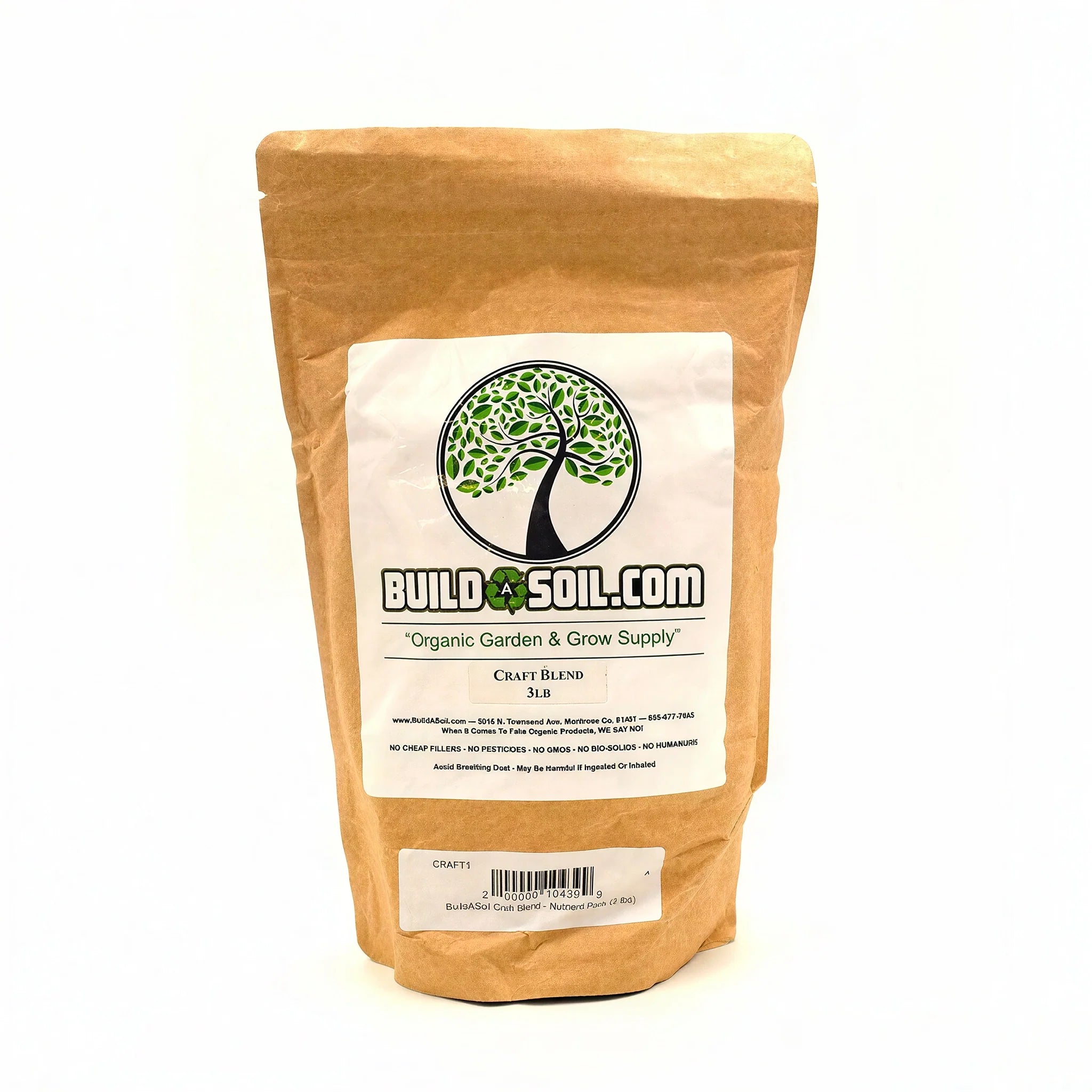
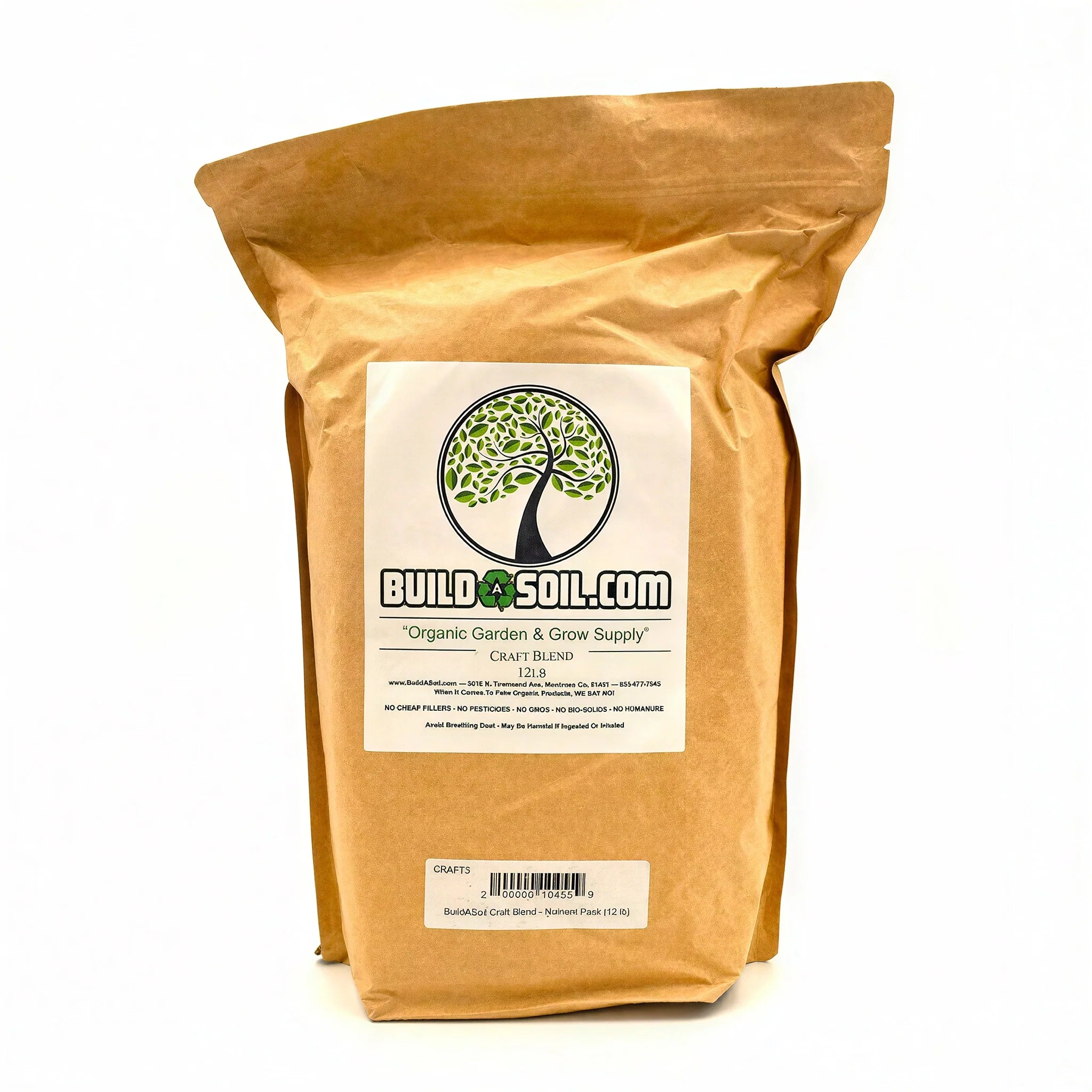
Organic Nutrient Packages
Organic nutrient packages bundle the core inputs of a complete organic feeding program - OMRI listed or organic-approved base nutrients, biostimulants, and amendments - into a single purchase at reduced cost. Organic nutrient programs are based on naturally derived inputs that feed soil microorganisms and support the plant's own biological nutrient uptake pathways, rather than delivering synthetic soluble nutrients directly to roots. General Organics BioThrive packages provide the most accessible entry point into organic growing, with a soil-appropriate formula designed to work alongside the natural biology of amended growing media.
General Organics BioThrive Packages
The General Organics BioThrive Basic Soil Nutrient Package includes BioThrive Grow and BioThrive Bloom - the two-part liquid organic base nutrient system from General Hydroponics' organic line. BioThrive Grow is nitrogen-forward for vegetative growth; BioThrive Bloom is phosphorus and potassium-forward for flowering. Both are OMRI listed and appropriate for use in certified organic production. Available in small and medium formats sized for hobby to small-commercial production cycles. For a more complete organic program including biostimulants and amendments, BuildASoil products in the soil building kits collection cover the full spectrum of organic amendments.
Building an Organic Program
Organic nutrients are most effective in biologically active growing media - quality compost-amended soil or BuildASoil-style living soil mixes where microbial populations can process the organic inputs into plant-available form. In sterile or inert media, organic nutrients work less efficiently than in biologically active soil because the microbial degradation pathway is absent. Browse all nutrients, soil building kits, or see the soil and soilless packages collection. Fast shipping.
Organic Nutrient Packages FAQ
What makes a nutrient package "organic"?
Organic nutrient products are formulated from naturally derived sources - fish hydrolysate, seaweed extract, kelp meal, bone meal, blood meal, guano, rock dust, and similar biological or mineral inputs - rather than synthetically manufactured mineral salts. OMRI listed products have been reviewed by the Organic Materials Review Institute and confirmed to meet the requirements of the USDA National Organic Program for use in certified organic production. Not all products labeled "organic" are OMRI listed - for certified organic production compliance, verify that products carry current OMRI listing or equivalent organic certification before use.
Can I use organic nutrients in a hydroponic system?
Yes, with attention to system management. Fish hydrolysate and other organic nutrient concentrates are compatible with hydroponic systems, but organic inputs feed microbial populations that develop in reservoirs - especially in warm, aerated environments. Reservoirs running organic programs need more frequent solution changes, closer pH and EC monitoring, and good aeration to prevent anaerobic conditions. Many organic-hydroponic programs use a blend approach: conventional soluble base nutrients for the majority of primary nutrition, with organic inputs (kelp, fish, molasses) added at low rates as biostimulants rather than as the primary nutrient source. For fully organic hydroponic programs, some growers use a recirculating RDWC system with a biological filter (mycorrhizae and beneficial bacteria inoculants) to manage organic inputs more like a soil system.
Do organic nutrients require pH adjustment?
Yes. Organic nutrient solutions still require pH management, though the acceptable range is slightly wider than for synthetic hydroponic systems (pH 6.0-7.0 for soil, 5.8-6.5 for coco and soilless applications). Organic inputs often have a natural buffering effect that makes solution pH more stable than synthetic nutrients, but they do not eliminate the need for monitoring and adjustment. Check input water pH and adjust after mixing nutrients. In well-amended living soil, the soil itself provides biological buffering that reduces the magnitude and frequency of pH adjustments needed, but irrigation water pH should still be checked and corrected before application.