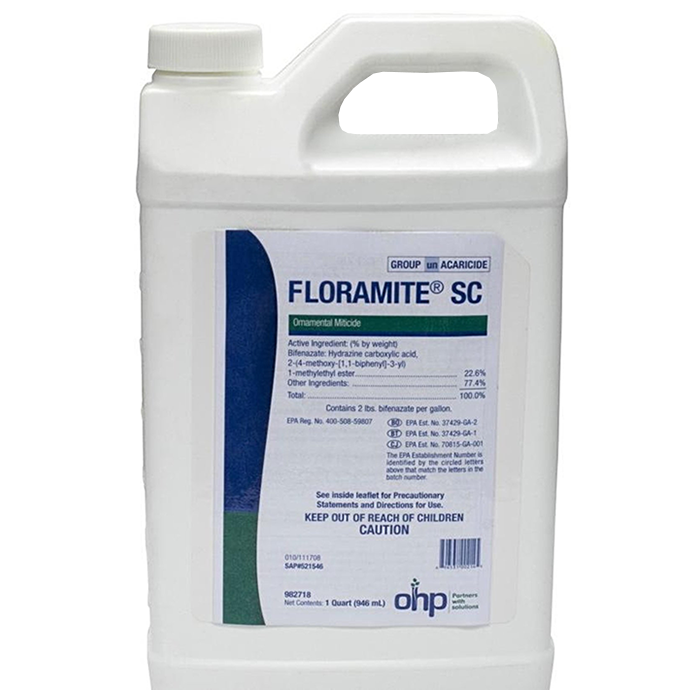
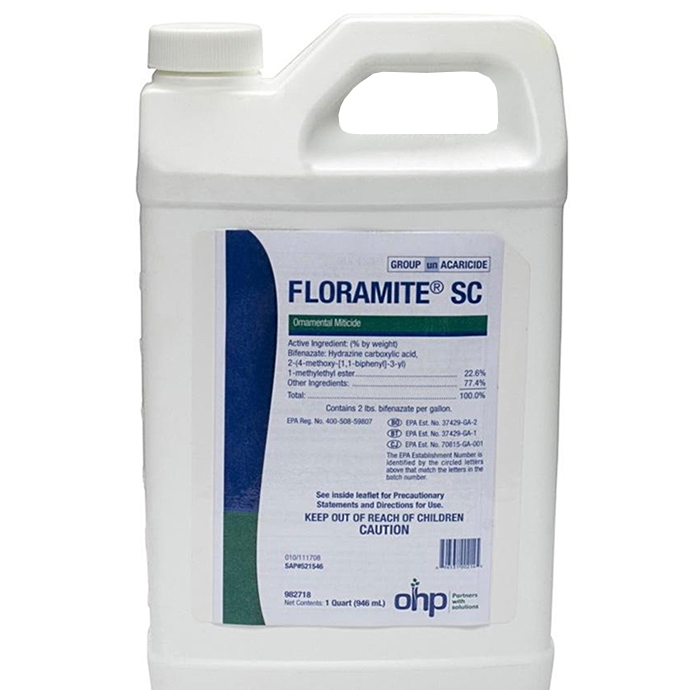
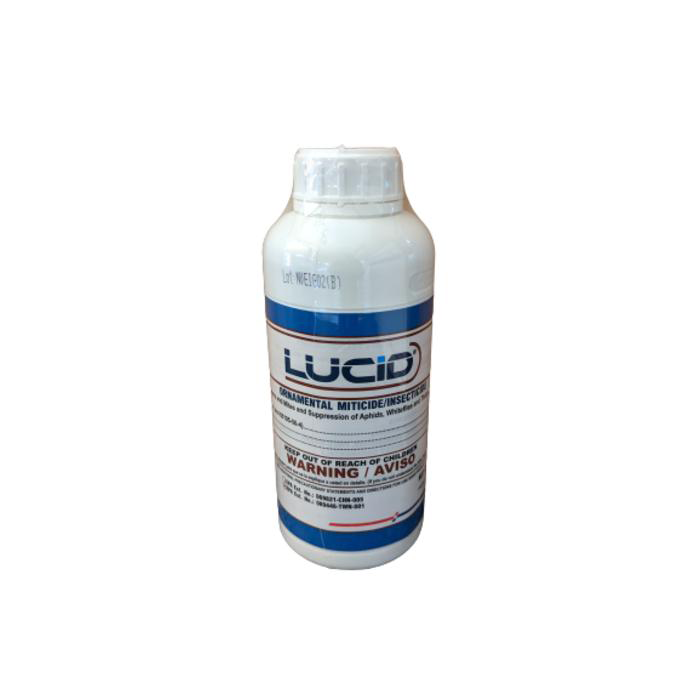
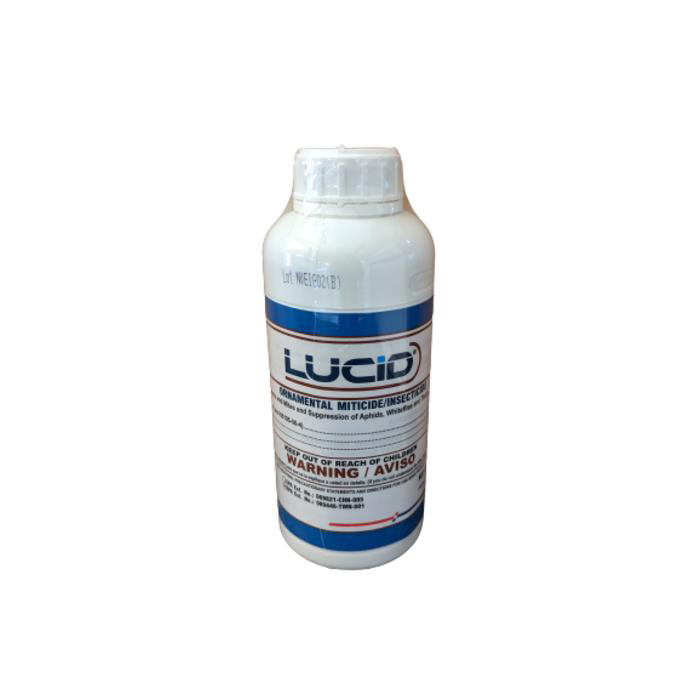
Insecticides & Miticides for Indoor & Outdoor Growing
Insecticides and miticides are the chemical and biological control products used to manage pest insect and mite populations that have reached or are approaching damage threshold levels in growing environments. A well-designed integrated pest management program minimizes pesticide use through cultural practices, monitoring, and biological controls -- but targeted pesticide applications remain an important tool when pest populations require more rapid knockdown than biological approaches alone can provide. Product selection should match the target pest, the growth stage of the crop, and the tolerance for pesticide residues given the intended use of the harvest.
Active Ingredient Categories
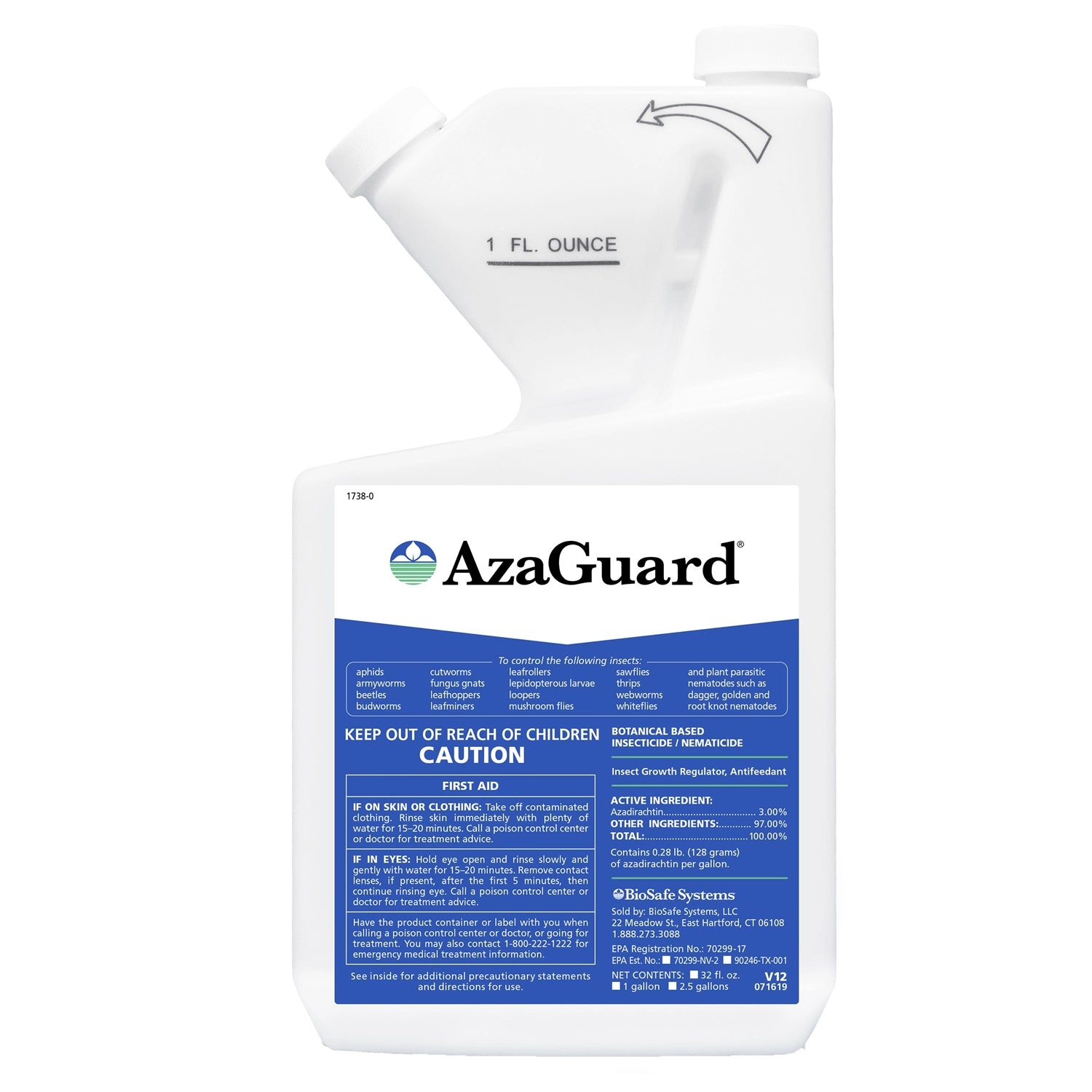
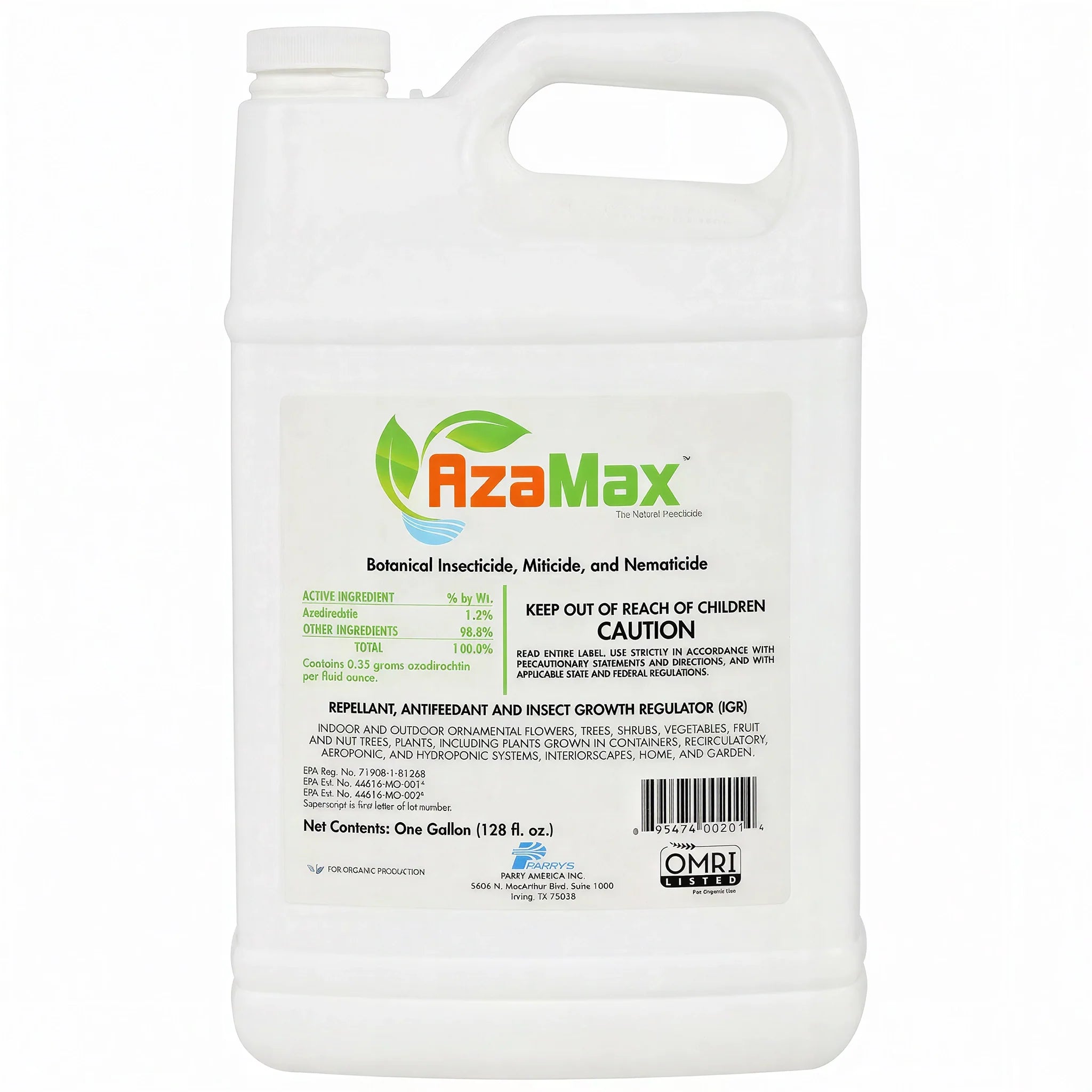
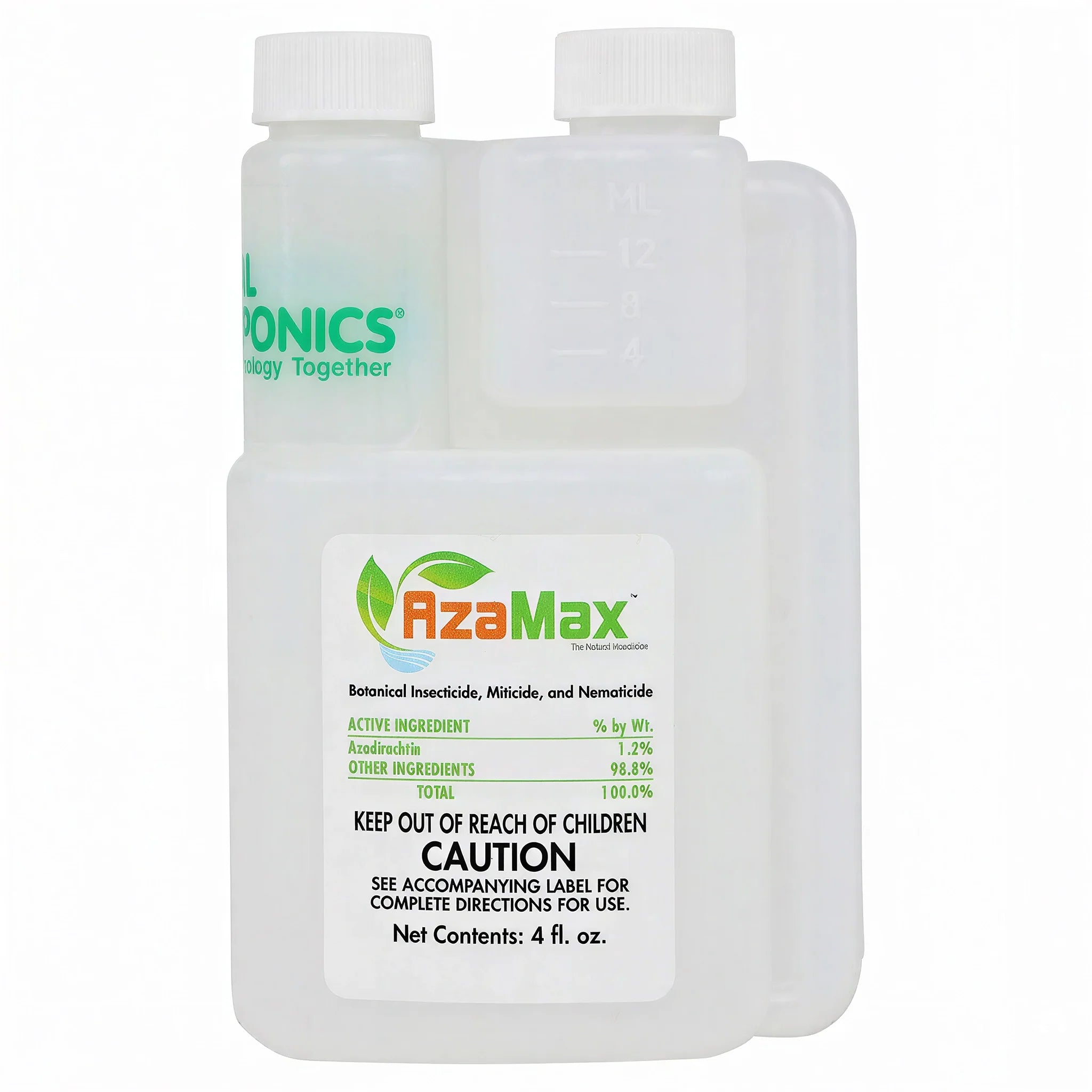
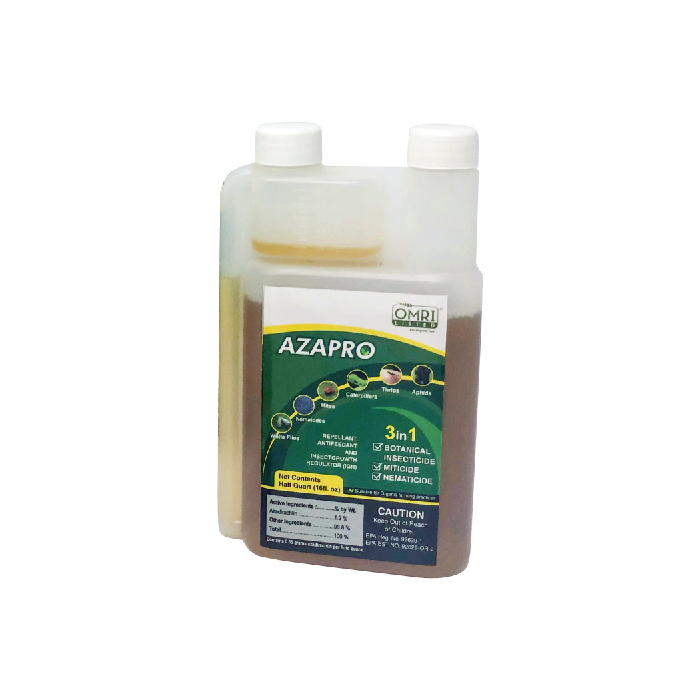
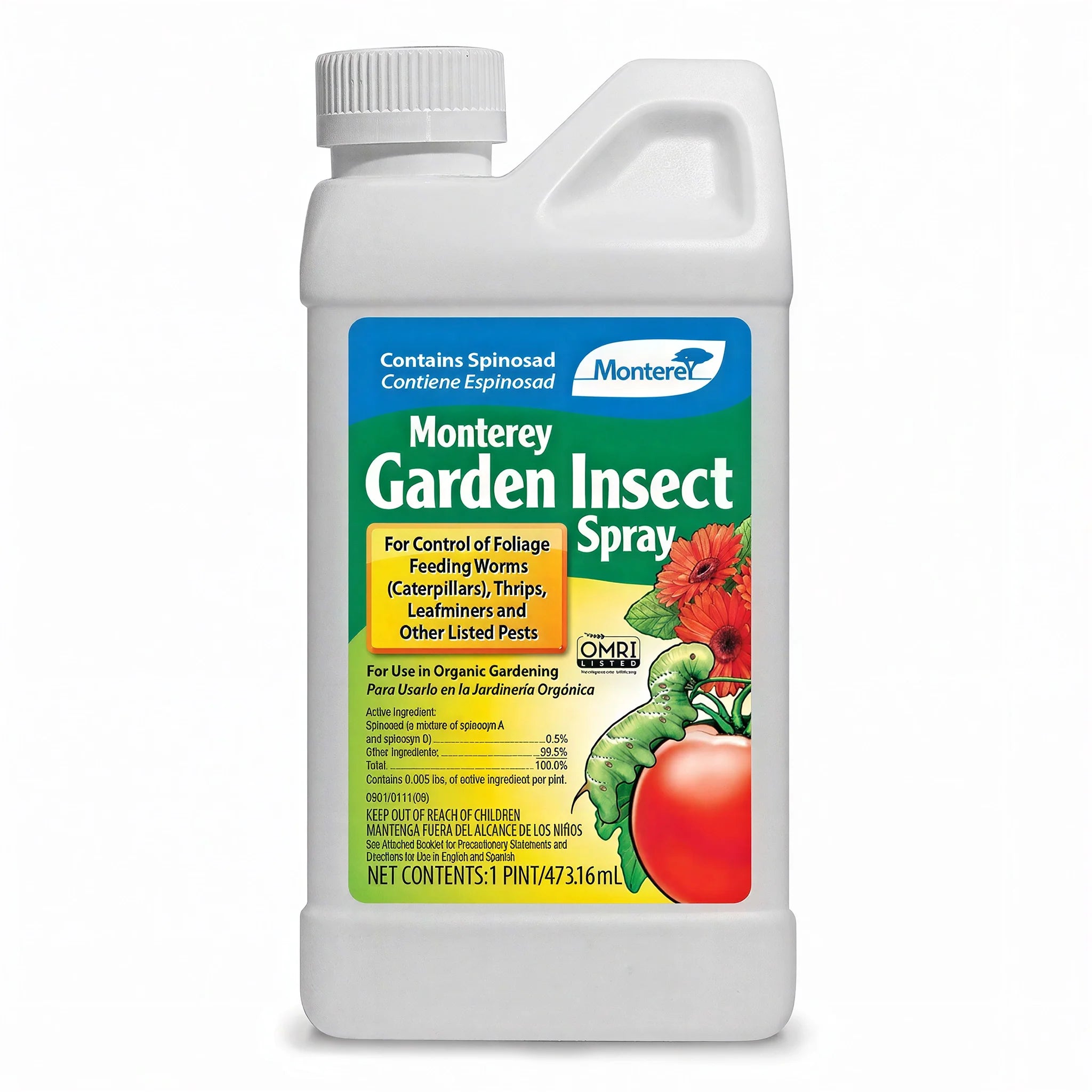
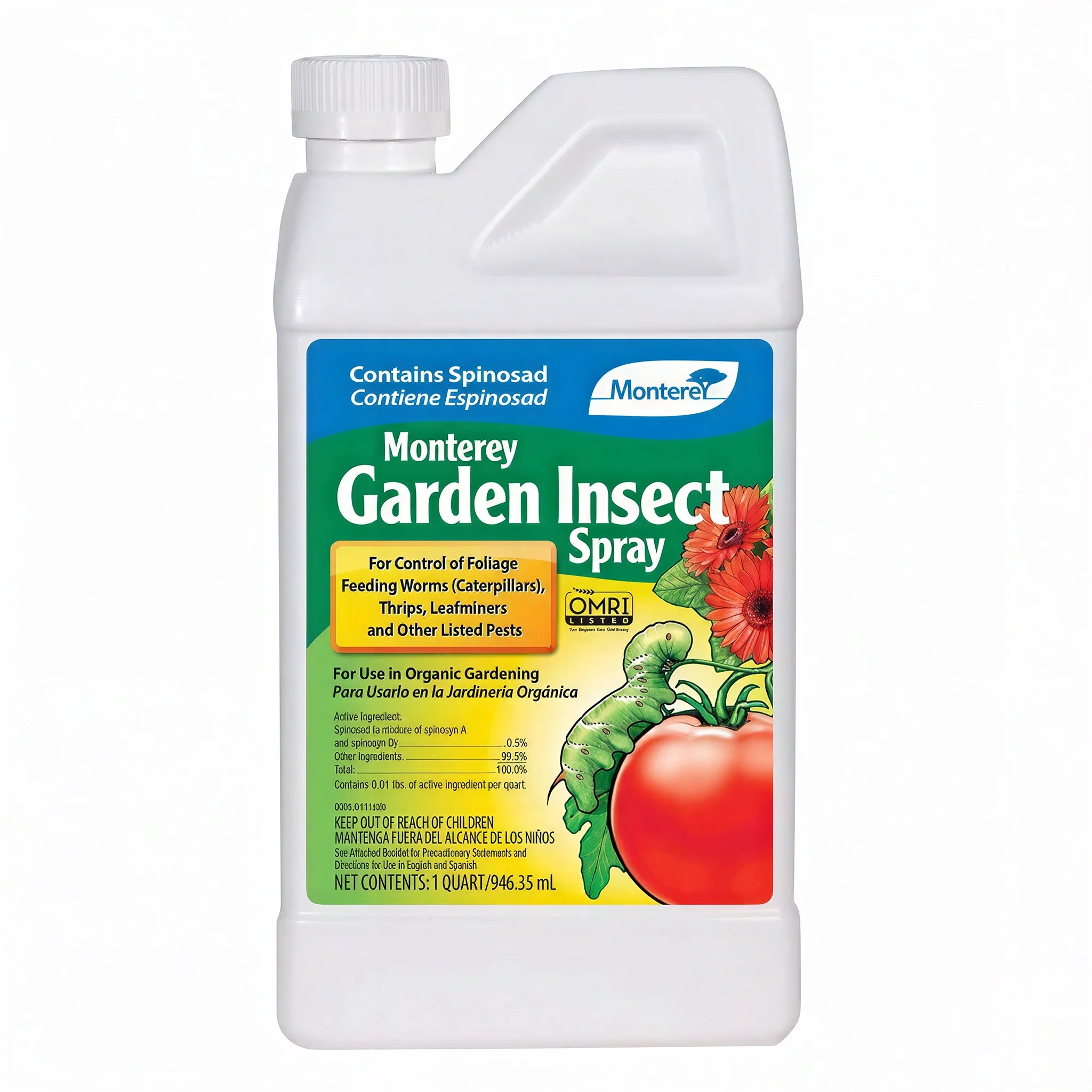
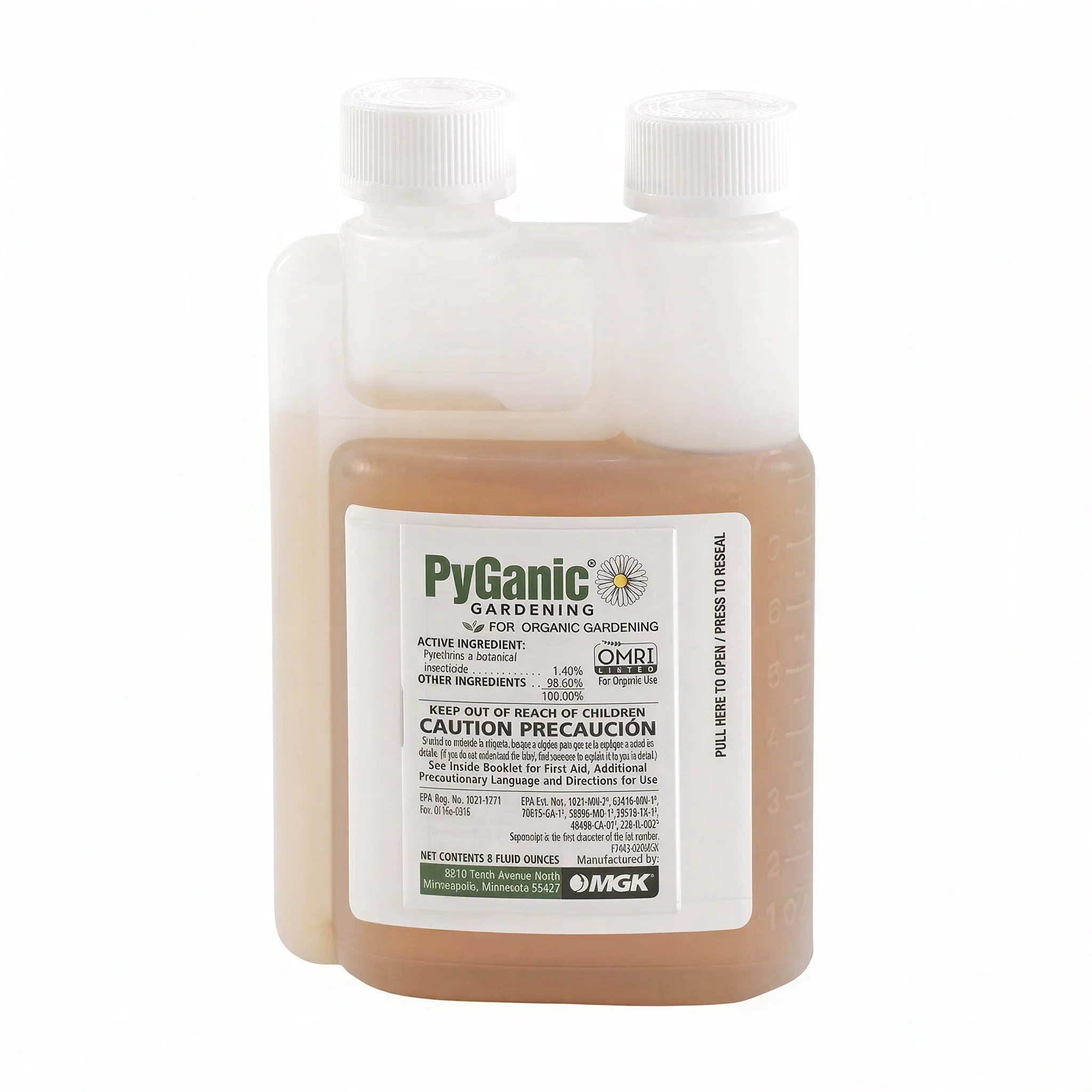
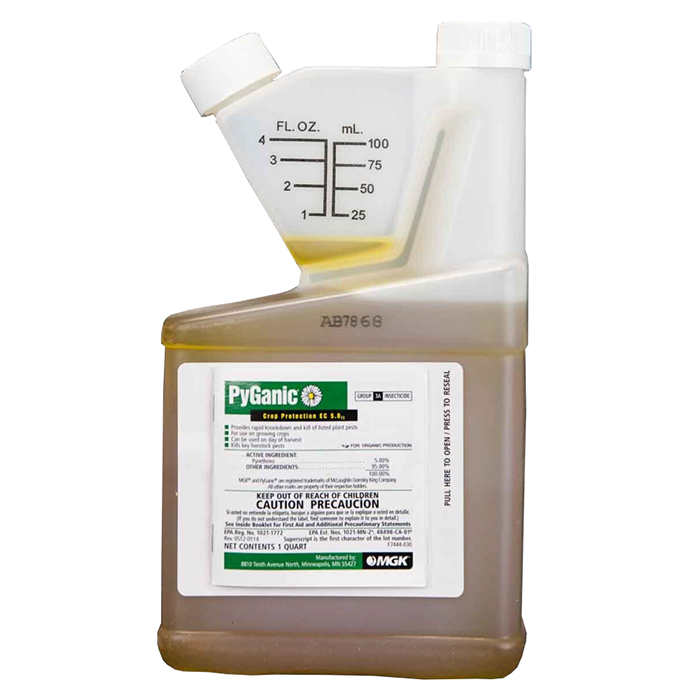
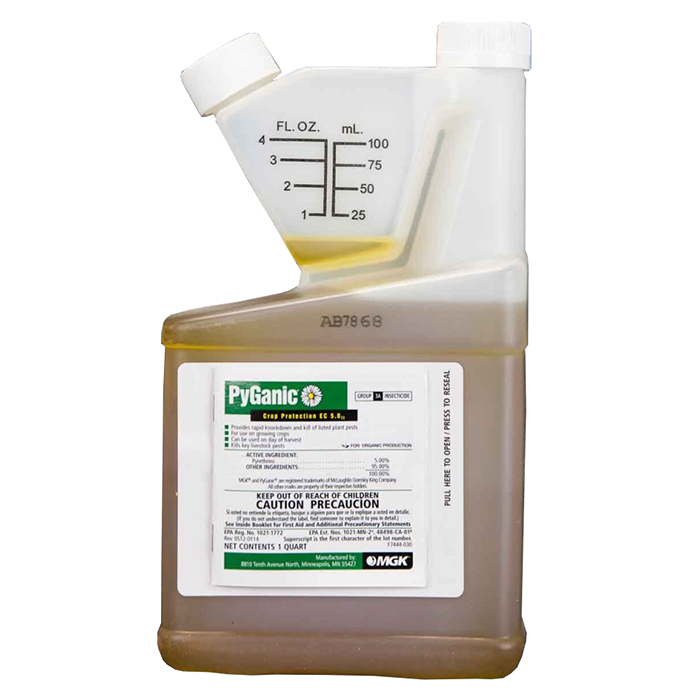
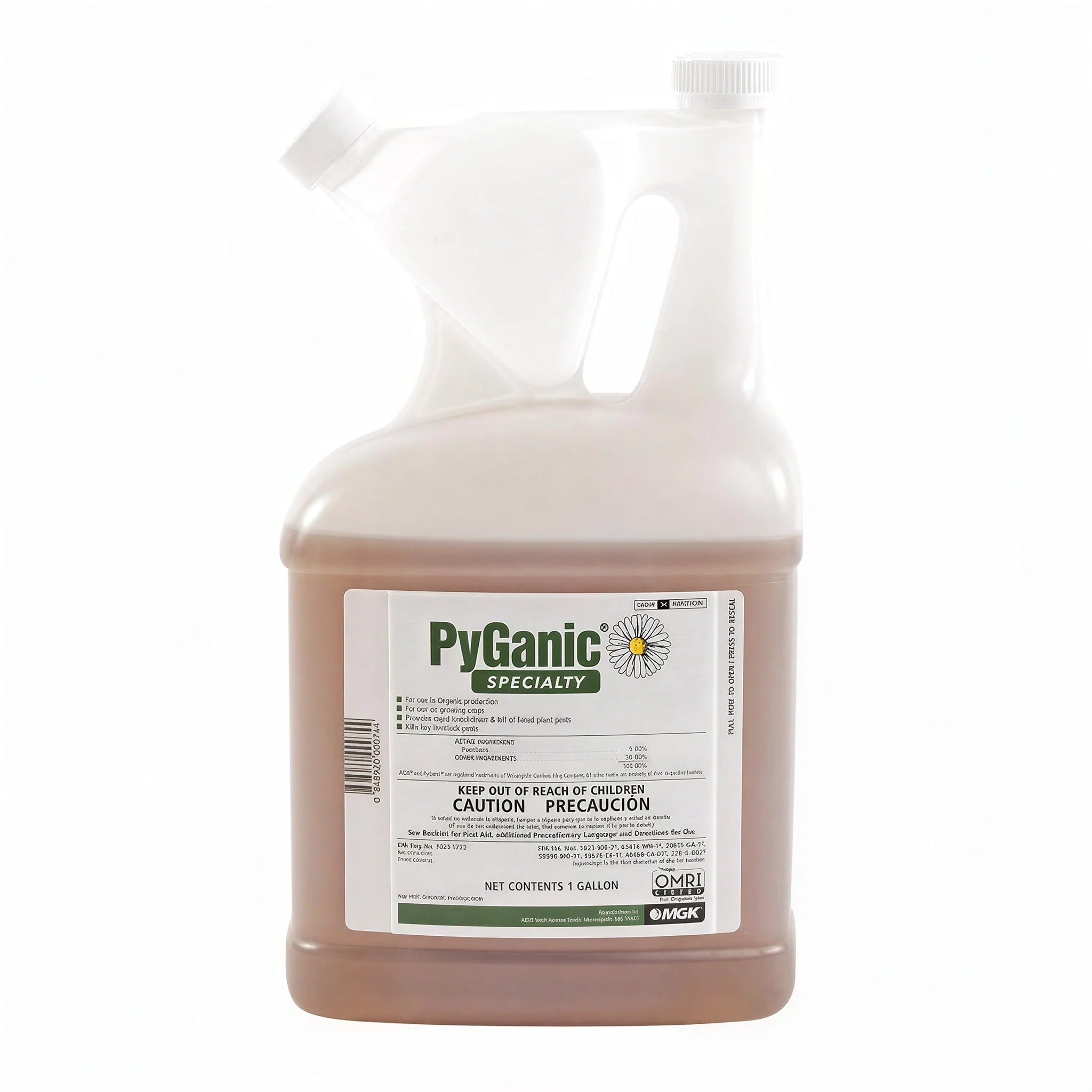
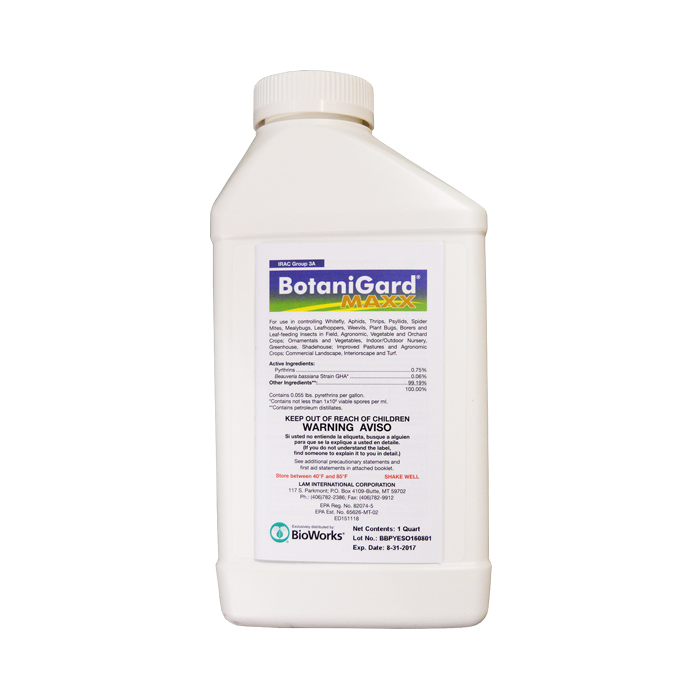
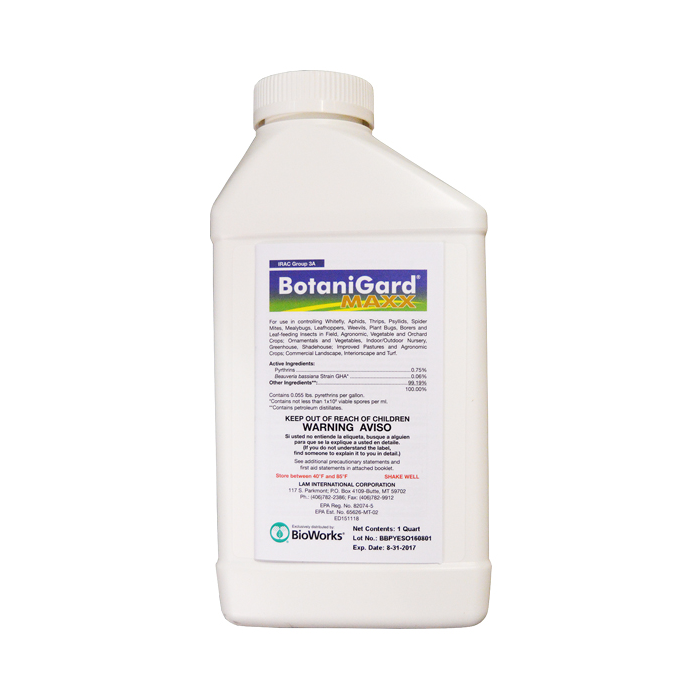
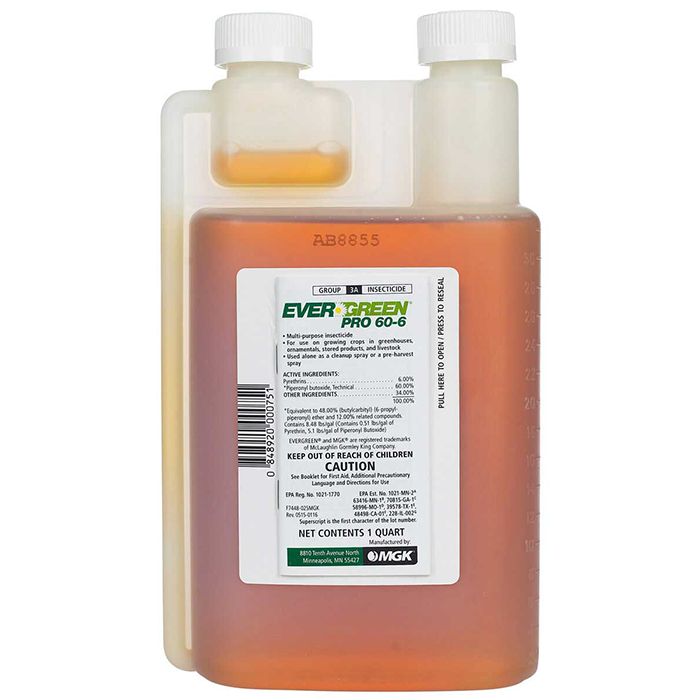
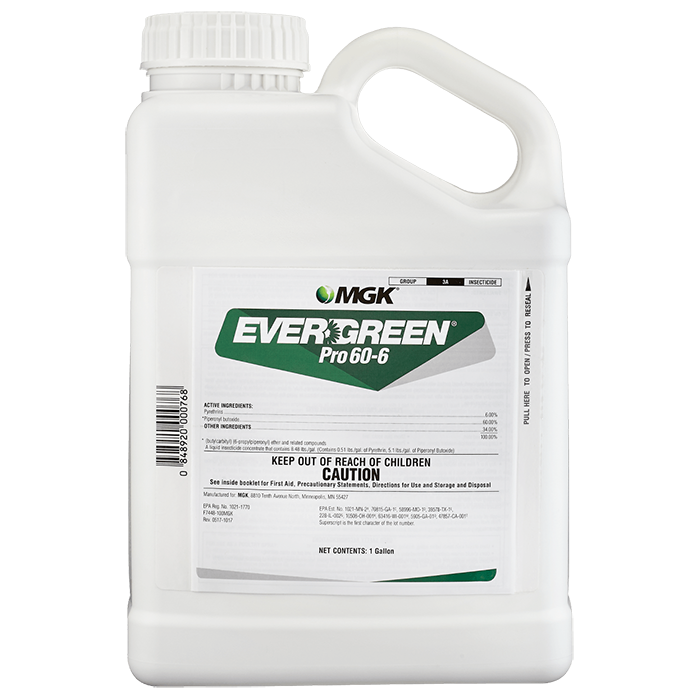
Spinosad (derived from soil bacteria fermentation) controls thrips, caterpillars, and leafminers with relatively low impact on beneficial insects after residues dry; OMRI-listed for organic use. Pyrethrin (plant-derived) provides fast knockdown of aphids, whitefly, and many other soft-bodied insects with short residual activity -- safe for use on edible crops with appropriate pre-harvest interval. Insecticidal soap (potassium fatty acid salts) disrupts insect cuticle integrity on contact -- effective against aphids, spider mites, and soft-bodied pests with no residual activity and no pre-harvest interval. Azadirachtin (neem tree extract, available in neem oil products) disrupts insect hormone systems affecting molting and reproduction -- slow-acting but broad-spectrum against many insect life stages. Abamectin targets spider mites and leafminers systemically -- effective but with a longer pre-harvest interval; not OMRI-listed. For biological insect control alternatives, see our beneficial insects collection.
Resistance Management
Rotate between active ingredient classes with every 2-3 applications -- using the same product repeatedly selects for resistant individuals in the pest population, reducing efficacy over time. Alternating between Spinosad, pyrethrin, and insecticidal soap for the same target pest prevents any single resistance mechanism from dominating. Fast shipping.
Insecticides & Miticides FAQ
What is the safest insecticide to use on edible crops?
Insecticidal soap (potassium fatty acid salts) and pyrethrin products labeled for edible crops have the most favorable safety profiles and shortest pre-harvest intervals -- most can be applied up to the day of harvest. Both work by contact mechanism and break down rapidly without soil or plant systemic residues. Spinosad is also approved for many edible crops with a short PHI (pre-harvest interval). Always read the product label for the specific crop and application rate -- label requirements are legally binding and vary between formulations even for the same active ingredient.
How do I control spider mites organically?
Organic spider mite management options in order of intervention intensity: (1) Predatory mites (Phytoseiulus persimilis, Neoseiulus californicus) -- introduce preventively or at first sign of mite activity; most effective biological control for spider mites in warm humid conditions; (2) Insecticidal soap spray -- disrupts mite cuticle on contact; apply thoroughly to leaf undersides where mites congregate; (3) Neem oil spray -- azadirachtin disrupts mite reproduction; slower-acting but effective with regular application; (4) Pyrethrin -- fast knockdown for heavy infestations; rotate with other modes of action to prevent resistance. Spider mites develop resistance to insecticidal products quickly -- rotating between these options is essential.
Why do I need to rotate insecticide products?
Pest populations are genetically diverse -- within any population, a small fraction of individuals carry traits that confer resistance to a specific pesticide mechanism. When that pesticide is applied repeatedly, it kills susceptible individuals and leaves resistant survivors who reproduce and pass on their resistance traits. Within a few generations (spider mites, for example, complete a generation in 7-10 days under warm conditions), the population can shift substantially toward resistance. Rotating between products with different modes of action (different active ingredients targeting different biological processes) prevents any single resistance trait from dominating the population.
What is the difference between a contact and systemic insecticide?
Contact insecticides kill insects that are directly touched by the spray -- they have no activity against pests that emerge after the residue degrades or against pests on untreated surfaces. They must be applied to all plant surfaces where target pests are present, including leaf undersides. Systemic insecticides are absorbed by the plant and move through plant tissue -- insects that feed on treated plant tissue ingest the active ingredient. Systemics provide protection against pests on untreated surfaces and against pests that emerge after application. Most contact insecticides are shorter-residual and OMRI-listable; most systemics have longer residuals and are not approved for organic use.
How do I get rid of fungus gnats?
Effective fungus gnat management requires addressing all life stages simultaneously: adults (flying) -- yellow sticky traps at medium canopy height catch adults; pyrethrin spray reduces adult populations rapidly. Larvae (in substrate) -- allow the substrate to dry out between irrigations to kill larvae (larvae need consistently moist surface conditions to survive); beneficial nematodes (Steinernema feltiae) and predatory soil mites (Hypoaspis miles) are highly effective biological controls for larvae in the substrate. Pupae (in substrate and perimeter areas) -- nematodes and soil mites continue to work on pupating stages. Addressing all stages concurrently produces much faster population collapse than targeting adults alone with sticky traps.