Grow Room Fans & Blowers -- Complete Ventilation Guide
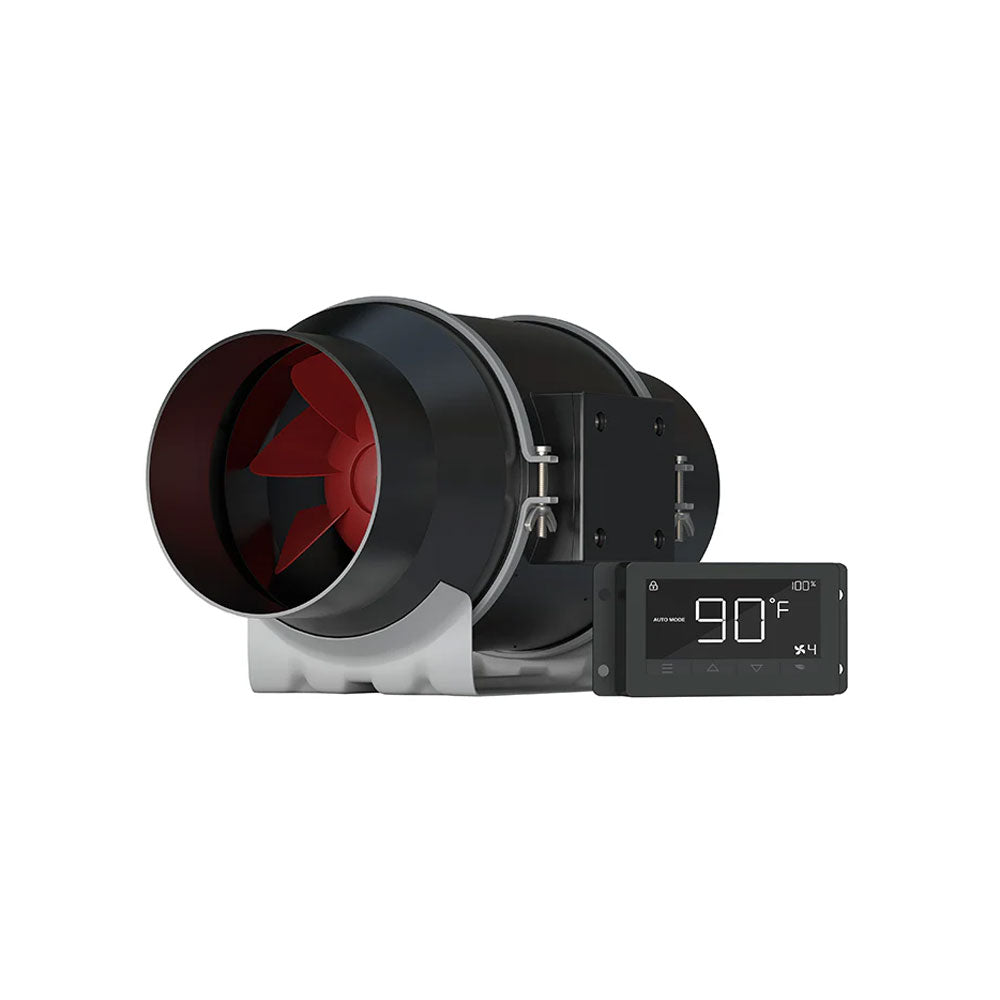
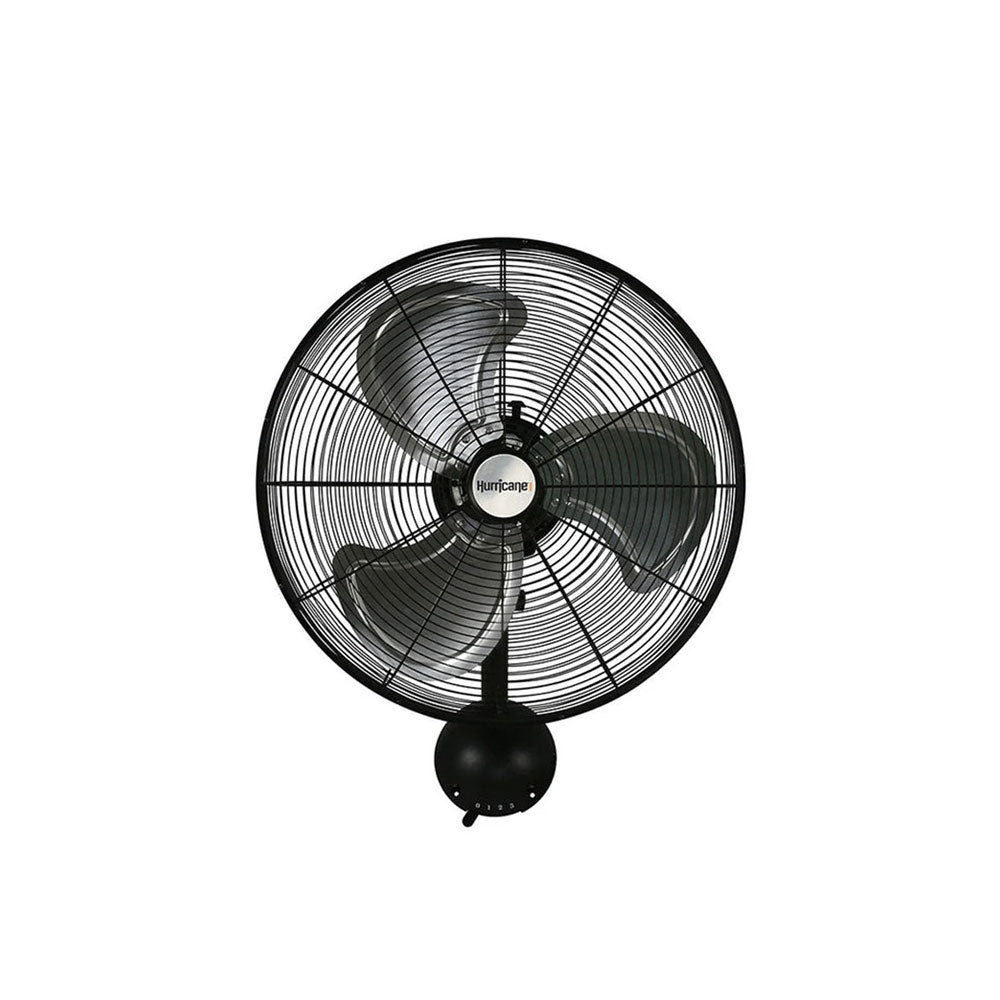
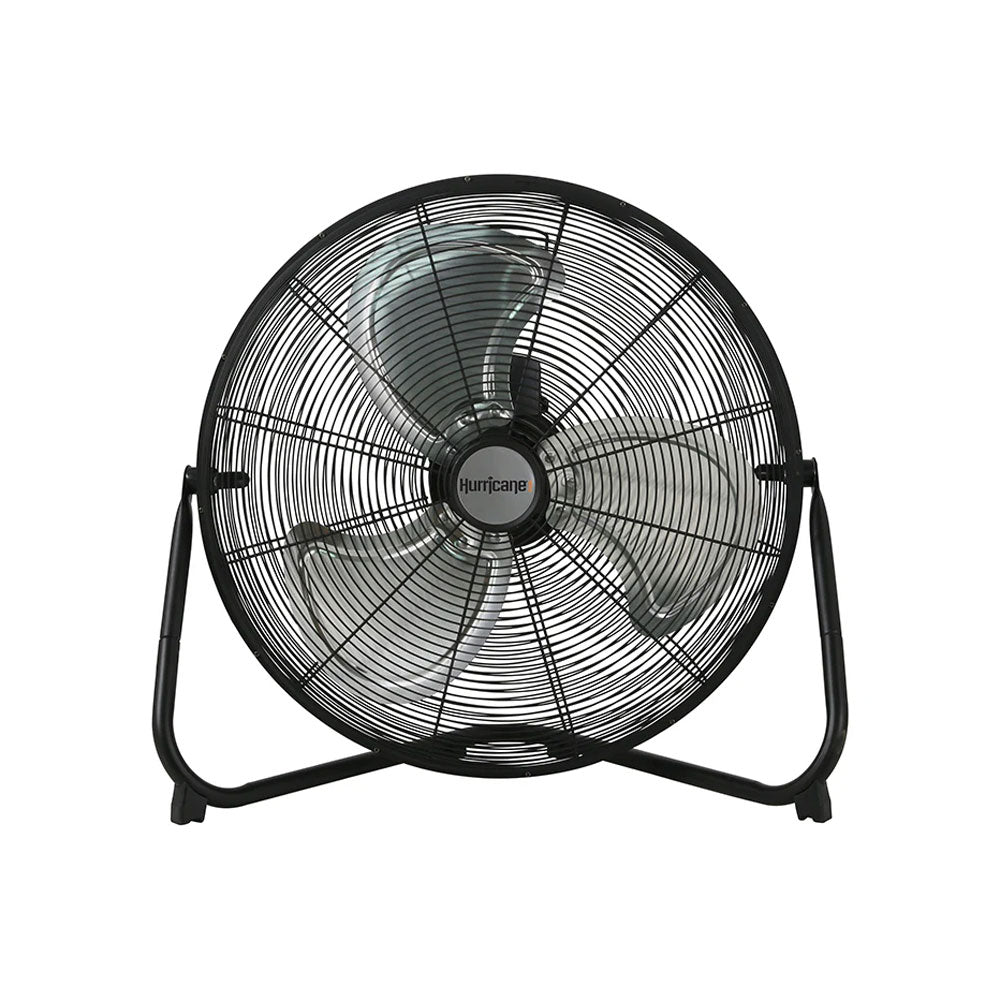
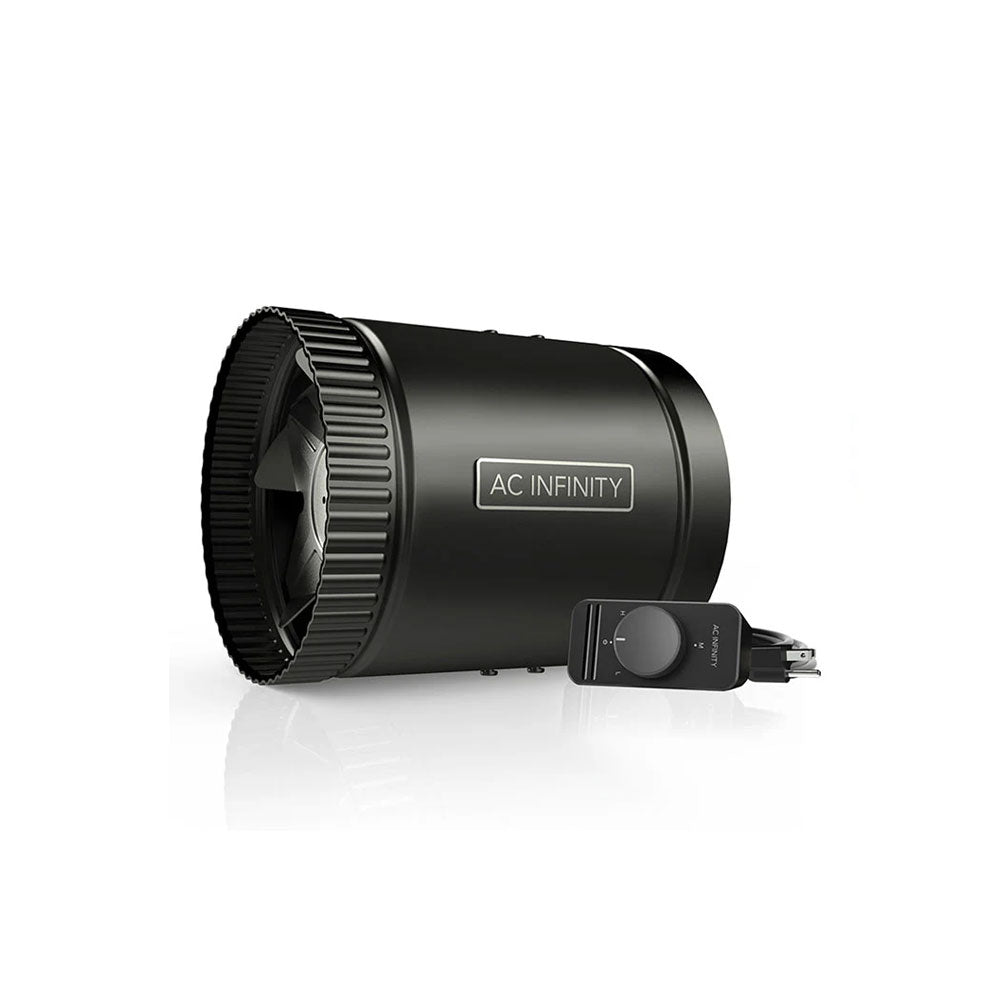
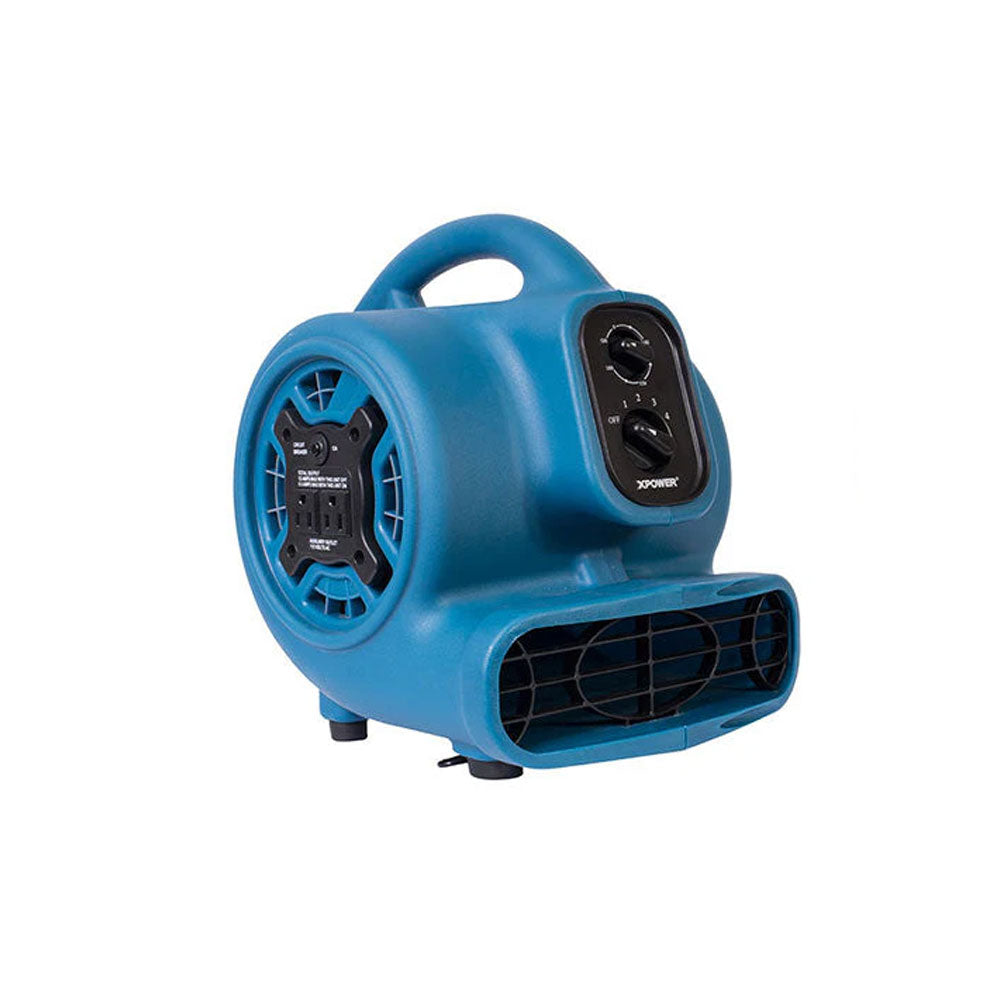
Indoor growing requires three distinct types of airflow management, each served by a different category of fan. Air exchange -- removing heat, humidity, and CO2-depleted air while pulling in fresh air -- is handled by inline duct fans connected to ducting and carbon filters. Canopy-level circulation -- distributing air evenly through the growing canopy to prevent stagnant zones, strengthen stems, and support CO2 delivery at leaf surfaces -- is handled by oscillating wall and stand fans and clip-on fans. Heavy-duty industrial airflow for greenhouse aisles and large commercial facilities is handled by high-output blowers from Schaefer and J&D Manufacturing. A complete ventilation system uses all three working together -- no single fan type substitutes for the others.
Fan Categories & When to Use Each
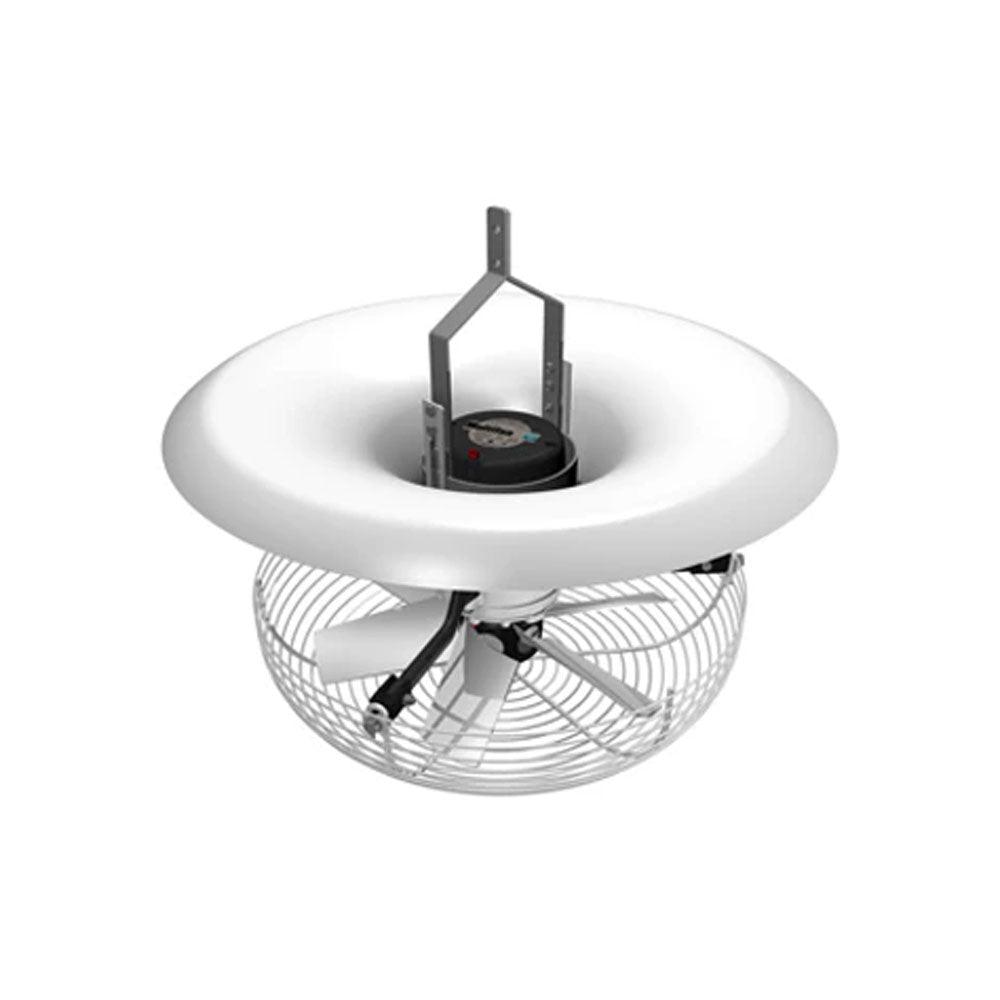
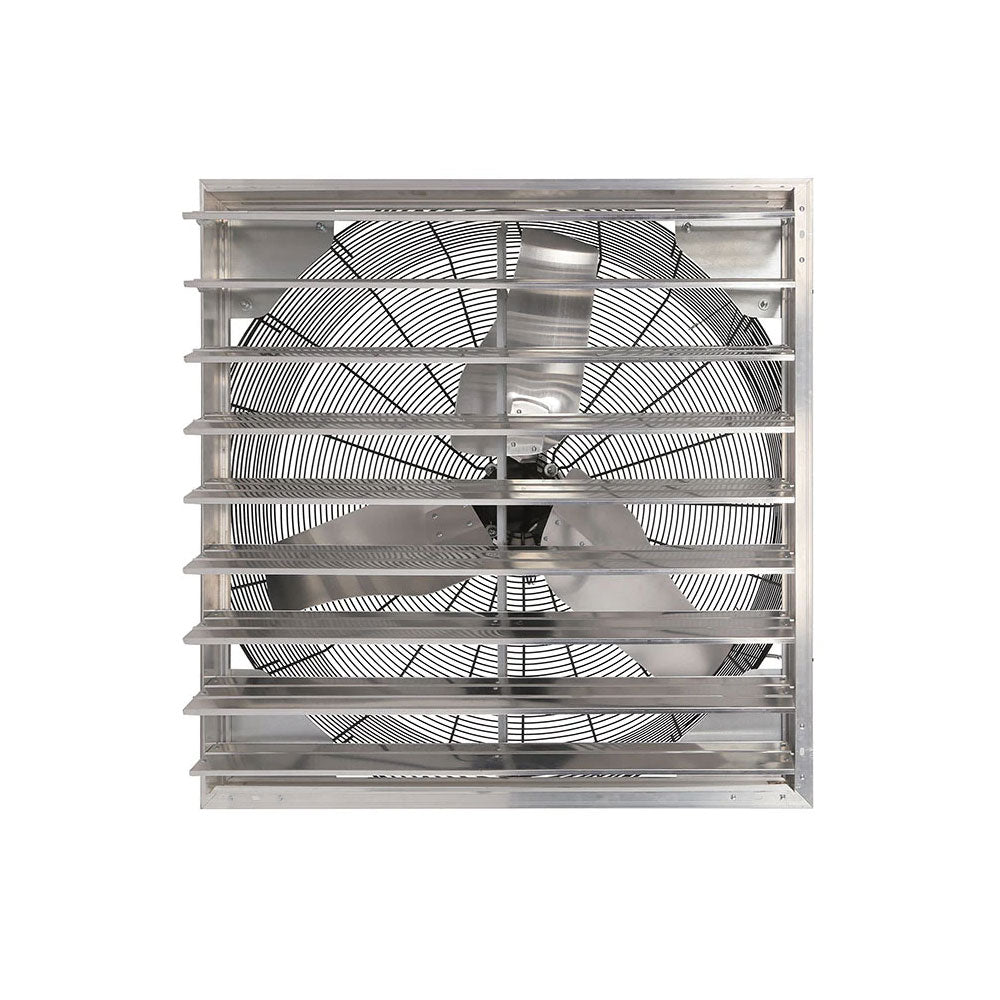
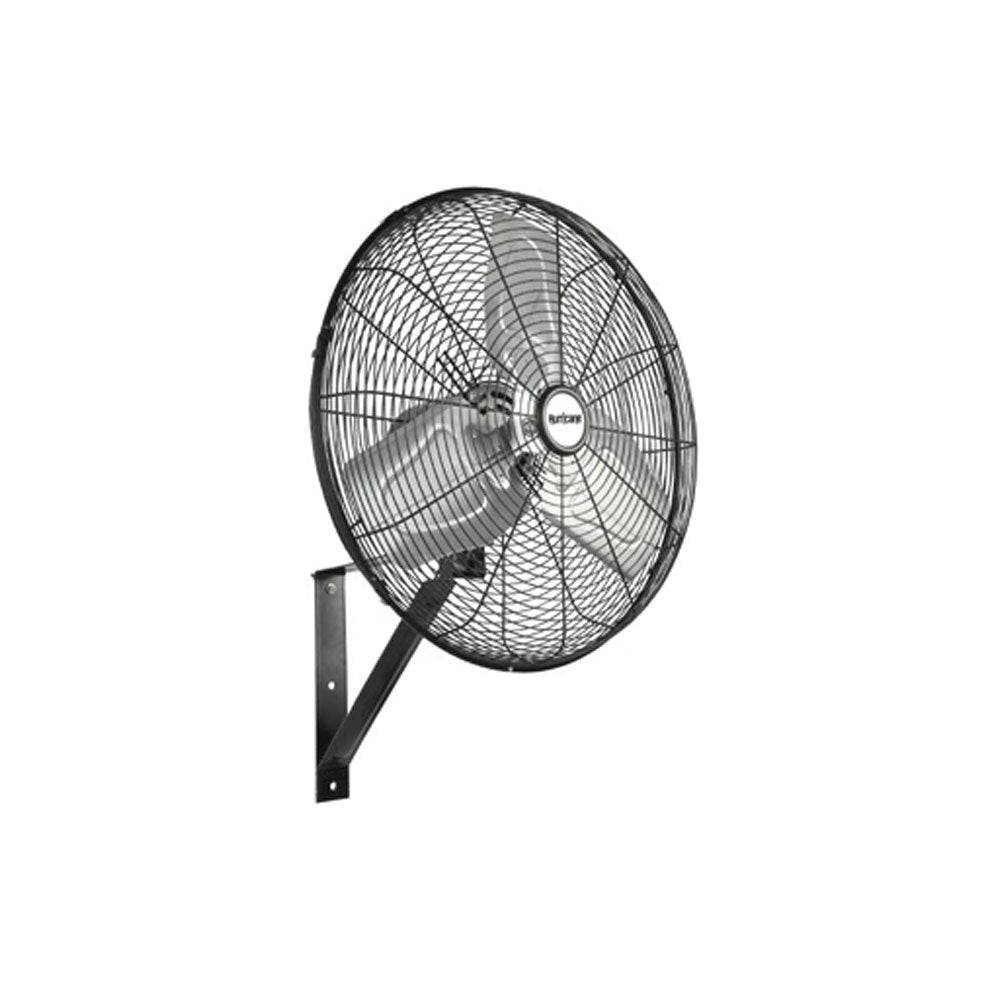
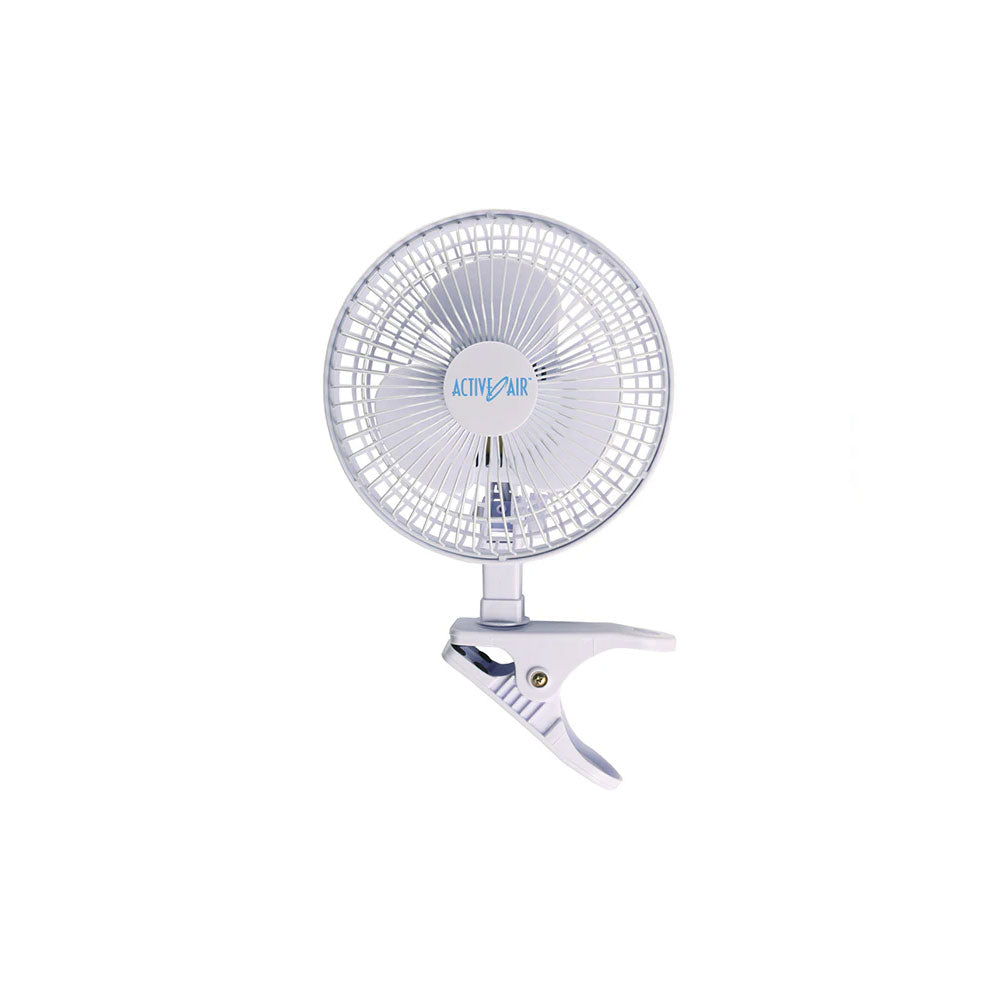
Inline fans mount in-line with exhaust ducting and drive the primary air exchange cycle. Size them by grow space volume using our Ventilation & Carbon Filter Sizing Calculator. Oscillating fans sweep back and forth across the canopy, providing even broad-canopy air movement -- wall-mount models for dedicated grow rooms, stand models for flexible repositioning. Clip-on fans mount directly to tent poles or frame rails and deliver targeted airflow to specific canopy zones or under-canopy areas where oscillating fans cannot reach. For commercial greenhouse and warehouse operations, high-velocity barrel fans and belt-driven blowers from Schaefer and J&D Manufacturing move high volumes of air across long distances at the airspeed needed to manage temperature across large floor areas.
Fan Brands at Hydrobuilder
Hydrobuilder carries grow room fans from Can-Fan (inline fans -- Standard and Max series, the commercial benchmark), Hurricane (oscillating, clip-on, and inline fans across all sizes), AC Infinity (CLOUDLINE inline series with integrated speed control and temperature automation), Schaefer (commercial-grade oscillating and directional fans for greenhouse and warehouse), and Grow1 (cost-effective inline and clip-on fans for hobby applications). All are qualified brands with verified sales history. Expert support available.
Grow Room Fans FAQ
What types of fans do I need for a grow room?
Three types work together for complete ventilation. Inline fans handle air exchange -- drawing heat, humidity, and CO2-depleted air out through ducting and carbon filter. Oscillating fans handle canopy circulation -- distributing air evenly across the full canopy footprint to prevent stagnant zones and strengthen stems. Clip-on fans handle targeted close-range airflow to specific canopy areas. All three have different jobs; none substitutes for the others in a well-functioning grow room.
How do I size an inline fan for my grow tent?
Calculate tent volume (L x W x H in cubic feet) and select a fan that can exchange that full volume at least once per minute. Add 25-30% to account for carbon filter pressure resistance. A 4x4x7 ft tent (112 cu ft) needs 140-150 CFM through the filter -- select a fan rated 175-200 CFM free air. A 4x8x7 ft tent (224 cu ft) needs 280-300 CFM at filter -- select a 6-inch fan rated 350-400 CFM. Use our Ventilation Calculator for an exact recommendation based on your dimensions.
Where should I position oscillating fans in a grow room?
Mount oscillating fans at upper canopy height on opposing walls so their sweep arcs cross the full canopy width. This creates cross-canopy airflow that prevents stagnant zones across the entire growing surface. Avoid pointing fans directly down at close range -- this causes wind burn on exposed leaves. For tents, clip-on fans positioned on opposite sides at mid-canopy height are the practical alternative to wall-mount oscillating fans.
Can I run fans on a timer to save electricity?
Inline exhaust fans should run continuously -- shutting them off allows heat and humidity to accumulate rapidly, especially during the light period. Oscillating and clip-on circulation fans can be run on timers or reduced speed during the dark period when heat load from lights drops and plants do not need the same level of CO2 replenishment at leaf surfaces. A variable speed controller or environment controller that reduces fan speed automatically during off-peak periods is more efficient than a simple on/off timer.
What is the difference between a fan and a blower for growing?
Standard grow room fans (inline centrifugal fans, oscillating fans, clip-on fans) are designed for the airflow volumes needed in tents and small-to-mid rooms. Industrial blowers from Schaefer and J&D Manufacturing are high-volume, high-static-pressure units designed for greenhouse aisles, large warehouse production spaces, and any application where moving large volumes of air across long distances at high velocity is required. For hobby and small commercial tent and room grows, standard fans handle everything. For large greenhouse or warehouse operations, industrial blowers provide the airflow capacity that standard grow fans cannot.