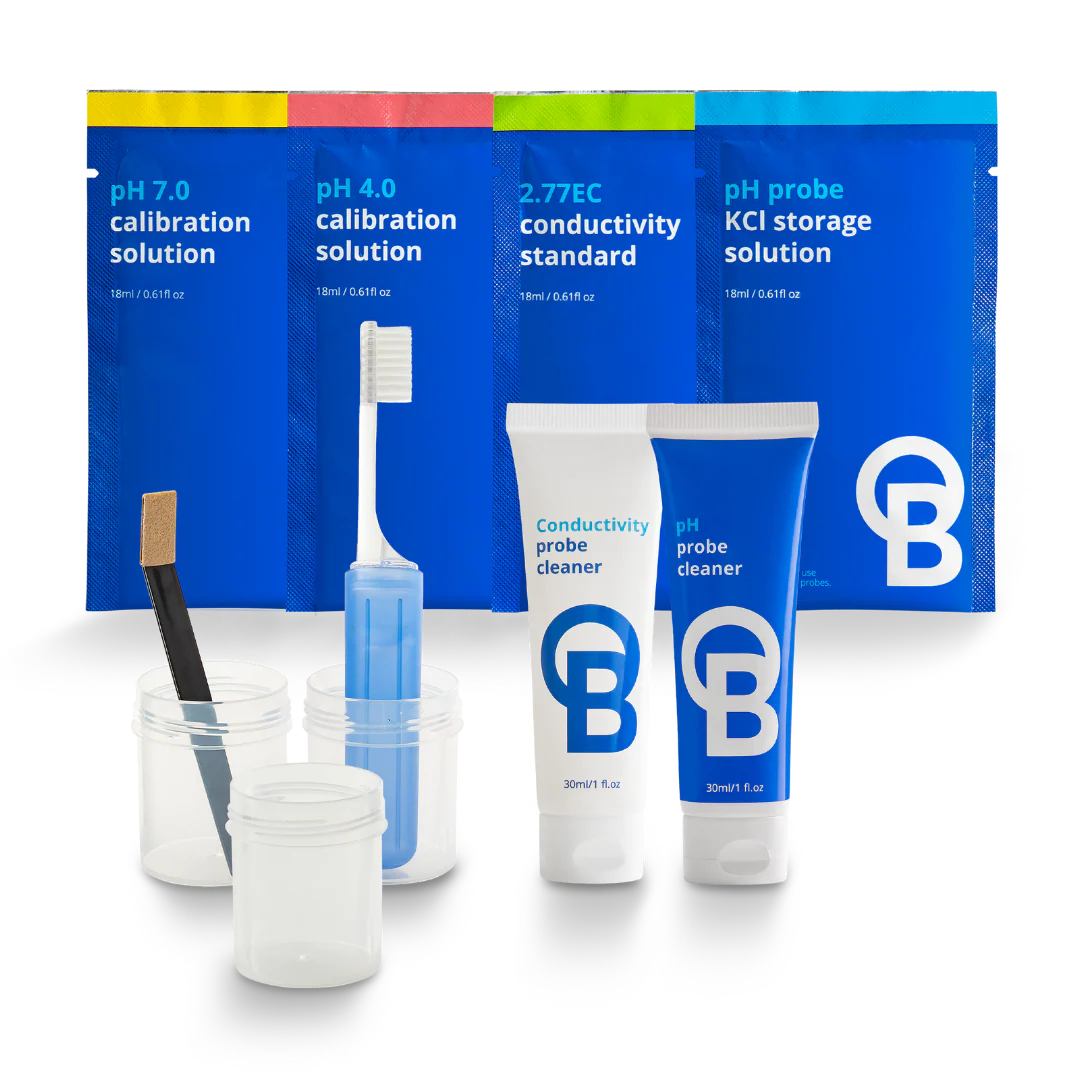
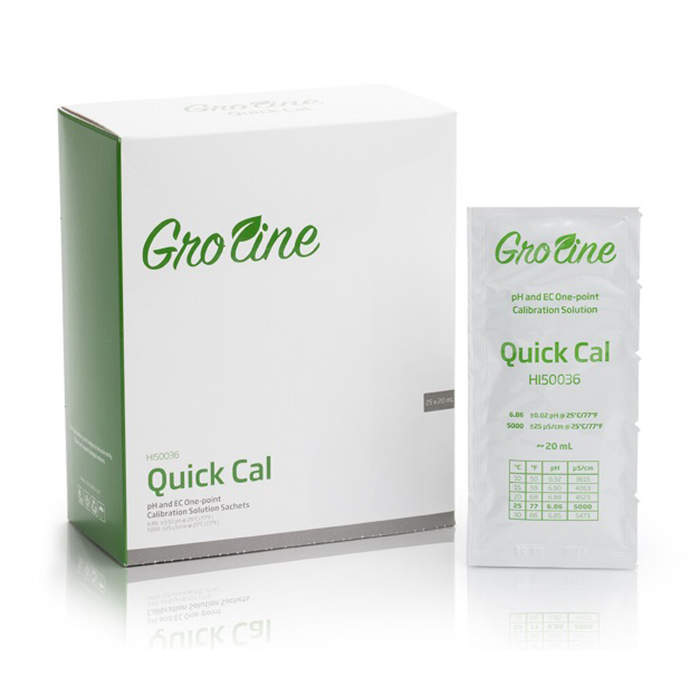
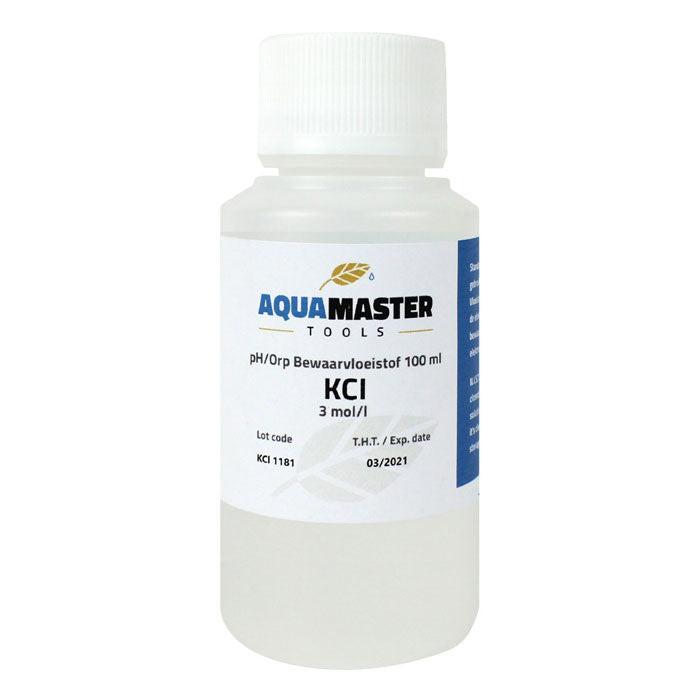
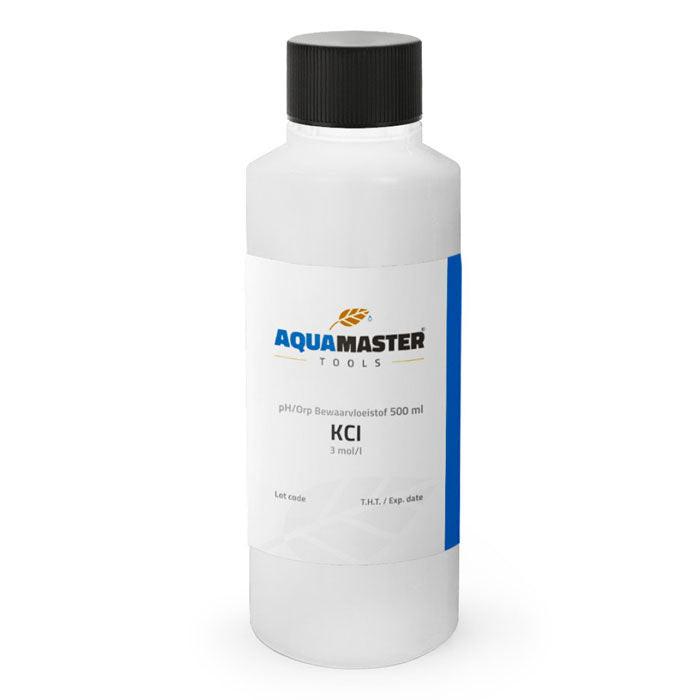
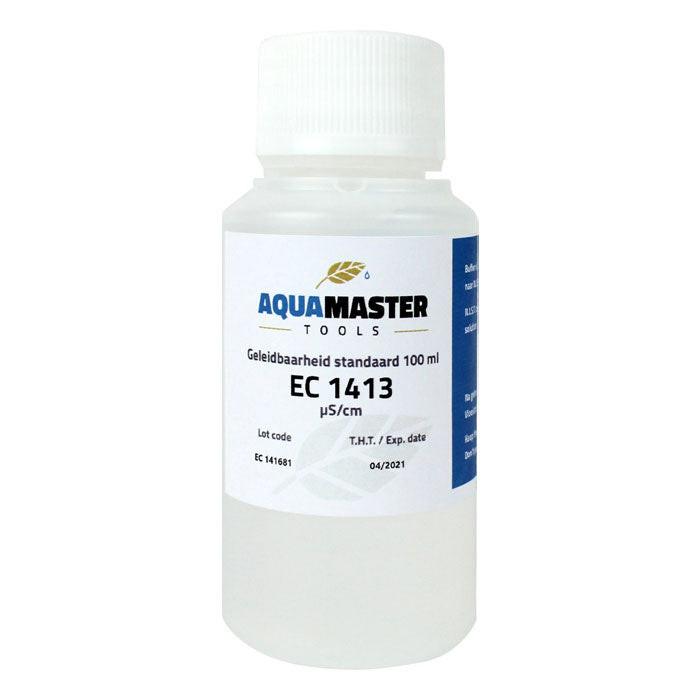
pH & EC Calibration Solutions & Meter Cleaning Supplies
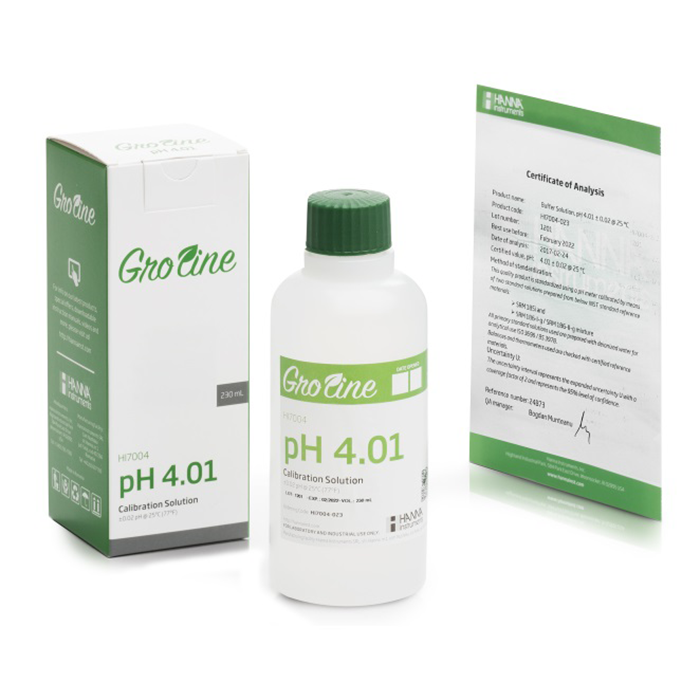
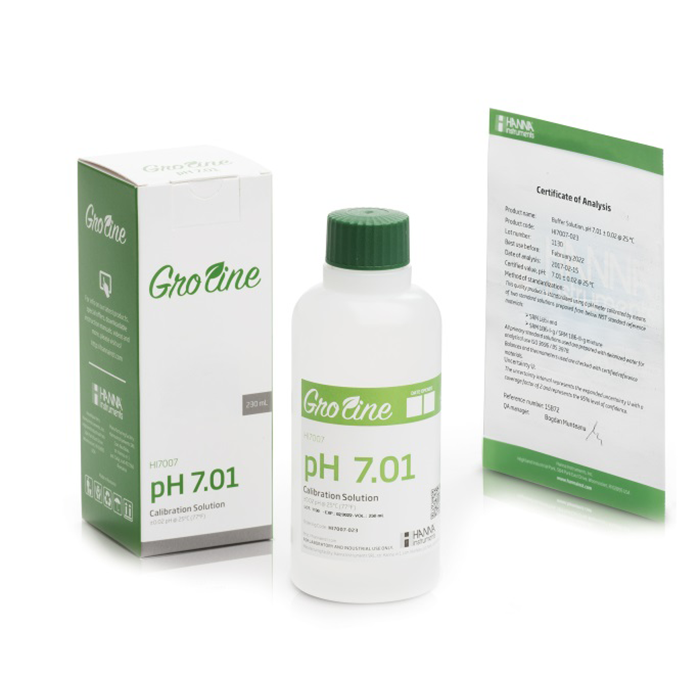
Calibration solutions and meter cleaning supplies are the maintenance consumables that keep pH and EC meters accurate between uses. A pH meter is only as accurate as its most recent calibration -- probes drift continuously from use, temperature cycling, and storage, and a meter that was calibrated last week may be 0.3-0.5 pH units off today without recalibration. Fresh calibration buffer solutions at the correct pH values are the reference standard against which the meter is calibrated; using old or contaminated buffer invalidates the calibration process regardless of how carefully it is performed.
Buffer Solution Standards
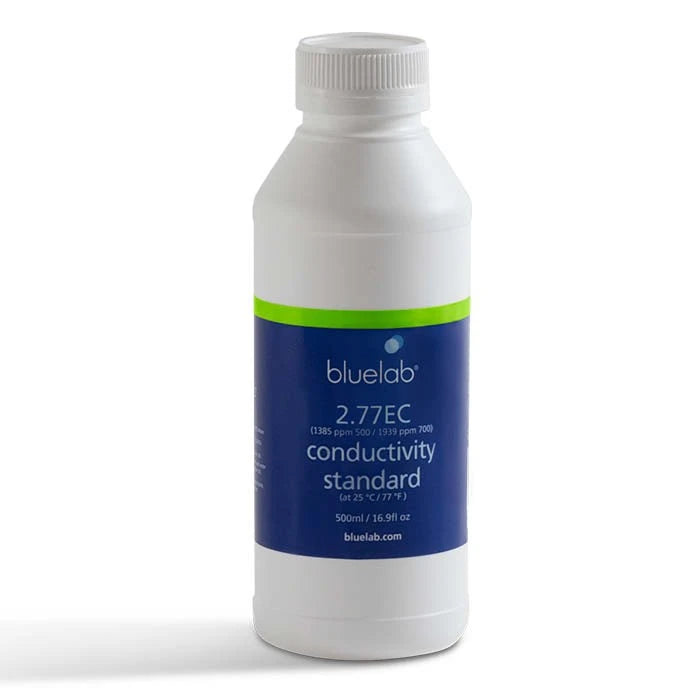
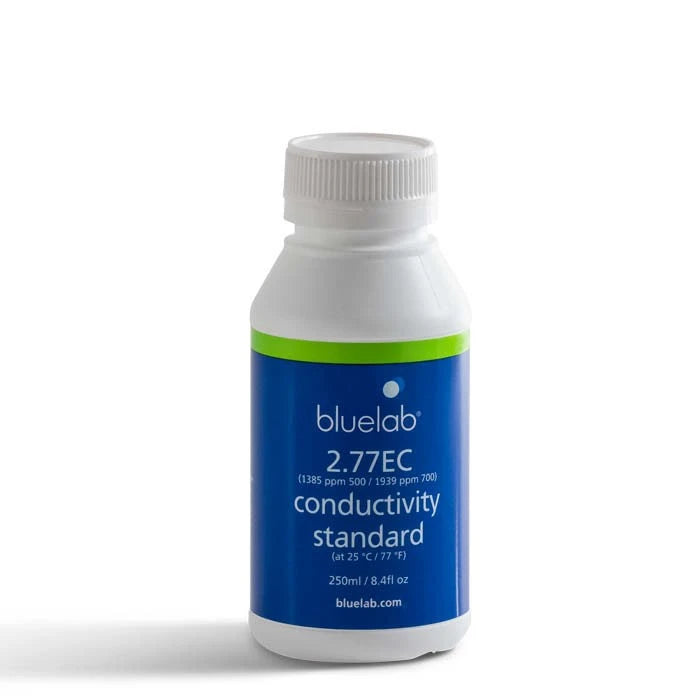
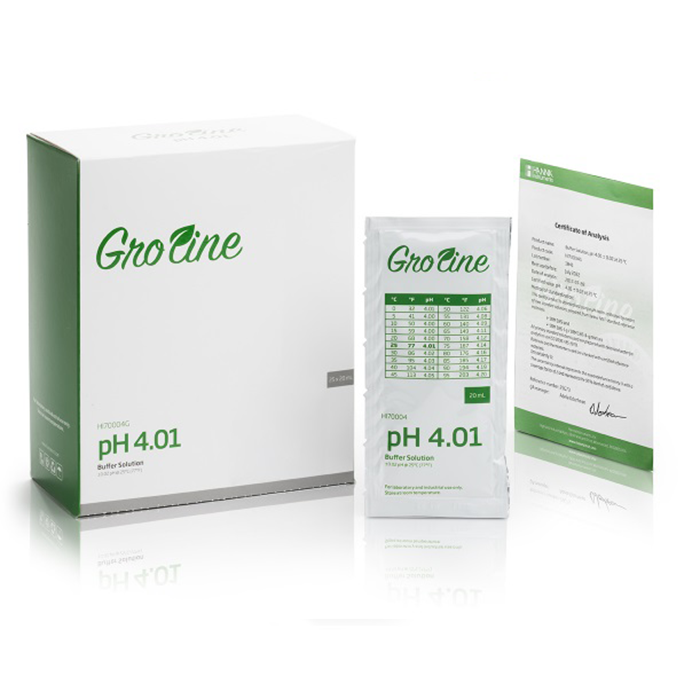
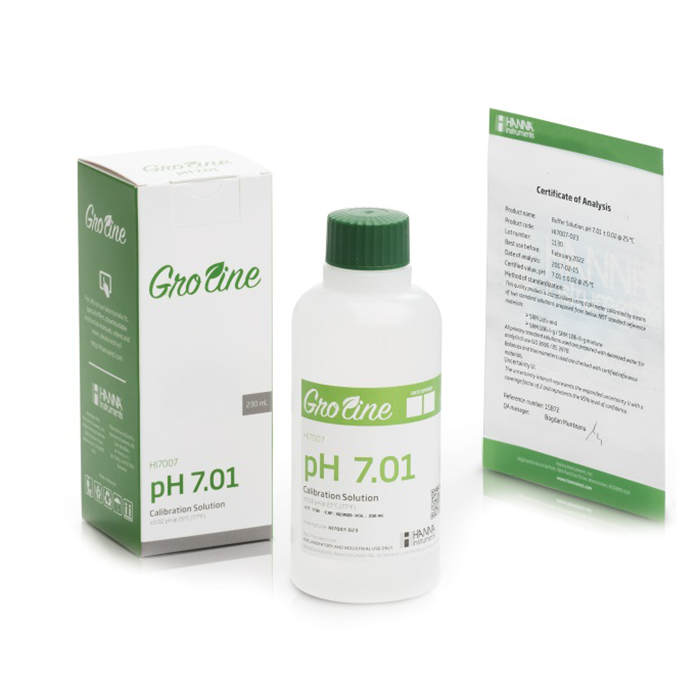
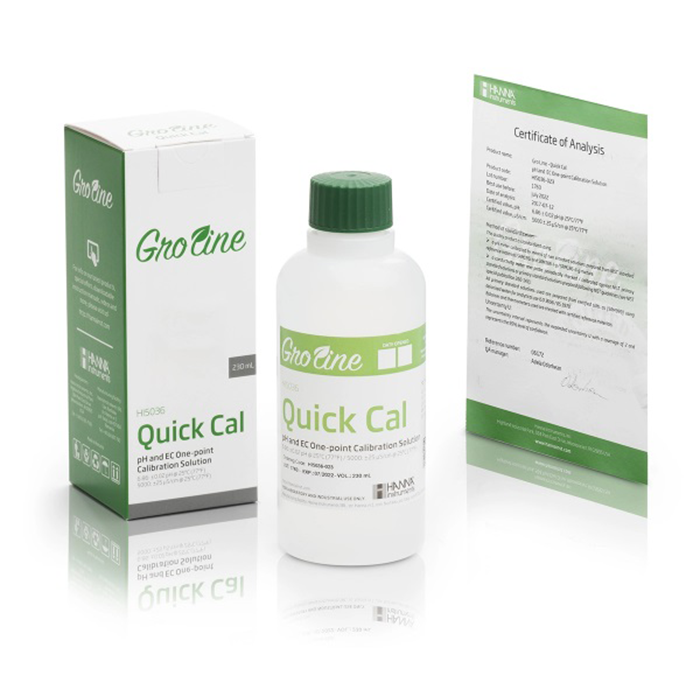
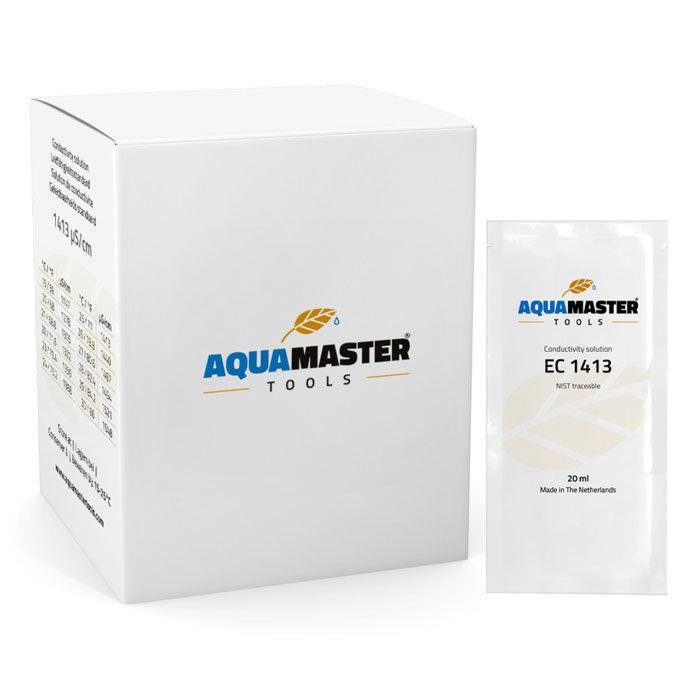
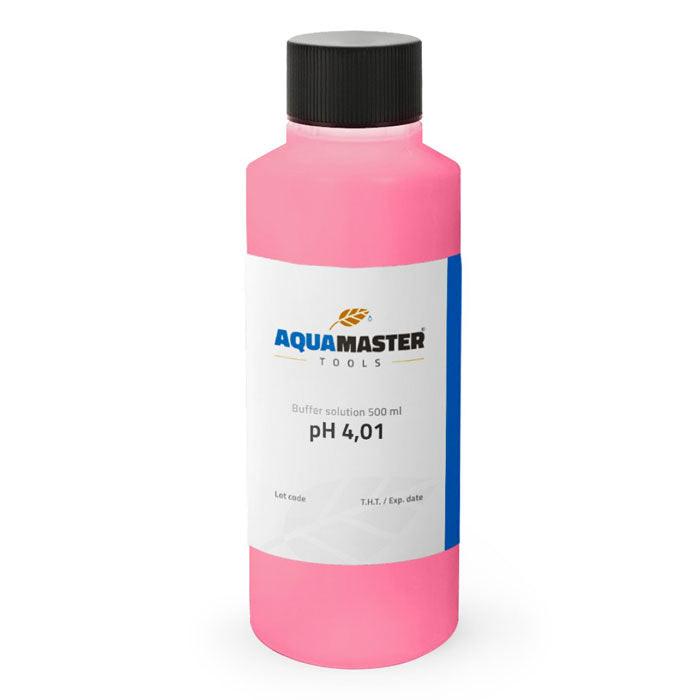
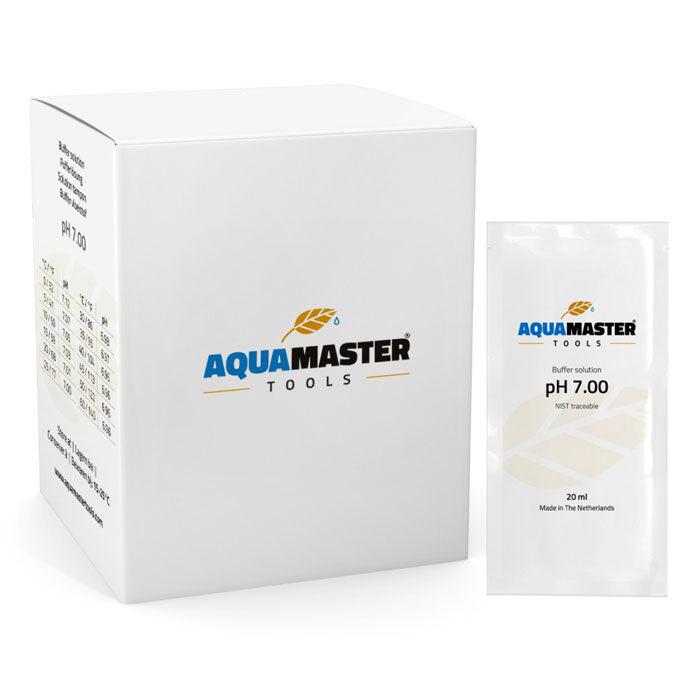
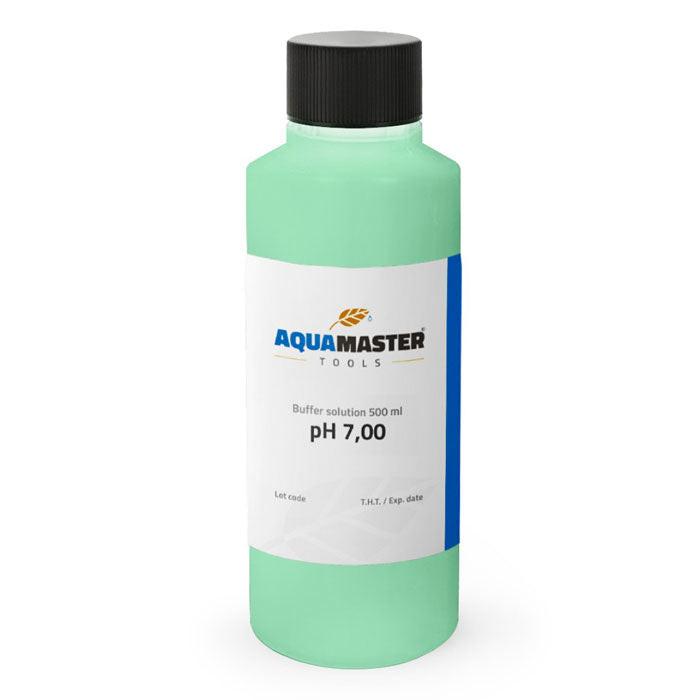
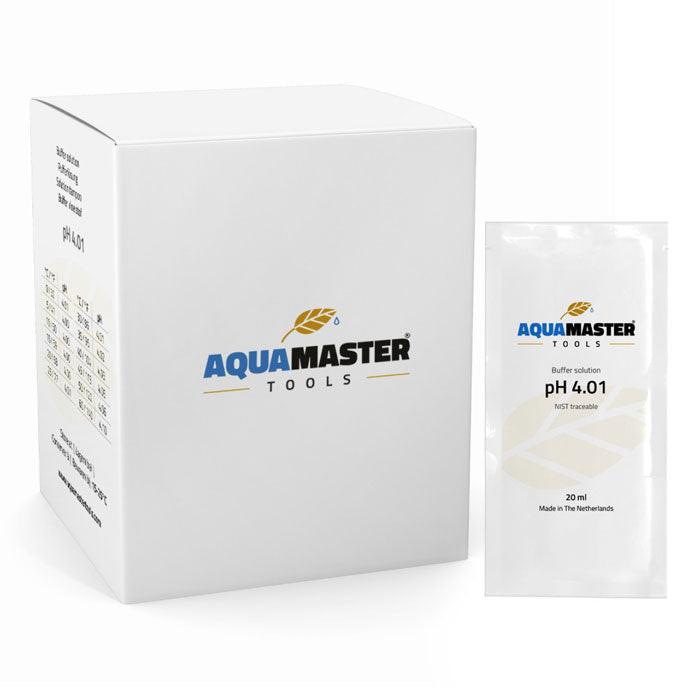
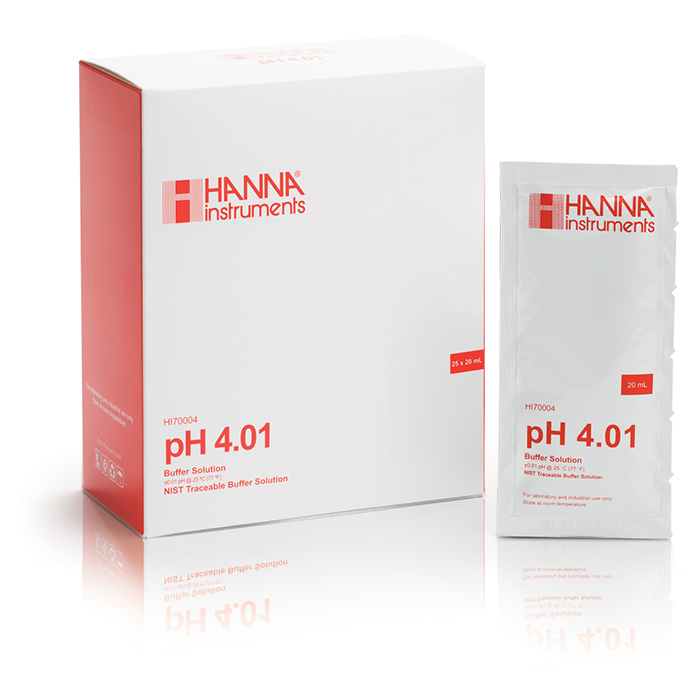
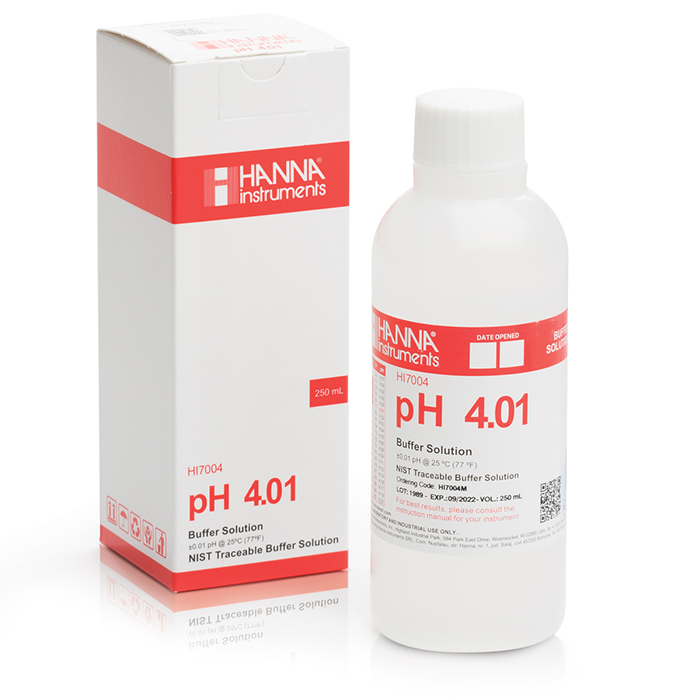
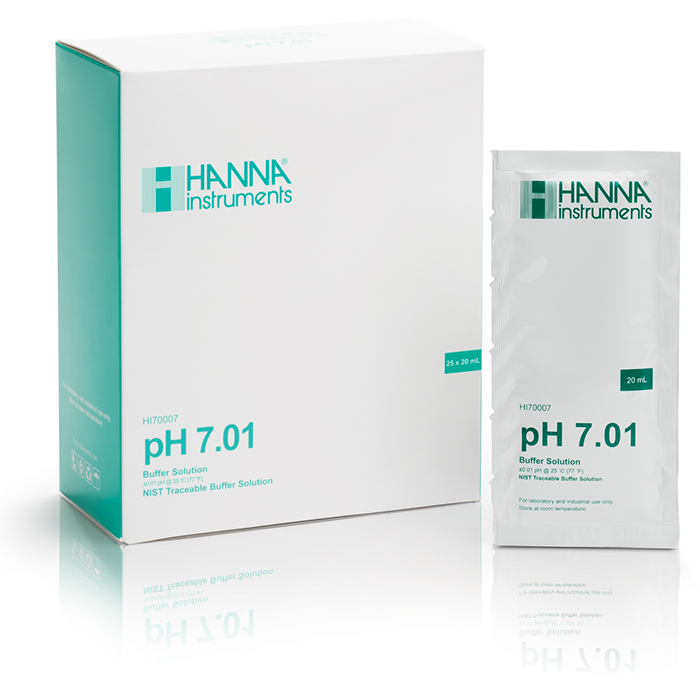
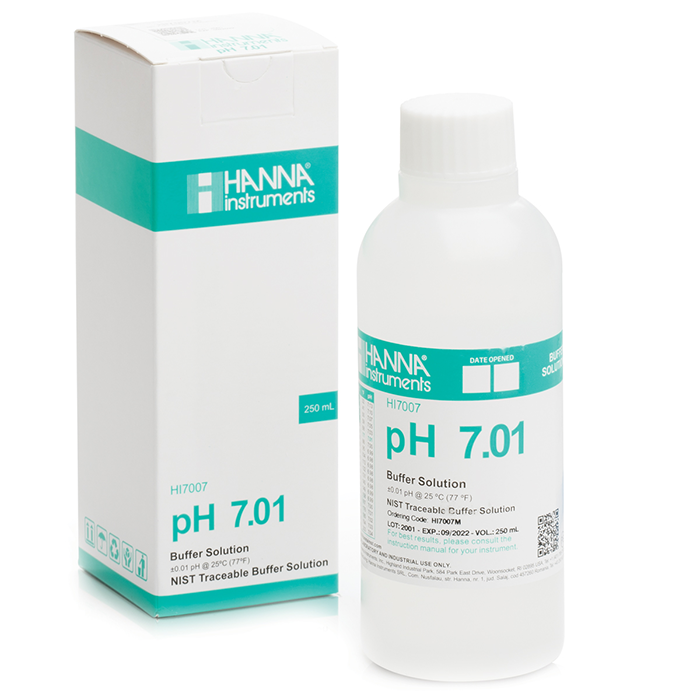
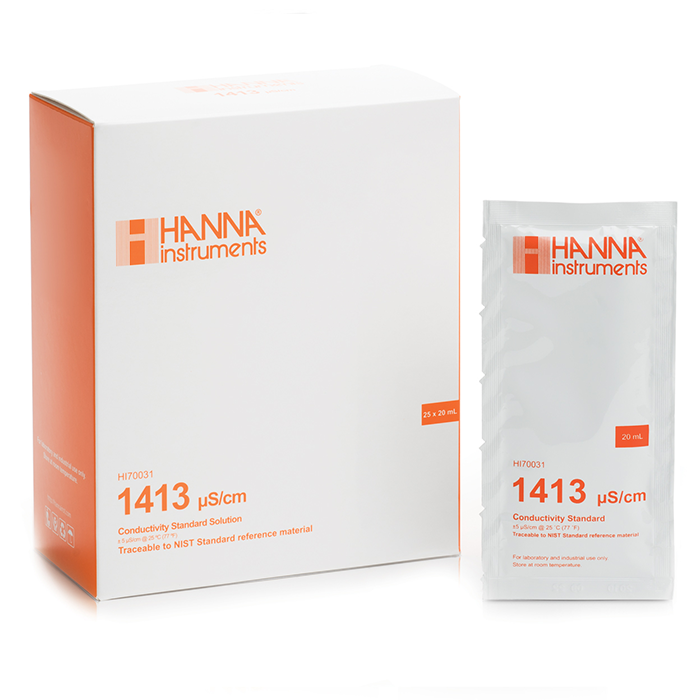
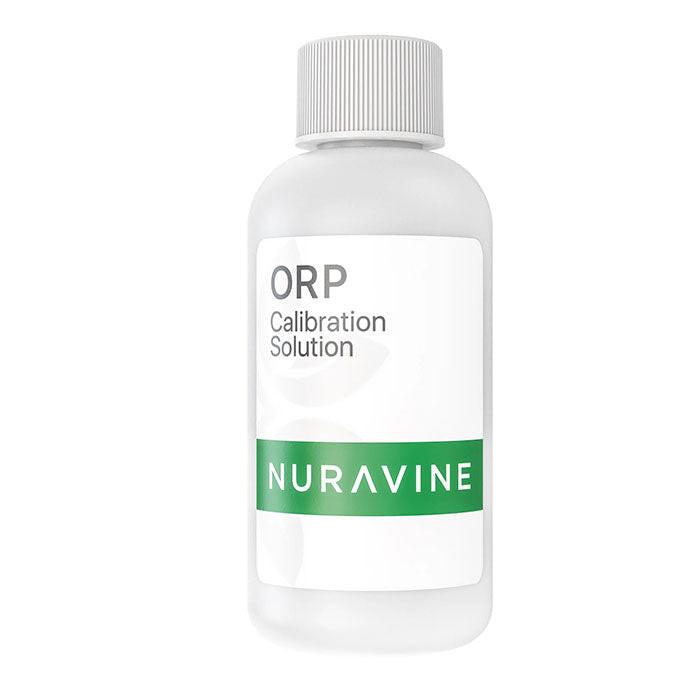
Standard two-point calibration for hydroponic applications uses pH 4.0 and pH 7.0 buffer solutions -- these two points bracket the 5.5-6.5 range where most hydroponic programs operate, providing accurate calibration across the relevant measurement range. pH 10.0 buffer is used for a third calibration point in applications requiring accuracy across a wider pH range. Buffer solutions have a shelf life -- most manufacturers specify 6-12 months after opening; discard and replace degraded buffers that have changed color or appear cloudy rather than using them for calibration. For EC meters: standard calibration solutions are available in 1,413 microsiemens/cm (1.413 mS/cm) and 12,880 microsiemens/cm ranges covering the EC values used in hydroponic nutrient programs. Browse our pH meters and EC/TDS meters for all measurement instruments alongside calibration supplies.
Probe Cleaning & Storage
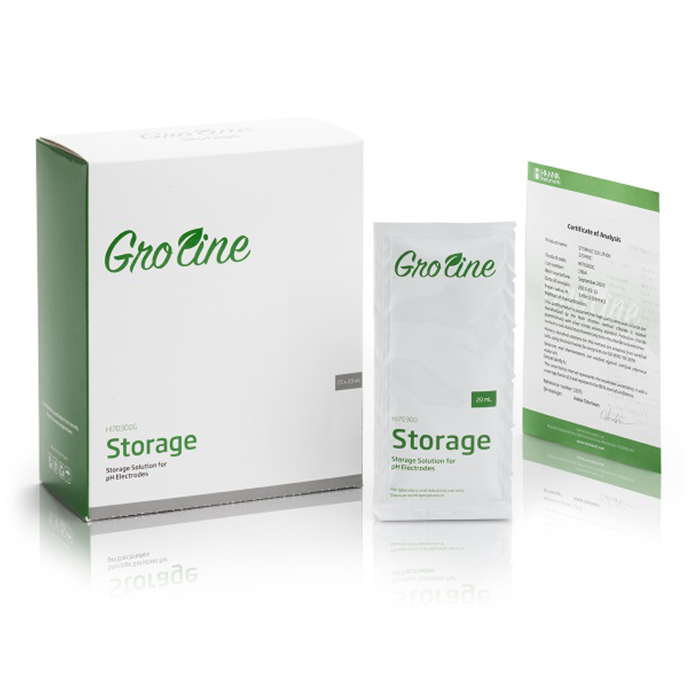
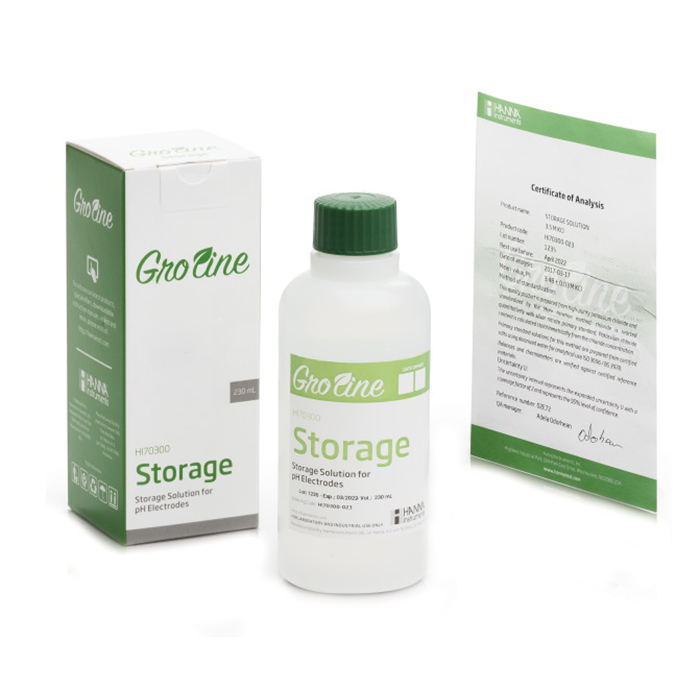
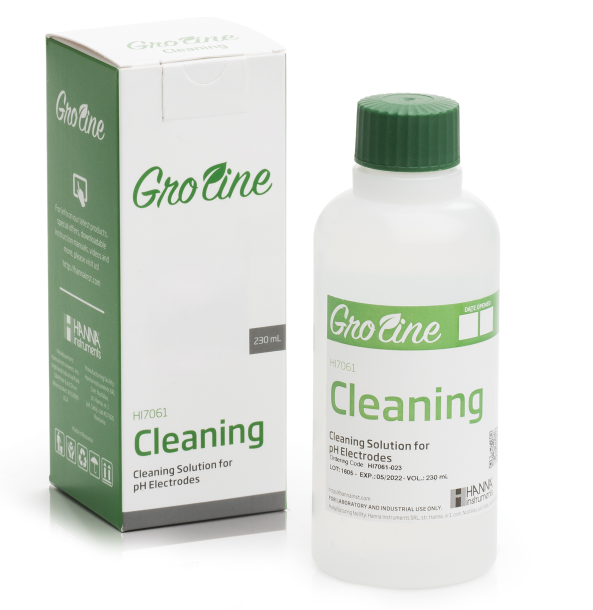
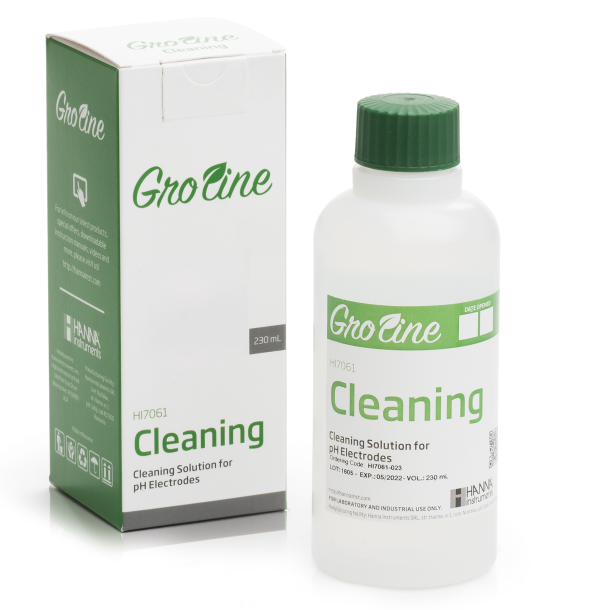
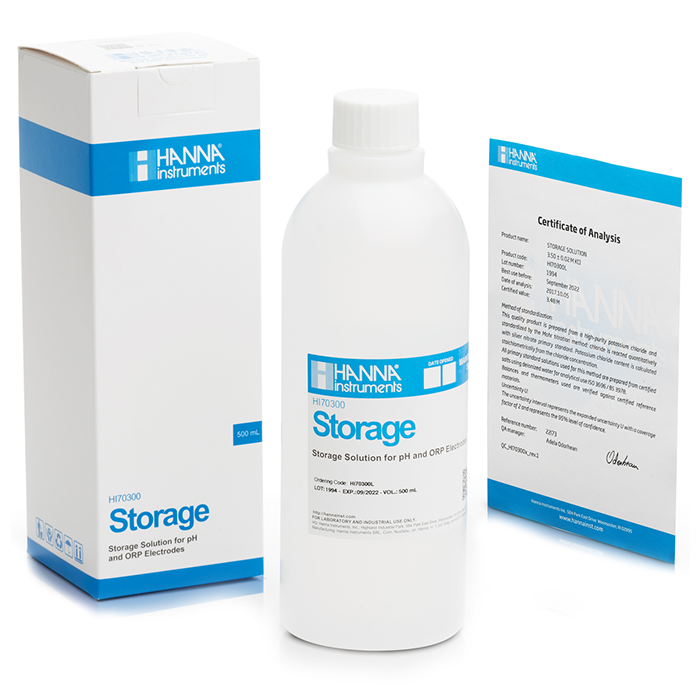
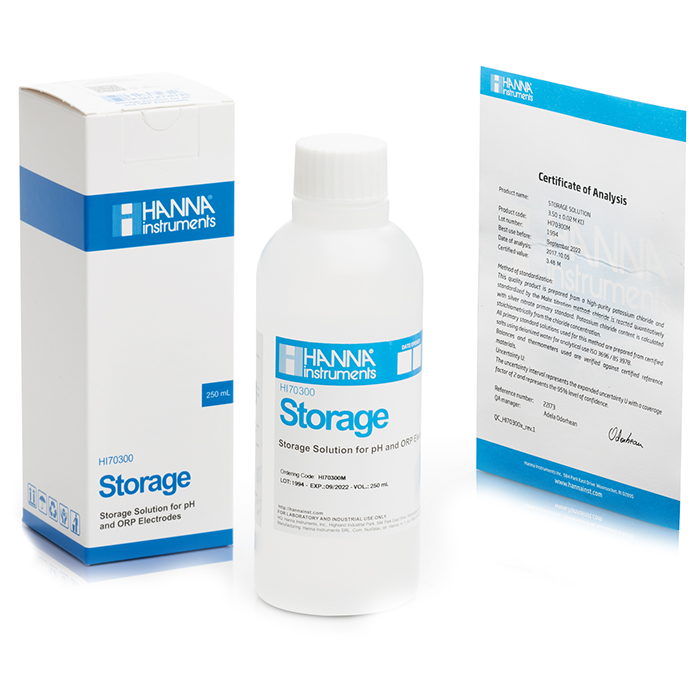
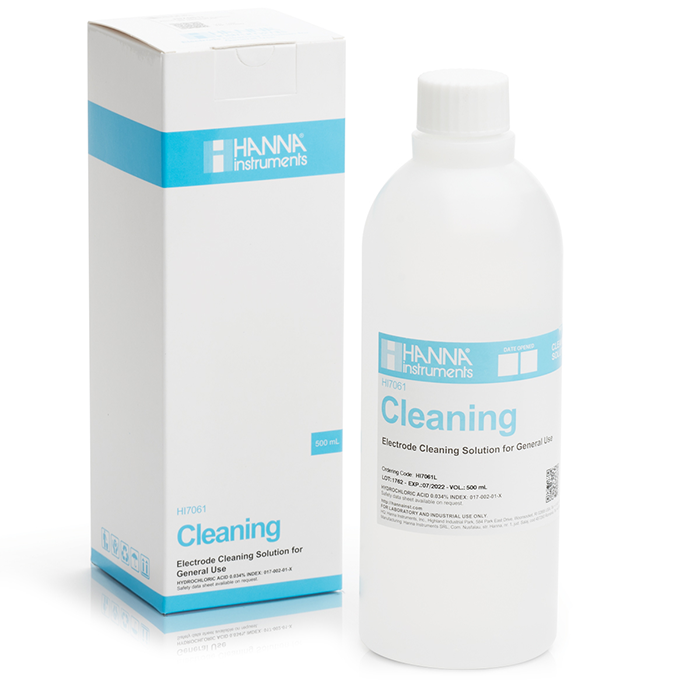
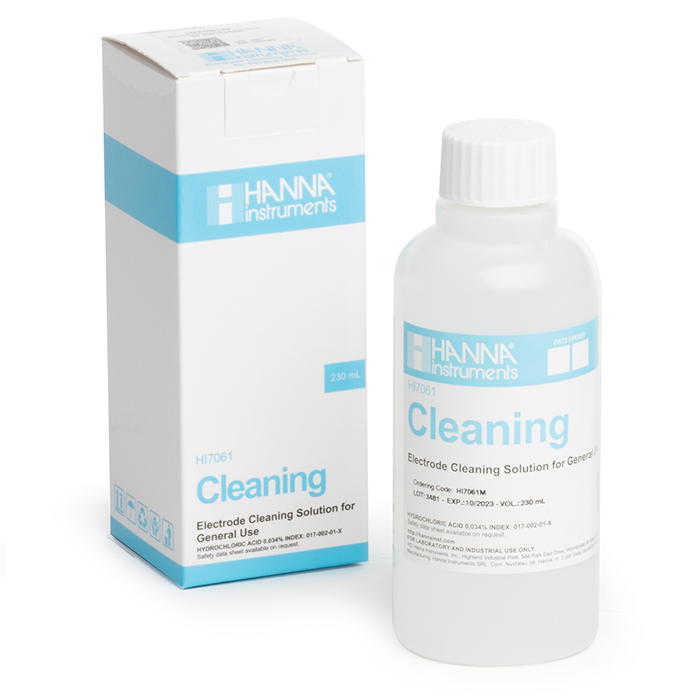
pH probe cleaning solution removes nutrient deposits, biofilm, and protein contamination from probe tips that cause slow response and inaccurate readings. Probe storage solution (typically 3 molar KCl or the probe manufacturer's recommended storage medium) keeps the pH probe hydrated between uses -- never store a pH probe in distilled or RO water, which depletes the internal electrolyte. Fast shipping.
Calibration Solutions FAQ
How often should I replace calibration buffer solutions?
Replace pH buffer solutions every 6 months after opening, or sooner if the solution appears discolored, has visible contamination, or smells different from fresh buffer. Contaminated or degraded buffer produces inaccurate calibration that offsets every subsequent measurement. Store buffer in a cool, dark location with the cap tightly sealed between uses. Never pour used buffer back into the original bottle -- contamination from the probe tip or residual nutrient solution in the calibration cup degrades the remaining buffer.
Why should I never store a pH probe in distilled water?
pH probes use an internal electrolyte solution (typically potassium chloride, KCl) that must remain concentrated to function correctly. Distilled or RO water has virtually zero ion content -- when a probe is stored in distilled water, osmosis draws KCl out of the probe through the reference junction, depleting the internal electrolyte and degrading probe response and accuracy over time. Always store pH probes in probe storage solution (3M KCl or the manufacturer's recommended storage solution) that matches the ionic strength of the internal electrolyte, preventing osmotic depletion.
What EC calibration solution should I use for hydroponic nutrient programs?
For hydroponic growing: 1,413 microsiemens/cm (1.413 mS/cm) calibration solution covers the EC range used in most growing programs (1.0-3.5 mS/cm for most crops) and is the most common standard. Some EC meters calibrate at 12,880 microsiemens/cm (12.88 mS/cm) for applications requiring accuracy at higher EC levels; verify which standard your meter requires from the documentation before purchasing calibration solution -- using the wrong concentration provides an inaccurate calibration reference.
How do I clean a pH probe that is giving slow or erratic readings?
Slow response and erratic readings are most often caused by contamination on the probe tip. Cleaning procedure: (1) Rinse the probe with clean water; (2) Soak the tip in pH probe cleaning solution for 10-15 minutes -- commercial probe cleaner dissolves protein and biofilm deposits that accumulate from nutrient solutions; (3) Rinse again with clean water; (4) Soak in storage solution for 30 minutes to rehydrate the reference junction before recalibrating. If slow response persists after cleaning, the probe may be at the end of its service life and requires replacement.
Can I use the same calibration solution multiple times?
No -- pour fresh calibration solution into a clean calibration cup for each calibration session and discard the used solution afterward. Re-using calibration solution from previous sessions risks contaminating the buffer with nutrient residue from the probe tip, progressively changing the buffer's actual pH value and producing inaccurate calibrations. Buffer solution is inexpensive; using fresh solution for every calibration protects the accuracy of every subsequent measurement.