CMH & LEC Grow Lights - Ceramic Metal Halide
Ceramic metal halide (CMH), also marketed as LEC (light emitting ceramic), is an evolution of traditional metal halide technology that replaces the quartz arc tube with a ceramic construction. The ceramic arc tube operates at higher temperatures than quartz, enabling a more complete combustion of the metal halide chemistry and producing a broader, fuller spectrum than standard MH - including measurable UV output and better color rendering (CRI 90+) that more closely resembles natural sunlight than either HPS or standard MH. CMH fixtures achieve 1.9-2.1 umol/joule efficiency - above standard MH and competitive with older-generation LED designs at a lower upfront fixture cost.
CMH Spectrum Advantages
The CMH spectrum's defining characteristic is its broad coverage including UV (315-400nm), visible PAR (400-700nm), and far-red (700-780nm) - a natural-light-like spectrum that standard HPS and blurple LED designs cannot match. The UV component triggers the same secondary metabolite responses as dedicated UV supplement bars, making CMH a single-fixture option for growers who want UV benefits without a separate UV bar system. The high CRI (90+) makes plant inspection and color assessment significantly easier under CMH than under HPS's orange-dominated spectrum - leaf colors appear natural without correction glasses. CMH is particularly popular for specialty crop production where light quality affects product quality metrics, and for veg rooms where the full spectrum supports compact, healthy vegetative development. For growers weighing CMH against LED or HPS, see our complete LED grow light comparison guide.
CMH Fixture Configurations: 315W & 630W
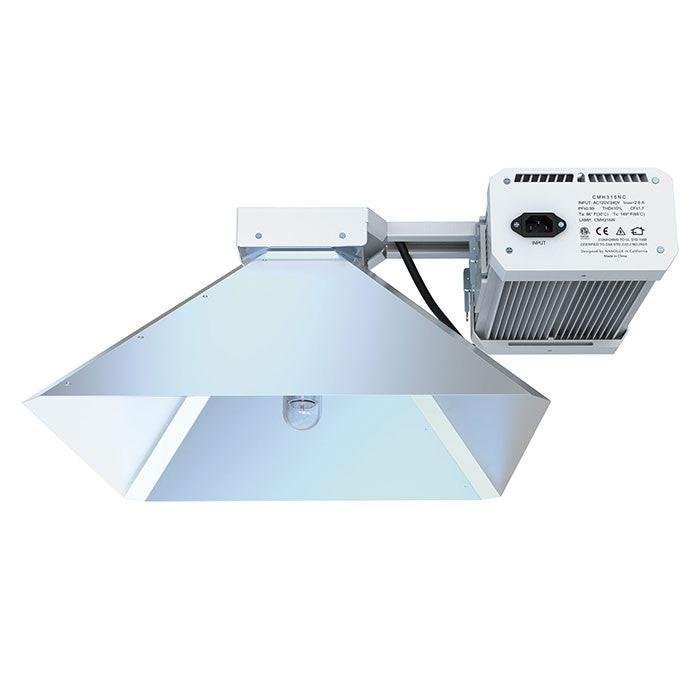
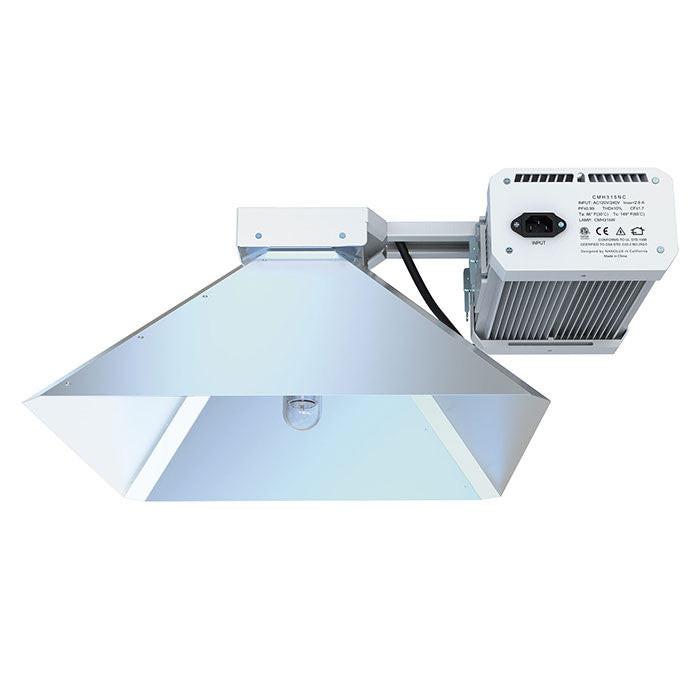
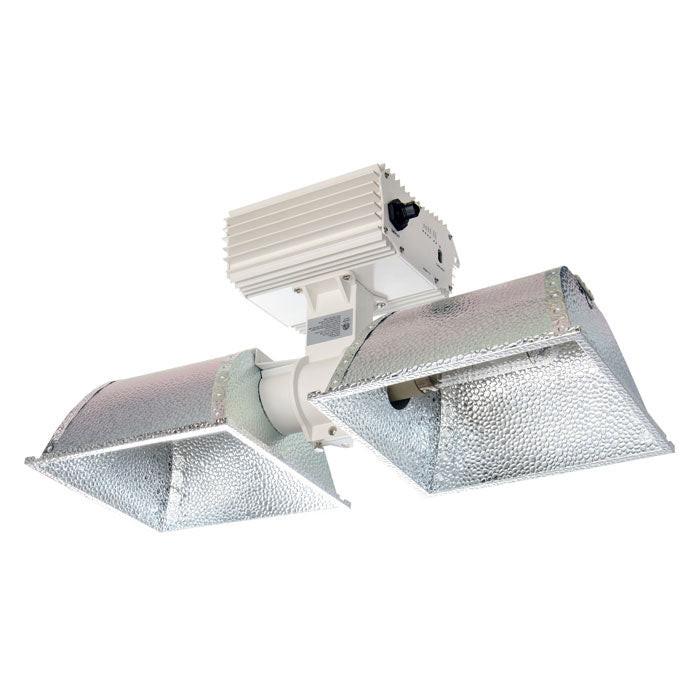
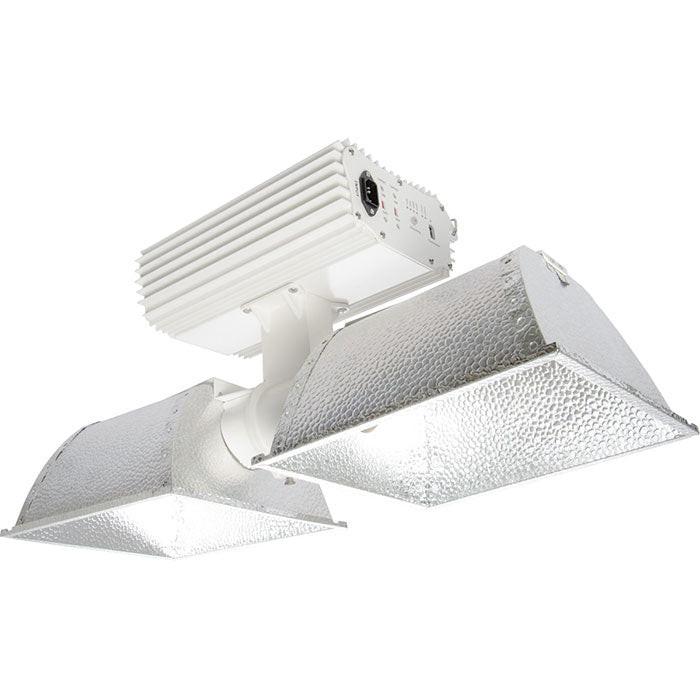
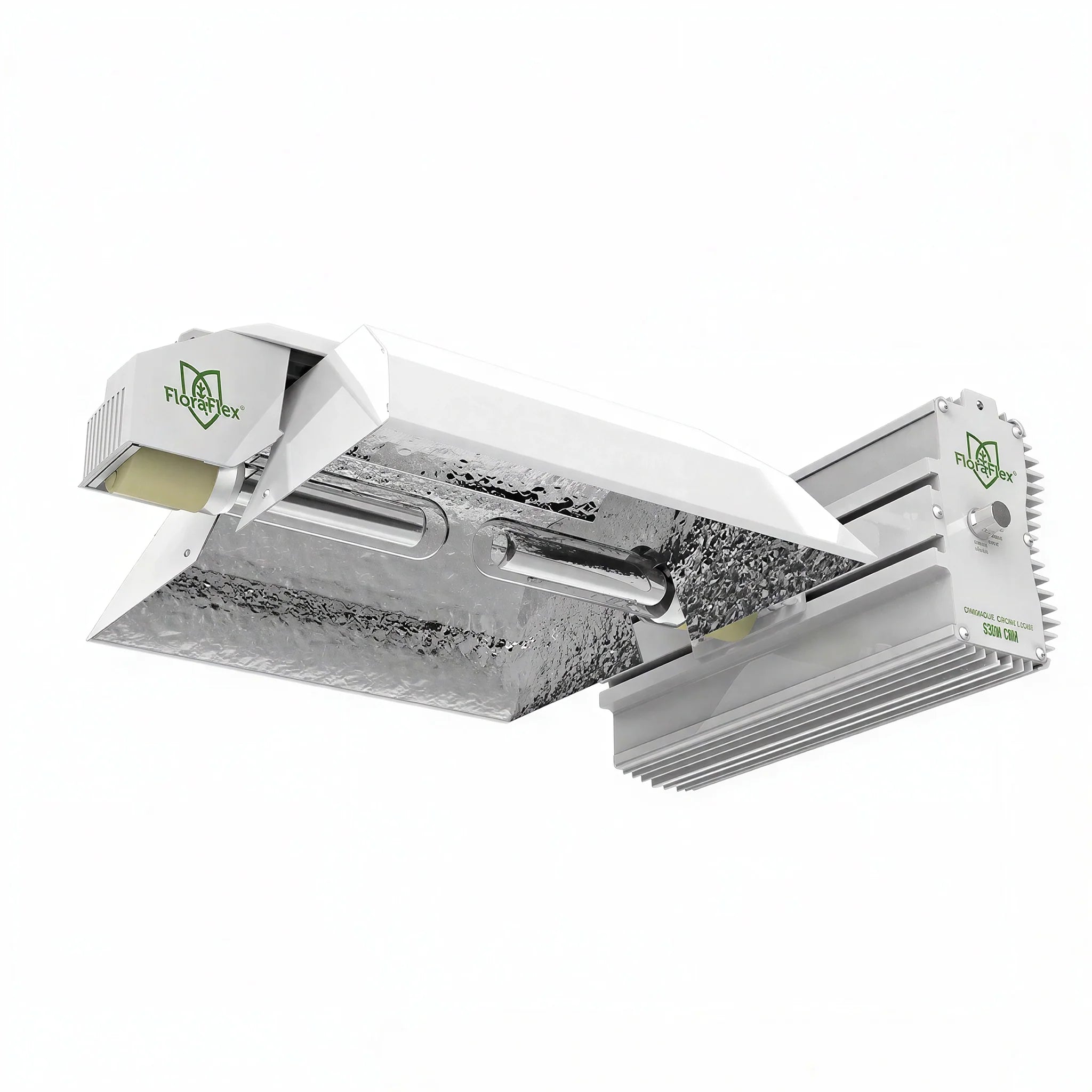
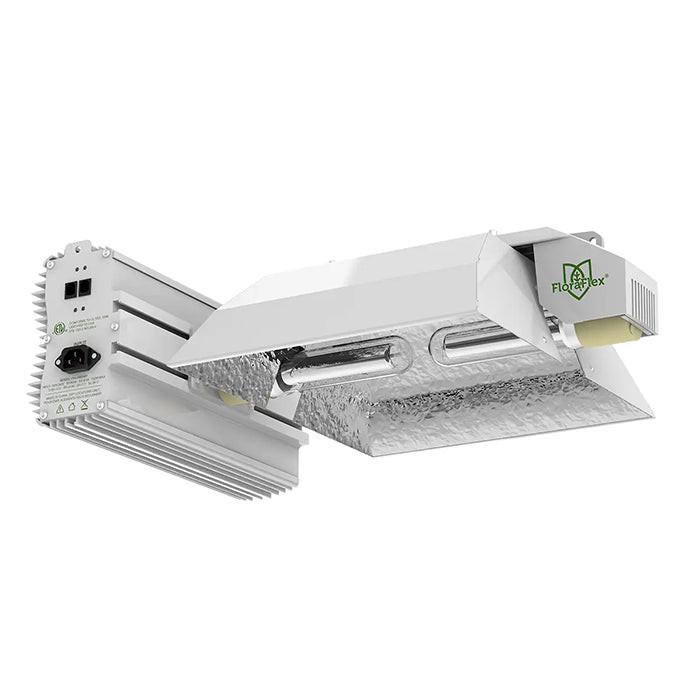
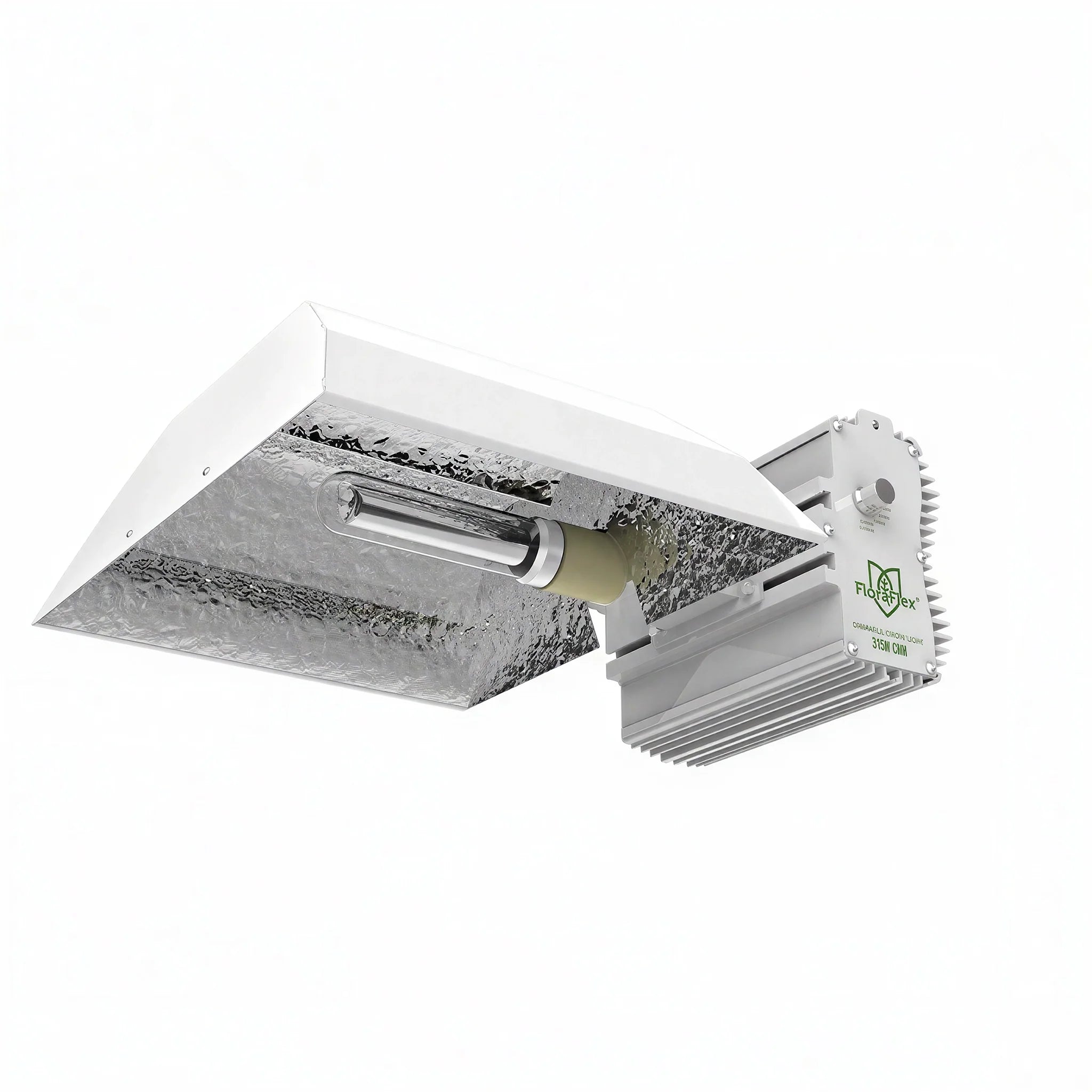
CMH fixtures are most commonly available in 315W (single-bulb) and 630W (double-bulb, effectively two 315W lamps in one fixture) configurations. A 315W CMH covers a 3x3 ft canopy adequately for both vegetative and flowering applications; a 630W covers 4x4 ft. Both require a CMH-specific ballast designed for the ceramic arc tube's operating requirements - CMH bulbs are not compatible with standard MH ballasts. Qualified brands for CMH ballasts and bulbs include Philips (the CMH bulb that established the category standard) and Ushio. Expert support available.
CMH & LEC Grow Lights FAQ
What is the difference between CMH and standard metal halide?
Standard metal halide uses a quartz arc tube; CMH uses a ceramic arc tube that operates at higher temperatures. The ceramic construction allows a more complete combustion of the metal halide chemistry, producing a fuller, broader spectrum with measurable UV output, higher CRI (90+ for CMH vs. 65-85 for standard MH), and better lumen maintenance over bulb life. CMH achieves approximately 1.9-2.1 umol/joule efficiency - above standard MH - with a spectrum that includes the UV wavelengths standard MH cannot produce at meaningful intensities. CMH requires a dedicated CMH-specific ballast; standard MH bulbs and CMH bulbs are not interchangeable.
Is CMH better than HPS?
CMH and HPS serve different priorities. HPS is more efficient at peak (2.0-2.1+ umol/joule for double-ended HPS vs. 1.9-2.1 for CMH) and produces more total photons per fixture for equivalent wattage - relevant for flowering applications where maximum PPFD is the primary goal. CMH produces a better quality spectrum with UV output and higher CRI, making it preferable for applications where spectrum quality affects product quality, for vegetative rooms where the fuller spectrum supports compact growth, and for specialty crops where UV secondary metabolite production is valued. For large-canopy flowering applications where PPFD is the primary metric, DE HPS or modern LED are typically the better choice; for dedicated veg rooms, propagation, and specialty applications, CMH's spectrum quality advantage is meaningful.
What wattage CMH do I need for my canopy?
A 315W CMH covers a 3x3 ft canopy at adequate vegetative and flowering PPFD levels. A 630W CMH (double-bulb fixture) covers a 4x4 ft canopy. These coverage estimates are for quality fixtures with appropriate reflectors - verify using the manufacturer's PPFD map and our PPFD Calculator for your specific fixture at your target hanging height. CMH does not produce the same total PPFD as a 600-800W LED bar array at equivalent coverage area - growers transitioning from LED to CMH for spectrum quality reasons should expect somewhat lower total photon output per watt at equivalent fixture sizes.