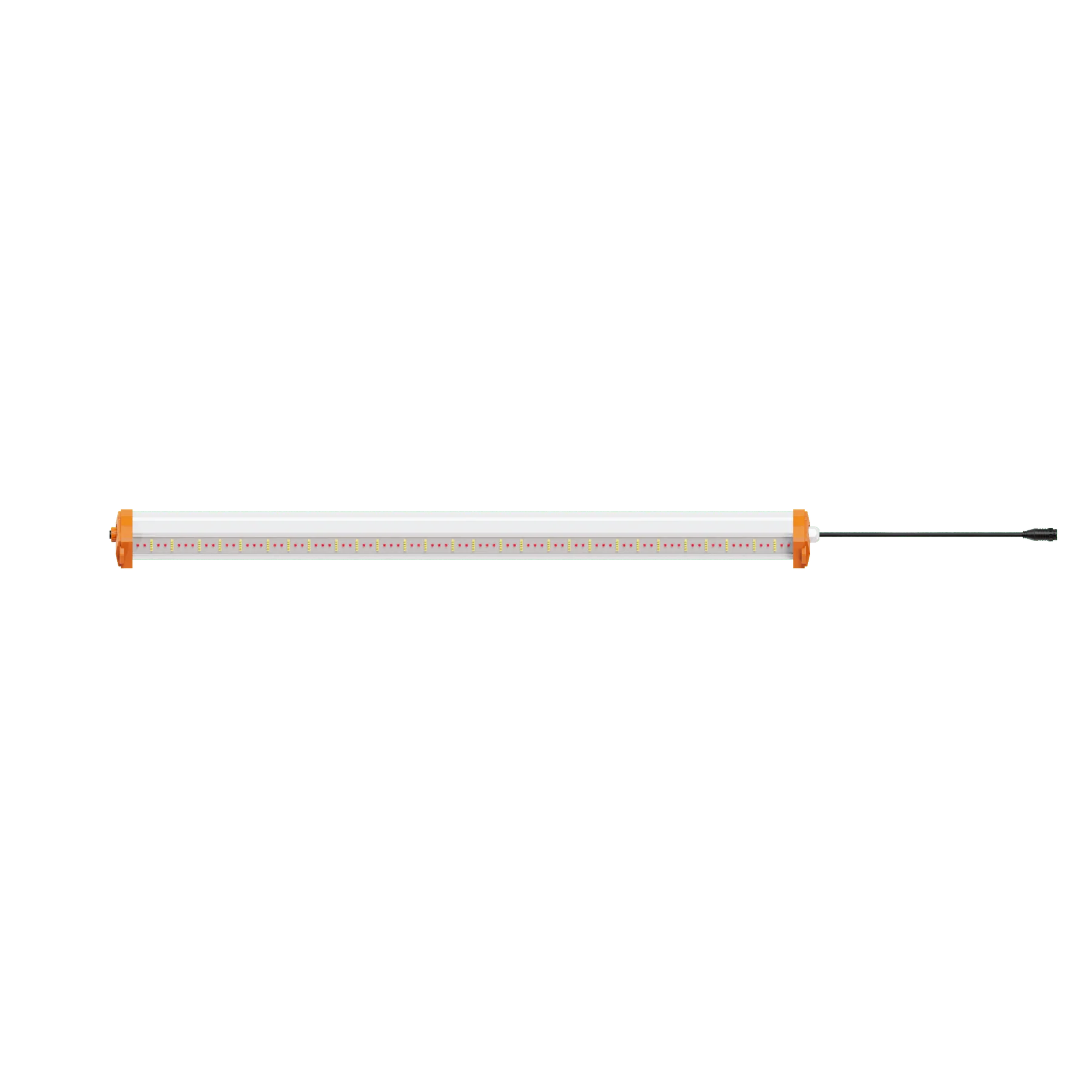
Under-Canopy LED Lighting for Indoor Growing
Under-canopy lighting (also called interlighting or supplemental canopy lighting) addresses one of the fundamental limitations of overhead-only grow light configurations: light penetration through dense canopy material. A high-output LED bar array suspended 18-24 inches above the canopy delivers excellent PPFD to the top 12-18 inches of the plant -- but in dense, multi-tiered flowering plants, the lower canopy can receive only 50-150 umol/m2/s compared to 1,000+ umol/m2/s at the top. Under-canopy lighting adds targeted supplemental photons to the lower and mid-canopy zone, increasing total plant photosynthesis and improving the quality and density of lower canopy development.
Where Under-Canopy Lighting Makes the Biggest Difference
Under-canopy lighting provides the most measurable benefit in specific scenarios: tall plants with dense upper canopy that shades the lower third significantly; high-density sea-of-green setups where plants are close together and mutual shading is inevitable; commercial operations maximizing yield per square foot where even modest improvement in lower canopy development multiplies across hundreds of plants per cycle. For shorter plants or lower-density setups where overhead lighting reaches the substrate surface at adequate intensity, under-canopy lighting adds less incremental value. The threshold where under-canopy becomes cost-effective: when lower canopy PPFD (measured at mid-plant height) is consistently below 300 umol/m2/s and the overhead fixture is already at appropriate height. See our updated under-canopy lighting guide for placement and intensity recommendations.
Under-Canopy LED Products
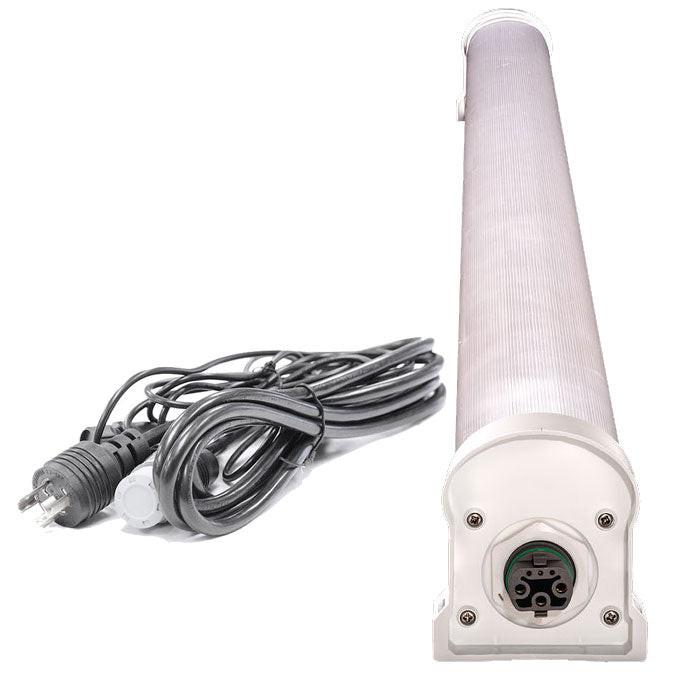
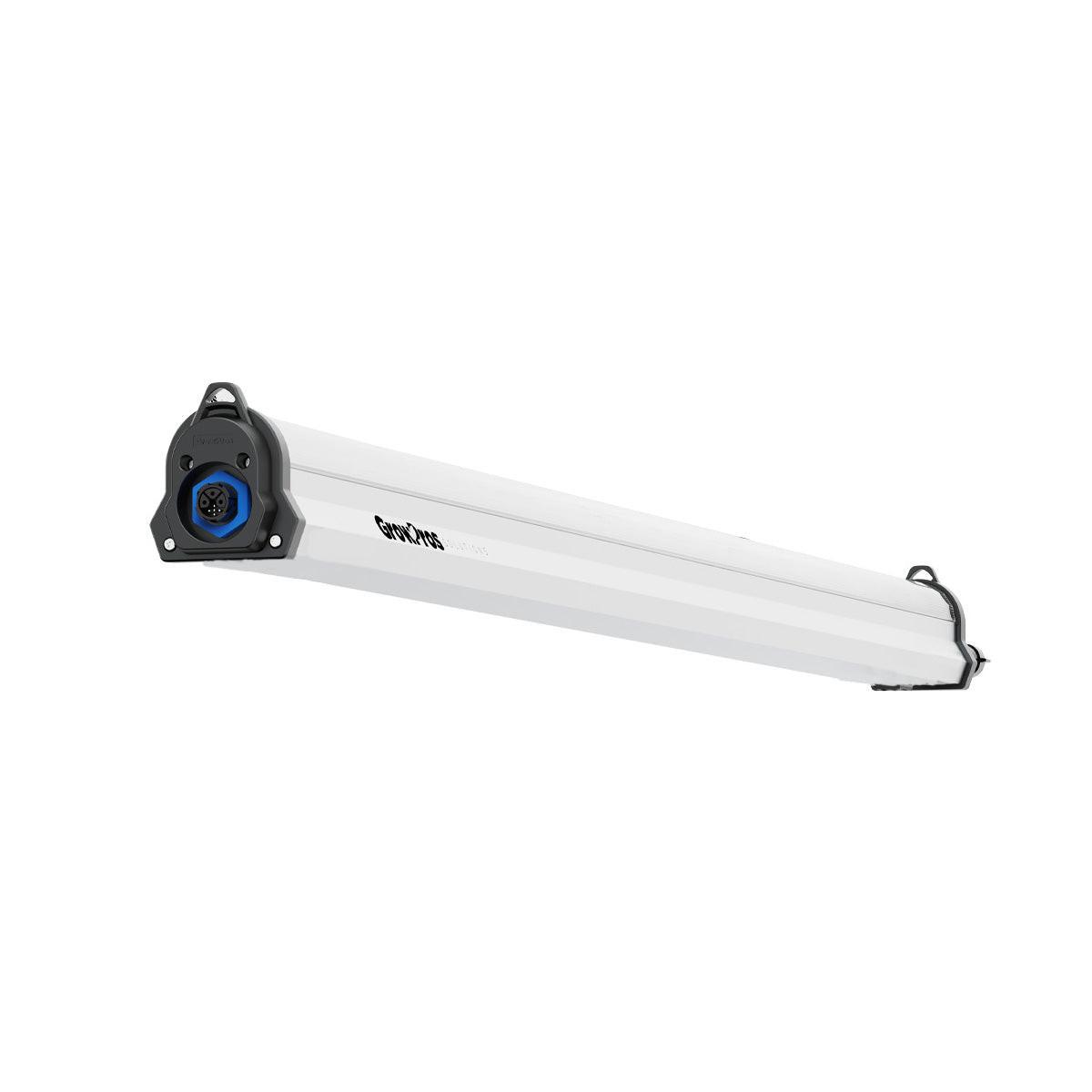
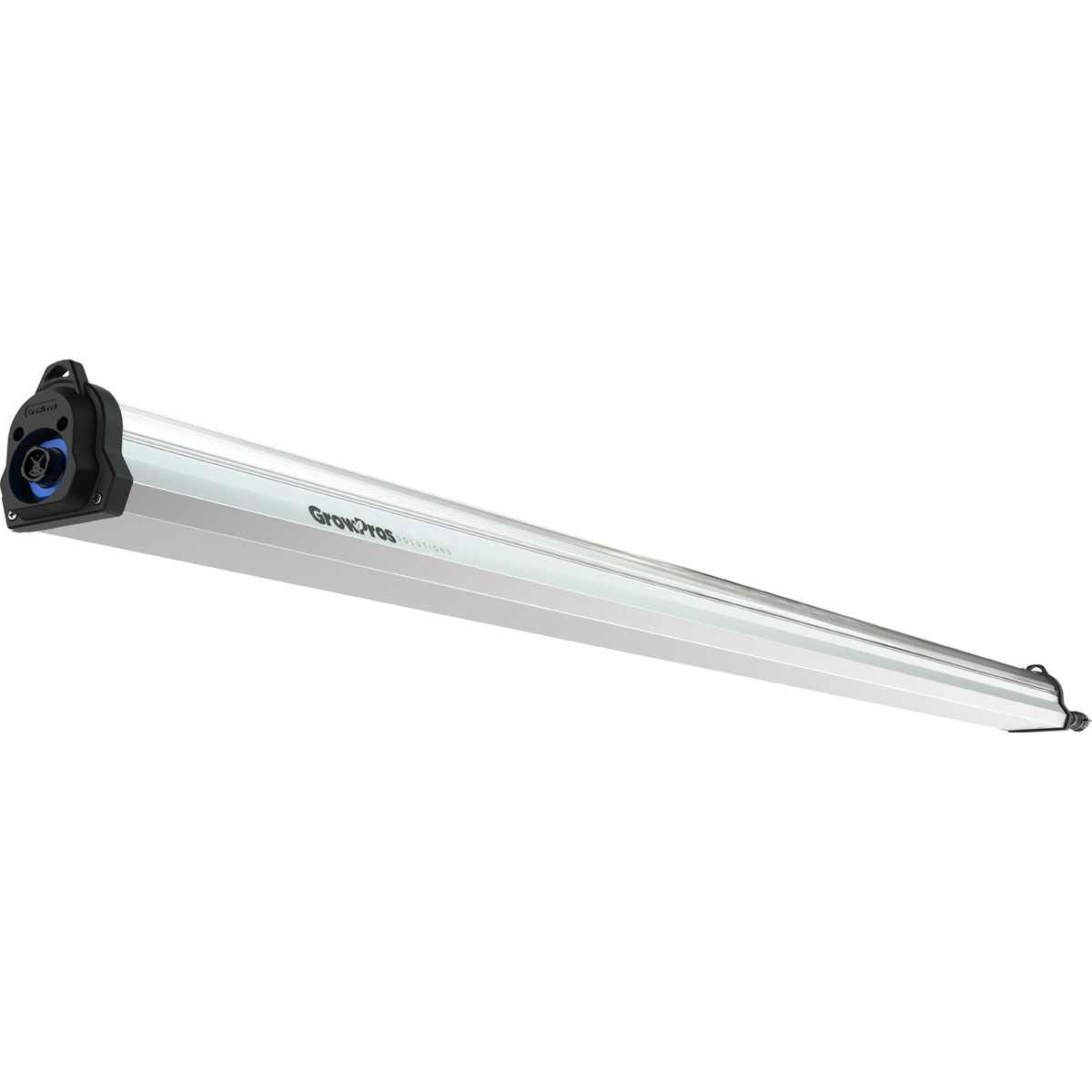
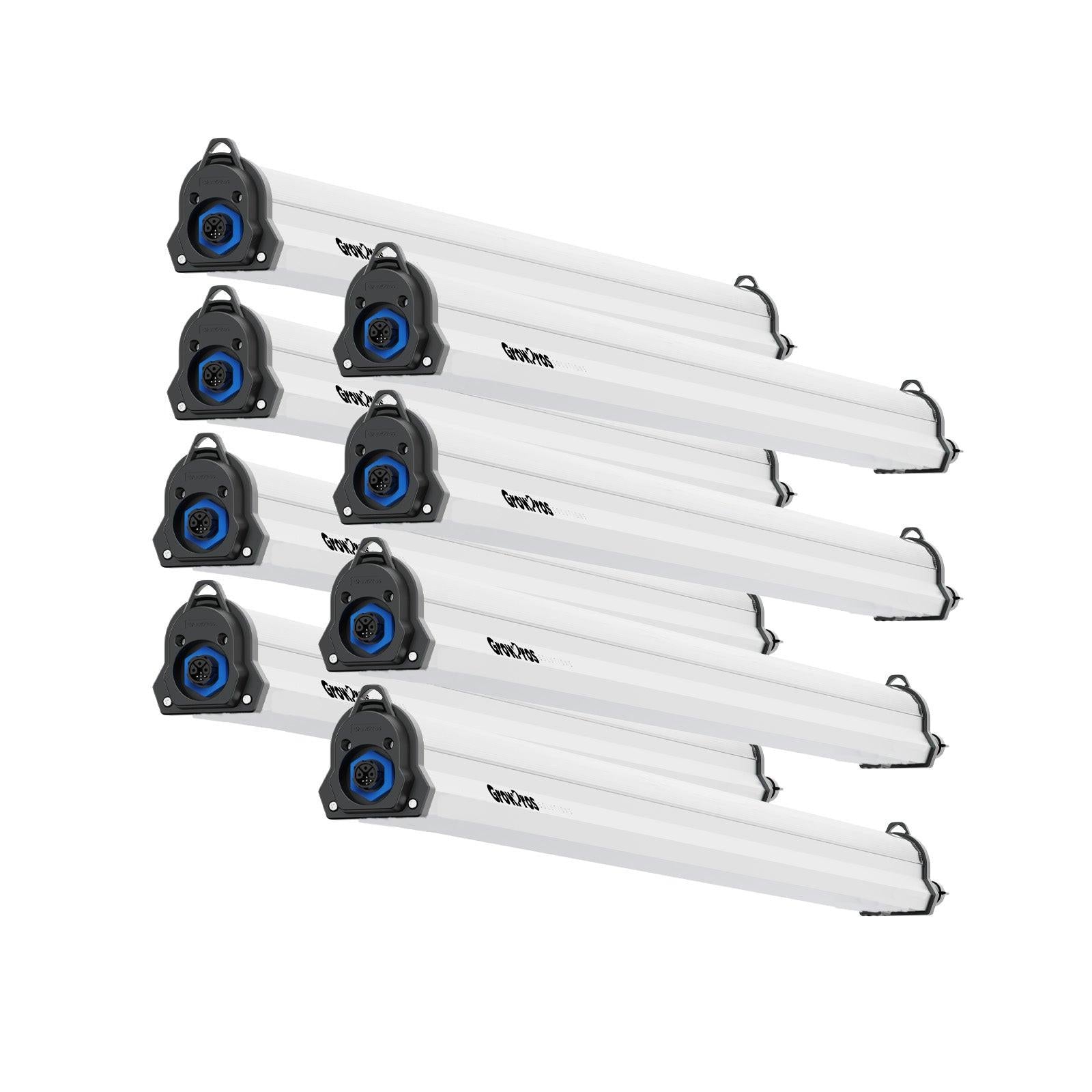
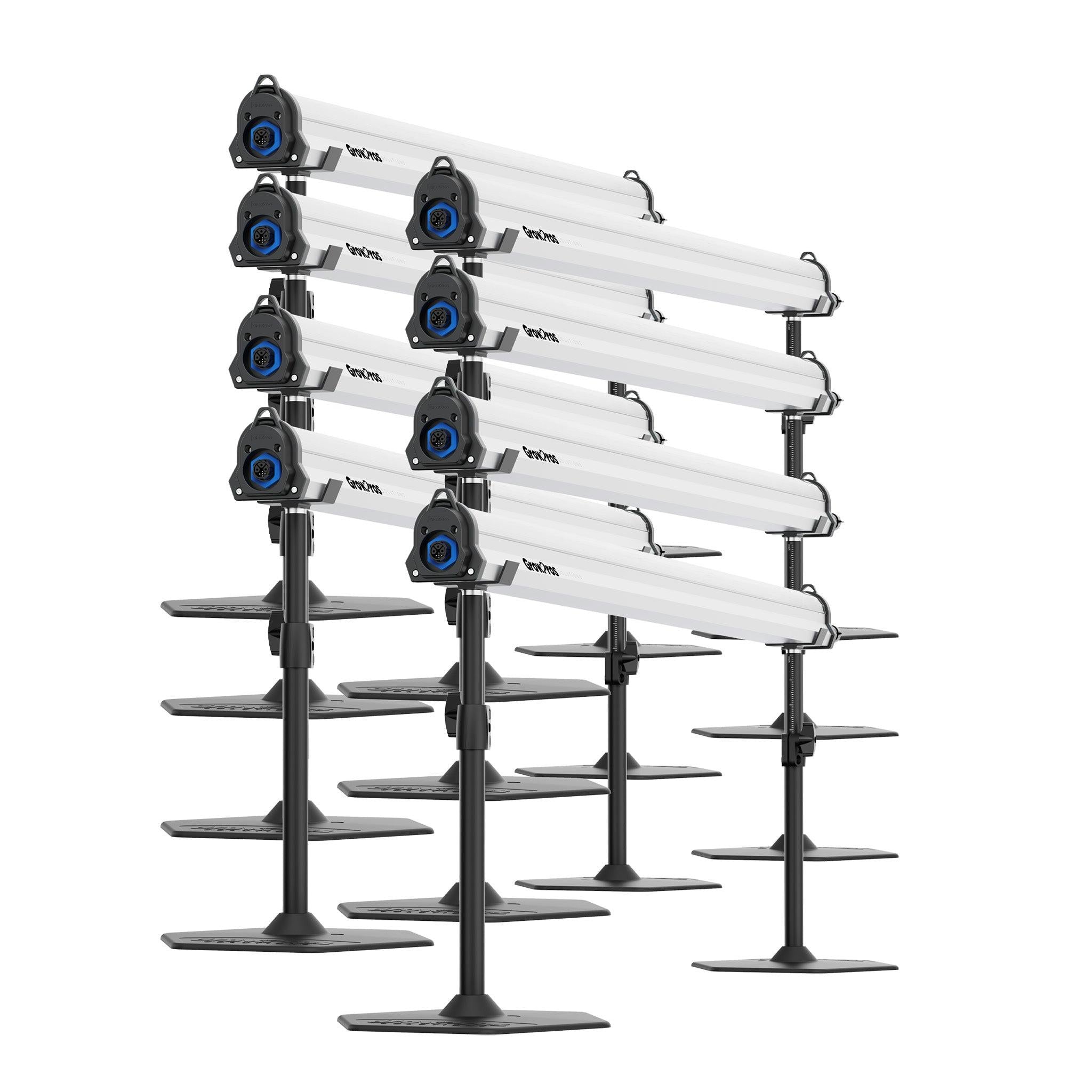
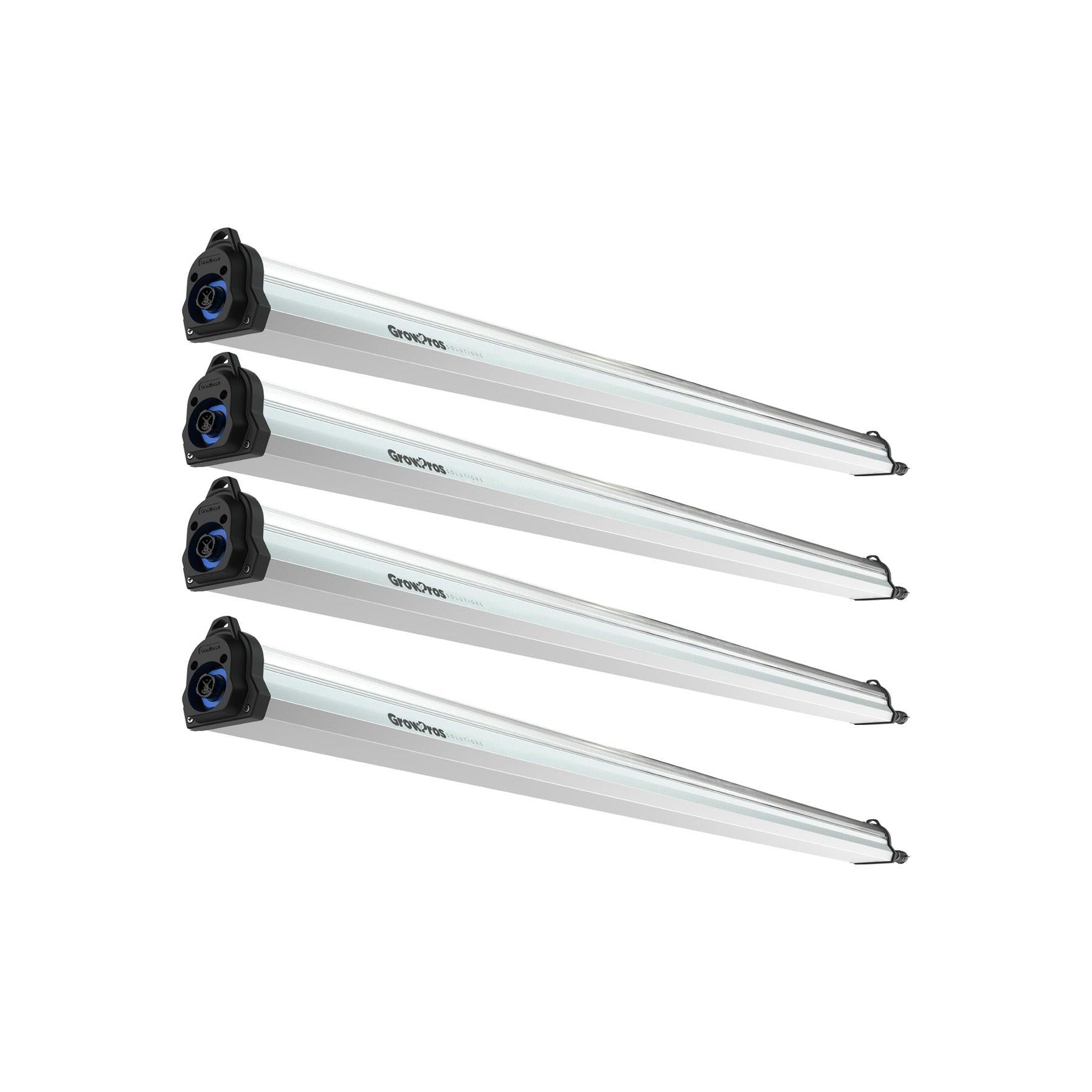
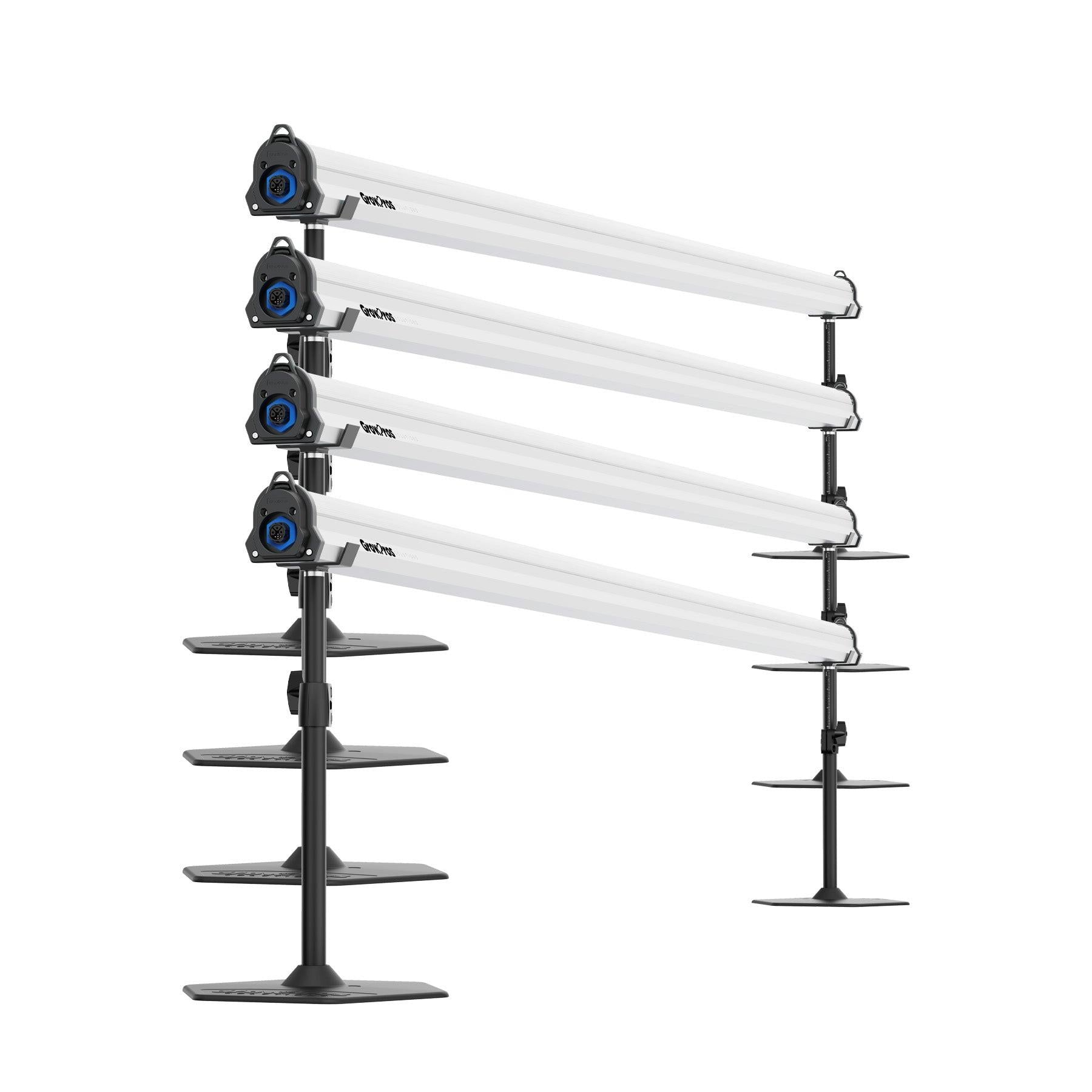
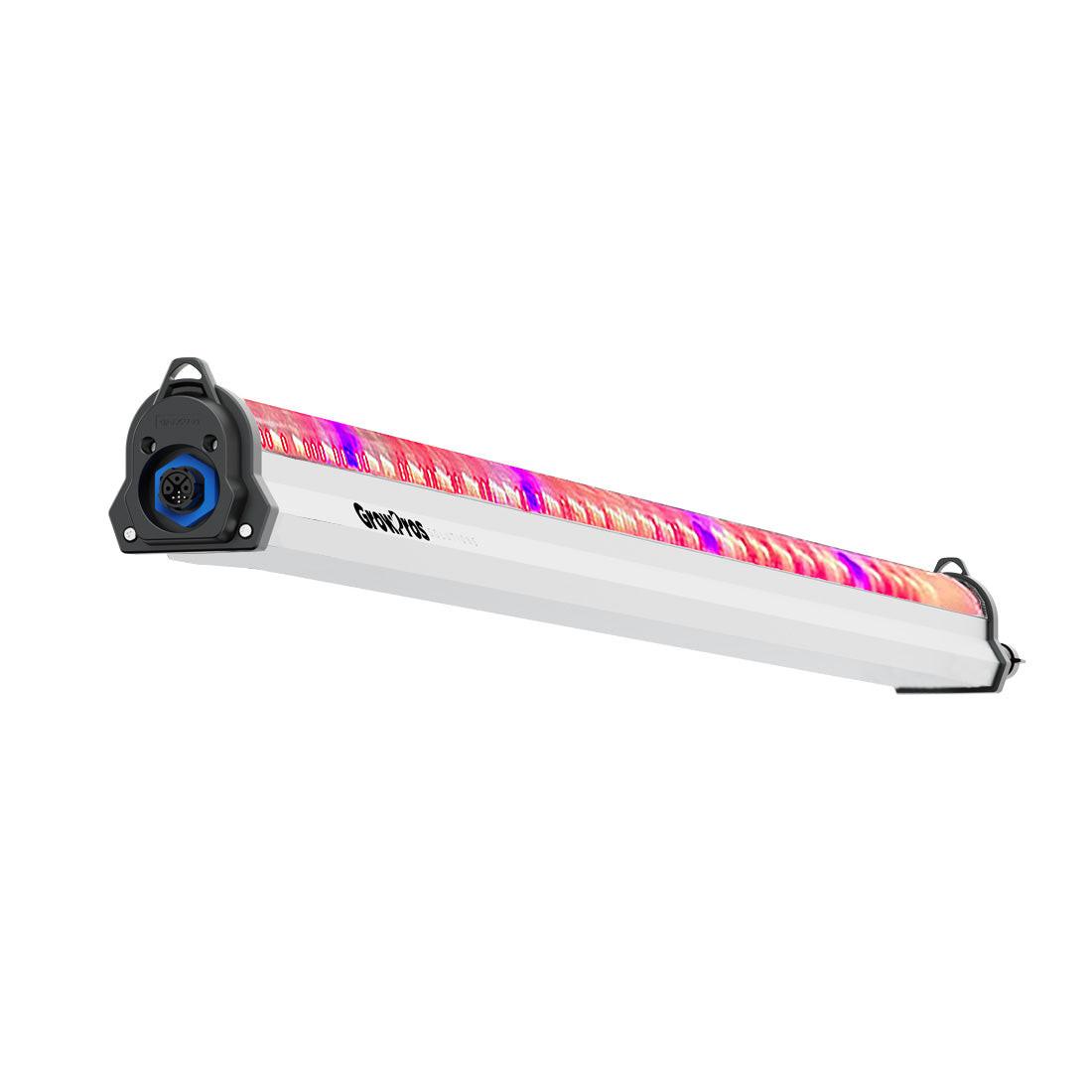
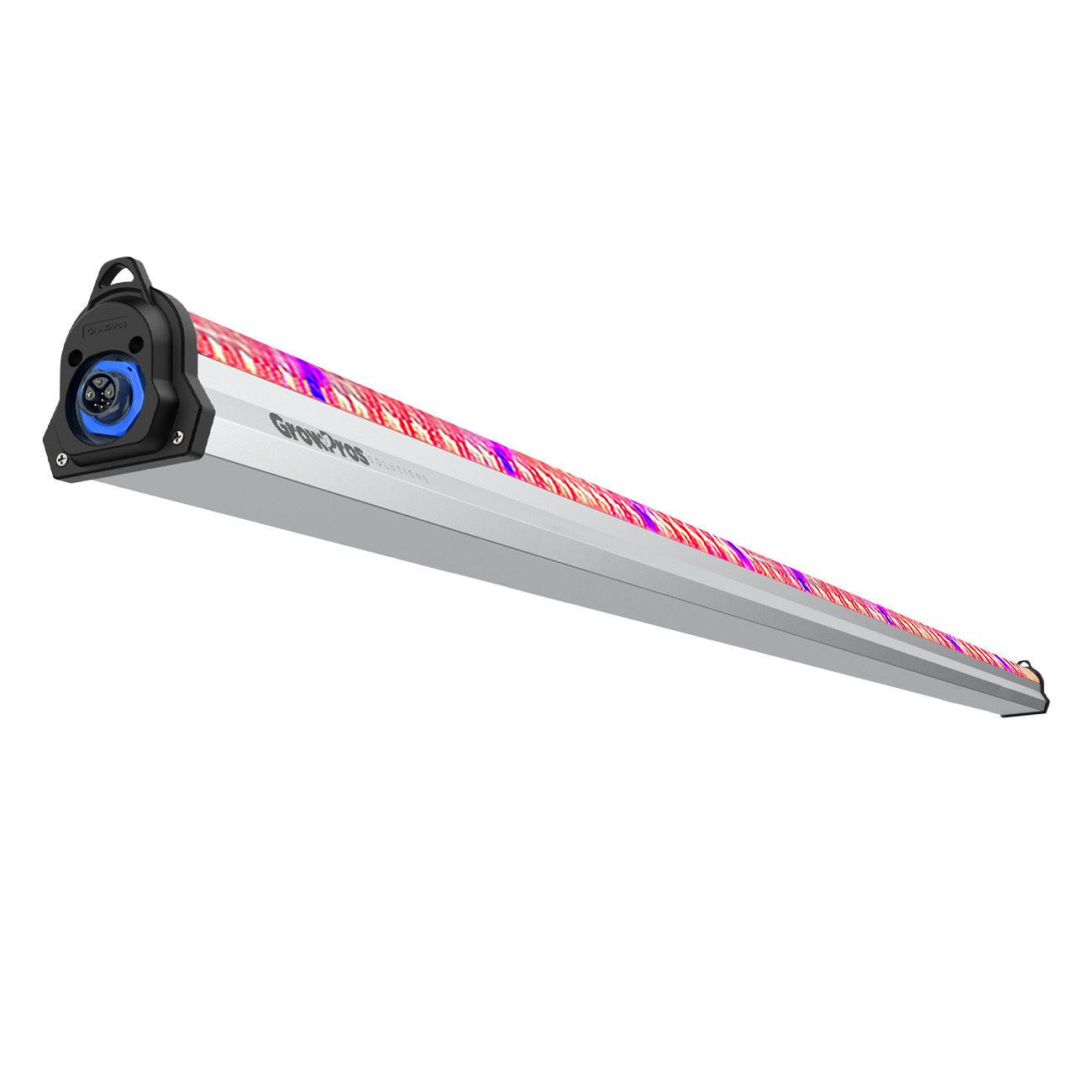
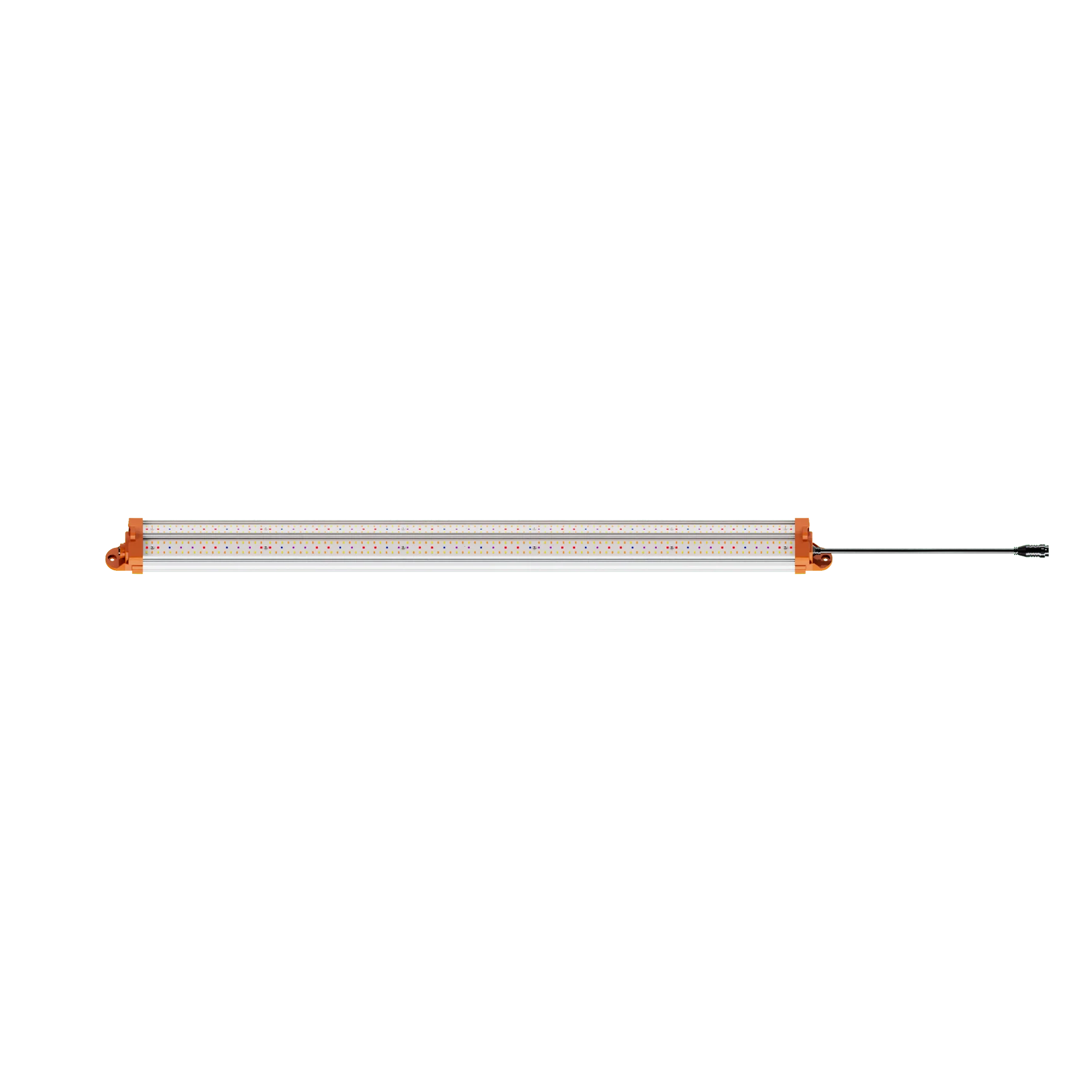
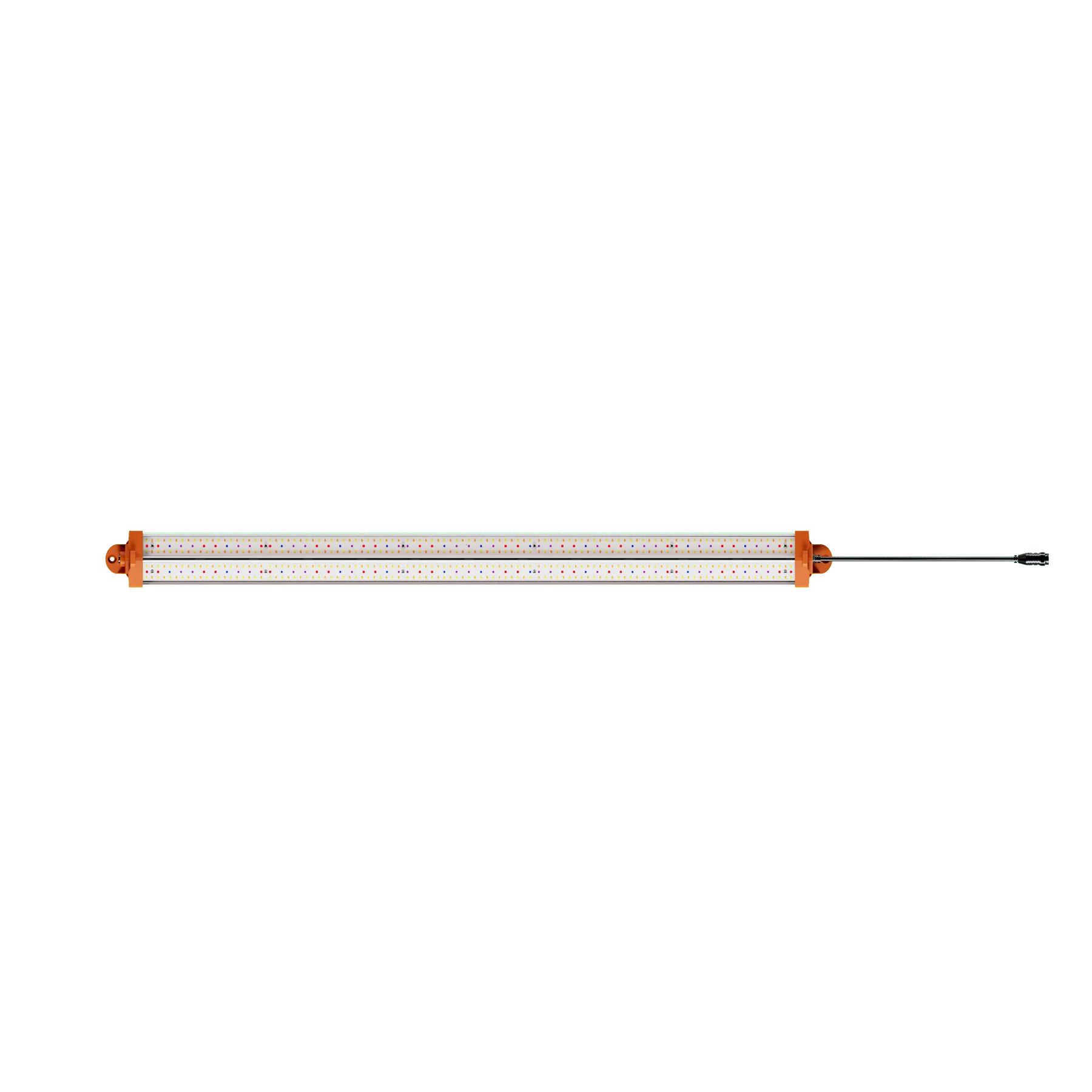
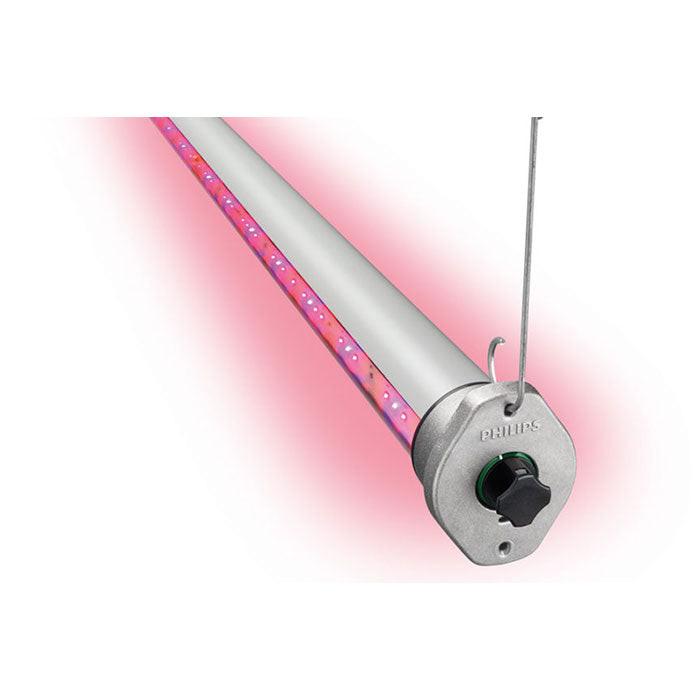
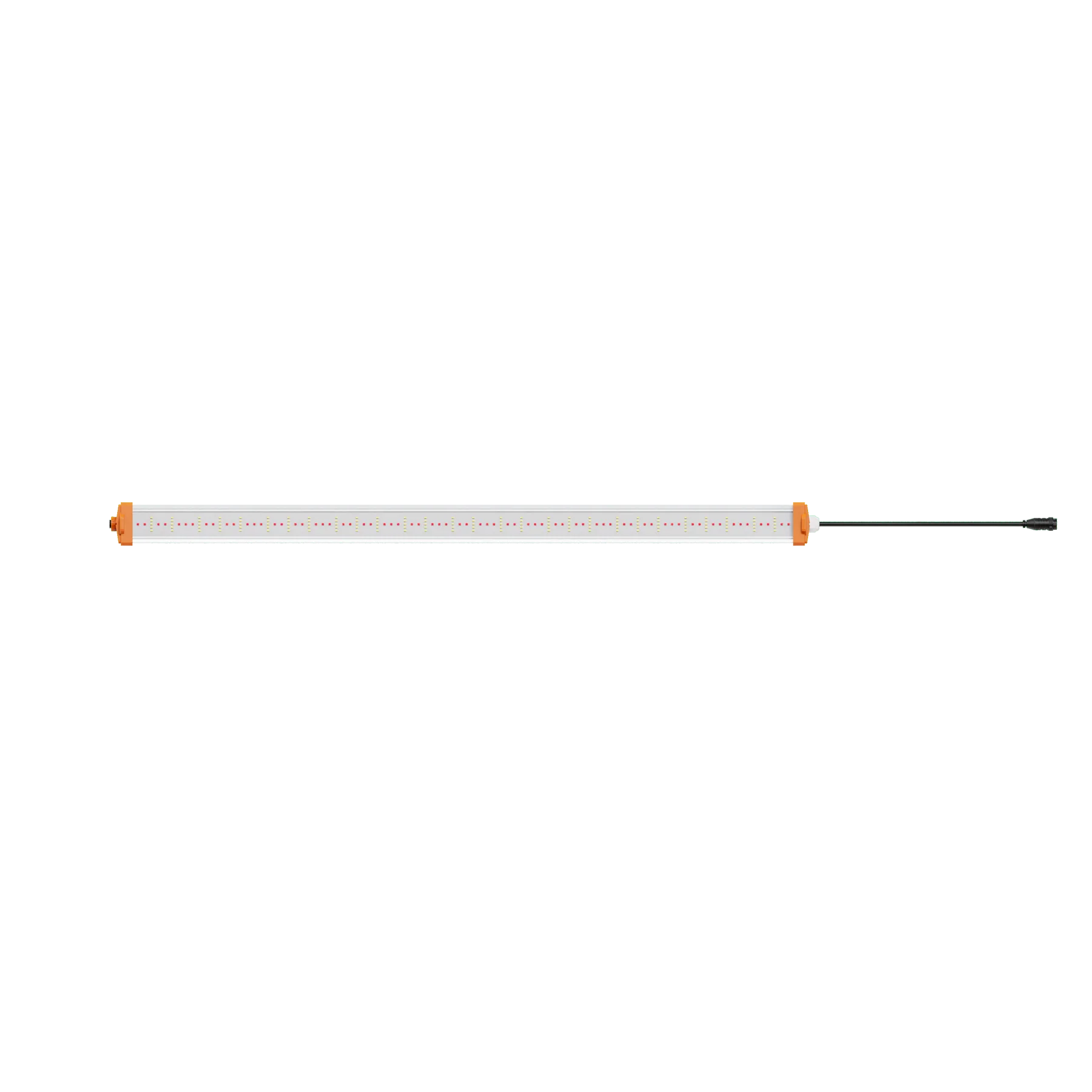
Under-canopy LED fixtures are typically thin, low-profile bar lights or small panel fixtures designed to mount at mid-canopy height (12-24 inches above the substrate surface) without interfering with plant development or trellis systems. Target intensity for under-canopy bars: 100-250 umol/m2/s at the lower canopy surface -- supplemental rather than replacing overhead lighting, which remains the primary photon source. Faven Lighting's under-canopy bar system, dedicated interlighting bars from commercial LED bar brands, and purpose-built LED strips are available here. Expert support available.
Under-Canopy Lighting FAQ
Does under-canopy lighting actually improve yields?
Yes, in dense canopy applications where lower canopy PPFD is significantly below the photosynthetic saturation point. Research and commercial grower reports consistently show 10-20% improvement in lower canopy quality and dry weight in dense flowering setups where lower canopy PPFD is below 200-300 umol/m2/s. The improvement is most significant in tall plants with dense upper canopy, and least significant in short, open plants where overhead lighting reaches the lower canopy at adequate intensity already.
Where should under-canopy lights be positioned?
Mount under-canopy bars at mid-plant height -- typically 12-24 inches above the substrate surface, within the lower half of the canopy. This positions the supplemental photons where overhead light is most depleted. Too high (above mid-canopy) and the bars duplicate coverage the overhead fixture already provides. Too low (near substrate level) and light misses the plant material it should reach. Position bars horizontally between plant rows or along plant interiors where canopy density creates the most significant light shadow from above.
What intensity should under-canopy lights deliver?
Under-canopy fixtures typically target 100-250 umol/m2/s at the lower canopy surface -- supplemental to the overhead fixture, not attempting to replicate its full output. At this intensity range, under-canopy bars increase total plant photosynthesis in the lower zone without the heat management challenges that come with higher-output supplemental lighting in an already-warm canopy environment. The total delivered PPFD at lower canopy sites should ideally reach 400-600 umol/m2/s when overhead and under-canopy contributions are combined.
Is under-canopy lighting worth it for a hobby grower?
For most hobby growers, optimizing the overhead fixture height, dimming, and canopy training to maximize light penetration from above delivers more impact per dollar than adding under-canopy supplemental lighting. Under-canopy lighting becomes meaningful at commercial scale where marginal improvements in lower canopy quality multiply across hundreds of plants, and in hobby applications where extremely dense SoG or tall untrained plants create significant lower canopy shading that training alone cannot resolve. If your lower canopy consistently receives less than 200 umol/m2/s measured with a PAR meter, supplemental lighting is worth evaluating.
Can I use any LED bar as an under-canopy light?
Yes, with appropriate intensity selection. Most commercial LED bar arrays (Gavita, Growers Choice, Faven) are designed for overhead primary use at 600-1000W, which is far too intense for under-canopy supplemental use. For under-canopy applications, purpose-built under-canopy bars, lower-wattage LED strips, or dimmable commercial bars at maximum dimming (30-40% output) provide the 100-250 umol/m2/s supplemental range without overloading the lower canopy with heat and excess photon intensity. Faven's dedicated under-canopy bar system is specifically calibrated for supplemental intensity ranges.