Trimming Machine Parts & Accessories
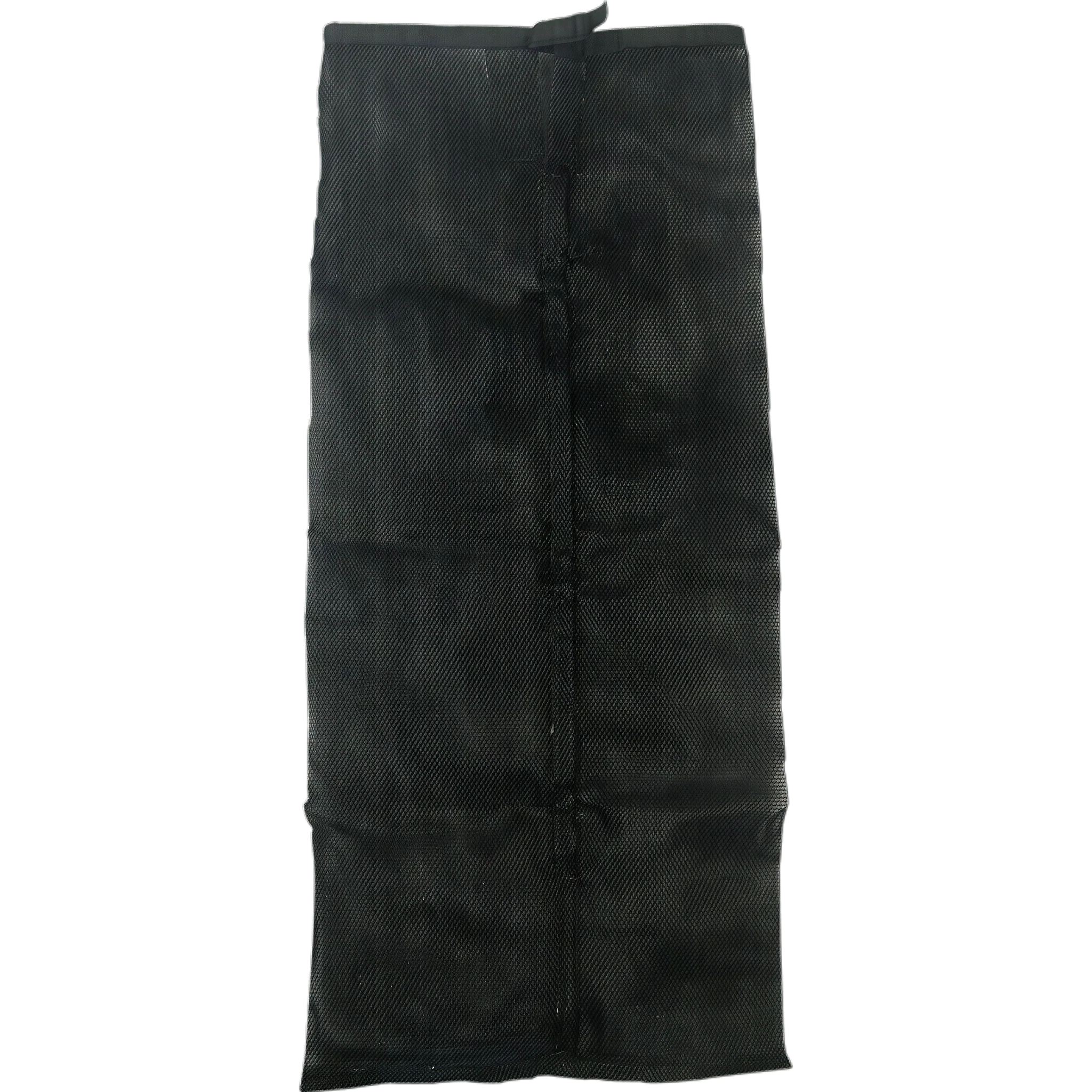
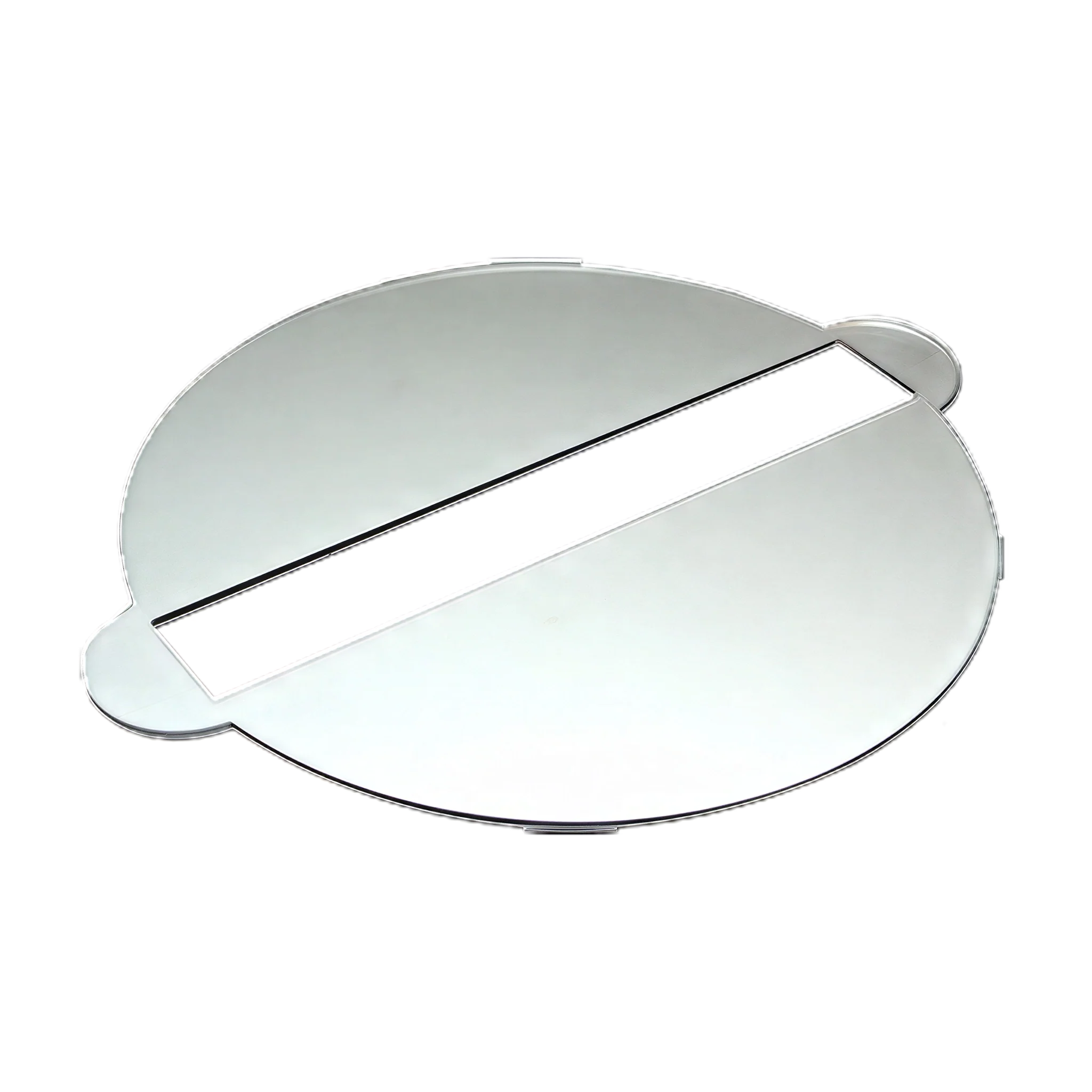
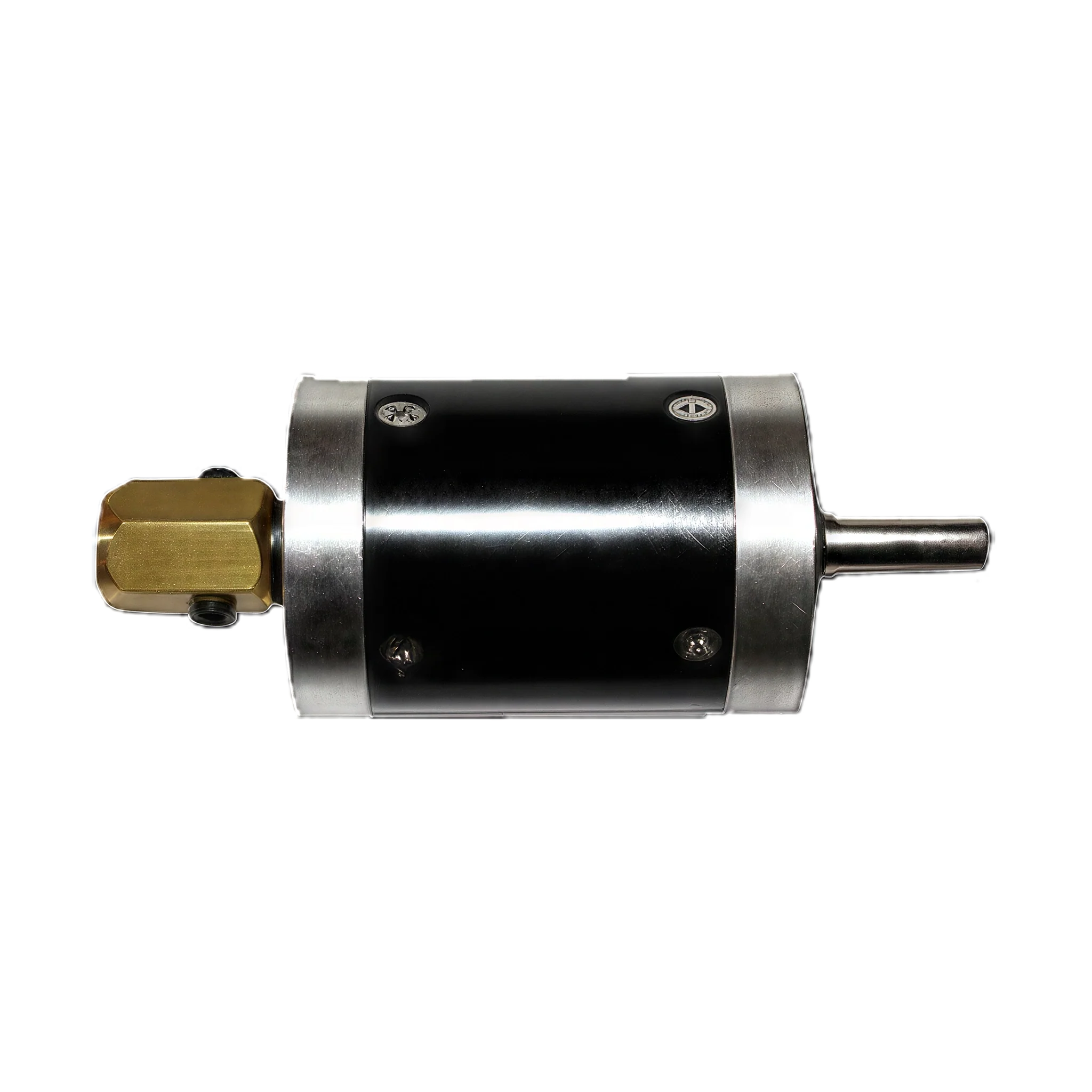
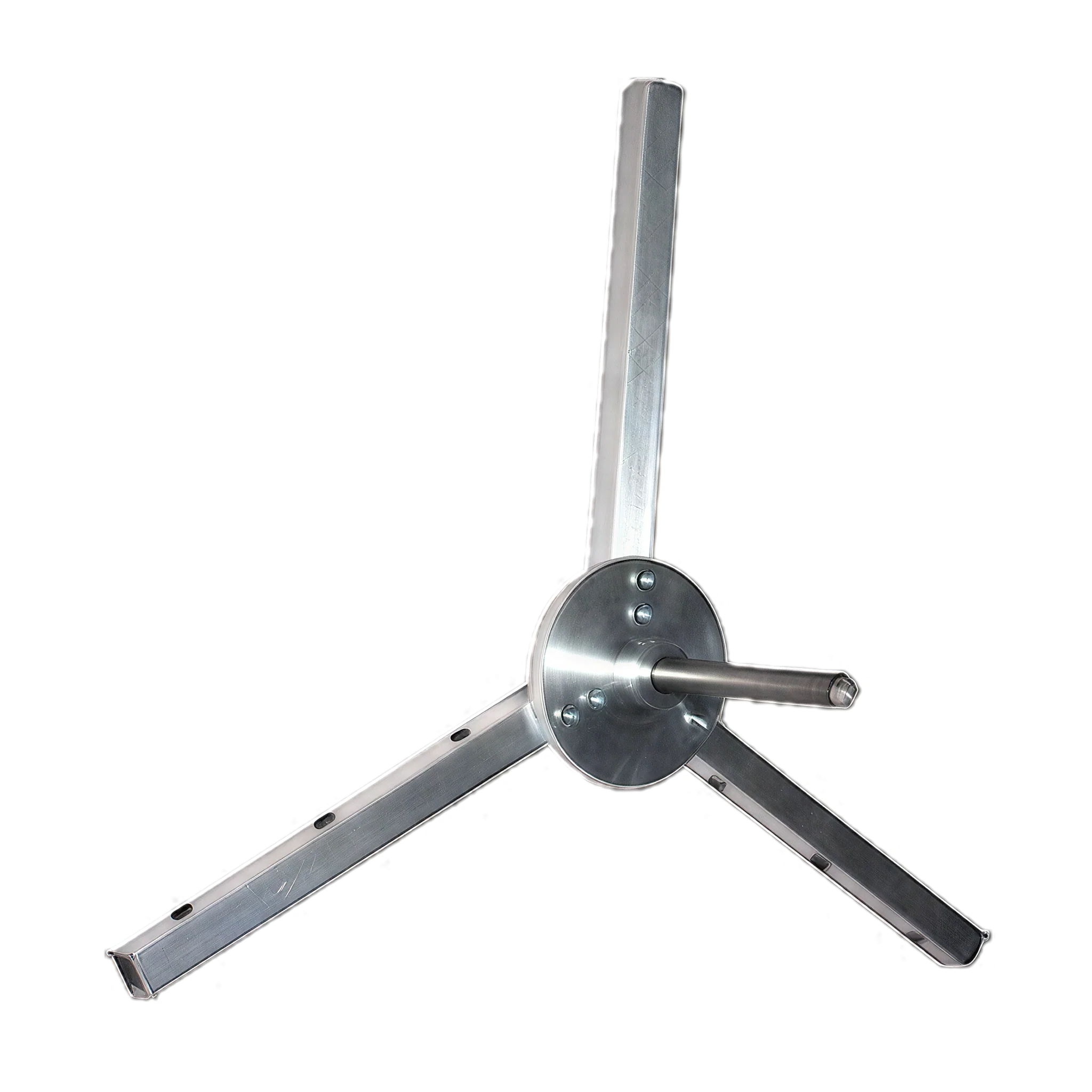
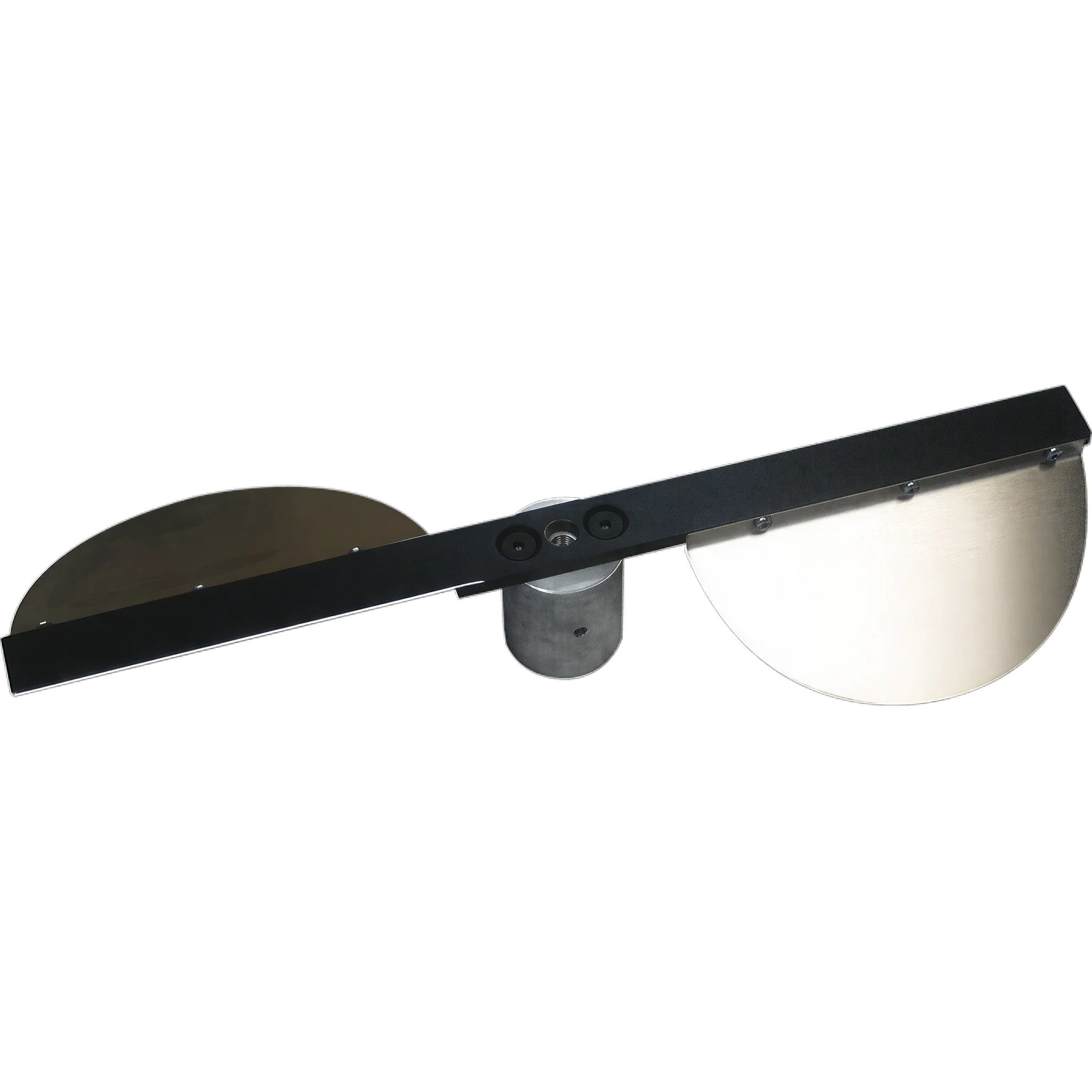
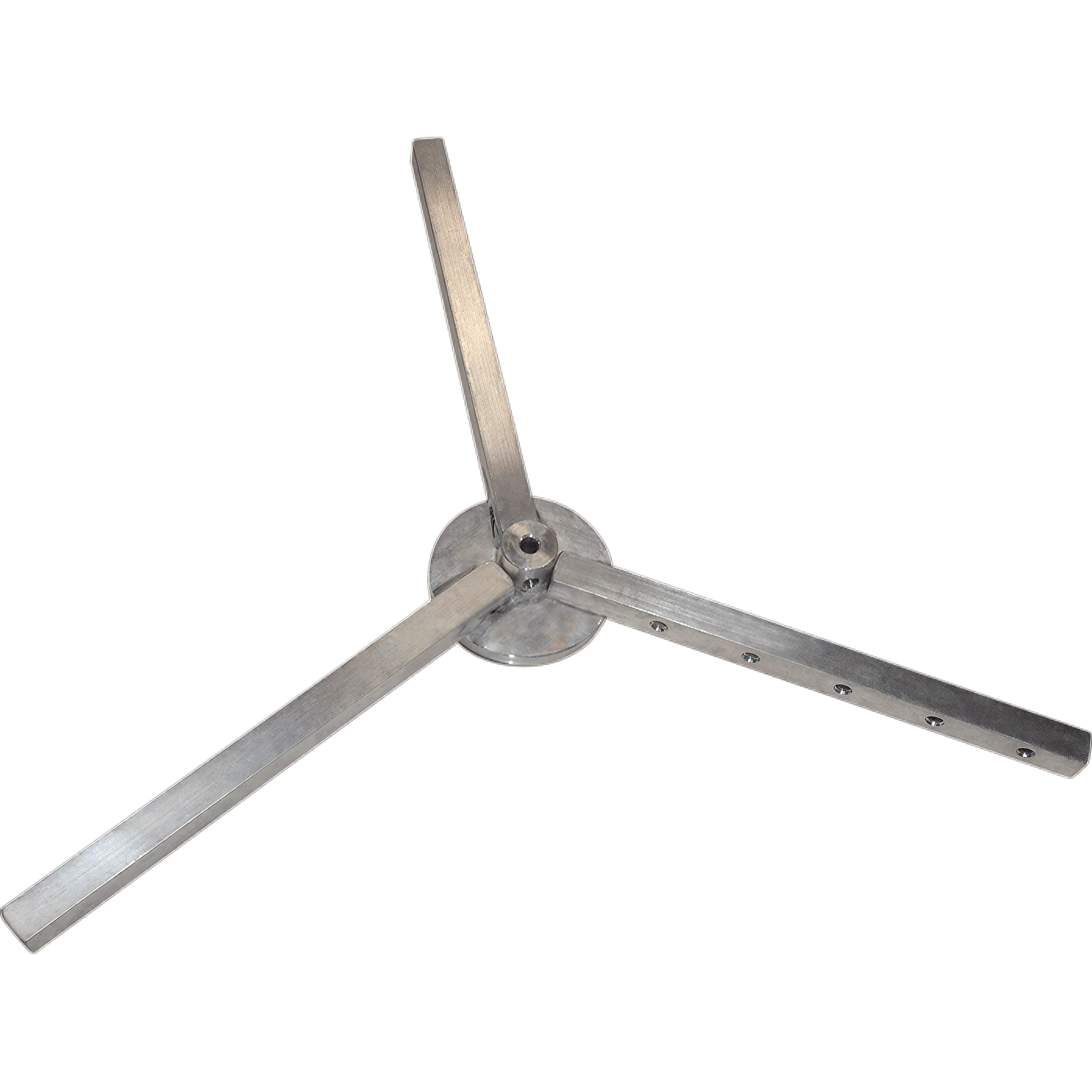
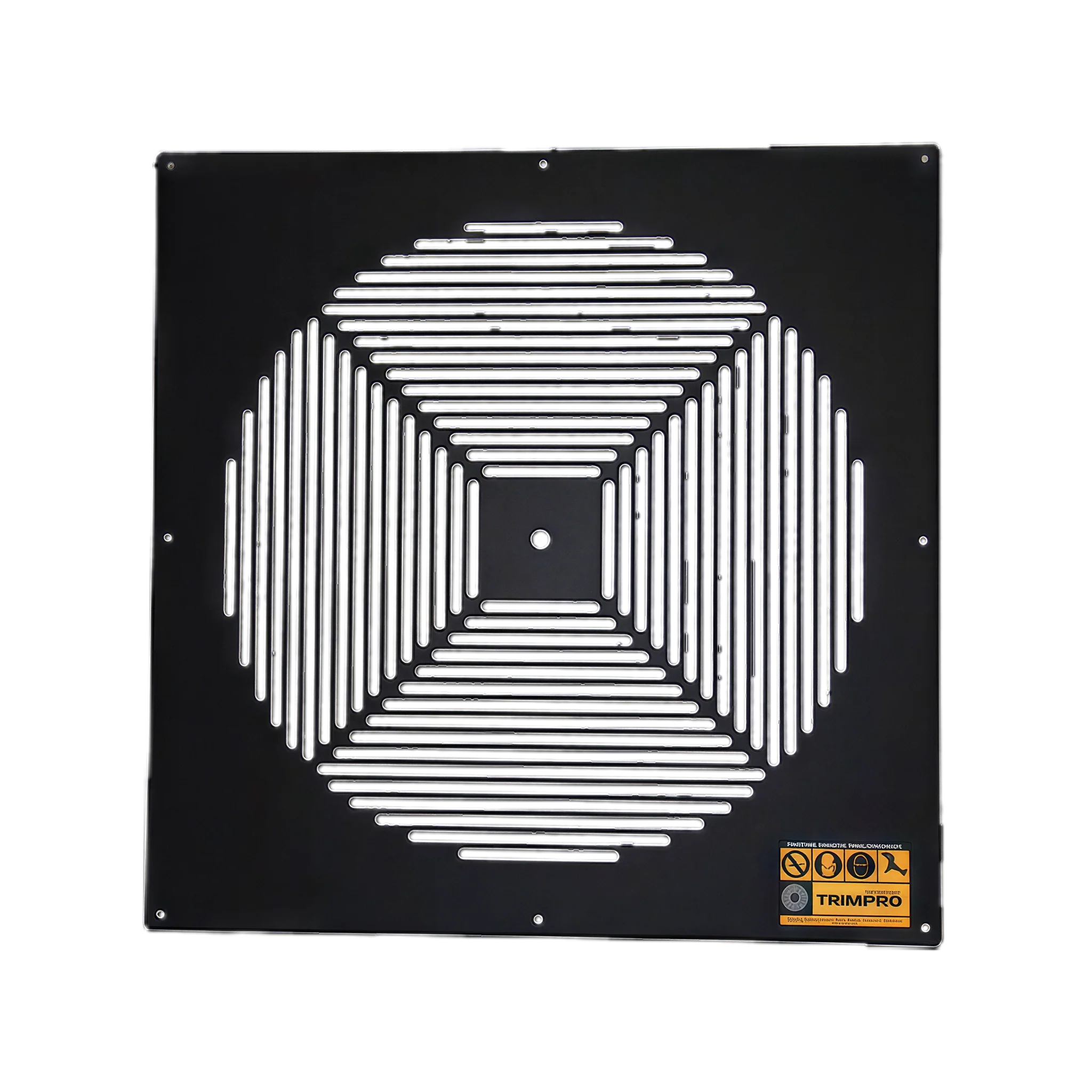
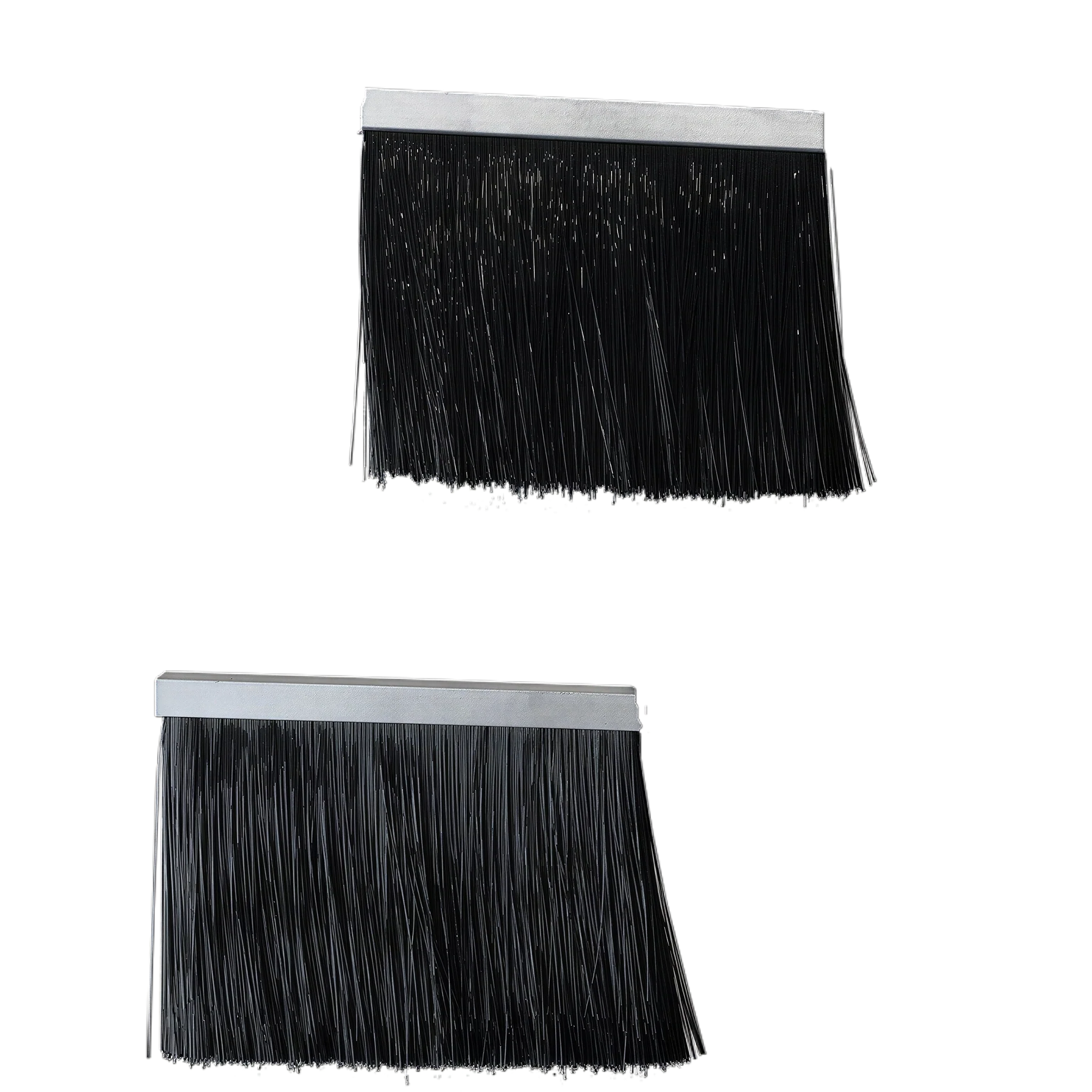
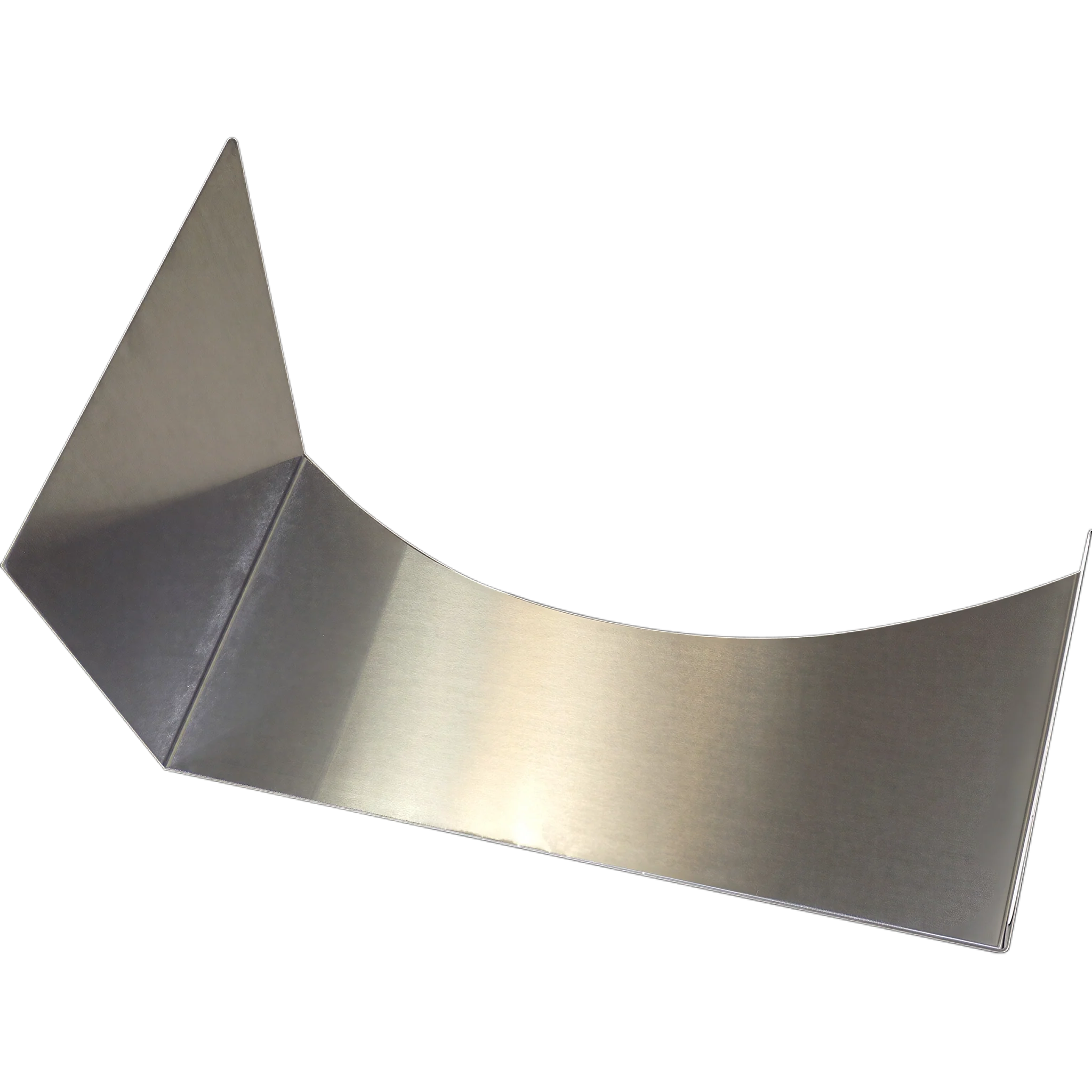
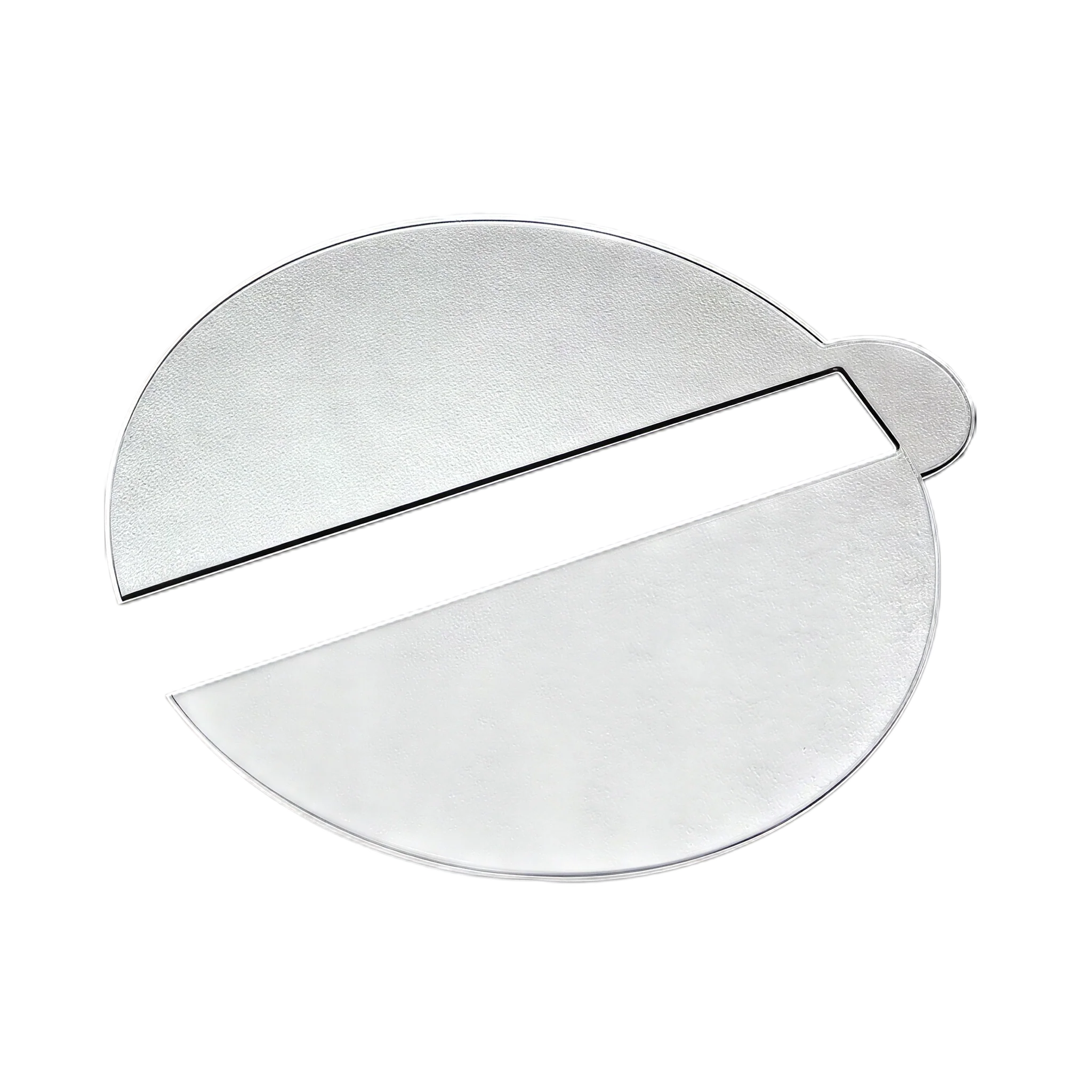
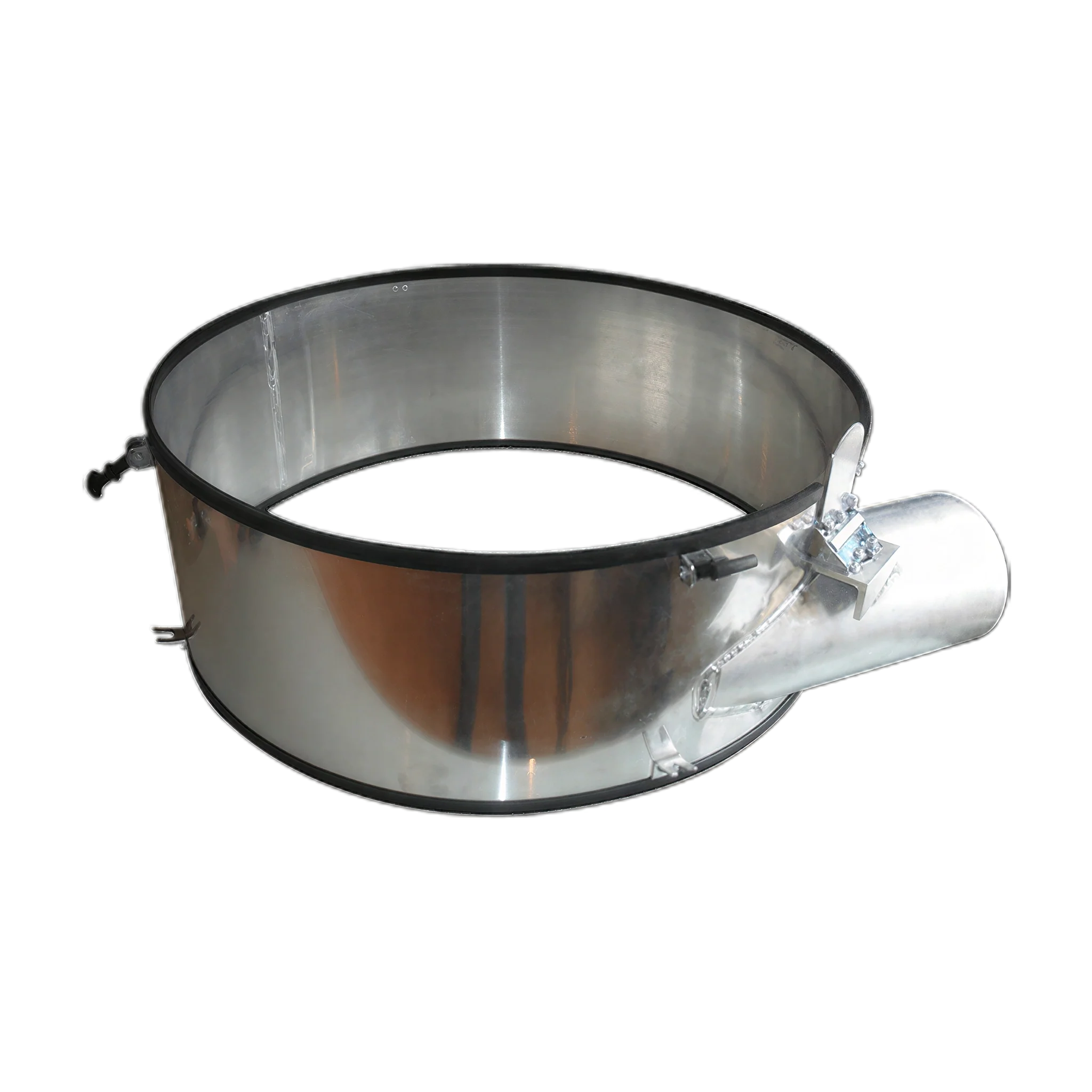
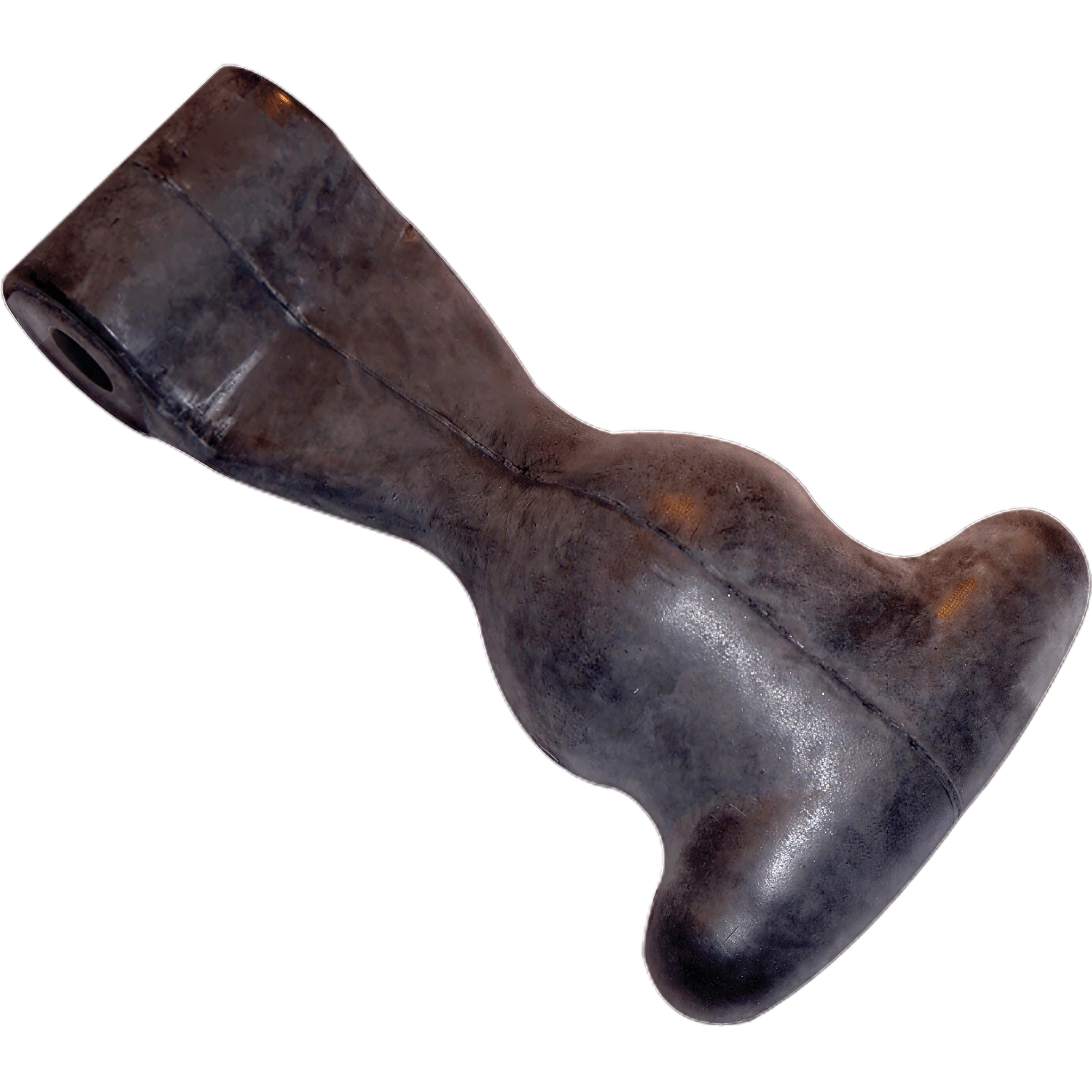
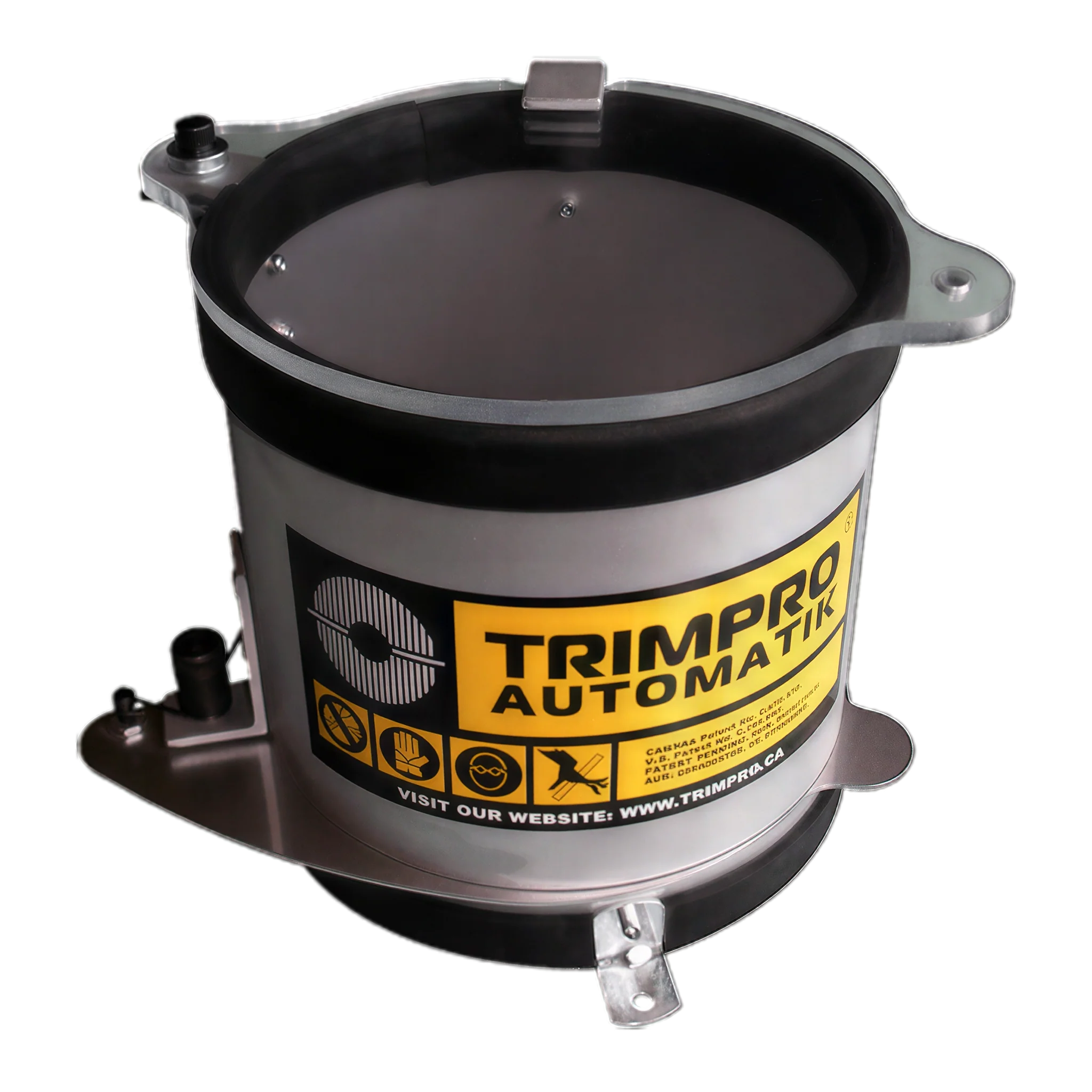
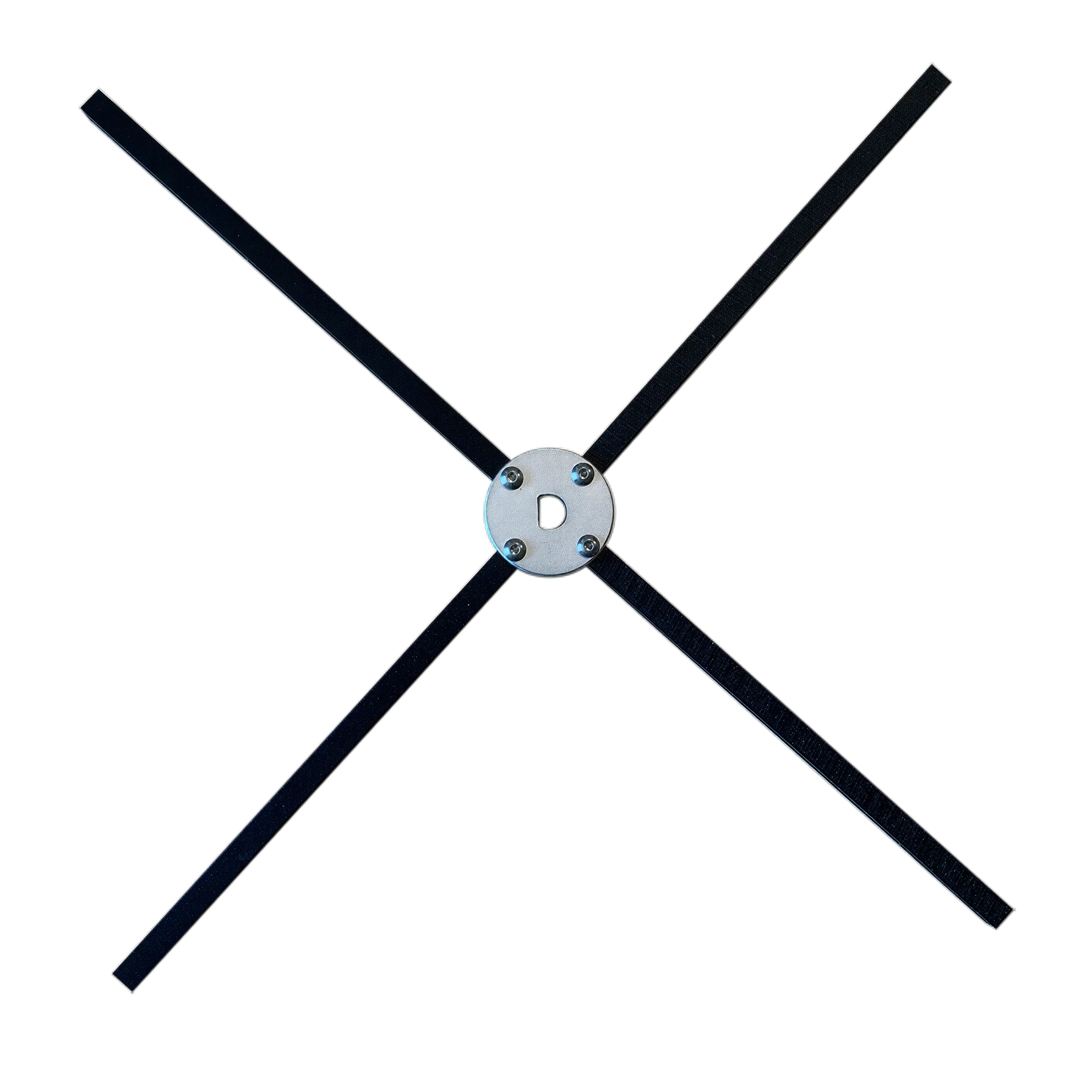
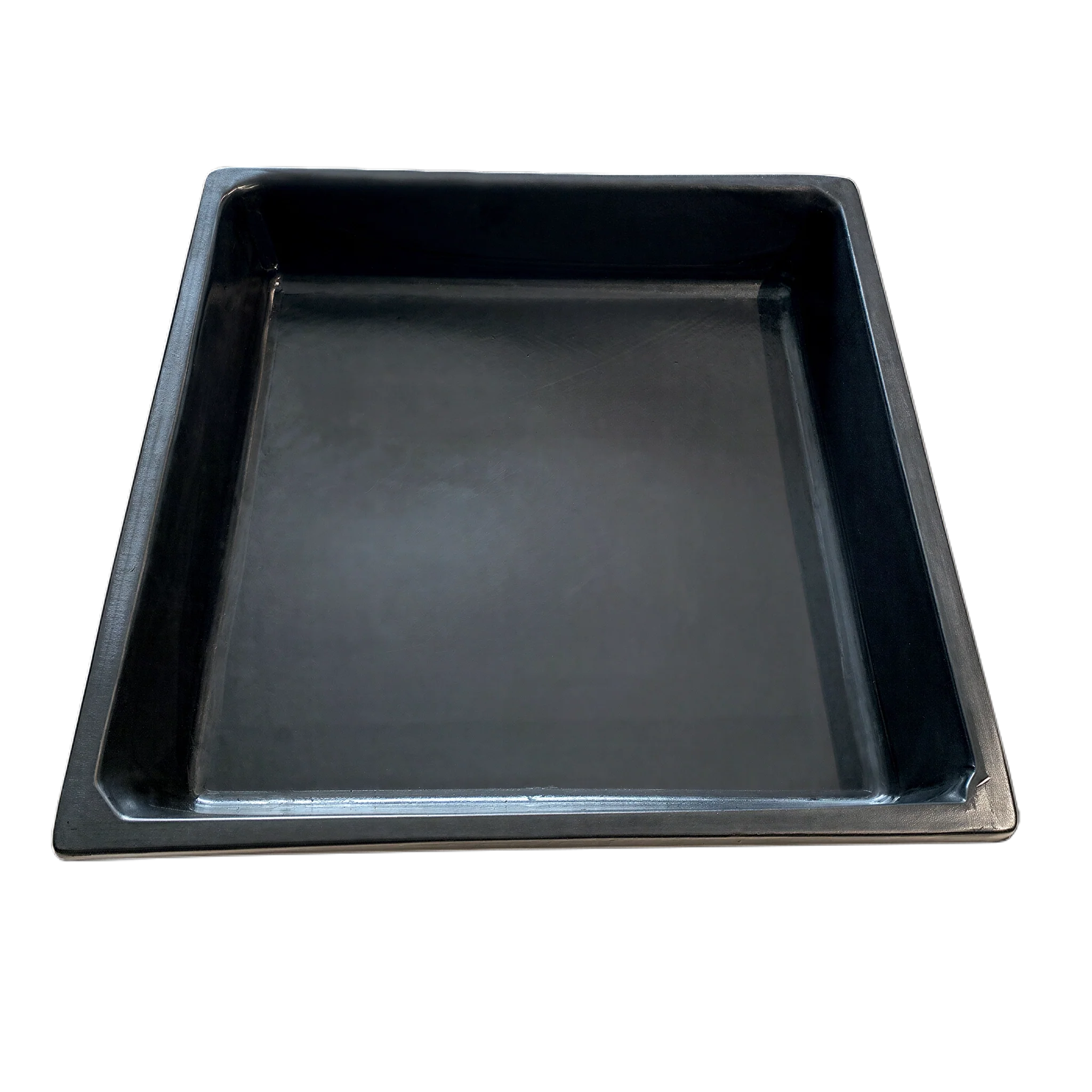
Trimming machines accumulate wear on specific components through regular use - blades dull, screens develop small tears, motor brushes wear, and mechanical components fatigue from the vibration and torque of continuous trimming cycles. Stocking critical replacement parts prevents harvest-day downtime when a blade needs replacement or a screen develops a hole that passes oversized material into the collection bin. For commercial operations where the trimmer is a production-critical piece of equipment, having a complete spare parts inventory for the machine's wear components is standard practice.
Wear Components by Trimmer Type
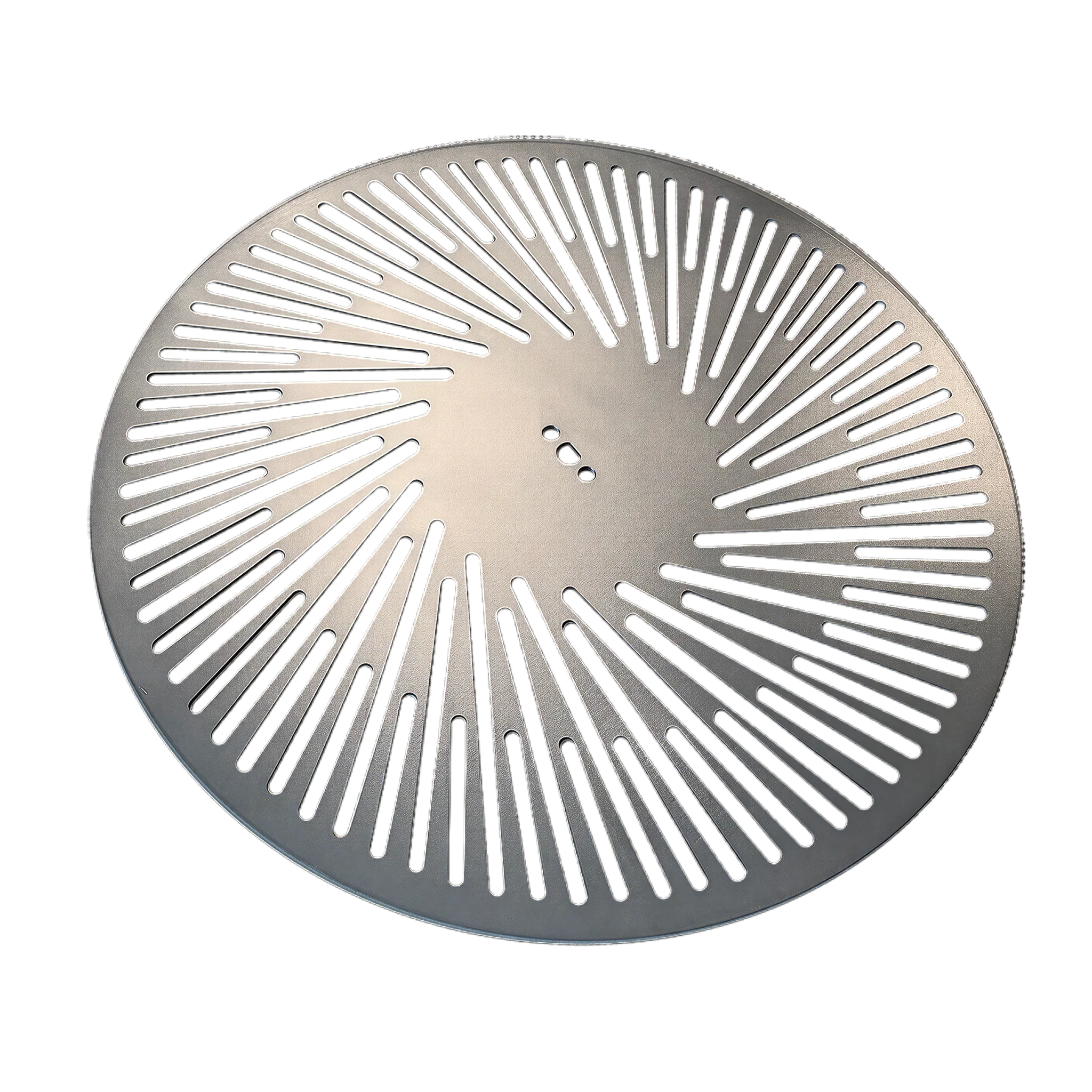
Bowl trimmers (manual and electric): the cutting blade assembly (typically a rotating stainless blade against a fixed mesh screen) dulls over time and requires sharpening or replacement; the mesh screen develops small holes and tears that affect trim quality. Electric drum trimmers (Twister, Triminator, Mobius): the cutting blade row wears from repeated contact with plant material and resin buildup; drum mesh screens tear from mechanical stress, especially during dry material runs where brittle material creates more impact on the screen surface. Motor brushes on brush-motor trimmers are wear items that require inspection every 200-500 hours of operation. Browse our trimming machines collection for complete unit options.
Maintenance Accessories
Blade cleaning solution, food-grade lubricants for pivot points and bearings, replacement fasteners for drum assembly, and tool kits for regular disassembly and cleaning are the supporting accessories for a well-maintained trimmer. Most machine manufacturers sell brand-specific maintenance kits that include the correct lubricants, cleaning solutions, and commonly replaced small hardware for their specific models. Using manufacturer-recommended lubricants is important - using automotive or general-purpose oils on food-contact surfaces or near electronics can cause problems that manufacturer-spec food-grade lubricants avoid. Fast shipping.
Trimming Machine Parts FAQ
How often should I replace trimmer blades?
Blade replacement frequency depends on material volume, material type, and whether you are trimming wet or dry. A general guideline: inspect blades every 5-10 lbs of processed material for signs of dullness (blades that push rather than cut cleanly through leaf stems, or that leave ragged rather than clean cut edges). Many commercial operators sharpen blades rather than replacing them - dedicated blade sharpening tools are available for most major trimmer blade formats. Replace rather than sharpen when the blade edge is nicked, corroded, or worn below the minimum thickness specification in the manufacturer documentation.
How do I know if my trimmer screen needs replacement?
Inspect the cutting screen after each session for: small holes or tears (material passes through without being cut, ending up in the collection bin as undersized material); bent or deformed mesh openings (affects trim quality and puts uneven stress on blades); and corrosion or discoloration that indicates chemical degradation from cleaning solvents. A screen with even a single hole larger than the mesh opening should be replaced - the hole grows quickly as material and blade contact stresses the damaged area further. Keep one replacement screen per mesh size on hand so screen replacement does not delay the next harvest session.
Are replacement parts brand-specific for trimming machines?
Yes - replacement blades, screens, and internal components are generally specific to the machine brand and model. Twister T2 blades are not interchangeable with Triminator Dry blades; CenturionPro screens are not compatible with Mobius M108S drums. When sourcing replacement parts, identify the exact machine model and part number from the manufacturer documentation or the worn part itself. Some third-party parts manufacturers produce compatible replacements for popular machine models at lower cost than OEM parts - verify compatibility carefully before using third-party parts in production, as dimensional tolerances affect both trim quality and machine longevity.
What lubricant should I use on trimming machine bearings?
Use only food-grade lubricants on trimmer components that may contact plant material - standard petroleum-based greases and oils are not appropriate for food-contact applications. NSF H1 rated food-grade grease (white lithium grease rated for incidental food contact) is the standard for trimmer pivot points and bearings. Food-grade silicone spray is appropriate for plastic-on-plastic sliding contact points. Most trimmer manufacturers specify the lubricant type in their maintenance documentation - use the recommended lubricant to maintain warranty coverage and avoid introducing non-food-safe compounds into the production environment.
Can I sharpen trimmer blades myself?
Yes - many trimmer blade formats can be sharpened with appropriate tools. Flat blade designs (bowl trimmer blades) can be hand-sharpened with a honing stone or diamond lap following the blade's existing bevel angle. Drum trimmer blades with straight cutting edges can be sharpened with a flat file or bench grinder with care. Curved or serrated blade designs are more difficult to sharpen consistently at home - consider sending to a commercial sharpening service that handles industrial cutting tools. Verify the blade meets minimum thickness specification after sharpening - an over-sharpened blade that is too thin flexes under load and produces poor cut quality regardless of edge sharpness.