Trellis Netting & Plant Support for Indoor Growing
Plant support systems -- trellis netting, bamboo stakes, soft plant ties, tomato cages, and SCROG (screen of green) nets -- are essential for managing plant structure in indoor grows where canopy height, branch distribution, and light penetration directly affect yield efficiency. Unsupported plants in confined indoor environments can develop uneven canopies with tall central growth shading lower branches, or heavy flower-bearing branches that break under their own weight without structural support. The right support system for your crop and training method -- in a grow tent or dedicated grow room -- allows you to develop the canopy structure that maximizes light use across the full growing footprint.
SCROG Nets & Horizontal Trellis
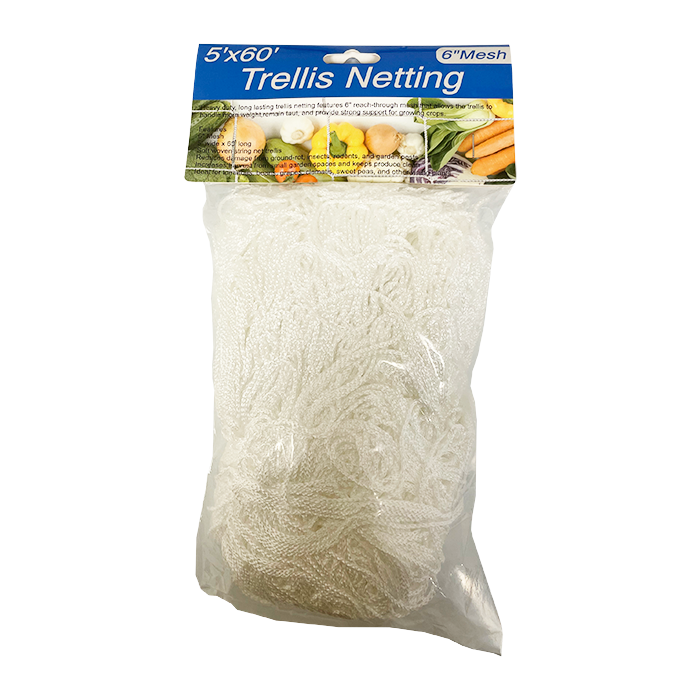
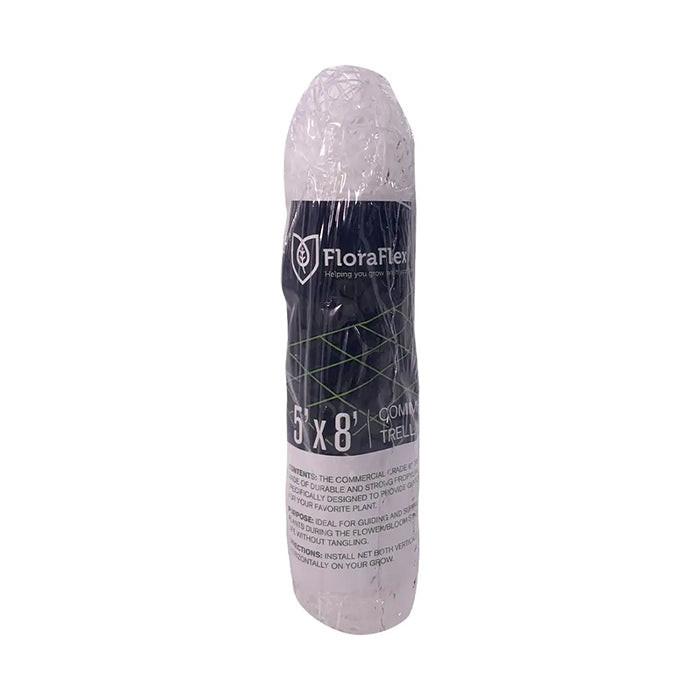
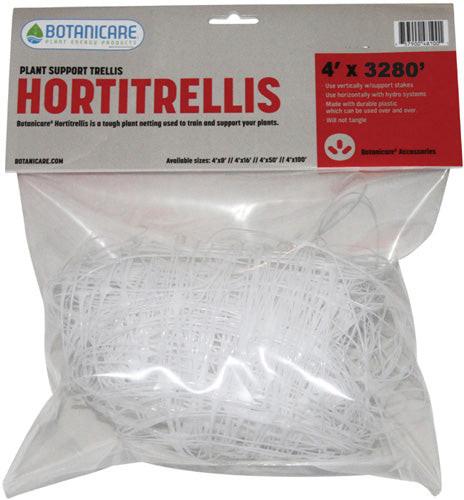
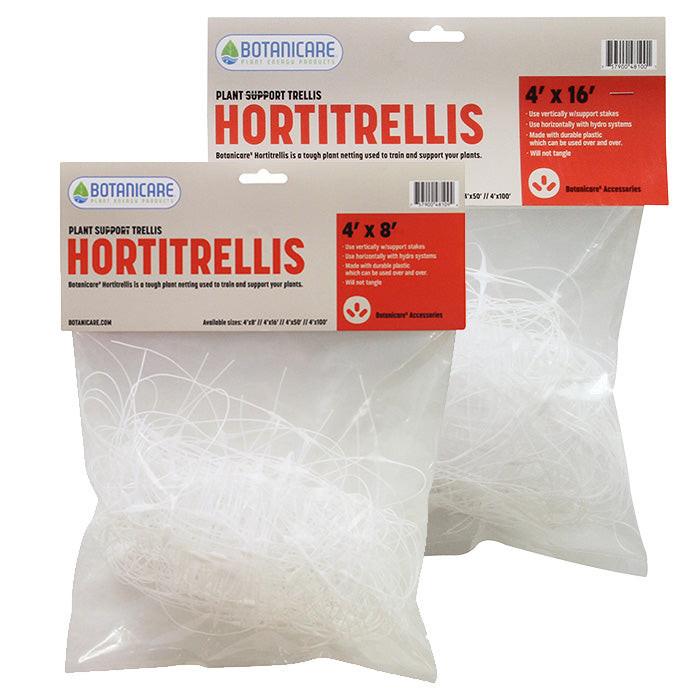
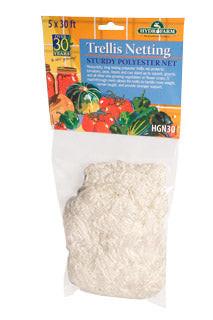
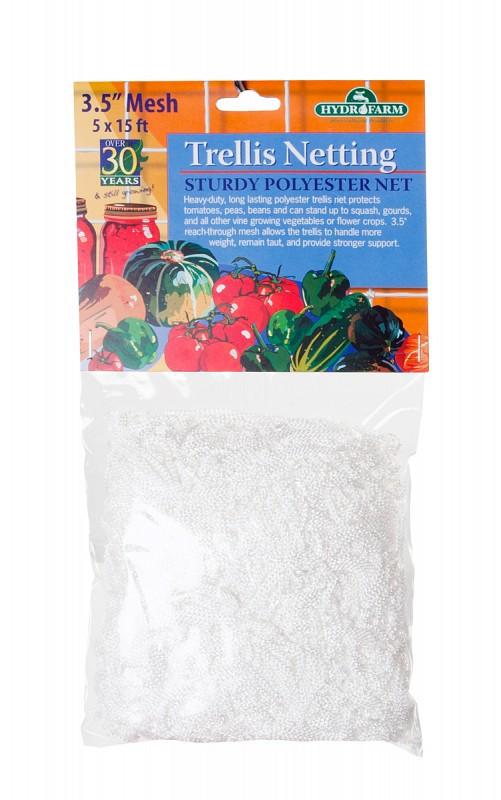
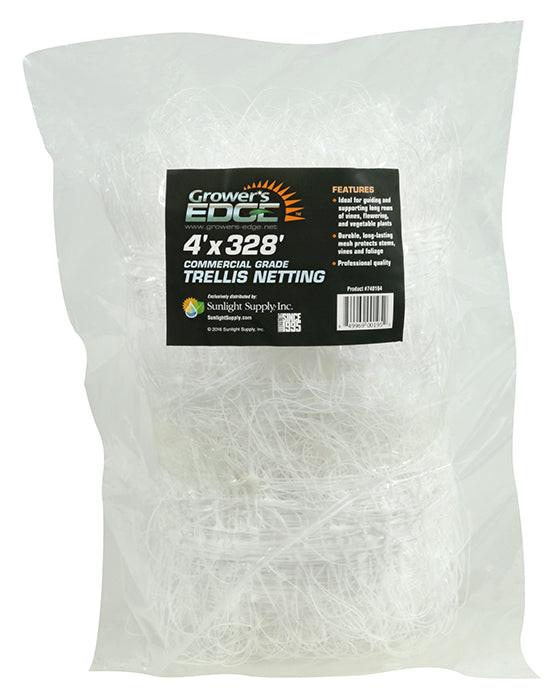
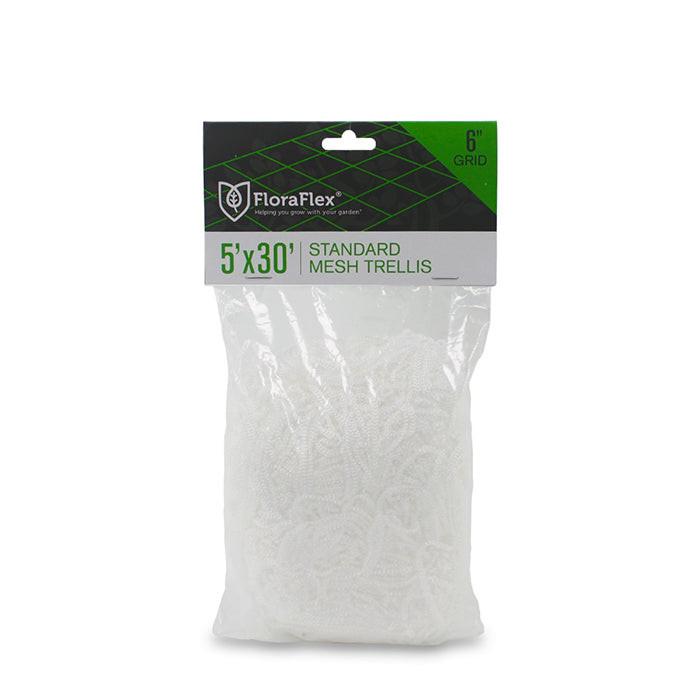
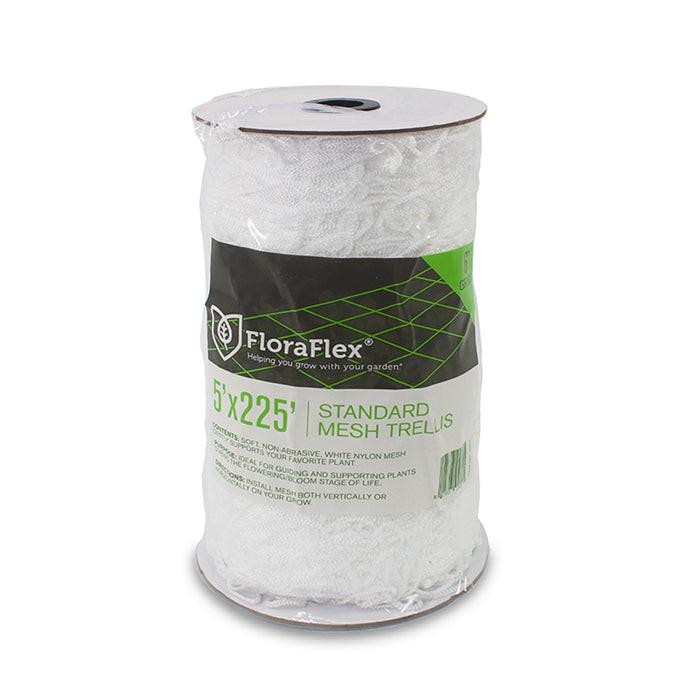
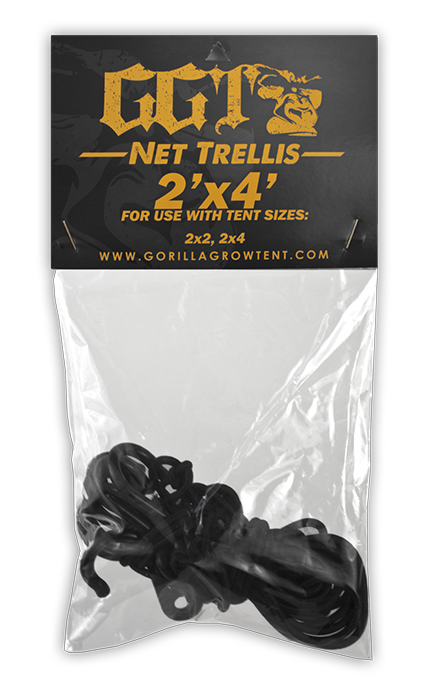
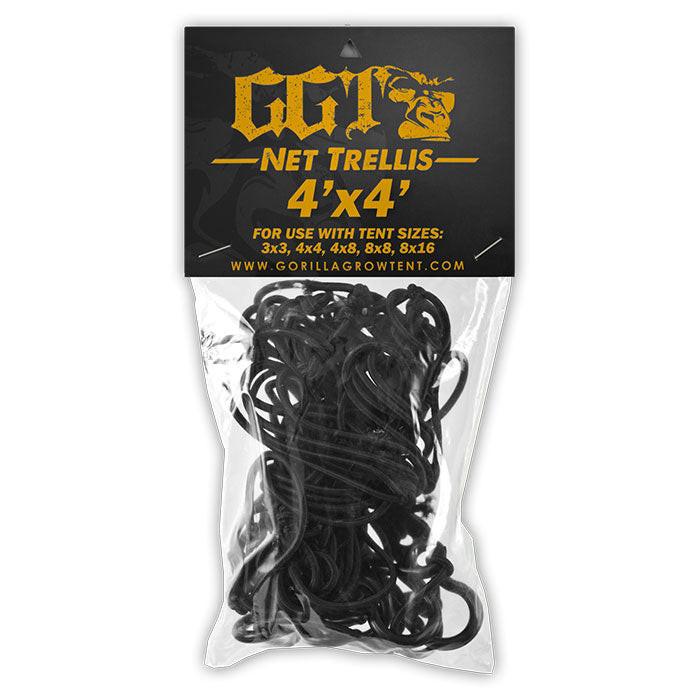
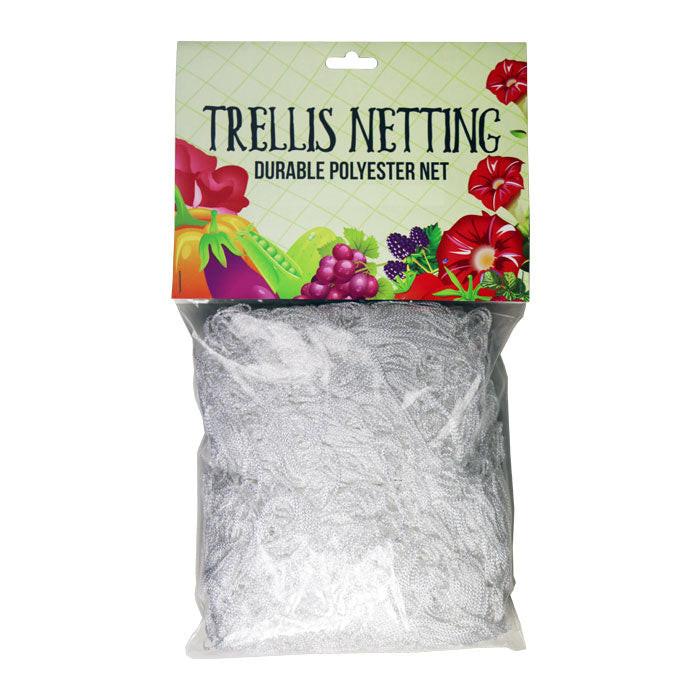
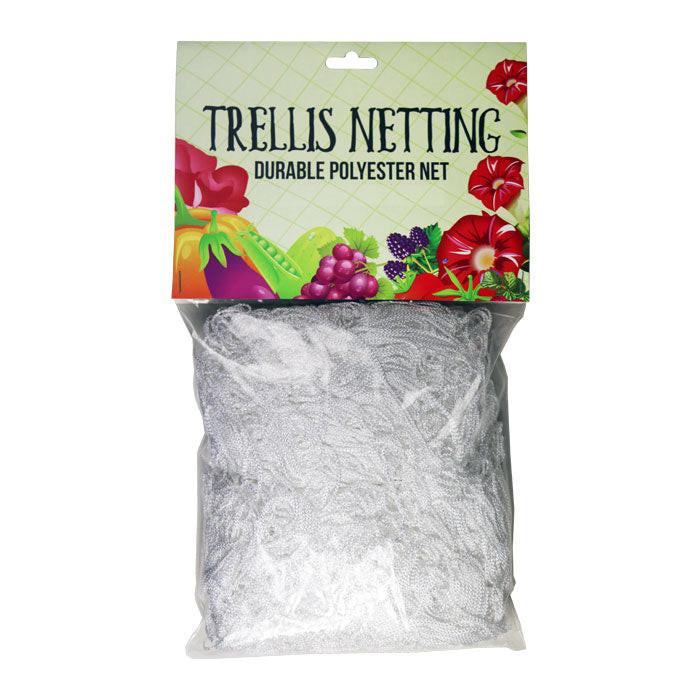
SCROG (screen of green) is an indoor training method where a horizontal trellis net is stretched across the growing area at a set height above the canopy. As plants grow, stems and branches are woven through the net openings -- spreading the canopy horizontally to fill the net surface before the flowering light cycle begins. The result is a flat, even canopy surface that presents all flower sites at a uniform distance from the light fixture, maximizing PPFD uniformity and eliminating the tall-center-short-edges gradient of untrained plants. SCROG nets are available in fixed frames for permanent grow room installation and in adjustable-height versions for tents. Mesh opening size (typically 4-6 inches square) determines how many stems can be woven through the net -- larger openings allow thicker stems and larger plants, smaller openings provide more support points for smaller, more numerous stems. For vertical support during the flowering stage, a second net layer at canopy height prevents heavy flower-bearing branches from bending or breaking under weight.
Stakes, Ties & Other Plant Support
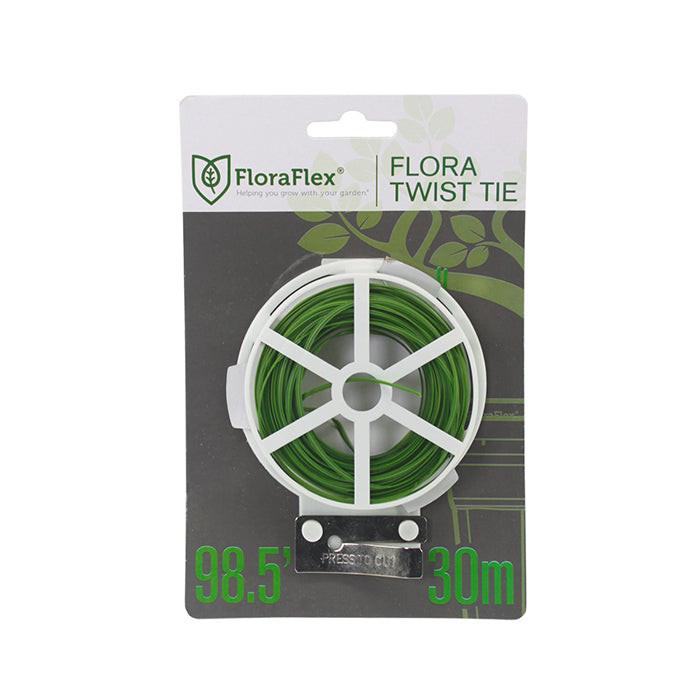
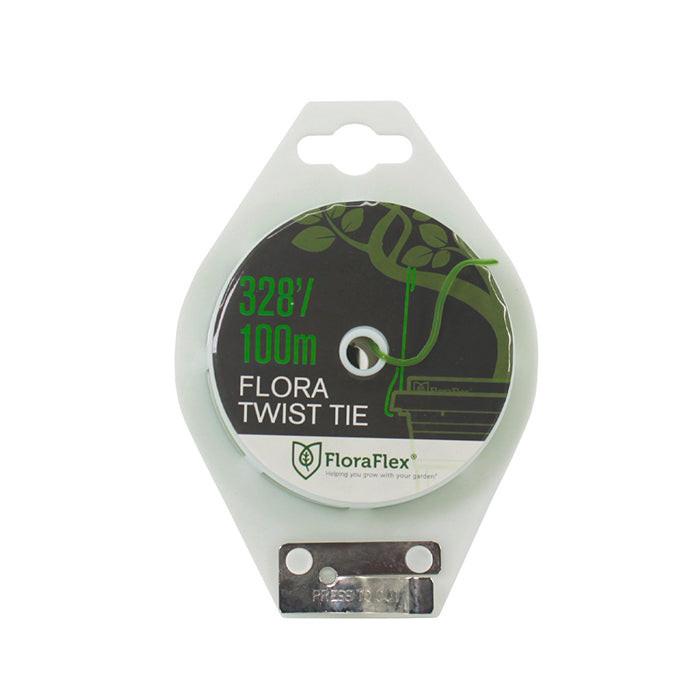
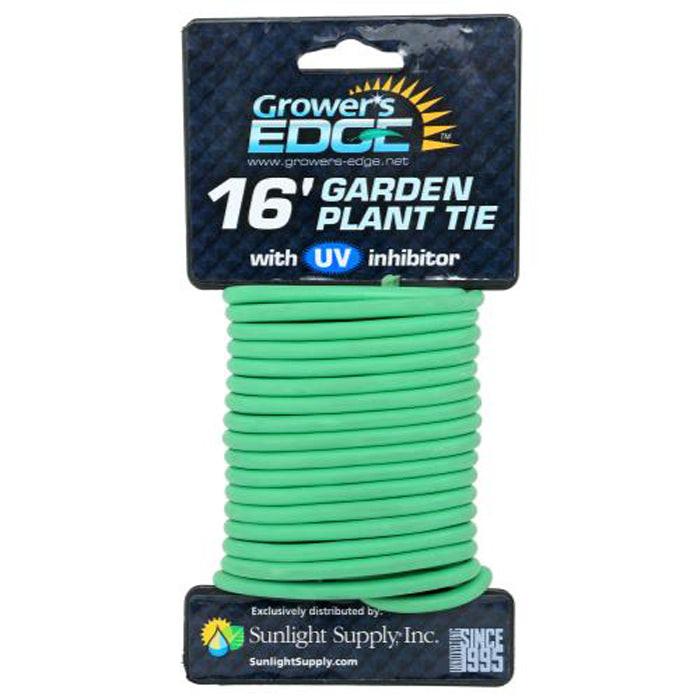
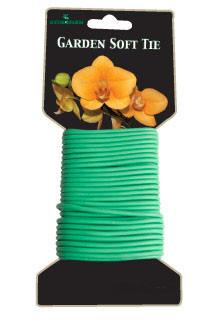
Bamboo stakes and fiber-wrapped metal stakes provide individual stem support for plants in any container size for tall single-stemmed plants or branches that need anchoring without full horizontal training. Soft plant ties (foam-coated wire, silicon ties, or fabric ties) attach stems to stakes without cutting into the plant tissue -- never use rigid ties or wire directly against stems. Tomato cages and wire cylinder supports work well for bushy, multi-branching plants where multiple stems need support from a single structure. Yo-yo grow light hangers are used both for hanging grow lights at adjustable heights and for supporting individual heavy branches during the final weeks of flowering. Fast shipping.
Trellis Netting FAQ
What size trellis netting do I need for a SCROG setup?
Match trellis net dimensions to your grow tent or room footprint. For a 4x4 ft tent, a 4x4 ft SCROG net covers the full canopy area. For 4x8 or larger setups, two 4x4 nets positioned end to end or a single larger net covers the extended footprint. Mesh opening size (4-inch square is the most common for single-plant SCROG) allows one stem per opening with room for growth and airflow. For sea-of-green (SOG) setups with many small plants, 6-inch openings accommodate more stems per net. Position the first net layer 12-18 inches above the pot surface for most crops -- this leaves adequate vegetative height below the net before plants grow into and through the mesh.
What is the benefit of SCROG training for indoor growing?
SCROG training spreads plant canopy horizontally to fill the full grow light footprint, producing a flat, even surface that presents all flower sites at a uniform distance from the light fixture. This maximizes PPFD uniformity across the canopy -- all flower sites receive similar light intensity rather than the tall-center-low-edges distribution that untrained plants produce. SCROG also improves airflow through the canopy (reducing mold risk from stagnant zones), makes final plant height predictable and manageable in tents with limited ceiling height, and often increases total yield per cycle by converting the same light energy more efficiently across a larger number of equally illuminated flower sites.
How do I prevent branches from breaking under heavy flower weight?
A second horizontal net layer positioned at or just above canopy height during the flowering stage provides broad support for heavy, flower-laden branches across their full length -- more effective than individual stakes that only support one branch at a time. Position the support net so each branch is cradled across 2-3 net openings rather than balancing on a single point. For particularly heavy or lateral branches, individual yo-yo hangers attached to the tent frame provide targeted support at the heaviest points. Adding support early (when flowers are actively developing at weeks 4-6 of flowering) prevents the branch damage that waiting until branches are visibly bending causes.