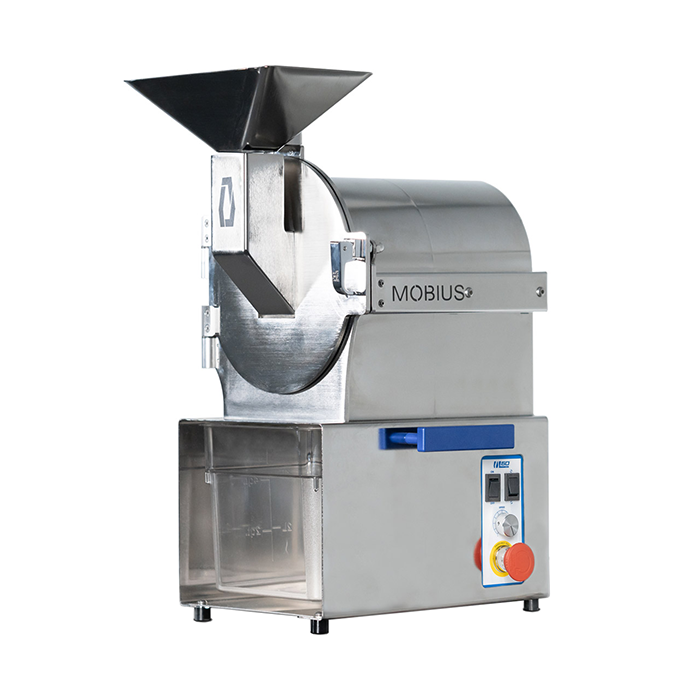
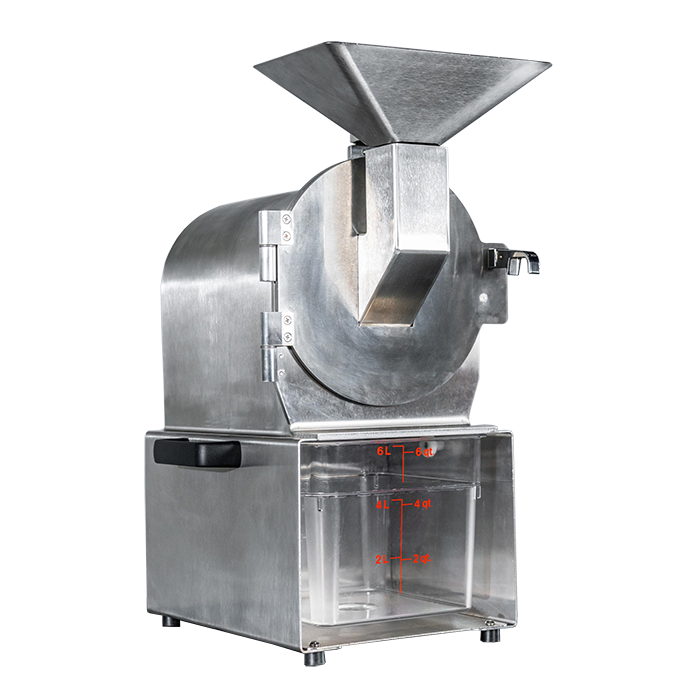
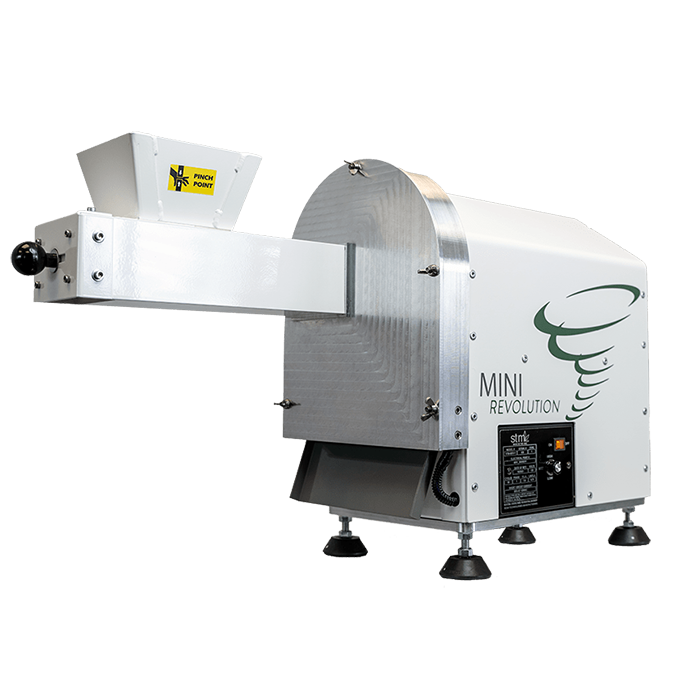
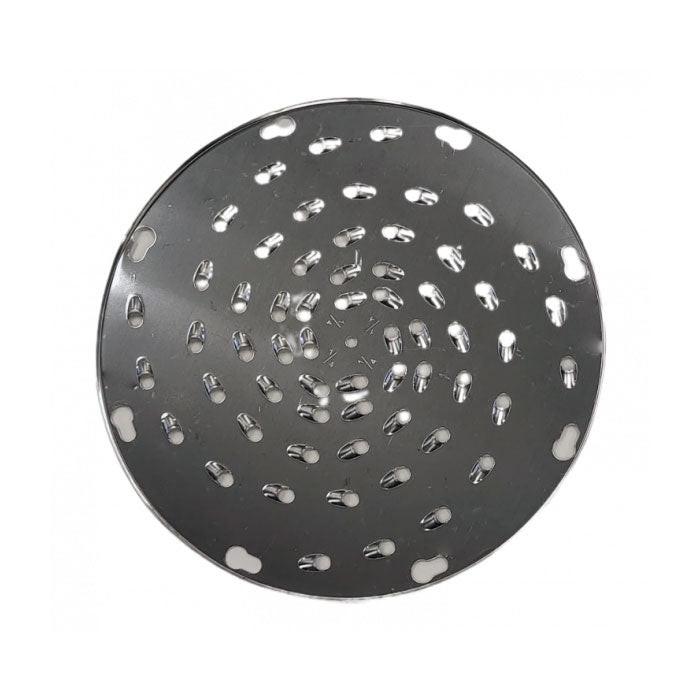
Herb Grinders & Plant Material Shredders
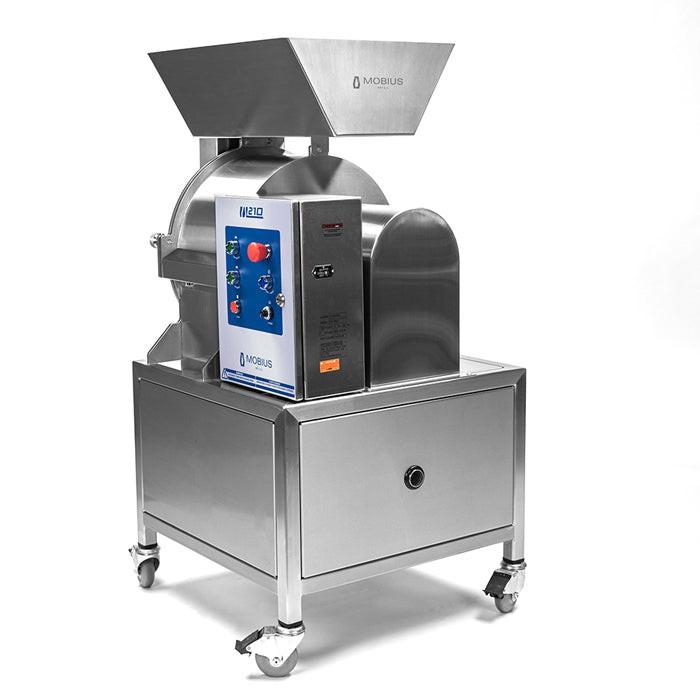
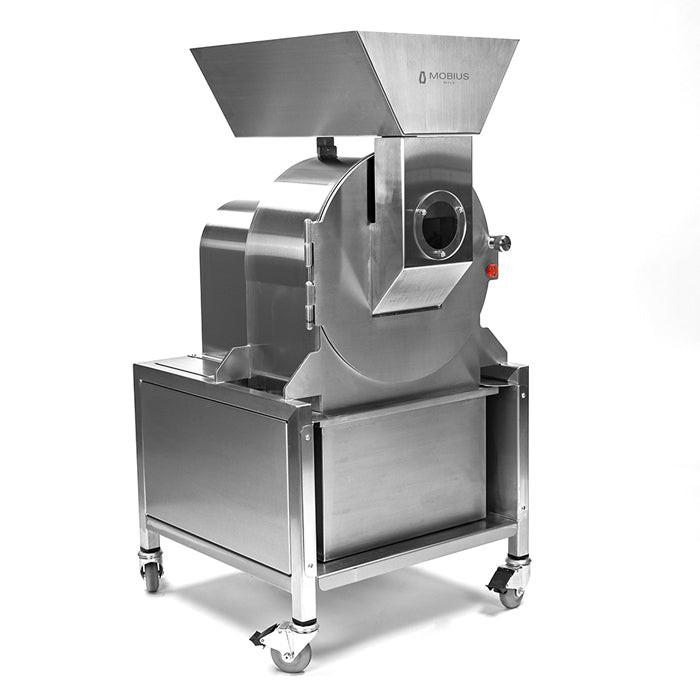
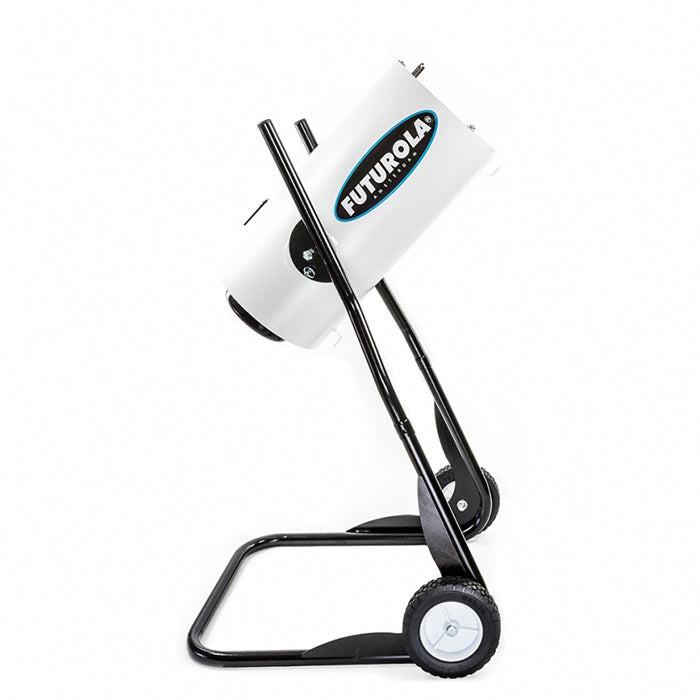
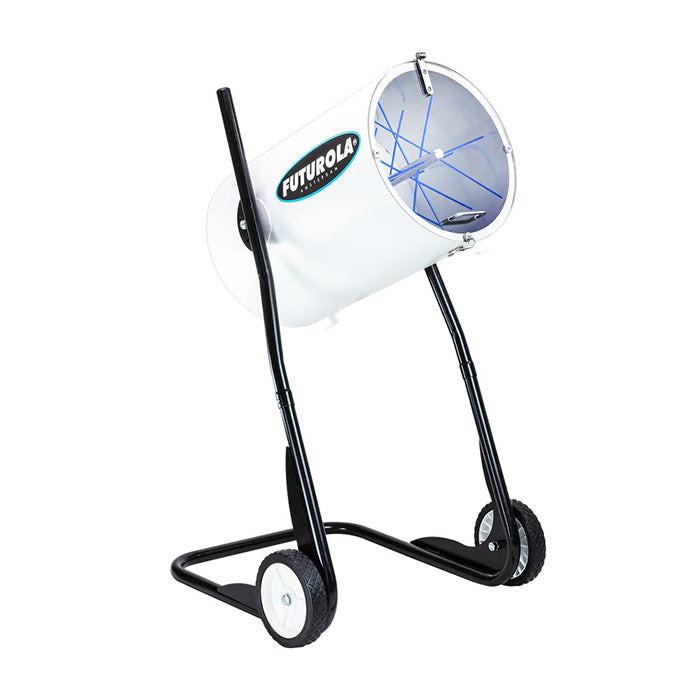
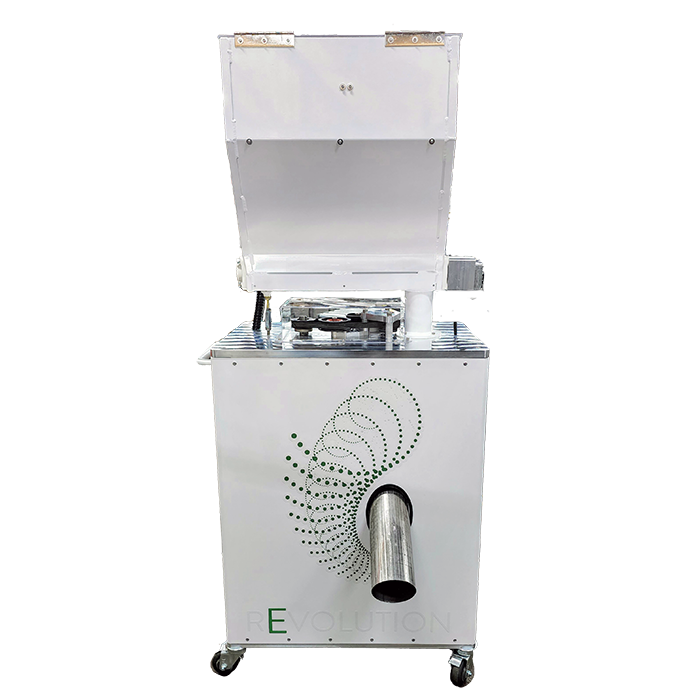
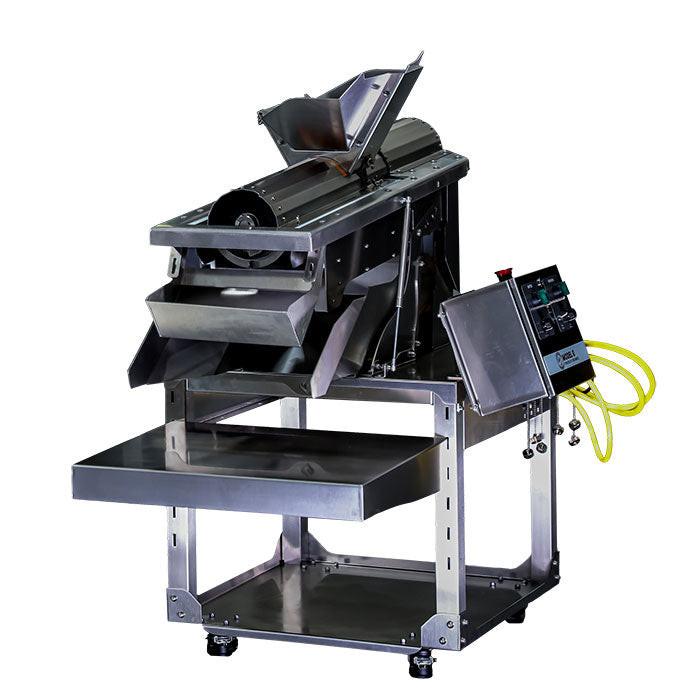
Herb grinders and plant material shredders mechanically reduce dried botanical plant material to a consistent particle size for downstream processing -- whether feeding a pre-roll filling machine, preparing material for extraction, or processing material for cooking and infusion applications. Manual multi-chamber grinders produce fine, consistent material from small quantities with minimal setup. Electric grinders and shredders scale to larger commercial throughput requirements, processing ounces to pounds per hour depending on motor size and chamber volume.
Manual Grinders
Multi-chamber manual grinders use interlocking toothed grinding plates to shred material as the top chamber rotates, with a mesh screen separating a fine-particle collection chamber below from the main grinding chamber. Two-piece grinders (no collection chamber) are simpler and easier to clean; four-piece grinders (grind chamber + mesh screen + collection chamber) collect the finest particles separately from the ground material above the screen. For personal and small-volume use, a quality multi-piece metal grinder produces very consistent particle sizing with minimal effort. For pre-roll production at small to medium scale, a high-capacity electric grinder eliminates the repetitive manual labor of grinding large volumes by hand.
Electric Grinders & Commercial Shredders
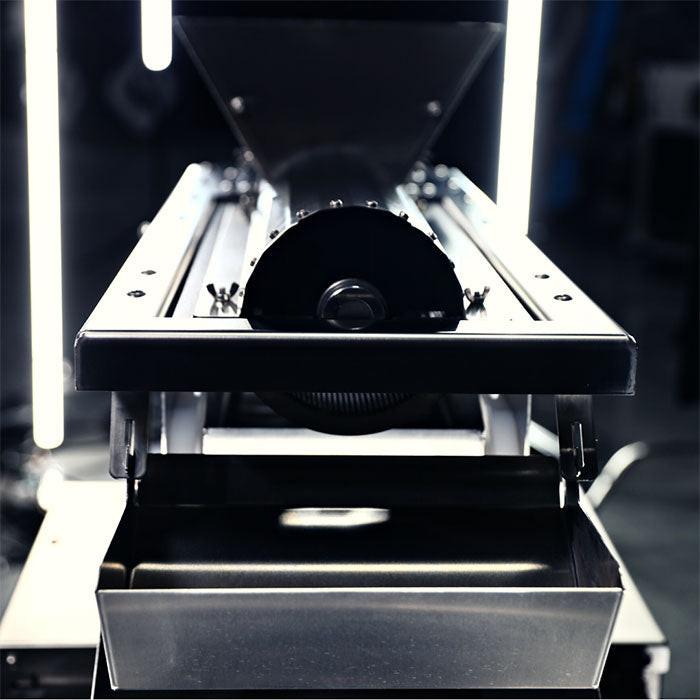
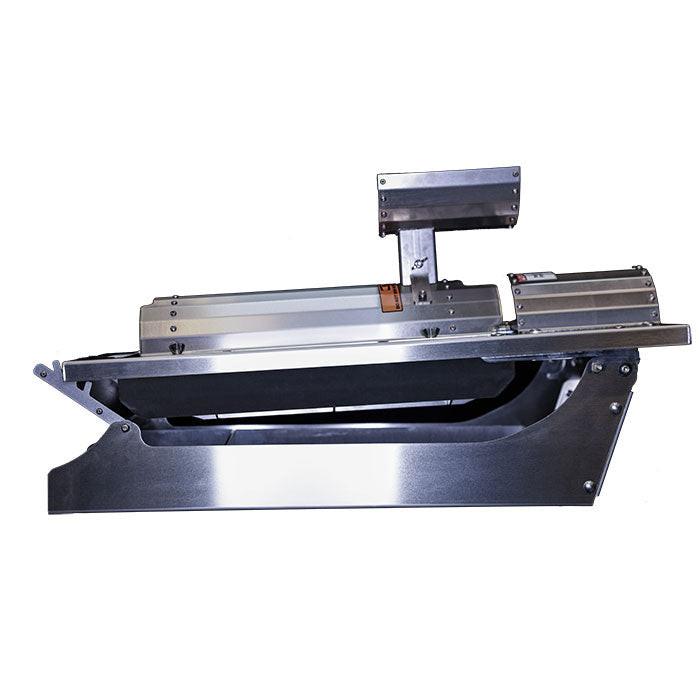
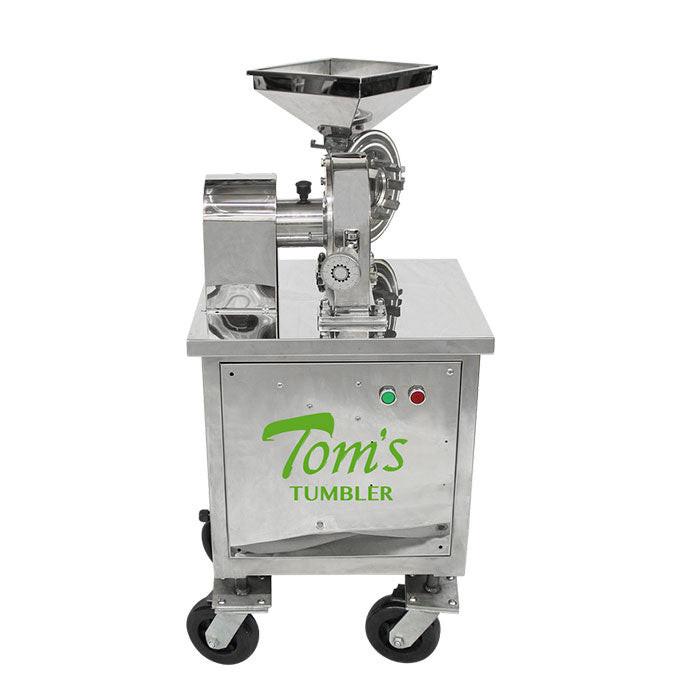
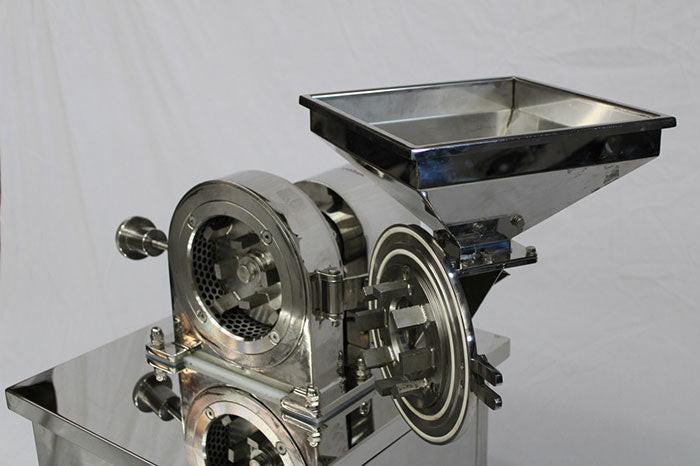
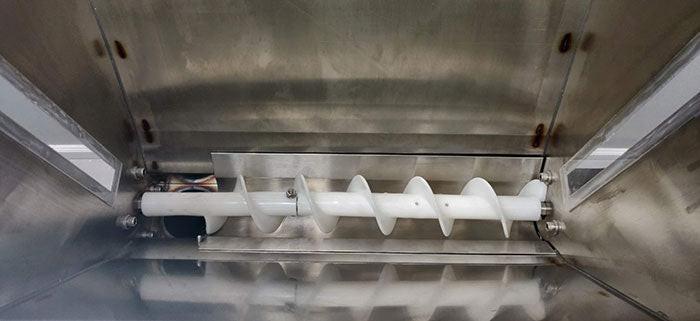
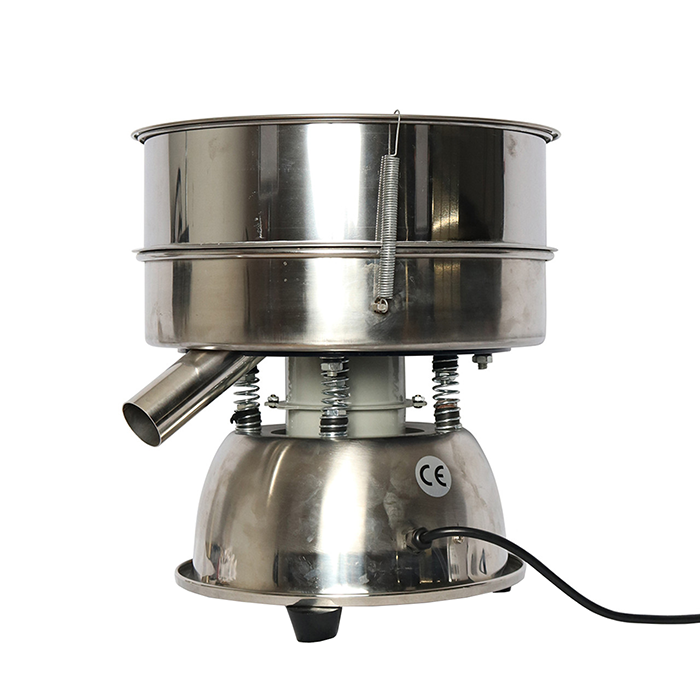
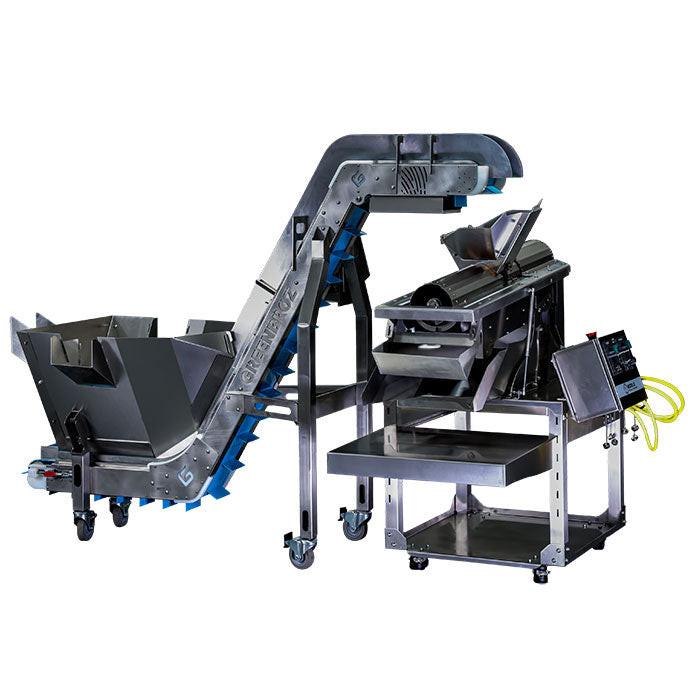
Electric grinders and commercial plant shredders designed for high-volume botanical processing use powered blades or impellers to shred material rapidly and continuously. Bowl-style electric grinders process one batch at a time; continuous-feed commercial shredders accept material at one end and output ground material at a consistent particle size from the other. For operations running pre-roll machines or extraction setups that require large volumes of consistently ground material, a commercial shredder eliminates the throughput bottleneck of manual grinding. See our full trimming and post-harvest supplies collection for the complete post-harvest workflow. Fast shipping.
Herb Grinders FAQ
What is the difference between a 2-piece and 4-piece grinder?
A 2-piece grinder has only the two grinding plates -- material is ground and collected in the same chamber, then poured out manually. A 4-piece grinder adds a mesh screen below the grinding chamber and a collection chamber below that screen. The screen allows the finest particles to fall through into the collection chamber while larger ground material remains above. The collected fine material from the bottom chamber is a concentrated fine powder. Four-piece grinders produce two different particle size outputs from the same grind; 2-piece grinders produce a single mixed-size output.
What material are quality grinders made from?
Aircraft-grade aluminum (6061 alloy) is the standard material for quality multi-piece grinders -- lightweight, durable, and easy to machine to tight tolerances for smooth rotation. Titanium grinders are also available at premium pricing with excellent durability. Zinc alloy (lower-cost grinders) is heavier, less durable, and more prone to flaking small metal particles into ground material over time -- the primary quality concern with low-cost zinc grinders. For food and herbal applications, aluminum or titanium are the appropriate material choices. Plastic grinders are adequate for very occasional use but crack and wear quickly with regular use.
How do I clean a grinder?
For regular cleaning: tap the grinder over a clean surface to remove loose material. Use a small brush (a clean toothbrush or dedicated grinder brush) to clean the teeth and screen. For deep cleaning: place grinder components in the freezer for 30 minutes (cold makes sticky residue brittle and easier to remove), then brush. For full disassembly cleaning: soak non-anodized aluminum components in isopropyl alcohol for 20-30 minutes, brush, rinse with warm water, and dry completely before reassembly. Never put grinders in the dishwasher -- heat and dishwasher detergent degrade aluminum anodizing and metal finishes.
What grinder size should I choose?
Grinder diameter determines grinding capacity per session: 1.5-2 inch diameter grinders hold a small personal quantity per grind; 2.5-3 inch diameter is the most common size for regular personal use; 3-4 inch diameter grinders handle larger quantities and reduce the number of grinding sessions needed for large batches. For commercial pre-roll production where grinding is a production step, an electric grinder or shredder is more practical than any hand grinder size.
What grinder produces consistent particle size for pre-roll machines?
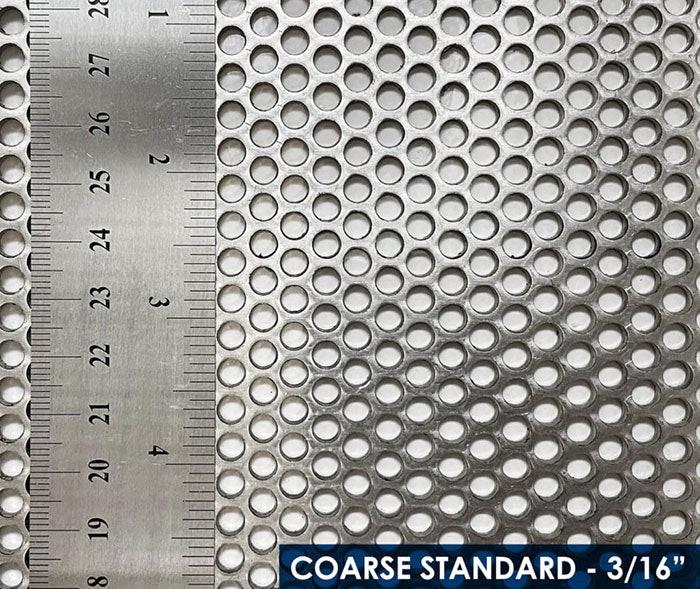
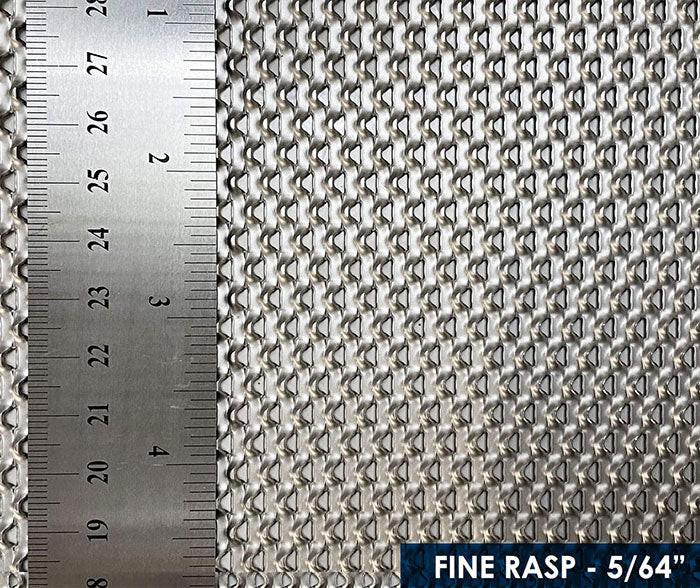
Pre-roll filling machines generally require material ground to a specific consistency -- not too fine (causes packing problems and burning issues) and not too coarse (causes filling inconsistencies). Most pre-roll machine manufacturers specify a target grind consistency or particle size range. For small-scale pre-roll production: a quality multi-piece grinder with a medium-mesh screen produces adequate consistency. For commercial scale: a dedicated commercial herb shredder with adjustable output particle size produces more consistent and higher-throughput grinding than manual grinders. Consult your specific pre-roll machine's documentation for recommended grind specifications.