Reverse Osmosis Water Filters for Hydroponics
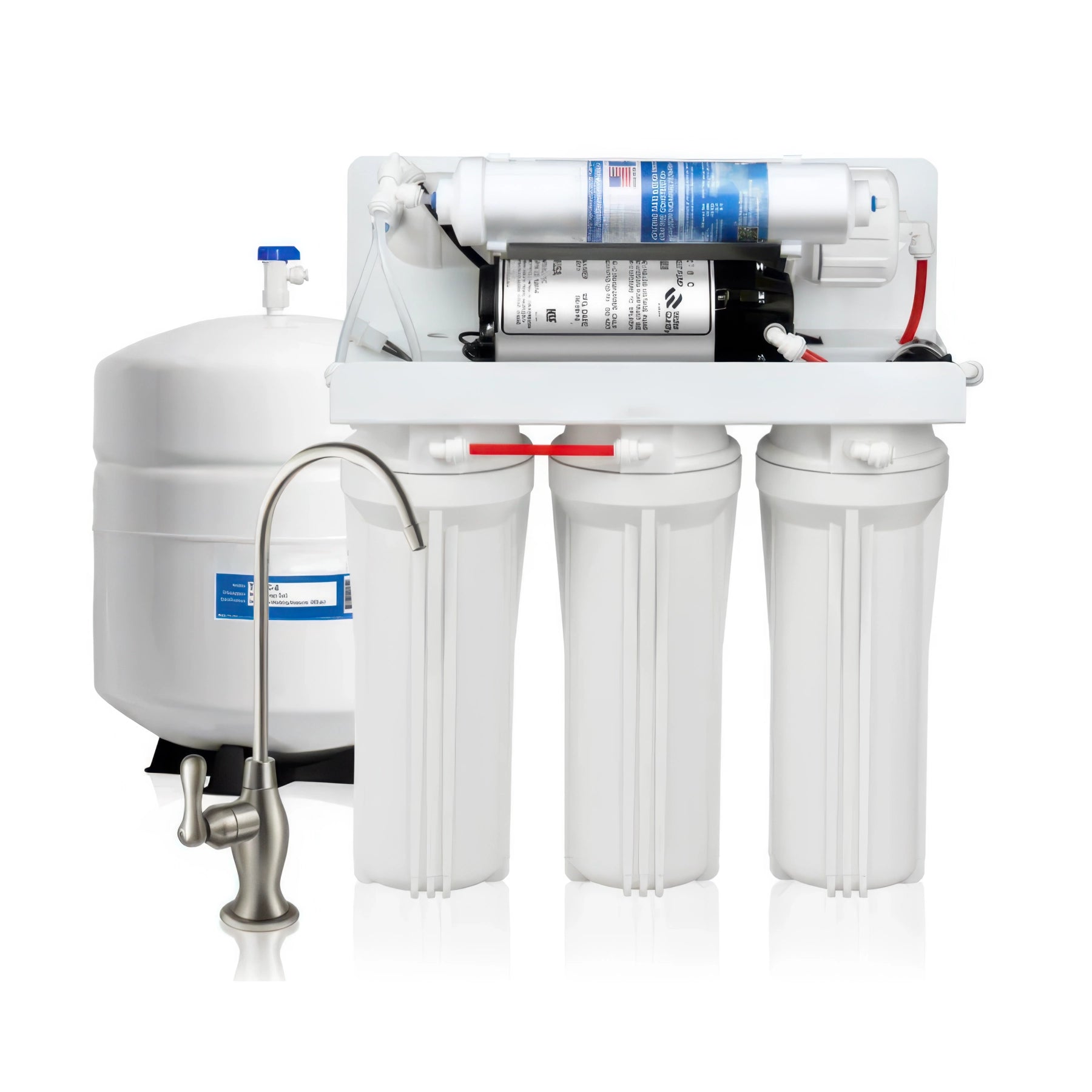
Reverse osmosis (RO) filtration is the most complete water purification method available for hydroponic growers. RO membranes reject 94-99% of dissolved solids -- removing chlorine, chloramines, heavy metals, sodium, sulfates, calcium, magnesium, and most other dissolved minerals -- producing starting water with near-zero TDS. This gives growers a blank canvas for building nutrient solutions: your nutrients deliver exactly what the label says, with no mineral interactions, variable hardness, or seasonal fluctuations from municipal water supplies affecting your solution chemistry. For commercial operations or any grower running precise EC-based nutrient programs, RO filtration is standard practice.
How to Size an RO System: GPD Ratings
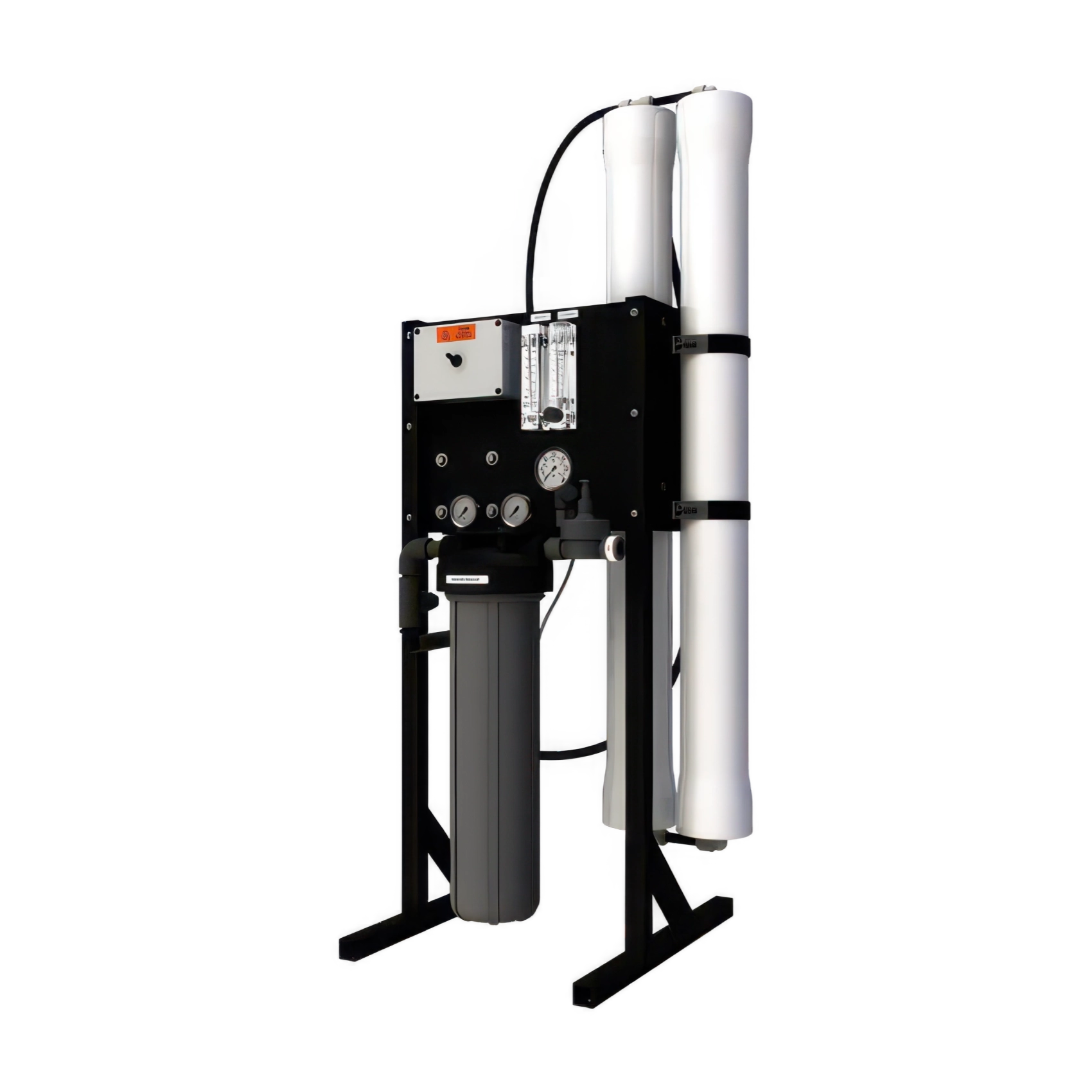
RO systems are rated in gallons per day (GPD) -- the volume of purified water the membrane can produce over 24 hours under standard conditions (60 PSI, 77 degrees F). Actual output varies with your water pressure and temperature -- lower pressure or cold water reduces output below the rated GPD. For hobby grows using 10-30 gallons per day, a 100-200 GPD system produces adequate volume without running the system continuously. For commercial operations consuming 100+ gallons per day, high-efficiency systems from GrowoniX (rated 200-1,500+ GPD) produce the throughput needed without bottlenecking irrigation schedules. Always check actual GPD at your household water pressure (typically 40-80 PSI) -- systems rated at 100 GPD at 65 PSI may only deliver 60-70 GPD at 45 PSI. Use our Pump & Flow Rate Calculator to verify your system can supply your daily irrigation demand.
RO System Brands: Hydro Logic, GrowoniX & AXEON
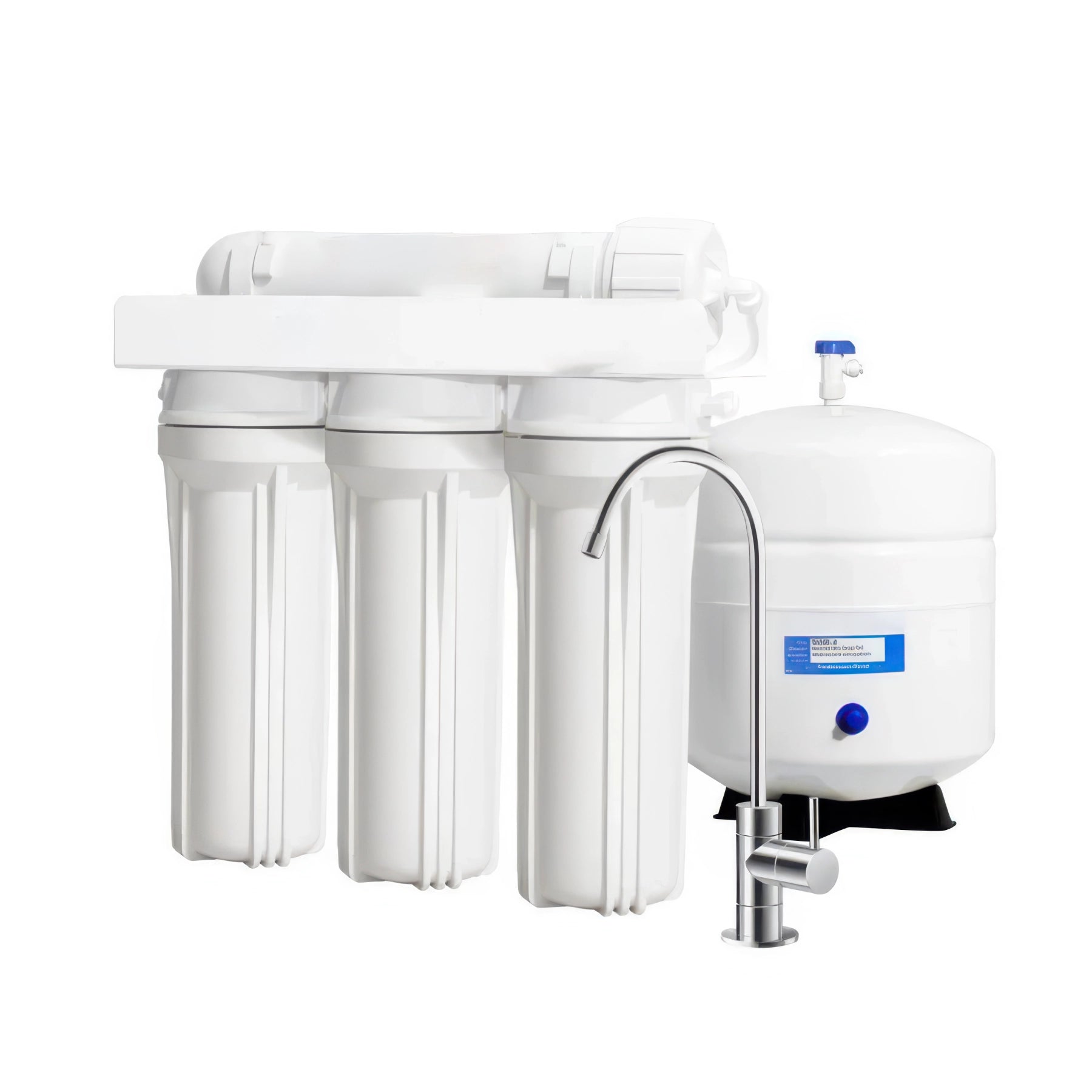
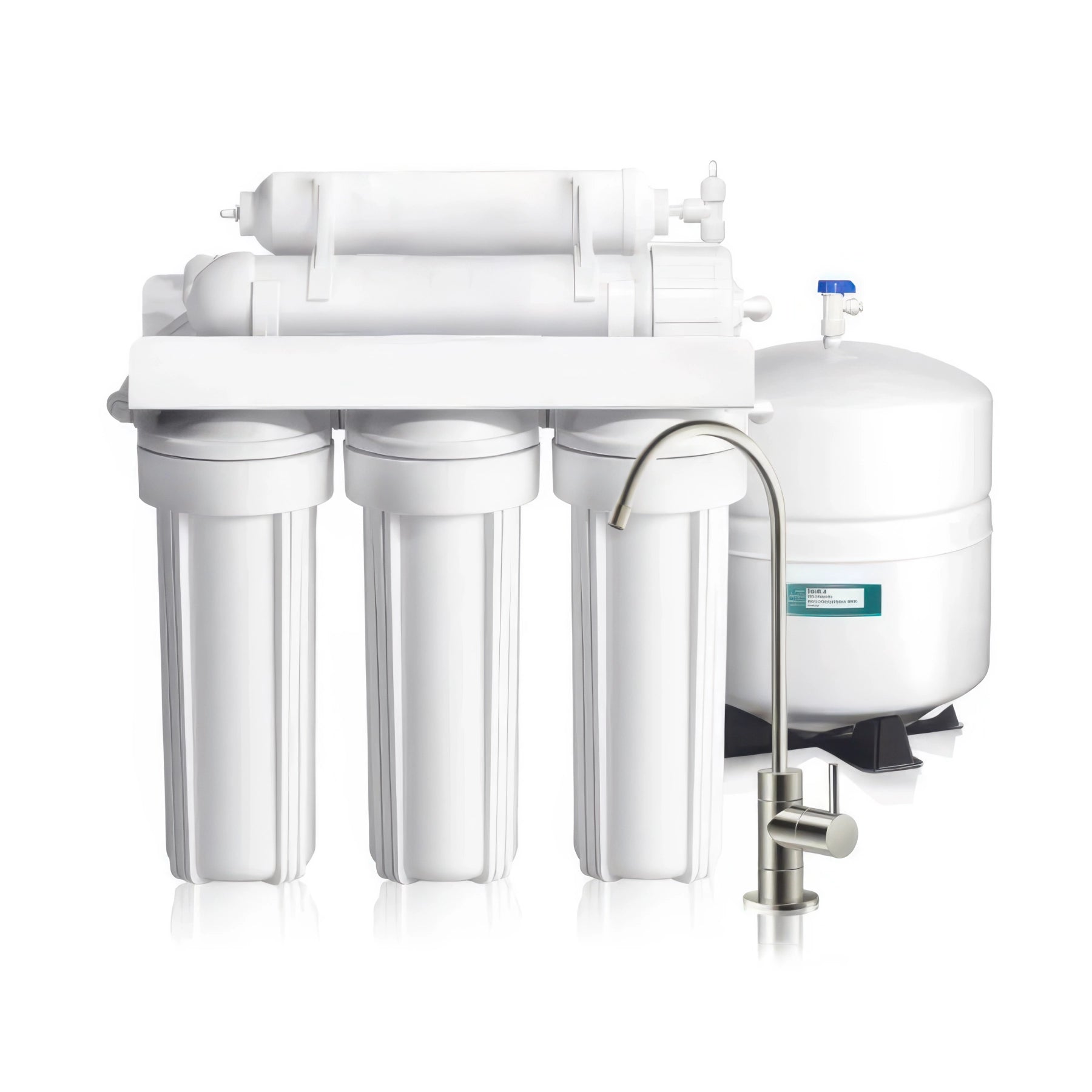
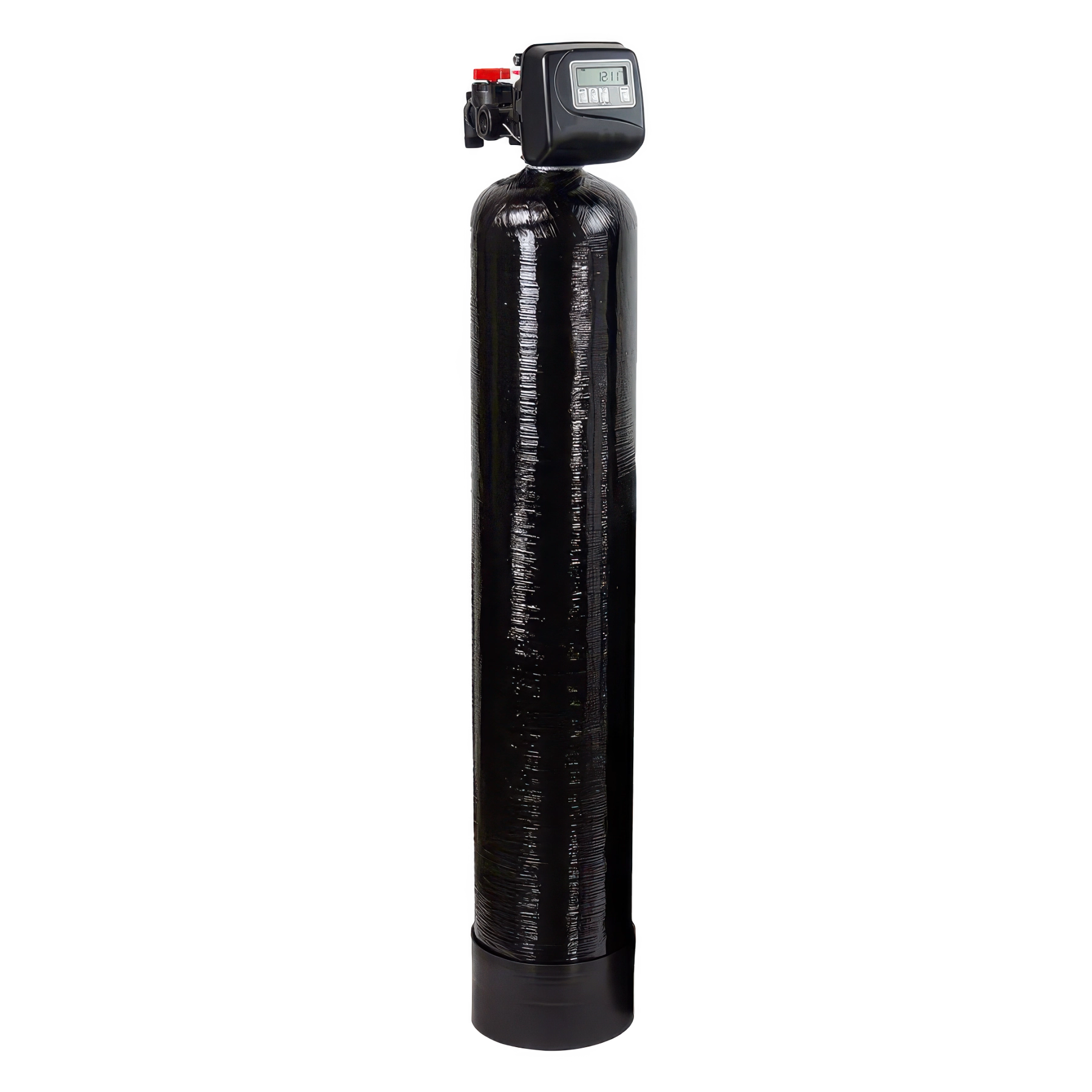
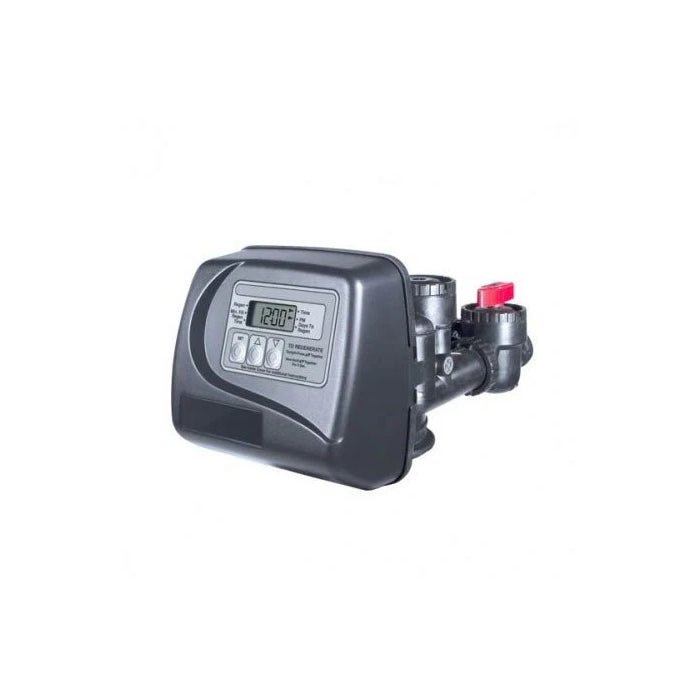
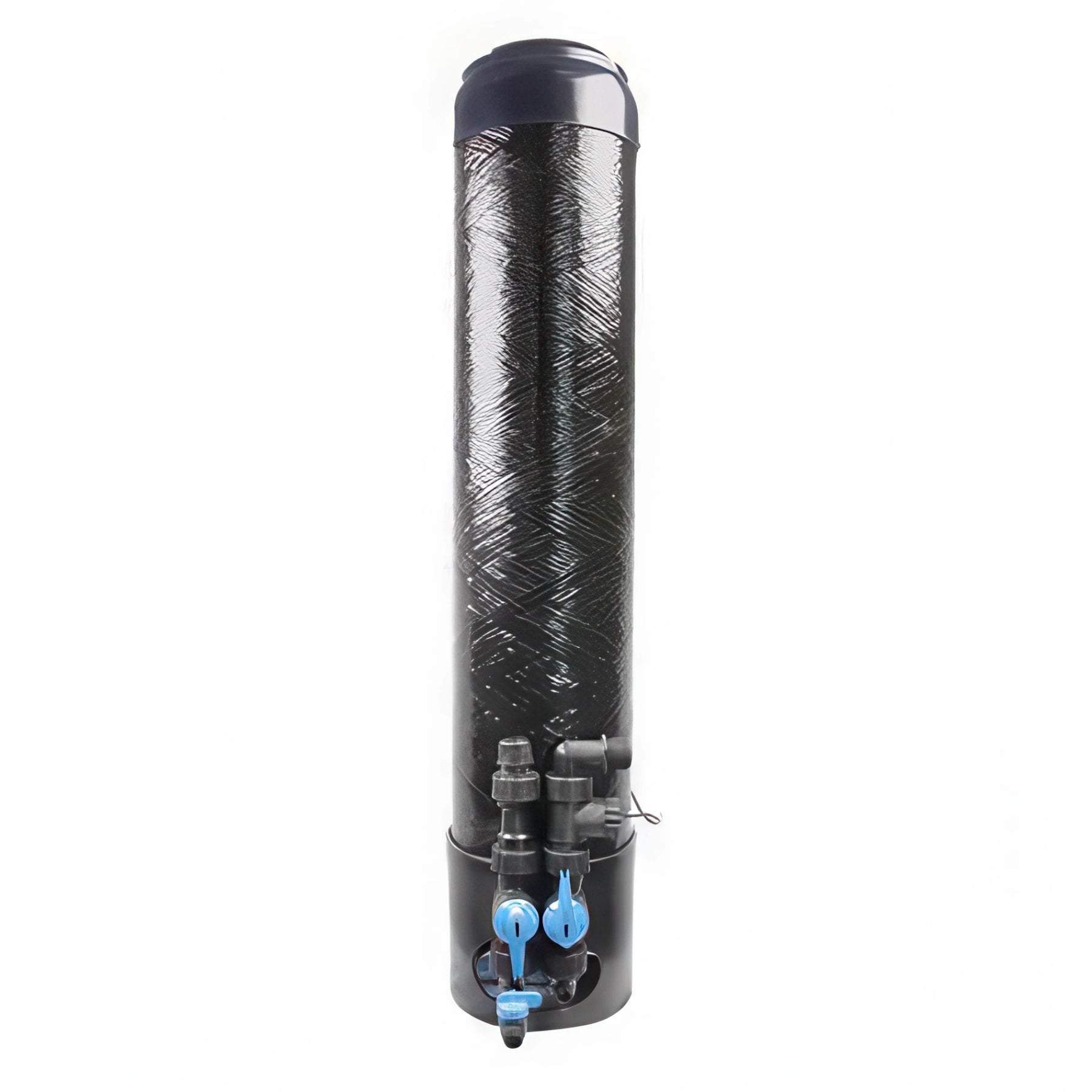
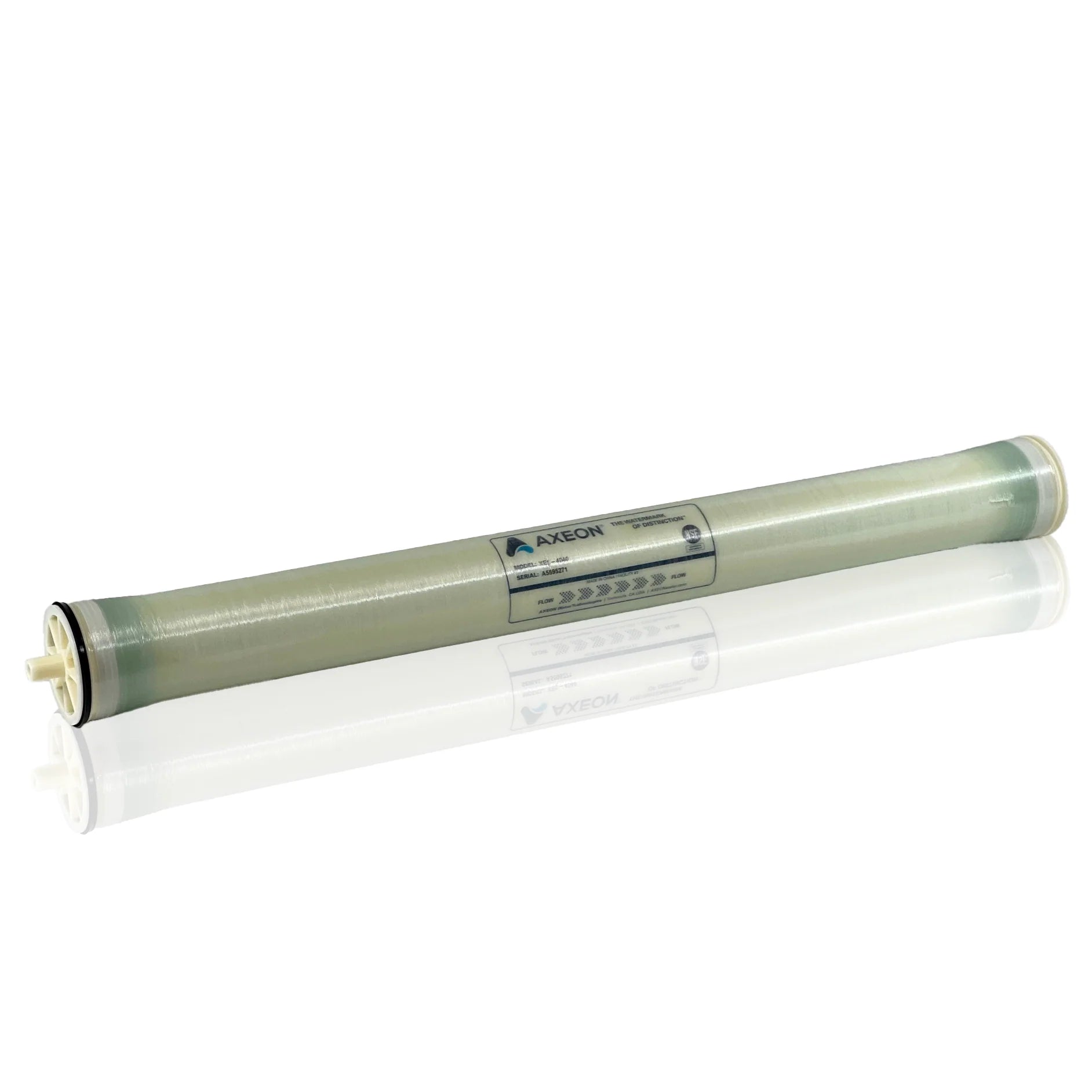
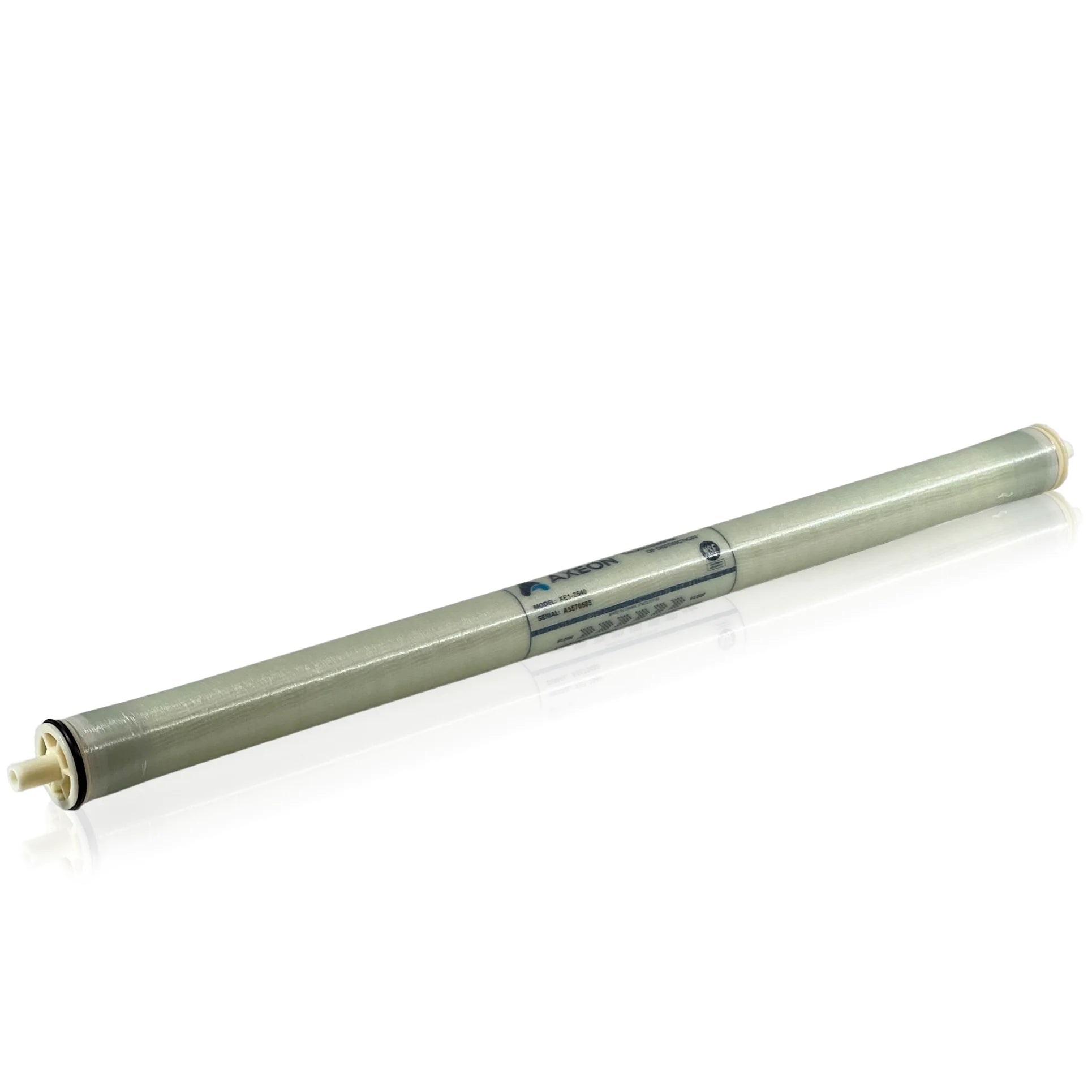
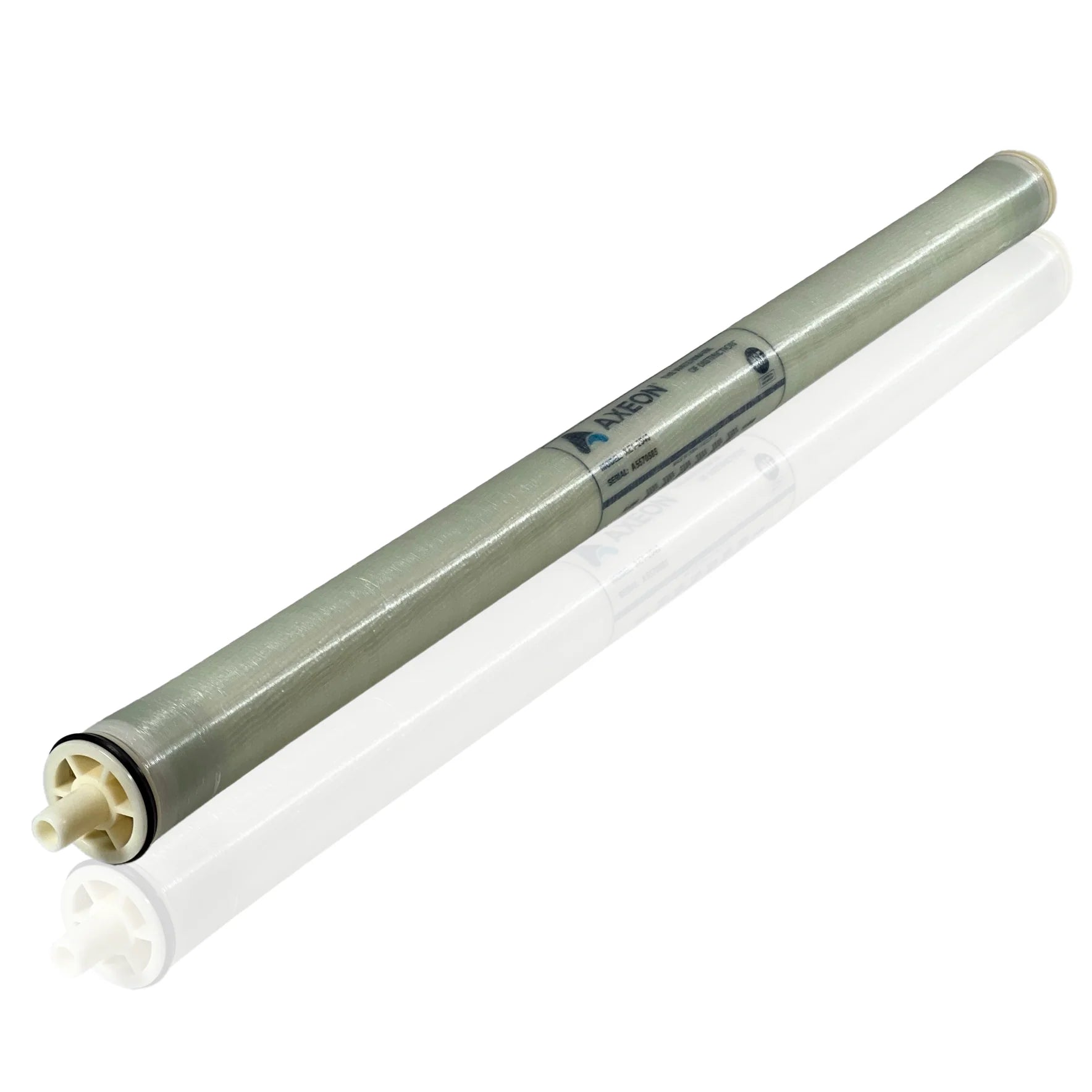
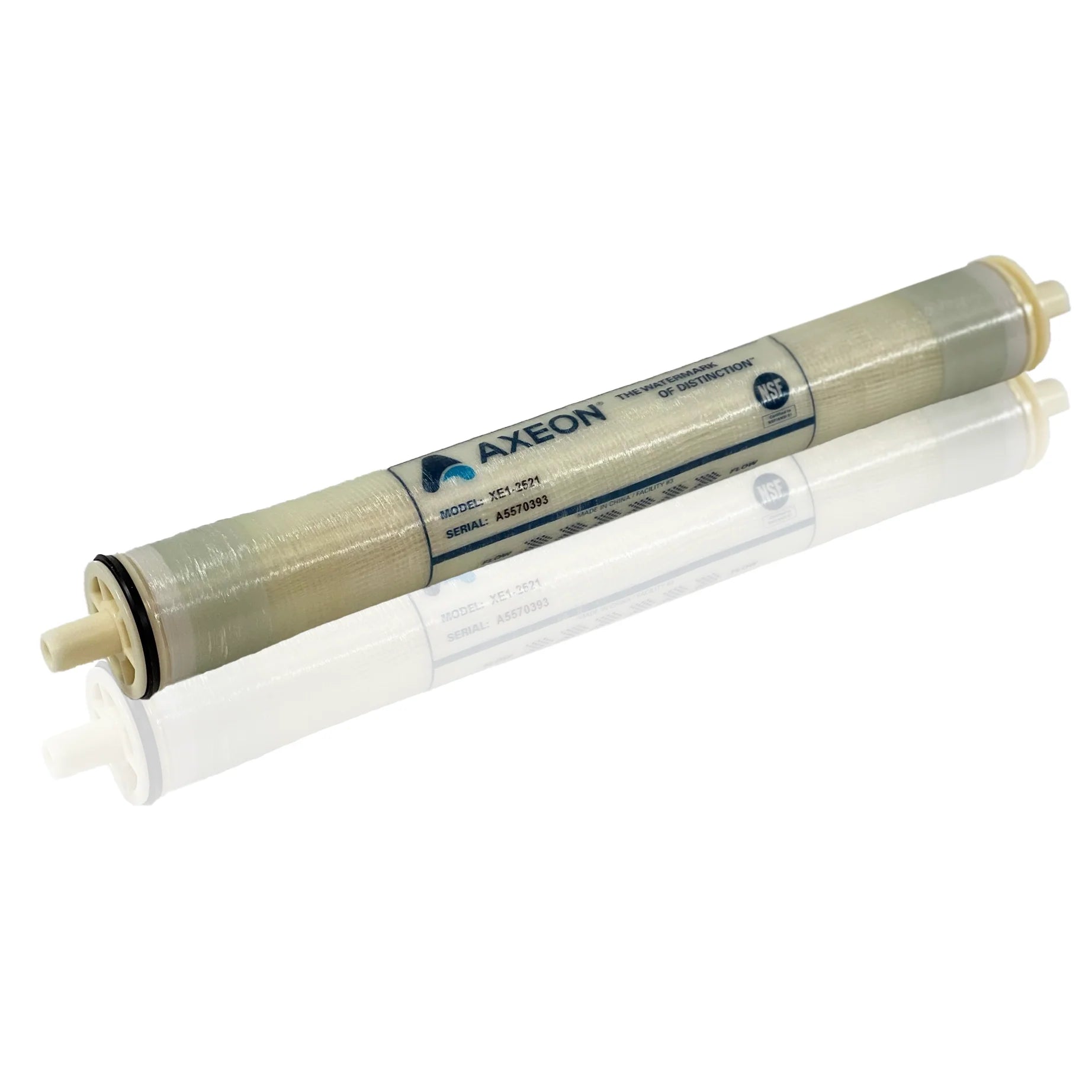
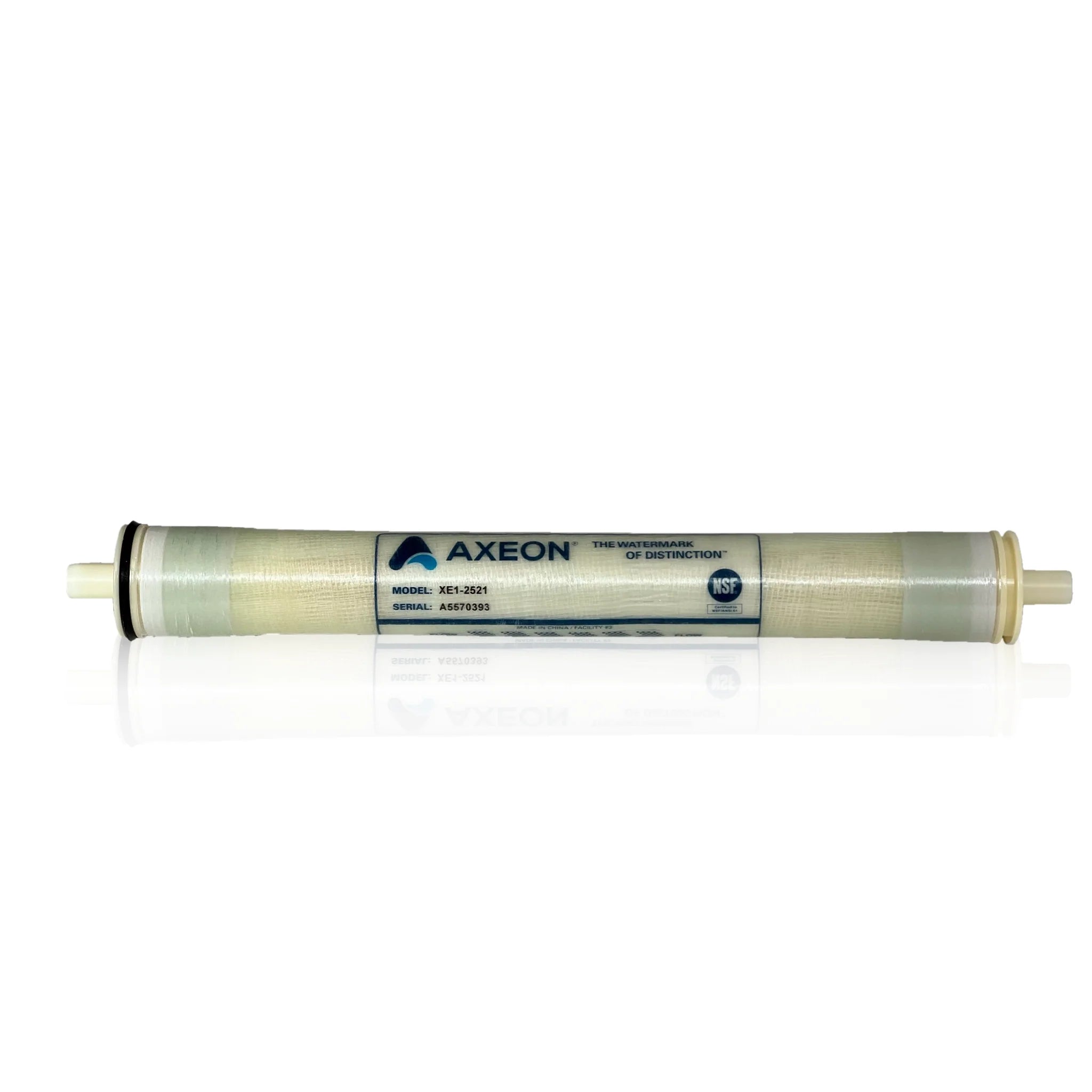
Hydrobuilder carries RO water filtration systems from Hydro Logic, GrowoniX, and AXEON Water Technologies -- qualified brands across the full range from hobby countertop systems to commercial high-volume installations. Hydro Logic produces hobby and mid-scale systems (50-200 GPD) known for accessible pricing, widely available replacement filters, and simple installation without specialized plumbing -- the Stealth RO and Evolution series are the most widely used hobby RO systems in North American hydroponics. GrowoniX specializes in high-efficiency commercial systems with reject water recycling, high-flow membranes, and throughput up to 1,500+ GPD -- designed for commercial grows where water efficiency and production volume are the priorities. AXEON Water Technologies produces commercial and industrial-grade RO systems for large-scale facilities. After filtration, always supplement your RO water with a Cal-Mag supplement to replace the calcium and magnesium removed by the membrane -- RO water alone is deficient in both.
RO System Maintenance: Filters, Membranes & Reject Water
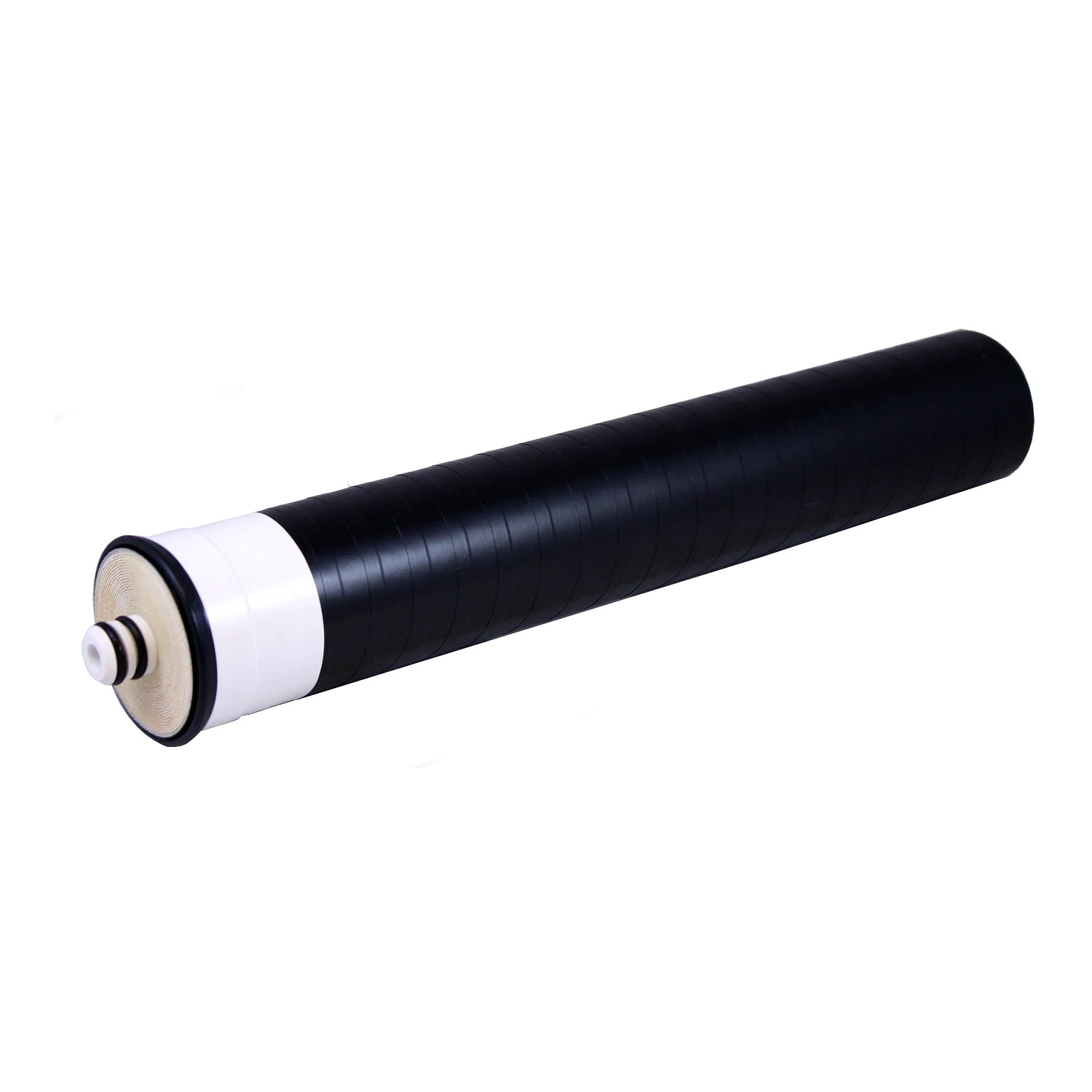
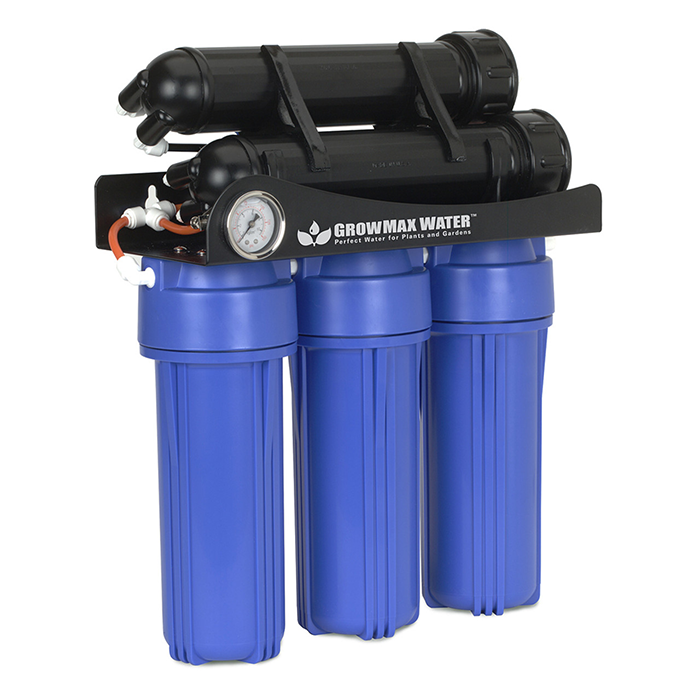
A complete RO system uses three filter stages: sediment pre-filter (5-micron, removes particulate that would foul the membrane -- replace every 6-12 months), carbon block pre-filter (removes chlorine and chloramine that degrade the membrane -- replace every 6-12 months), and the RO membrane itself (replace every 1-2 years under normal use). Membrane rejection rate declines gradually over time -- measure output TDS periodically with a TDS meter and replace the membrane when rejection drops below 90%. Standard RO systems produce 2-4 gallons of reject water for every gallon of purified water (25-50% efficiency). High-efficiency GrowoniX systems reduce this to near 1:1 ratios, significantly reducing water waste in commercial operations. Expert support available.
Reverse Osmosis Water Filters FAQ
Do I really need an RO filter for hydroponics?
Not strictly required, but strongly recommended for precise nutrient programs. Tap water quality varies enormously -- TDS from 50 ppm (very soft) to 500+ ppm (hard water) -- and its mineral composition changes seasonally. Building a nutrient solution on variable tap water creates an unpredictable baseline that makes it harder to diagnose plant issues and maintain consistent results cycle over cycle. RO water gives you a fixed, near-zero TDS starting point every time. The upgrade is most impactful for: coco coir and rockwool grows where baseline water quality directly affects EC management; EC-based programs like Athena or General Hydroponics where ratios must be precise; and commercial operations where consistency is a production quality requirement.
What GPD RO system do I need?
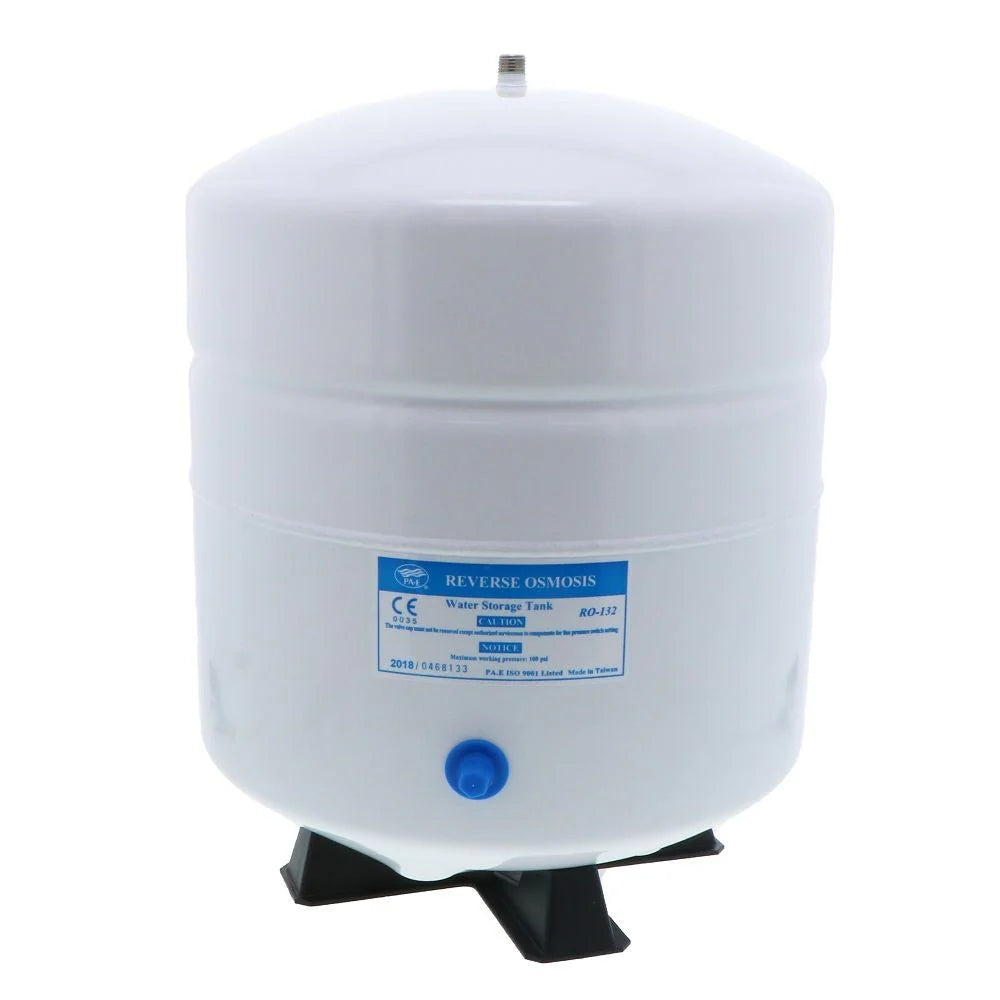
Match GPD to your daily water consumption. For a hobby grower using 10-20 gallons per day (watering 1-4 plants manually plus reservoir top-offs), a 50-100 GPD system produces adequate volume. For a mid-scale operation using 20-50 gallons per day, a 100-200 GPD system with a storage tank keeps ahead of demand without running continuously. For commercial operations consuming 100+ gallons per day, a 400-1,500 GPD commercial system from GrowoniX or AXEON is appropriate. Remember that actual output at your water pressure may be 20-30% lower than the rated GPD at standard pressure (65 PSI) -- factor this in when sizing.
How often should I replace RO filters and membranes?
Sediment pre-filter: every 6-12 months, or when you notice reduced output flow. Carbon block pre-filter: every 6-12 months -- this is the most important filter for membrane protection, as chlorine and chloramine degrade membrane performance rapidly. RO membrane: every 1-2 years under normal residential/hobby use. Test membrane rejection rate periodically with a TDS meter -- measure TDS on both the incoming water and the purified output; rejection rate = (1 - output TDS / input TDS) x 100. When rejection drops below 90% consistently, the membrane needs replacement. Replacement filter kits for Hydro Logic and GrowoniX systems are available here.
Does RO water need to be pH adjusted before use?
Yes -- RO water is acidic (typically pH 5.5-6.5 depending on the specific membrane and incoming water chemistry) and should be pH-tested and adjusted before adding nutrients. Add your nutrients to the RO water first, then check and adjust pH to your target range (5.8-6.2 for most hydroponic systems) using pH Up or pH Down. Some growers add Cal-Mag to the RO water before base nutrients, which slightly raises pH and provides the calcium and magnesium buffer that pure RO water lacks. Never add pH adjustment chemicals before nutrients -- adjust only after the full nutrient solution is mixed.