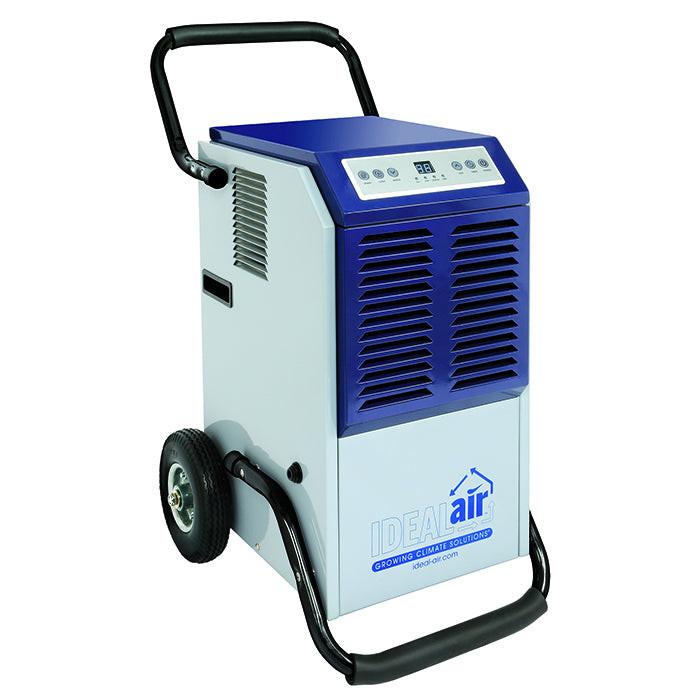
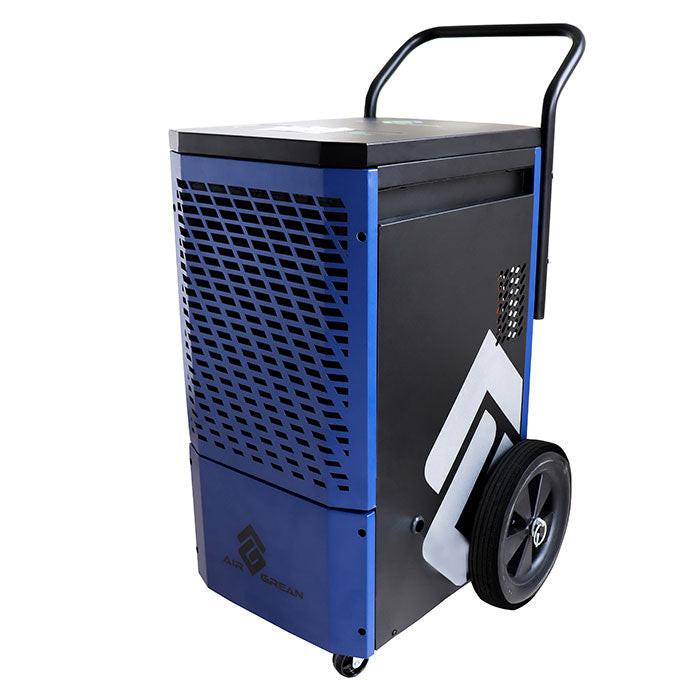
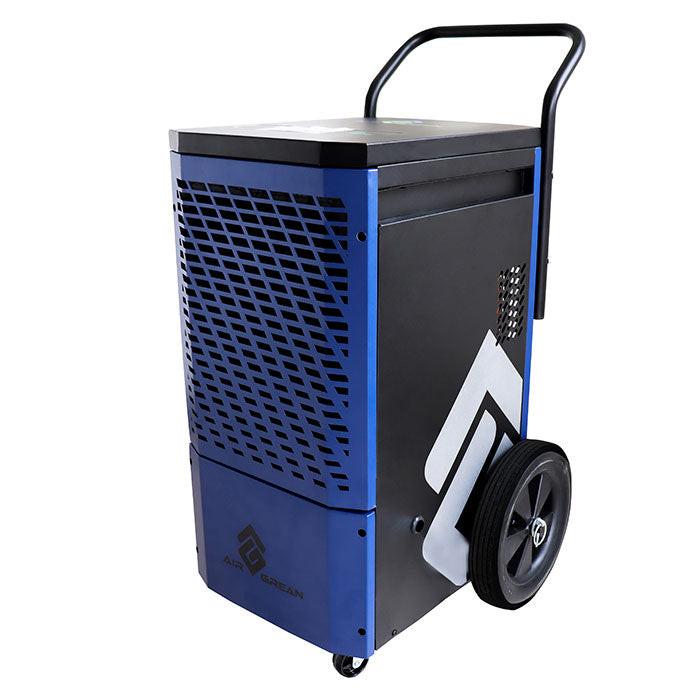
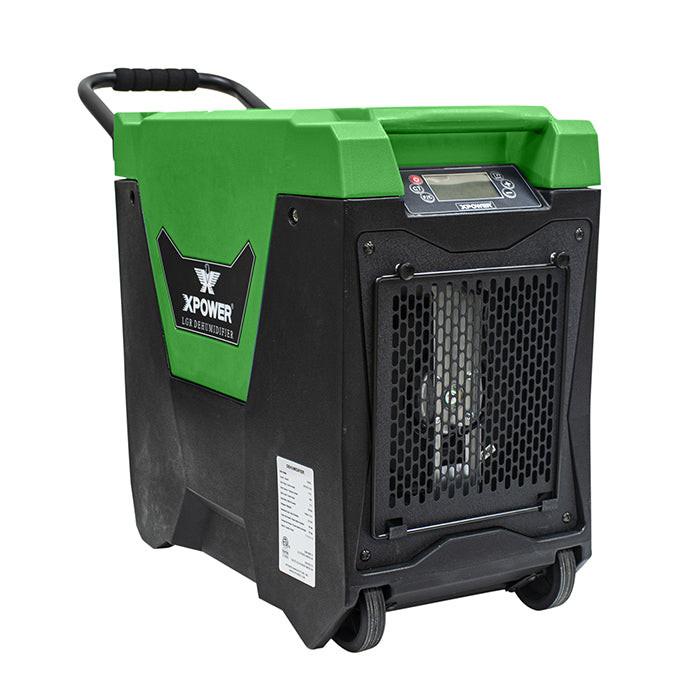
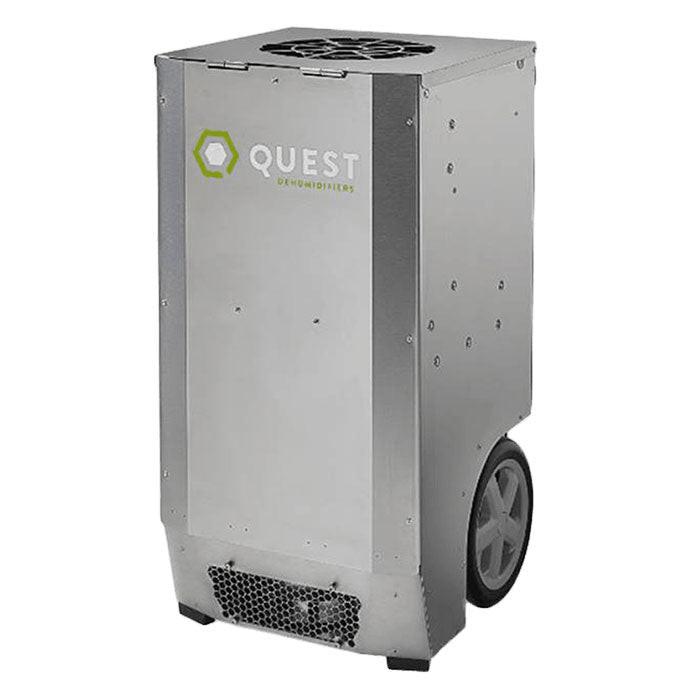
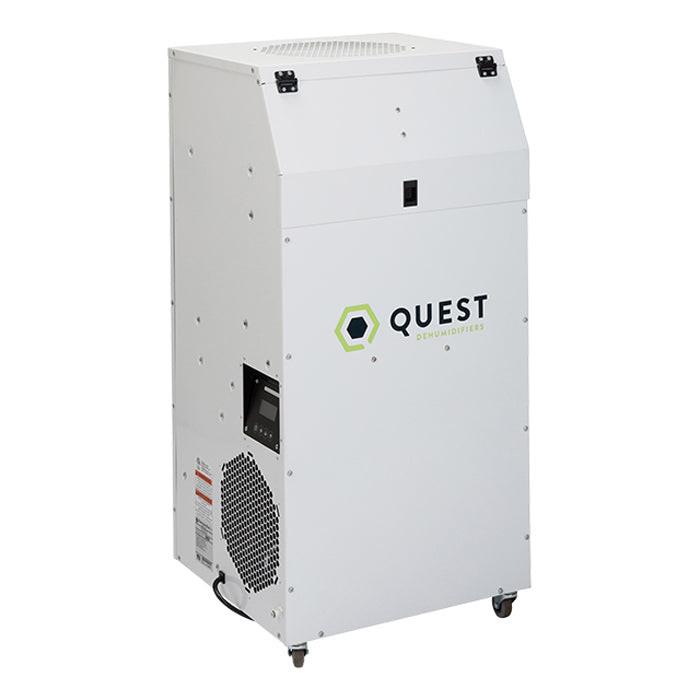
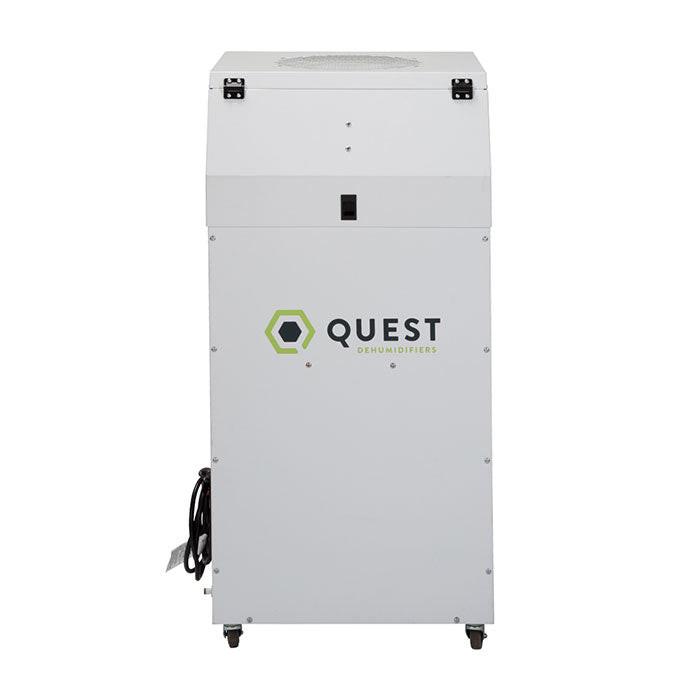
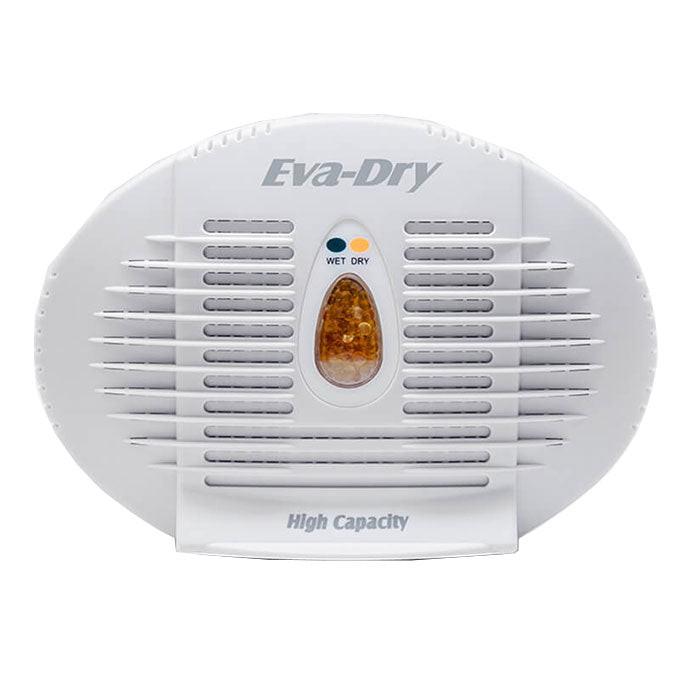
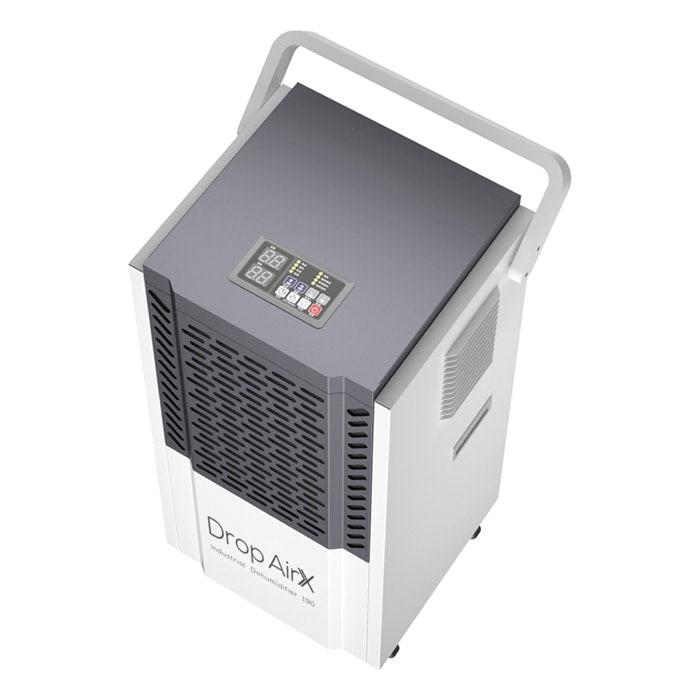
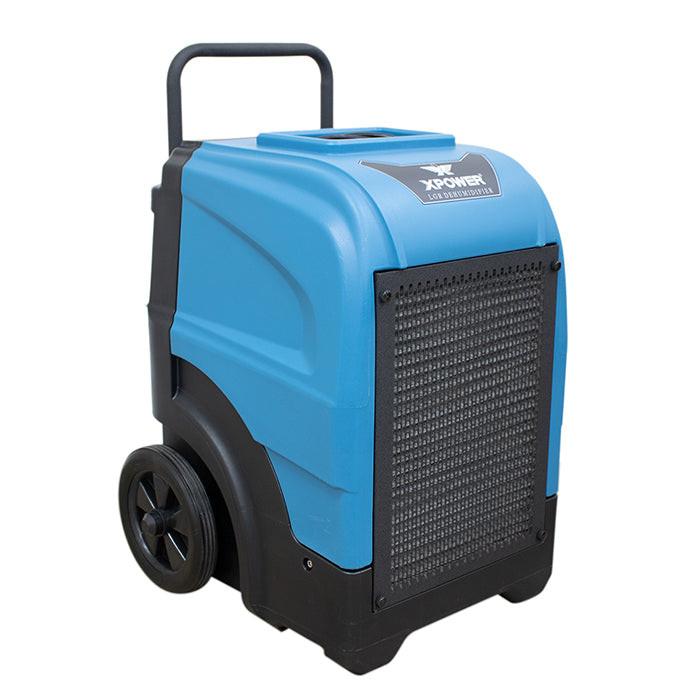
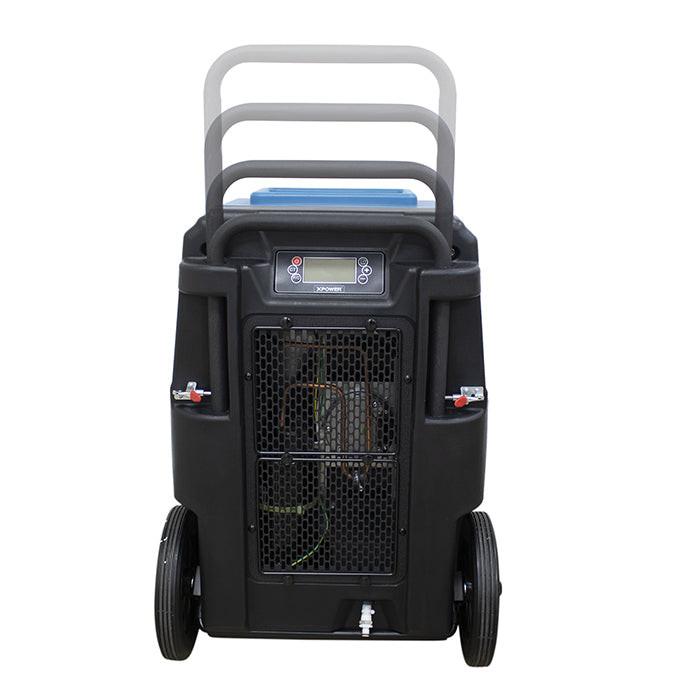
Portable Dehumidifiers for Grow Rooms & Grow Tents
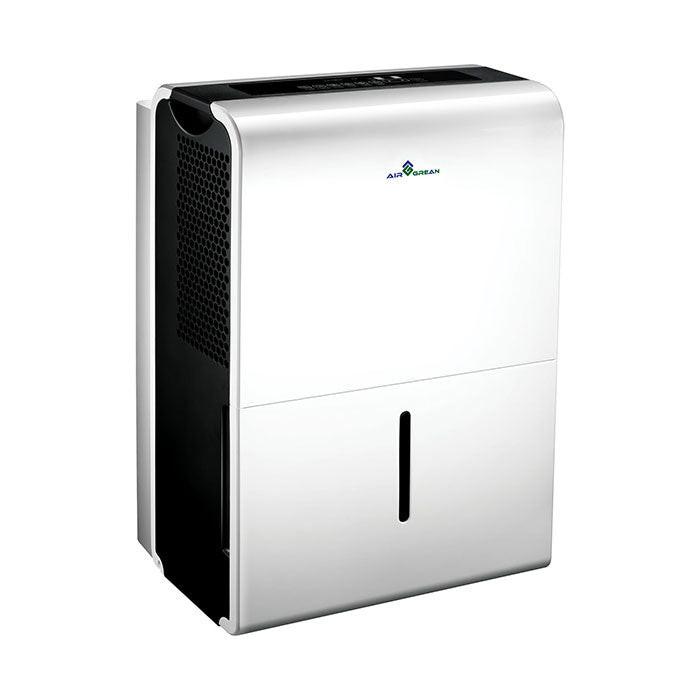
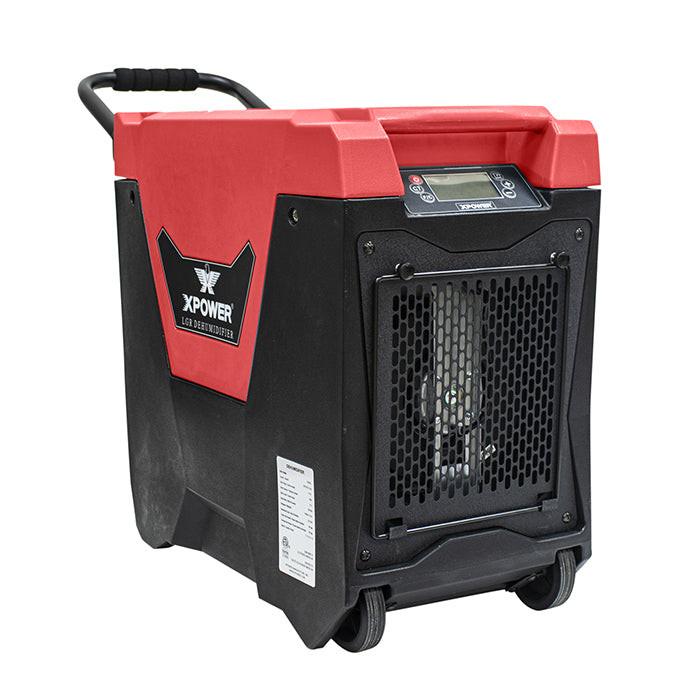
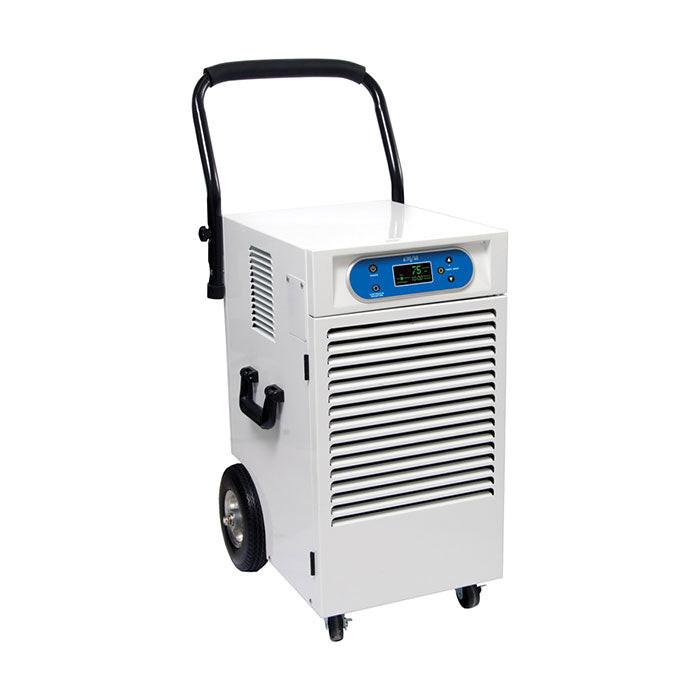
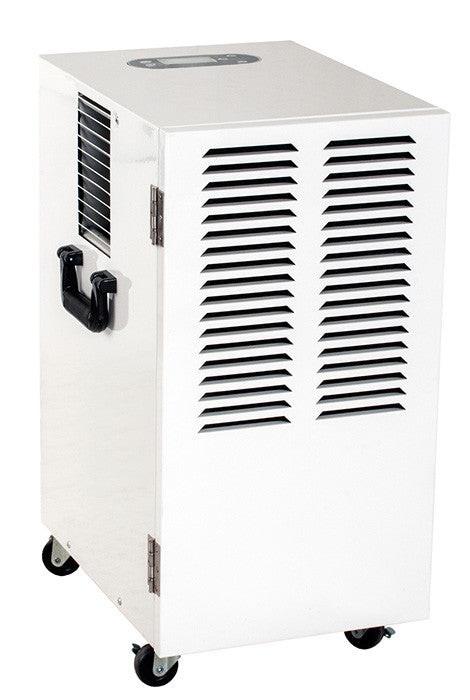
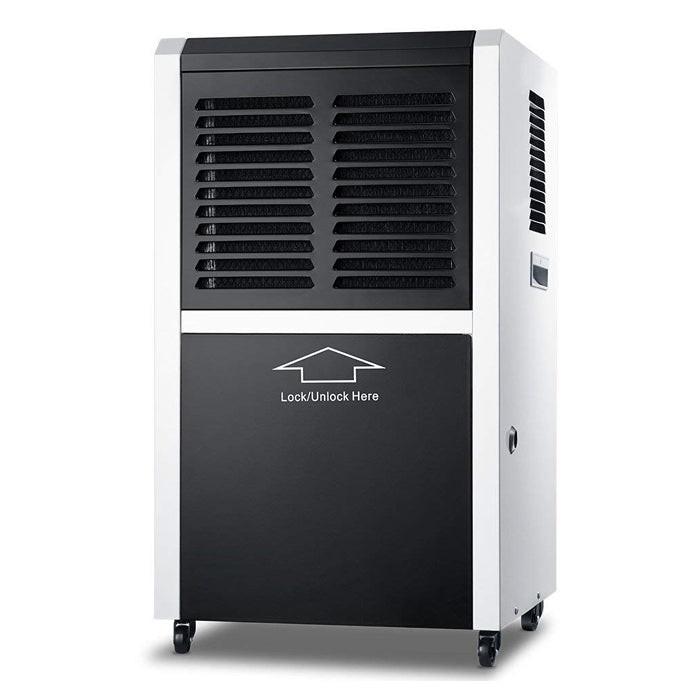
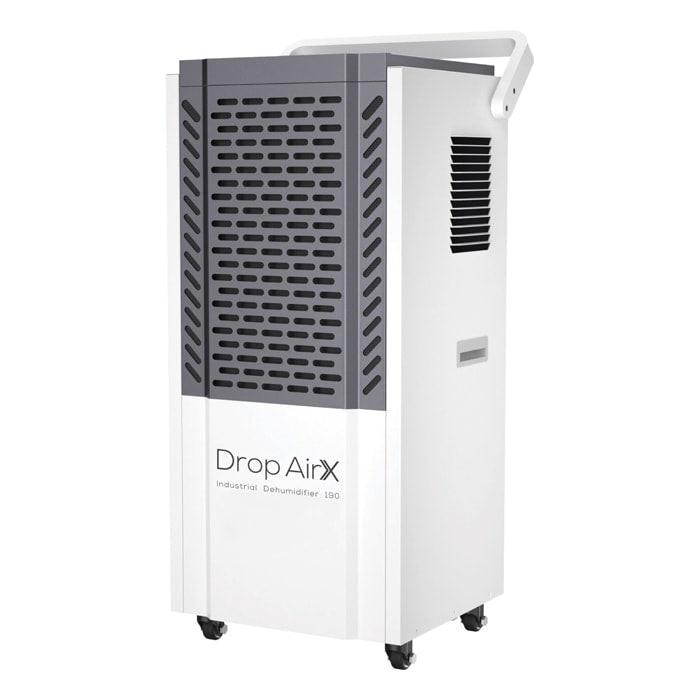
Portable dehumidifiers are floor-standing or mobile units that remove moisture from grow room air without requiring permanent installation -- plug in, position, and connect a drain hose. For grow tents and small dedicated rooms where a ceiling-mounted overhead unit is not practical, a quality portable grow room dehumidifier is the primary humidity management tool during the flowering stage. The key distinction from consumer portable dehumidifiers: grow room-specific units are rated at conditions that reflect actual growing environments (80 degrees F, 60% RH) rather than the AHAM standard test temperature (65 degrees F) that makes consumer ratings misleadingly optimistic in warm grow rooms.
Sizing Portable Dehumidifiers
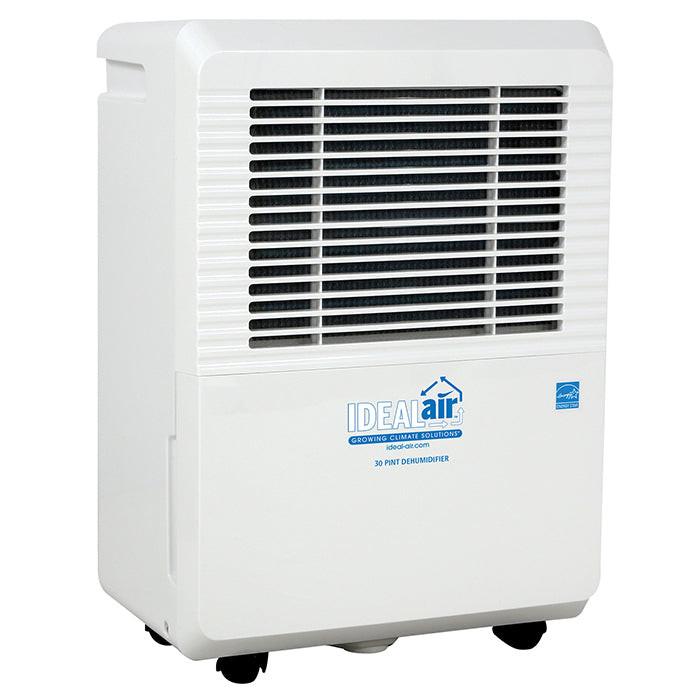
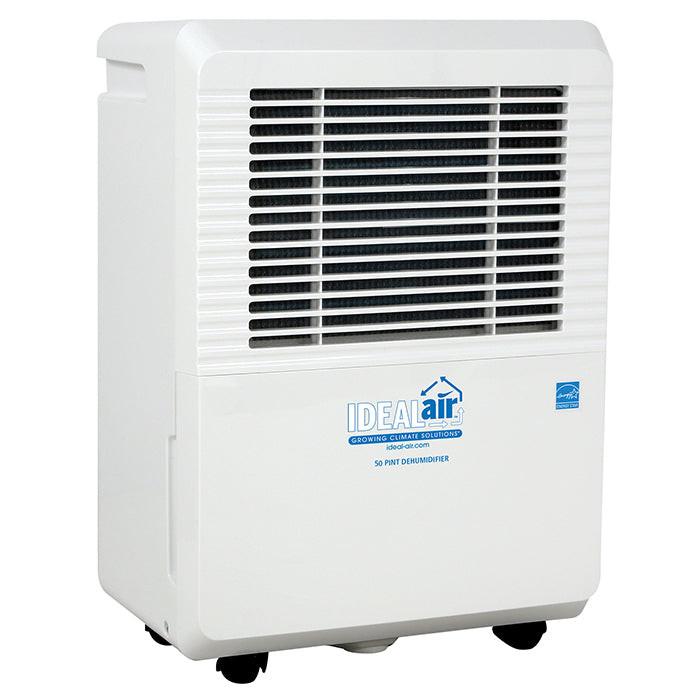
For a 4x4 flowering tent with a full canopy: a 30-50 pint grow-room-rated portable dehumidifier handles the moisture load in most climates. For a 4x8 or 5x5 tent: 50-70 pints. For a 10x10 room at full plant density: 70-150 pints. Use our Dehumidifier Sizing Calculator for a specific recommendation based on your exact room dimensions and climate. Always size up rather than down -- a dehumidifier running at 90%+ capacity continuously provides less headroom for peak humidity events and shortens compressor lifespan. For large commercial operations, overhead commercial dehumidifiers from Quest and Anden are more efficient than multiple portable units at scale.
Brands: Quest, Ideal-Air & Anden
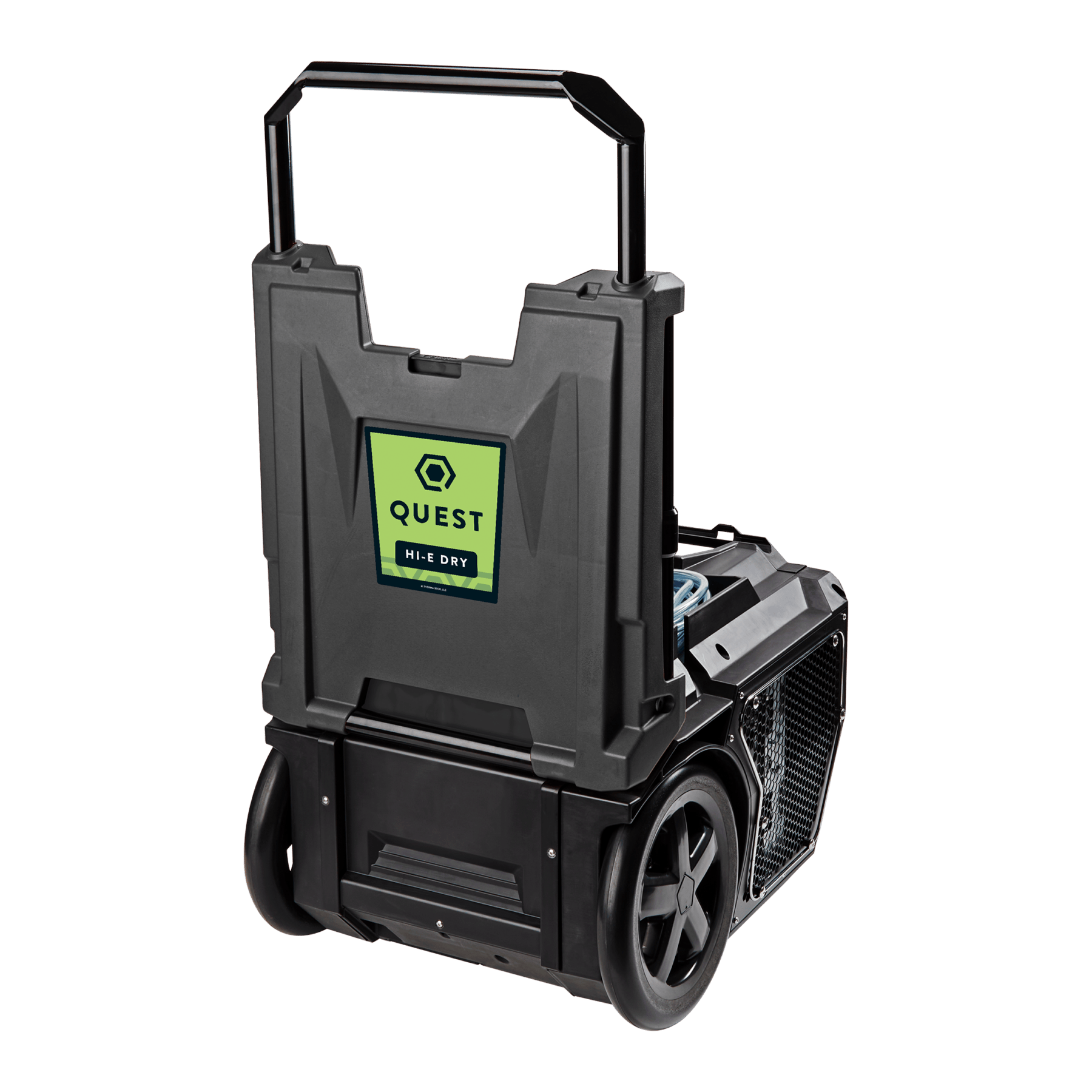
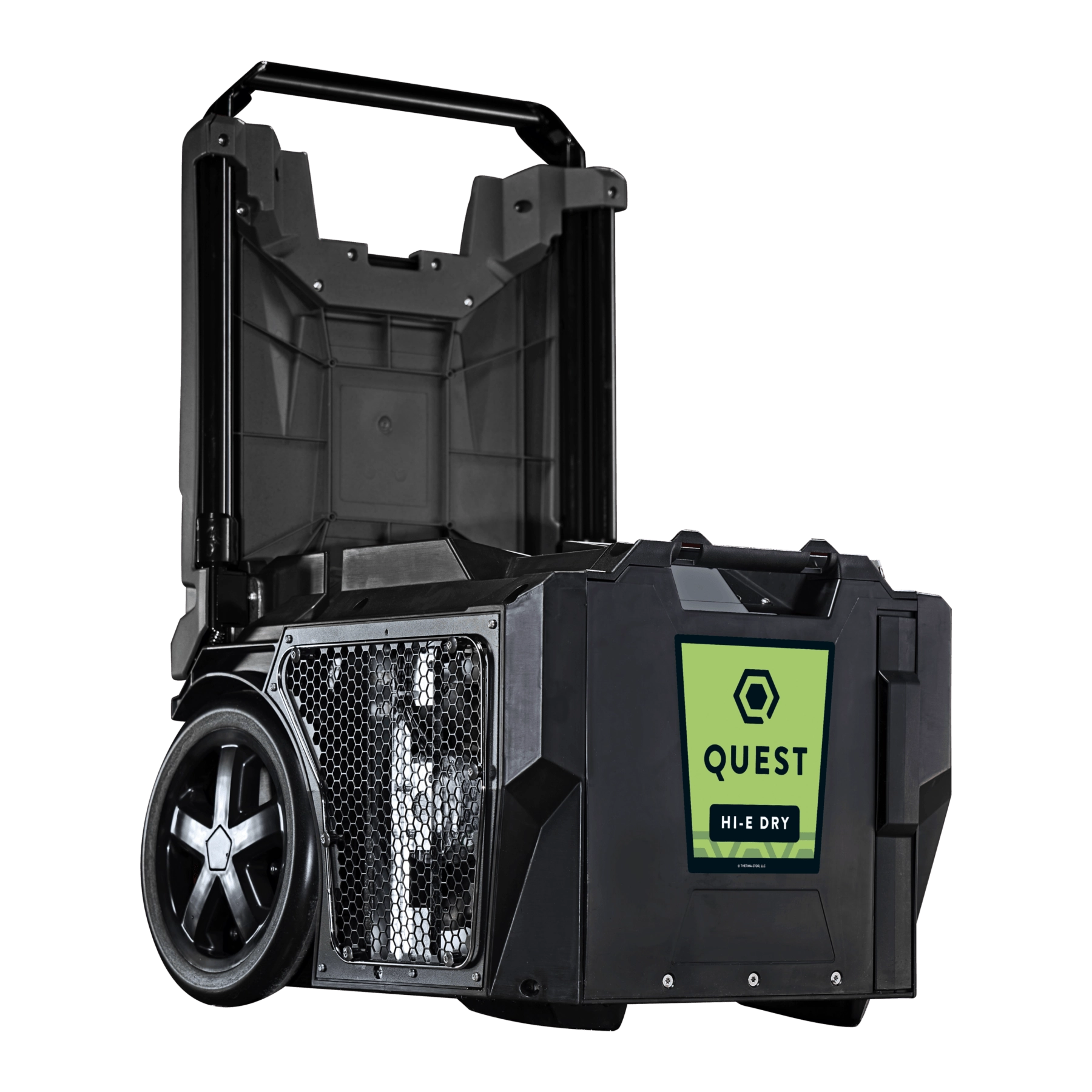
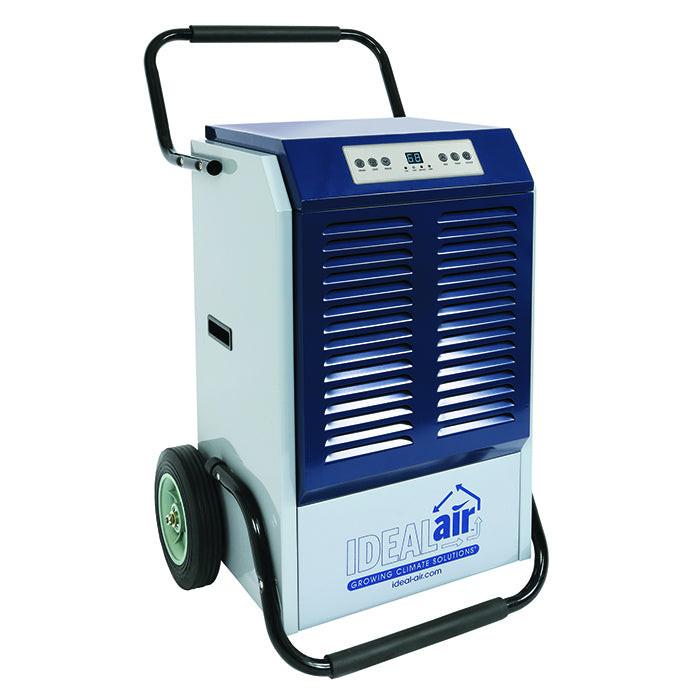
Hydrobuilder carries portable dehumidifiers from Quest (IQ and commercial-portable series -- the commercial benchmark, rated at grow room temperatures), Ideal-Air (grow-room-rated portables at accessible price points), and Anden (Energy Star certified, quiet operation). All are designed specifically for grow room conditions rather than residential use. Expert support available.
Portable Grow Room Dehumidifiers FAQ
Why can't I use a regular portable dehumidifier in my grow room?
Consumer portable dehumidifiers are rated at AHAM standard test conditions (65 degrees F, 60% RH). In a warm grow room at 80+ degrees F, a consumer 50-pint rated unit may deliver only 30-35 pints of actual moisture removal -- 30-40% below its rated capacity. Grow-room-specific dehumidifiers from Quest, Ideal-Air, and Anden are rated at 80 degrees F and 60% RH, so their pint ratings reflect what they actually deliver in a warm grow environment. This distinction is critical for sizing -- a consumer unit needs to be significantly oversized compared to a grow-room-rated unit to deliver equivalent performance.
What humidity should I target during flowering?
Target 45-55% relative humidity during flowering for most crops. Below 40% RH, transpiration stress can affect plant health; above 60% RH creates conditions that favor mold and disease on dense flowering plant material. During the final 2-3 weeks before harvest, some growers push humidity lower (40-45% RH) to further reduce disease pressure. Use our VPD Calculator to set coordinated temperature and humidity targets for each growth stage -- VPD management is more precise than RH alone because it accounts for the temperature-humidity interaction.
Should I run a dehumidifier during the dark period?
Yes -- humidity often rises during the dark period when the temperature drop from lights-off increases relative humidity (cooler air holds less moisture at the same absolute humidity content). Running the dehumidifier continuously (or on a humidity controller setpoint rather than a fixed timer) maintains stable RH through the full 24-hour cycle. Humidity spikes during the dark period are a common cause of mold issues in flowering rooms that otherwise maintain adequate humidity during the light period.
How do I set up continuous drainage for a portable dehumidifier?
Connect a standard 5/8-inch garden hose to the dehumidifier's drain port and route it to a floor drain, utility sink, or collection bucket below the unit level. The hose must run continuously downhill without low points that trap water and restrict gravity flow. For setups where the dehumidifier sits below any available drain point, a condensate pump (a small reservoir-and-pump unit sold at hardware stores) automatically pumps collected water to an above-level drain. Most grow-room dehumidifiers include a drain port; verify the thread size and purchase the appropriate hose fitting.
When should I upgrade from a portable to a commercial overhead dehumidifier?
When your grow room consistently requires more than 150 pints per day of dehumidification capacity, or when you are running multiple portable units and want to consolidate to one unit, a commercial overhead dehumidifier from Quest (225 or 335 pint models) or Anden becomes more practical. Overhead units free up floor space, provide more even humidity draw from the full room volume, and are designed for permanent installation with direct-plumb drain connections that eliminate drain hose management. The efficiency and operational simplicity of a single overhead unit typically justifies the higher cost for rooms above 600-800 sq ft at full plant density.