pH Meters & pH Pens for Hydroponics & Soil Growing
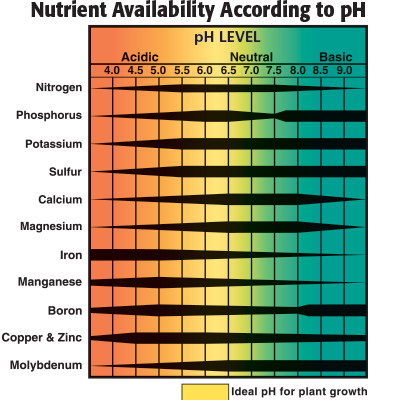
pH management is the single most important maintenance task in hydroponic growing -- and the most common source of unexplained nutrient problems when neglected. Nutrient availability in hydroponic systems is strongly pH-dependent: most essential elements are only fully available to plant roots within the pH 5.5-6.5 range. Outside this window, even a perfectly formulated nutrient solution becomes partially or fully unavailable at the root zone due to chemical precipitation. A reliable pH meter is not optional equipment in hydroponics -- it is the most important diagnostic tool in the entire nutrient management workflow.
pH Meter Brands: Bluelab, Apera & Hanna
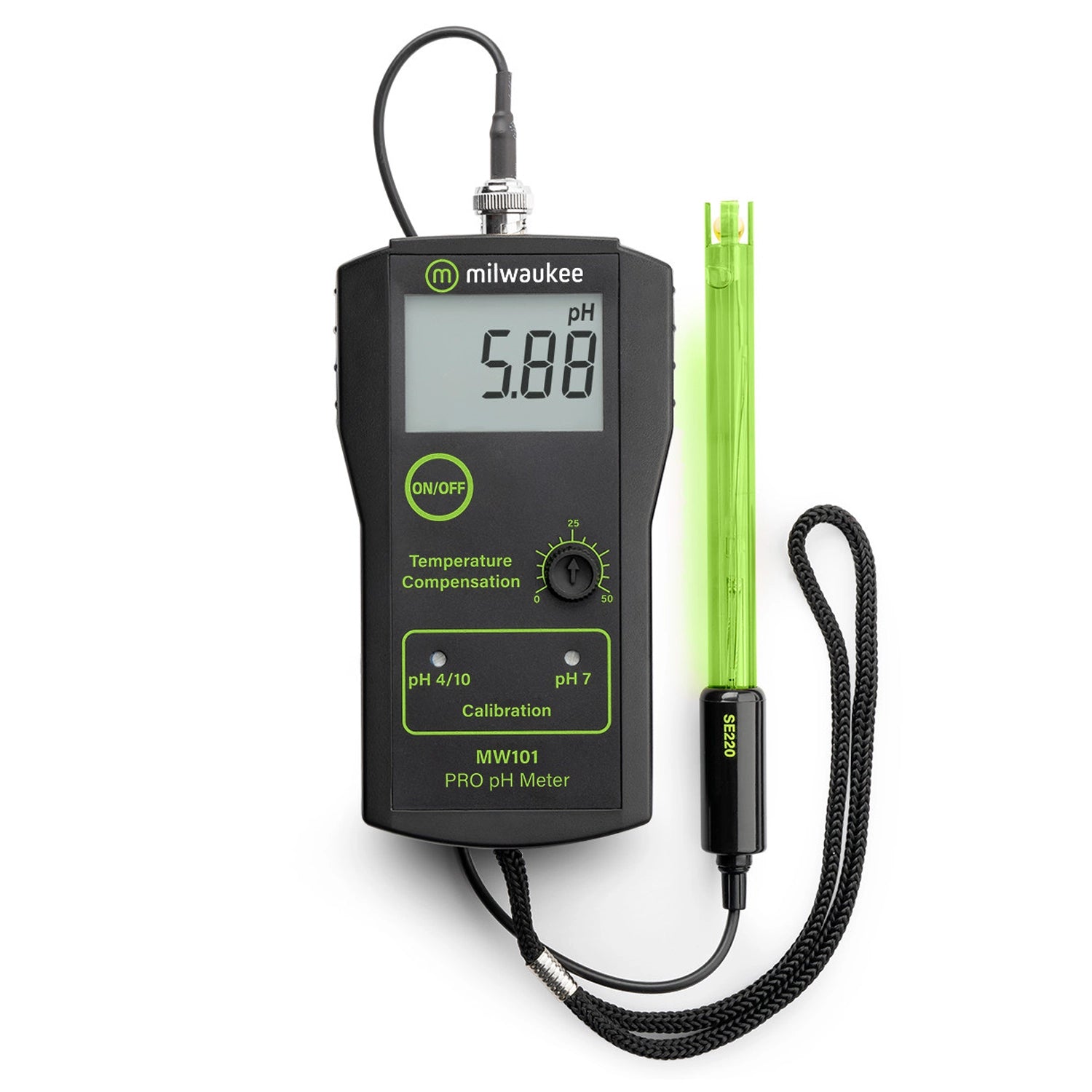
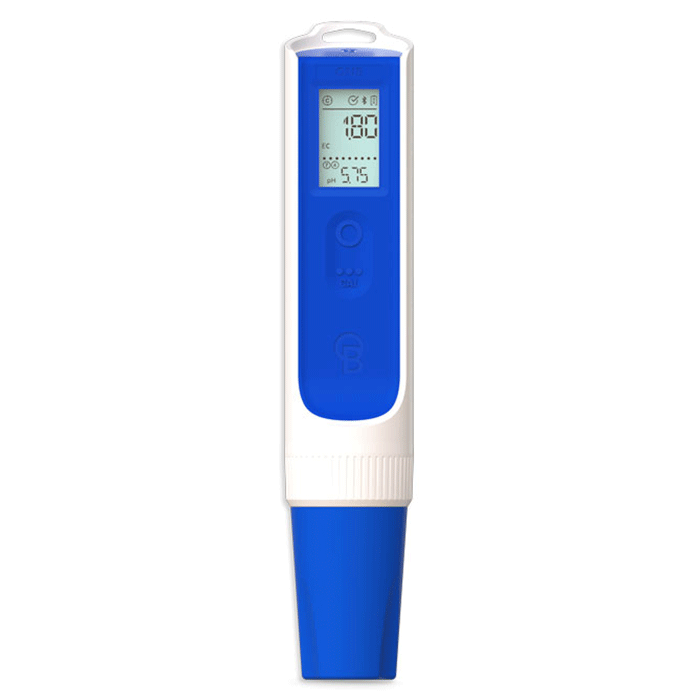
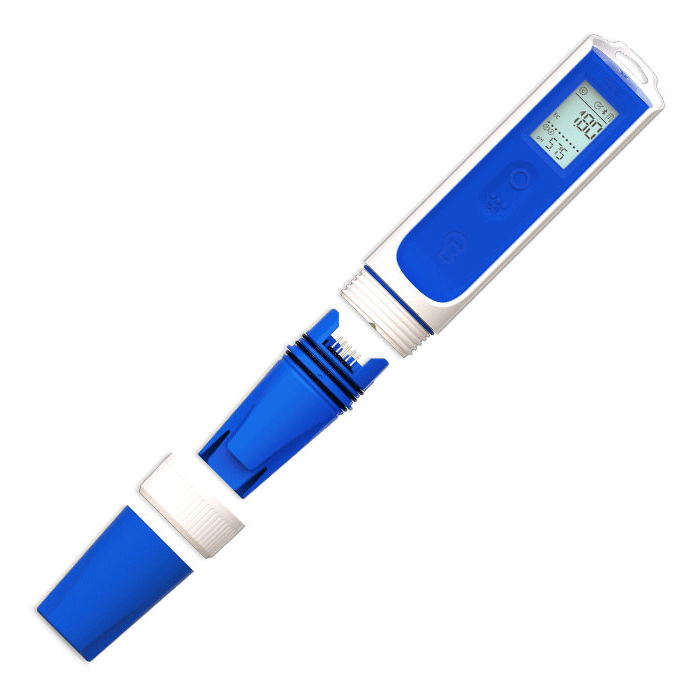
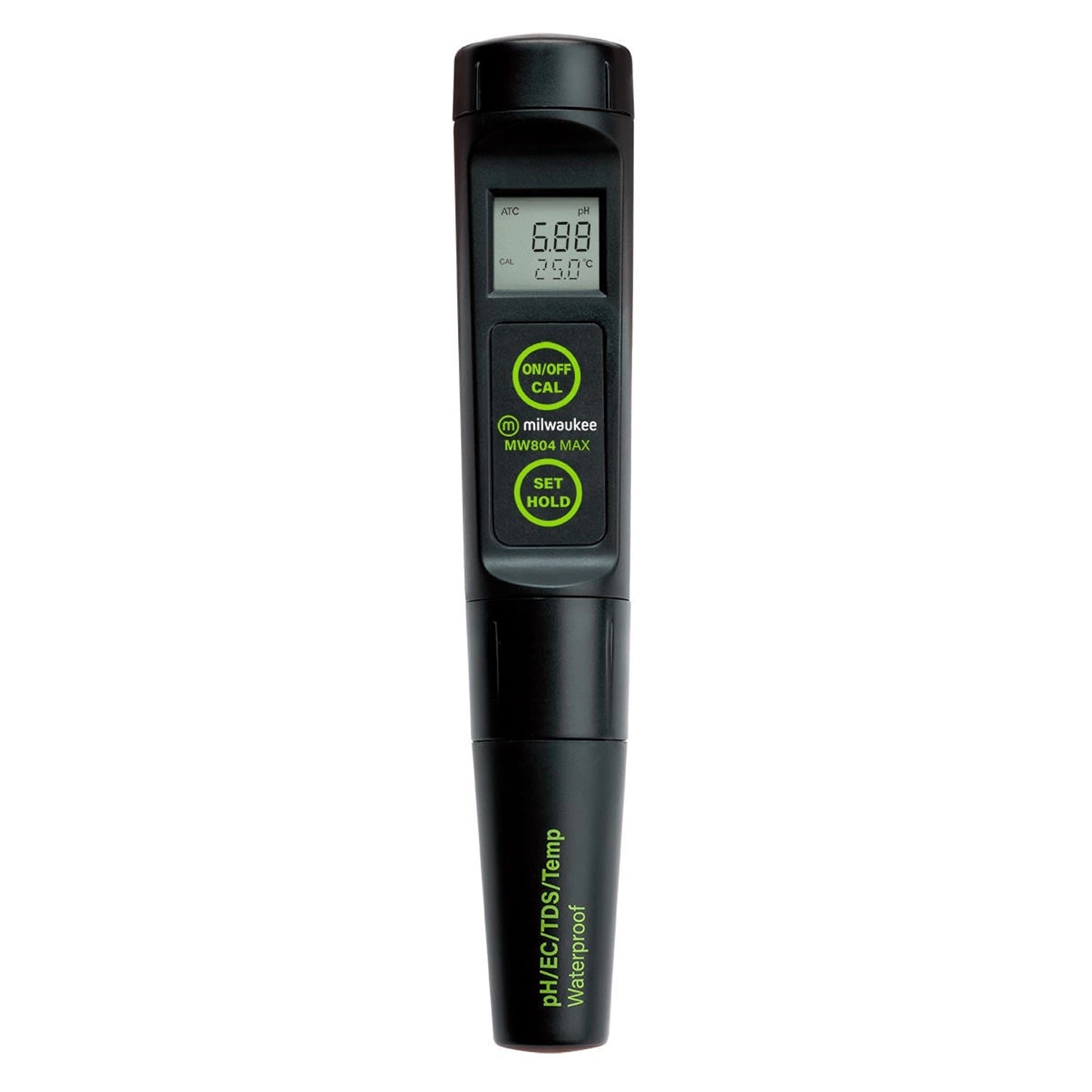
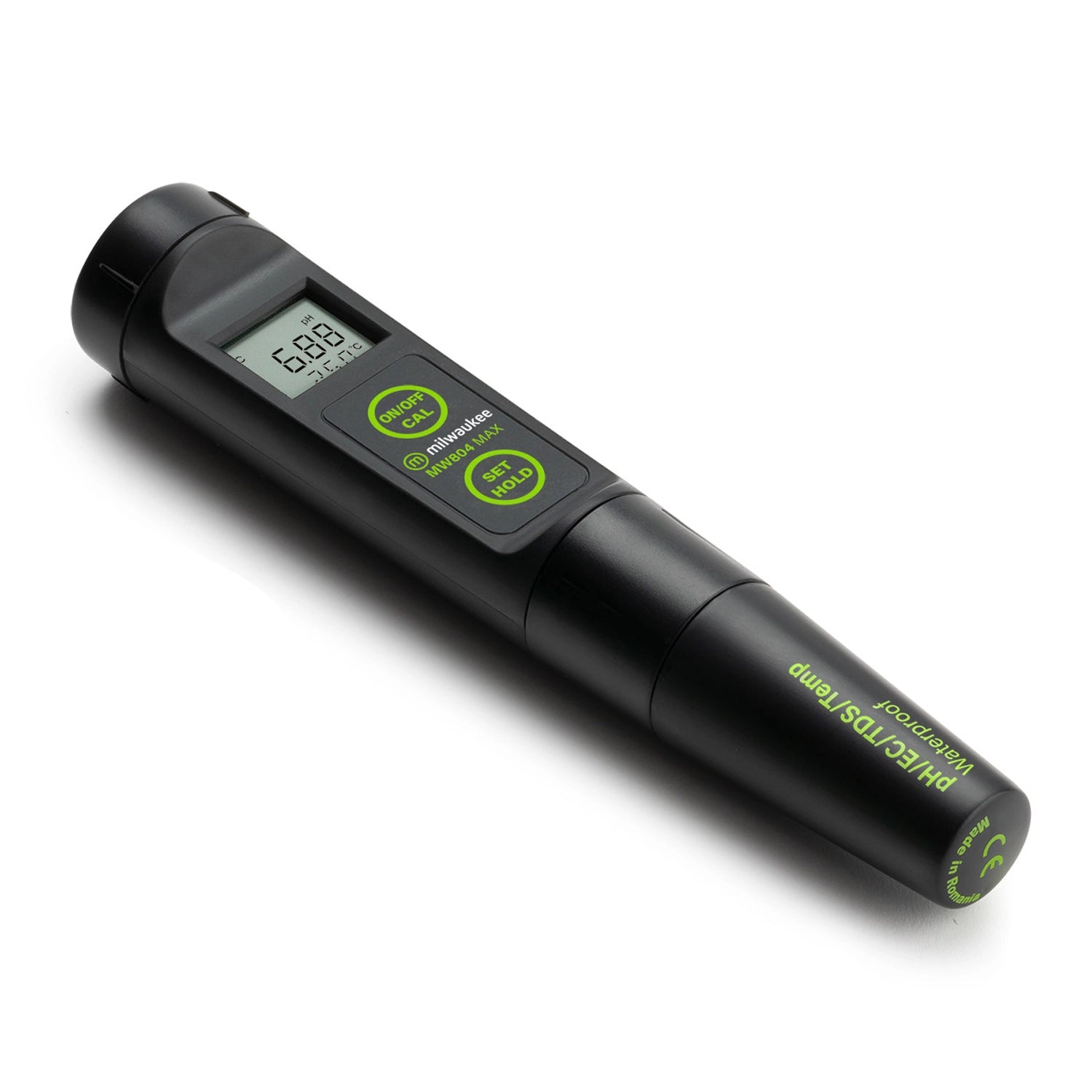
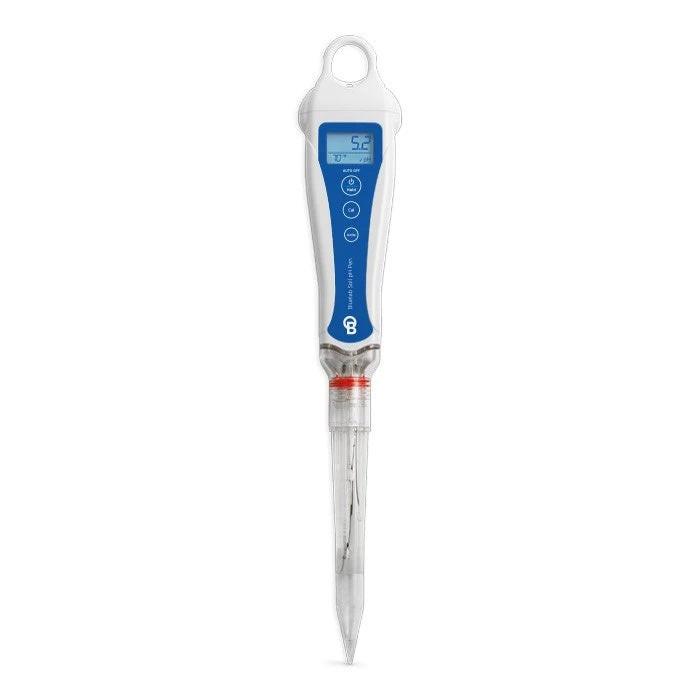
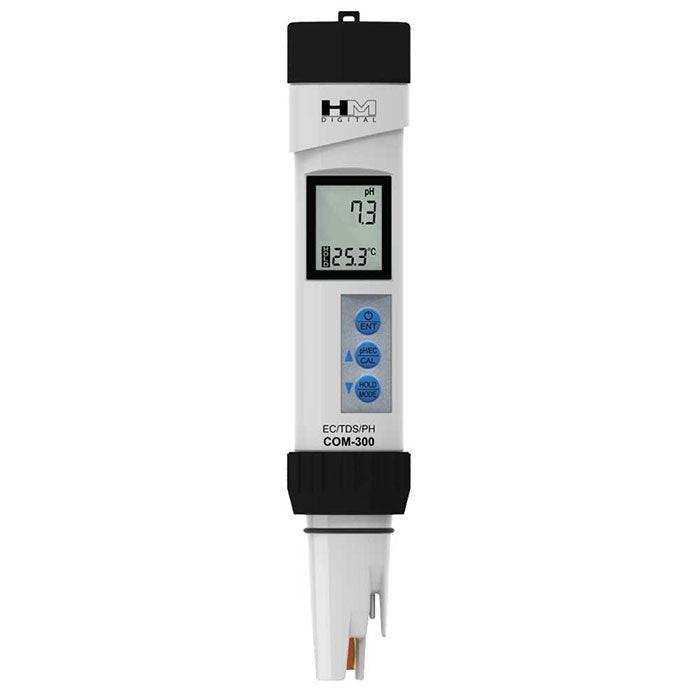
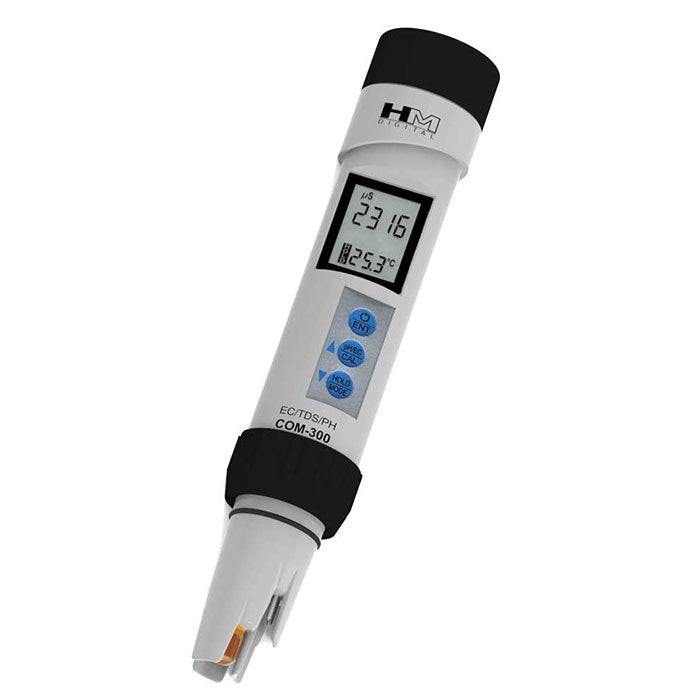
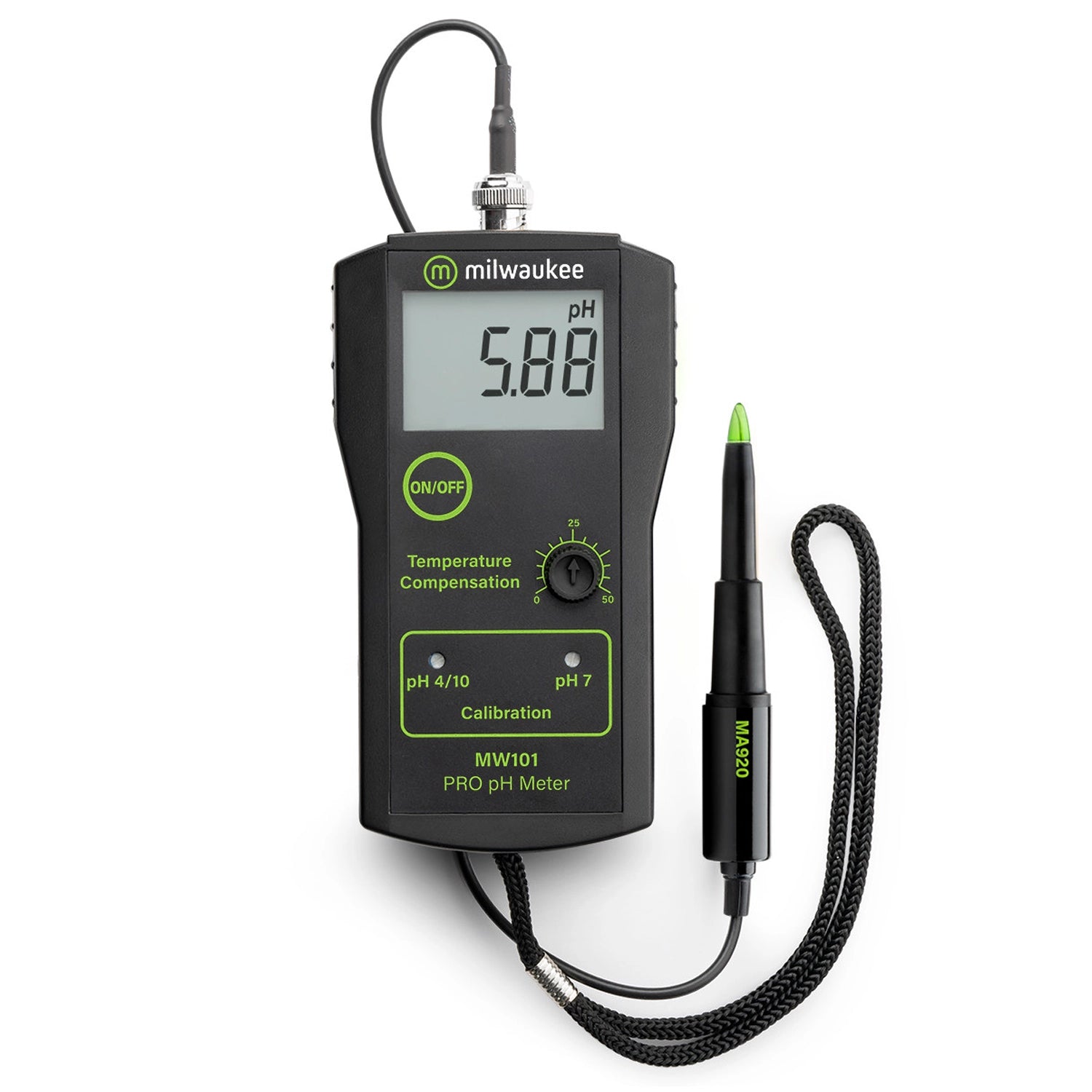
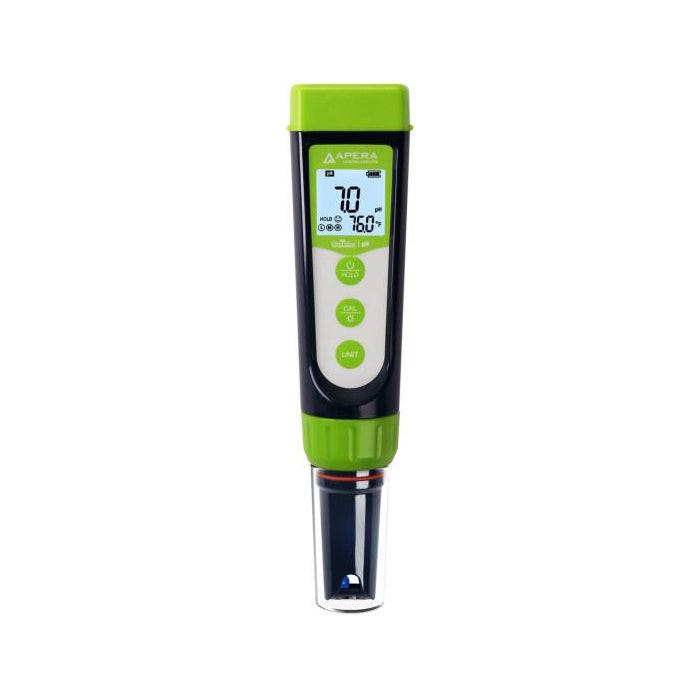
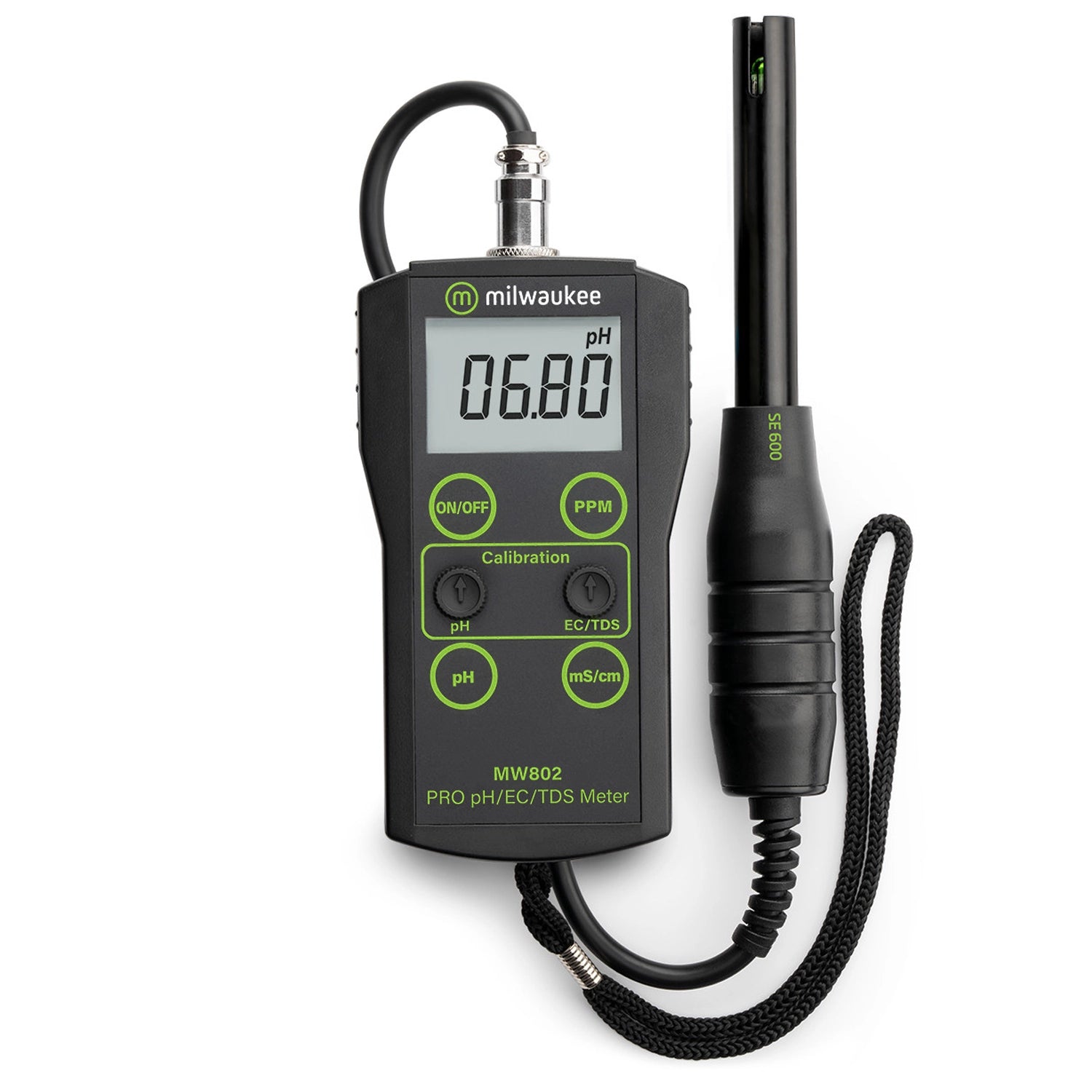
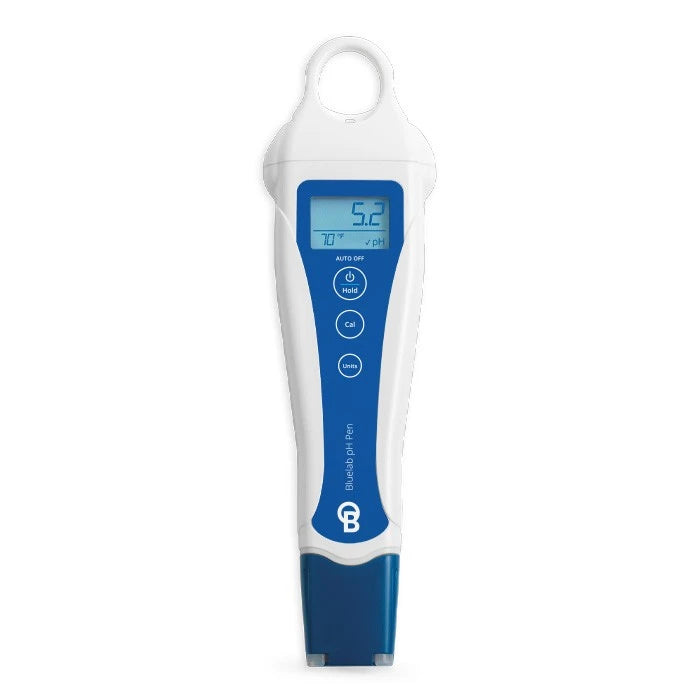
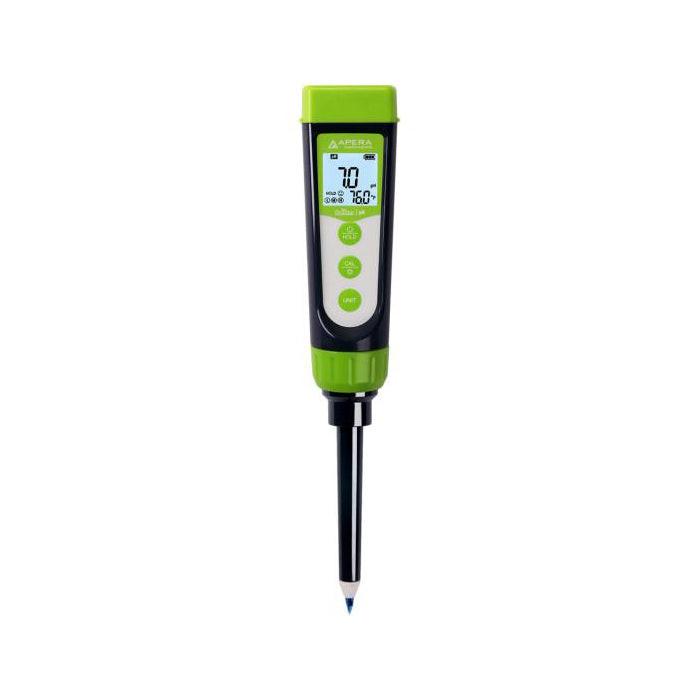
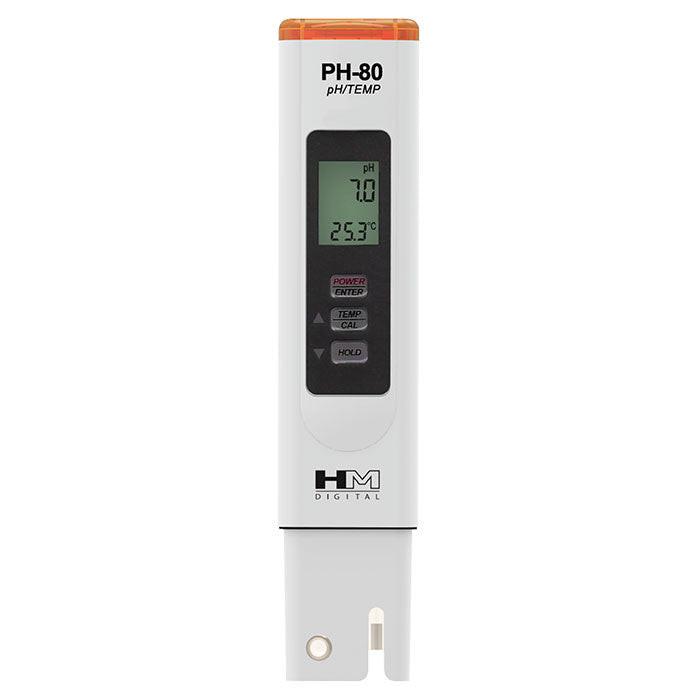
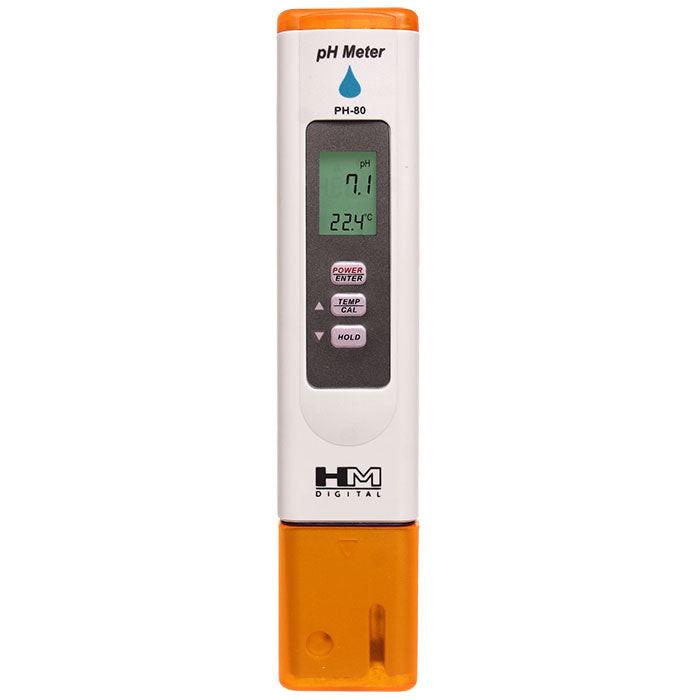
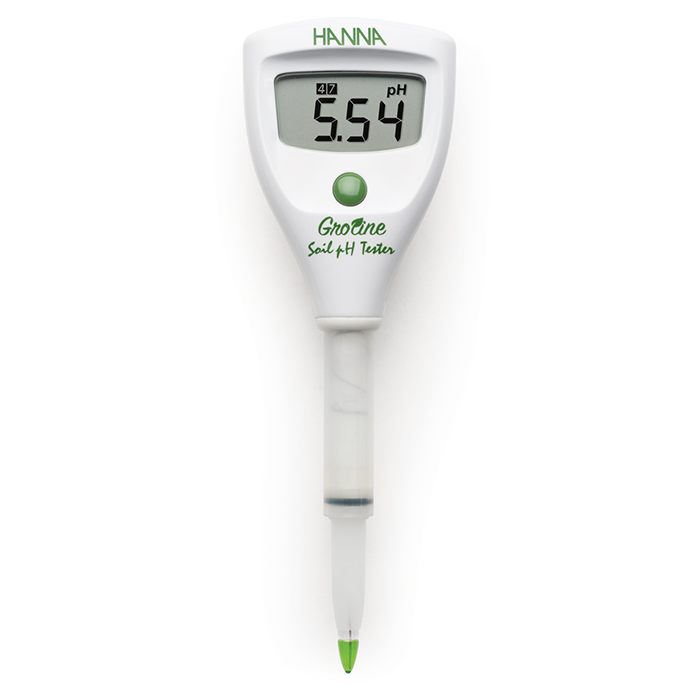
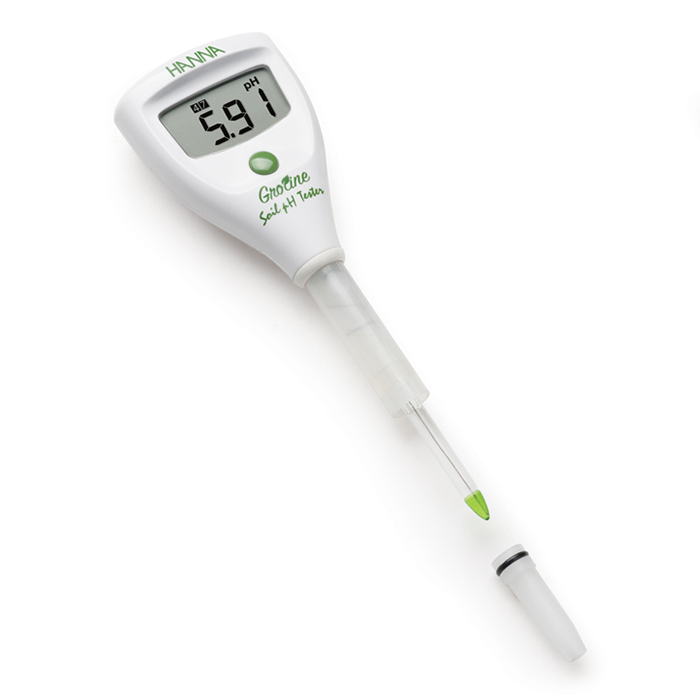
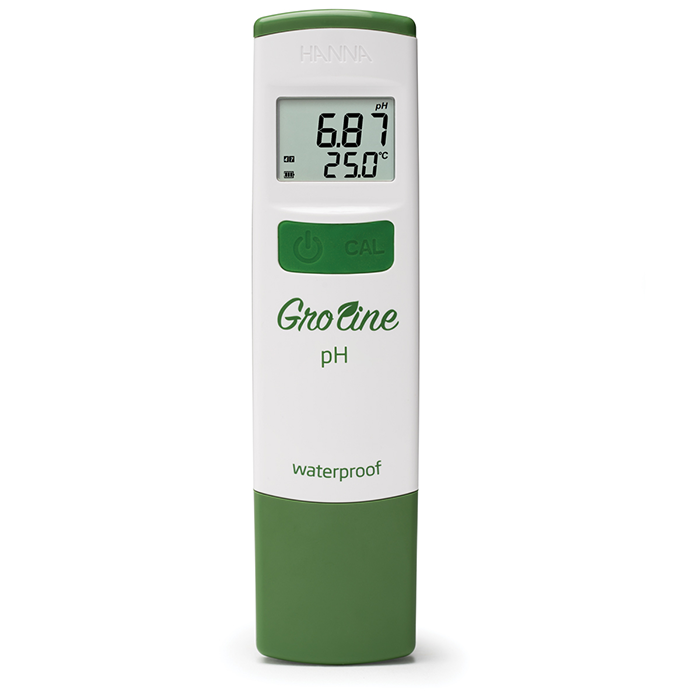
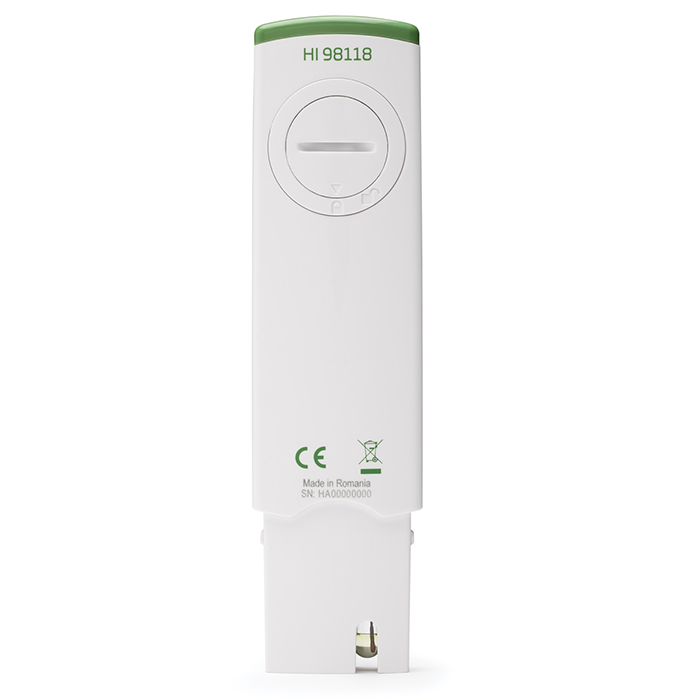
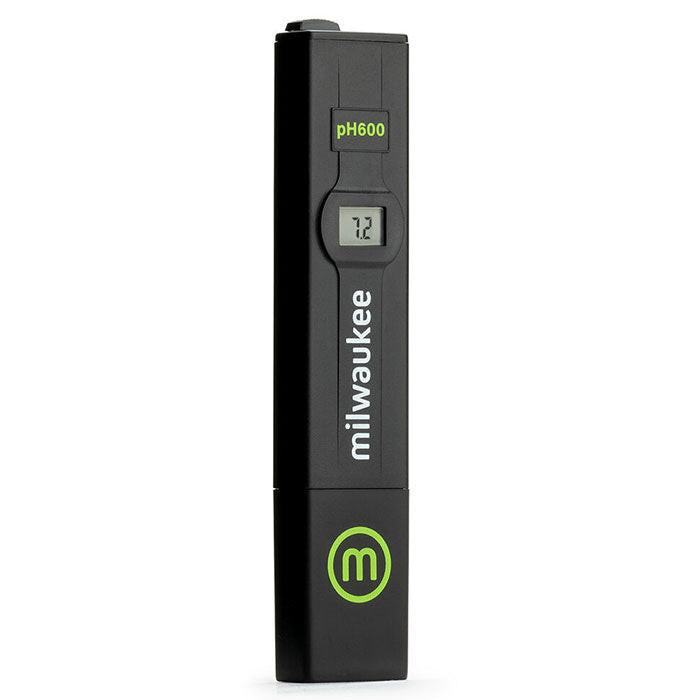
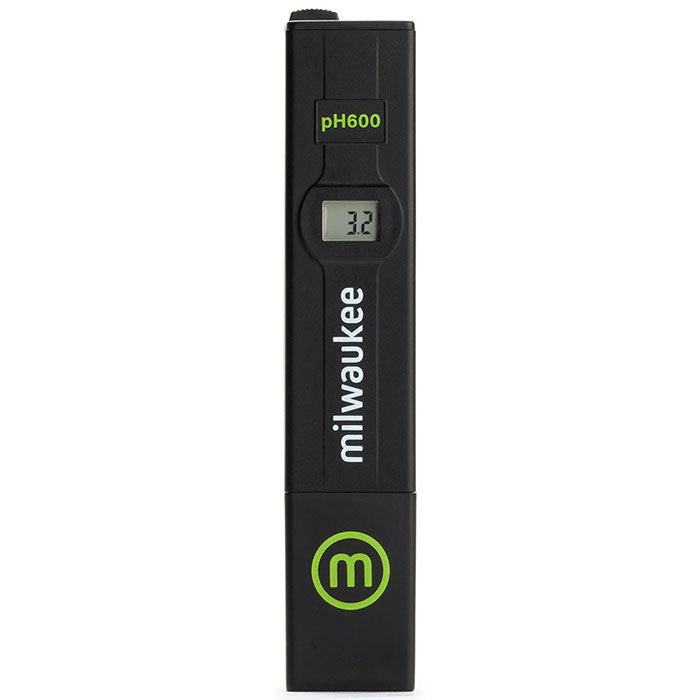
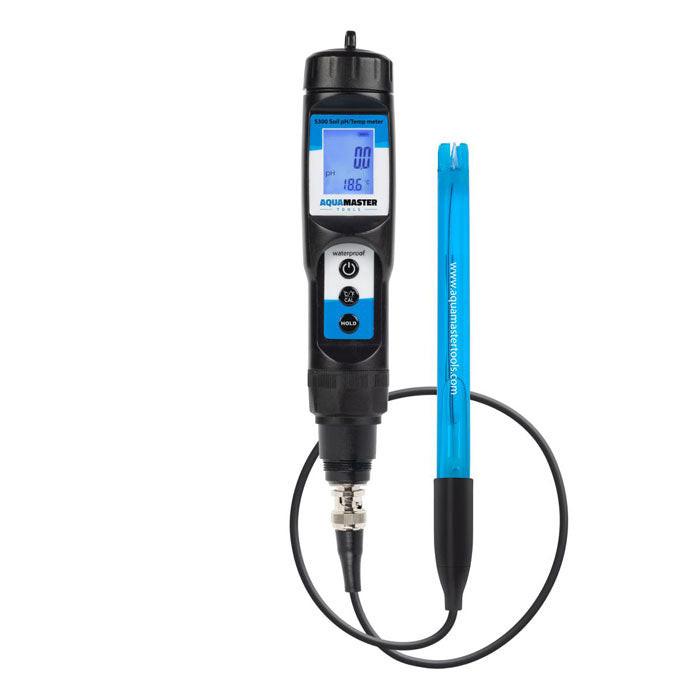
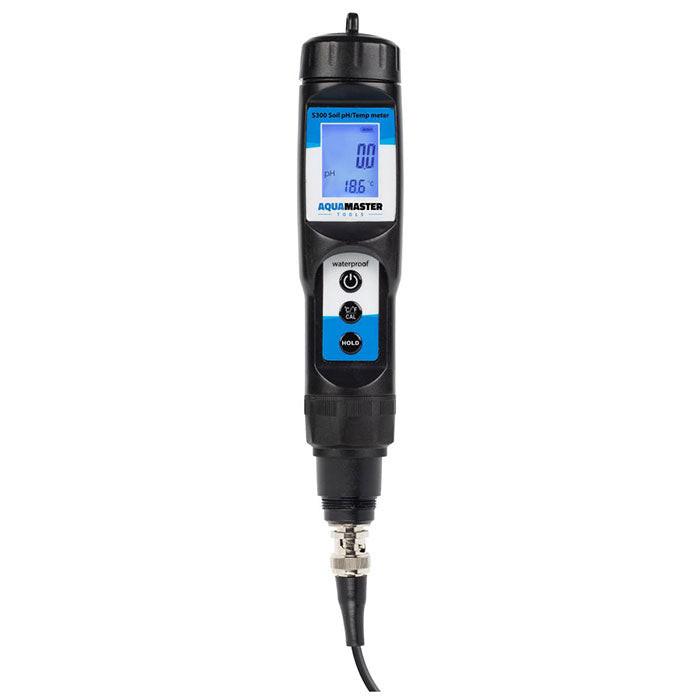
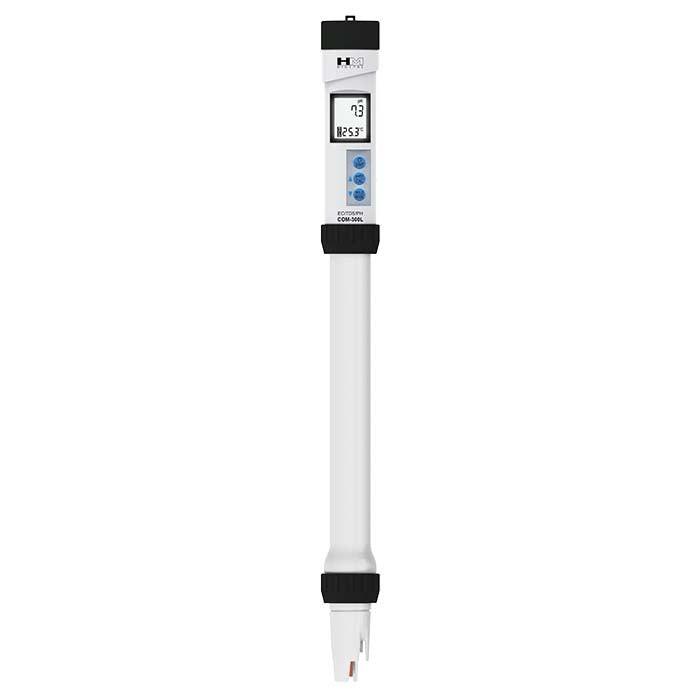
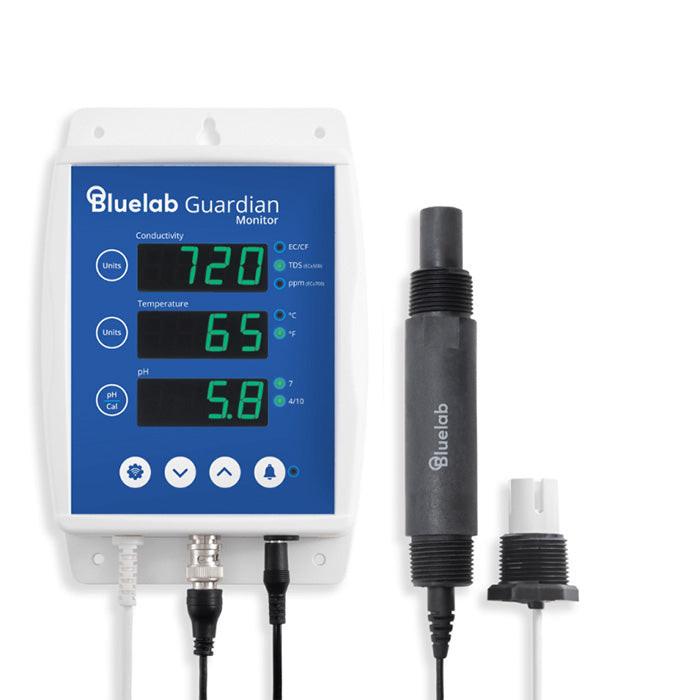
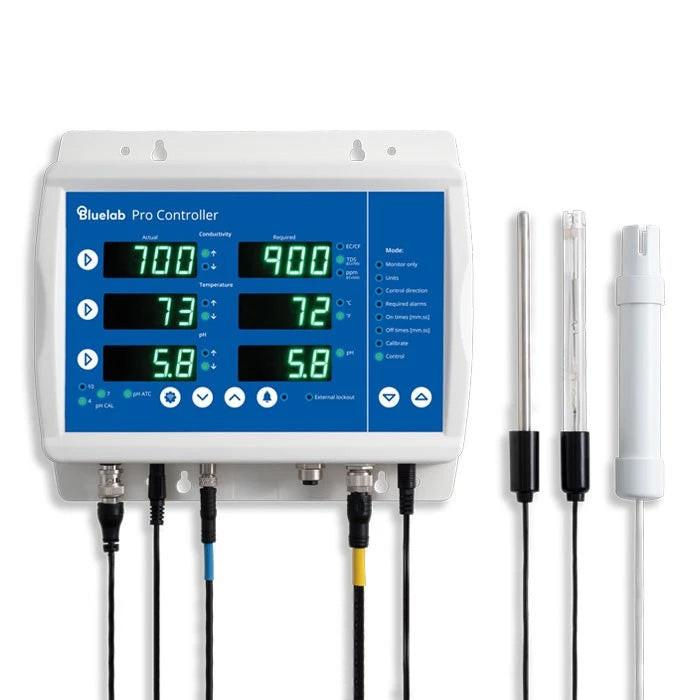
Hydrobuilder carries pH meters from Bluelab, Apera, and Hanna Instruments -- all qualified brands with accuracy and reliability appropriate for hydroponic nutrient management. Bluelab's pH Pen is a compact digital meter with automatic temperature compensation (ATC) and a proven probe design that holds calibration well between monthly calibration sessions -- widely used in hobby and commercial growing for its combination of accuracy and ease of use. The Bluelab Combo Pen adds EC and temperature measurement to the pH pen in a single device, eliminating the need to carry two separate meters for complete solution management. Apera offers strong accuracy-to-price ratio across their pH pen range, with models suitable from hobby to professional use. Hanna Instruments produces the widest range of pH measurement devices from basic digital pens to research-grade benchtop meters -- their HI9813 Groline series is popular in horticulture for combining affordability with adequate accuracy for nutrient management applications.
pH Probe Care & Calibration
A pH meter is only as accurate as the probe's condition and calibration. Calibrate monthly using fresh buffer solution at pH 7.0 and pH 4.0 (two-point calibration gives the best accuracy across the full measurement range). Use fresh, sealed buffer solution sachets rather than repeatedly opening the same bottle -- buffer solution exposed to air degrades and loses its reference accuracy over time. Store pH probes in storage solution (KCl electrode storage solution, not water) between uses -- a probe stored dry or in plain water loses reference electrolyte from the filling solution, permanently damaging measurement accuracy. Never touch the glass membrane at the probe tip -- oils and residue cause irreversible measurement errors. Replace probes when calibration drift exceeds 0.2 pH between calibrations or when the probe fails to reach stable readings within 30 seconds of submersion. For complete water quality management, pair with a reverse osmosis water filtration system to remove baseline TDS before building your nutrient solution. Expert support available.
pH Meters FAQ
What pH should my hydroponic nutrient solution be?
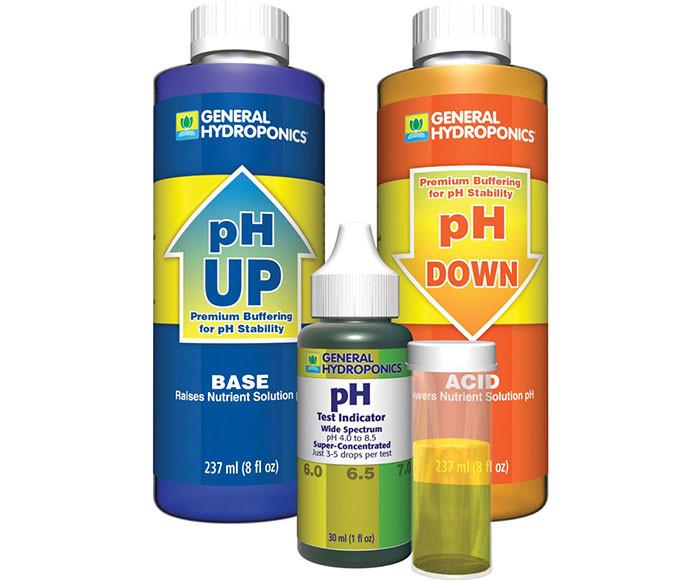
Maintain pH 5.5-6.5 in hydroponic systems, with 5.8-6.2 as the optimal operating range for most crops grown in water, coco coir, or rockwool. This range ensures all essential macro and micronutrients remain chemically available for root uptake. Below 5.5, phosphorus, calcium, and magnesium availability drop; above 6.5, iron, manganese, and zinc availability drop -- both extremes produce nutrient deficiency symptoms even with a complete nutrient formula. Check pH daily in recirculating systems -- use an EC meter alongside for complete nutrient solution management. Check pH daily in recirculating systems; adjust with pH Down (phosphoric acid) or pH Up (potassium hydroxide) in small increments after nutrients are fully mixed.
What pH should I use for soil growing?
Target pH 6.0-7.0 for soil growing, with 6.2-6.8 as the optimal range for most vegetables and herbs. Soil's microbial buffering capacity and organic matter interact with pH differently than hydroponic solution chemistry -- soil can tolerate a slightly wider range before nutrient lockout occurs. Below 6.0, aluminum and manganese toxicity risk increases in some soils; above 7.0, iron, manganese, and phosphorus become less available. For container soil grows fed with liquid nutrients, test runoff pH after watering to confirm the pH in the root zone matches your target -- buffering from soil organic matter can create a significant difference between feed pH and root zone pH.
How do I calibrate a pH meter?
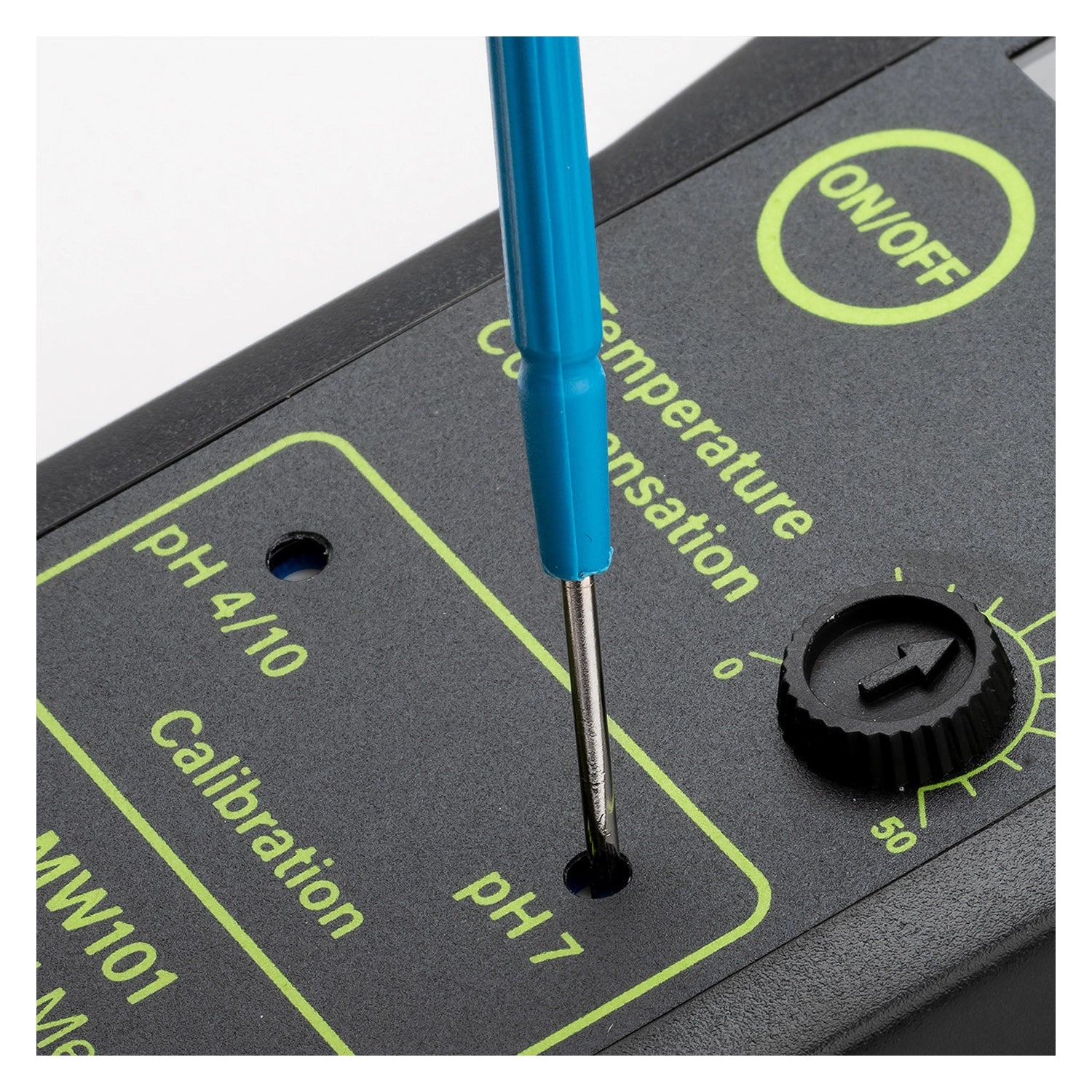
Two-point calibration using pH 7.0 and pH 4.0 buffer solutions gives the best accuracy across the range used in hydroponics. Rinse the probe with distilled water, pat dry gently, then submerge in fresh pH 7.0 buffer and press the calibration button -- wait for the reading to stabilize and confirm. Rinse with distilled water again, then submerge in pH 4.0 buffer and complete the second calibration point. Use fresh, sealed buffer solution sachets for every calibration rather than reusing buffer from an opened bottle. Calibrate monthly under normal use, or weekly if readings seem inconsistent. A probe that cannot calibrate to within 0.1 pH of the buffer values needs replacement.
How do I store a pH probe?
Store pH probes in electrode storage solution (KCl storage solution -- most pH meter brands sell it specifically for probe storage) between uses. Never store in plain water or dry -- water depletes the reference electrolyte from the probe's filling solution over time, permanently degrading accuracy. Never store in nutrient solution -- dissolved salts can foul the reference junction. For short-term storage (overnight to a few days), a small amount of pH 4.0 buffer solution in the probe cap is an acceptable substitute for proper storage solution. For long-term storage (weeks), always use dedicated electrode storage solution. A probe that has been stored dry or in water for extended periods may recover partially after rehydration in storage solution, but permanent accuracy degradation is common.
What is automatic temperature compensation (ATC) in a pH meter?
pH readings are temperature-dependent -- the same solution reads slightly differently at 20 degrees C vs. 30 degrees C. Automatic temperature compensation (ATC) uses a built-in temperature sensor to automatically adjust the pH reading for the solution's actual temperature, giving a reading corrected to a standard reference temperature (usually 25 degrees C / 77 degrees F). ATC is important for accurate readings in grow rooms where solution temperature varies across the day -- a reservoir that warms from 65 degrees F at lights-off to 75 degrees F at lights-on can show apparent pH drift of 0.1-0.2 units from temperature alone without ATC. All Bluelab and Apera pH pens include ATC as standard. Always confirm ATC is active when reading pH in conditions where solution temperature varies.