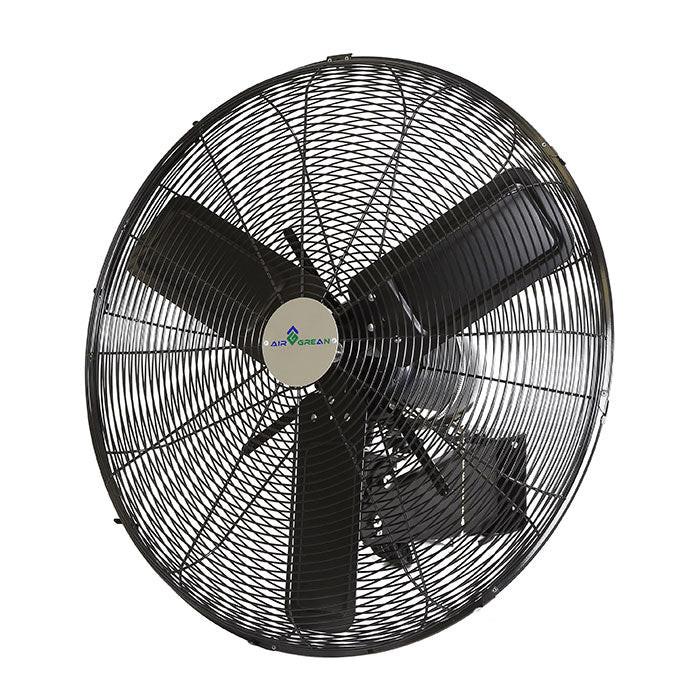
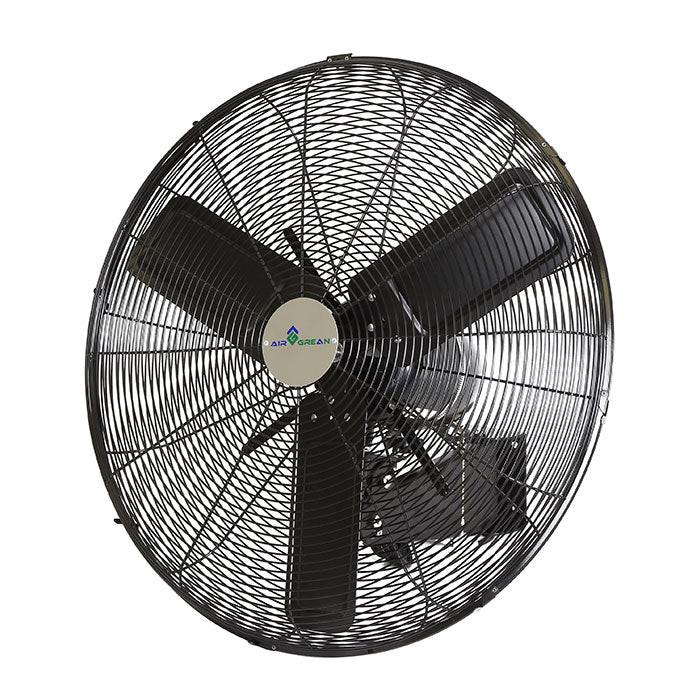
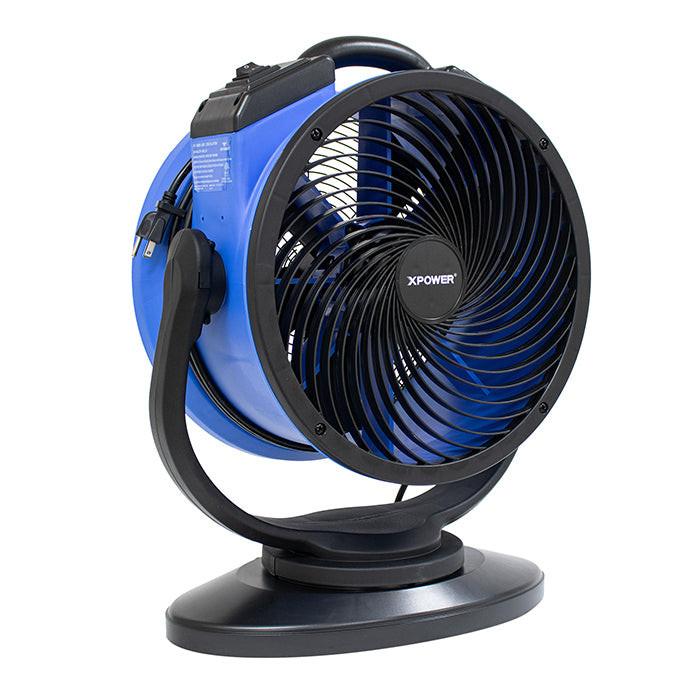
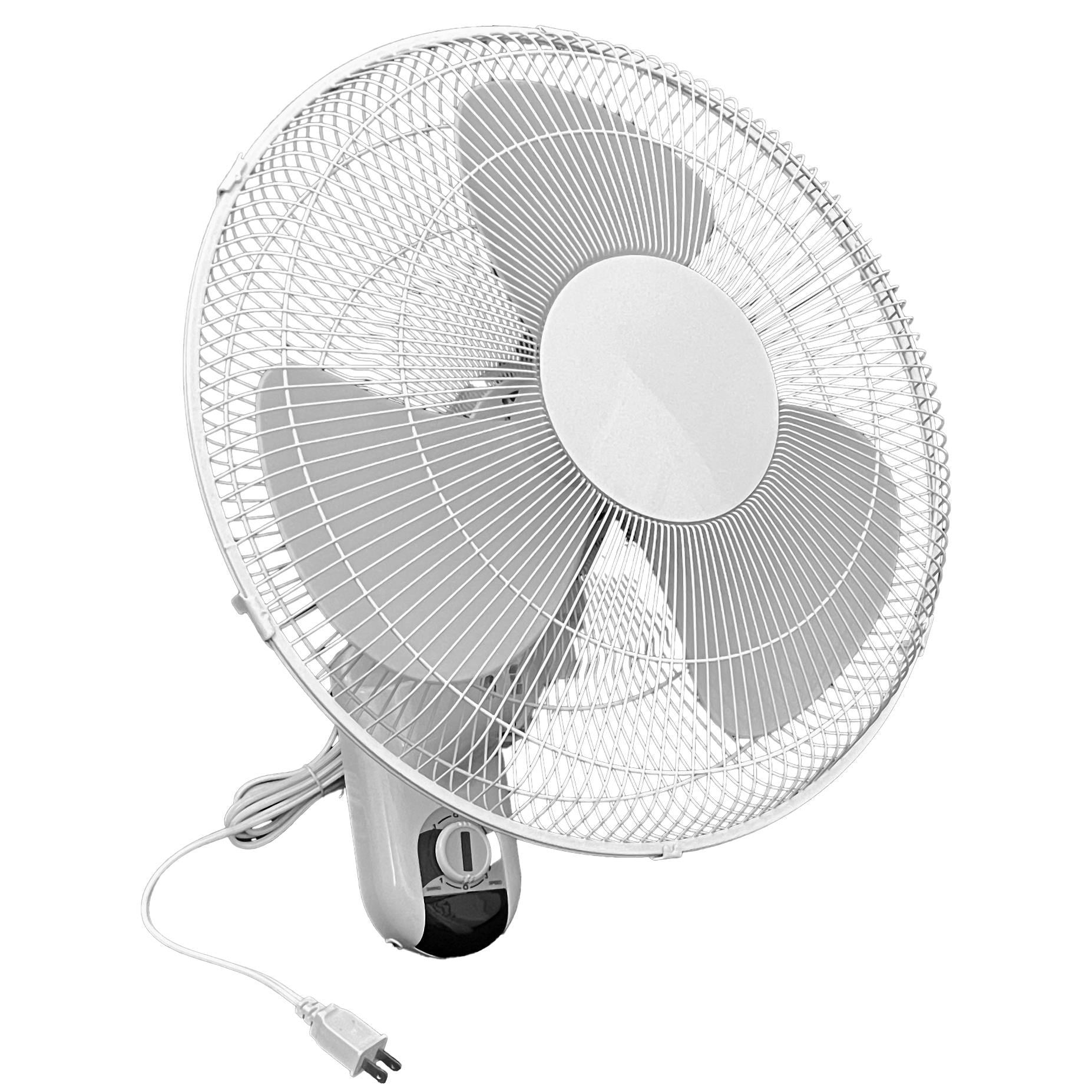
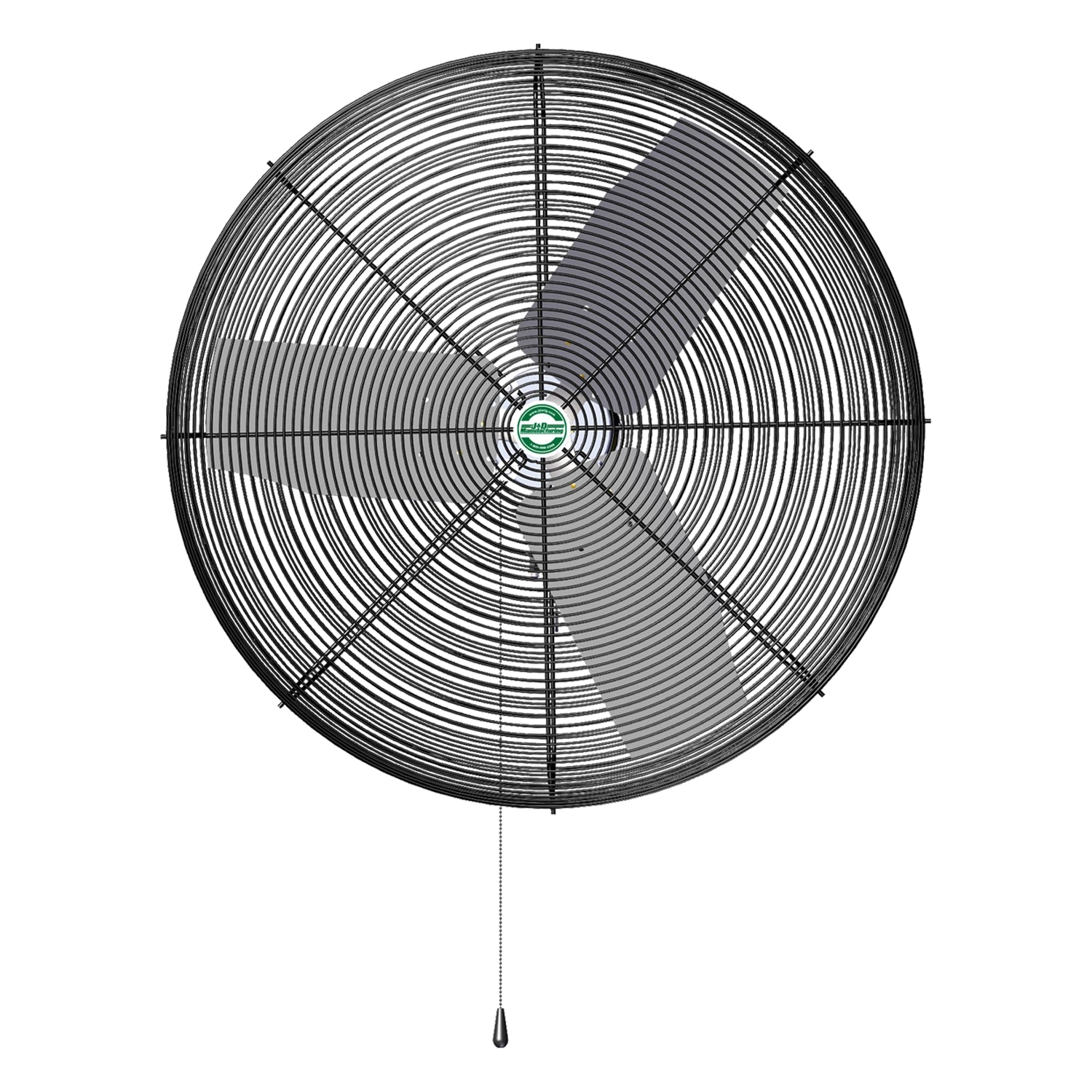
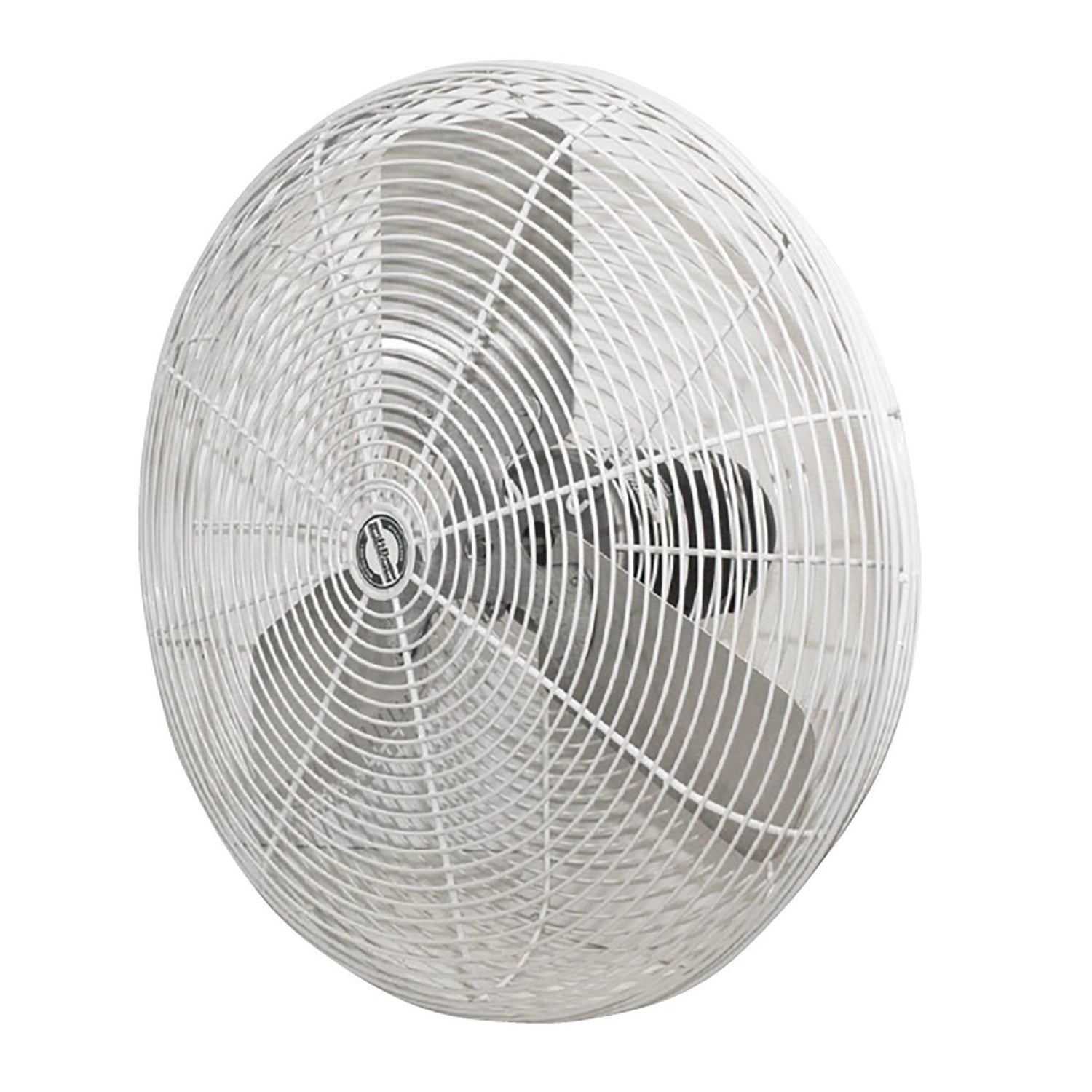
Oscillating Fans for Grow Rooms & Indoor Growing
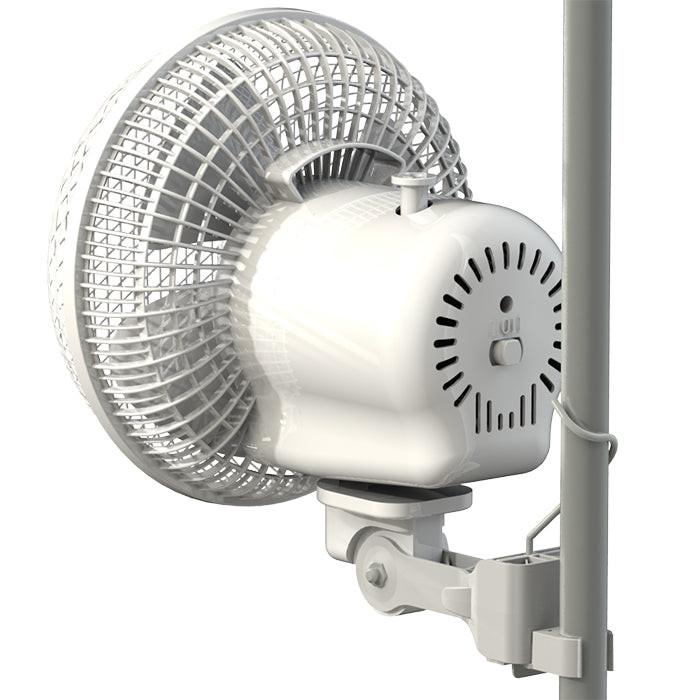
Oscillating fans sweep back and forth across a set arc, distributing air evenly across a wider canopy area than fixed-position fans of the same output. In grow rooms and large grow tents, oscillating fans handle the primary canopy-level air circulation -- the broad, sweeping airflow that prevents stagnant zones across the full room width, supports stem strengthening through consistent air movement, and distributes the humidity and CO2 uniformly throughout the canopy. They work alongside clip-on fans (which handle targeted, close-range airflow) and inline exhaust fans (which handle air exchange) to form a complete ventilation strategy.
Wall-Mount vs. Floor-Stand Oscillating Fans
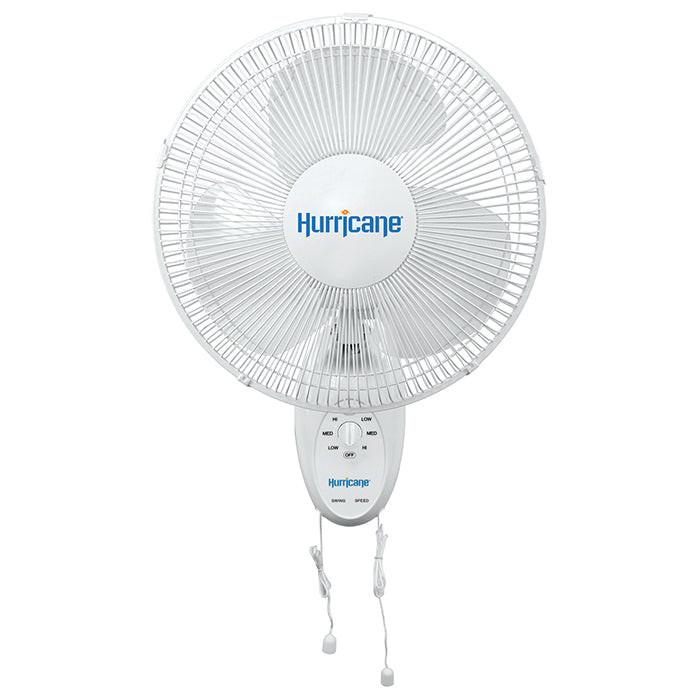
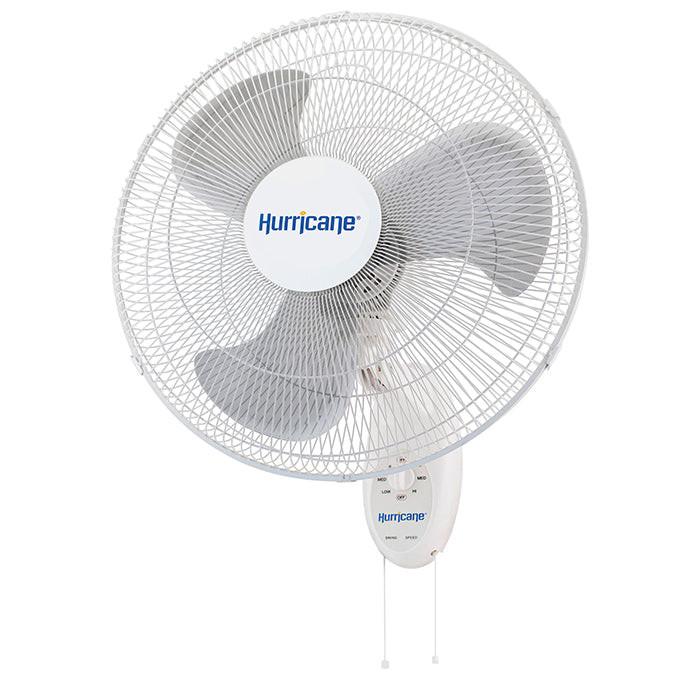
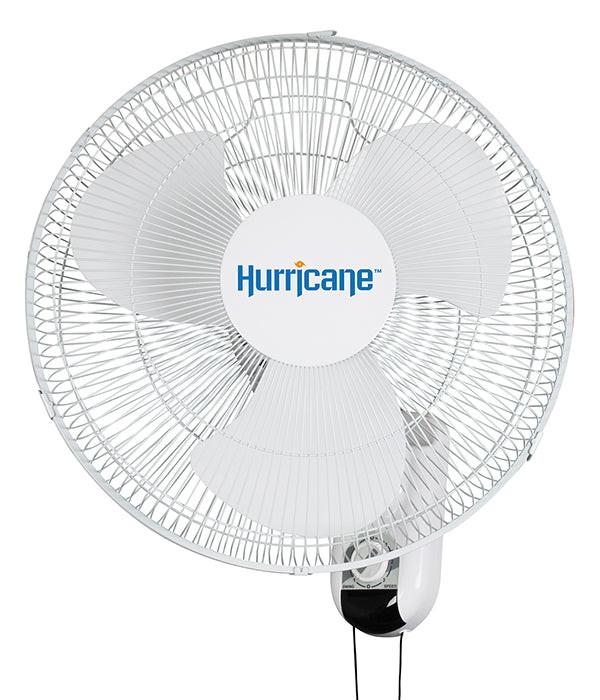
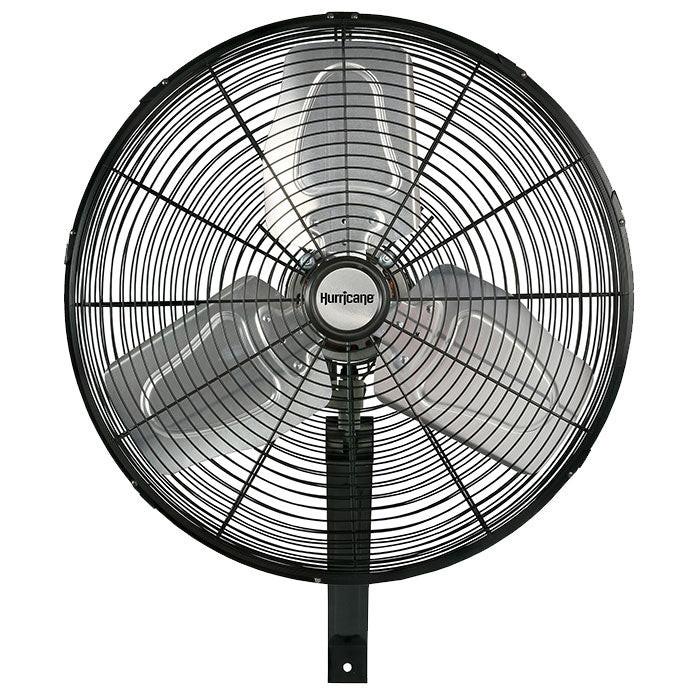
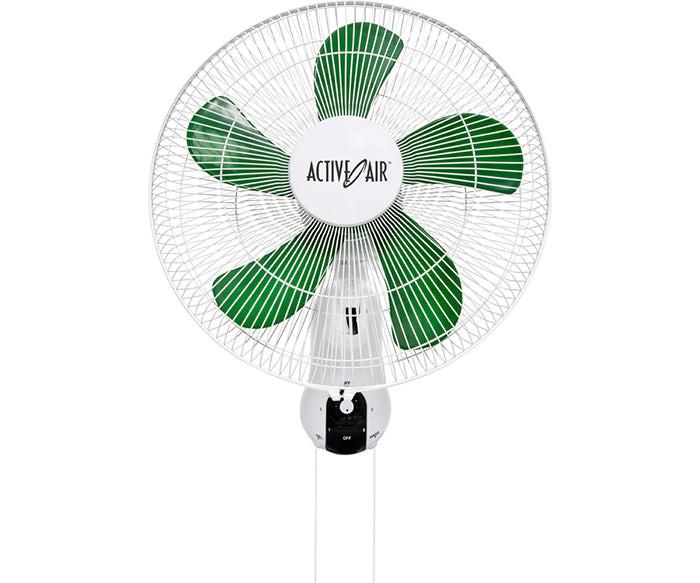
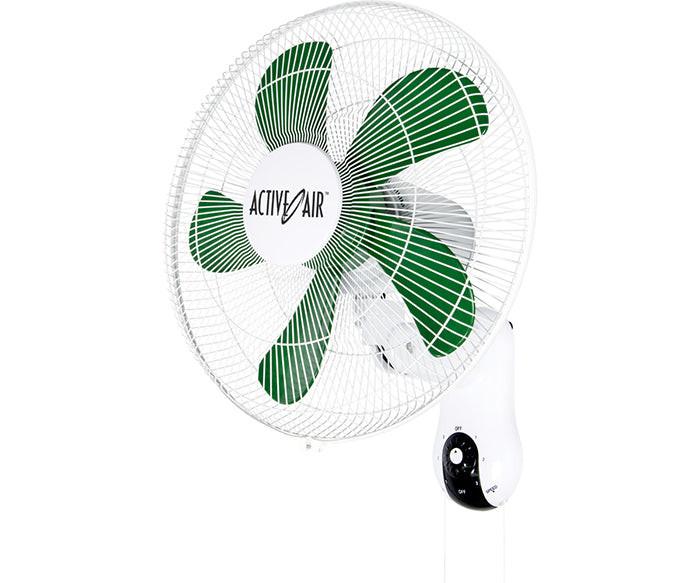
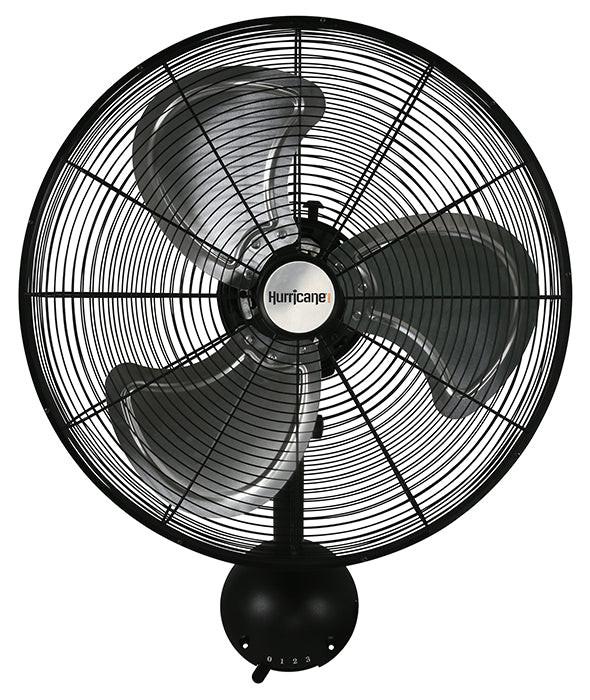
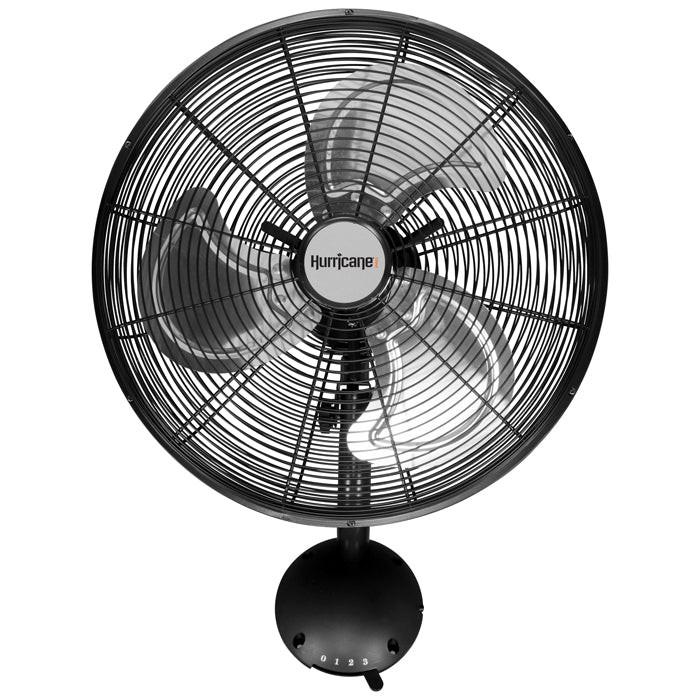
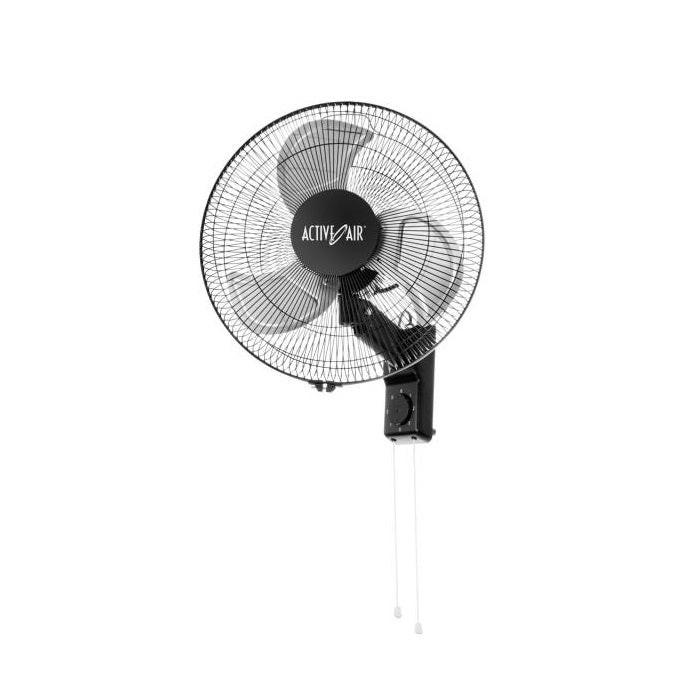
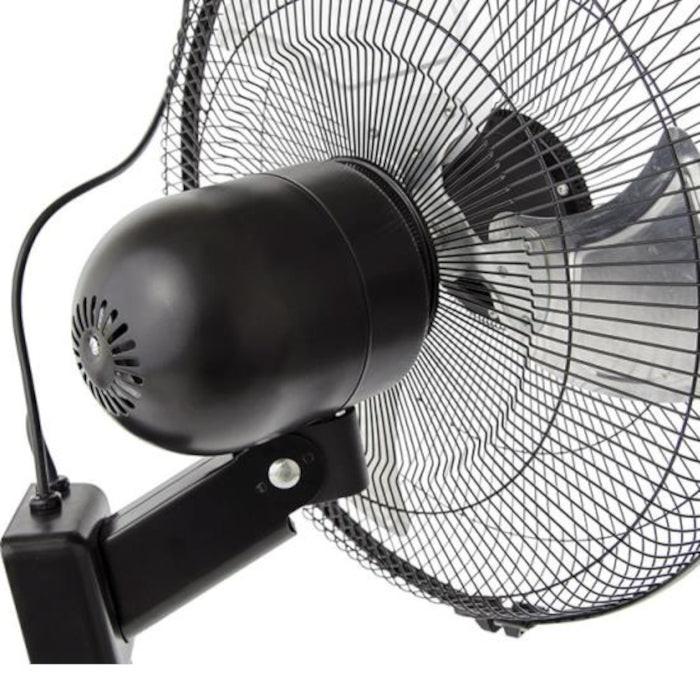
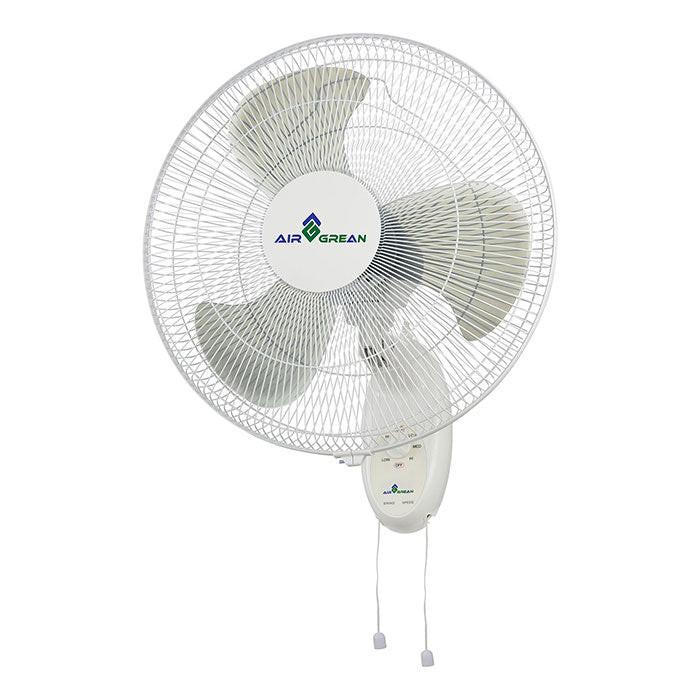
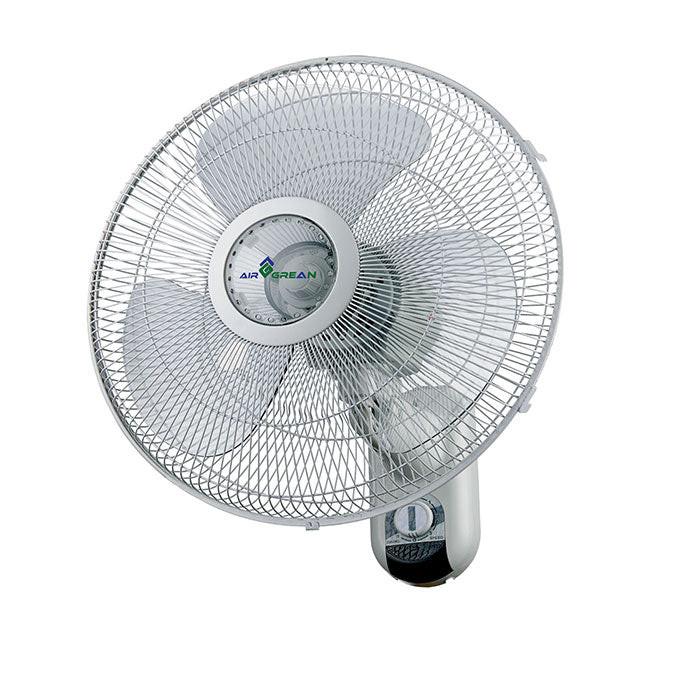
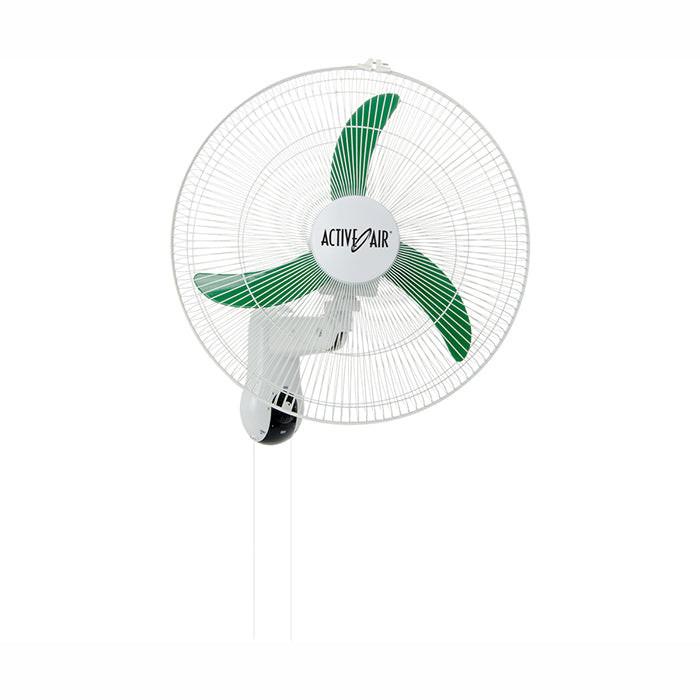
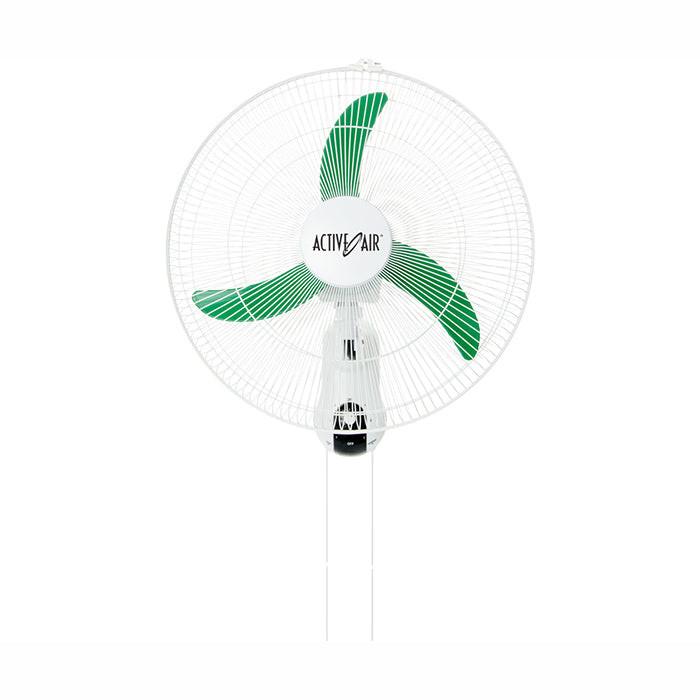
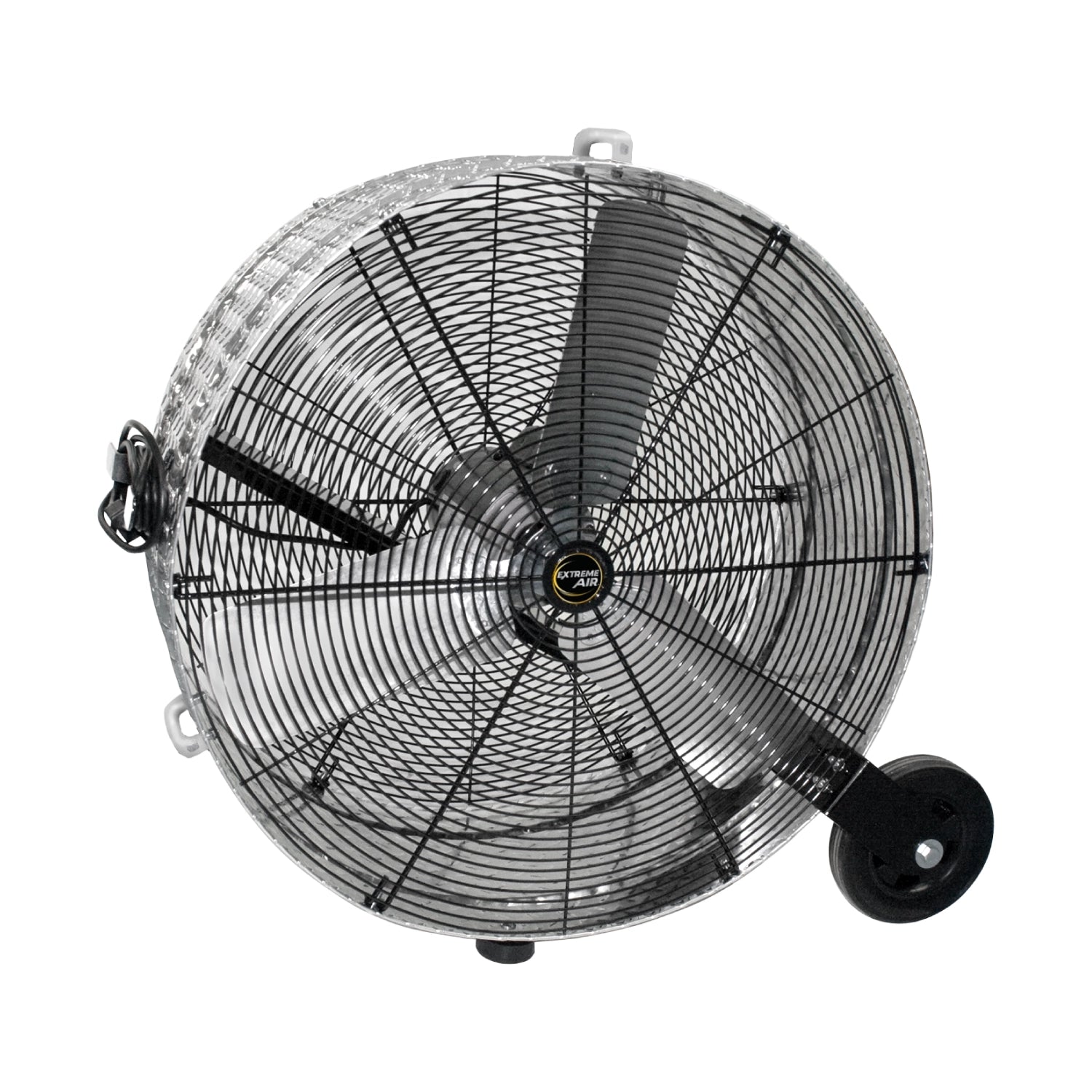
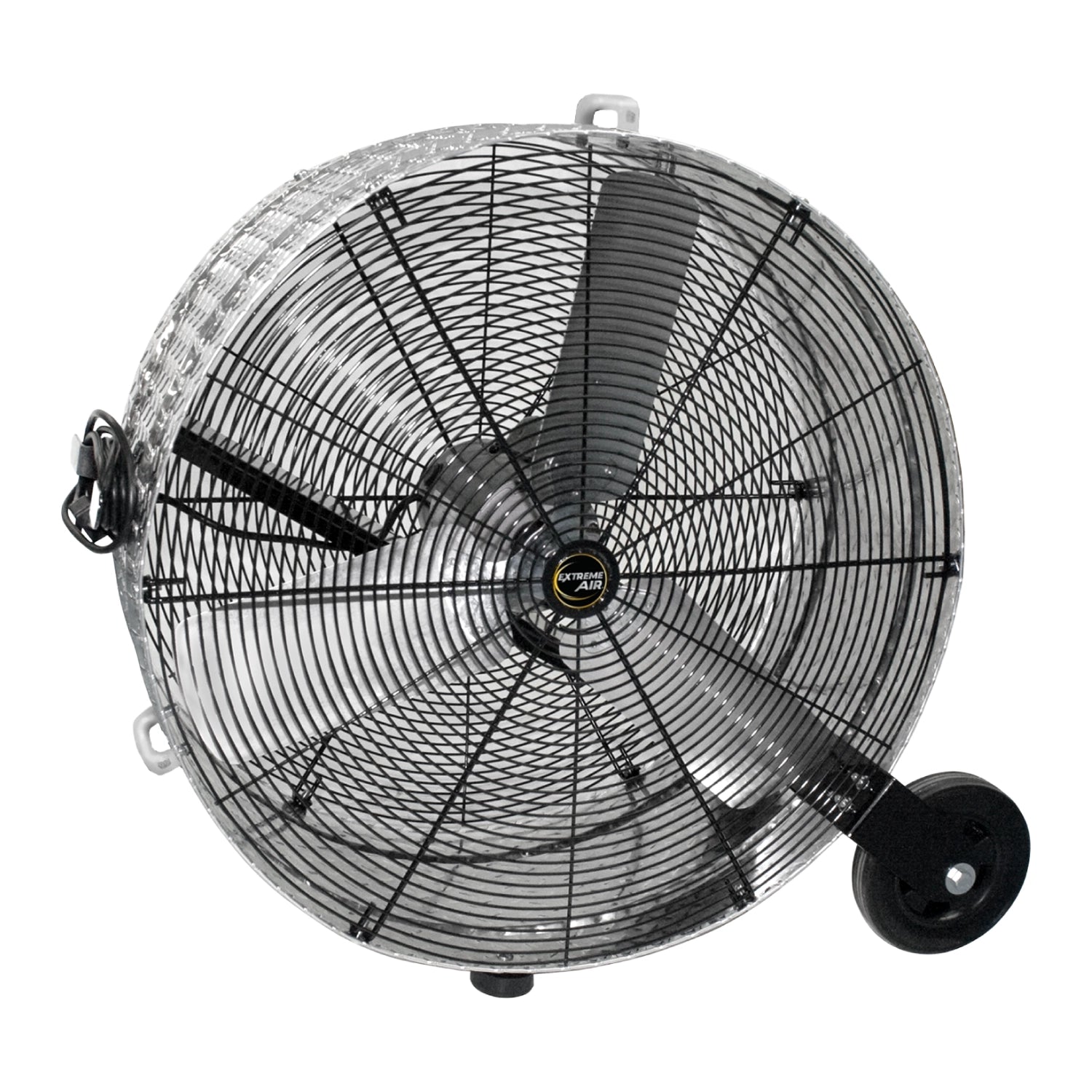
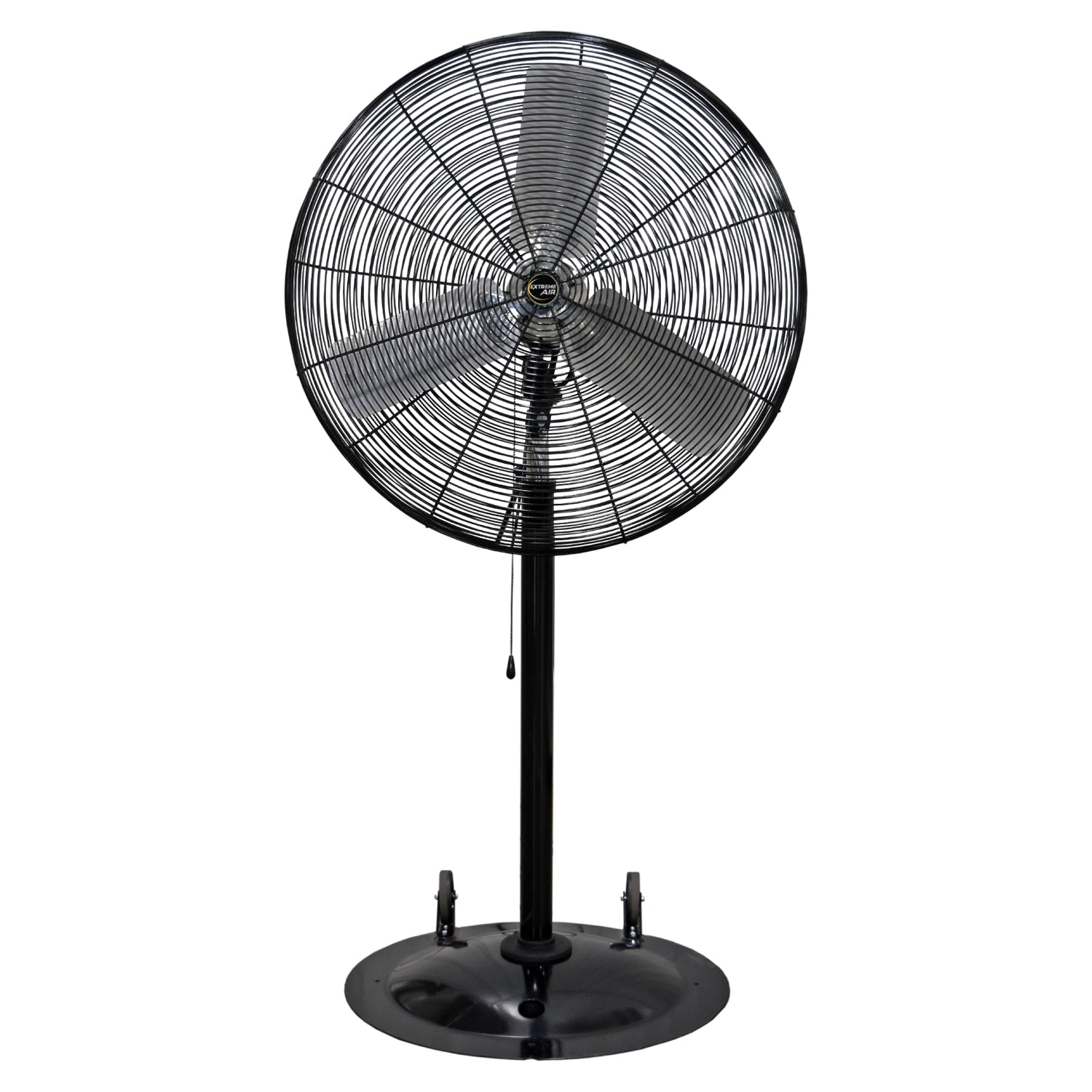
Wall-mount oscillating fans free up floor space and provide canopy-level airflow from an elevated position -- positioning airflow across the top of the canopy rather than pushing air horizontally at floor level. They are the preferred format for dedicated grow rooms where permanent mounting is practical and floor space is allocated to growing surfaces. Floor-stand oscillating fans are more flexible for repositioning, require no mounting hardware, and are practical for growers who reconfigure their space between cycles or who use multiple spaces seasonally. Most grow tent applications use clip-on fans rather than floor-stand oscillating fans, as floor space inside tents is typically fully occupied with growing containers and reservoir equipment.
Fan Sizing for Grow Rooms
Size oscillating fans to your room footprint -- not to tent volume, since tent ventilation is handled primarily by the inline fan system. For a 10x10 ft grow room, two oscillating wall fans positioned on opposing walls provide cross-room airflow. For a 10x20 ft room, four fans -- two per long wall -- distribute air across the full canopy length. CFM ratings on oscillating fans are less important than coverage angle and positioning height; the goal is visible, gentle leaf movement across the entire canopy, not high airspeed at specific points. For precise environment management including fan speed automation, pair with a multi-function environment controller that can vary fan speed in response to temperature and humidity readings.
Oscillating Fan Brands: Hurricane, Schaefer, Grow1 & AC Infinity
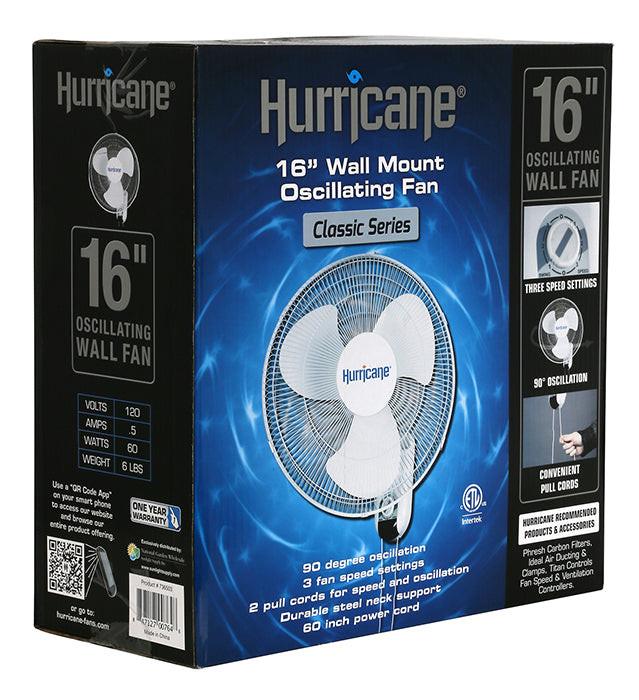
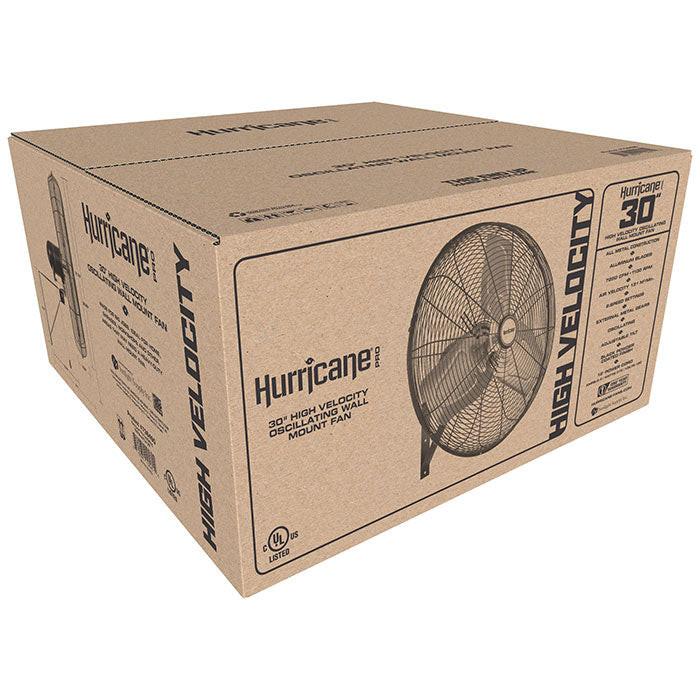
Hydrobuilder carries oscillating fans from Hurricane, Schaefer, Grow1, and AC Infinity -- all qualified brands in the fans and blowers category. Hurricane produces reliable, durable oscillating fans at accessible price points across wall-mount and floor-stand formats. Schaefer manufactures heavy-duty commercial-grade oscillating and fixed-position fans for greenhouse and warehouse production environments -- the right choice for large commercial facilities where continuous-duty reliability matters. Grow1 offers cost-effective oscillating fan options across standard sizes. AC Infinity produces quiet-operation fans with speed control at mid-range pricing. See our updated grow room ventilation setup guide for complete airflow system design across different room sizes. Fast shipping.
Oscillating Fans FAQ
Do I need an oscillating fan in addition to an inline exhaust fan?
Yes -- inline exhaust fans handle air exchange (removing heat, humidity, and CO2-depleted air) but create airflow in a single direction toward the exhaust port. This leaves stagnant zones in areas away from the direct draw path. Oscillating fans circulate air within the space, preventing the stagnant pockets where humidity accumulates on leaf surfaces and mold establishes, replenishing the CO2 boundary layer at leaf surfaces that still-air conditions deplete, and providing the stem-strengthening air movement that supports structural plant development. Both are required components of a complete indoor ventilation system.
Where should I mount oscillating fans in a grow room?
Position oscillating fans at upper canopy height or slightly above -- directing airflow across the top of the canopy where plant density is greatest and stagnant air is most problematic. Wall-mount fans should be positioned so the oscillation arc covers the full width of the growing surface. For rooms wider than 10 feet, two fans on opposing walls sweeping toward each other provide better cross-room coverage than one fan trying to sweep the full width. Avoid directing fans straight down onto the canopy at close range, which creates uneven pressure and can cause localized wind burn. The target is gentle, even movement across all leaf surfaces.
What size oscillating fan do I need for a grow room?
Match fan size to room footprint. For a 10x10 ft grow room, two 16-inch wall-mount oscillating fans on opposing walls provide adequate coverage. For a 10x20 ft room, four 16-18 inch fans -- two per long wall -- distribute air across the full canopy length. For a single 4x4 or 4x8 grow tent, clip-on fans are typically more practical than wall-mount oscillating fans given the limited interior mounting space, unless the tent is specifically designed with interior mounting rails for wall fans. For larger rooms where floor and wall space is available, oscillating wall-mount fans in the 16-18 inch range provide good balance between coverage area and airspeed.
Can I automate oscillating fan speed in a grow room?
Yes -- oscillating fans with variable speed control (0-10V input or standard speed dial) can be integrated with an environment controller or multi-function controller to vary speed in response to temperature and humidity readings. During high-temperature or high-humidity events, controllers can increase fan speed automatically to boost air exchange and canopy cooling. During the dark period when no photosynthesis is occurring and temperature is lower, reducing fan speed decreases noise and energy consumption. TrolMaster and Titan Controls both support fan speed automation through 0-10V analog output connections to compatible fan speed controllers.