CMH & LEC Grow Tent Kits - Complete Ceramic Metal Halide Packages
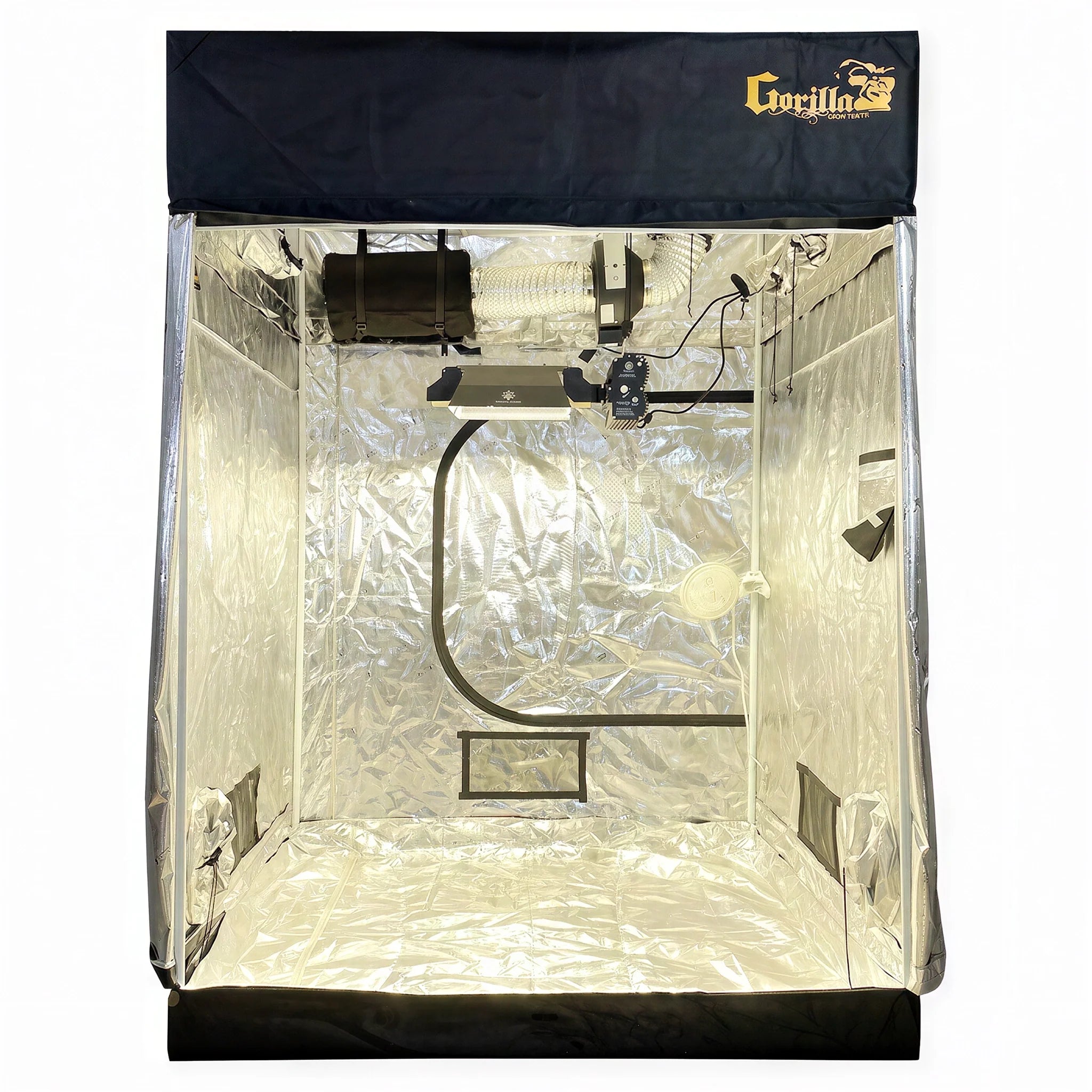
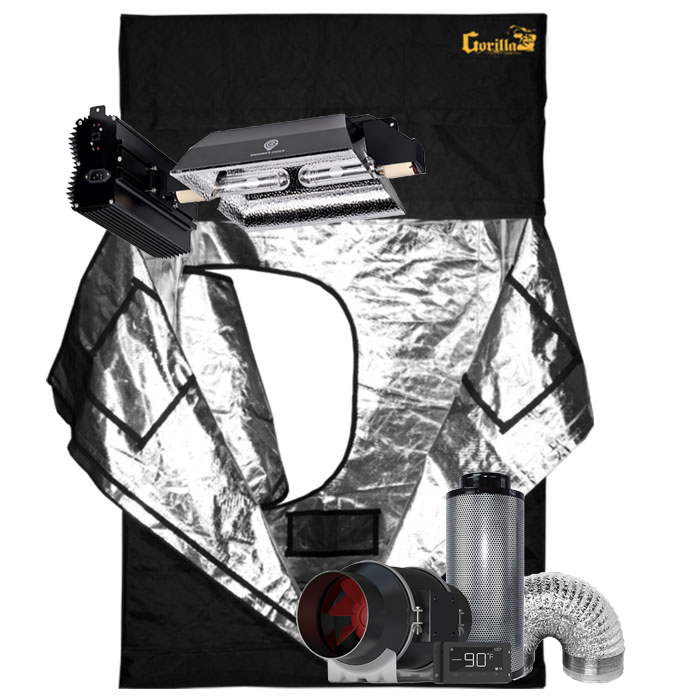
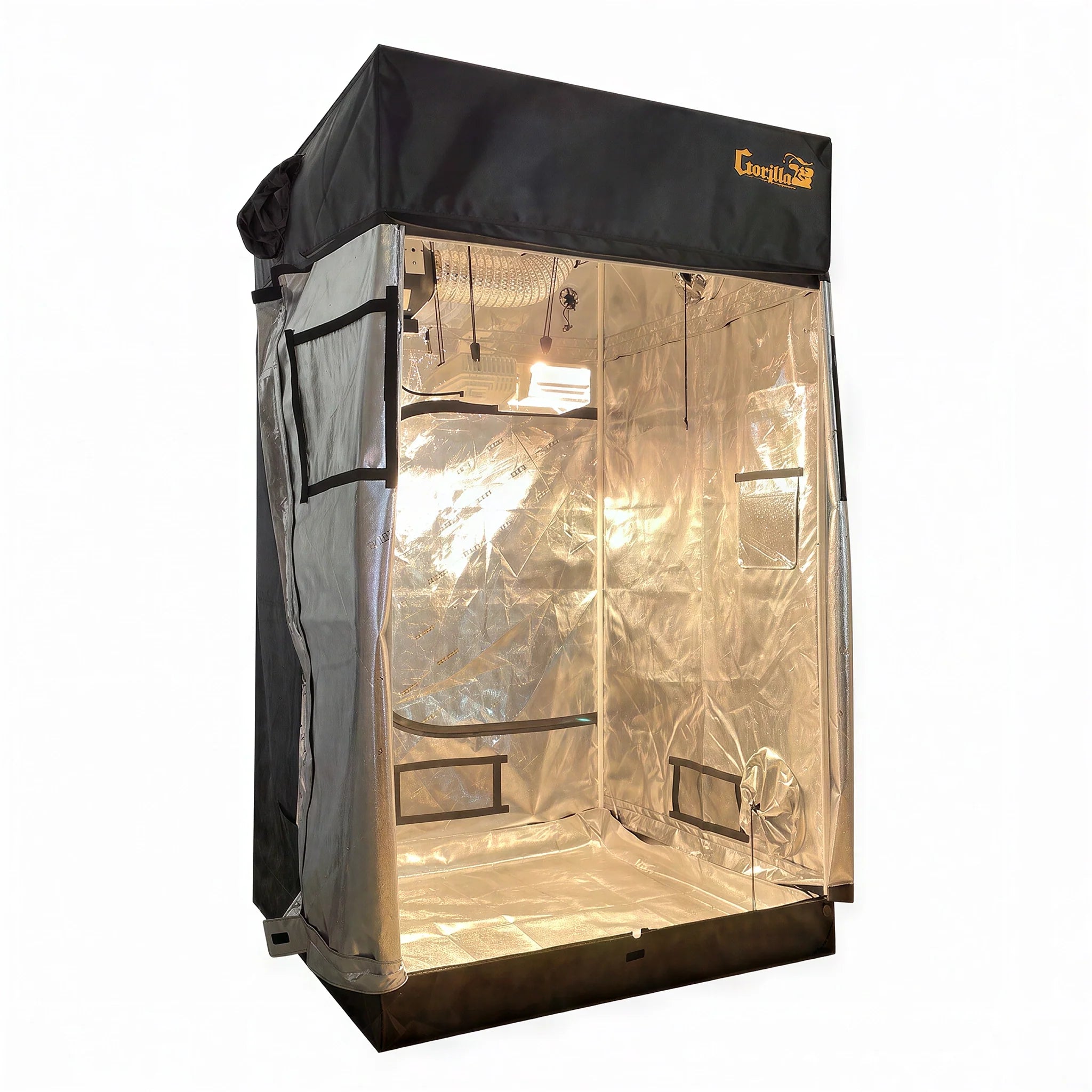
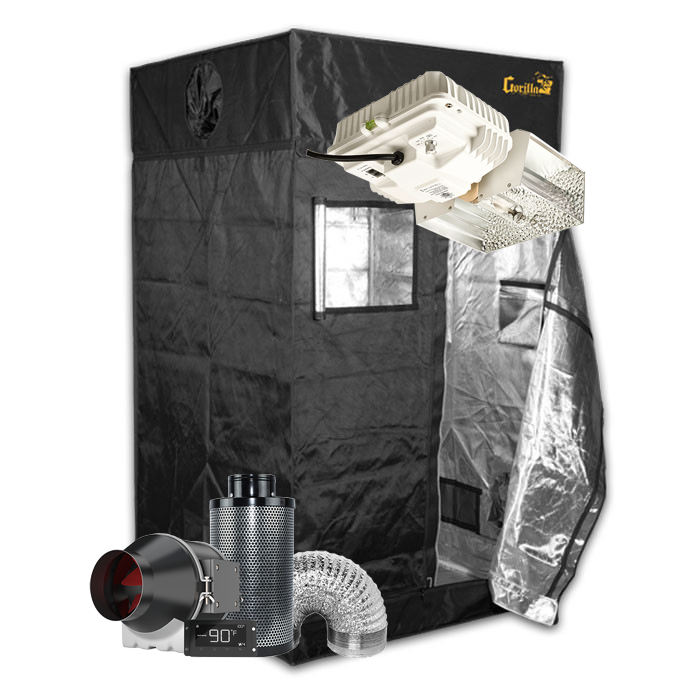
CMH (Ceramic Metal Halide) and LEC (Light Emitting Ceramic) grow tent kits bundle a grow tent with a complete CMH lighting system - CMH-specific ballast, reflector, and lamp - for a complete indoor growing setup that delivers the broad-spectrum, high-CRI light quality that CMH technology is valued for. CMH kits represent a middle ground between HPS and LED: better spectrum than HPS with natural UV and blue wavelengths that HPS lacks, at fixture costs below comparable-output LED systems, with somewhat lower efficiency than the best LED options but better than HPS.
CMH Spectrum Advantage
The CMH advantage over HPS is spectrum quality. CMH produces a broad, continuous spectrum with CRI ratings of 80-96 - resembling natural sunlight far more closely than HPS's narrow yellow-orange output. Plants under CMH typically exhibit more compact internodes, stronger immune responses, and better terpene and secondary metabolite production than under equivalent-output HPS, attributable to the UV and blue wavelengths present in CMH but absent in HPS. For growers who value light quality characteristics as much as peak photon output per watt, CMH kits offer a compelling HPS upgrade path without the full cost of premium LED systems. Browse all CMH grow lights and grow tents.
Standard CMH Kit Configurations
The most common CMH grow tent kit: 3x3 or 4x4 ft tent with a 315W CMH ballast, 315W CMH lamp, and CMH-specific reflector. 630W DE (double-ended) CMH kits suit 5x5 ft tents. Expert support available. Fast shipping.
CMH Grow Tent Kits FAQ
Why choose CMH over HPS or LED?
CMH is the right choice when spectrum quality matters as much as efficiency and cost. CMH produces a broader, more complete spectrum than HPS including UV and blue wavelengths that HPS lacks entirely - resulting in better terpene development, more compact vegetative growth, and stronger plant immune responses for the same or lower power consumption. Compared to LED, CMH typically costs less upfront per watt of output and delivers a proven, respected spectrum. It uses somewhat more electricity than the best LED options but less than HPS. CMH is the preferred choice for spectrum-conscious growers who want an HPS upgrade without LED-tier fixture investment.
What size CMH kit should I use for a 4x4 tent?
A 315W CMH kit is appropriate for a 3x3 to 4x4 ft tent. At 315W, quality CMH fixtures deliver 600-800 umol/m2/s at canopy level across a 4x4 footprint - adequate for productive flowering but slightly below peak intensity. For maximum 4x4 production intensity: a 630W DE CMH kit (two 315W lamps in a DE reflector) provides higher output for the full 4x4 canopy. 630W DE CMH is also the correct configuration for 5x5 tents.
Does CMH need a special ballast?
Yes - CMH lamps require CMH-specific ballasts. CMH ballasts operate the lamp on a different waveform and at different current characteristics than HPS or standard MH ballasts. A CMH lamp connected to an HPS ballast will not ignite correctly and risks damaging both the lamp and the ballast. Complete CMH kits include the matched CMH ballast, ensuring compatibility. When purchasing CMH components separately, verify the ballast is explicitly rated for CMH/LEC lamps, not just standard MH.
How does CMH heat output compare to HPS?
CMH lamps run slightly cooler than equivalent-wattage HPS fixtures - the more efficient photon production in CMH means somewhat less wasted heat per watt consumed. A 315W CMH system generates less heat than a 400W HPS system with comparable PPFD output. Heat management in a 3x3 to 4x4 tent with a 315W CMH is typically more manageable than with a 600W HPS, making CMH a good choice for growers who have had temperature management challenges with HPS. However, CMH still generates significant heat compared to LED and requires adequate ventilation.
Can I use a CMH kit for both vegetative and flowering stages?
Yes - unlike HPS which requires a separate MH bulb for the vegetative stage, a single CMH lamp provides good spectrum for both vegetative and flowering growth. The broad CMH spectrum includes adequate blue wavelength for compact vegetative development and adequate red for flowering response, without requiring a bulb swap at the photoperiod change. This is a practical convenience advantage of CMH over HPS: one lamp type for the full production cycle.