Irrigation Timers & Automated Watering Controllers
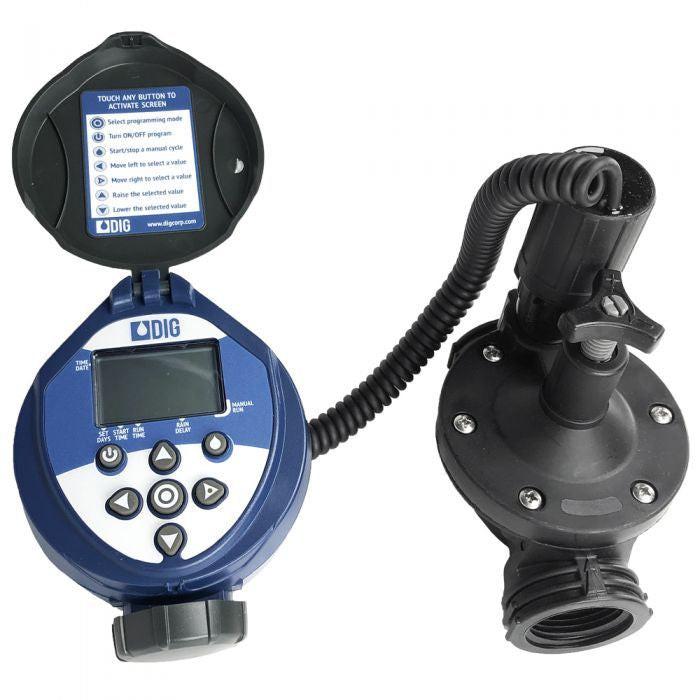
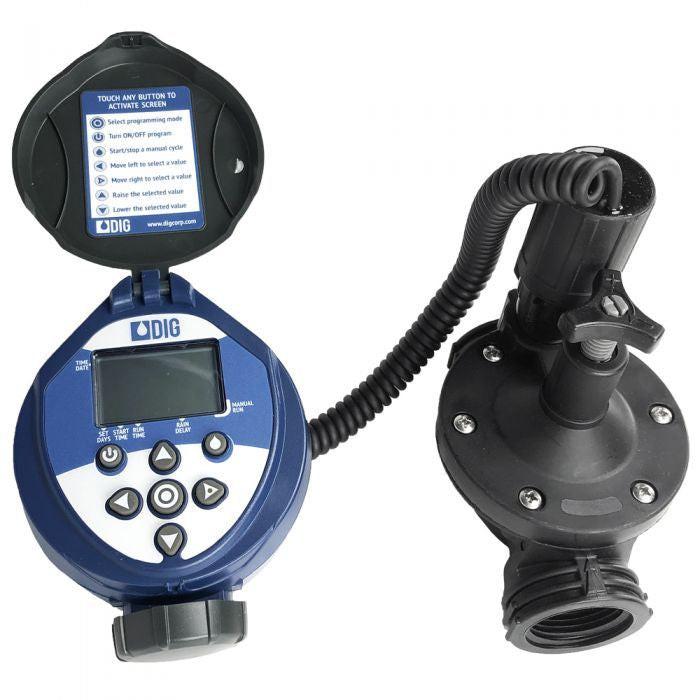
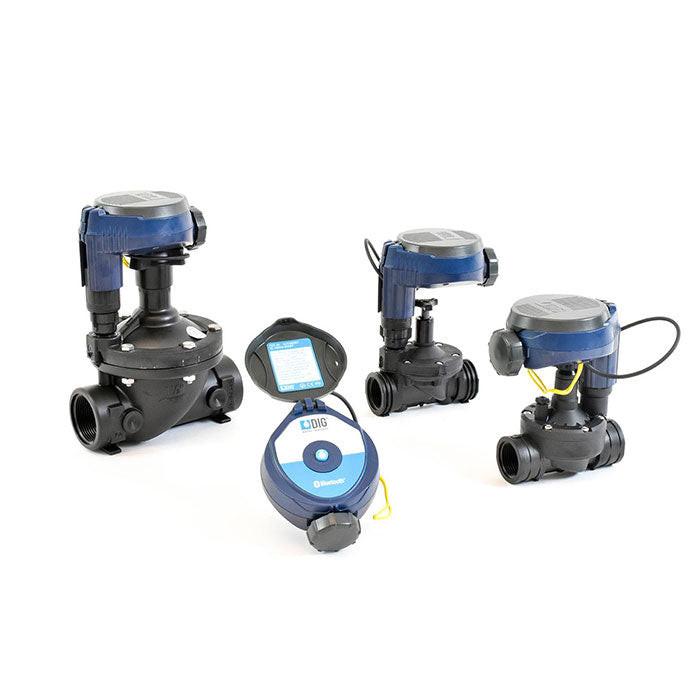
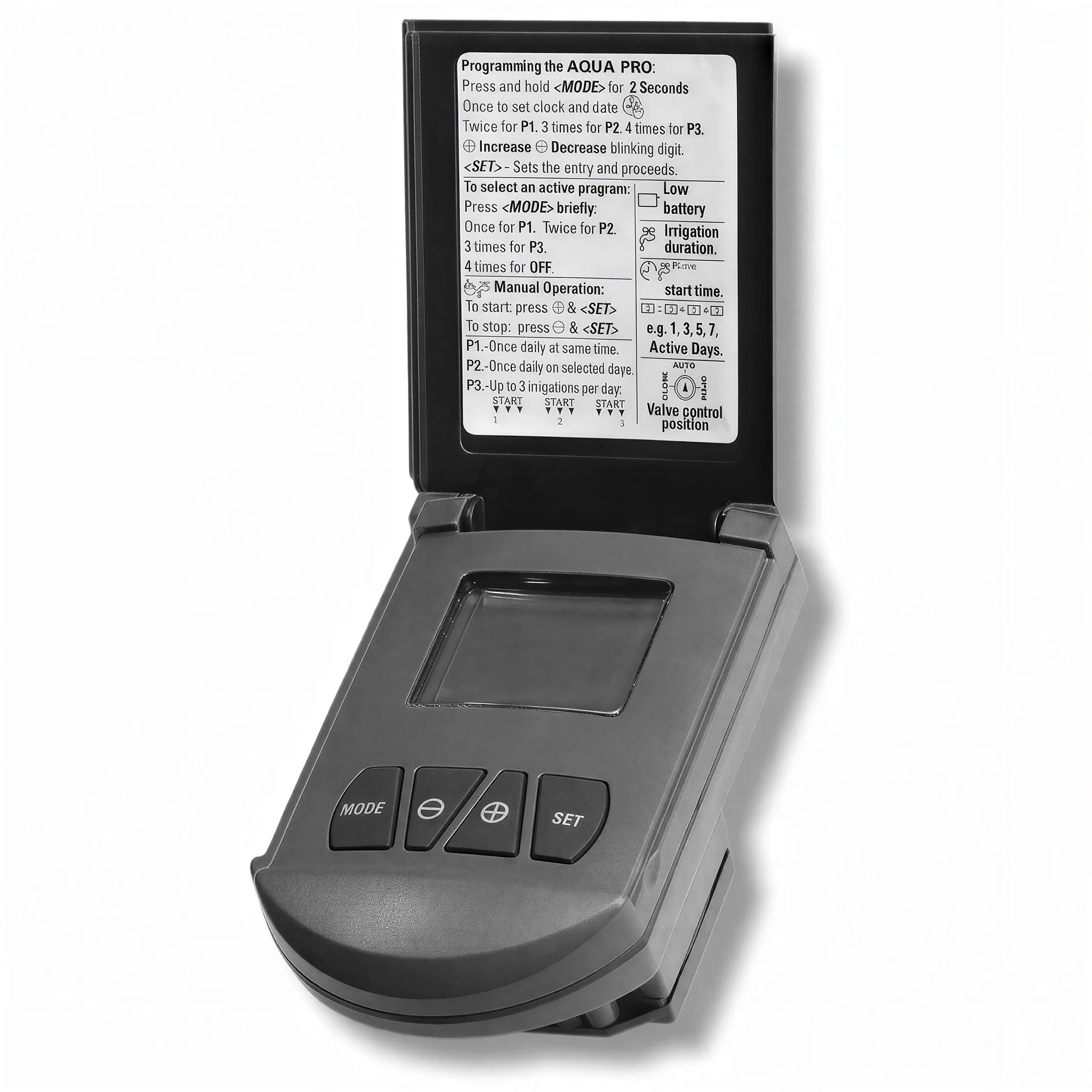
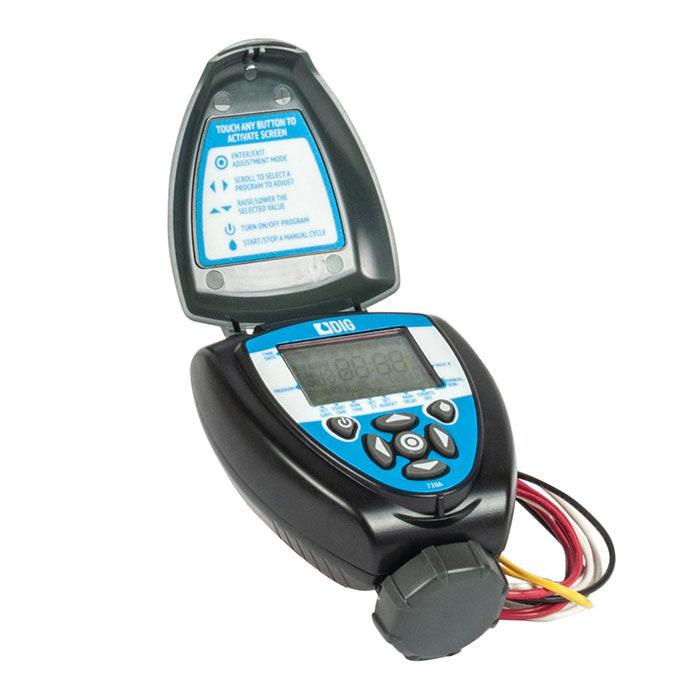
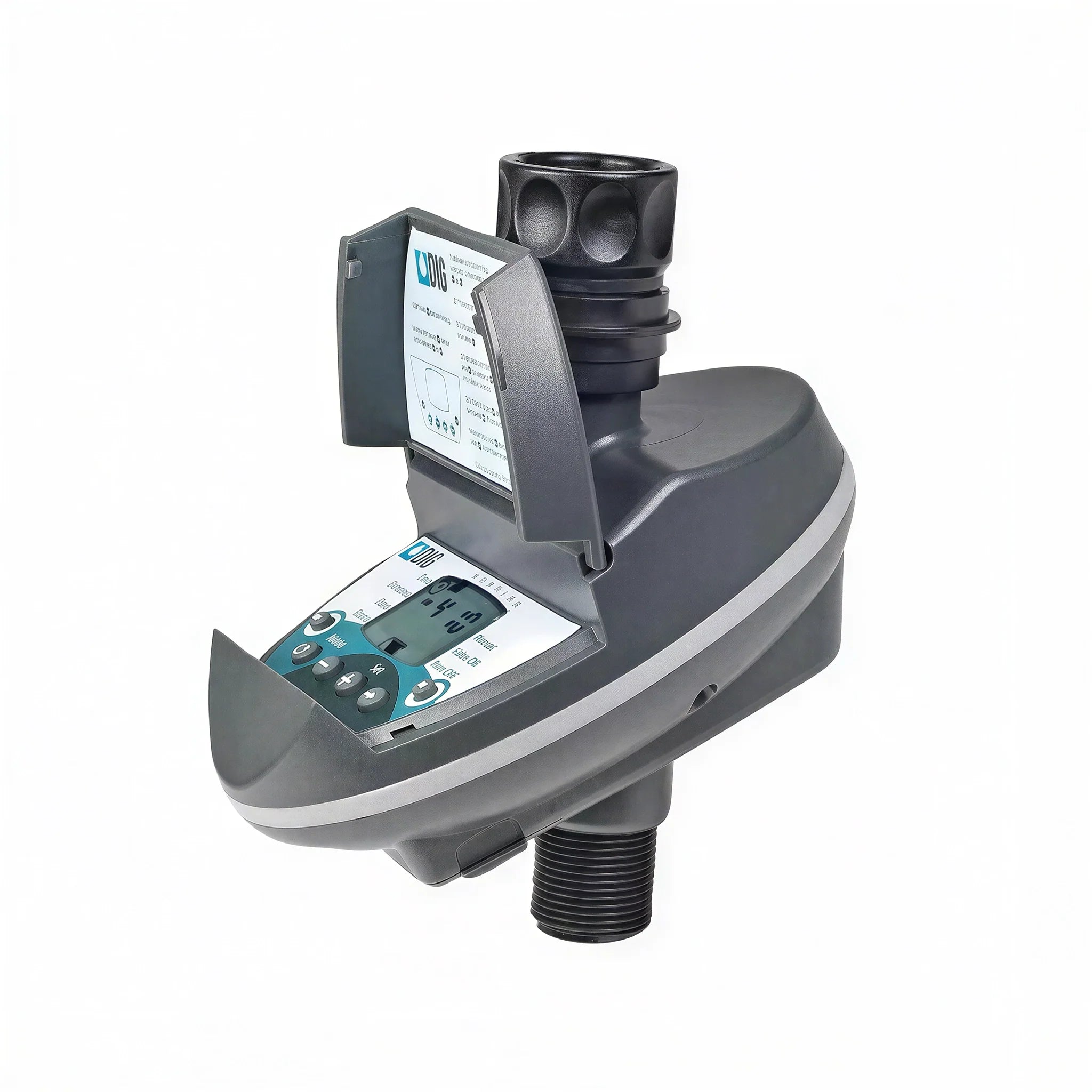
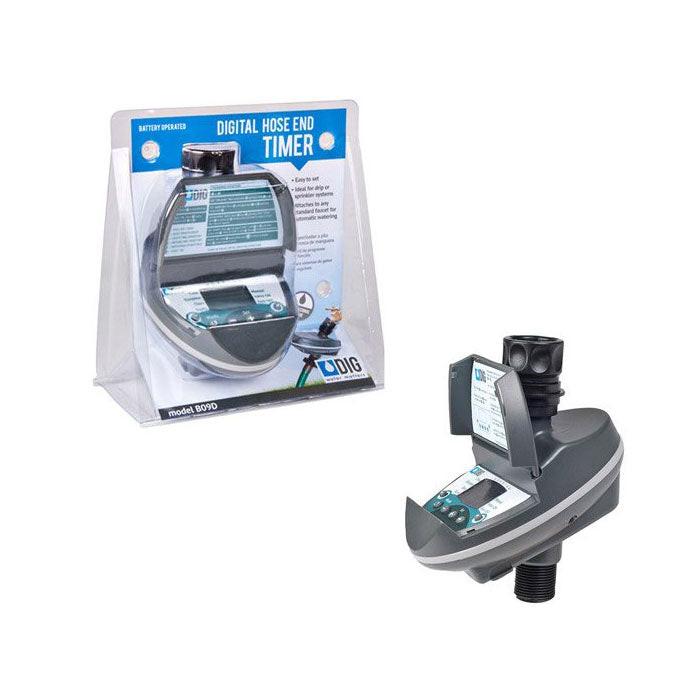
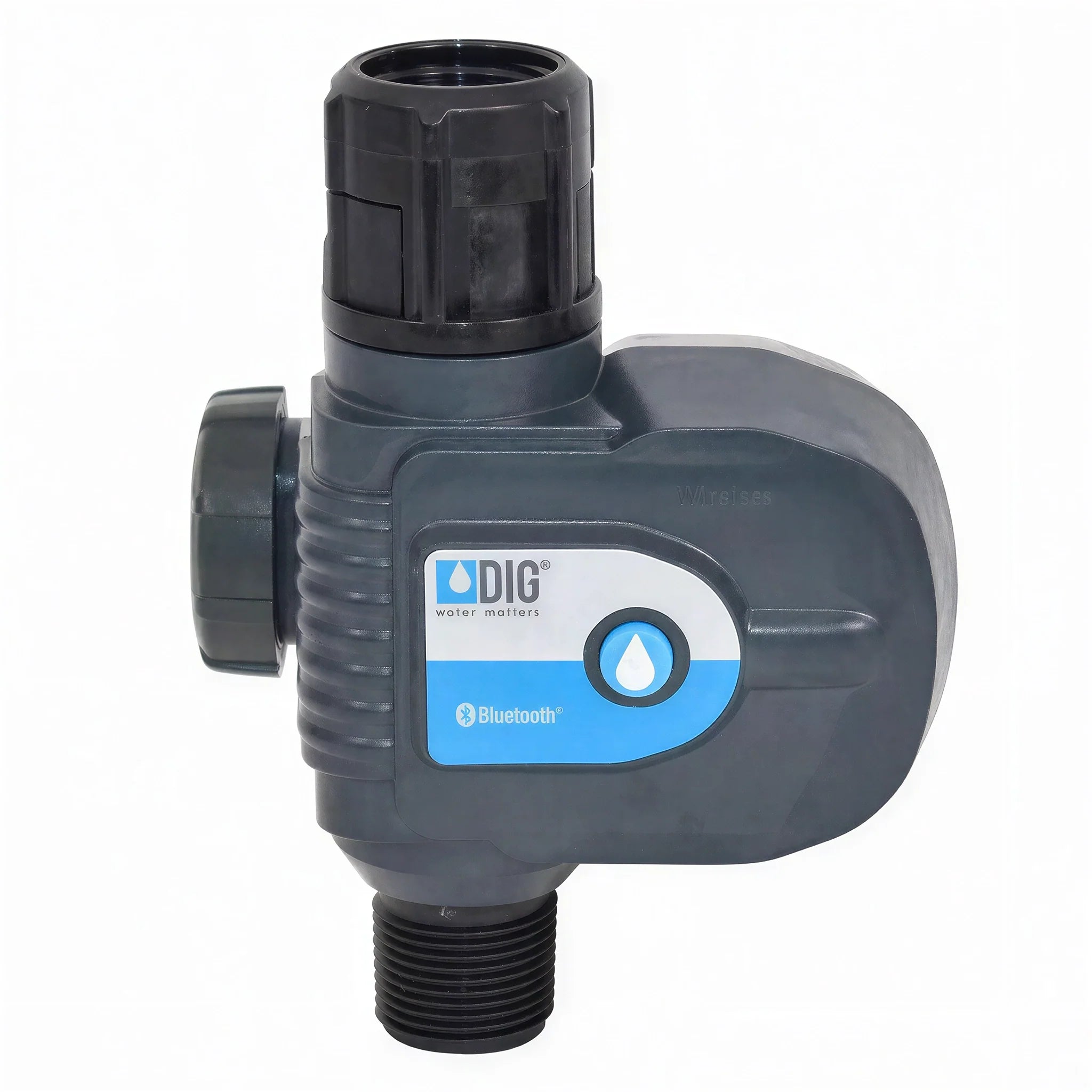
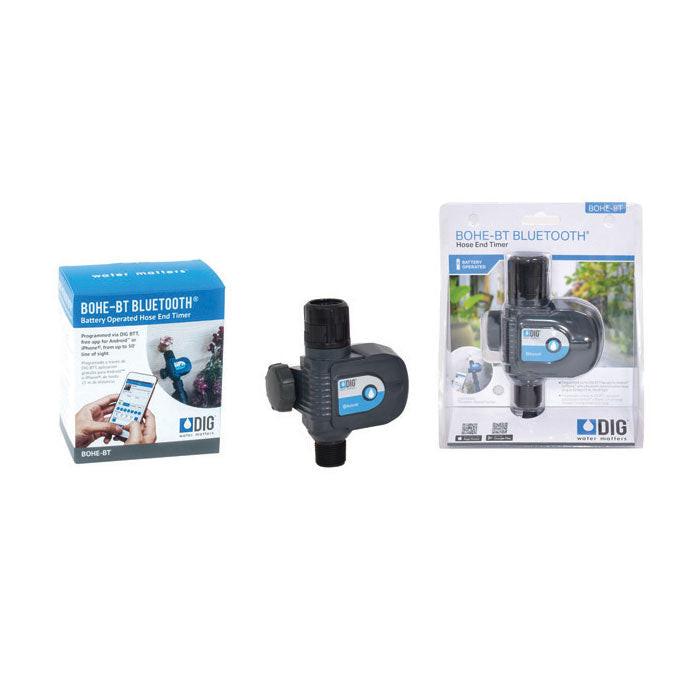
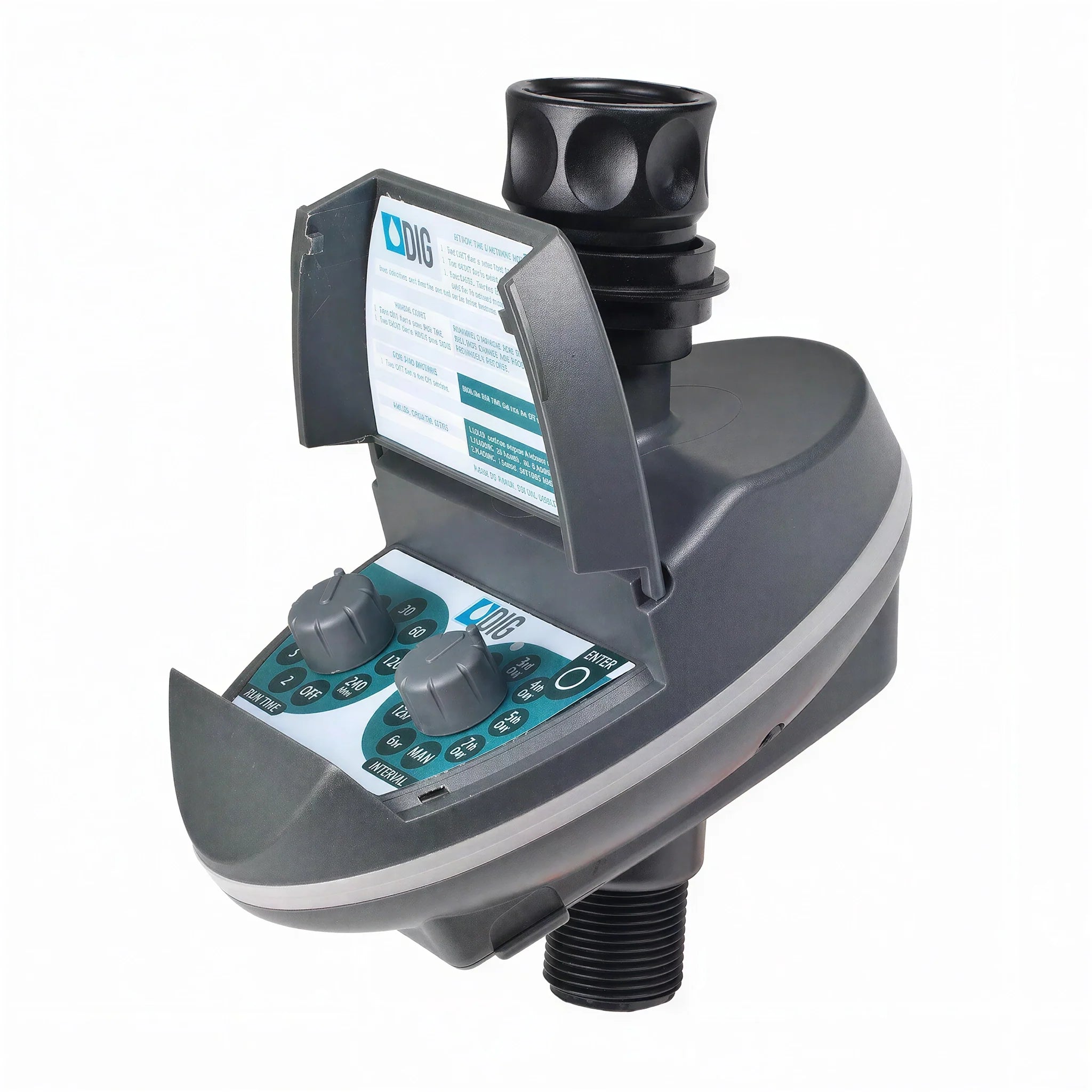
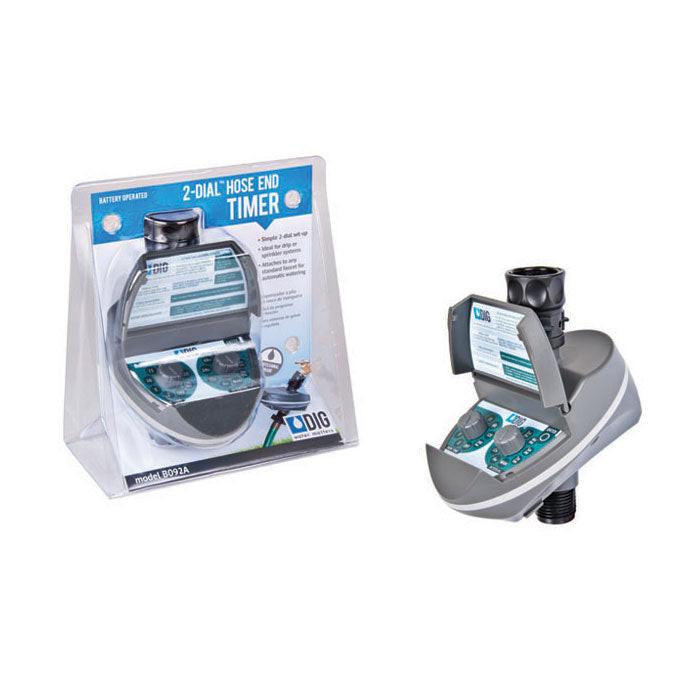
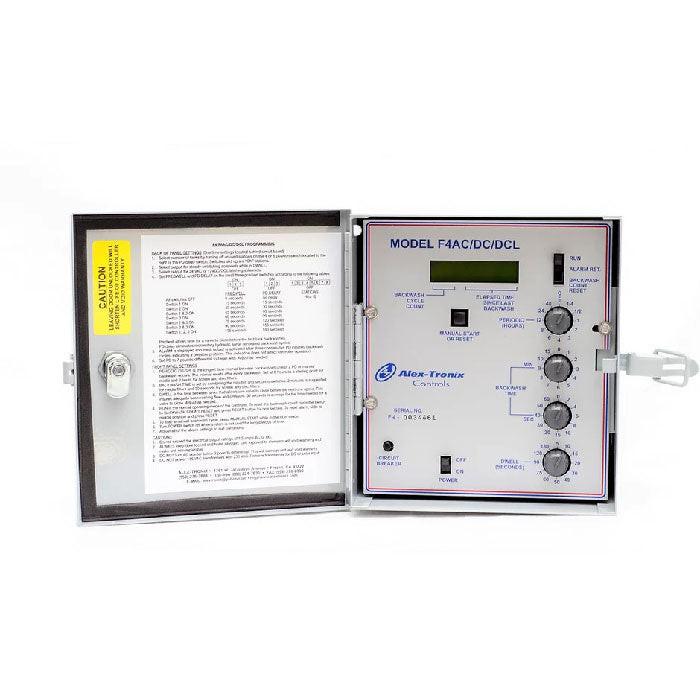
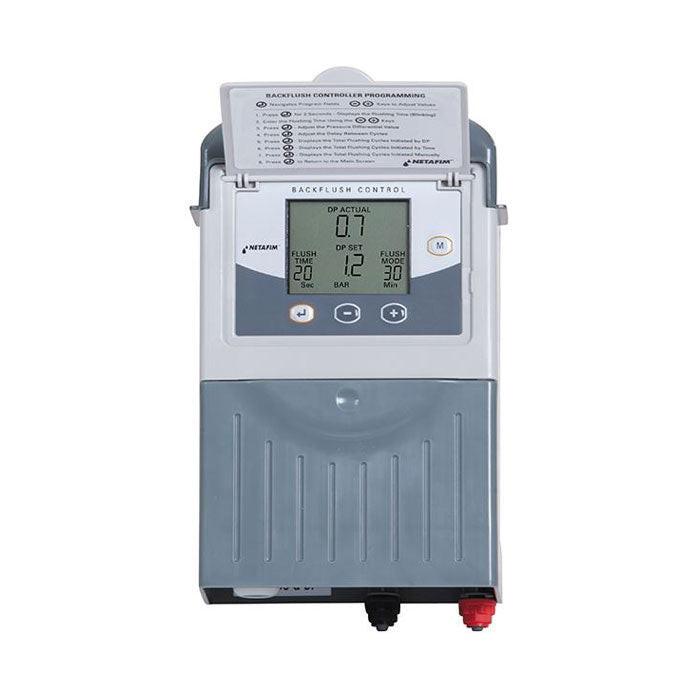
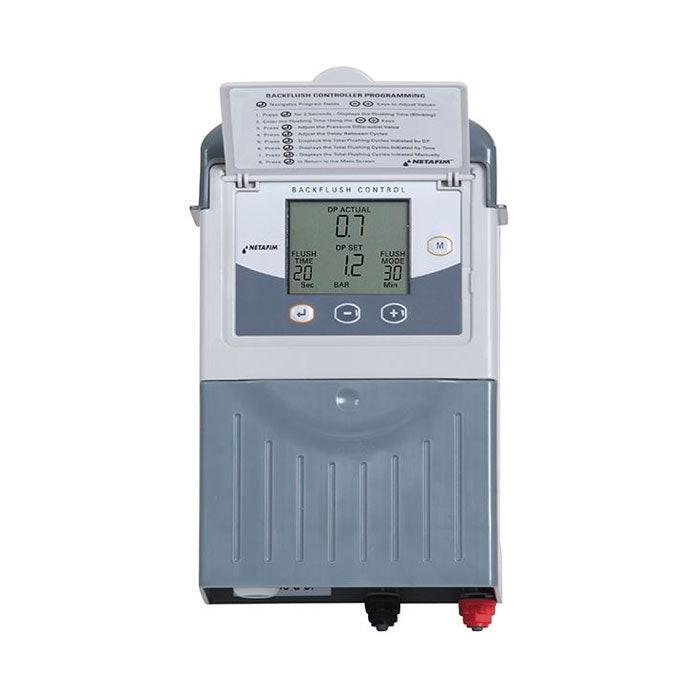
Irrigation timers and controllers automate watering cycles, eliminating manual scheduling and ensuring plants receive consistent irrigation regardless of the operator's schedule. The timer and controller products in this collection range from simple mechanical outlet timers that switch a pump or valve on and off on a set schedule, through digital programmable timers with multiple on/off cycles per day, to multi-zone irrigation controllers that manage separate watering zones independently. DIG, Netafim, TrolMaster, and Autopilot are the primary brands covering irrigation timer and control applications at Hydrobuilder.
Simple Timers vs. Intelligent Controllers
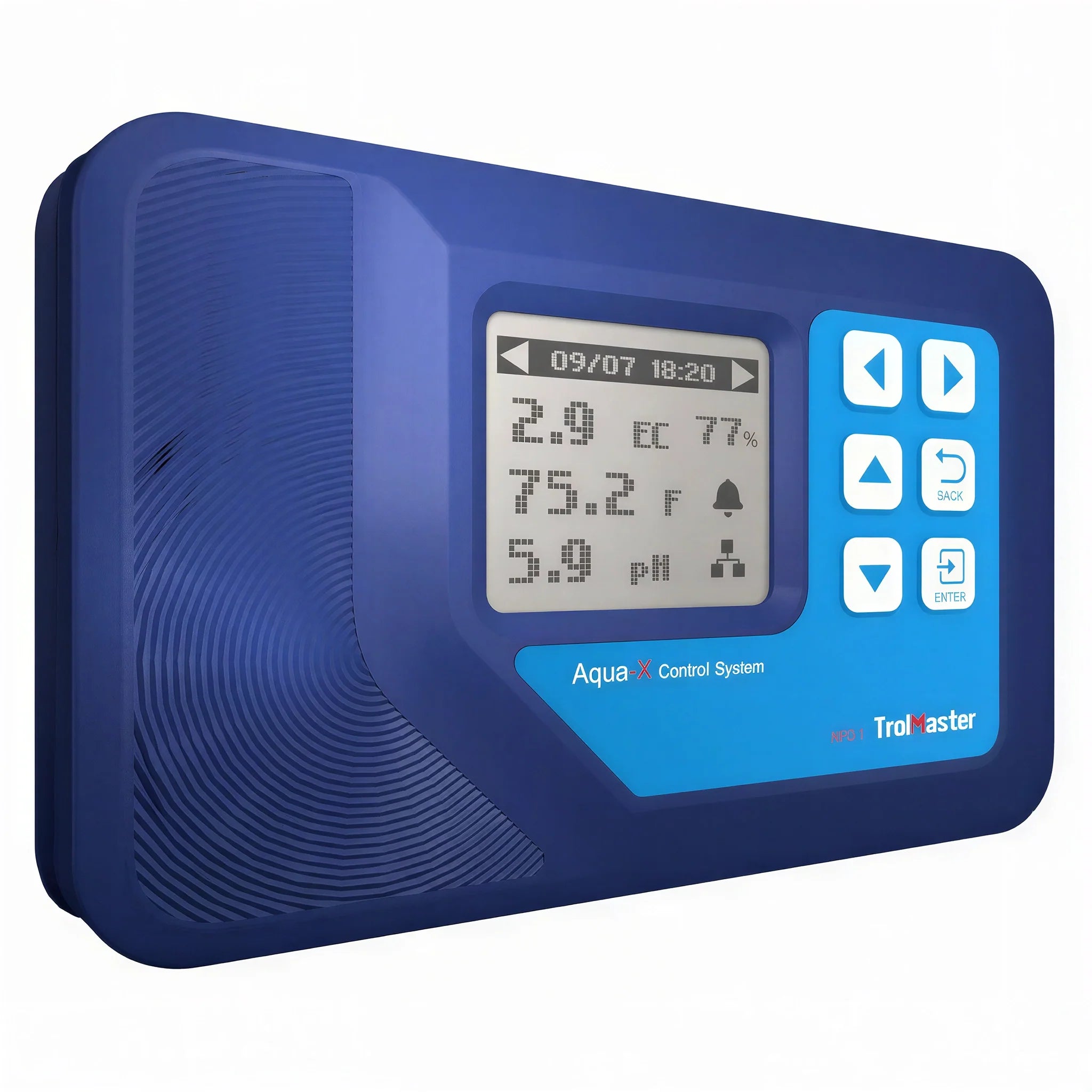
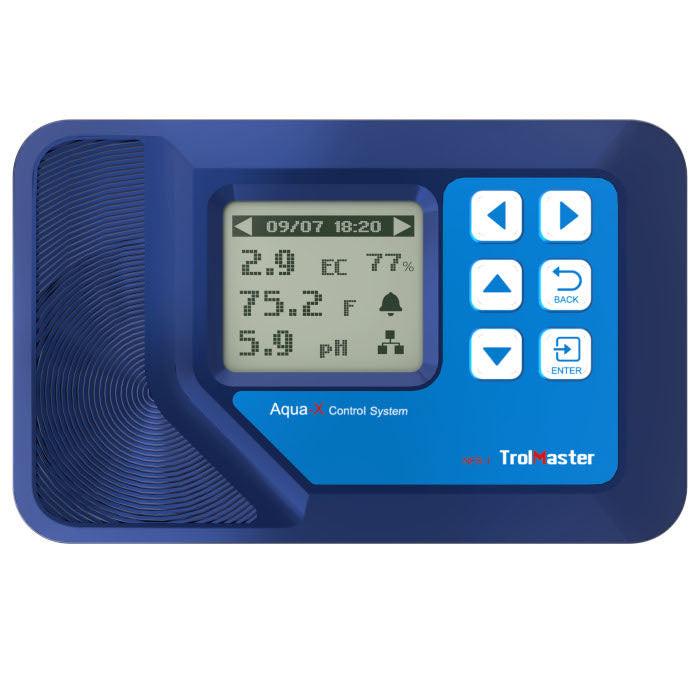
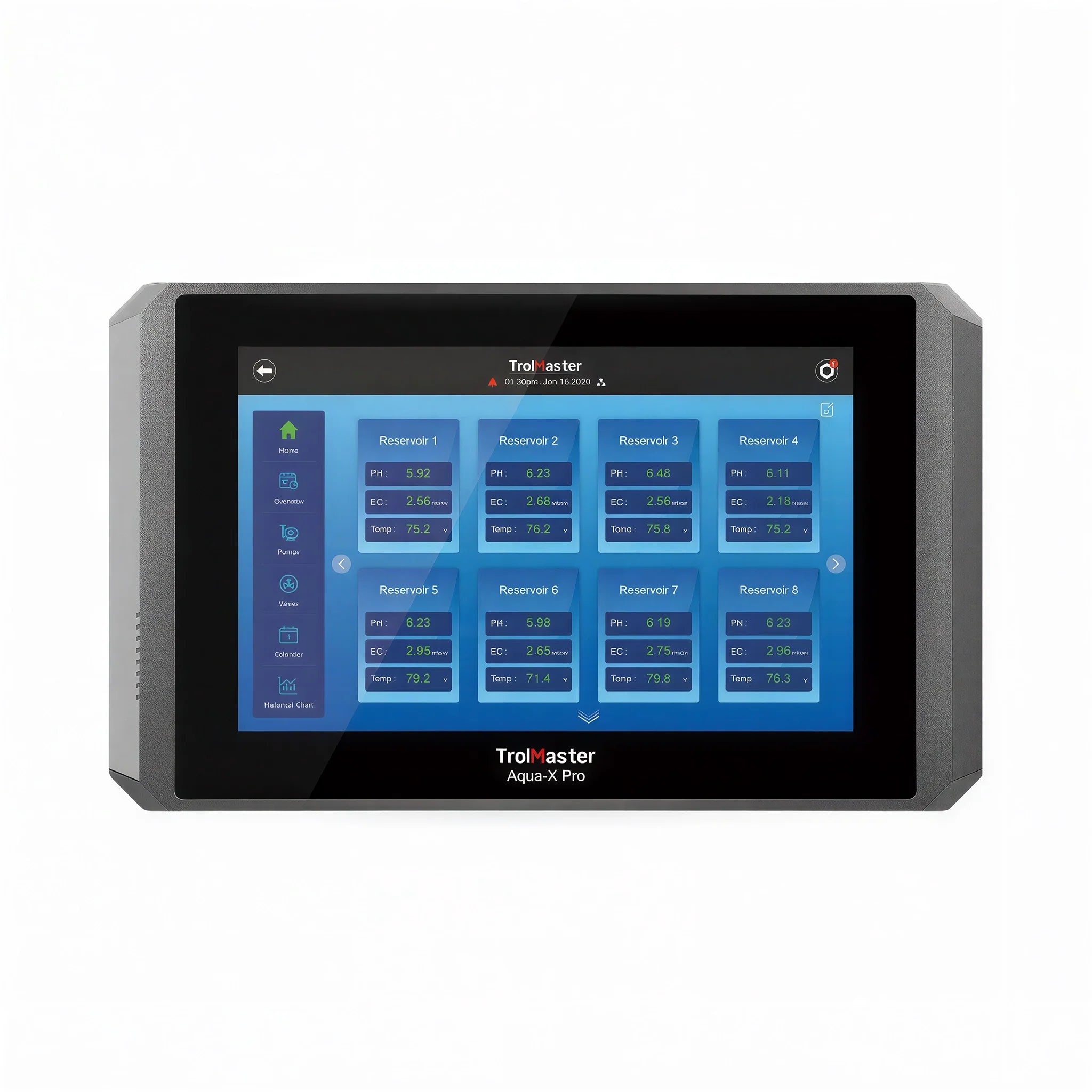
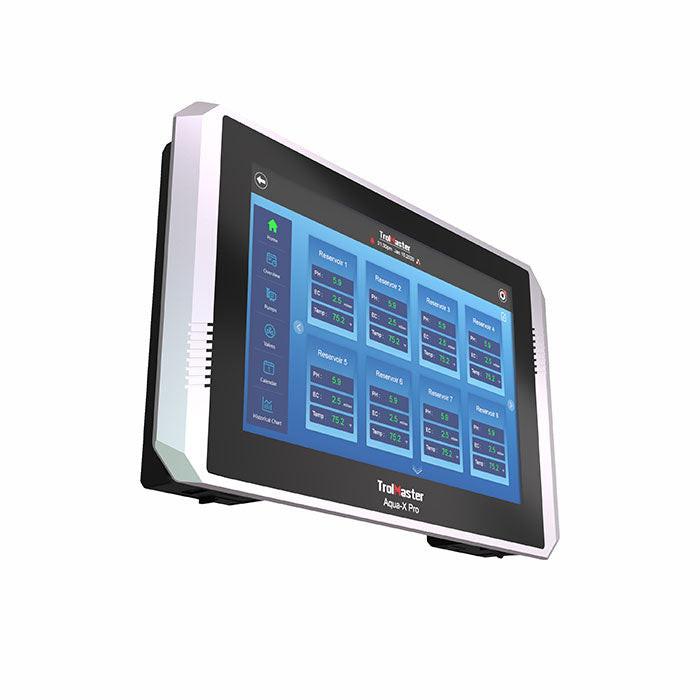
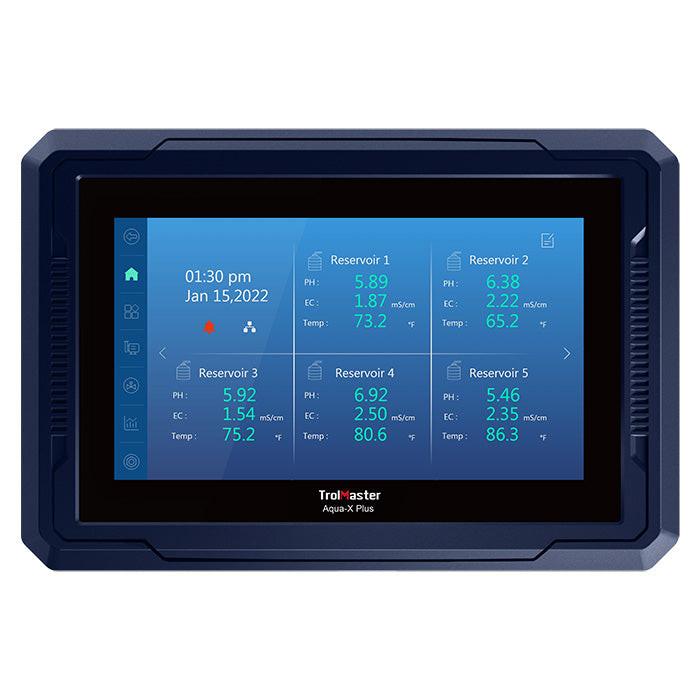
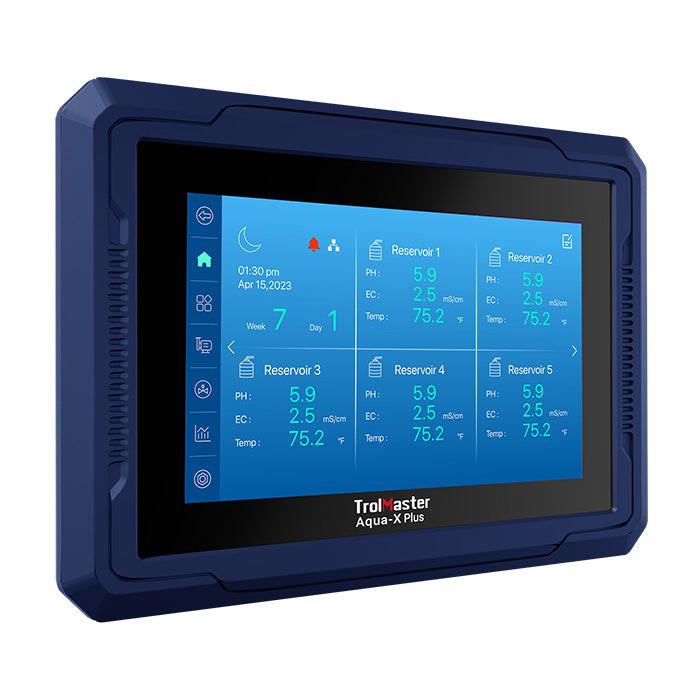
Analog plug-in timers (Autopilot 15A 24-hour grounded timer) set a fixed daily on/off schedule -- the simplest and most reliable approach for single-pump drip or ebb-and-flow systems where one cycle per day or one cycle on a fixed interval is adequate. Digital programmable timers allow multiple independent on/off cycles per day and are appropriate for high-frequency drip programs where multiple short watering events per day need to be scheduled. TrolMaster Aqua-X and Hydro-X systems take the next step -- sensor-based controllers that trigger irrigation based on measured substrate moisture (VWC) rather than clock time, enabling the precision dry-back management used in commercial coco and rockwool programs.
Multi-Zone Irrigation Control
For facilities with multiple growing zones requiring independent irrigation schedules, multi-zone controllers manage each zone's timing from a single unit. OpenSprinkler provides smart, app-connected multi-zone control for commercial greenhouse irrigation networks. Browse TrolMaster Aqua-X controllers for sensor-based irrigation, or see all irrigation supplies. Use our Pump & Flow Rate Calculator. Expert support available.
Irrigation Timers & Controllers FAQ
What type of irrigation timer do I need for a drip system?
For a simple drip system with a single pump and one or two grow zones, a digital outlet timer with multiple programmable on/off cycles per day is the practical choice. Look for a timer rated for at least 15A with a grounded outlet, and verify it supports the number of daily watering events your program requires -- some simple timers only support one or two cycles per day, while digital models can manage 8-16 events. For advanced programs using multiple short daily irrigations in coco or rockwool, a TrolMaster Aqua-X substrate sensor controller eliminates the guesswork of timer-based scheduling by triggering irrigations based on measured substrate moisture rather than fixed clock times.
How many watering cycles per day does a coco coir system need?
Coco coir production programs for fast-growing crops typically run 6-15 watering events per day during peak vegetative and early flowering growth, with shorter and less frequent irrigations during lights-off periods. The exact number depends on plant size, transpiration rate, and target VWC. A general starting guideline is to irrigate when substrate VWC drops to 55-60% (measured with a substrate sensor) and target a shot size that raises VWC by 5-10 percentage points per event. For operations without substrate sensors, a timer-based approach targets one irrigation every 1-3 hours during lights-on, adjusting frequency based on observed runoff percentage (target 10-20% runoff per event indicates adequate but not excessive irrigation volume).
Can I control irrigation from a phone or app?
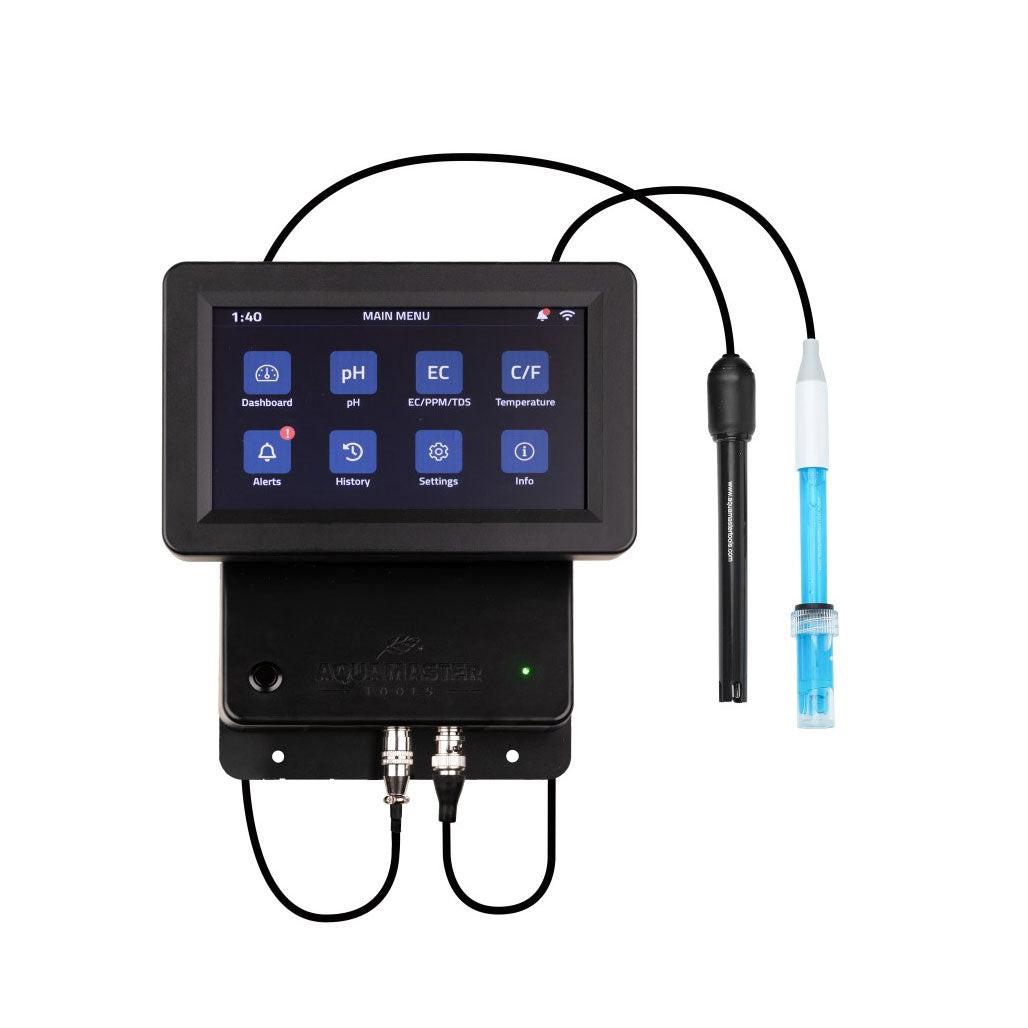
Yes, through smart irrigation controller platforms. TrolMaster Aqua-X and Hydro-X systems have full app connectivity -- real-time monitoring, schedule adjustment, and alert management from the TrolMaster app. OpenSprinkler provides app-controlled multi-zone irrigation scheduling with weather-based adjustment for outdoor and greenhouse applications. For simple setups, smart plug outlets with app-based scheduling (available from various manufacturers) provide basic remote timer control for single-pump systems without a dedicated irrigation controller platform.