Insect Traps & Sticky Traps for Grow Rooms
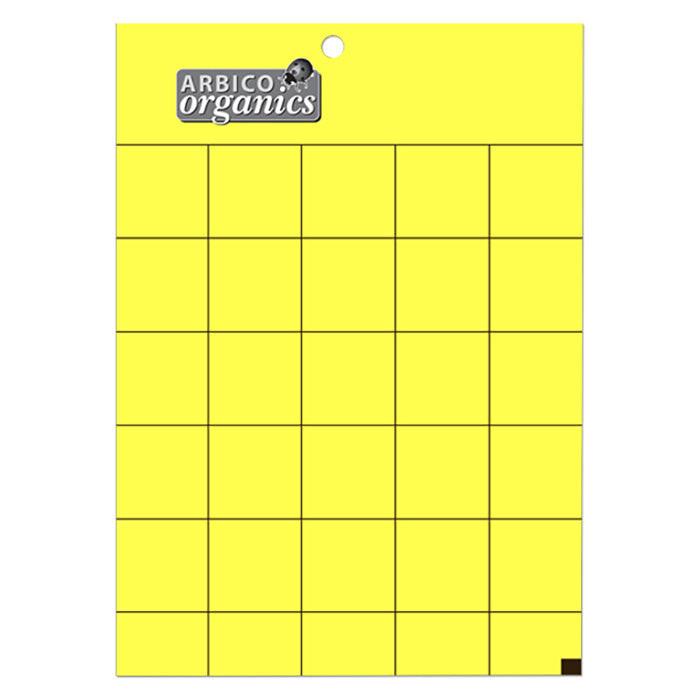
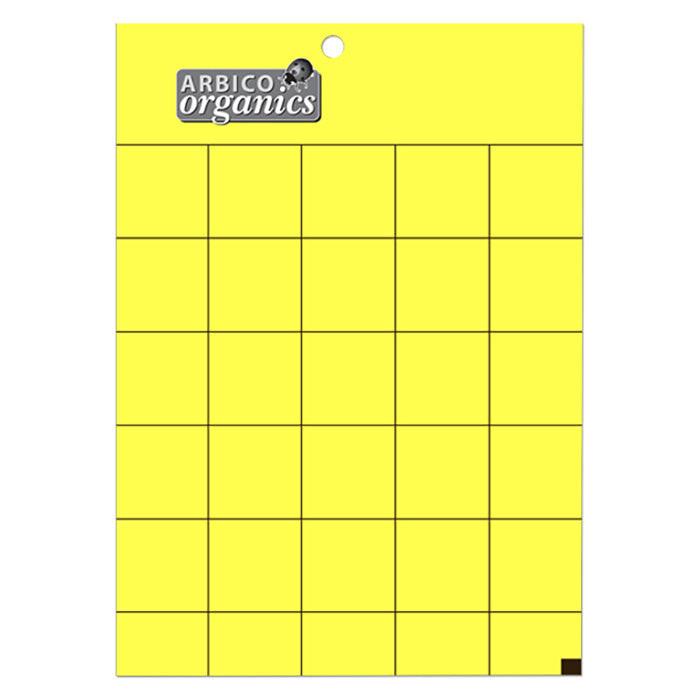
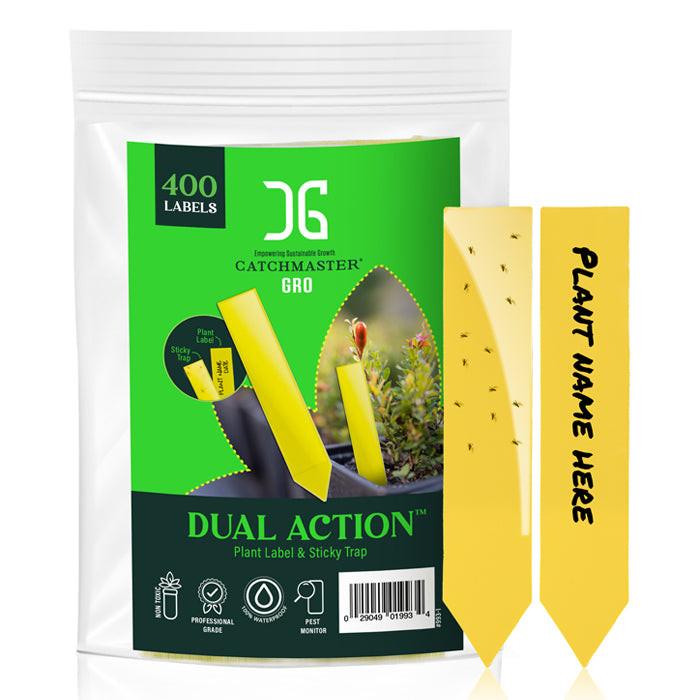
Insect traps serve two critical functions in an integrated pest management program: monitoring and mass capture. Monitoring traps detect pest species presence and population trends before infestations are visible on plants -- a single yellow sticky card showing 5-10 fungus gnats or whiteflies per week signals an emerging population that can be addressed proactively, rather than discovering a full infestation when plant damage becomes visible. Mass capture traps suppress low-to-moderate pest populations through continuous removal of flying adults, reducing the reproductive rate and egg-laying activity that drives population growth.
Trap Types by Target Pest
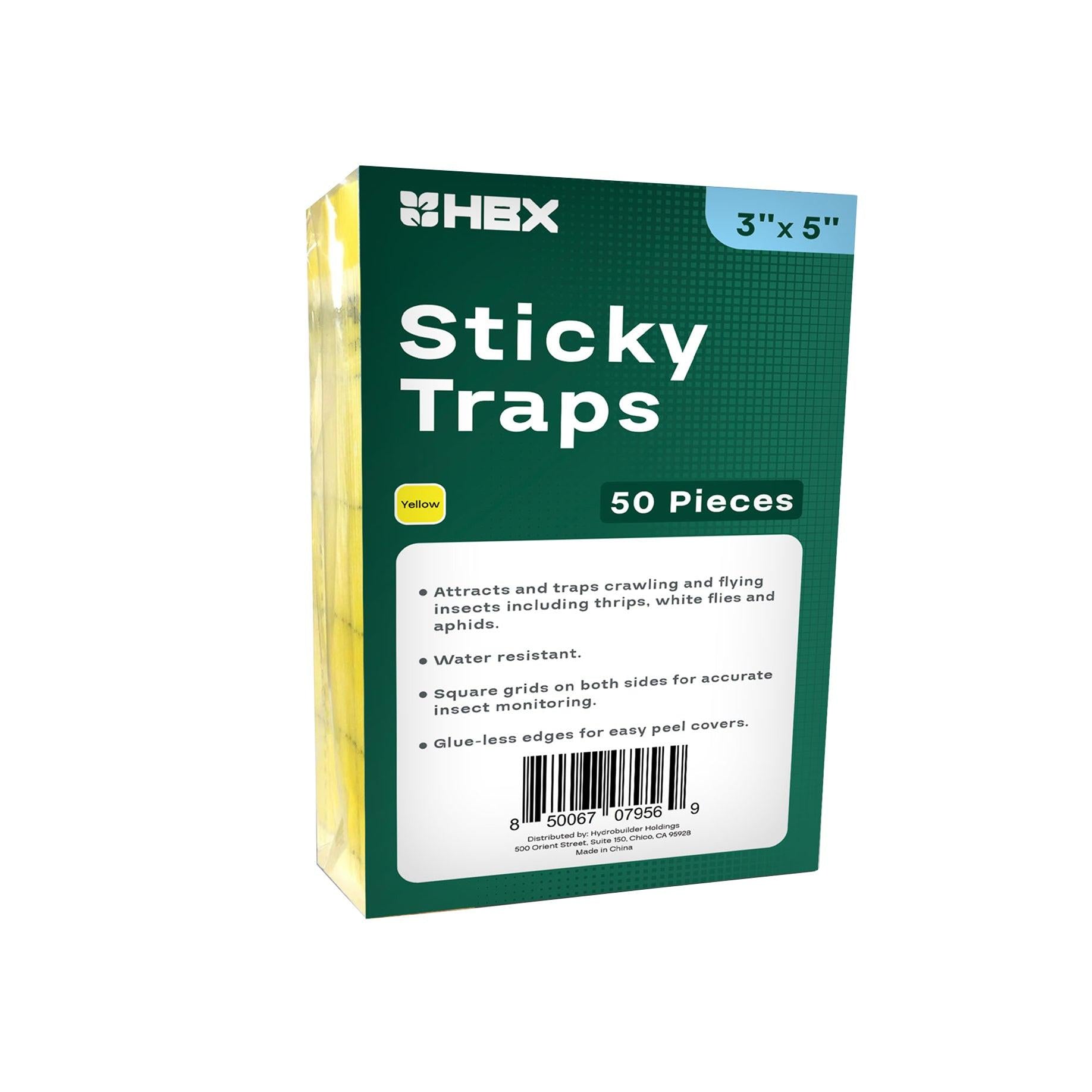
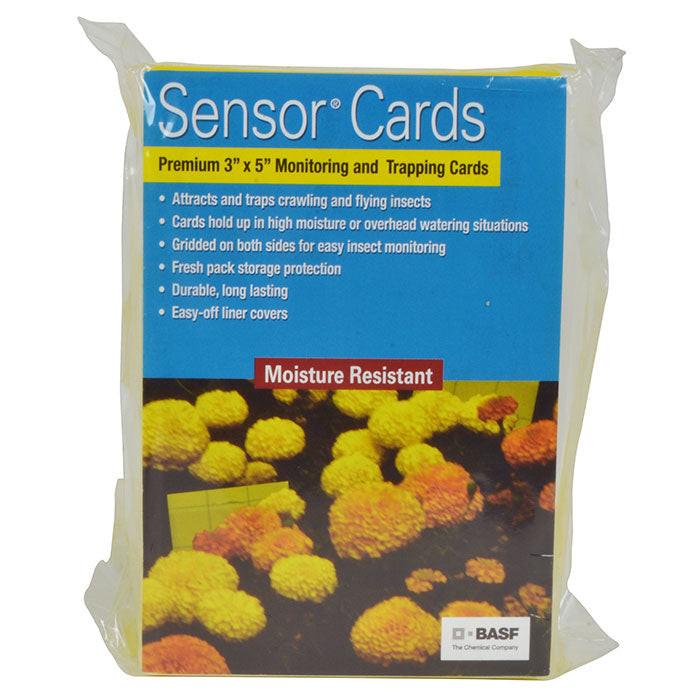
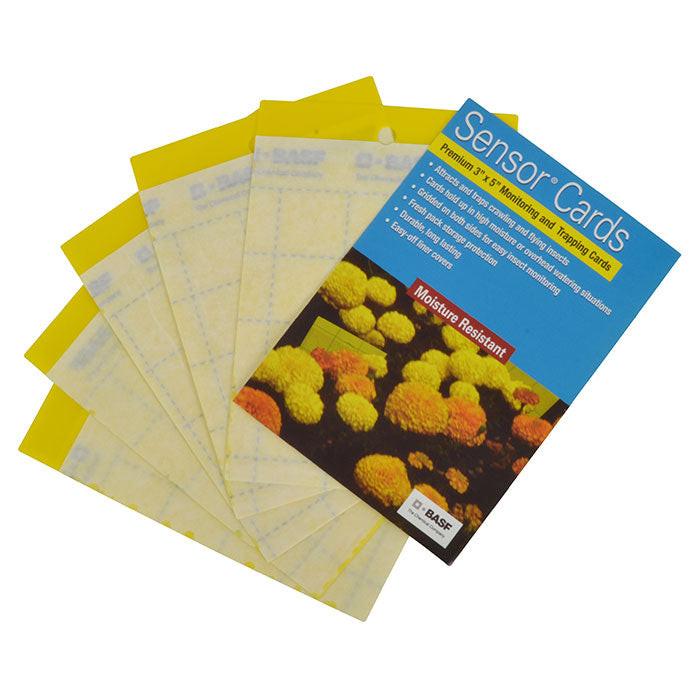
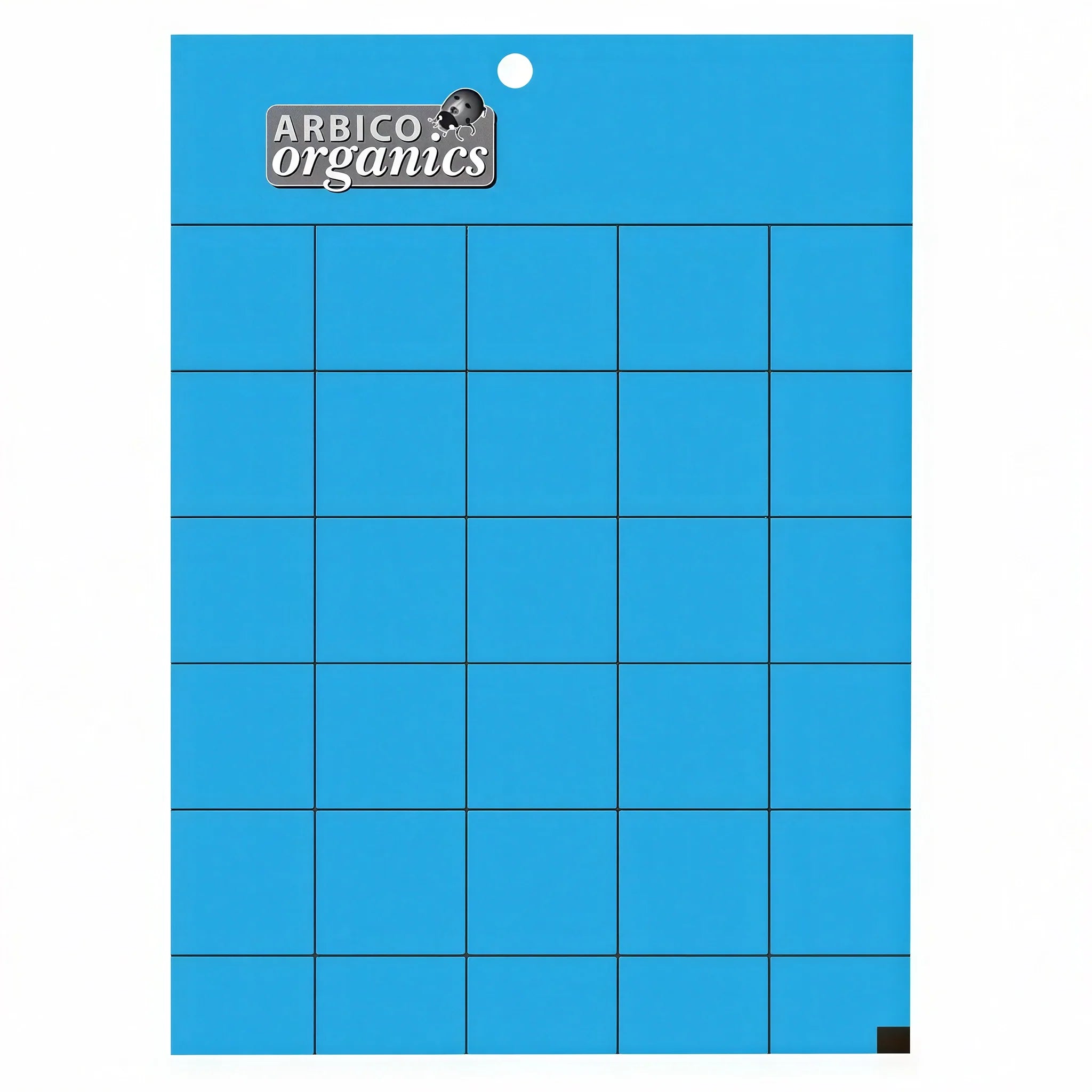
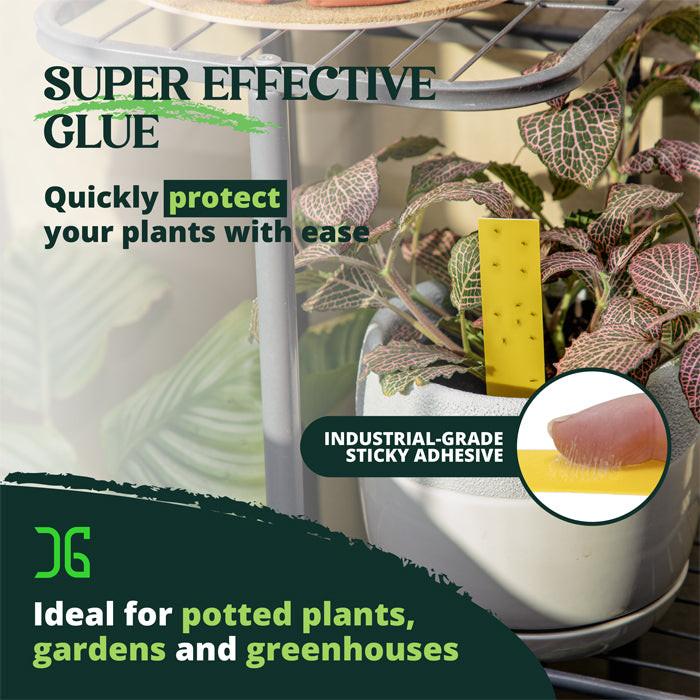
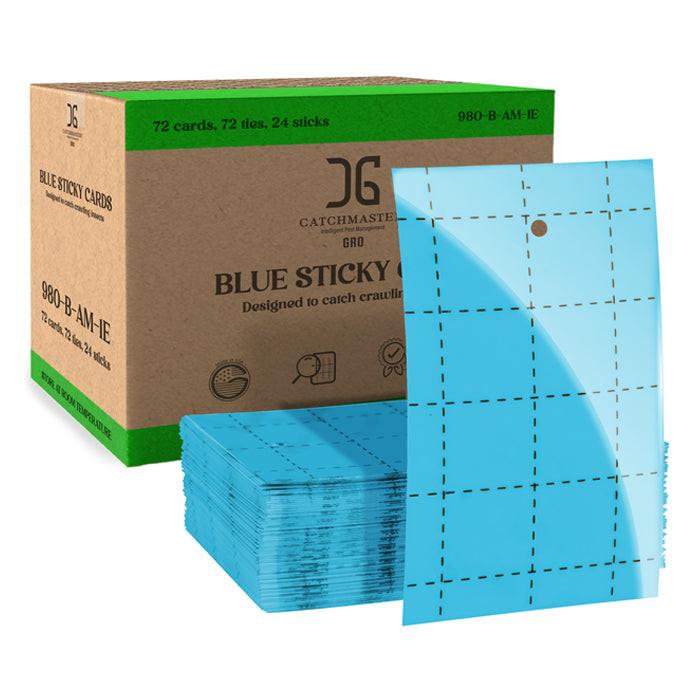
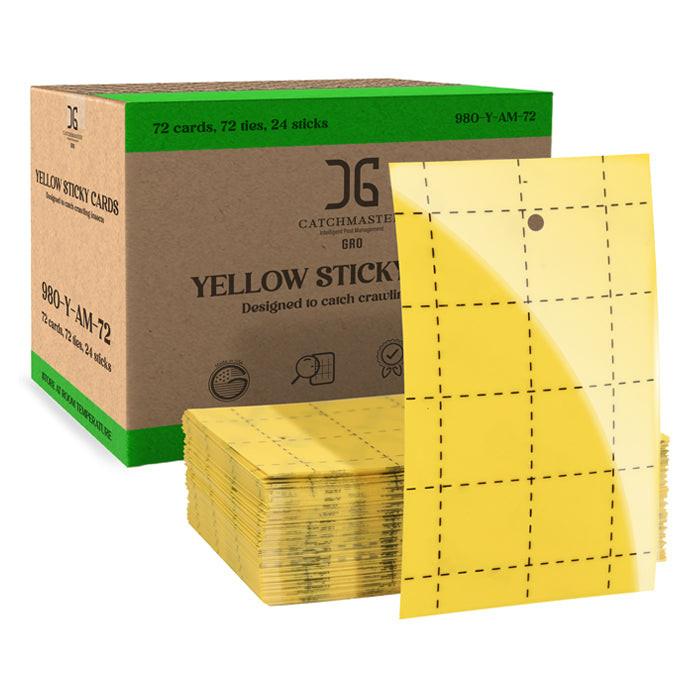
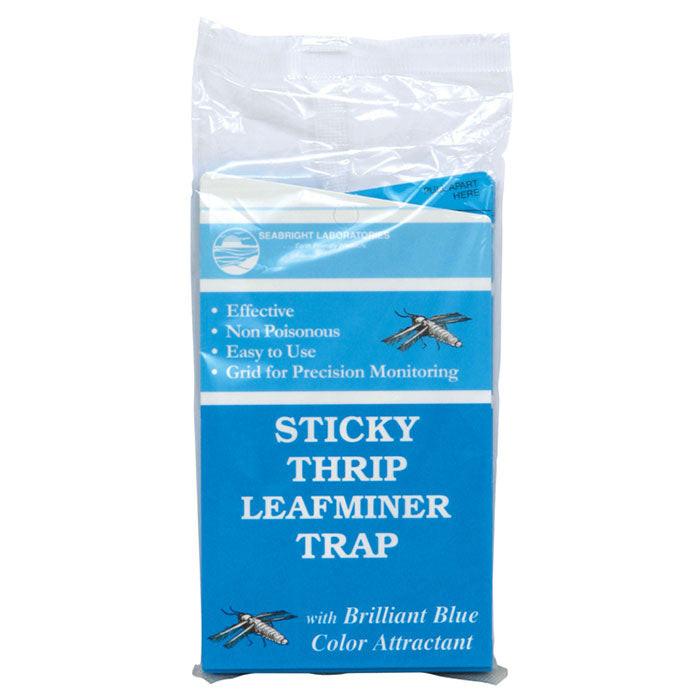
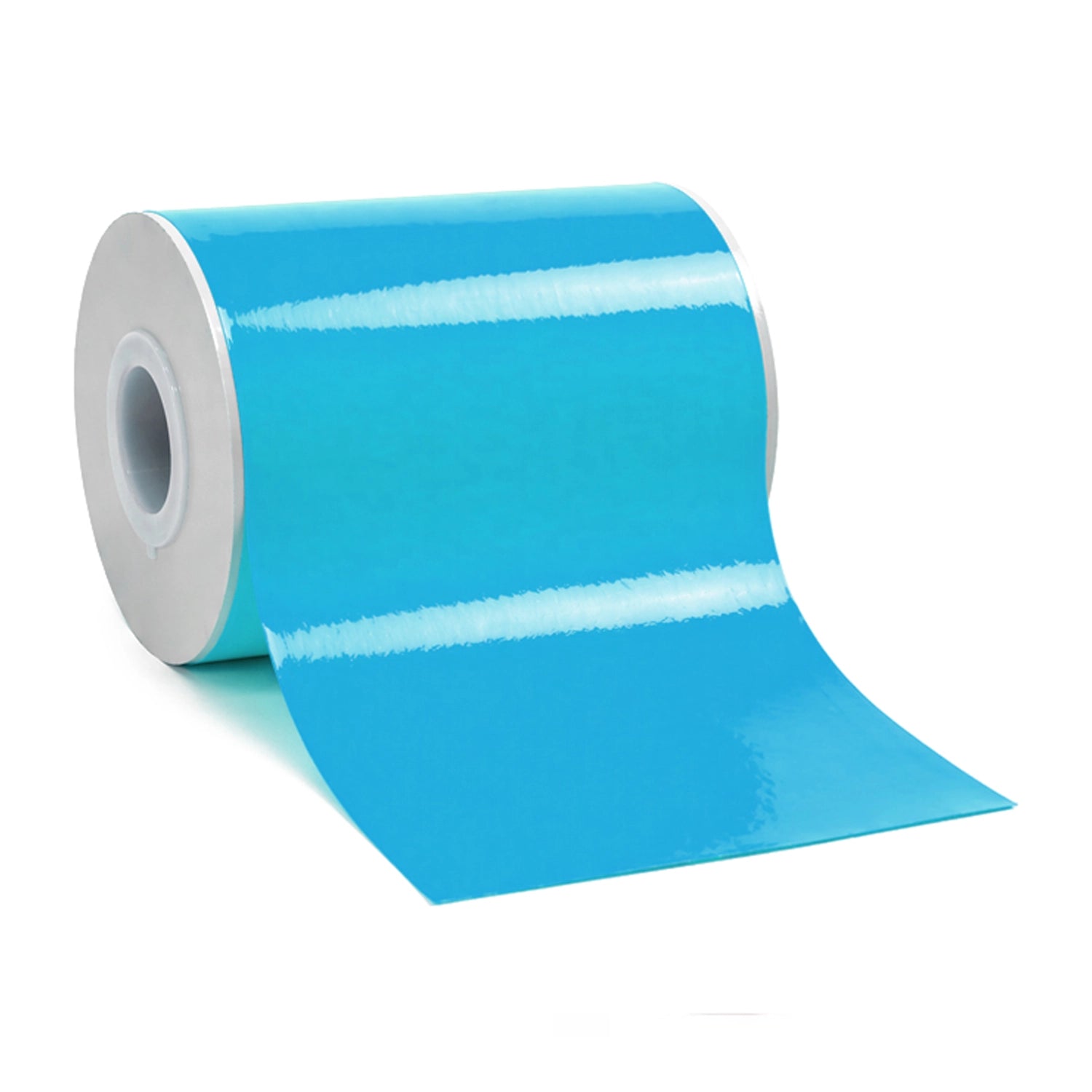
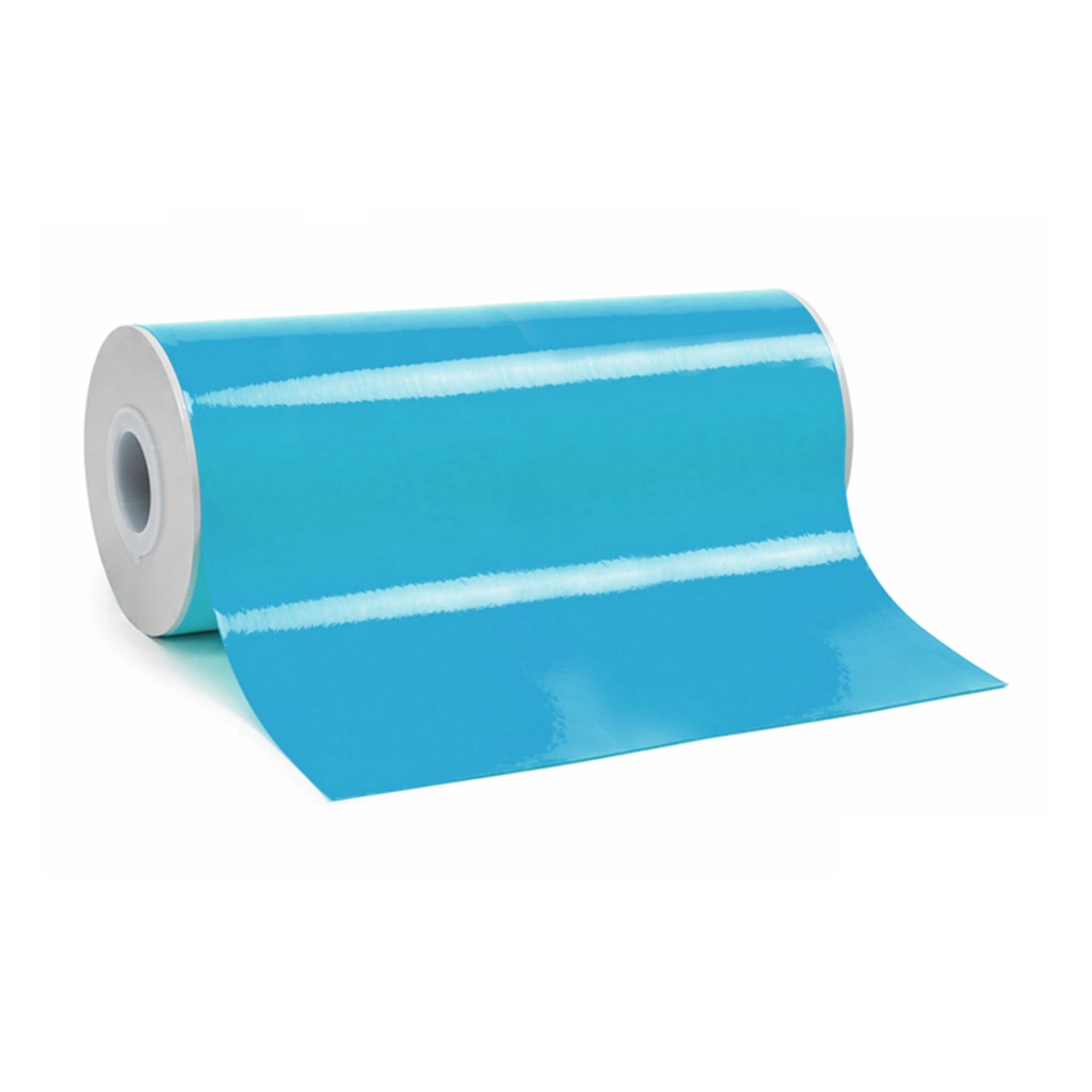
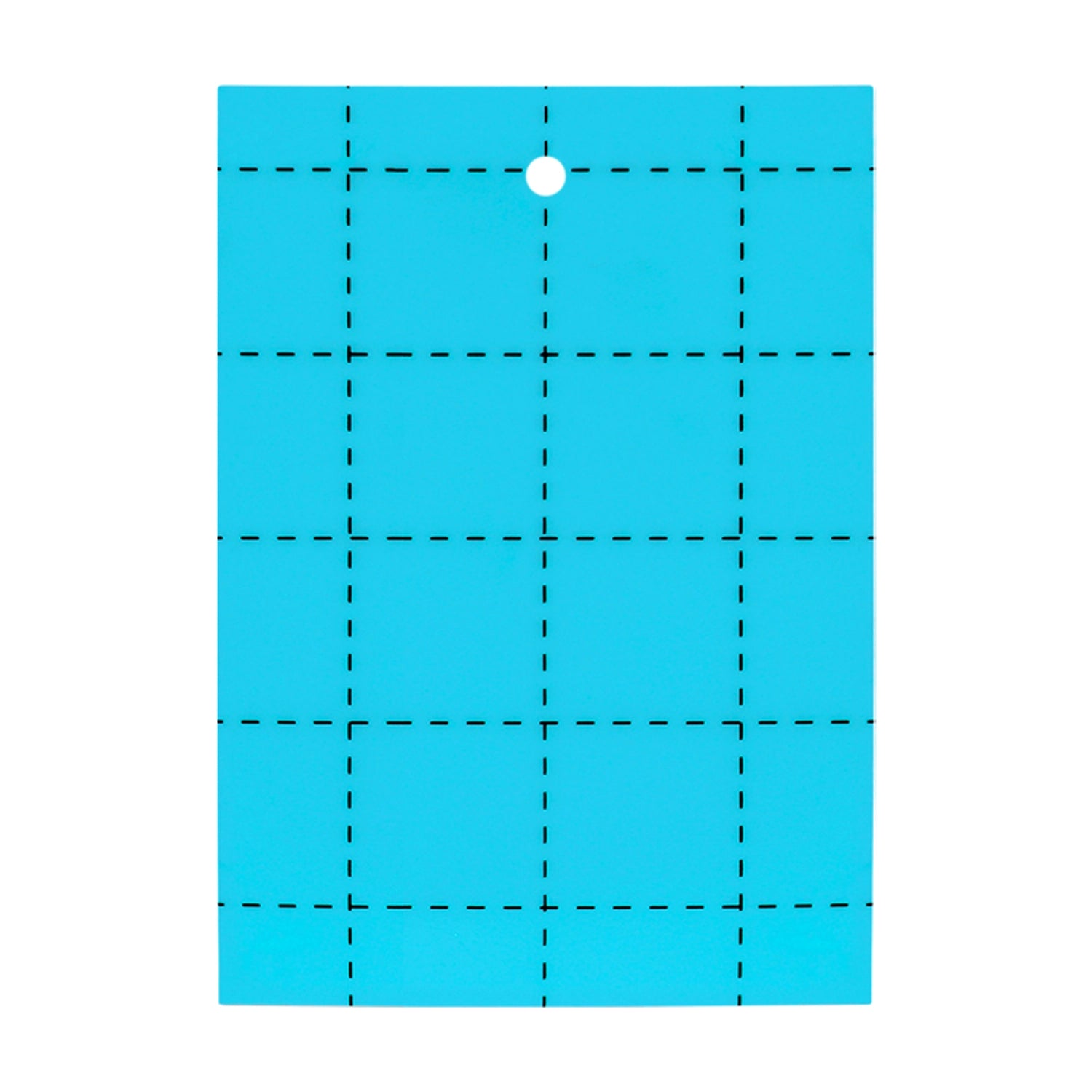
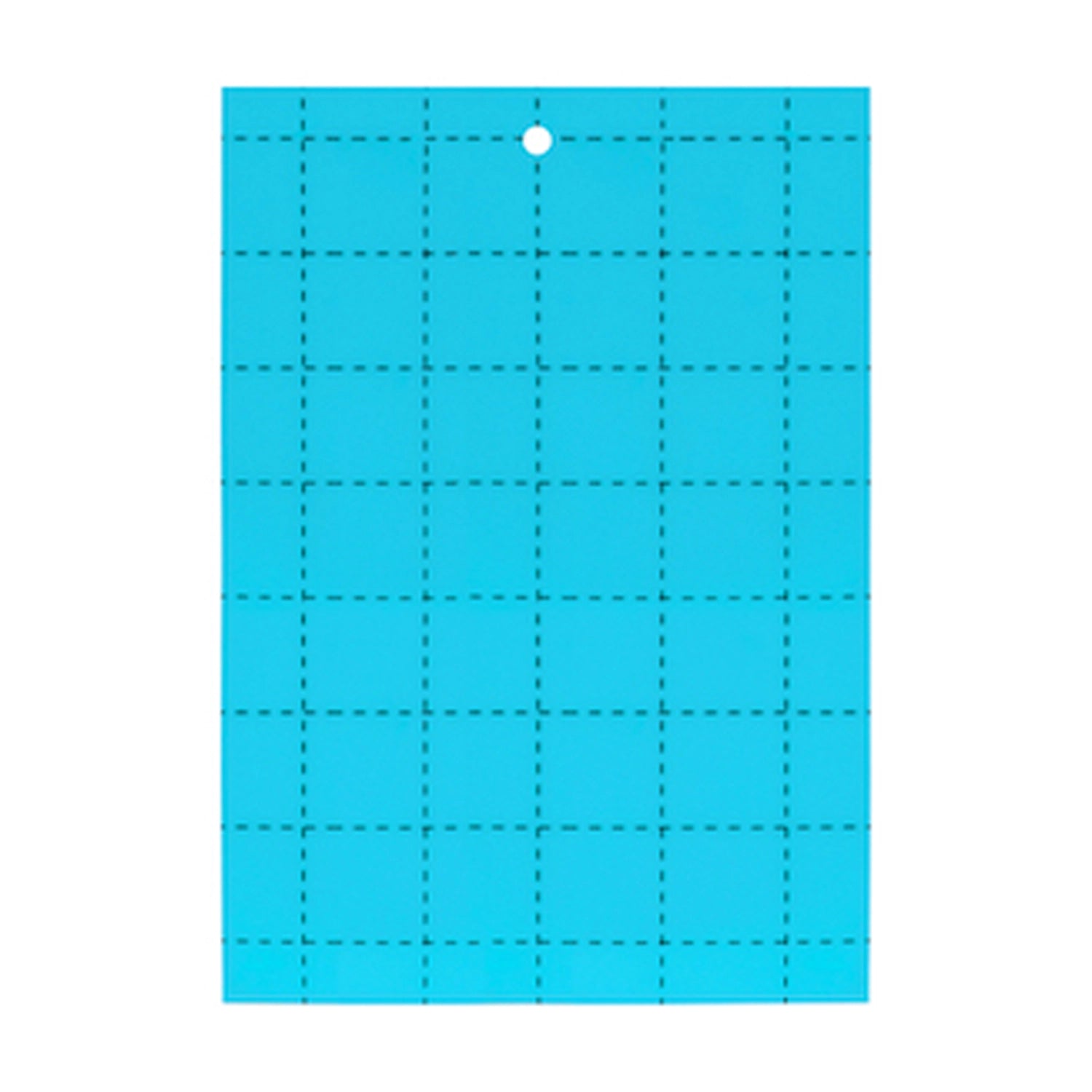
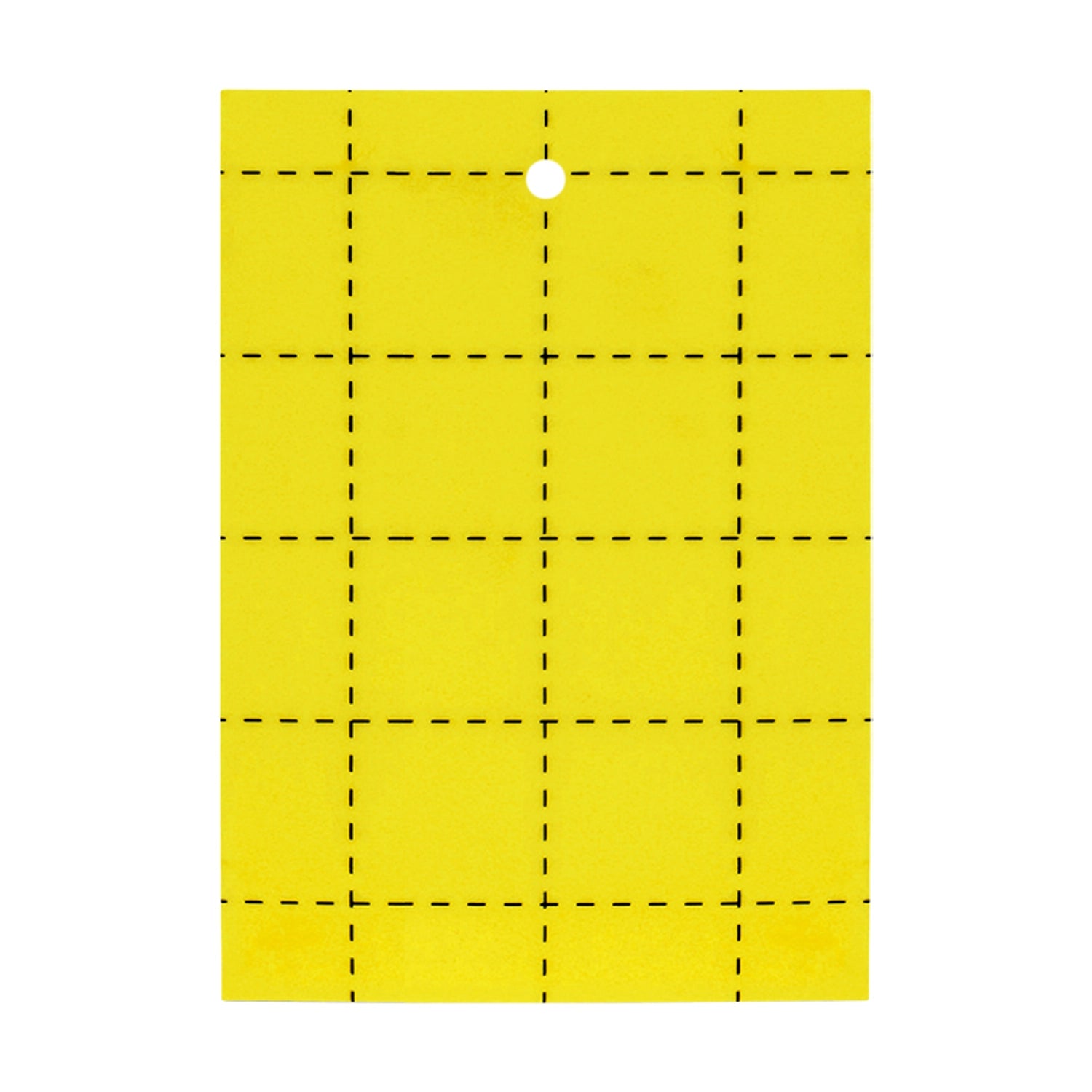
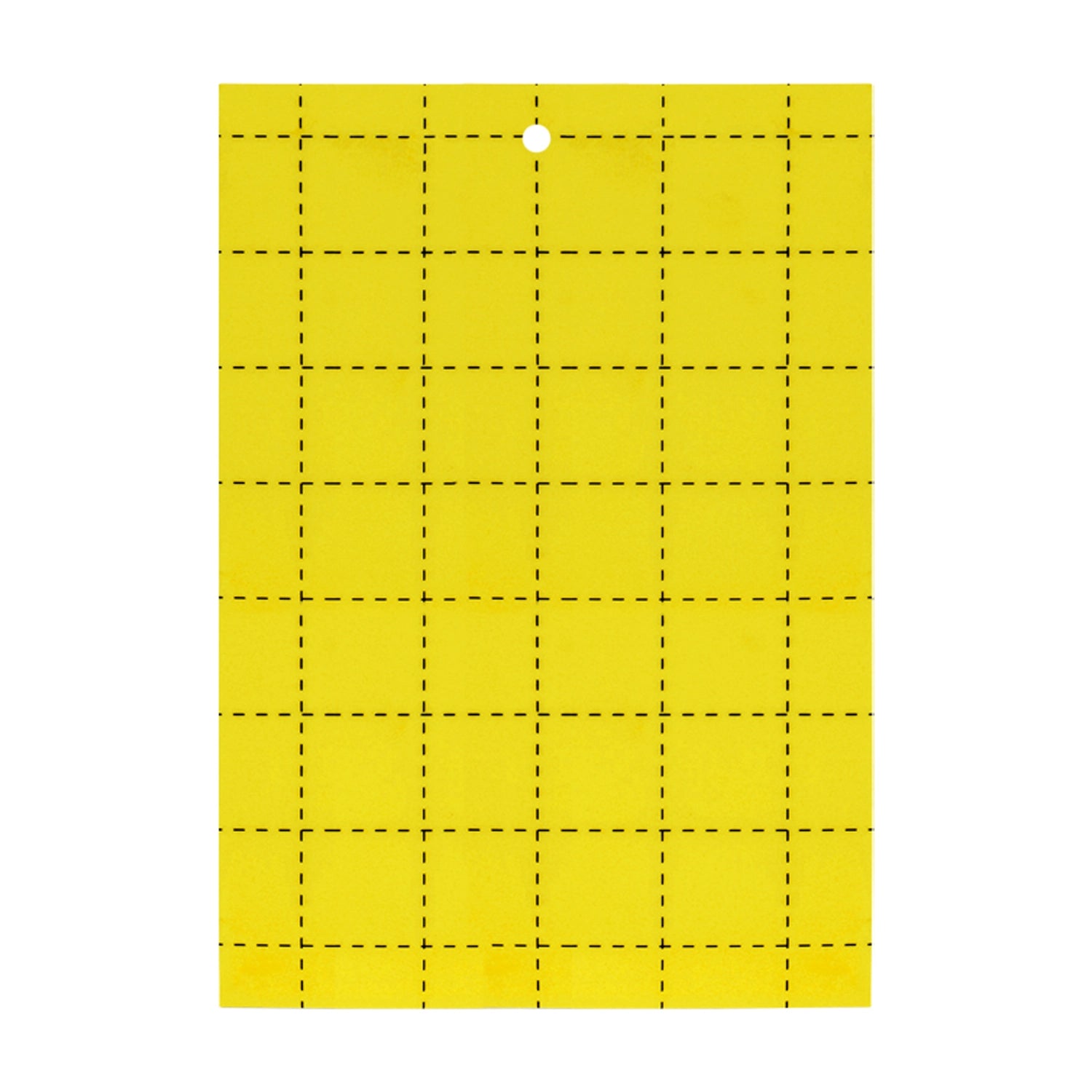
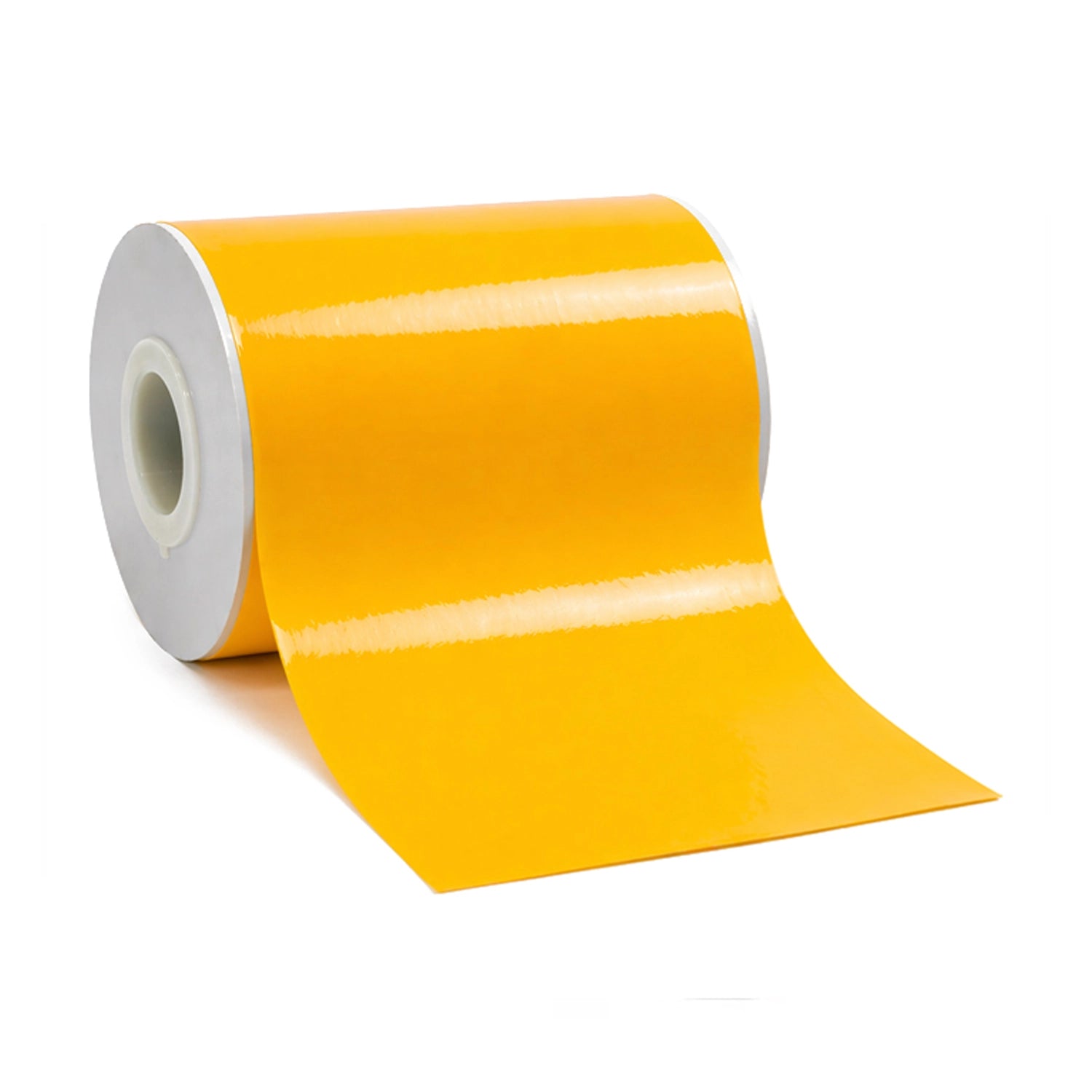
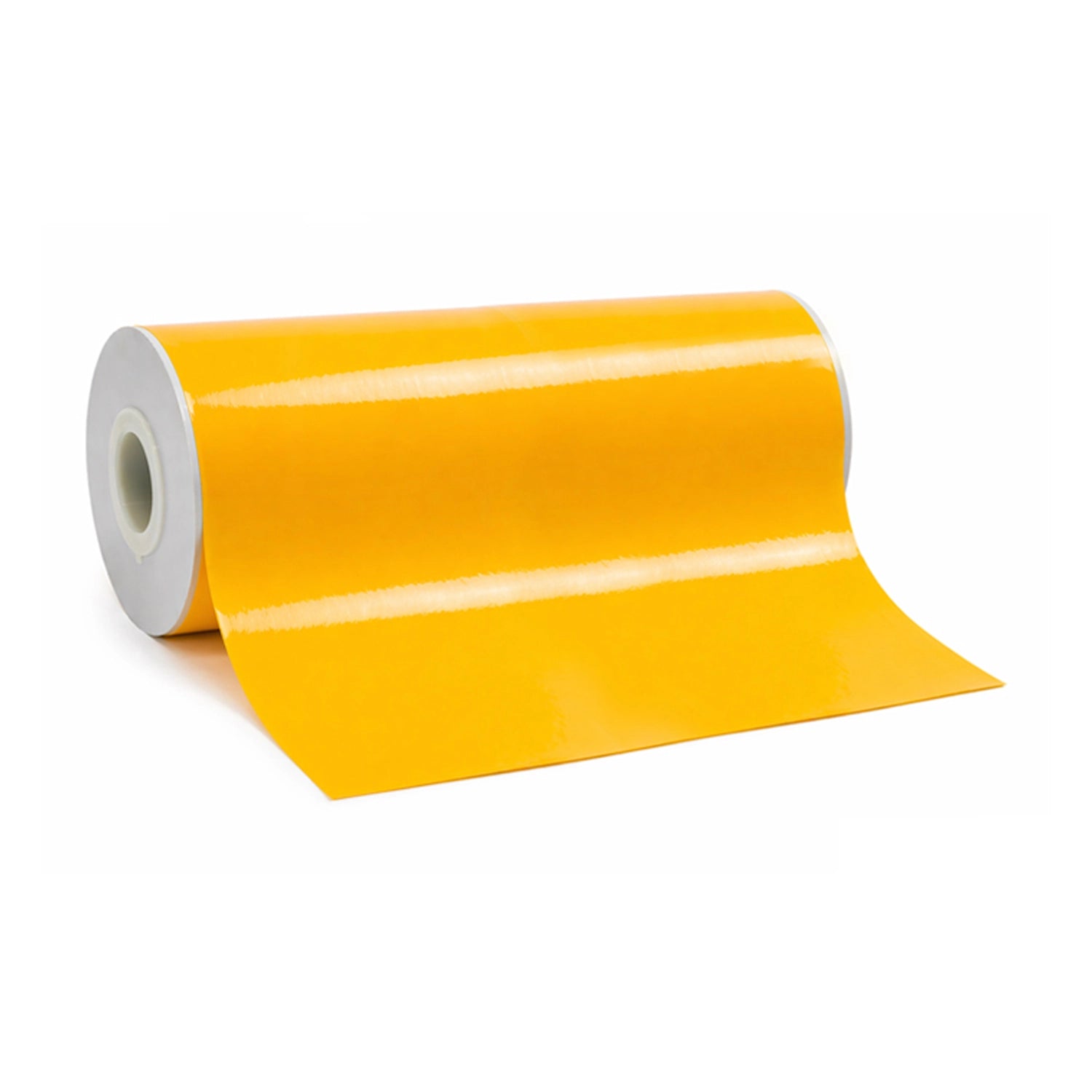
Yellow sticky traps attract a broad range of pest insects through their color -- flying insects orient toward yellow wavelengths associated with foliage and flowers, making yellow the most broadly effective trap color for grow room use. Targets include whitefly adults, fungus gnat adults, shore fly adults, aphid alates, and leafminer adults. Blue sticky traps specifically attract thrips adults more effectively than yellow -- include blue traps alongside yellow for grow rooms with active thrips pressure. Pheromone lure traps target specific pest species alongside beneficial insect programs by deploying synthetic versions of insect sex pheromones -- the most powerful attraction mechanism for the target species, capable of drawing adults from significant distances. Match the pheromone lure to the specific target pest species for maximum effectiveness.
Trap Placement & Interpretation
Hang yellow sticky cards at plant canopy height, one card per 100-200 square feet for monitoring. Count and record captures weekly on a per-trap basis -- increasing counts over consecutive weeks indicate a growing population that requires intervention; stable or declining counts indicate the current IPM program is keeping pace. Change traps when they are 25-50% covered or weekly for accurate population tracking. Pair with insect repellents for a layered prevention program. Fast shipping.
Insect Traps FAQ
Why are yellow sticky traps yellow?
Yellow wavelengths (approximately 550-570nm) closely match the visual stimulus that many pest insects associate with healthy foliage and flowers -- a signal they orient toward when searching for host plants and mates. Whiteflies, fungus gnats, shore flies, and aphid alates all show strong attraction to yellow sticky surfaces. Blue traps (approximately 440-480nm) attract thrips more effectively than yellow because thrips visual orientation is more strongly tuned to blue wavelengths. Use both colors in rooms with mixed pest pressure to capture the broadest spectrum of target species.
How many sticky traps do I need in my grow room?
For monitoring: one yellow sticky card per 100-200 square feet of growing area, placed at canopy height. This density gives representative population data without over-trapping that could interfere with beneficial insect programs. For mass capture in combination with other controls: higher density (one per 50-100 sq ft) increases adult removal. In a 10x10 ft room (100 sq ft), 1-2 monitoring cards are adequate; for a 1,000 sq ft commercial room, 5-10 monitoring cards provide good spatial coverage for population trend tracking.
What does it mean if I catch a lot of insects on my sticky traps?
High trap counts indicate a pest population that warrants active management. General thresholds (approximate -- adjust for your specific tolerance and crop stage): fungus gnats -- more than 10-20 per card per week warrants intervention; whitefly -- any adults in a clean system warrants early action; thrips -- more than 5-10 per blue card per week warrants intervention; spider mites -- not reliably trapped on sticky cards, monitor by leaf inspection instead. The trend matters as much as the count: stable low counts are acceptable; rapidly increasing counts require escalating response regardless of absolute number.
Can I use insect traps with a beneficial insect program?
Yes -- sticky monitoring traps are compatible with and important for beneficial insect programs. Traps at canopy height catch flying pest adults (whitefly, fungus gnat adults) but do not significantly trap predatory mites, which live on leaf surfaces and are not attracted to yellow color. Check sticky traps for the presence of beneficial insects: predatory wasps (Encarsia, Aphidius) are small and can sometimes appear on traps -- if this is occurring at significant numbers, move traps slightly away from the area of highest beneficial insect activity. Monitoring with traps is essential for verifying whether beneficials are suppressing pest populations over time.
What are pheromone traps and when should I use them?
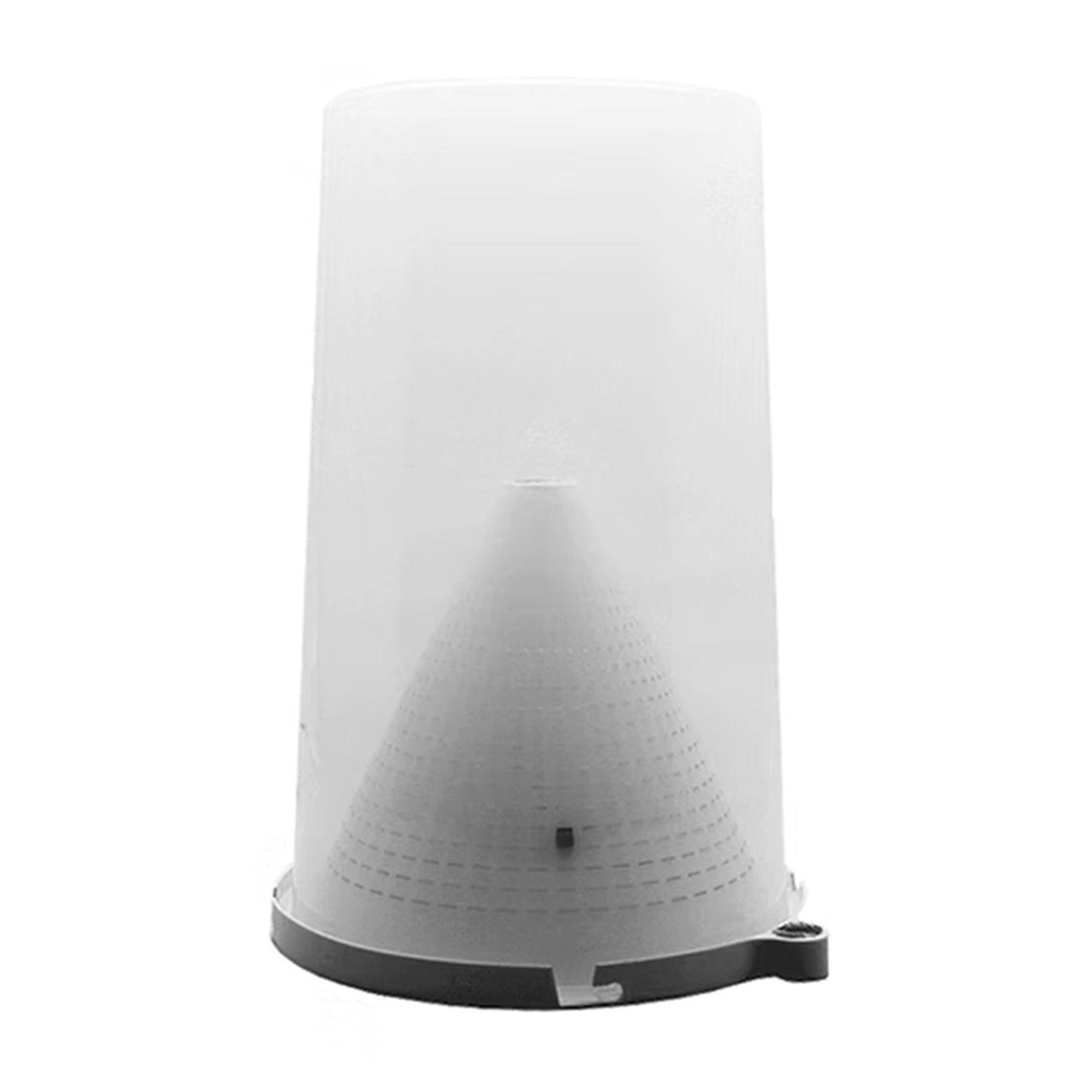
Pheromone traps use synthetic insect sex pheromones to attract specific target species -- highly effective for the target pest, not attractive to non-target species. In grow room applications, pheromone traps are most commonly used for fungus gnat management (using Bradysia pheromone lures) and for monitoring for specific moth species in facilities that store dry organic materials. Pheromone lures are species-specific and must match the target pest. They are typically used for population monitoring and early detection rather than primary mass control -- pheromone traps catch adults before they mate and lay eggs, helping interrupt the reproductive cycle.