Hydroponic Systems & Complete Grow Kits
Hydroponic systems grow plants without soil -- delivering water, oxygen, and nutrients directly to roots for faster growth and higher yields than most soil-based methods. The right system depends on your crop type, available space, experience level, and the degree of automation you want. Every major hydroponic method is available here, from beginner-friendly single-bucket DWC under $50 to commercial-scale RDWC and automated drip systems for production facilities.
DWC, RDWC, Drip, Ebb & Flow, NFT & Aeroponics
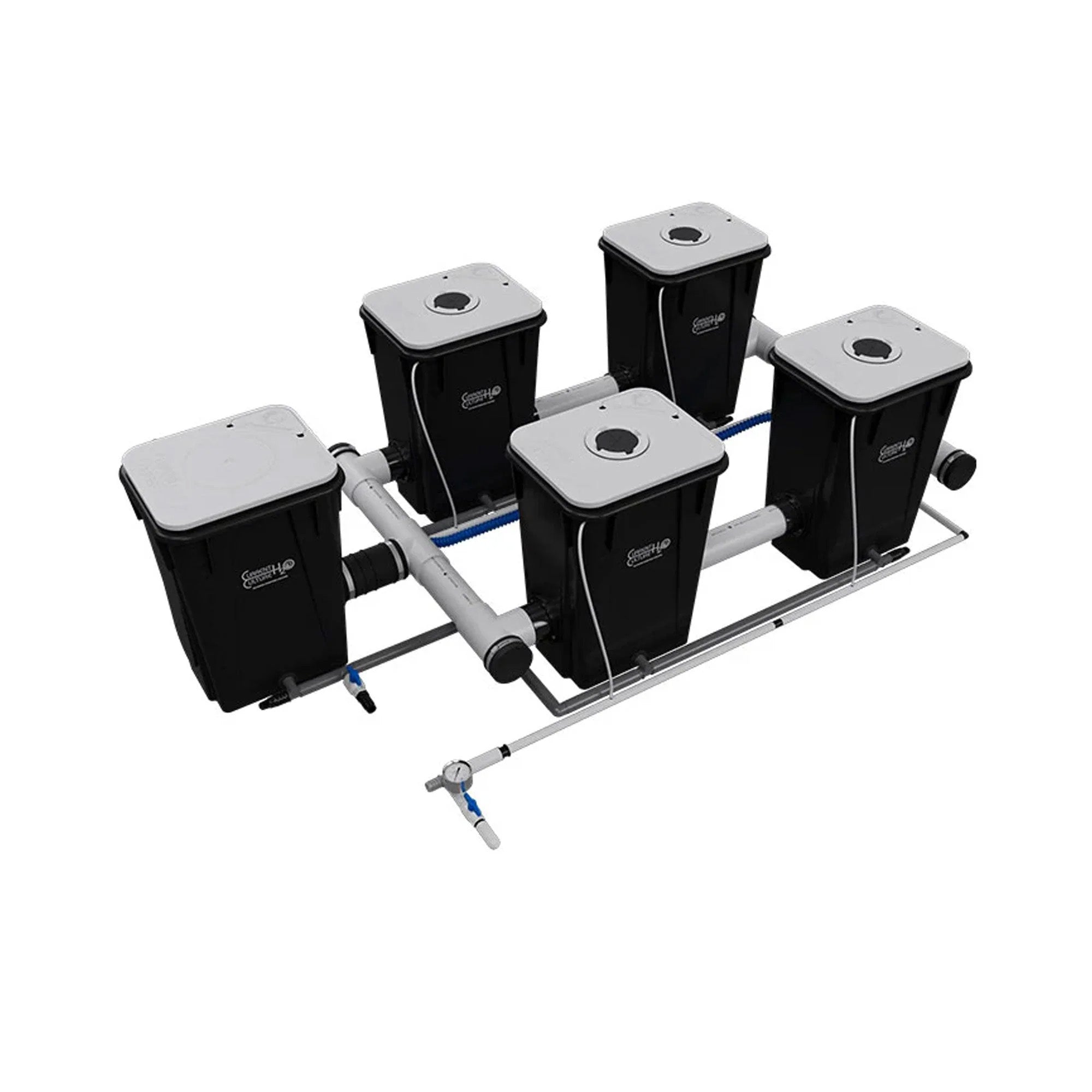
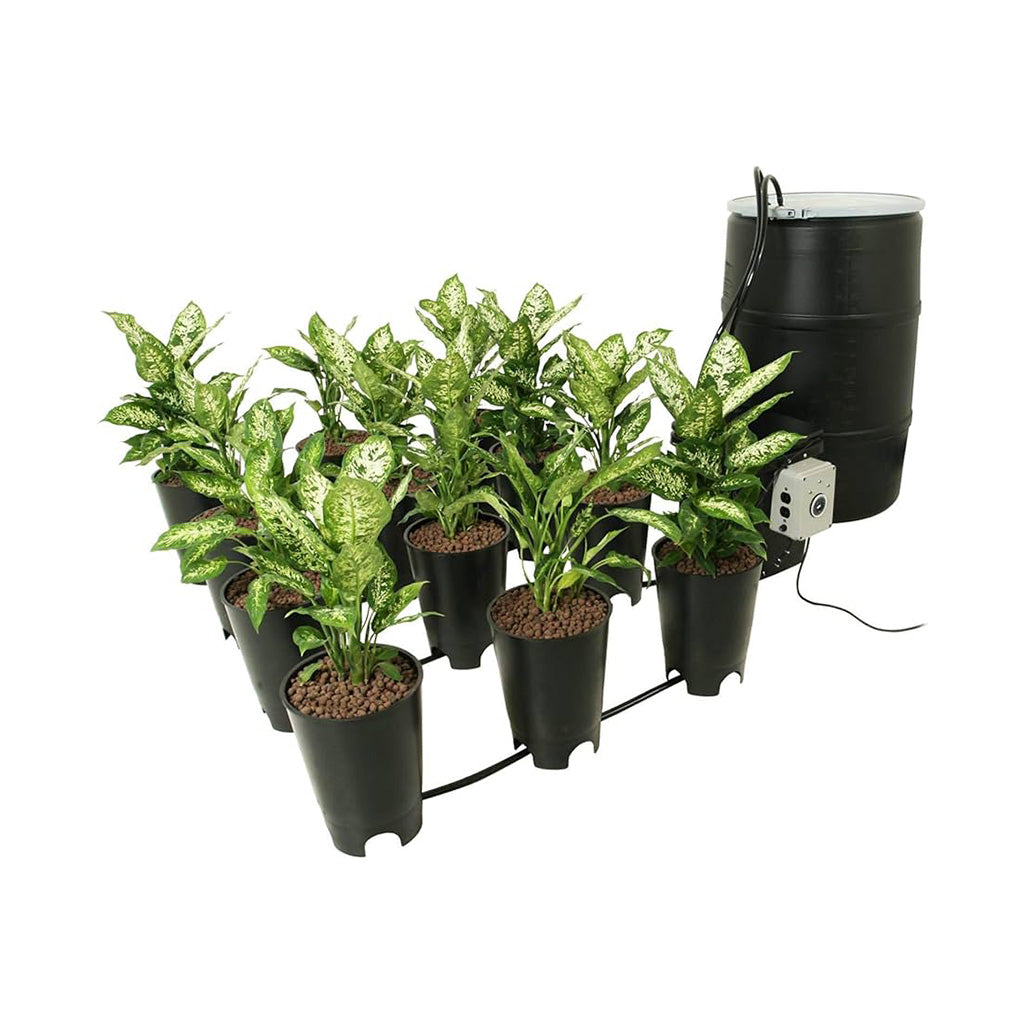
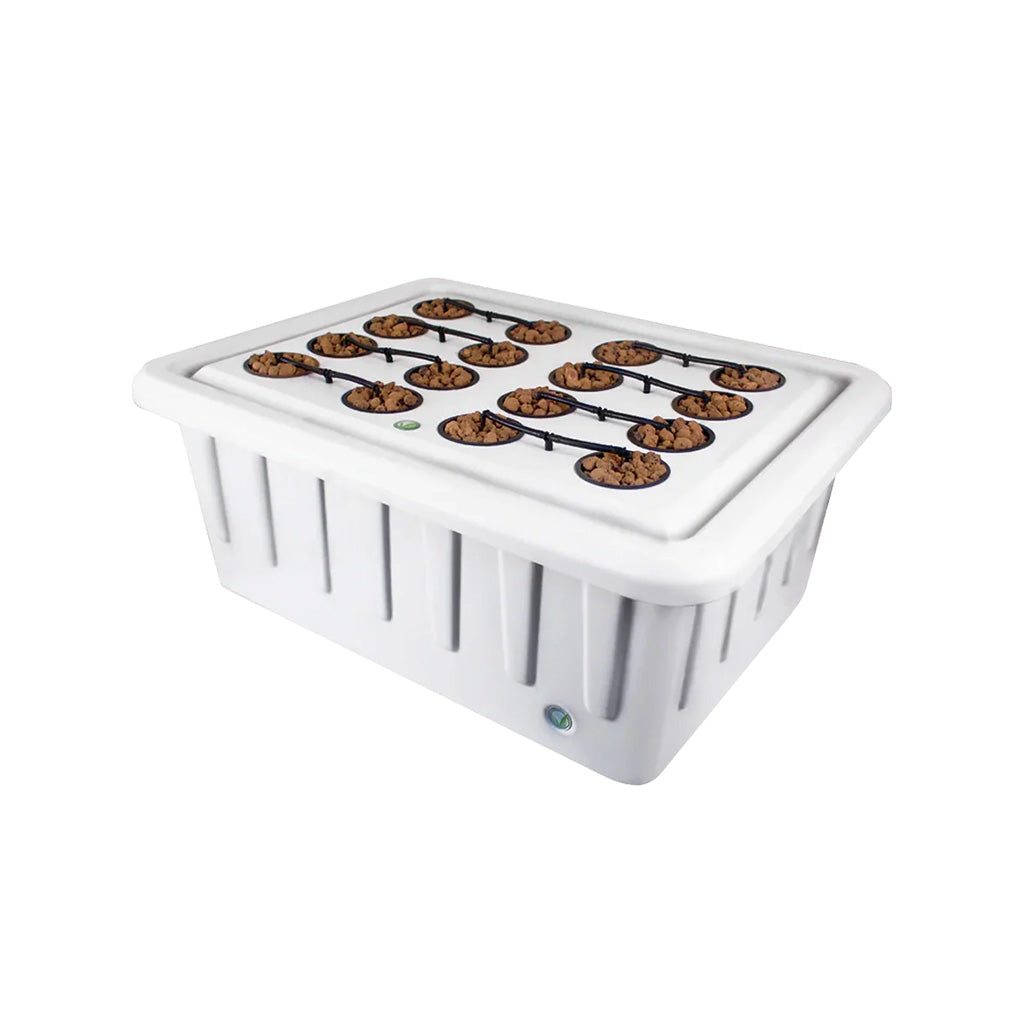
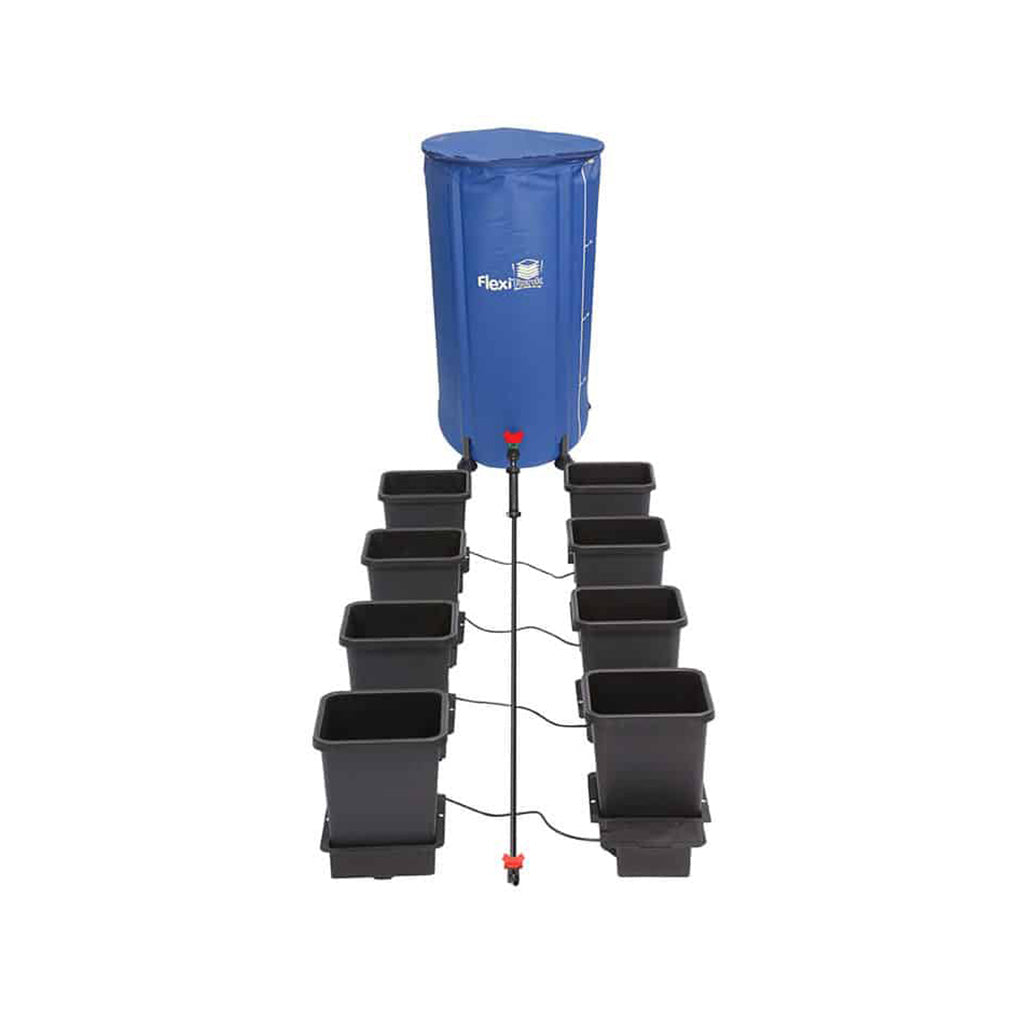
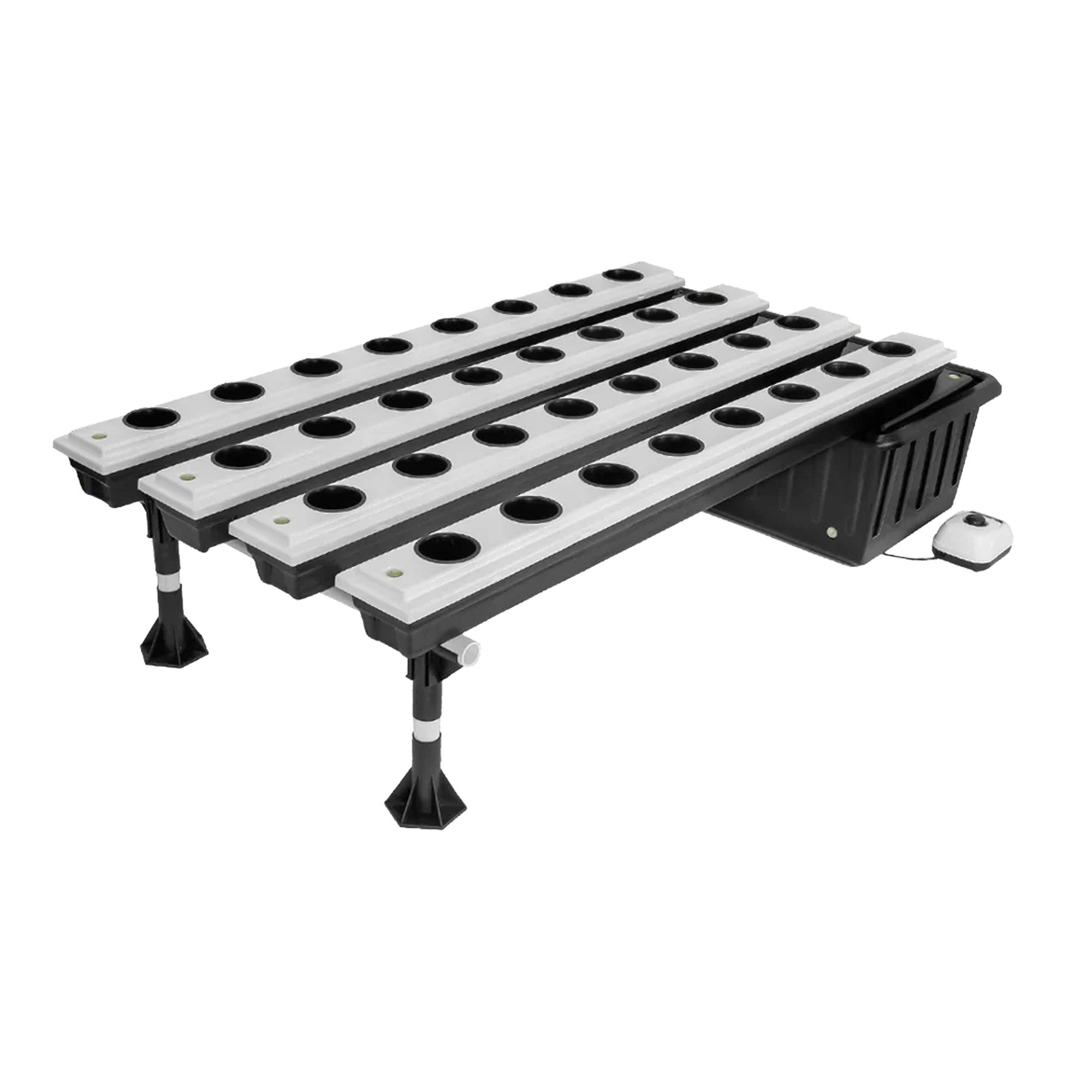
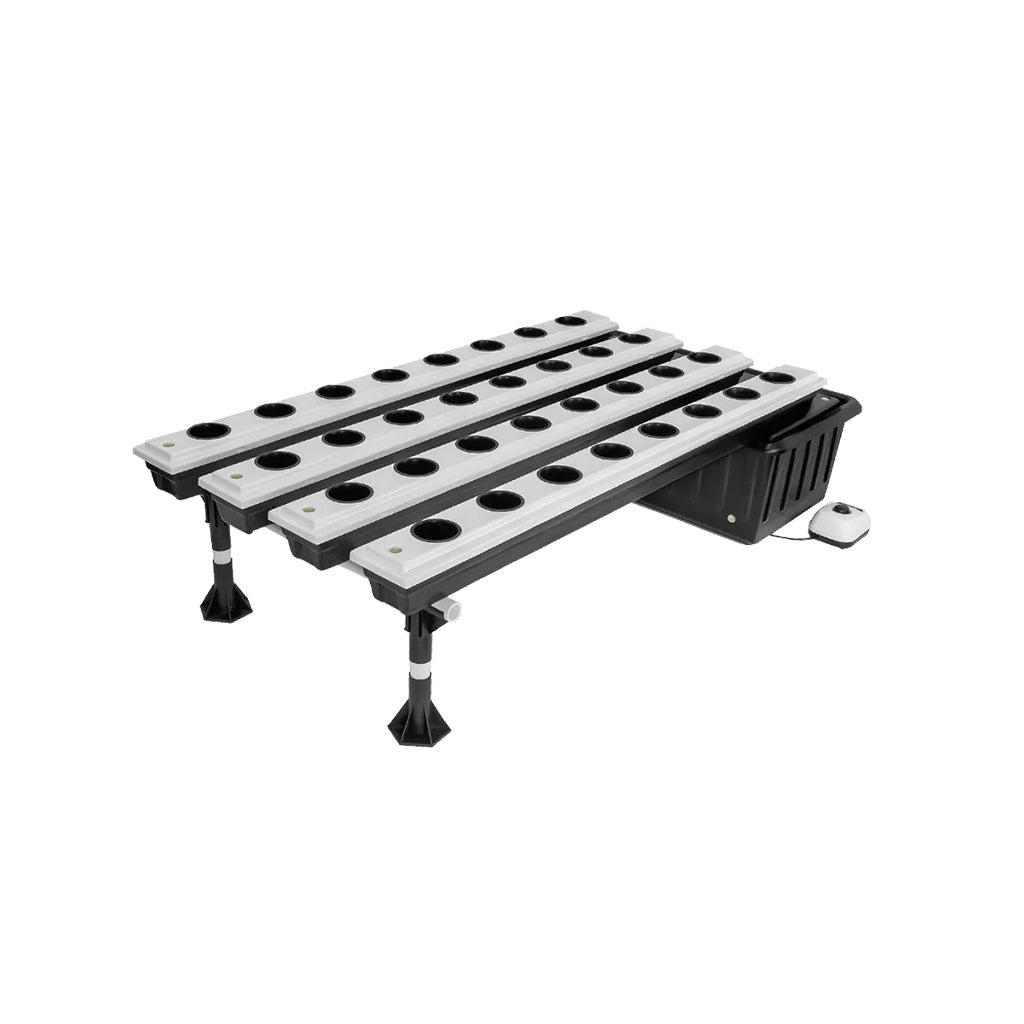
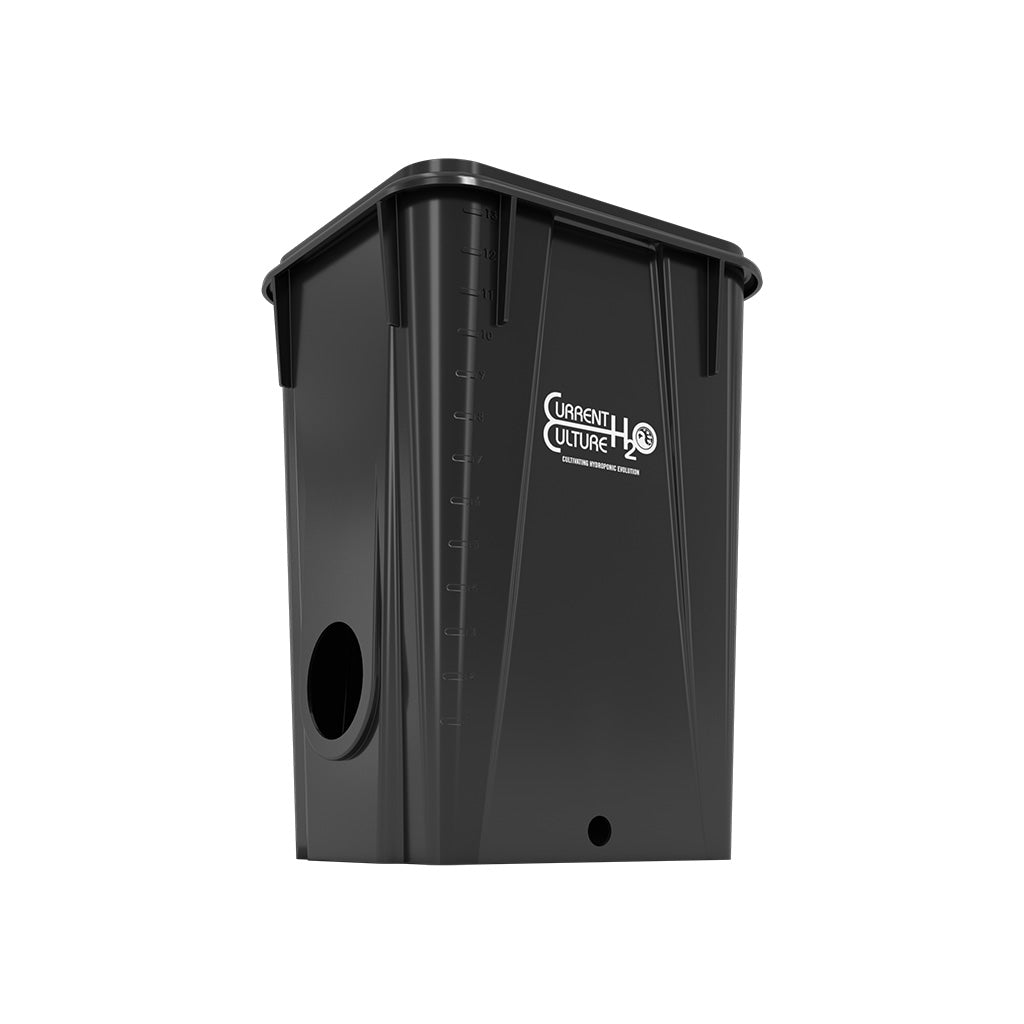
Deep water culture (DWC) systems suspend roots in an oxygenated nutrient reservoir with minimal moving parts -- the most accessible starting point for new hydro growers. The Active Aqua Root Spa multi-bucket systems are proven entry-level options under $200. Recirculating DWC (RDWC) systems from Current Culture connect individual buckets to a central reservoir for centralized management across larger plant counts. Drip systems from Active Aqua and FloraFlex deliver precise, programmable nutrient schedules per plant and are the dominant method in commercial coco and rockwool slab production. Ebb and flow (flood and drain) systems cyclically flood a grow tray before draining back to the reservoir on a timer. NFT channels run a continuous thin film of solution over root mats -- efficient for leafy greens, herbs, and propagation. Aeroponic systems mist bare roots suspended in air for maximum oxygen exposure and accelerated growth rates. Our complete guide to hydroponic system types covers each method in depth.
Complete Grow Kits vs. DIY System Builds
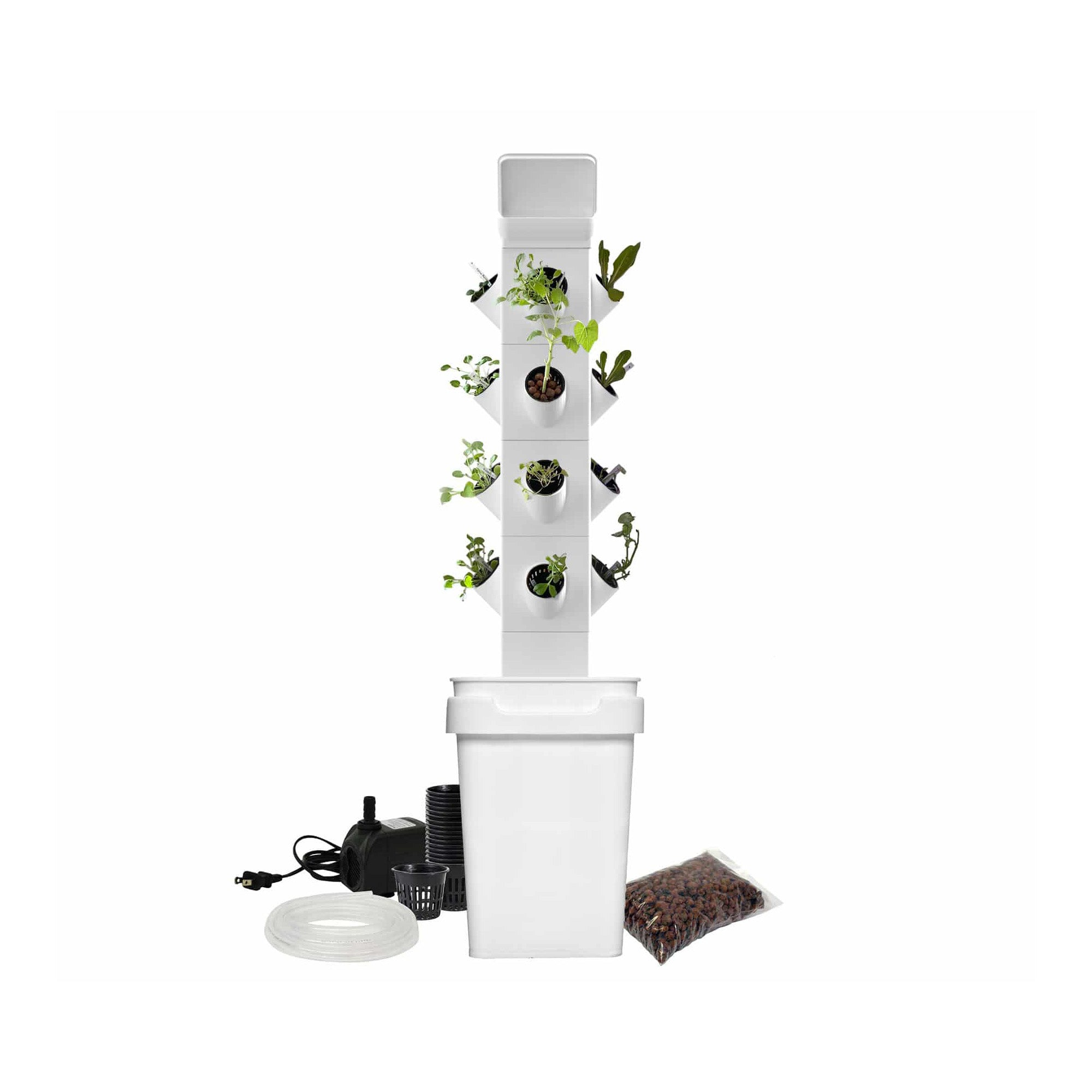
Complete hydroponic kits bundle reservoir, pump, tubing, net pots, and growing media -- everything needed to start without sourcing components separately. Kits from Active Aqua and Current Culture are pre-matched for compatibility and include setup instructions. For growers who prefer custom DIY builds, we stock individual hydroponic reservoirs, water pumps, air pumps and diffusers, net pots, and fittings and tubing separately.
Essential System Accessories
Every hydroponic system requires a few non-negotiable accessories: a digital pH meter to monitor solution pH (target 5.5-6.5 for most crops), an EC or PPM meter to track nutrient concentration, and a timer or controller for automating irrigation cycles. Water chillers and heaters maintain reservoir temperature in the critical 65-75 degrees F range. Larger recirculating operations benefit from an autodosing system to automate nutrient and pH management entirely.
From Home Hobbyist to Commercial CEA
Hydrobuilder serves first-time growers setting up a single DWC bucket and commercial CEA operators outfitting multi-thousand-square-foot production facilities. Our expert growing staff can help size systems, recommend nutrient programs, and configure automated fertigation setups for any scale. Use our Pump & Irrigation Flow Calculator to size pumps for your reservoir and emitter configuration. Start with our updated Hydroponics 101 guide for a complete introduction. Commercial accounts available.
Hydroponic Systems FAQ
What is the best hydroponic system for beginners?
Deep water culture (DWC) is the most recommended starting point for new hydroponic growers. A single-bucket or multi-bucket DWC system has fewer moving parts than drip or NFT systems -- no emitters to clog, no timed pump cycles to calibrate, and the large reservoir volume buffers pH and EC fluctuations that would crash a smaller system. The Active Aqua Root Spa 5-gallon single-site bucket is a proven entry-level option under $50 per plant site. Start with one or two plants in DWC before scaling to a larger multi-site system.
How much does a hydroponic system cost?
Entry-level DWC: a single-bucket kit, small air pump, and net pots can be set up for $50-$150. A complete 4-plant DWC kit runs $150-$300. Mid-range: a quality 8-site RDWC or drip system with reservoir, pump, and tubing runs $400-$1,200. Commercial: a full Current Culture RDWC system for 16+ plant sites starts at $1,500-$3,000+ for the system alone, before lights, climate, and nutrients. The system itself is rarely the largest cost in a complete grow -- lighting, nutrients, and climate control typically represent more of the total investment. Use our CEA ROI Calculator to model full setup costs and production economics.
What is the difference between DWC, RDWC, and drip systems?
In DWC, plant roots are suspended in a static, aerated nutrient reservoir -- each bucket is managed independently. In RDWC, individual grow sites connect to a central reservoir through a recirculating pump -- all plants share one nutrient solution managed from a single point, which makes large systems far easier to maintain. Drip systems deliver nutrient solution from above through emitters at each plant on a timer -- water drains away (drain-to-waste) or recirculates. DWC is simplest; RDWC scales efficiently for large plant counts; drip is the most widely used method in commercial coco and rockwool production because of its precise per-plant control.
How often do I need to change the water in a hydroponic system?
In DWC, change the full reservoir every 7-14 days. During vegetative growth, every 14 days is sufficient for most crops. During heavy flowering when plants are feeding aggressively, increase to every 7 days. Top off daily with plain pH-adjusted water as plants absorb solution and water evaporates. In RDWC, the same schedule applies to the central reservoir. In drain-to-waste drip systems, there is no reservoir to change -- fresh solution is delivered at every irrigation event and run-off is discarded.
What EC and pH should I maintain in a hydroponic system?
Target pH 5.5-6.5 for most hydroponic crops, with 5.8-6.2 as the ideal operating range for most varieties. EC targets vary by growth stage: seedlings 0.5-1.0 mS/cm, early vegetative 1.2-1.6 mS/cm, late vegetative 1.6-2.0 mS/cm, early flowering 1.8-2.2 mS/cm, peak flowering 2.0-2.5 mS/cm. Check pH and EC daily in recirculating systems. Use our Nutrient Mixing Calculator to dial in target EC when mixing nutrient concentrates.
Do I need a grow tent to run a hydroponic system?
No -- a grow tent is not required. Hydroponic systems run in garages, basements, spare rooms, and dedicated grow facilities without tents. However, tents provide significant practical advantages: they reflect light back to the canopy, contain humidity and temperature, give you a light-tight environment for controlling photoperiod, and keep the space contained and manageable. For home growers setting up in a shared space, a tent is almost always the better choice over converting an open room. For dedicated grow rooms with proper wall finishes and sealed construction, tents are optional.