Hydroponic Growing Media -- Coco Coir, Rockwool, Clay Pebbles & More
Hydroponic growing media serve one primary function: supporting plant roots while providing access to water, nutrients, and oxygen in the root zone. Unlike soil, most hydroponic media are inert -- they contribute no nutrients themselves and instead act as a physical scaffold that roots can anchor to and grow through. The choice of growing media determines root zone moisture retention, air porosity, drainage rate, and compatibility with your irrigation frequency and system type. Getting media selection right from the start significantly affects how you manage irrigation, feeding, and the overall health of the root zone across the full grow cycle.
Coco Coir -- The Most Versatile Soilless Medium
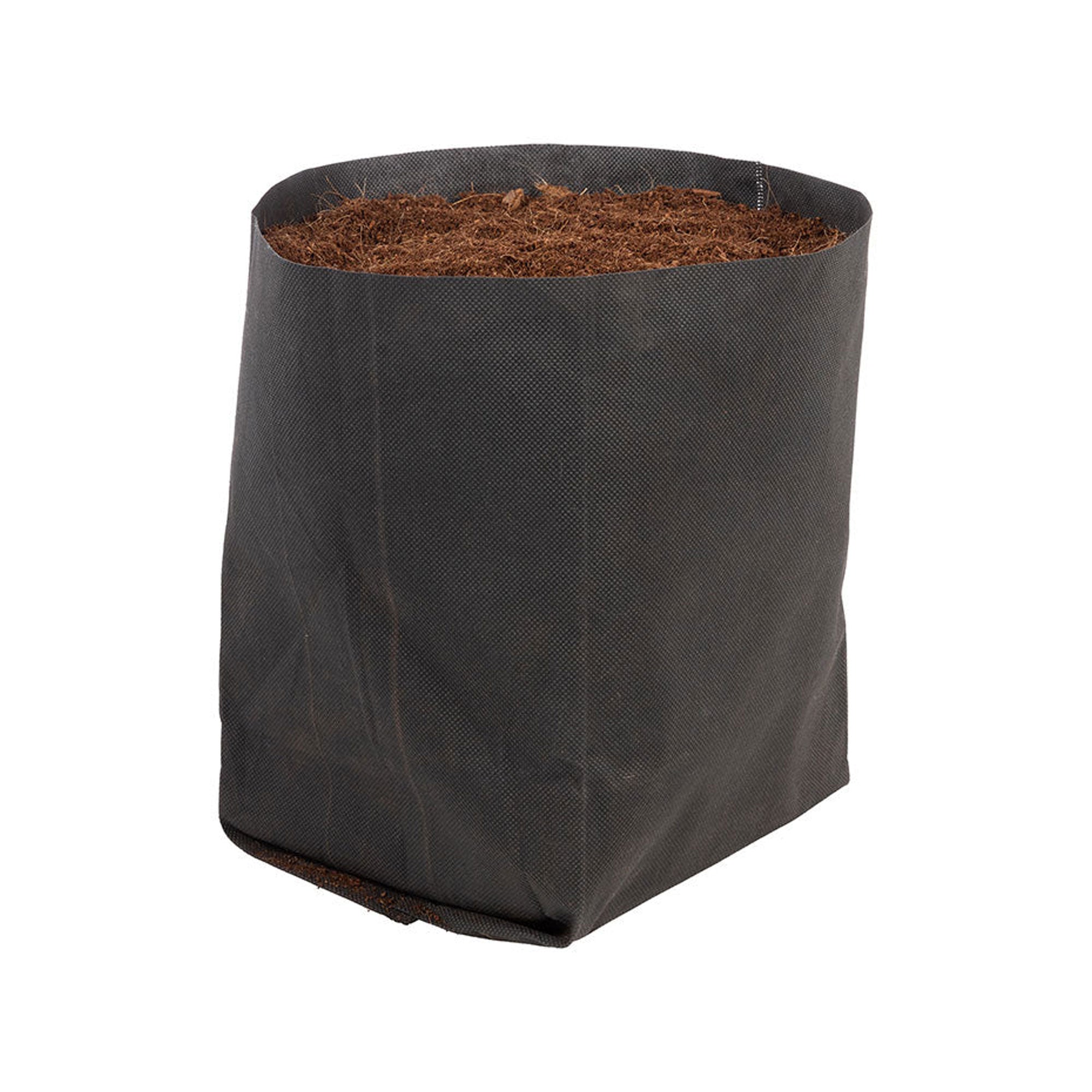
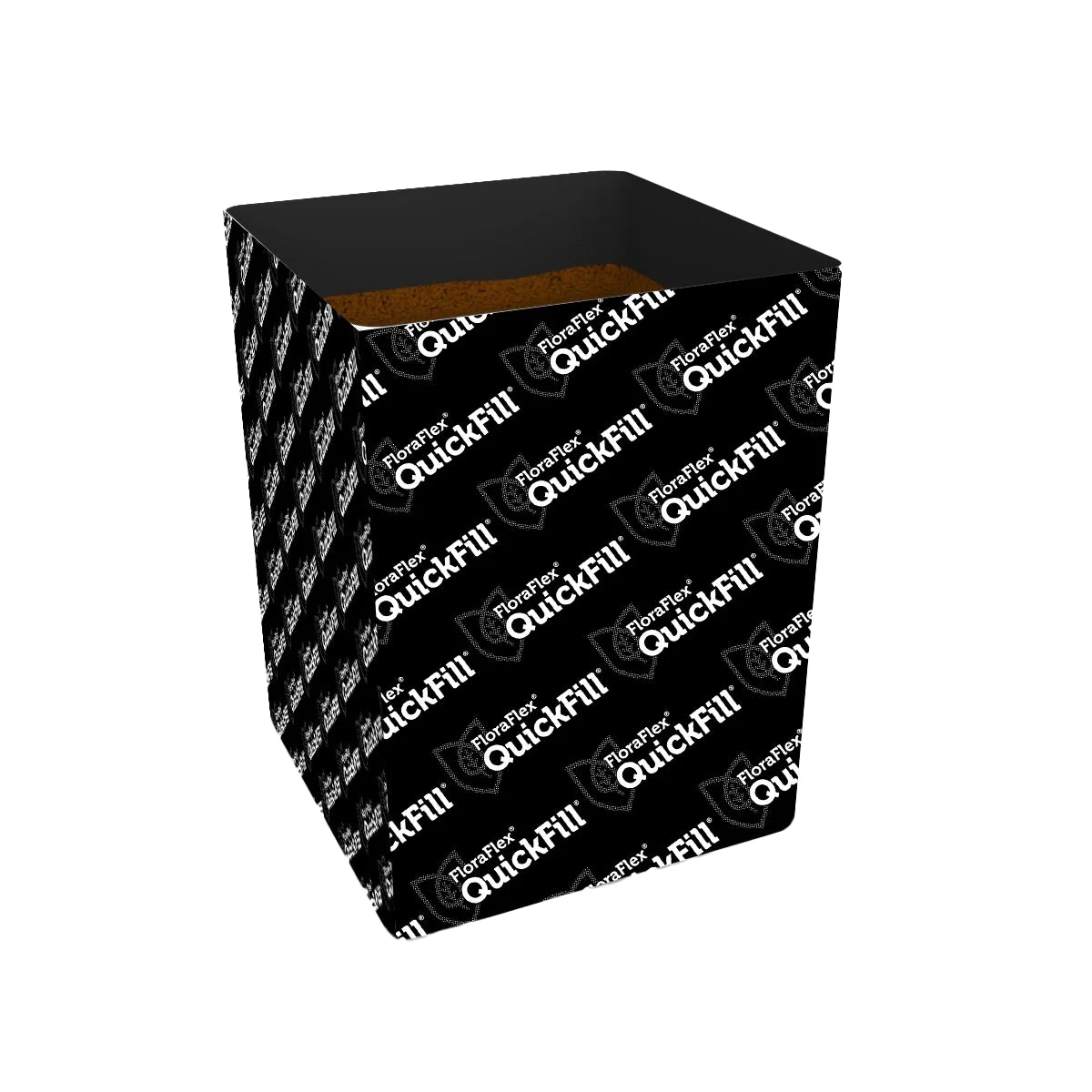
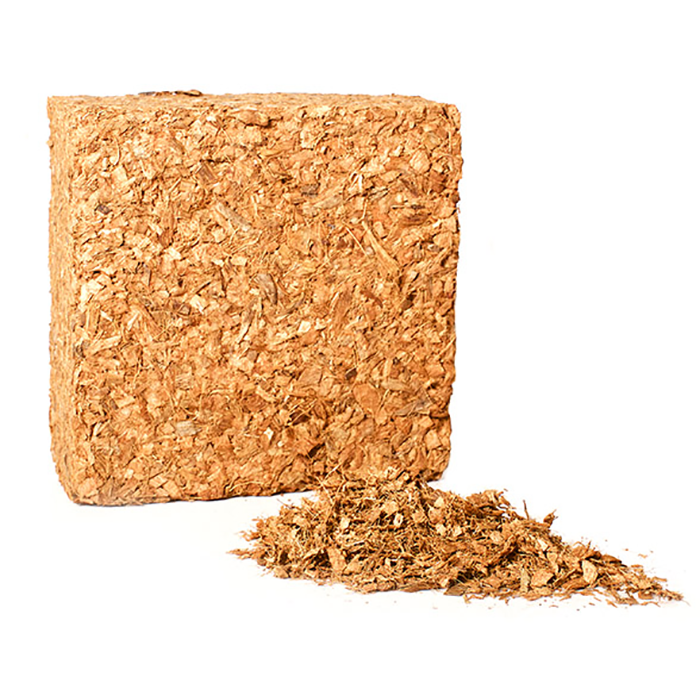
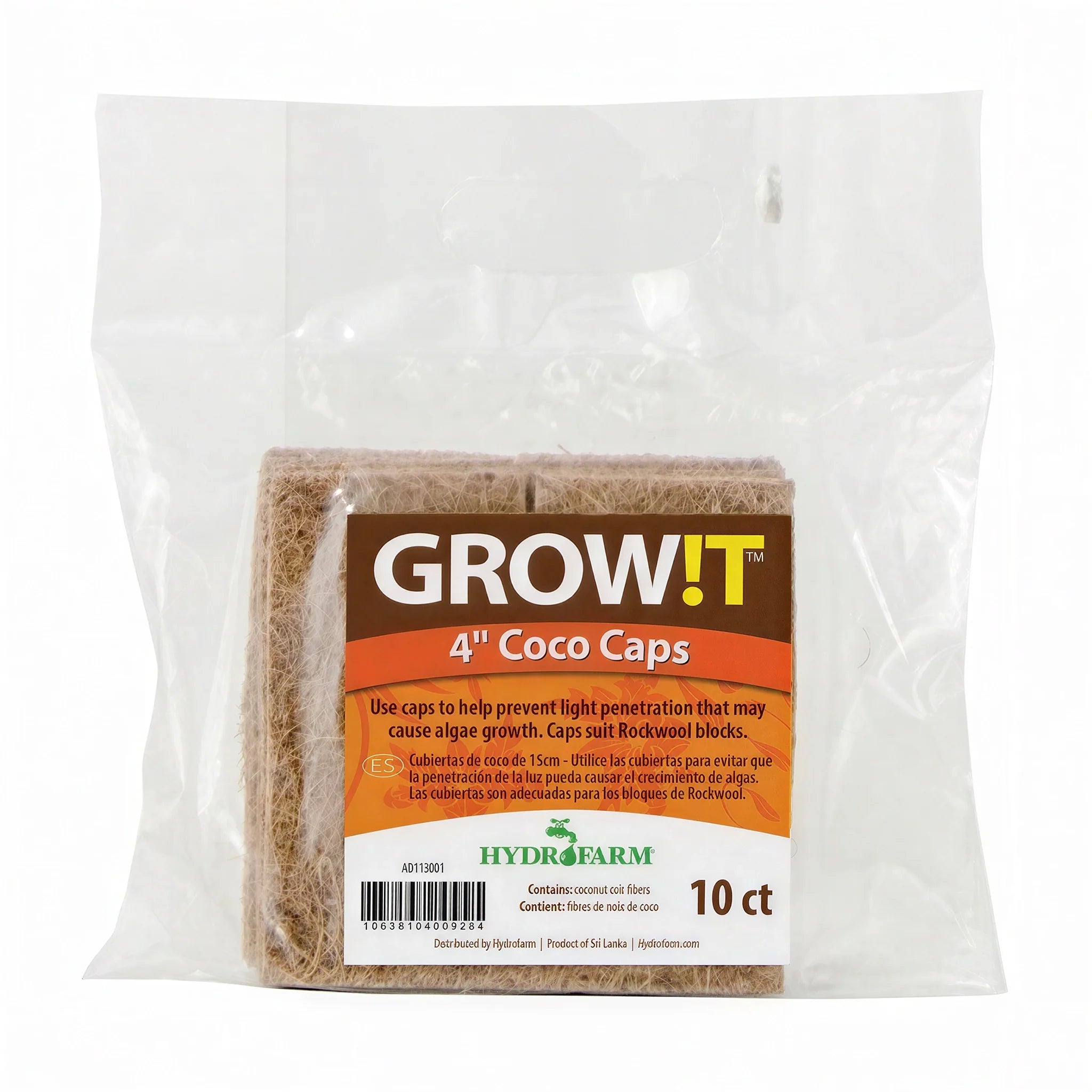
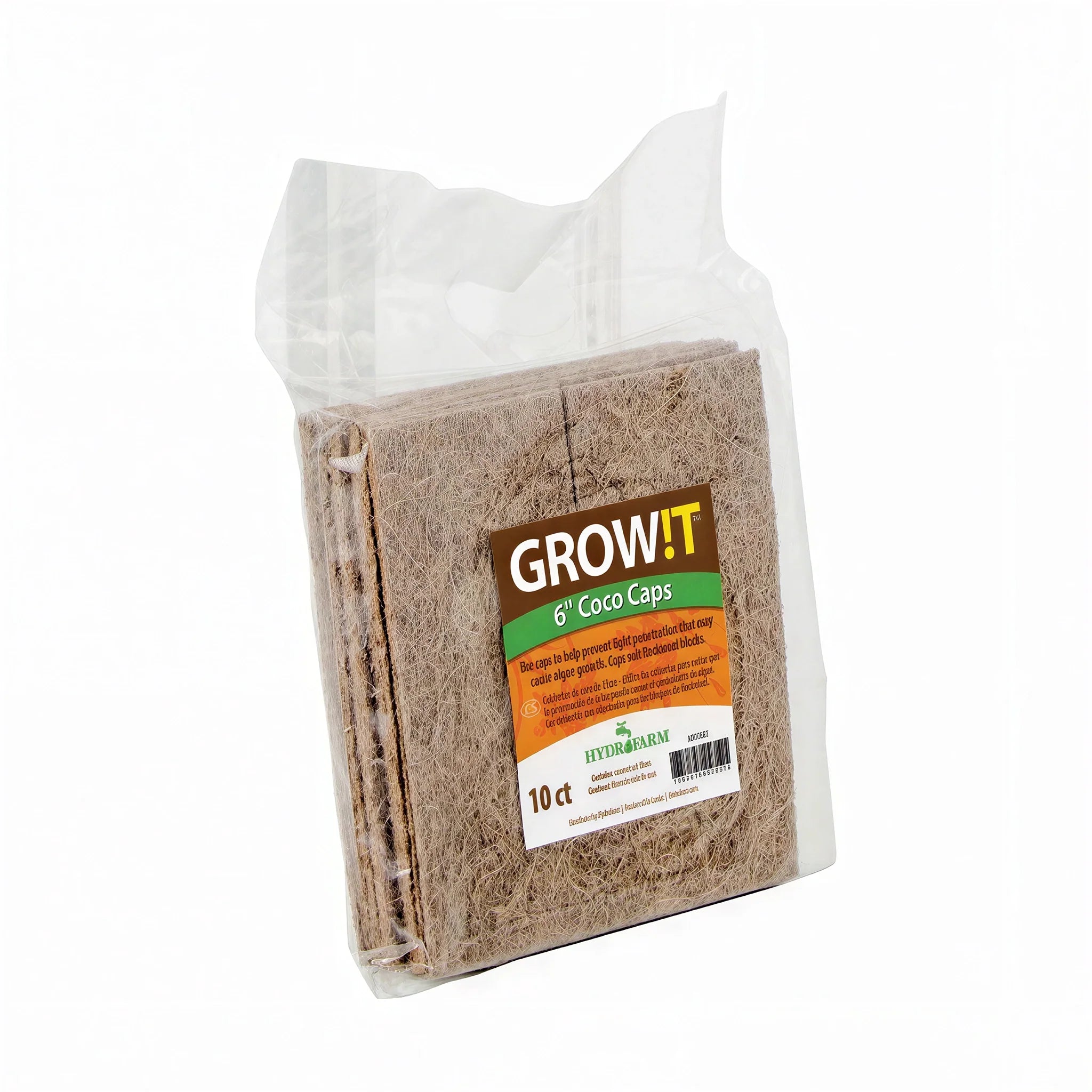
Coco coir is the most widely adopted growing medium in modern commercial indoor cultivation, offering an excellent balance of water retention (30-40% of volume) and air porosity in a natural, renewable material. It works well across container sizes from 1-gallon pots to large grow bags and slabs, is compatible with hand-watering and automated drip programs, and supports both hobby and commercial production scales. Pre-buffered coco from Coirgro, Mother Earth, and other qualified brands is ready to use immediately after hydration. Coco requires dedicated Cal-Mag supplementation throughout the grow cycle to compensate for its inherent calcium and magnesium buffering behavior. Browse our complete coco coir collection and read our updated guide to growing in coco coir.
Rockwool -- The Commercial Greenhouse Standard
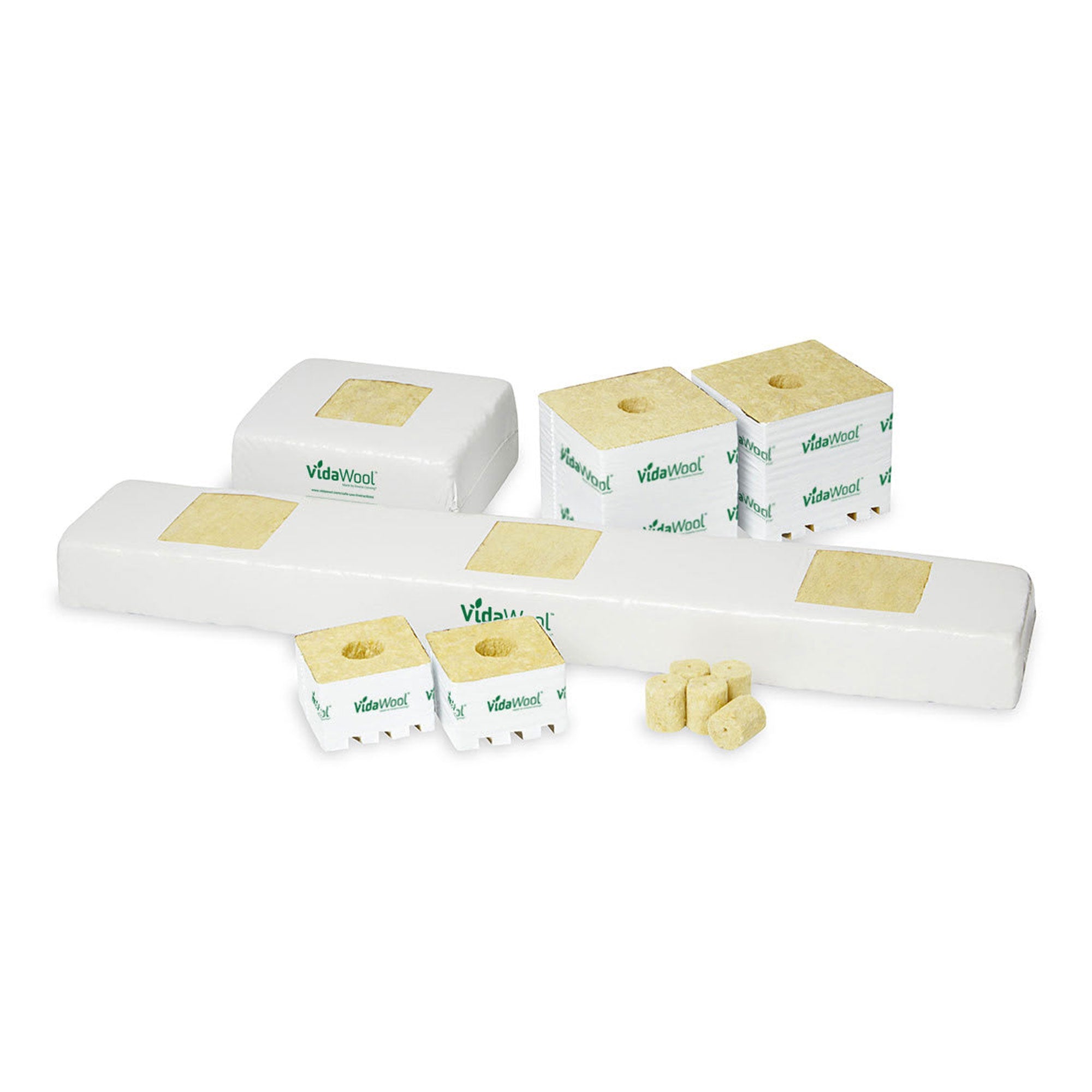
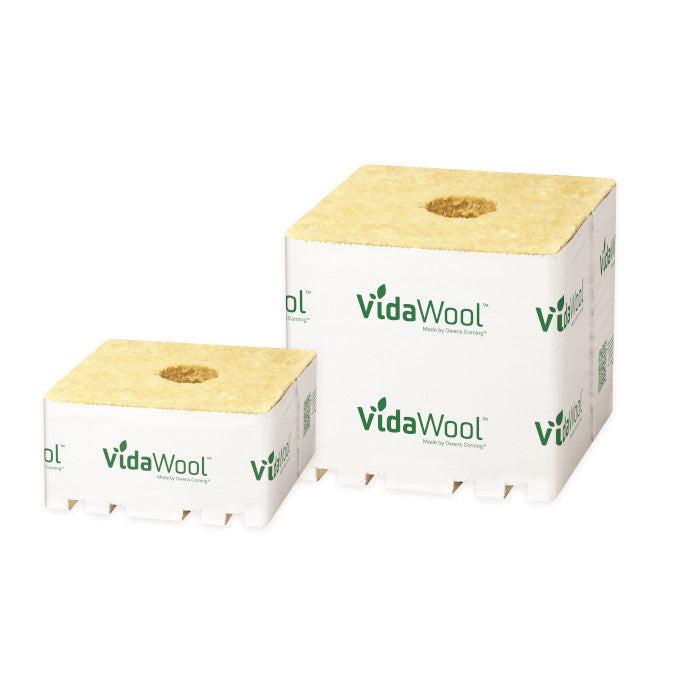
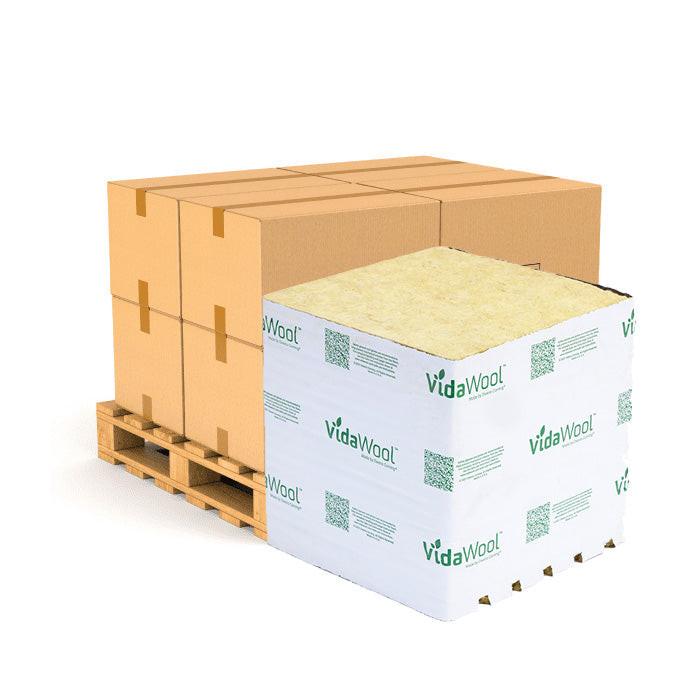
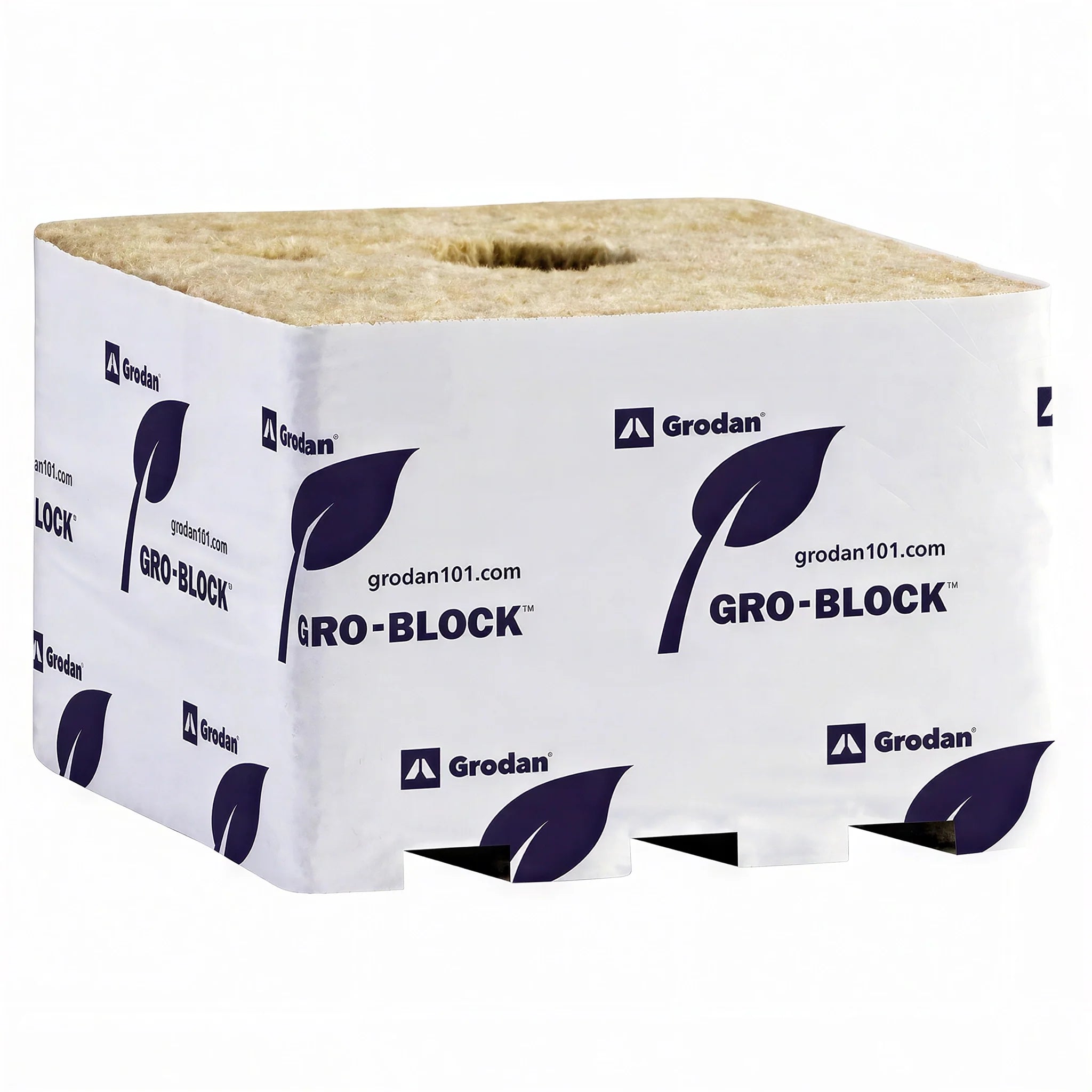
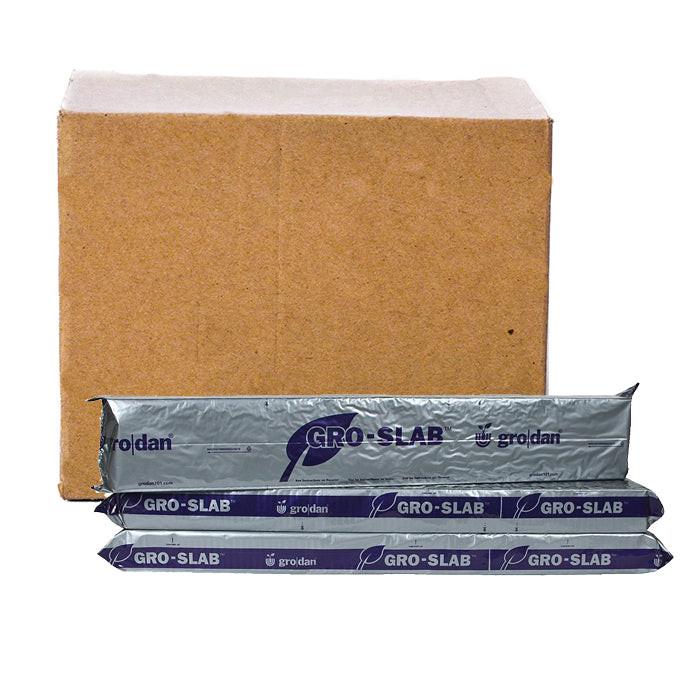
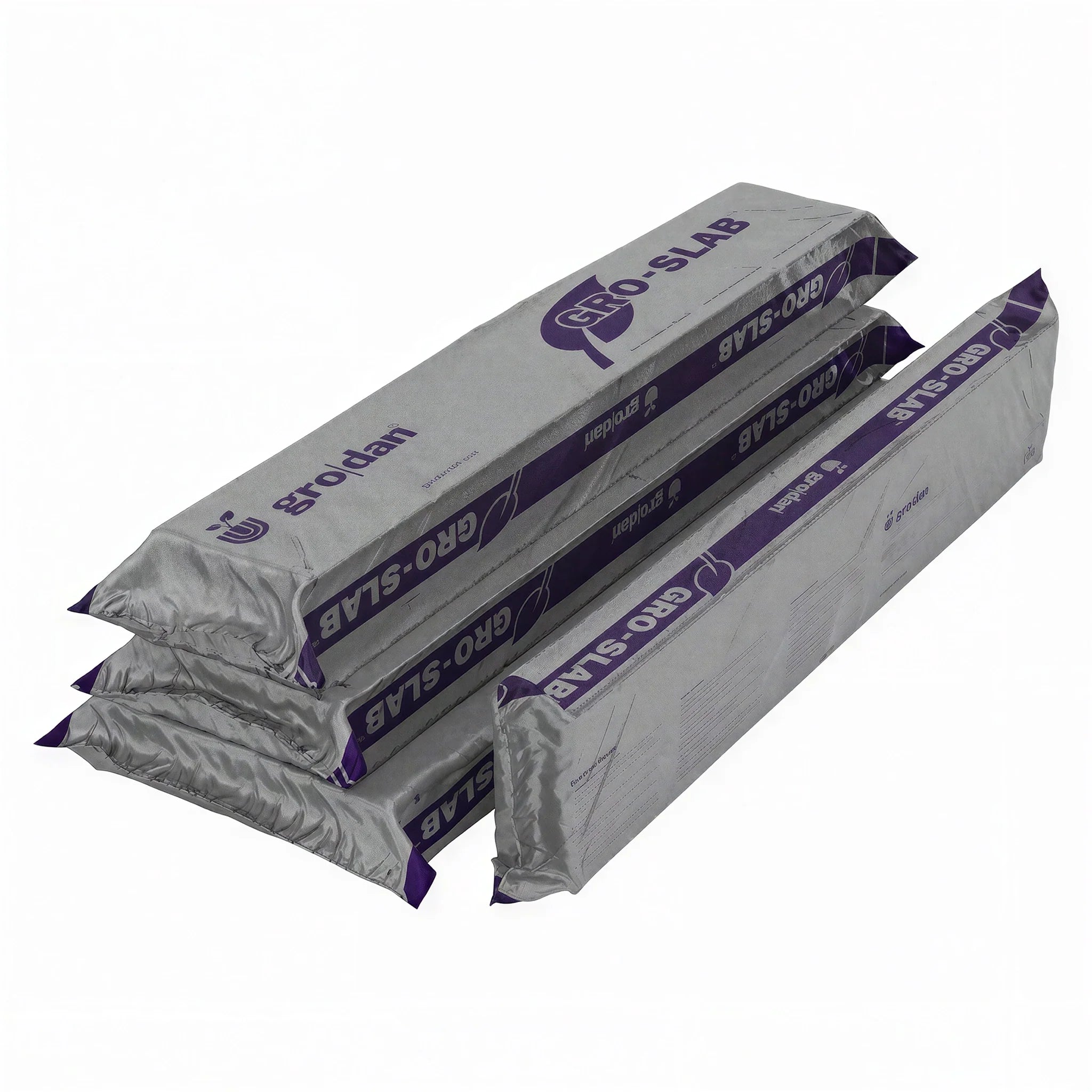
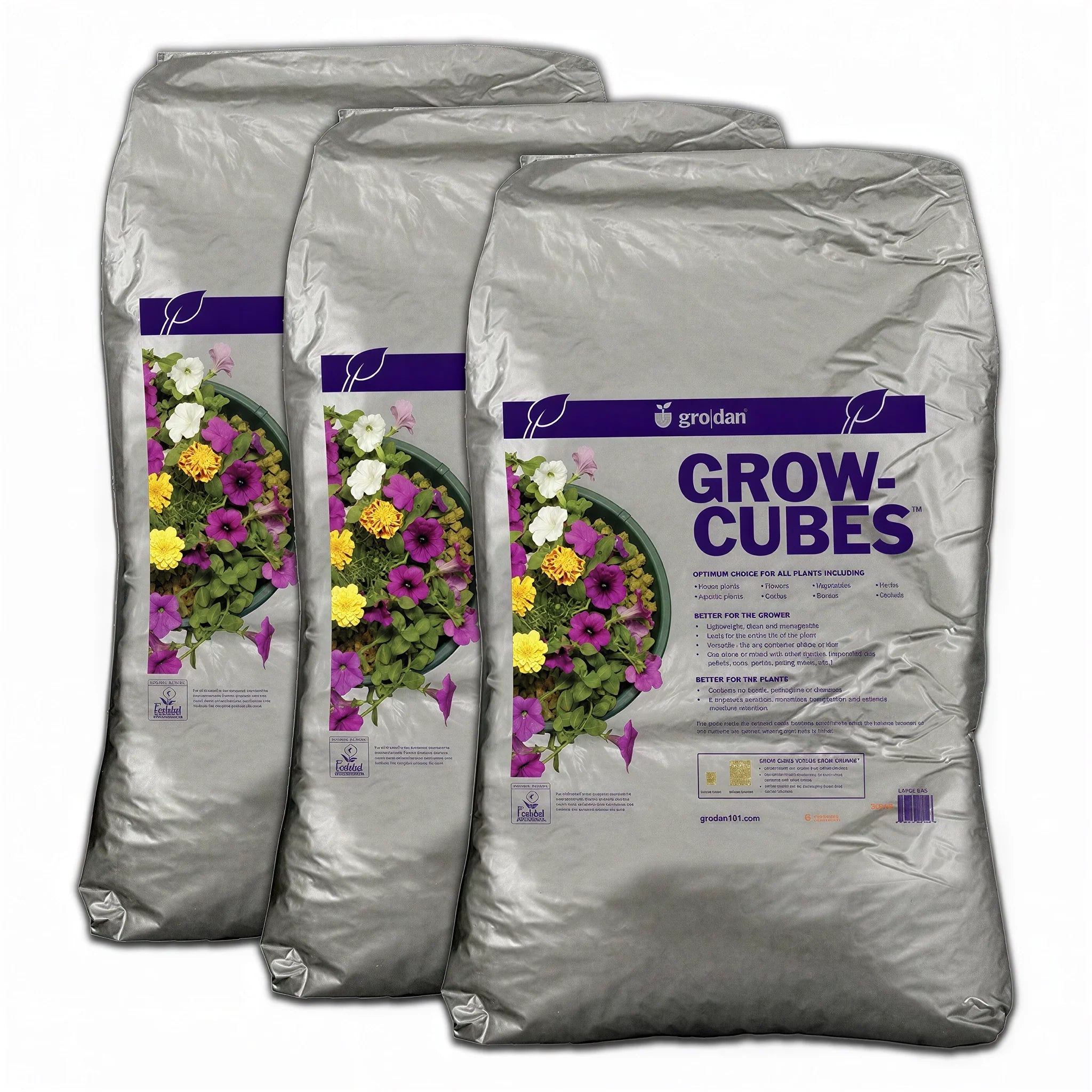
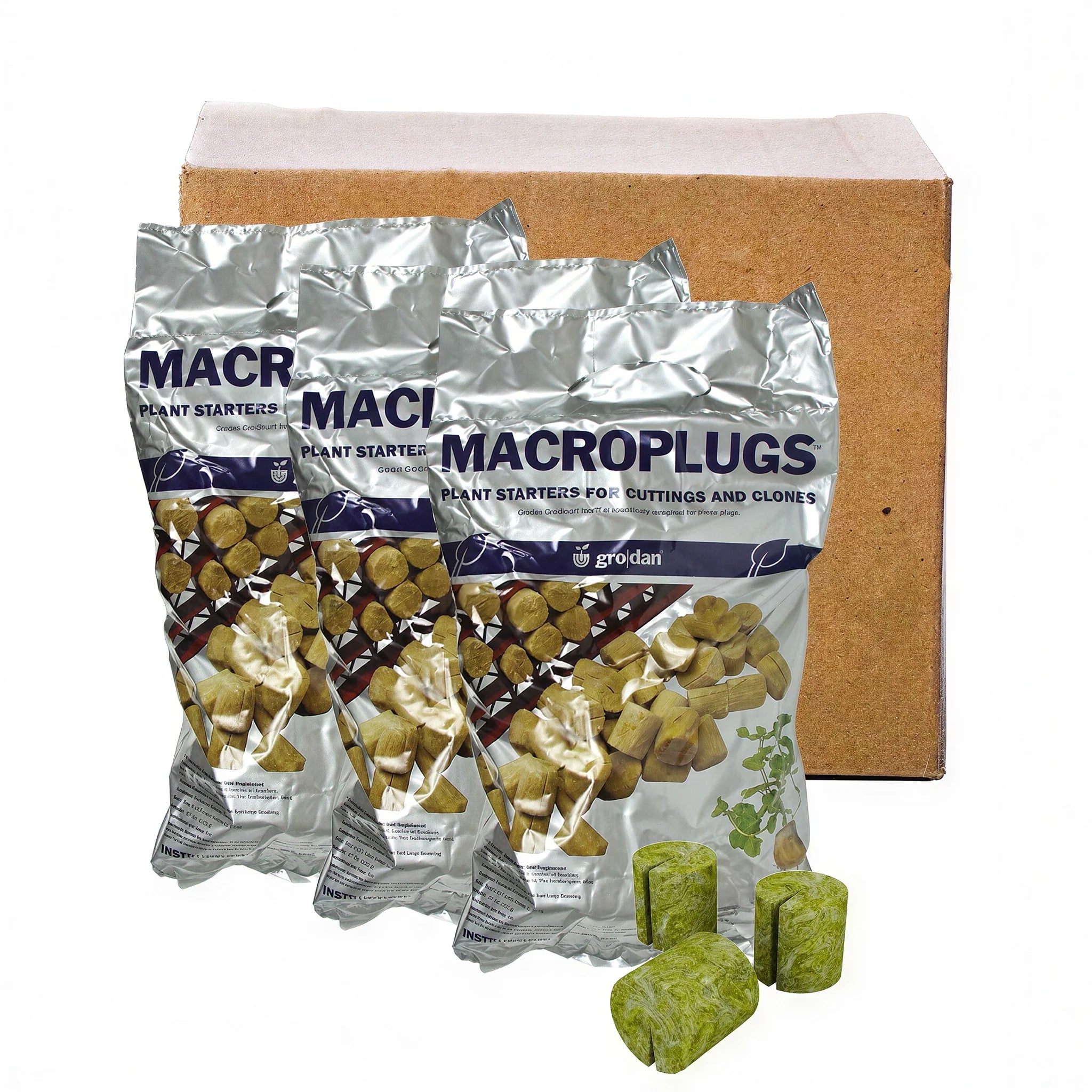
Rockwool (mineral wool, also called stonewool) is manufactured by melting basaltic rock and spinning the melt into fine fibers -- the same process used to produce building insulation, but in a sterile, pH-balanced horticultural grade. Rockwool has higher air porosity than coco (approximately 95-97% air space by volume when dry), making it ideal for the high-frequency drip irrigation programs used in commercial Dutch-style greenhouse production of tomatoes, cucumbers, and peppers. Available in propagation cubes (1-inch, 1.5-inch, 2-inch), larger transplant blocks, and slabs for commercial continuous drip systems. Rockwool must be pre-soaked in pH 5.5-6.0 buffered water before use to neutralize its naturally high pH. Qualified brands: Grodan and VidaWool. Browse our rockwool growing media collection and our updated rockwool growing guide.
Expanded Clay Pebbles (Hydroton) -- Ideal for DWC & Flood Tables
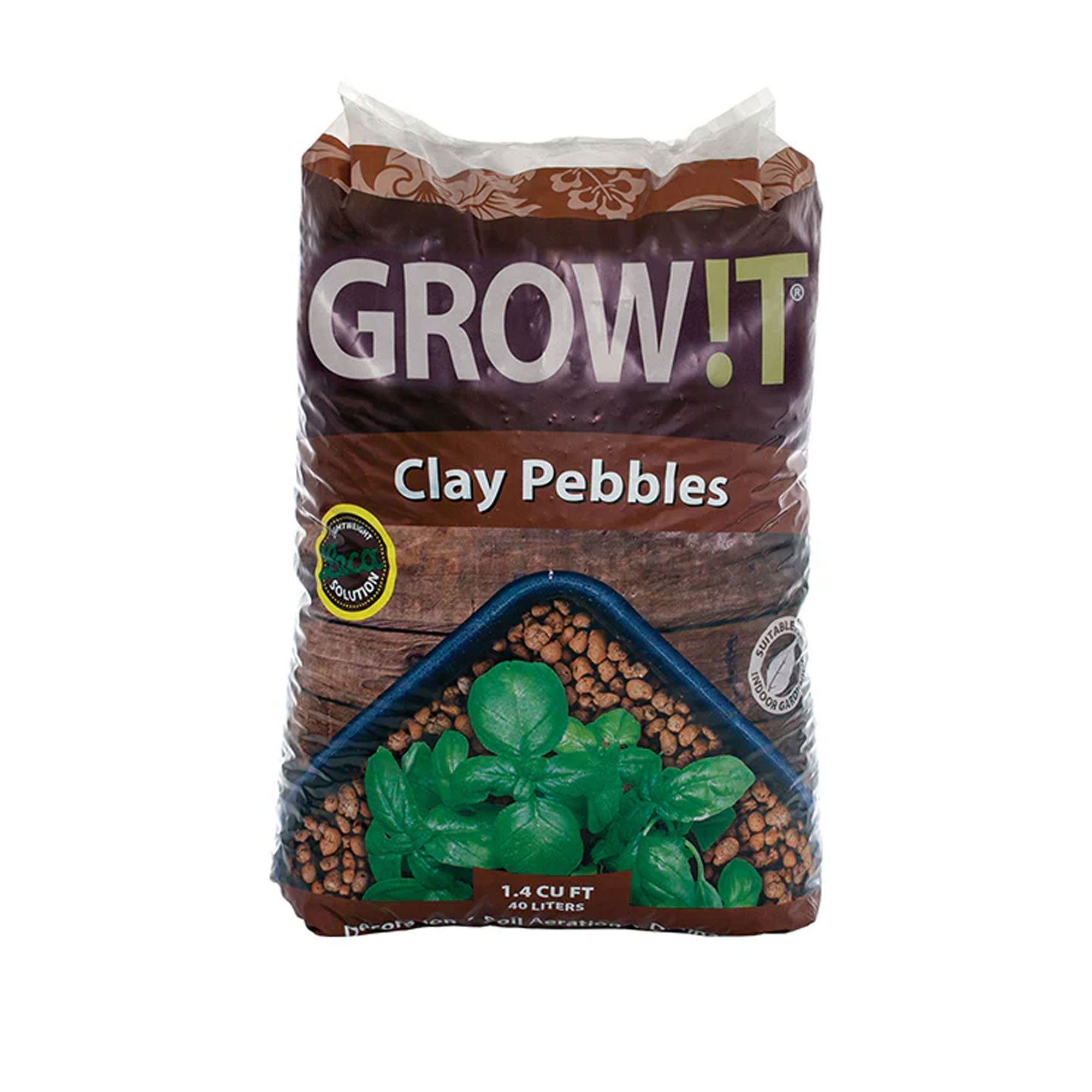
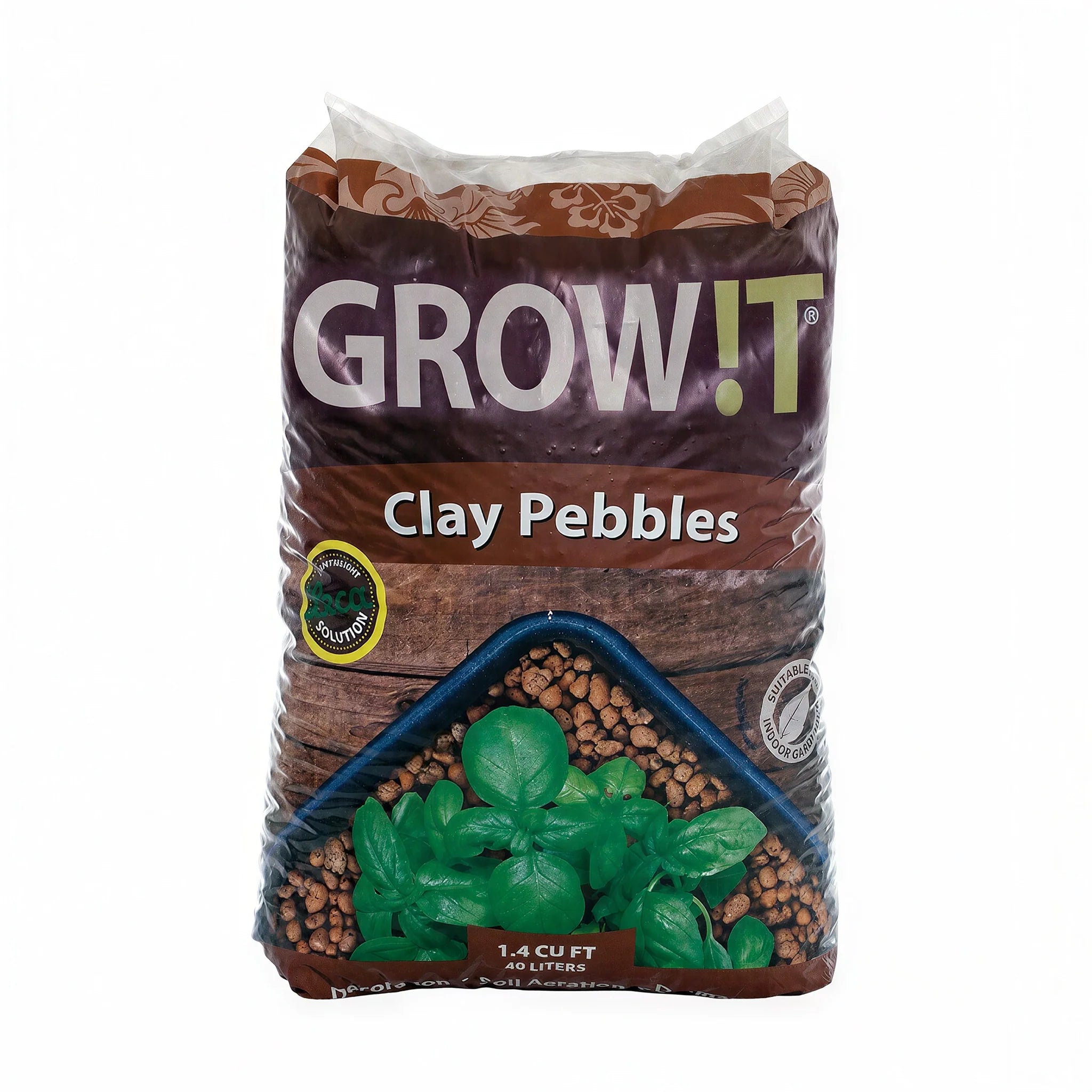
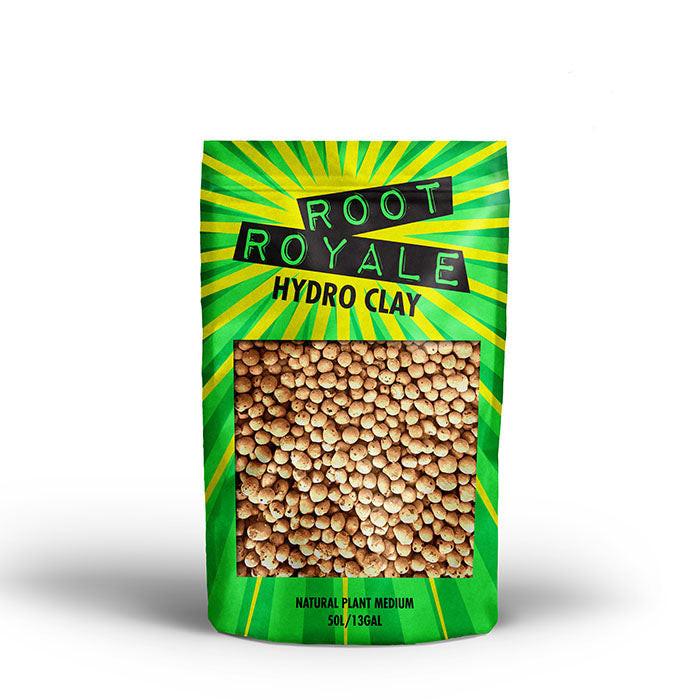
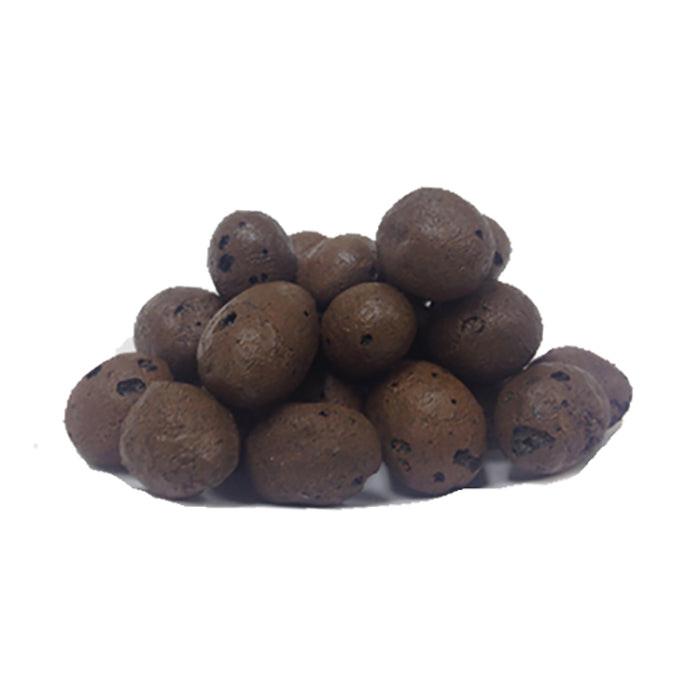
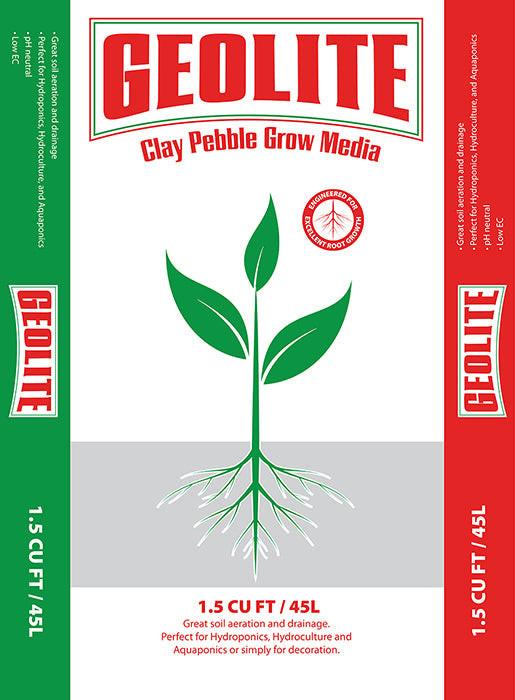
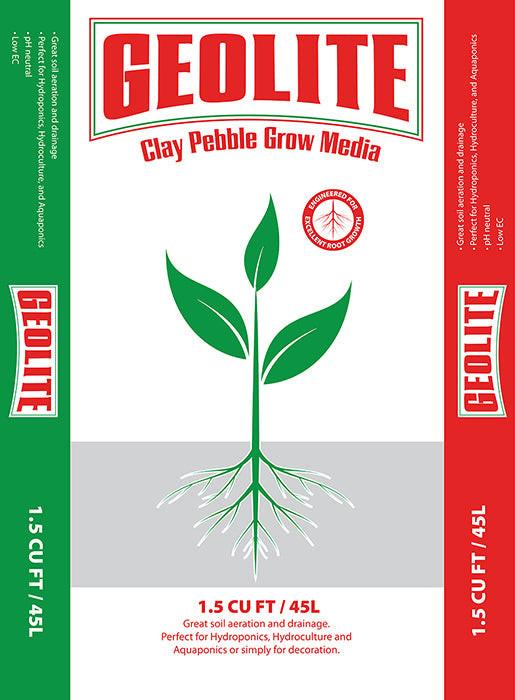
Expanded clay pebbles (commonly called hydroton or LECA -- lightweight expanded clay aggregate) are produced by heating clay to high temperatures until it expands into a porous, lightweight ball. Clay pebbles have extremely high air porosity and very low water retention -- they drain almost completely between flood cycles, making them ideal for DWC net pots, ebb and flow flood tables, and any application where roots need maximum air exposure between irrigation events. pH neutral, reusable after sterilization, and compatible with all hydroponic nutrient programs. Available in standard 8-16mm size (DWC, flood tables) and finer 4-8mm size (propagation, top-layer media). Rinse thoroughly before use to remove clay dust.
Perlite -- Drainage Amendment & Standalone Medium
Perlite is a volcanic glass that expands when heated into lightweight, porous particles. In growing applications, perlite is used primarily as an amendment mixed into coco coir (30-40% perlite by volume) to increase drainage and aeration -- particularly valuable in high-frequency automated drip programs where straight coco can retain too much water between events. Perlite is also used as a standalone medium in soilless containers and aeroponic propagation applications. Browse our perlite and growing amendments collection for both standard and coarse perlite grades.
Media Selection by System Type
DWC / RDWC: expanded clay pebbles in net pots. Ebb and flow: clay pebbles, perlite, or coco in containers on flood tables. Drip (coco): pre-buffered coco coir with 30-40% perlite in containers or grow bags. Drip (rockwool): Grodan or VidaWool slabs and blocks in elevated slab systems. NFT channels: rockwool cubes for plant support in channel openings. Aeroponics: small net pots with minimal media (starter plugs or rockwool cubes) at the top of the plant site. Fast shipping.
Hydroponic Growing Media FAQ
What growing media is best for hydroponics?
The best hydroponic growing media depends on your system type and irrigation method. For DWC: expanded clay pebbles (hydroton) in net pots -- maximum air porosity, neutral pH, reusable. For coco drip systems: pre-buffered coco coir with 30-40% perlite -- excellent water retention and air balance, compatible with high-frequency irrigation. For commercial Dutch-style greenhouse drip systems: rockwool slabs and blocks -- highest air porosity, consistent structure, commercial standard for tomatoes and cucumbers. For ebb and flow: clay pebbles or coco in containers -- both drain well after flood cycles. For propagation: rockwool cubes (seedling to transplant) or starter plugs in humidity domes.
Can I reuse hydroponic growing media?
Expanded clay pebbles (hydroton): yes, fully reusable with proper sterilization. Remove old roots and organic matter, soak in hydrogen peroxide solution (3% dilution for 30-60 minutes), rinse thoroughly, and dry completely before reuse. Multiple cycles of reuse are standard with clay pebbles. Coco coir: technically reusable but not recommended for a second full cycle without significant reconditioning -- salt accumulation and structural breakdown from root activity typically makes fresh coco more cost-effective for the next cycle in most commercial programs. Rockwool: single-use in most commercial operations due to structural compression after one cycle and root penetration that makes sterilization difficult. For hobby growers, rockwool can be sterilized and reused with reduced performance expectations.
What is the difference between coco coir and soil for growing?
Coco coir is an inert, pH-neutral medium that provides no nutrients itself -- all nutrition comes from your hydroponic nutrient solution. It has higher air porosity than most soils and drains more completely between irrigations. Because it is inert, it requires complete liquid nutrient programs starting from transplant. Soil contains organic matter, microbial life, and mineral nutrients that provide buffering and some inherent fertility -- a more forgiving environment for growers managing fewer variables. Coco coir allows more precise control over nutrition and faster response to EC and pH adjustments; soil has more biological buffering that absorbs nutrient imbalances and mistakes. Most serious hydroponic growers use coco or other inert media for the control and efficiency advantages; hobby growers often start in amended soil for its forgiving nature before transitioning.
How do I prepare rockwool cubes before use?
Rockwool has a naturally high pH (approximately 7-8 when dry) due to the calcium-based binders used in manufacturing. Before use, soak rockwool cubes or slabs in water adjusted to pH 5.5 for at least 1-2 hours, then drain and allow to drain to field capacity before seeding or transplanting. This pre-soak displaces the high-pH water within the rockwool fibers and buffers the medium to a plant-friendly pH range. Do not squeeze rockwool to remove water -- this compresses the fiber structure and reduces the air porosity that makes rockwool effective. After pre-soaking, rockwool should feel moist but not dripping wet when lifted. If pH does not stabilize in the 5.5-6.5 range after pre-soaking, repeat the pH 5.5 soak for another hour.