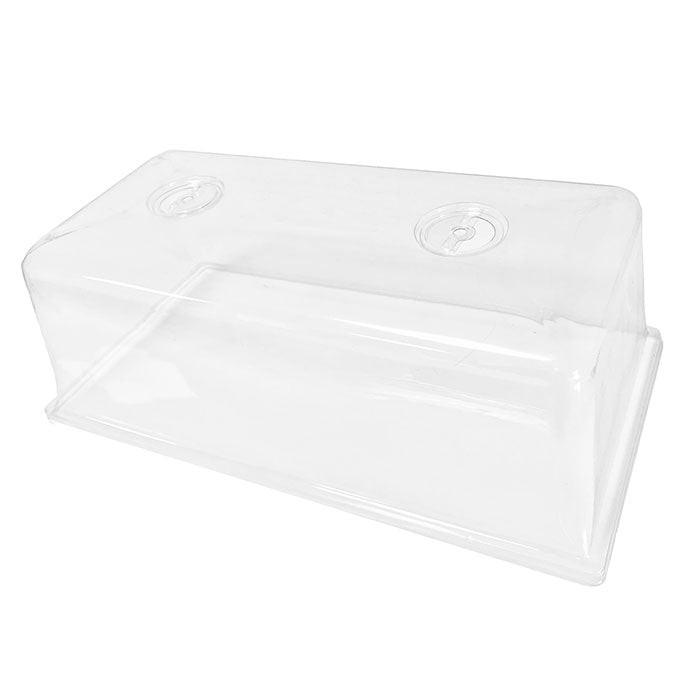
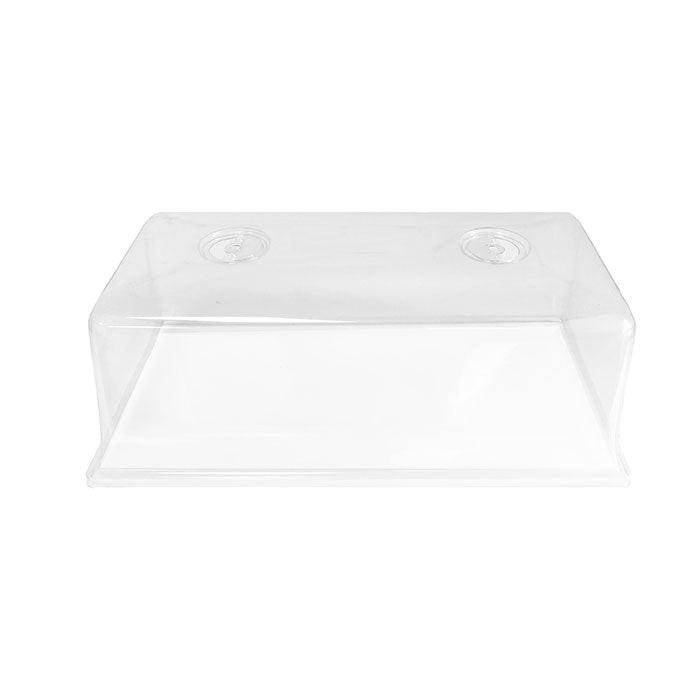
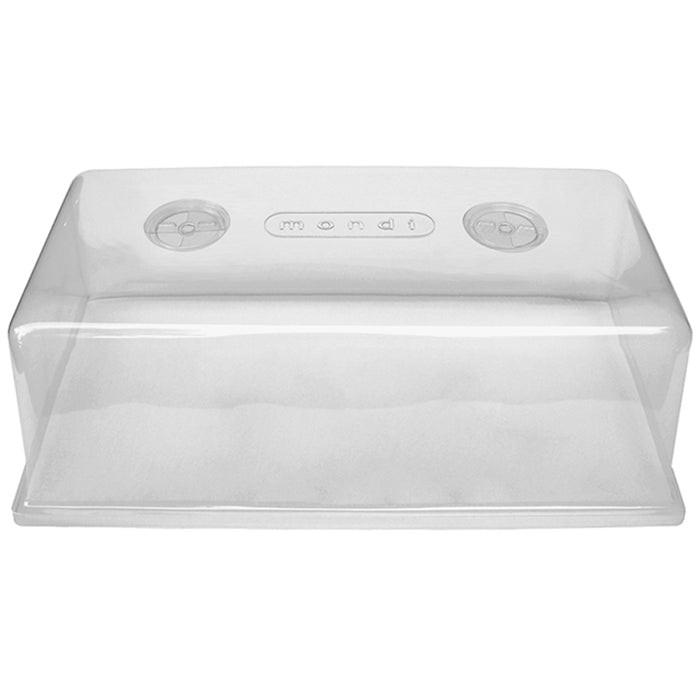
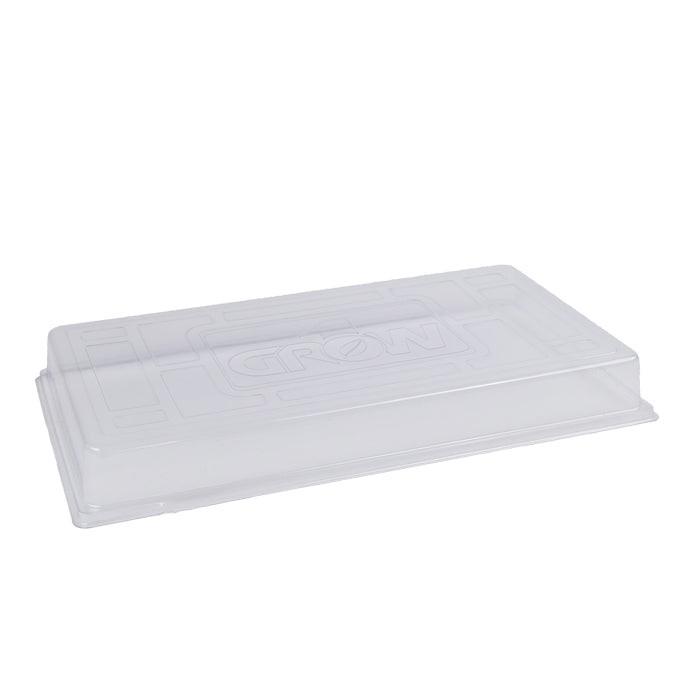
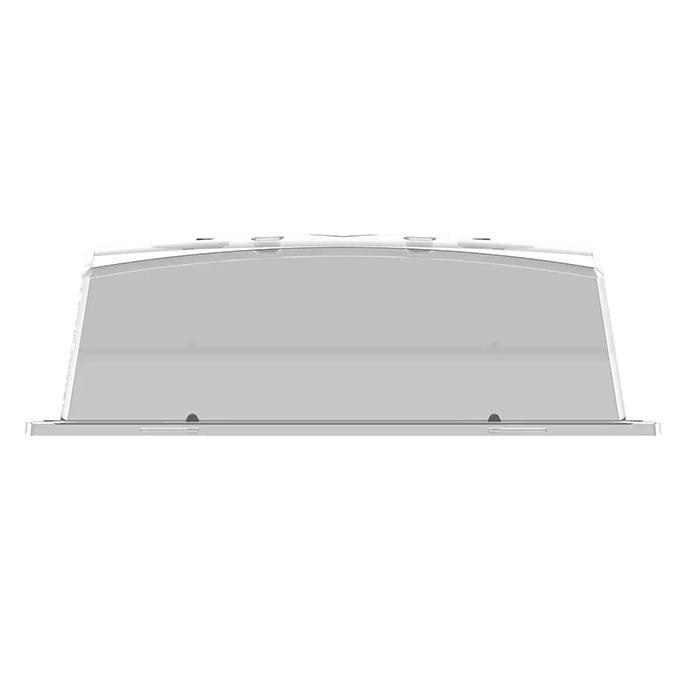
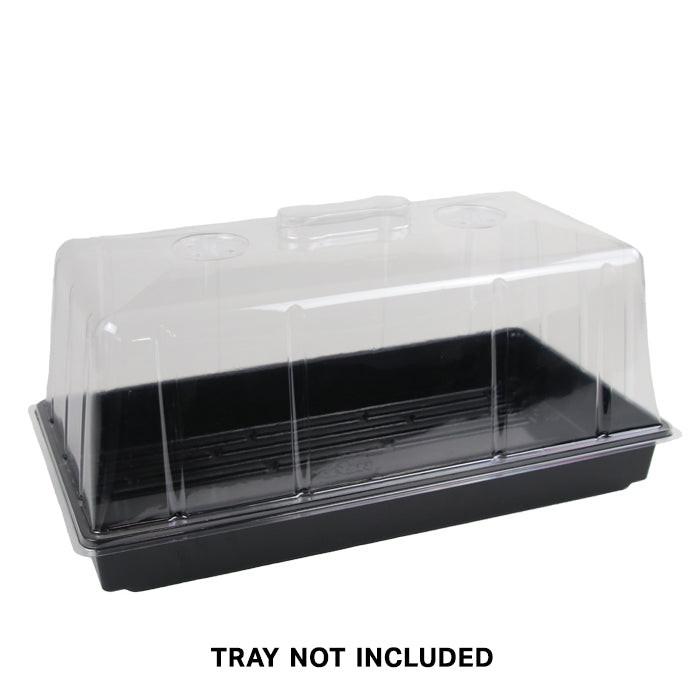
Humidity Domes & Propagation Dome Covers
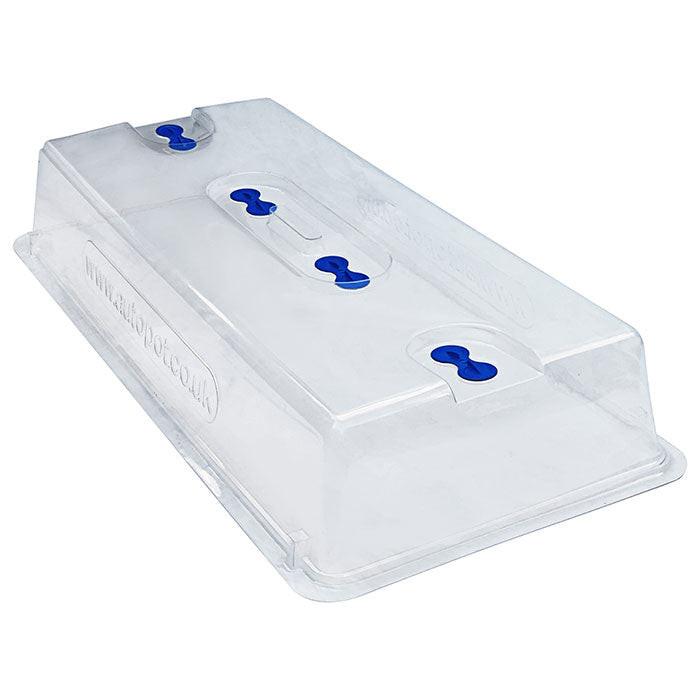
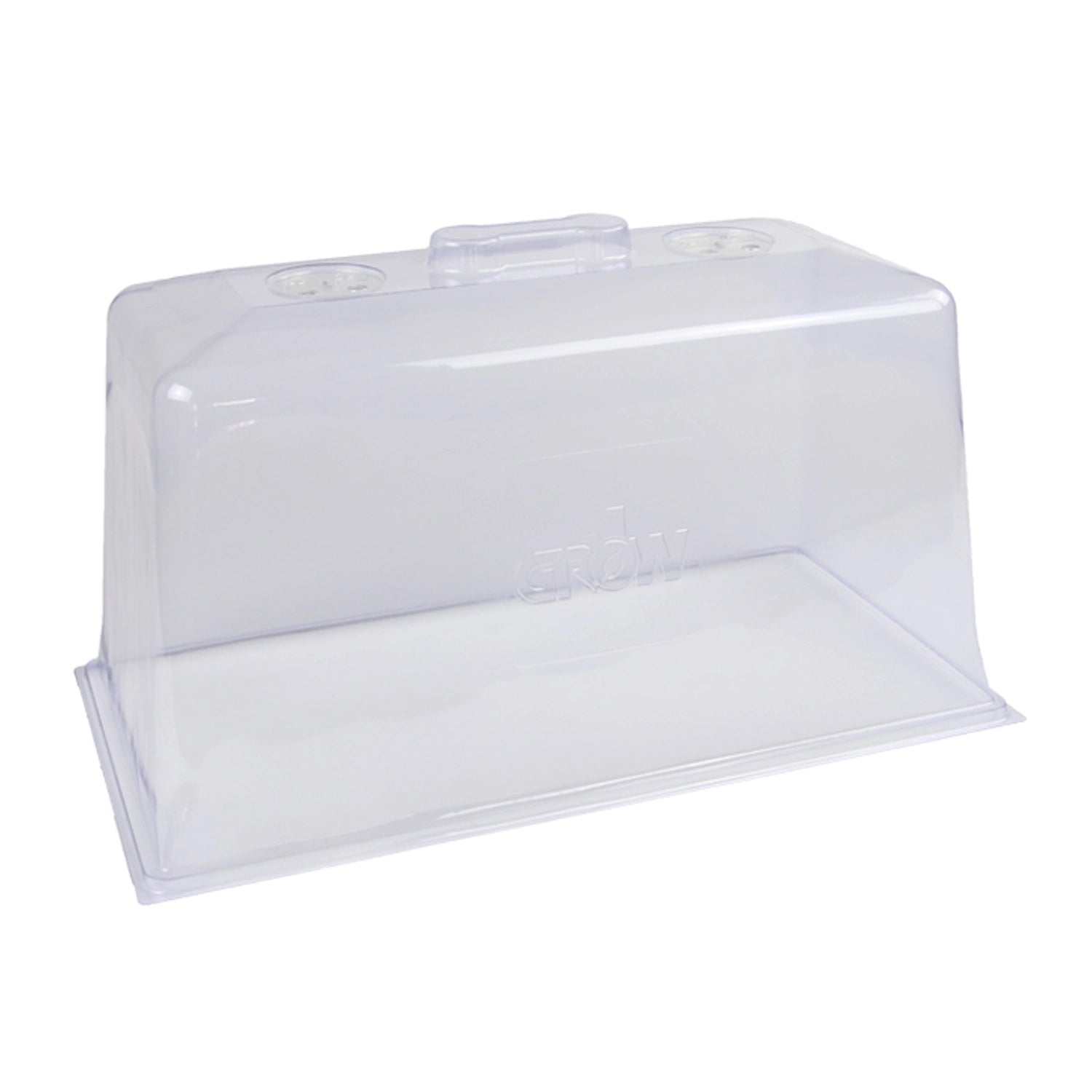
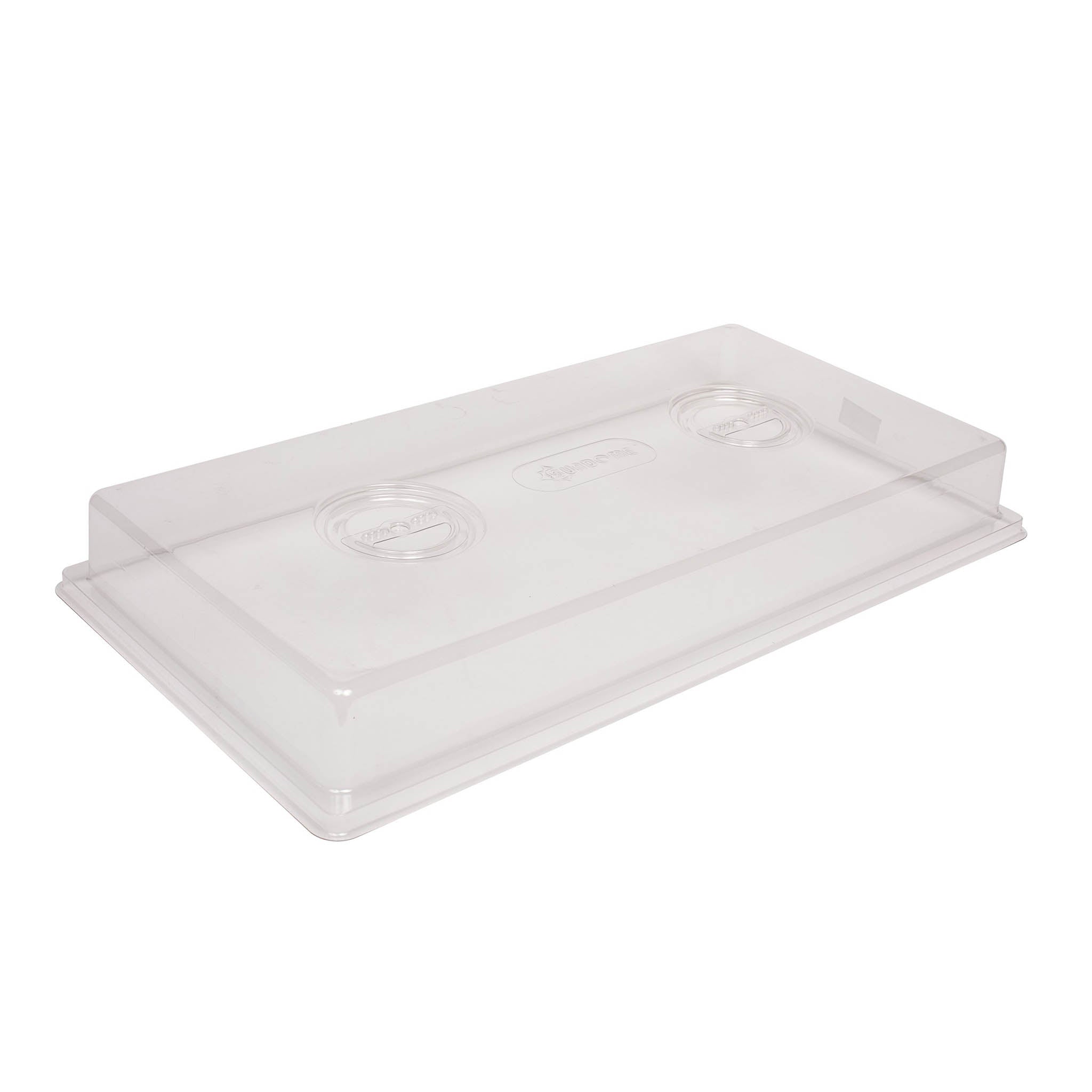
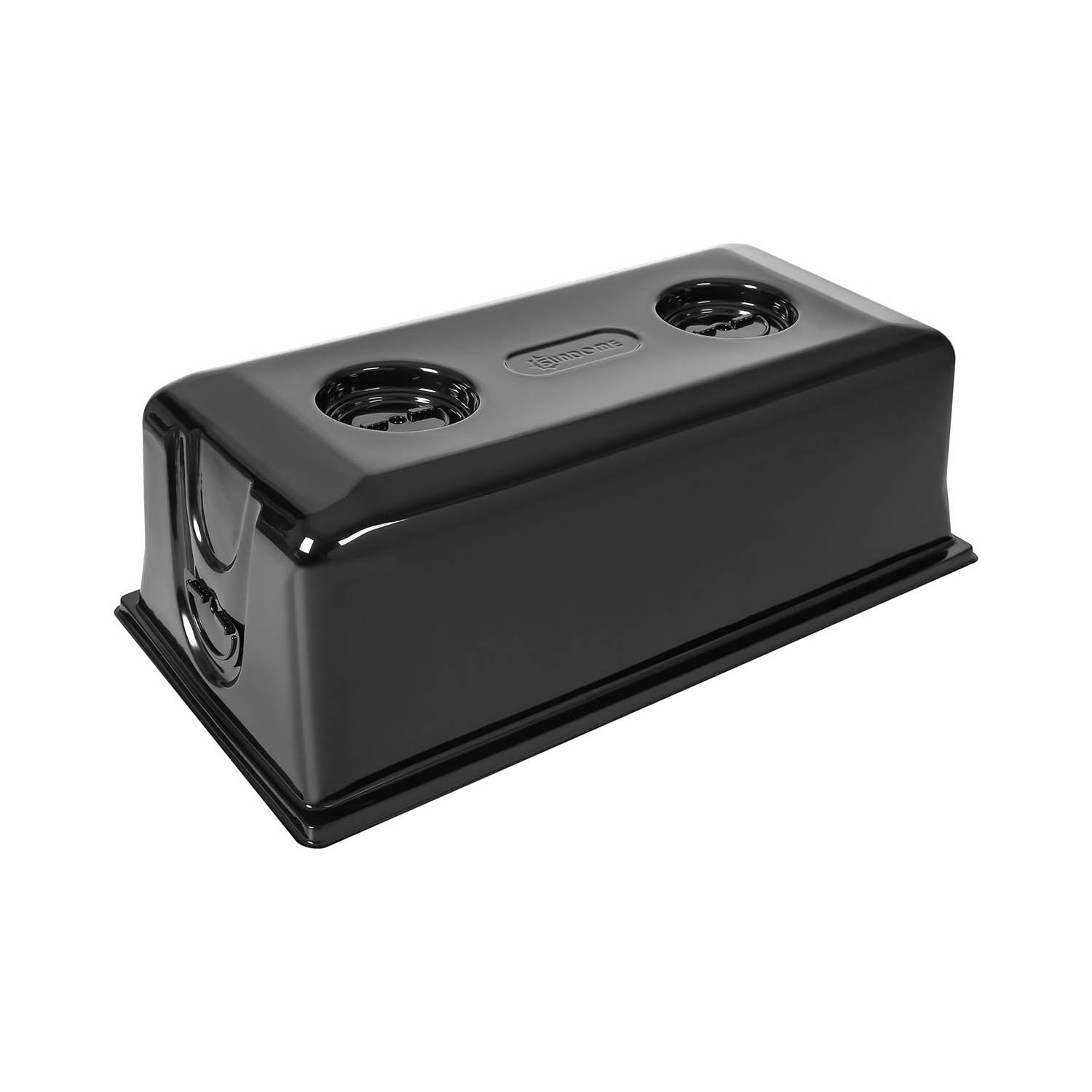
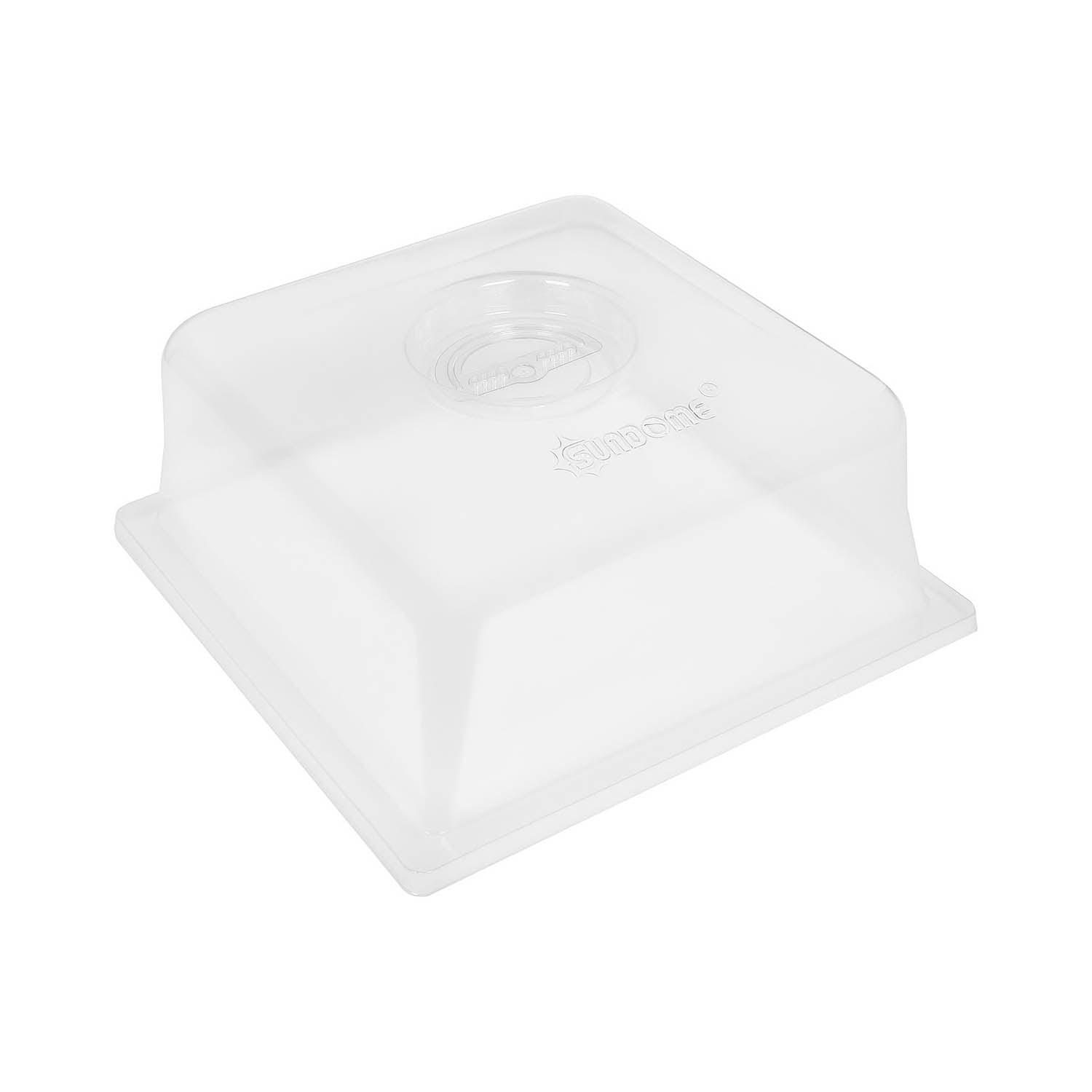
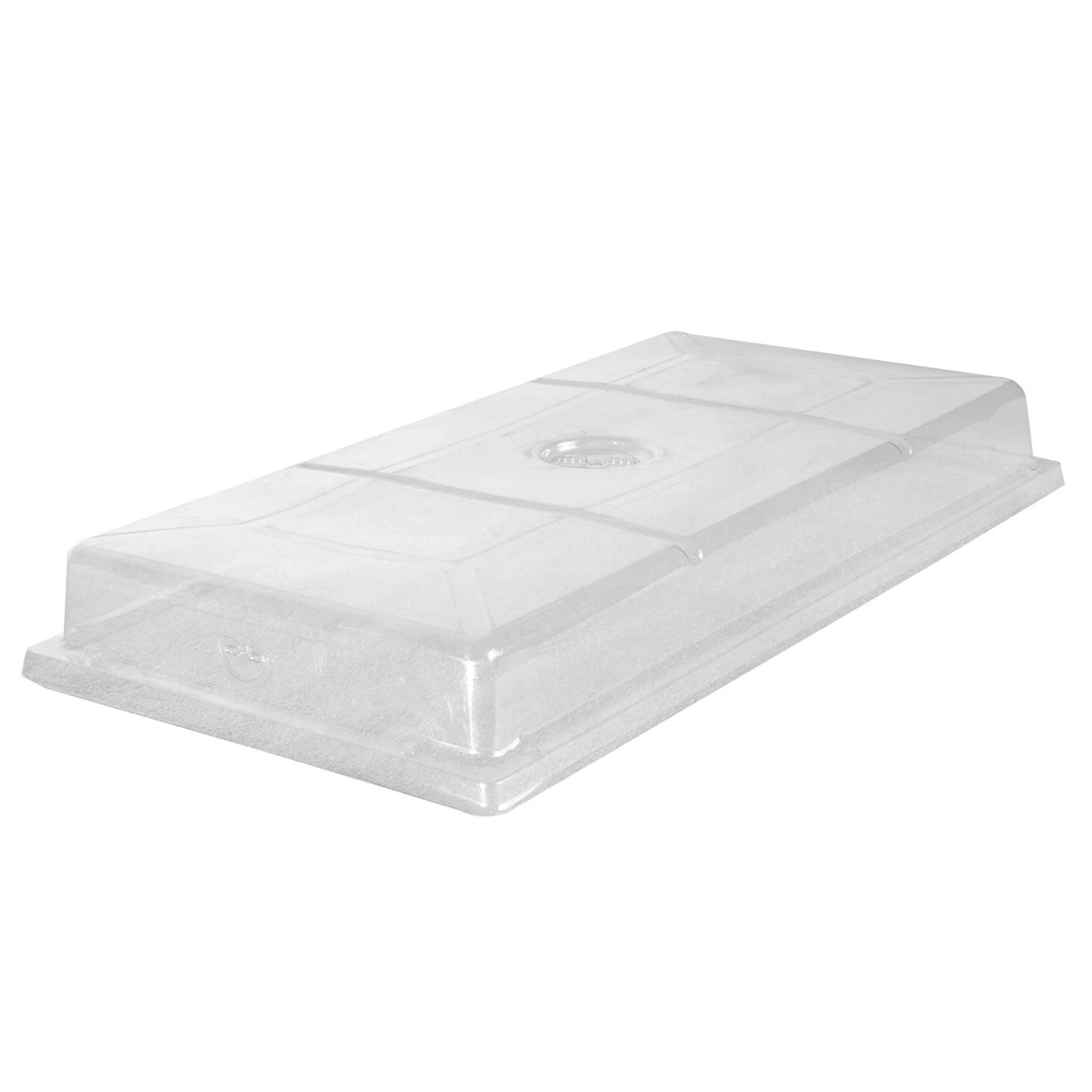
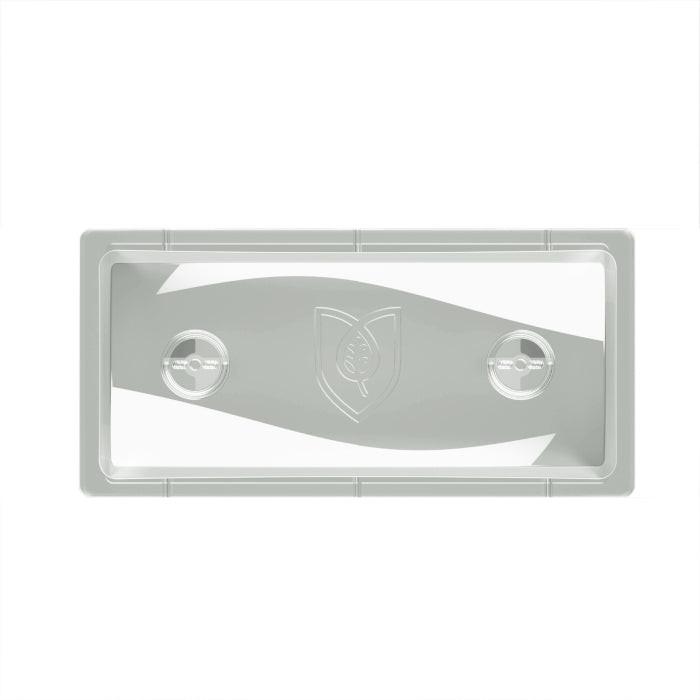
Humidity domes are clear plastic covers that sit over seedling trays and propagation inserts to maintain a high-humidity microclimate around germinating seeds and unrooted cuttings. Both seed germination and cutting propagation depend on the same physiological condition: the plant needs to maintain turgor pressure in cells despite having no functional root system yet. In a standard grow room environment at 50-60% RH, water loss through a small seedling's leaves or a cutting's stem surface can exceed the plant's ability to take up water, causing wilting that stresses and potentially kills young tissue before establishment. A humidity dome traps the moisture that evaporates from the propagation media and plant surfaces, maintaining 80-95% RH inside the dome without any active humidity source.
Dome Venting & Hardening Off
Propagation domes include adjustable vents for a reason: the transition from dome humidity (80-95% RH) to ambient room humidity (40-60% RH) cannot be made abruptly. Seedlings and cuttings developed under a humidity dome have reduced cuticle wax development and stomatal regulation because they have never experienced the stress signal of low humidity. Moving them directly to ambient room conditions causes rapid water loss through underdeveloped cuticles and poorly regulating stomata, resulting in wilting and shock. Open the dome vents progressively over 3-5 days before removing the dome entirely -- gradually exposing the plants to lower humidity so the cuticle and stomata can develop the capacity to handle ambient conditions. Browse our complete propagation collection for all dome and tray options.
Heating & Lighting Under Domes
Most seeds germinate fastest at 70-80 degrees F substrate temperature. A seedling heat mat placed under the tray maintains substrate temperature independently of ambient room temperature. T5 fluorescent or LED bars 2-4 inches above the dome top provide adequate light for seedling development. Fast shipping.
Humidity Domes FAQ
Why do seeds and cuttings need a humidity dome?
Seeds and unrooted cuttings have no functional root system to replace water lost through transpiration. In normal room humidity (40-60% RH), water evaporates from the young tissue faster than the tiny seed roots or cutting stem can supply it -- the plant wilts and may not recover. A humidity dome traps evaporated moisture and creates a 80-95% RH microclimate where water loss rate is reduced to a level the developing plant can maintain. Once roots are established and the plant can take up water faster than it transpires, the dome is no longer needed.
How long should I keep a humidity dome on seedlings?
Keep the dome on until seedlings have established their first true leaves and are showing vigorous growth -- typically 7-14 days after emergence for most vegetables and herbs. Then begin the hardening-off process: open the dome vents fully for 2-3 days, then remove the dome entirely. For cuttings: keep the dome on until roots are visible through the propagation cube or plug (typically 7-21 days depending on species), then harden off over 3-5 days before transitioning to full ambient conditions.
Should I water inside the humidity dome?
Water lightly and infrequently under a humidity dome -- the closed environment significantly reduces evaporative water loss from the propagation media, so the media stays moist much longer than in open-air conditions. Overwatering under a dome is a common mistake: the combination of high humidity and waterlogged media creates ideal conditions for damping off (fungal rot at the seedling base). Check media moisture by pressing gently with a fingertip -- water only when the top 1/4-inch of media feels dry to the touch. If condensation inside the dome is extremely heavy, open vents slightly to reduce humidity and slow media saturation.
What is the difference between a short dome and a tall dome?
Standard propagation dome heights: short domes (2-2.5 inches) fit over 10x20 seedling trays with standard cell inserts and are intended for seeds and small seedlings that will be transplanted before growing tall; tall domes (5-7 inches) provide headroom for cuttings that are taller than 3-4 inches or for seedlings that will spend more time under the dome before transplant. Match dome height to the tallest plant material being propagated -- a cutting that pushes against the dome lid creates an extremely humid stagnant zone that promotes botrytis and fungal disease at the contact point.
Can I use a humidity dome with a heat mat?
Yes -- heat mats and humidity domes are complementary propagation tools. The heat mat maintains substrate temperature from below (target 70-80 degrees F); the dome maintains humidity from above. Position the heat mat under the seedling tray, place the tray on the mat, and cover with the dome. Monitor temperature inside the dome -- enclosed spaces above heat mats can exceed target temperature if the mat output is too high for the ambient room temperature. Thermostatic heat mat controllers prevent overheating by cycling the mat on and off to maintain a set substrate temperature.