HPS & MH Grow Lights -- High Pressure Sodium & Metal Halide
High pressure sodium (HPS) and metal halide (MH) grow lights are the long-established commercial standard in indoor horticulture. HPS lights produce a warm red-orange spectrum that drives flowering and fruit development; metal halide produces a cooler blue-white spectrum that supports vegetative growth and compact internodal spacing. Despite the rapid adoption of LED technology in new builds, HPS remains the dominant lighting format in existing commercial operations worldwide -- proven, cost-effective to install, and supported by decades of cultivation data.
Single-Ended vs. Double-Ended HPS
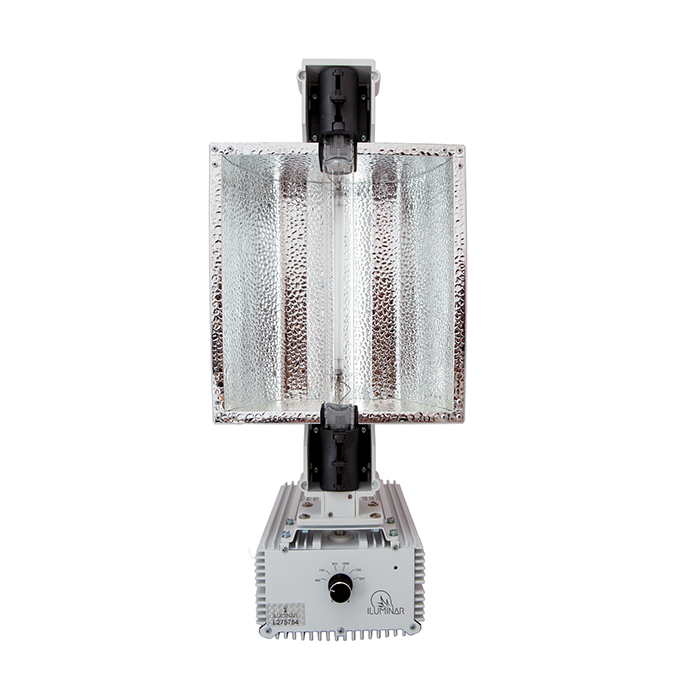
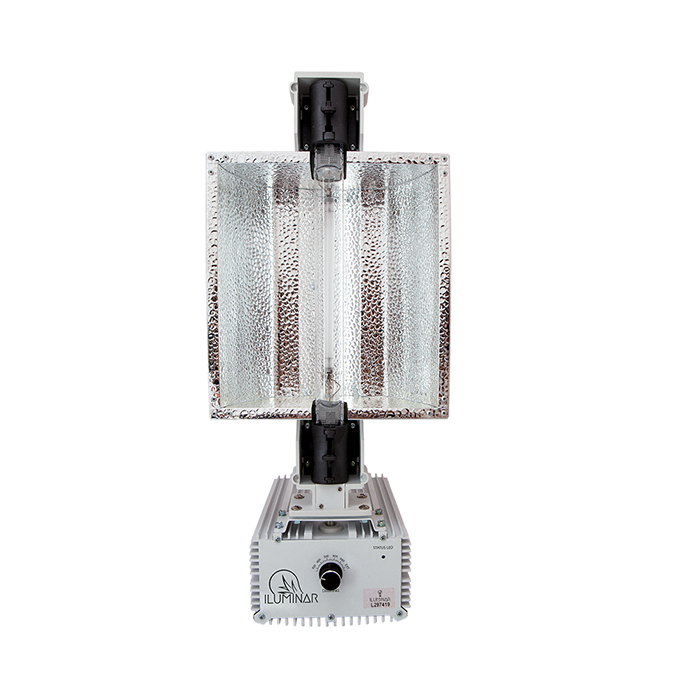
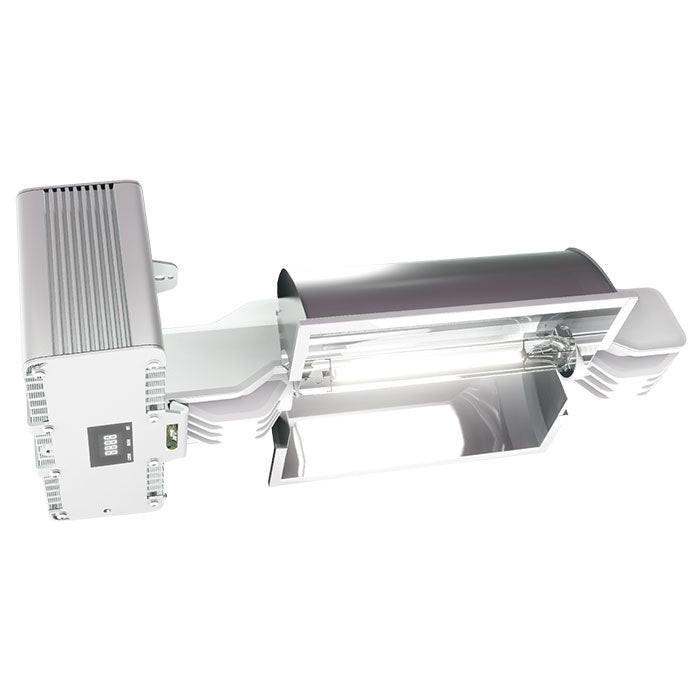
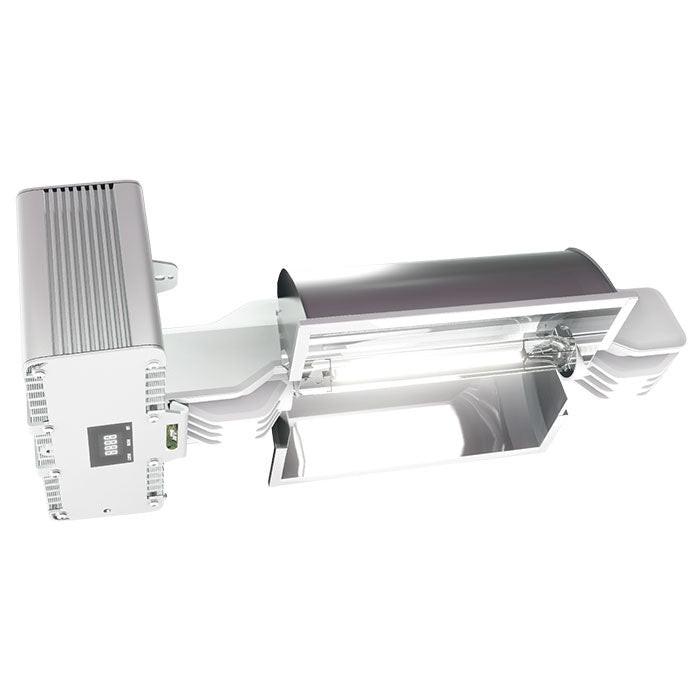
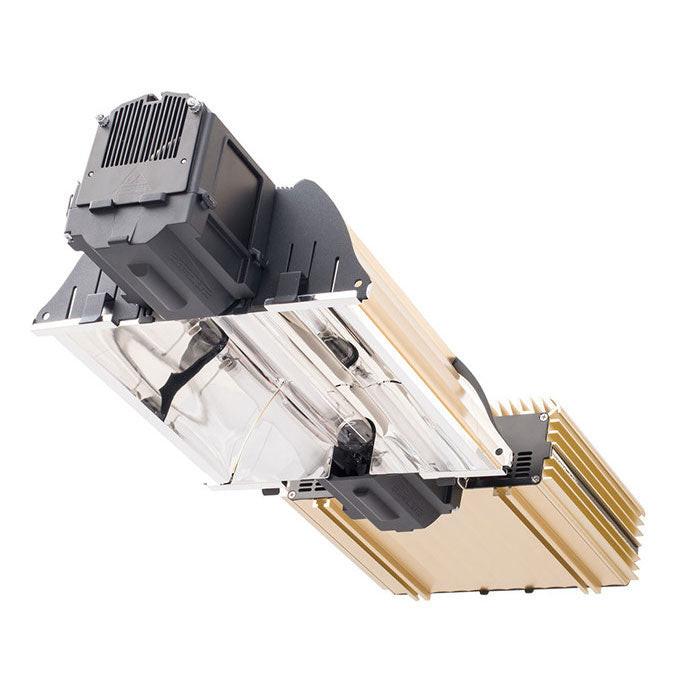
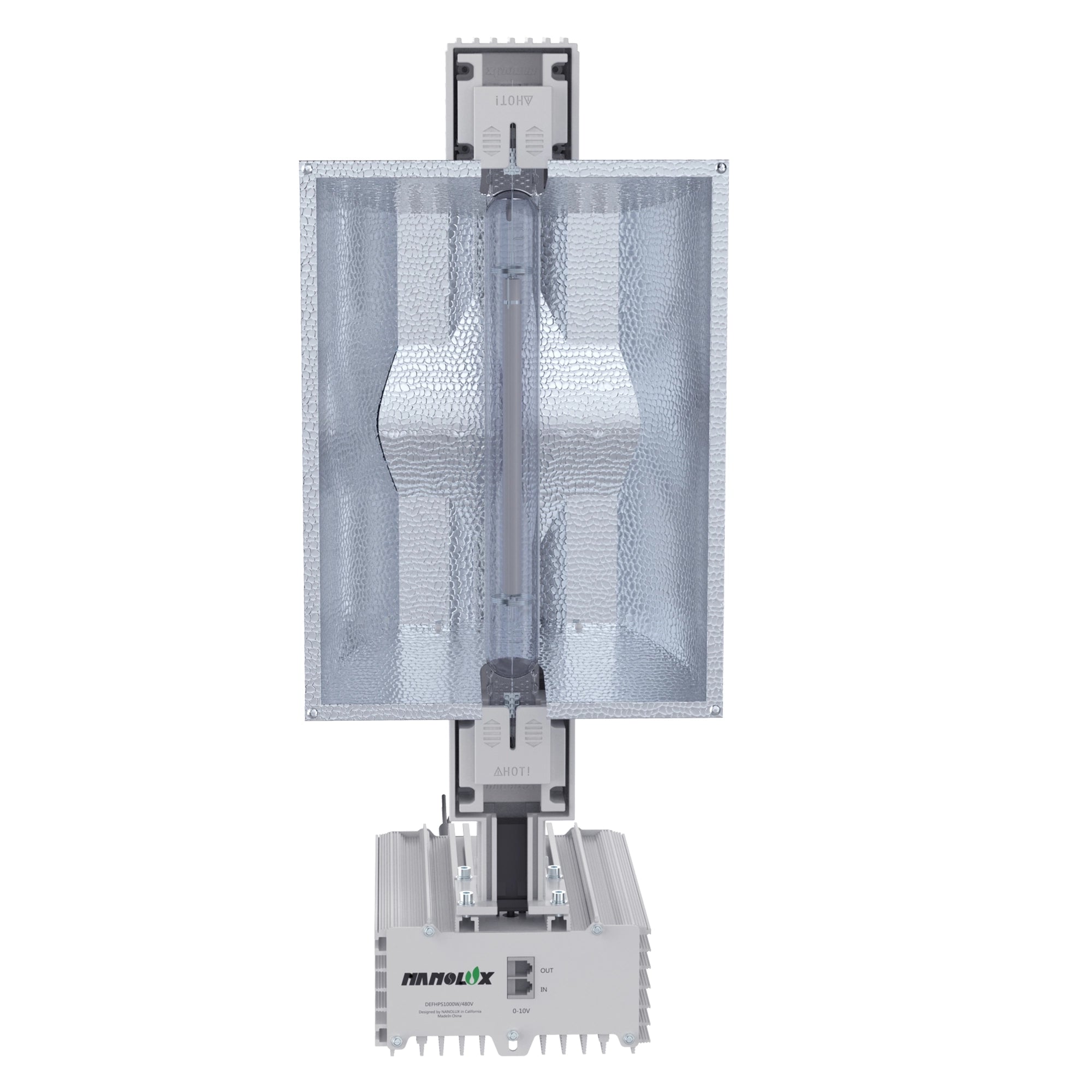
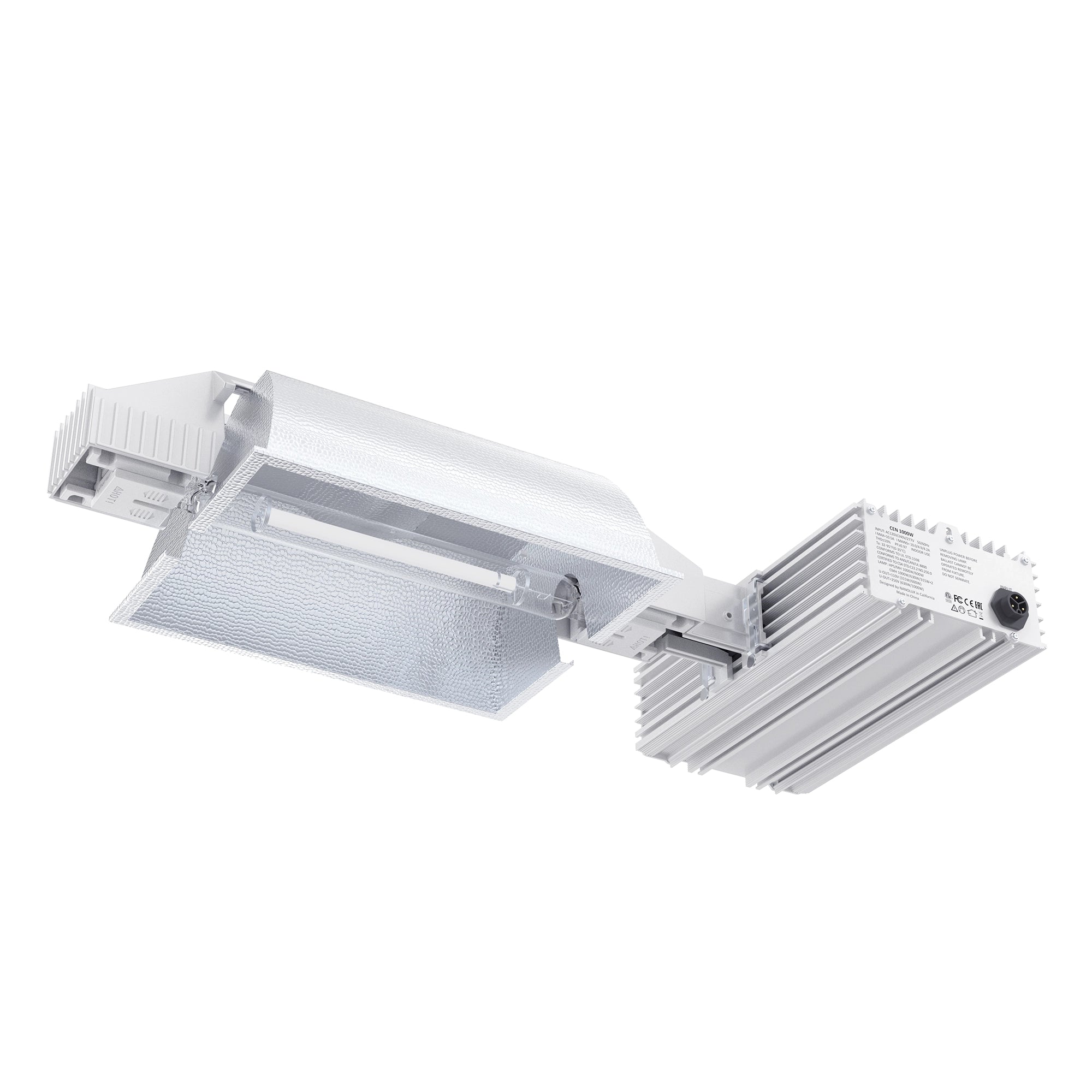
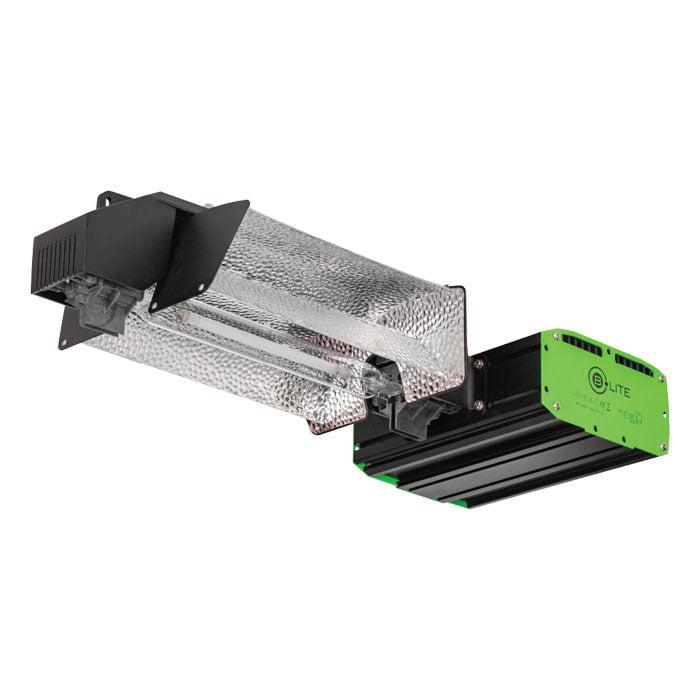
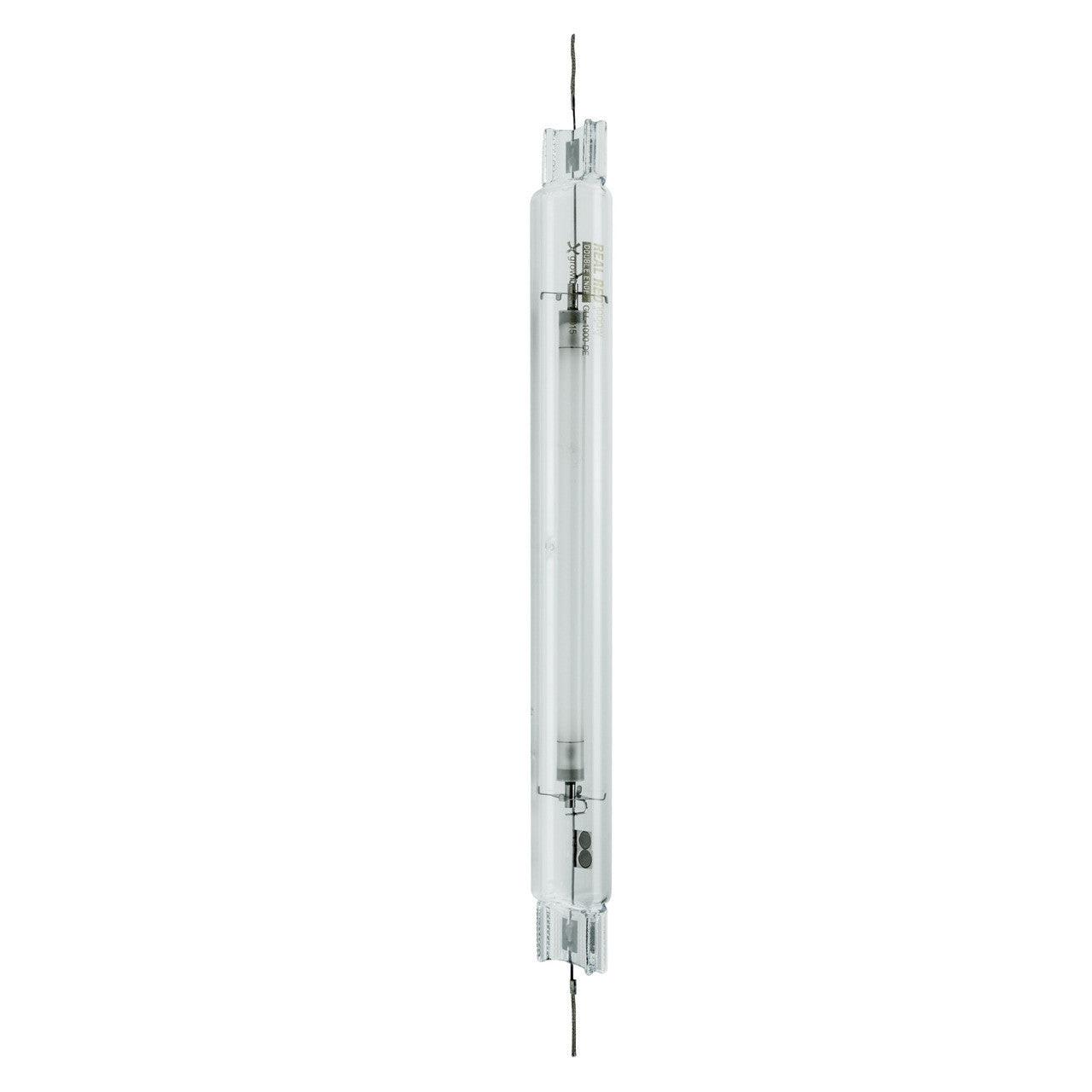
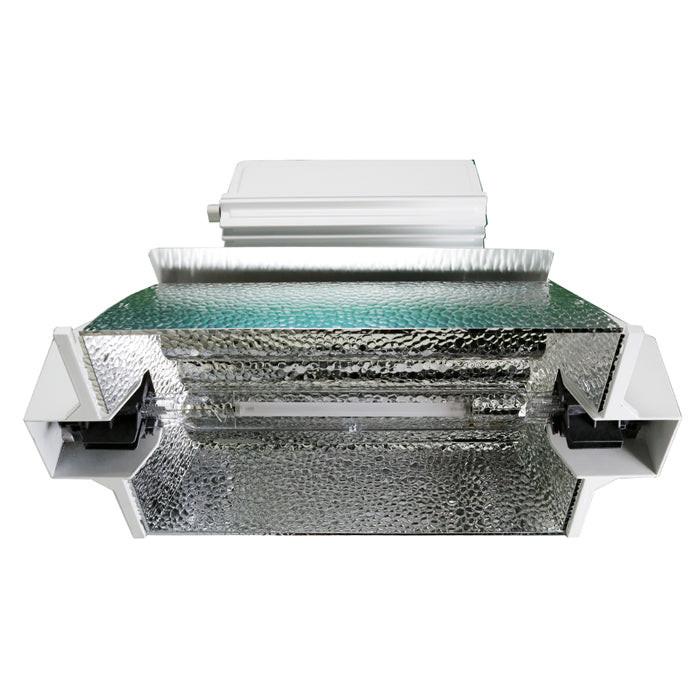
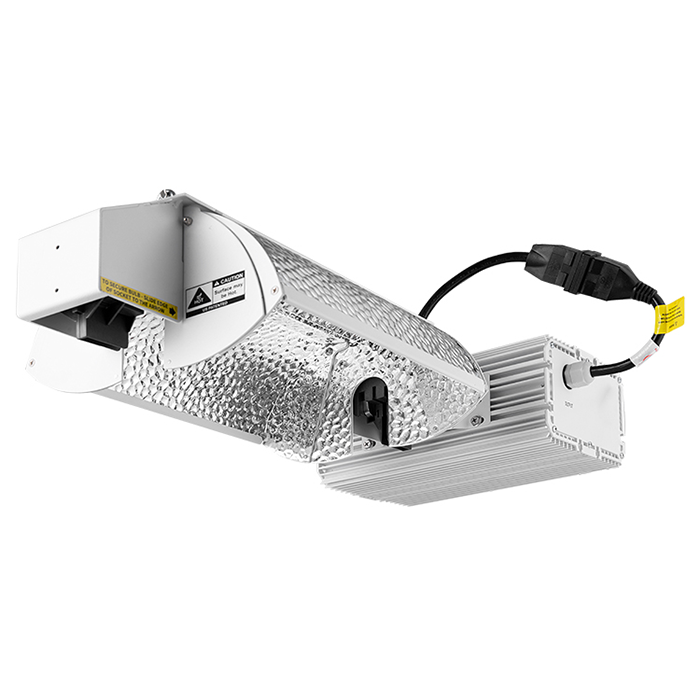
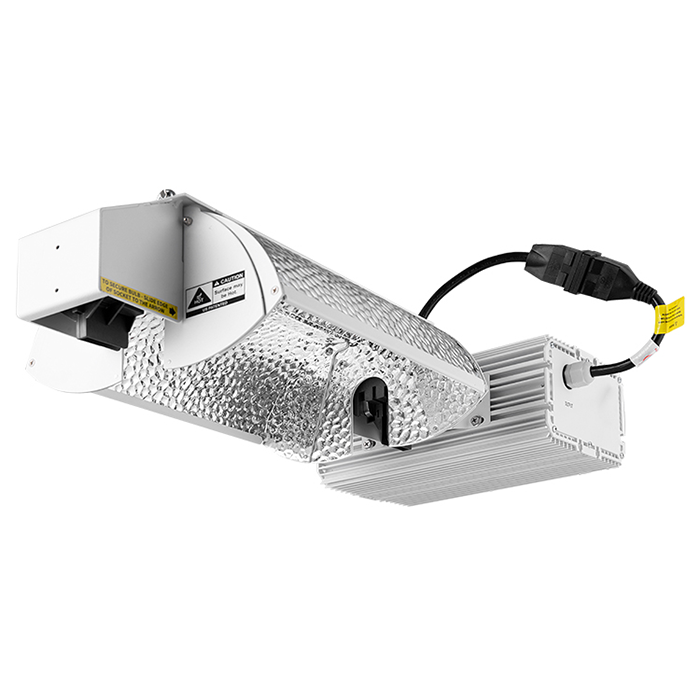
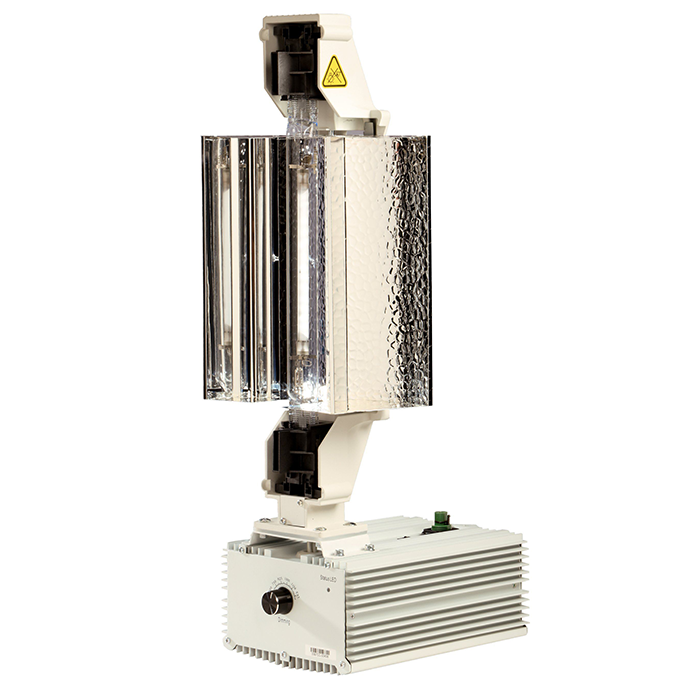
Single-ended (SE) HPS bulbs connect at one end via a mogul base -- the traditional format used in most reflector hoods. SE bulbs are available in 250W, 400W, 600W, and 1000W configurations and work with a wide range of digital and magnetic ballasts. Double-ended (DE) HPS bulbs connect at both ends and require a fixture specifically designed for the DE format. DE HPS delivers 10-30% higher light output per watt compared to equivalent SE HPS -- primarily because the arc tube stays at optimal operating temperature throughout the bulb's life, and DE fixtures typically have improved reflector geometry for more uniform canopy coverage. For new commercial HPS installations, double-ended 1000W fixtures from DimLux, Phantom, and Iluminar are the current standard. SE HPS remains relevant for existing infrastructure and for growers where DE fixture overhead installation is not practical.
Metal Halide for Vegetative Growth
Metal halide bulbs produce a broad blue-white spectrum (color temperature 4,000-6,500K) that closely mirrors natural summer light and drives compact, healthy vegetative growth with tight internodal spacing. MH is commonly used as the dedicated veg-stage light in two-stage operations -- MH for vegetative, HPS for flowering. Conversion bulbs allow switching spectrum in the same fixture without changing ballasts, which reduces infrastructure cost for growers who want both spectra without maintaining two separate lighting systems. CMH (ceramic metal halide, also called LEC) is an improved MH format with higher efficiency, better color rendering, and a spectrum that extends into the UV and far-red range -- a popular upgrade for veg rooms and specialty crops.
Ballasts, Hoods & Reflectors
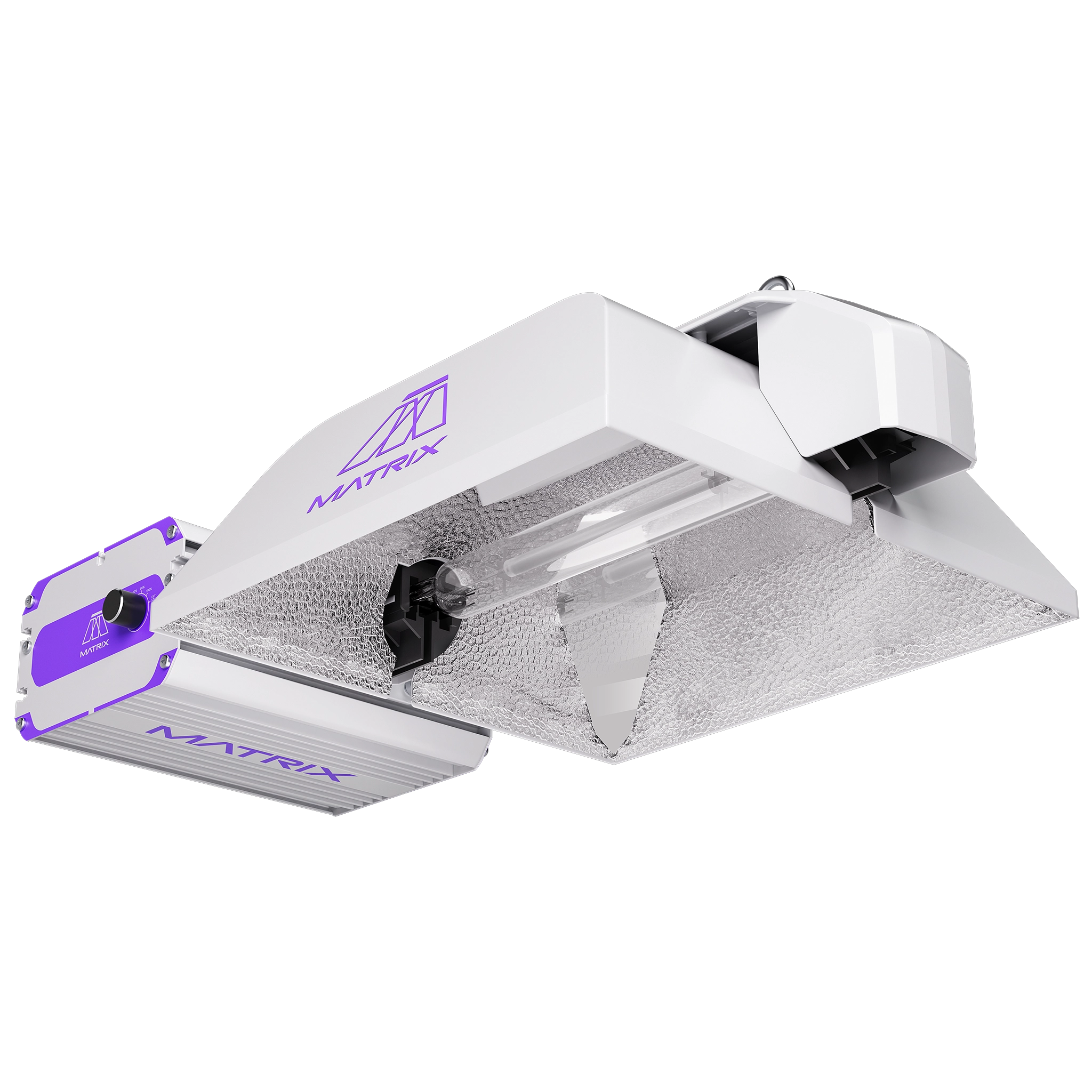
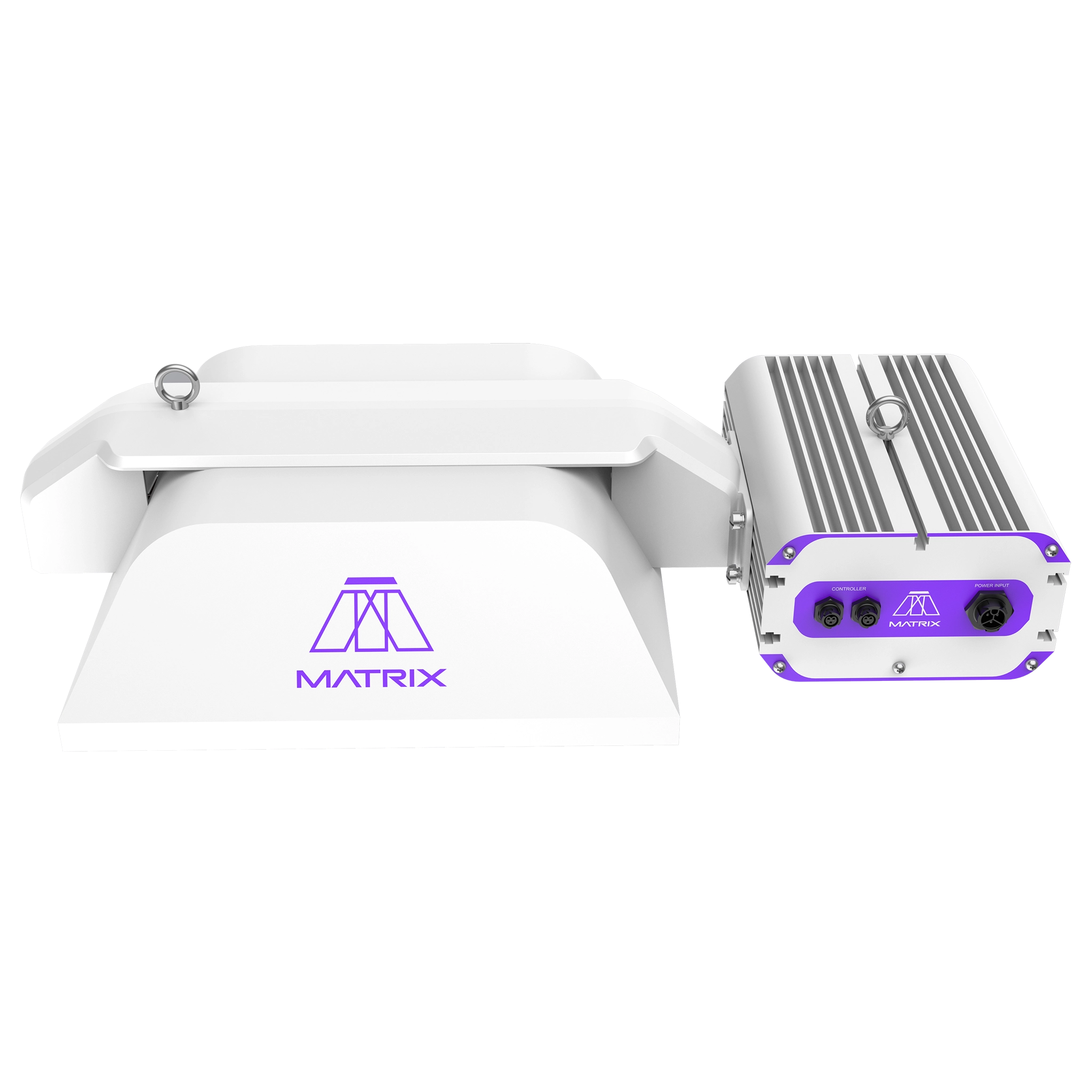
HID lighting systems require three components: bulb, ballast, and reflector hood. Digital electronic ballasts run cooler, are more energy efficient, and are compatible with both HPS and MH bulbs -- the most common choice for new HID installations. Magnetic (core and coil) ballasts are reliable and lower cost but heavier and less efficient. Air-cooled reflector hoods (with inline fan ducting) remove heat from the fixture before it reaches the canopy, allowing lights to be positioned closer to plants and reducing grow room heat load. Browse our reflector hoods and lighting accessories for compatible air-cooled hood options.
When HPS Still Makes Sense
LED is the right choice for new builds. HPS makes sense when: you have existing ballasts, hoods, and electrical infrastructure already installed; your electricity cost is low enough that the LED operational savings do not justify the capital investment; you are in a climate where HPS radiant heat helps maintain canopy temperature during cold seasons; or your specific crop variety has historically performed well under HPS spectrum. For any of these situations, we carry the full range of replacement bulbs, ballasts, and hardware to keep your HPS operation running. Call 888-815-9763 for ballast compatibility guidance. Compare running costs against our LED grow lights collection using our Electricity Cost Calculator. Expert support available.
HPS & MH Grow Lights FAQ
What is the difference between HPS and MH grow lights?
High pressure sodium (HPS) produces a warm red-orange spectrum (color temperature approximately 2,100K) that is optimized for flowering and fruit production -- it is the standard flowering-stage light in HID grows. Metal halide (MH) produces a cooler blue-white spectrum (4,000-6,500K) that promotes compact vegetative growth with tight internodal spacing. In a two-stage grow, growers often use MH during vegetative growth and switch to HPS at flower initiation. Single-spectrum operations typically run HPS throughout because it is more efficient for flowering, which is where most of the productive growing cycle occurs. Conversion bulbs allow one ballast to run both spectra by switching bulbs rather than hardware.
Is double-ended HPS better than single-ended?
Yes, meaningfully so for commercial applications. Double-ended (DE) HPS delivers 10-30% higher light output per watt compared to equivalent single-ended HPS because the arc tube operates at consistent temperature throughout its lifespan and DE fixtures typically incorporate improved reflector geometry. DE 1000W fixtures from DimLux, Phantom, and Iluminar are the current commercial HPS standard. The tradeoff: DE fixtures cost more upfront, require specific DE-compatible ballasts and fixtures (not the standard mogul-base socket), and are typically designed for overhead installation with specific hanging heights. For existing SE infrastructure, continuing with SE replacement bulbs is the practical choice. For new HPS builds, DE is the better investment.
How often should I replace HPS bulbs?
HPS bulbs decline in output significantly before they burn out completely. A 1000W HPS bulb that produces its rated 140,000+ lumens when new may be producing only 80-85% of that output after 12-18 months of operation at 18 hours per day, even if it is still functional. Most commercial growers replace HPS bulbs every 10,000-12,000 hours of operation (roughly 1-2 years at full daily use) to maintain consistent photon output and canopy uniformity. Running degraded bulbs extends grow cycles and reduces yield quality without a corresponding reduction in electricity cost. See our updated guide on when to replace grow light bulbs for a full breakdown of replacement timing by bulb type.
How far should HPS lights be from plants?
Distance depends on wattage and whether you are using an air-cooled hood. Non-air-cooled 1000W HPS: 18-24 inches minimum above canopy to avoid heat stress. Air-cooled 1000W HPS: 12-18 inches above canopy is achievable because the hood removes heat before it radiates down. 600W HPS: 14-18 inches without air cooling. 400W HPS: 10-14 inches. Always hold the back of your hand at canopy level below the fixture for 30 seconds -- if it is uncomfortable, the light is too close. Adjust both hanging height and HVAC load together when changing HPS positioning.
Should I switch from HPS to LED?
For new builds, LED is the right choice -- lower operating cost, less radiant heat, and equivalent or better yield performance in modern full-spectrum bar arrays. For existing HPS operations, the decision depends on your electricity rate, fixture age, cooling cost, and capital availability. Use our Grow Room Electricity Cost Calculator to model your current HPS operating cost versus equivalent LED. Many utility providers offer LED retrofit rebates for commercial operations that can significantly offset the fixture investment -- check our LED rebates page for programs available in your region. Our expert support team can help you model the economics for your specific operation -- call 888-815-9763.