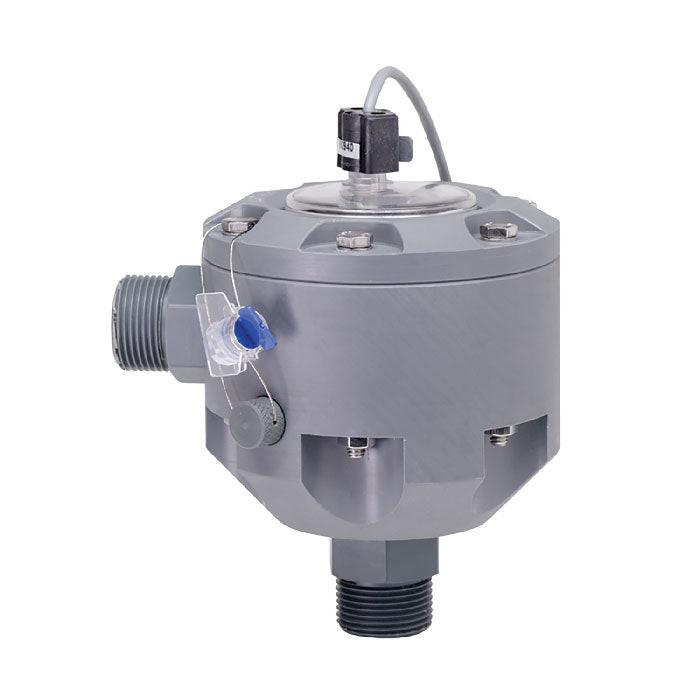
Water Pressure Gauges & Flow Meters for Irrigation
Pressure gauges and flow meters provide real-time visibility into the operating conditions of drip irrigation and water delivery systems -- measurements that are essential for verifying system performance, diagnosing problems, and setting up new systems to correct operating specifications. A pressure gauge at the inlet to a drip zone confirms the pressure regulator is set correctly and delivering the target 10-25 PSI operating pressure. A flow meter on the main supply line tracks total water consumption and instantly shows if total flow has dropped (indicating clogged emitters or filter restriction) or risen unexpectedly (indicating a leak or failed fitting).
Pressure Gauge Selection
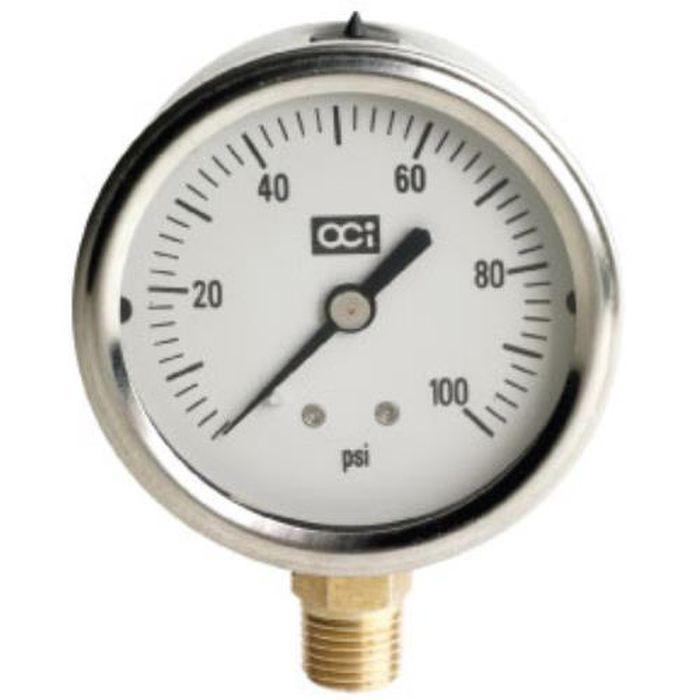
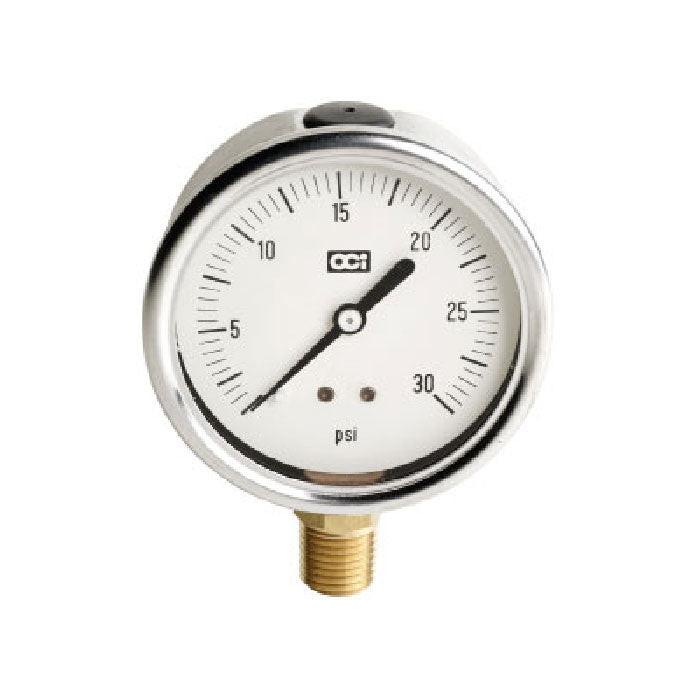
Glycerin-filled pressure gauges (the stainless steel gauge face filled with clear glycerin fluid) are the standard for irrigation and hydroponic applications -- the glycerin dampens needle oscillation from pump pulsation, making the reading stable and readable. Dry gauges (no fill fluid) oscillate constantly from pump pulsation in pressure applications. Select a gauge with a range that keeps the operating reading in the middle third of the gauge scale: for a system operating at 15 PSI, a 0-30 PSI gauge positions the operating reading in the center of the scale where accuracy is best. Connect inline in the system main line between the filter and the pressure regulator for supply pressure monitoring, or after the regulator for zone pressure verification.
Flow Meters
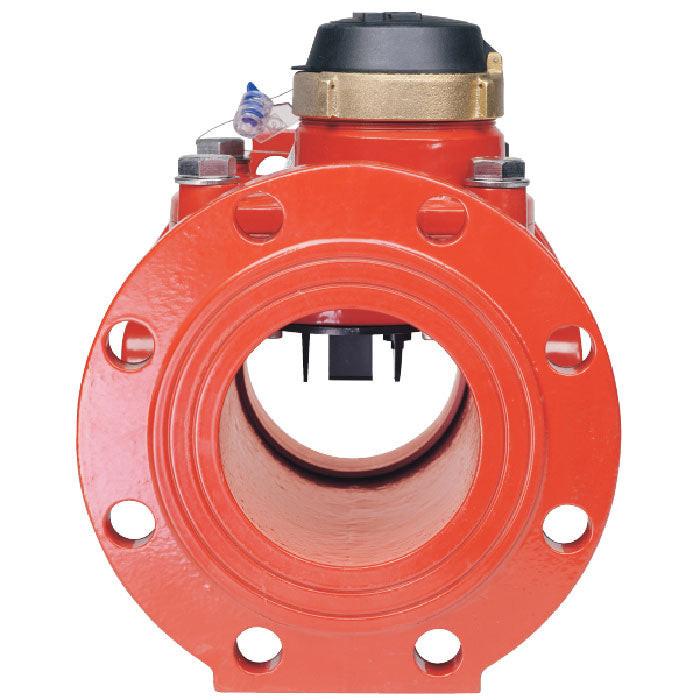
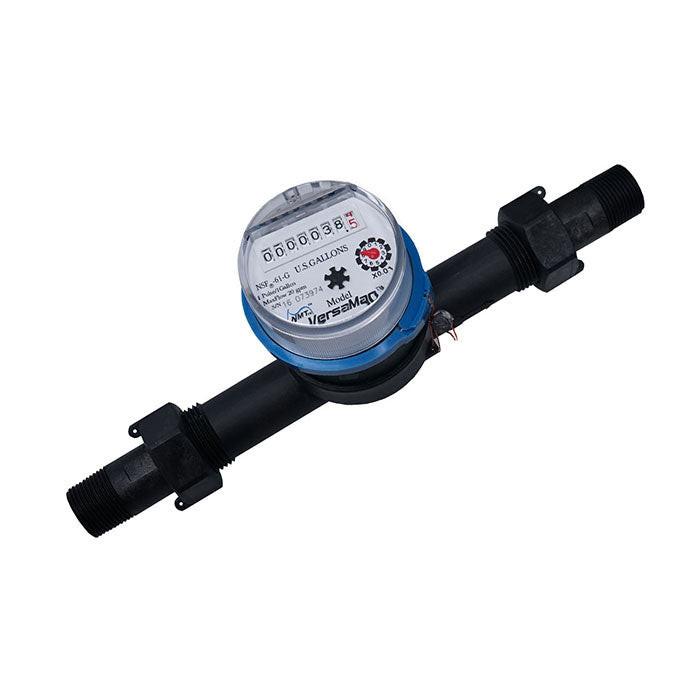
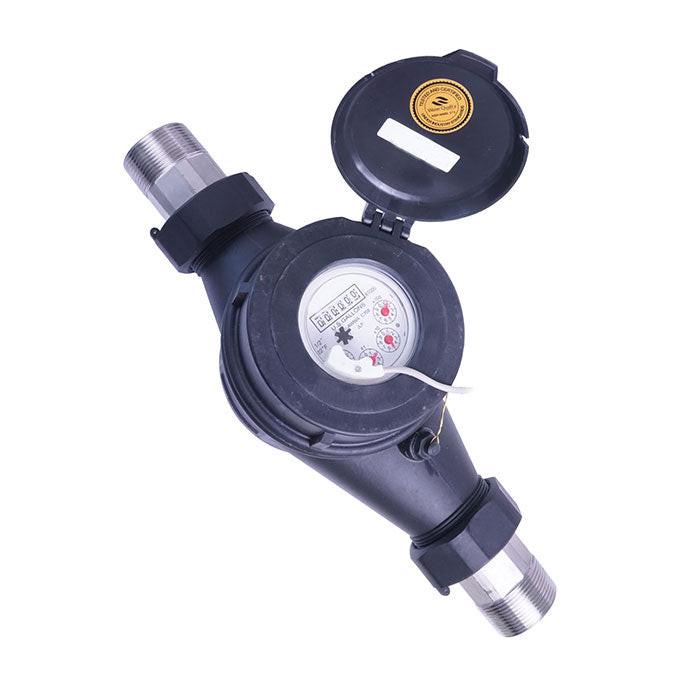
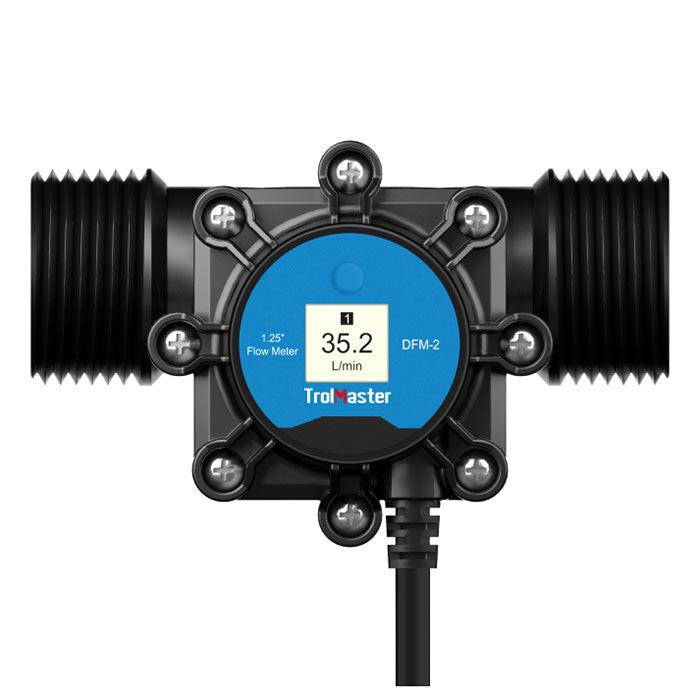
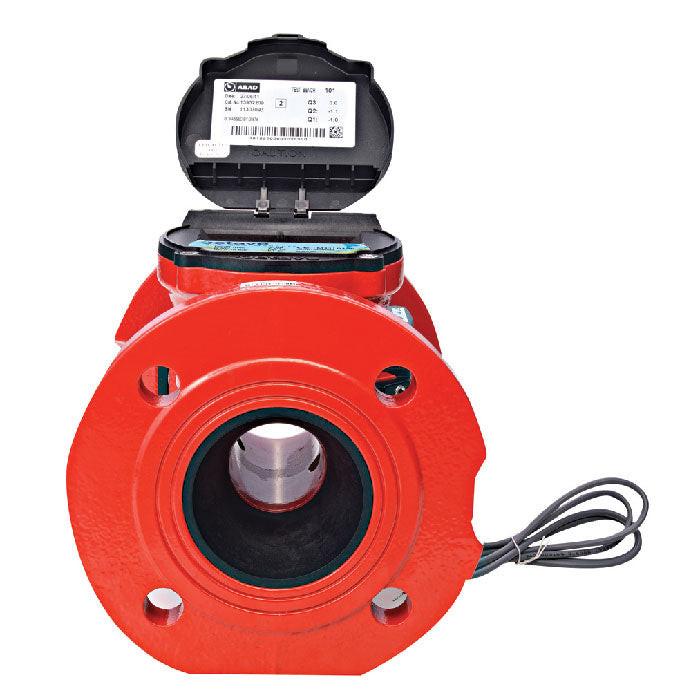
Inline flow meters in the main supply line measure cumulative water volume -- useful alongside pressure regulators and/or instantaneous flow rate. For irrigation systems, flow meters enable: water consumption tracking for crop water use data; leak detection (unexpected flow when the irrigation timer is off indicates a failed valve or fitting); and emitter clogging diagnosis (total flow drops below the sum of all emitter flow rates when significant clogging has occurred). Fast shipping.
Pressure Gauges & Flow Meters FAQ
Where should I install a pressure gauge in my drip system?
Install a pressure gauge after the supply pump and after the main filter, but before the pressure regulator -- this confirms the supply pressure entering the regulator. A second gauge after the pressure regulator confirms the regulated output pressure reaching the emitter zone. With two gauges in these positions you can verify: pump supply pressure is adequate (upstream gauge), and the regulator is functioning correctly and delivering target zone pressure (downstream gauge). A single gauge is best placed after the regulator at the zone inlet.
Why is my pressure gauge needle oscillating?
Needle oscillation in a pressure gauge is caused by pulsation from the pump -- submersible and centrifugal pumps produce cyclical pressure variation that makes a dry gauge needle oscillate rapidly, making reading difficult. Solution: use a glycerin-filled gauge (the fill fluid dampens oscillation) or install a snubber (a small restrictor fitting in the gauge port that dampens pressure spikes). Glycerin-filled gauges are the standard recommendation for all pump-fed irrigation applications for exactly this reason.
What pressure range gauge do I need for my drip system?
Select a gauge range that puts your operating pressure in the middle third of the scale for best accuracy. For drip systems operating at 10-20 PSI: a 0-30 PSI gauge (operating pressure at 33-67% of scale -- good range). For systems operating at 20-40 PSI: a 0-60 PSI gauge. Avoid gauges where the operating pressure is near the top of the scale (last 20% of range) -- accuracy degrades at the extremes of the scale, and a gauge operating at the high end of its range is more vulnerable to pressure spike damage.
How does an inline flow meter work?
Inline flow meters for irrigation typically use either a paddle wheel (a small impeller that rotates in the flow stream at a speed proportional to flow velocity) or a vortex-shedding sensor to measure flow rate. The sensor output is converted to a flow rate reading (GPH, GPM, or LPM) and cumulative volume by the meter display. Installation is typically in a straight section of pipe with a specific straight run length upstream and downstream of the meter for accurate readings -- follow the manufacturer's installation requirements for straight run distance.
Can I use a pressure gauge to verify my pressure regulator is working?
Yes -- this is one of the most practical uses for a pressure gauge in a drip system. Install a gauge after the pressure regulator and verify it reads the regulator's rated output pressure under operating flow. If the downstream pressure gauge reads higher than the regulator's rated output, the regulator diaphragm may be worn or stuck in the open position. If it reads lower than expected, the regulator may be restricting flow more than intended (partially clogged regulator orifice) or the supply pressure is too low for the regulator to function in its regulated range.