Fungicides & Fungal Disease Control for Growing
Fungal diseases are among the most common and damaging problems in controlled environment agriculture -- powdery mildew, botrytis gray mold, Pythium root rot, Fusarium wilt, downy mildew, and damping off all impact indoor and greenhouse crops under the warm, humid conditions that intensive production requires. Fungicide products control fungal pathogens through chemical, biological, or physical mechanisms -- used preventively to prevent establishment or curatively to slow progression of active infections. The most effective fungicide programs combine multiple modes of action with cultural practices (humidity management, air circulation, plant spacing) that reduce the environmental conditions that favor disease development.
Fungicide Categories
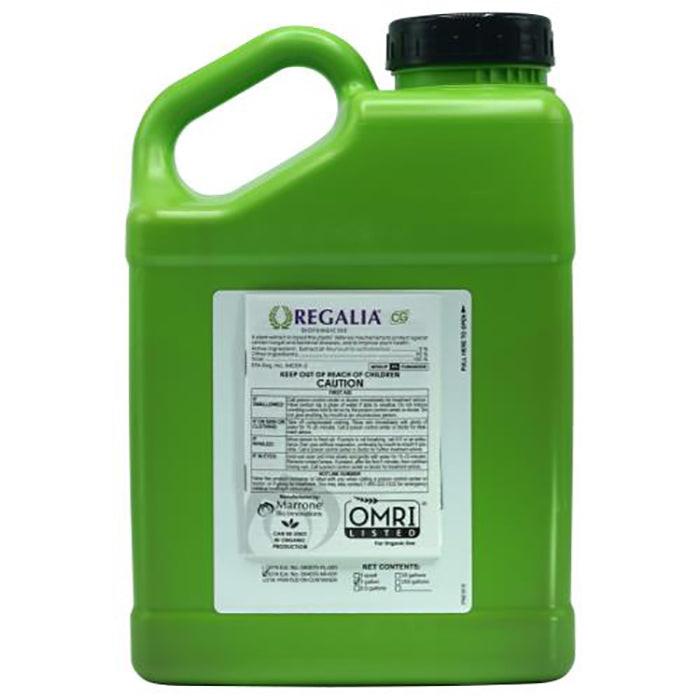
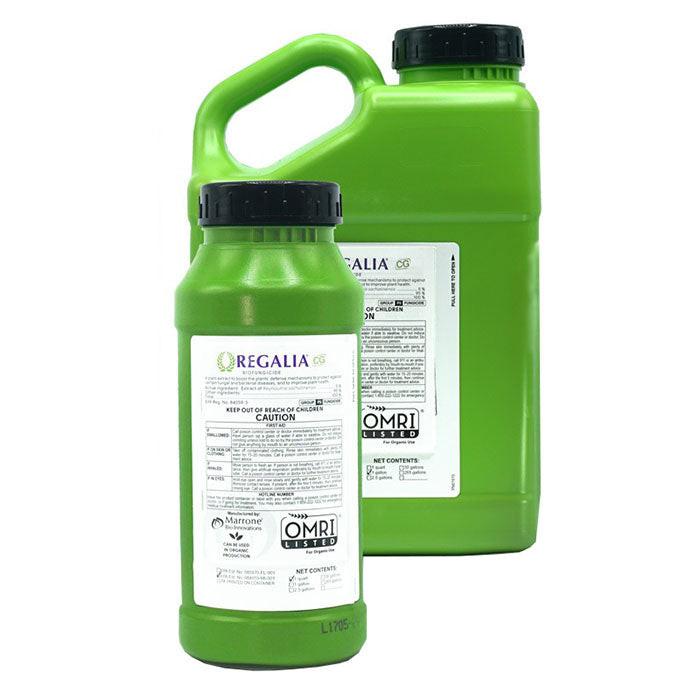
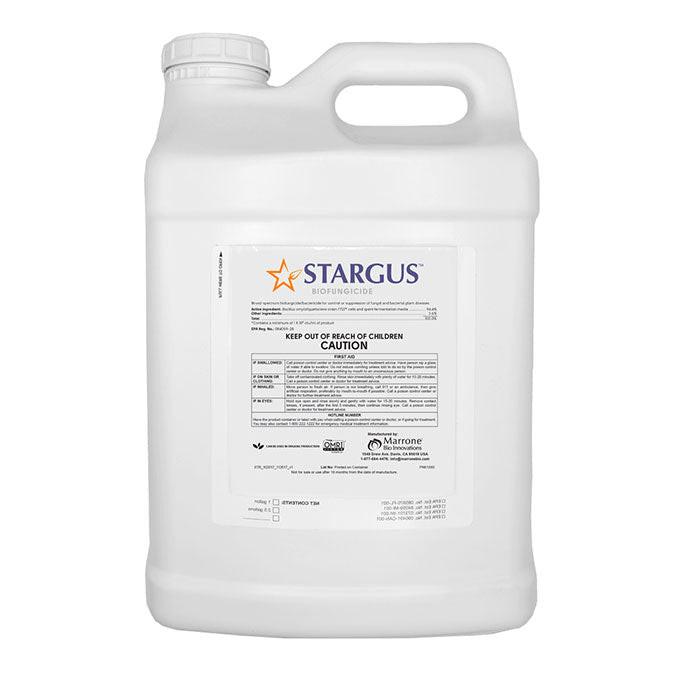
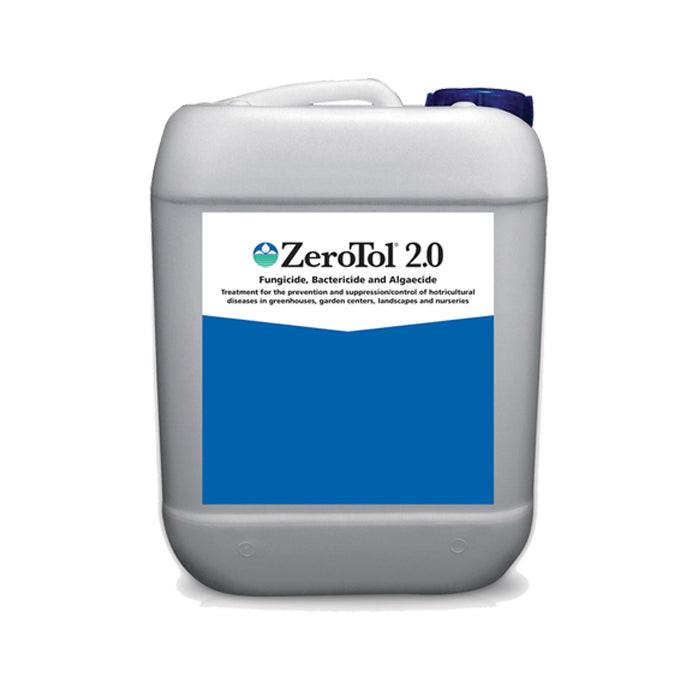
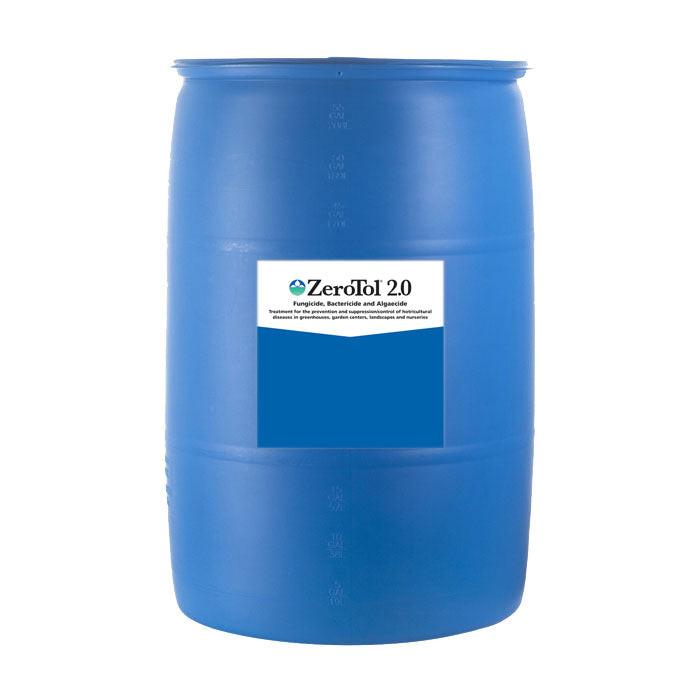
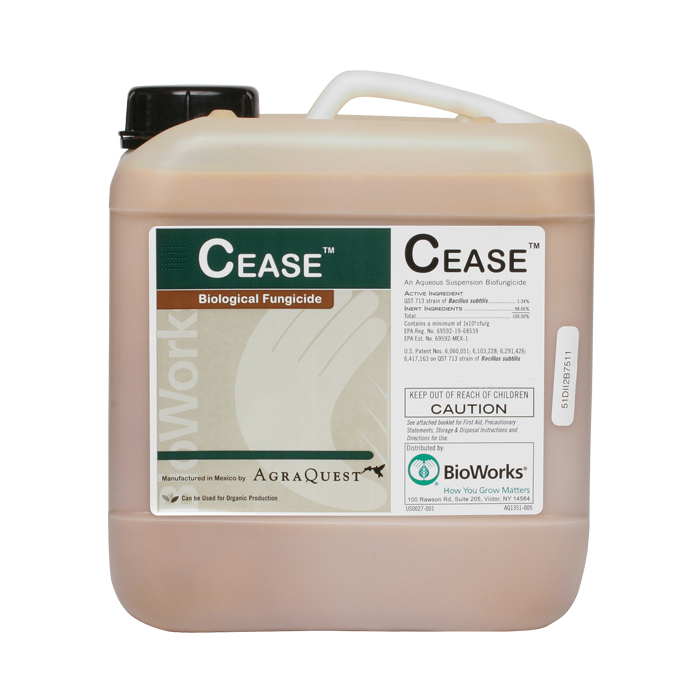
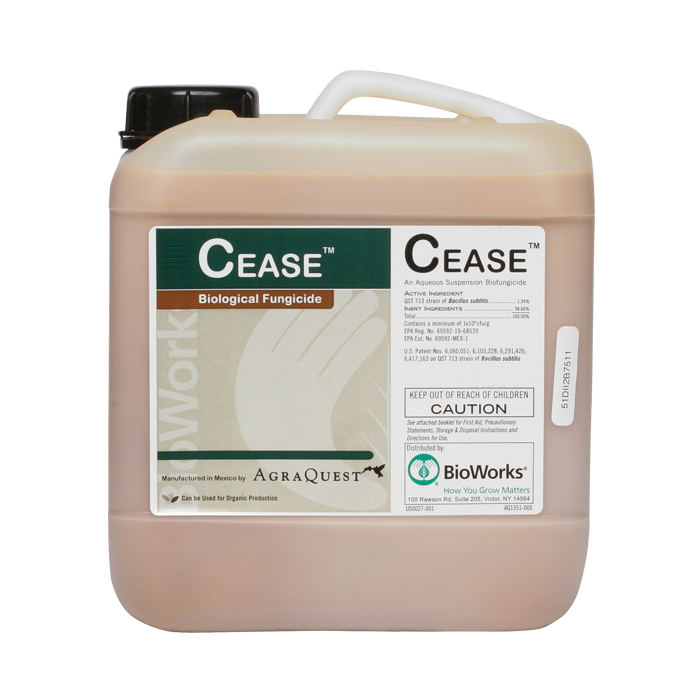
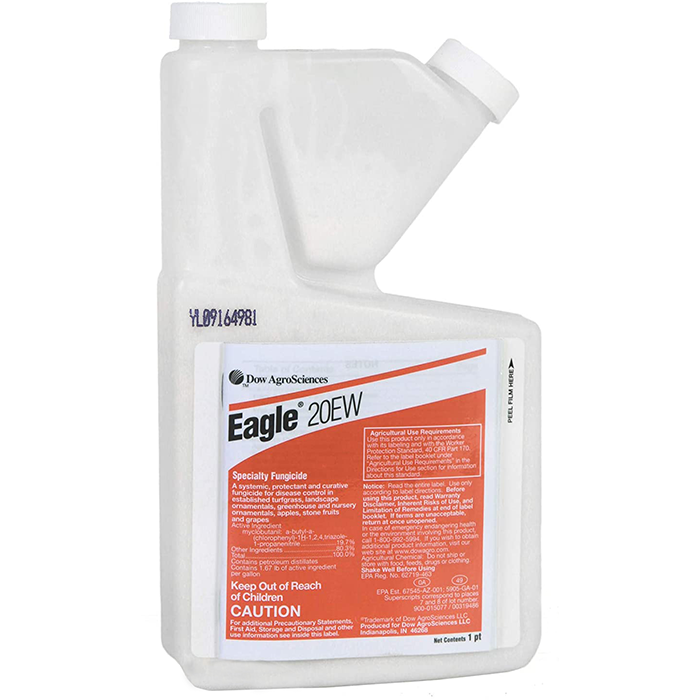
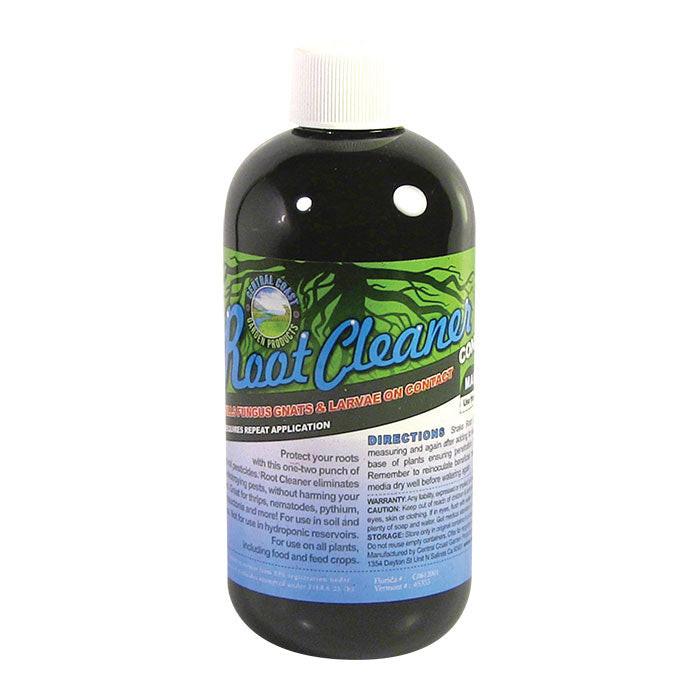
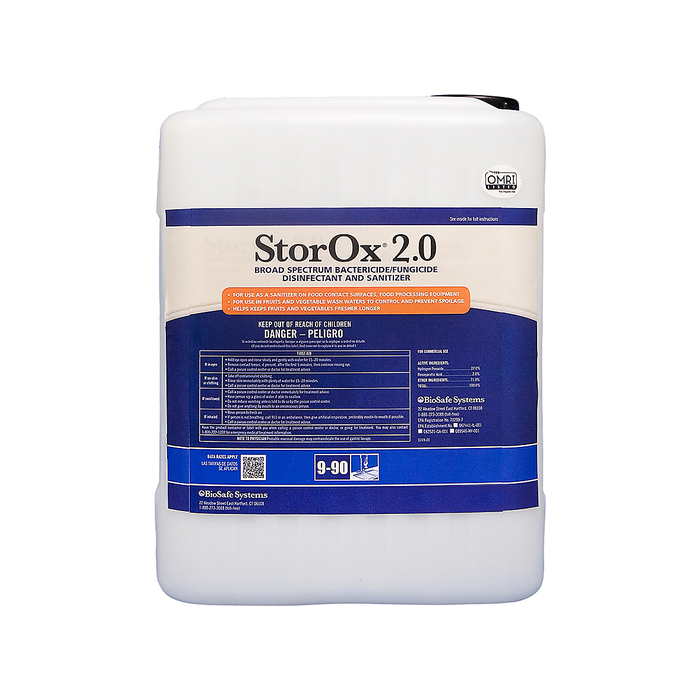
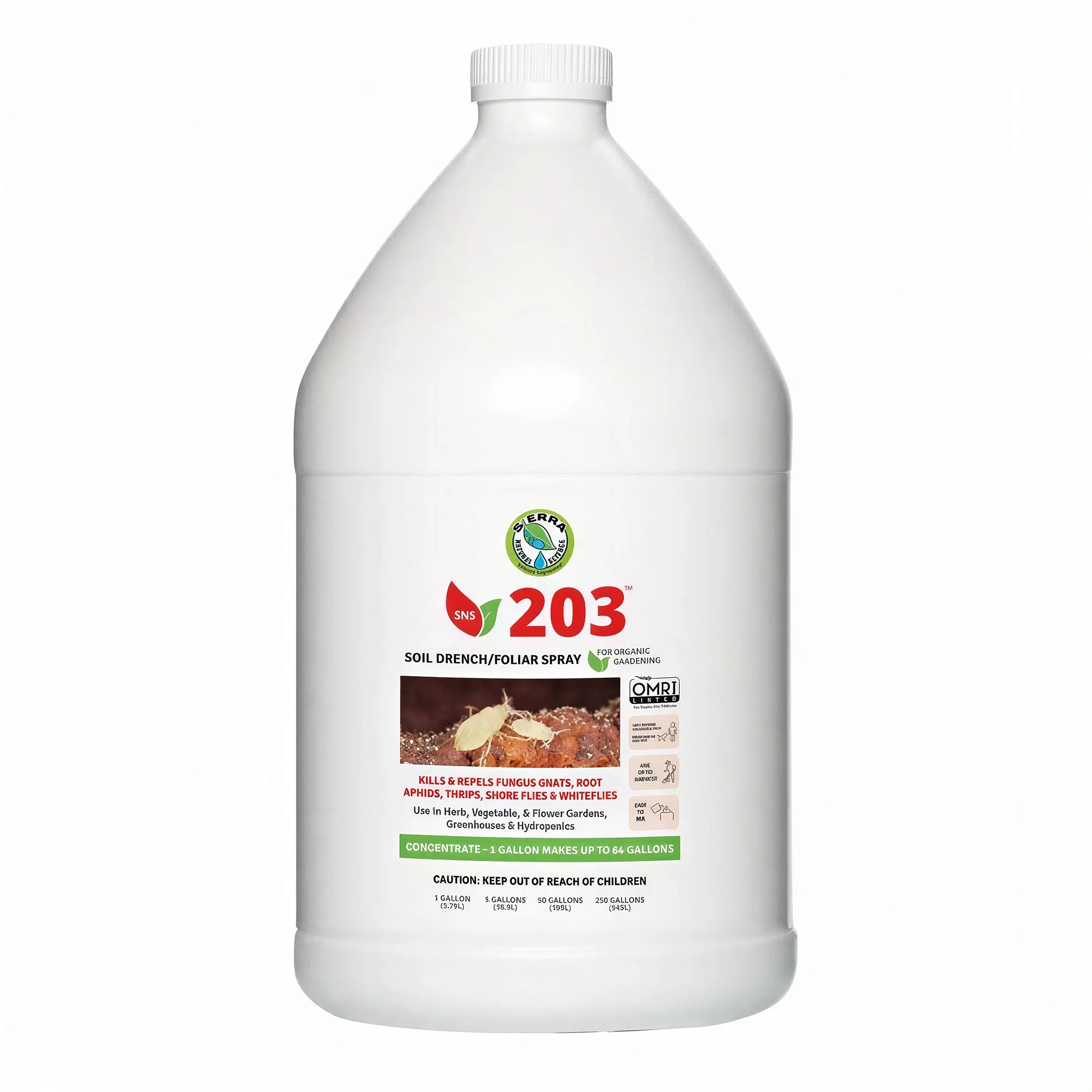
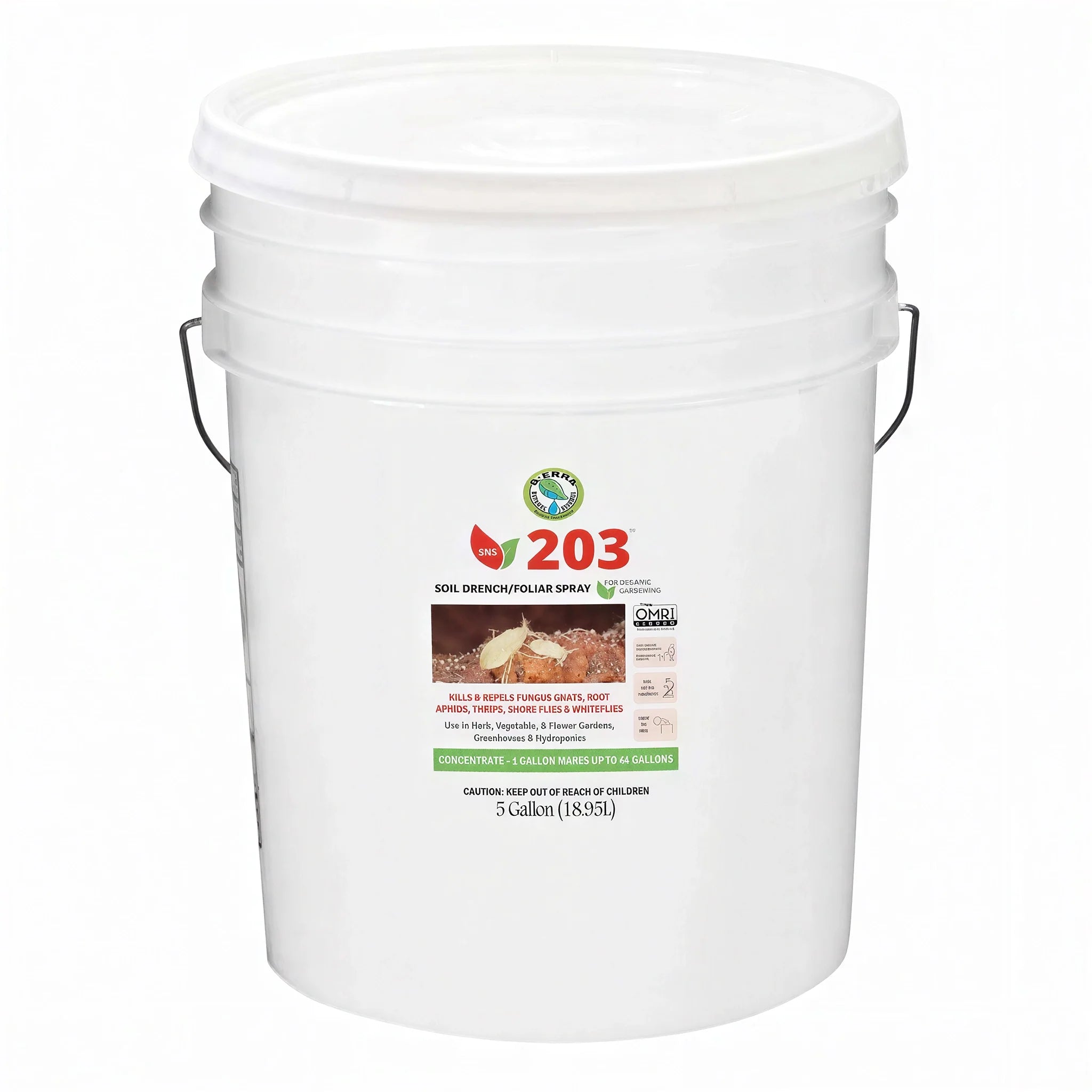
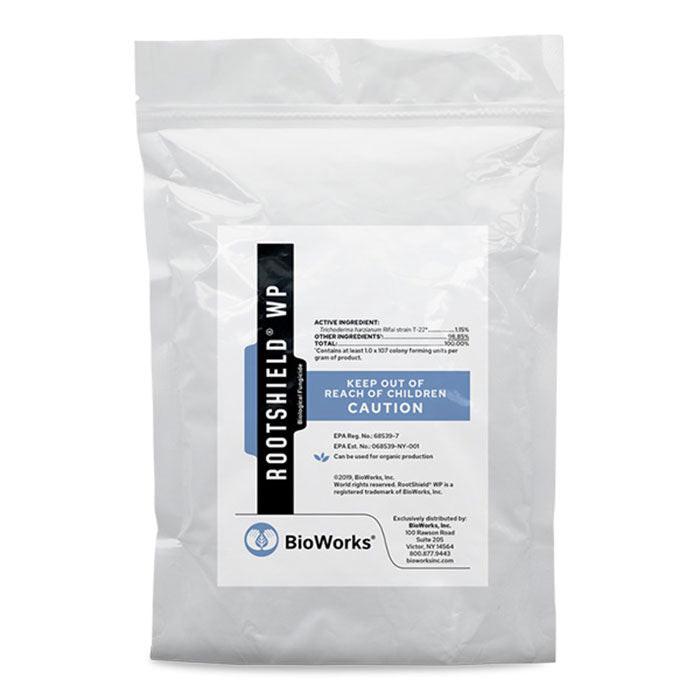
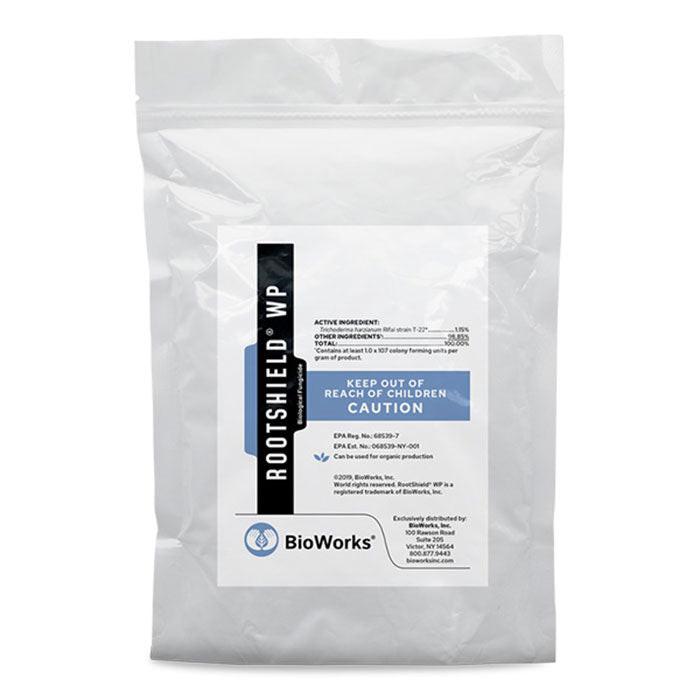
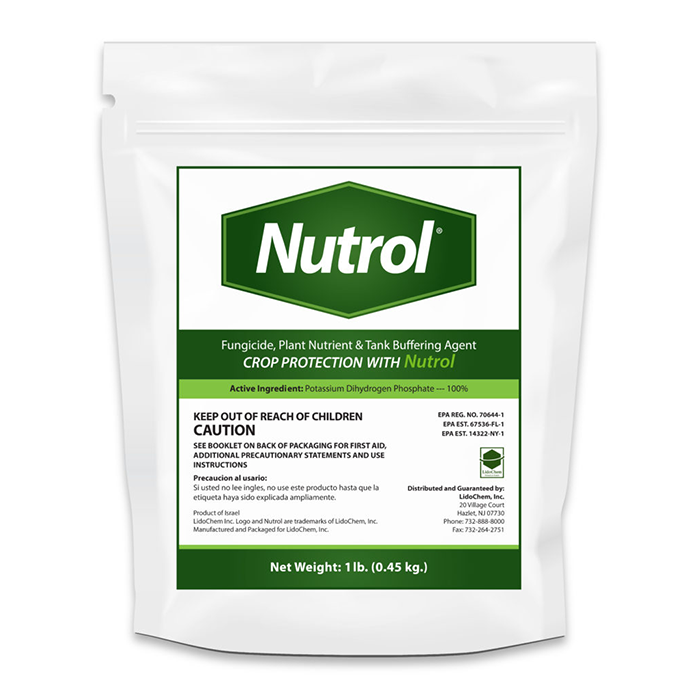
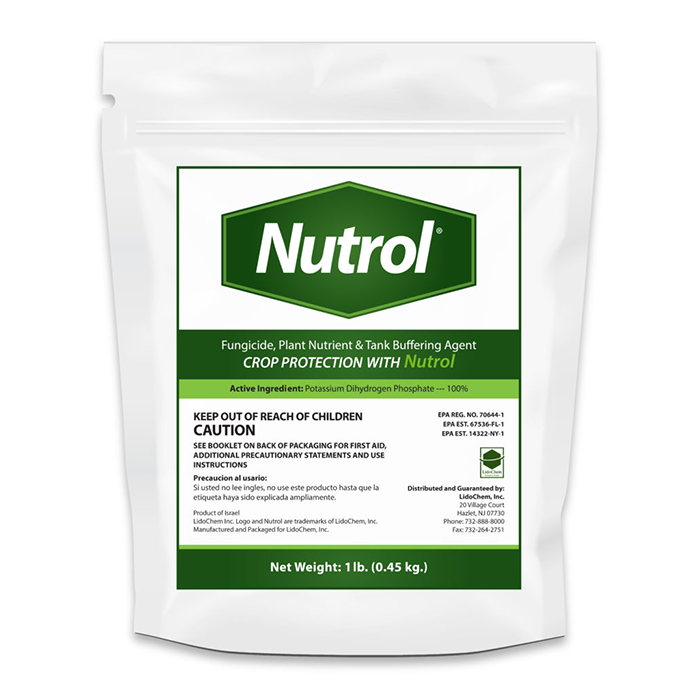
Biological fungicides use living organisms or their metabolites to suppress fungal pathogens. Bacillus subtilis and Bacillus amyloliquefaciens products (Cease, Serenade, and similar) produce lipopeptide antibiotics that disrupt fungal cell membranes and inhibit sporulation. Trichoderma species products (RootShield and similar) colonize root surfaces and suppress soilborne pathogens through competition, antibiosis, and induced resistance. These are OMRI-listed, safe for use up to harvest, and compatible with beneficial insect programs. Chemical fungicides (copper-based, sulfur, potassium bicarbonate, and synthetic systemic fungicides) provide faster knockdown of active infections but require attention to pre-harvest intervals, resistance management through mode-of-action rotation, and compatibility with beneficial biology. For preventive disease programs, see our bactericides collection for root disease management alongside foliar fungicide options. Browse the full disease and pest control collection for the complete range.
Resistance Management
Fungal pathogens develop resistance to repeatedly-applied fungicides rapidly. Rotate between fungicide classes with every 2-3 applications -- never use the same mode of action more than twice consecutively. Biological fungicides (Bacillus, Trichoderma) do not create the same resistance risk as synthetic chemistry because their modes of action are multi-mechanism. Fast shipping.
Fungicides FAQ
What is the most effective treatment for powdery mildew?
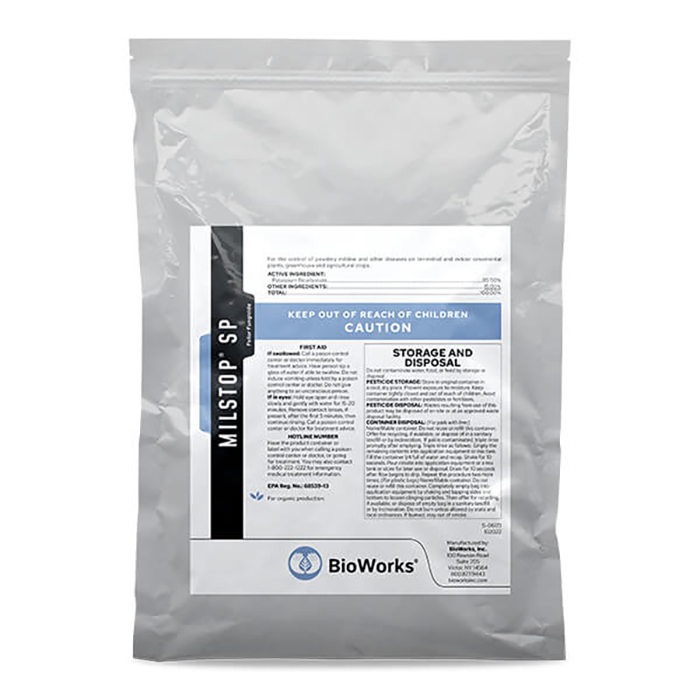
Powdery mildew management requires a combination of preventive and curative approaches. Most effective preventive options: potassium bicarbonate spray (changes surface pH to levels hostile to PM spore germination), neem oil or sulfur spray (weekly preventive applications create an unfavorable surface environment), and Bacillus subtilis products. For active infections: potassium bicarbonate at label rate applied thoroughly to all leaf surfaces provides the fastest knockdown available with an organic-approved product. Maintain RH below 50% when possible (PM develops fastest at 50-70% RH) and ensure good air circulation to prevent the stagnant humid microclimate that PM thrives in. Rotate between different modes of action every application to prevent resistance development.
How do I treat botrytis gray mold?
Botrytis (gray mold) requires both fungicide treatment and immediate cultural management -- fungicide alone is insufficient if the conditions driving botrytis development are not addressed simultaneously. Cultural management: remove all visibly infected tissue immediately (use sealed bags to prevent spore dispersal), reduce humidity below 60% RH during the dark period when condensation on plant surfaces drives infection, improve air circulation, and increase plant spacing where botrytis is spreading through dense canopy contact. Effective fungicide options: Bacillus amyloliquefaciens products, neem oil spray, potassium bicarbonate. Synthetic fungicide rotation (iprodione, fenhexamid, cyprodinil) for severe cases with strict mode-of-action rotation to prevent resistance.
Is sulfur safe to use on all plants?
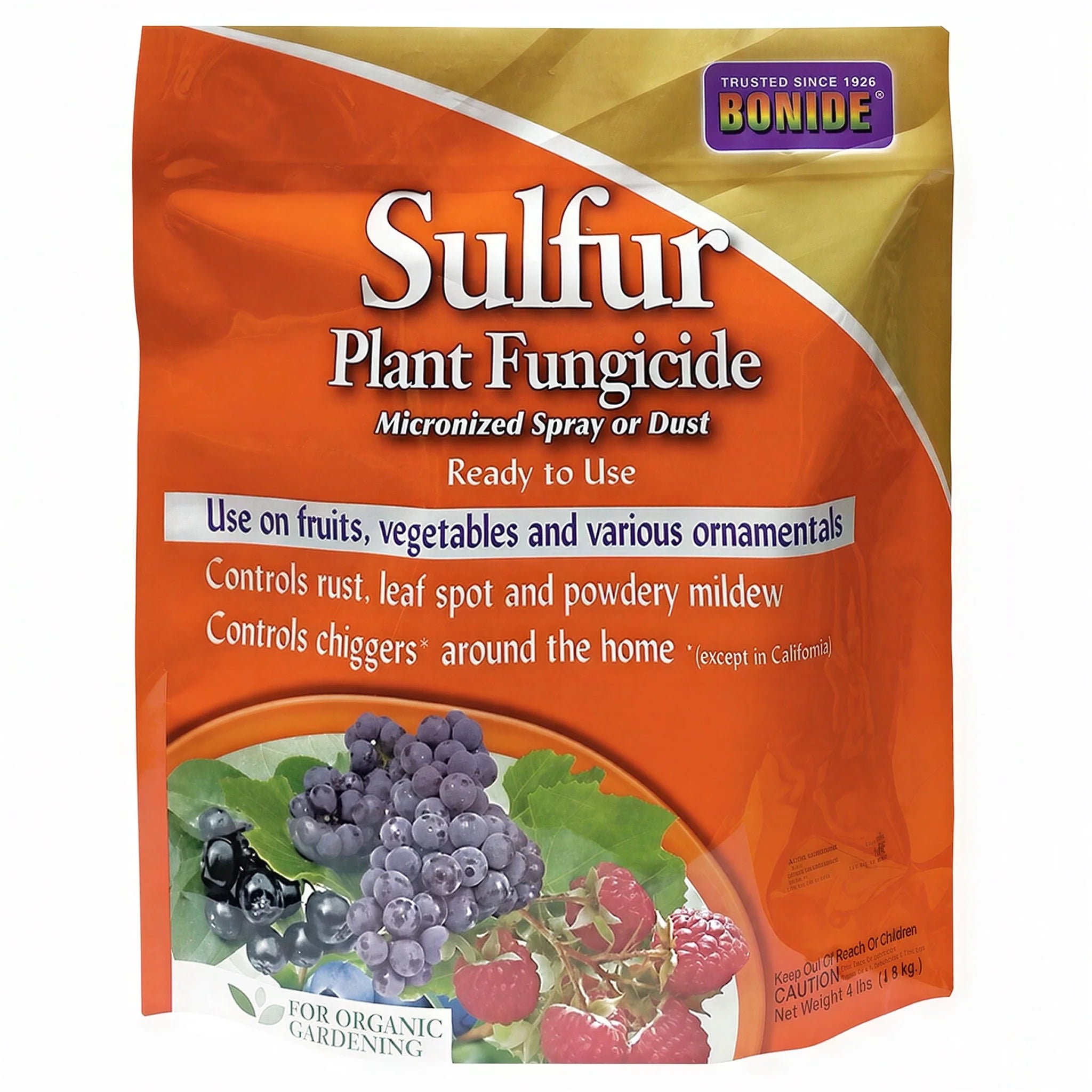
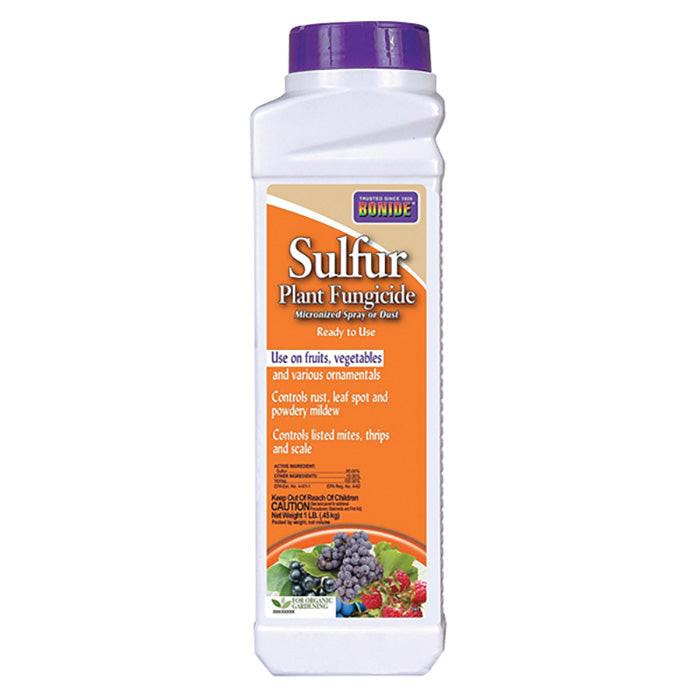
Sulfur-based fungicides (elemental sulfur dust, wettable sulfur, sulfur burners) are effective against powdery mildew but phytotoxic under certain conditions. Sulfur should never be applied: when temperatures exceed 90 degrees F (sulfur volatilizes and causes severe phytotoxicity at high temperatures); within 2 weeks of an oil-based spray application (sulfur reacts with oil residues to produce phytotoxic compounds); or on plants known to be sulfur-sensitive (some cucurbits, apricots, and other species are particularly sensitive). Test on a small area before full-canopy application and avoid applying during heat events even if temperatures are forecast to rise within a day or two of the application.
What is the difference between a contact fungicide and a systemic fungicide?
Contact fungicides kill fungi that are directly contacted by the spray -- they have no activity on parts of the plant not reached by the spray or on spores that land on untreated surfaces after application. They provide a protective barrier on treated surfaces and require thorough coverage and re-application after rain or irrigation. Systemic fungicides are absorbed by the plant and translocated through plant tissue -- they provide protection beyond the sprayed surface and can reach fungal infections that have penetrated into plant tissue. Most biological fungicides are contact; most synthetic chemistry fungicides are systemic. Systemics provide longer-lasting protection per application but create higher resistance selection pressure.
Are biological fungicides as effective as chemical fungicides?
Biological fungicides (Bacillus-based, Trichoderma-based) provide effective disease suppression when used preventively and consistently -- their efficacy for disease prevention in well-managed programs approaches that of chemical fungicides while avoiding the resistance risks and pre-harvest interval constraints of synthetic chemistry. For active, established infections where rapid knockdown is needed, chemical fungicides typically provide faster curative action. The most effective programs combine both: biological fungicides as the foundation of a preventive spray program (weekly applications from crop establishment), with targeted chemical fungicide use reserved for active infections at threshold levels where the faster curative action justifies the resistance risk.