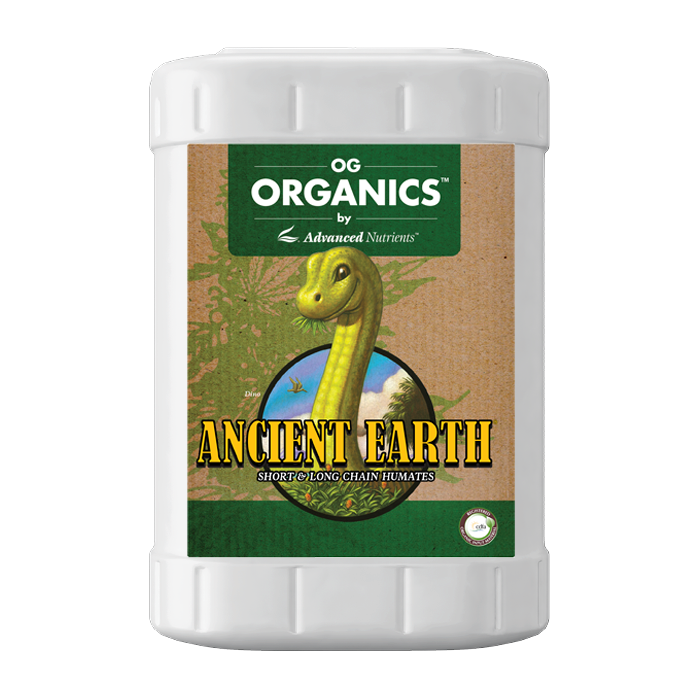
Fulvic Acid & Humic Acid Supplements for Plants
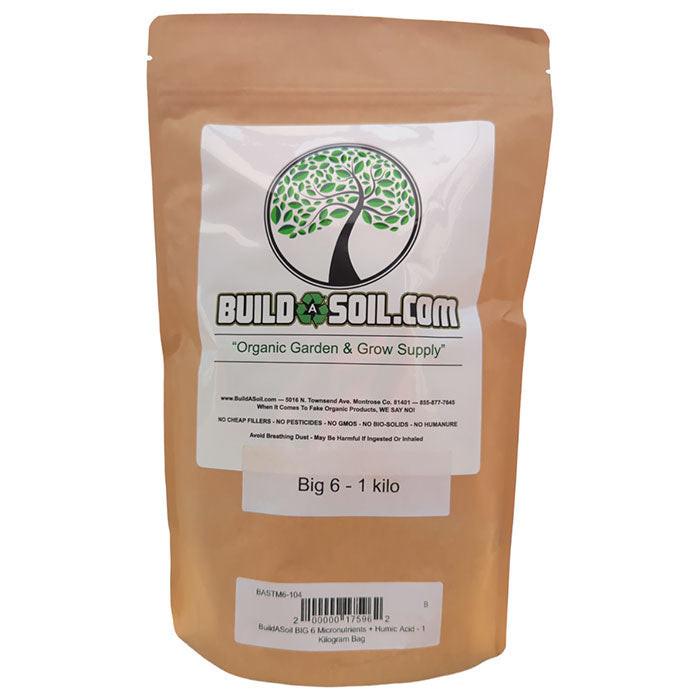
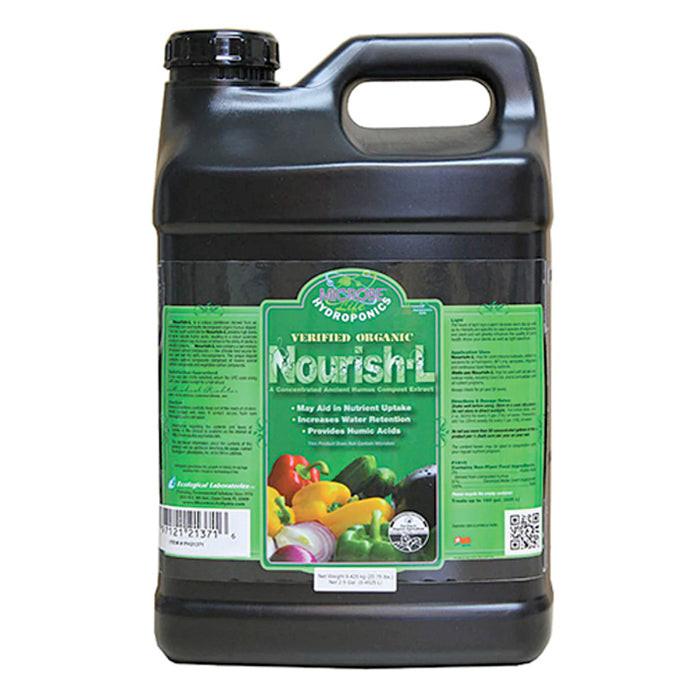
Fulvic acid and humic acid are naturally occurring organic compounds found in decomposed organic matter -- the end products of the decomposition pathway that converts plant and animal material into stable soil organic carbon. As supplements, they are extracted from leonardite (oxidized brown coal), compost, or worm castings and applied to soil or hydroponic nutrient solutions to improve nutrient uptake efficiency, stimulate root development, and support the soil biology that makes nutrients biologically available. They are among the most widely used and best-researched plant biostimulants available.
Humic Acid: Soil Conditioning & Nutrient Retention
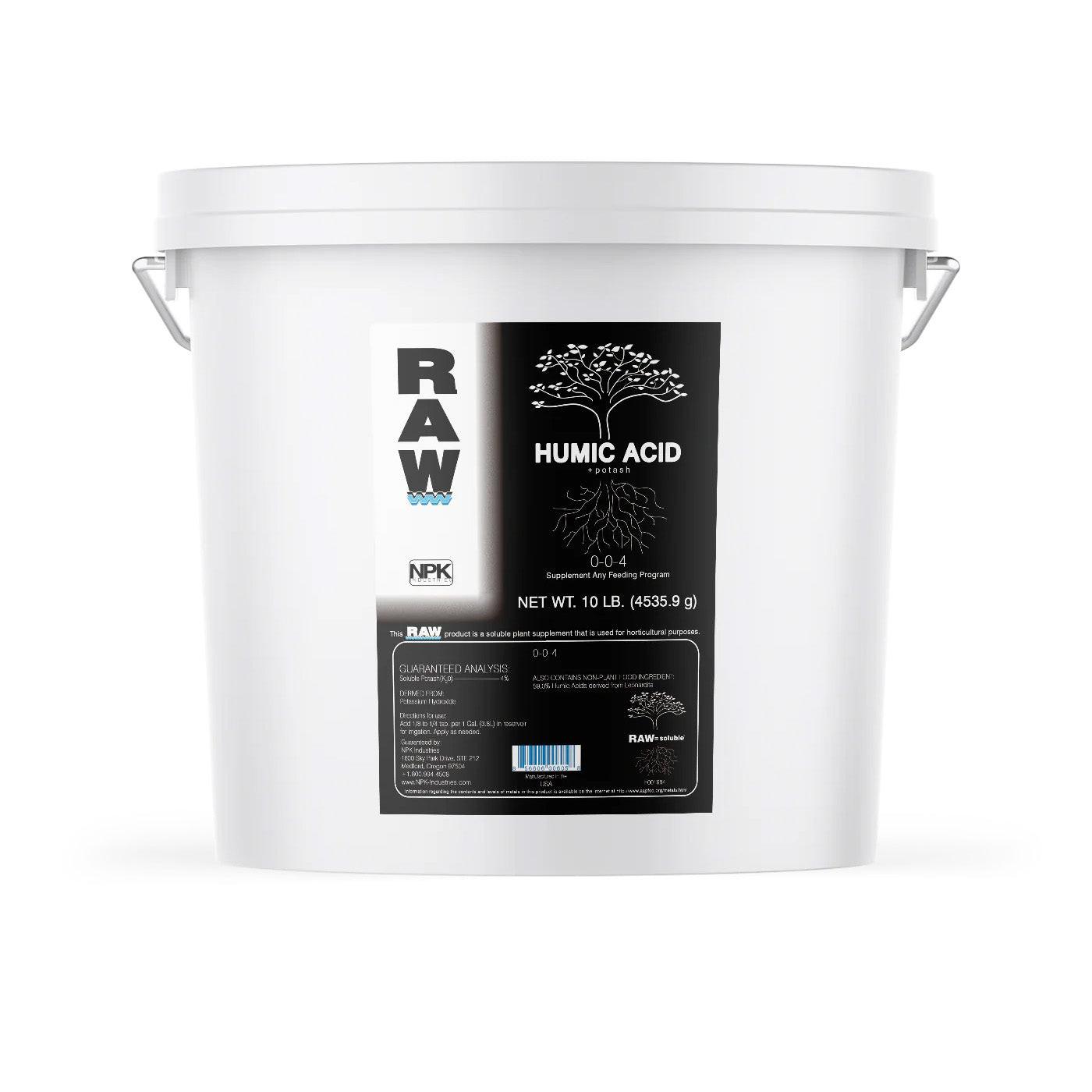
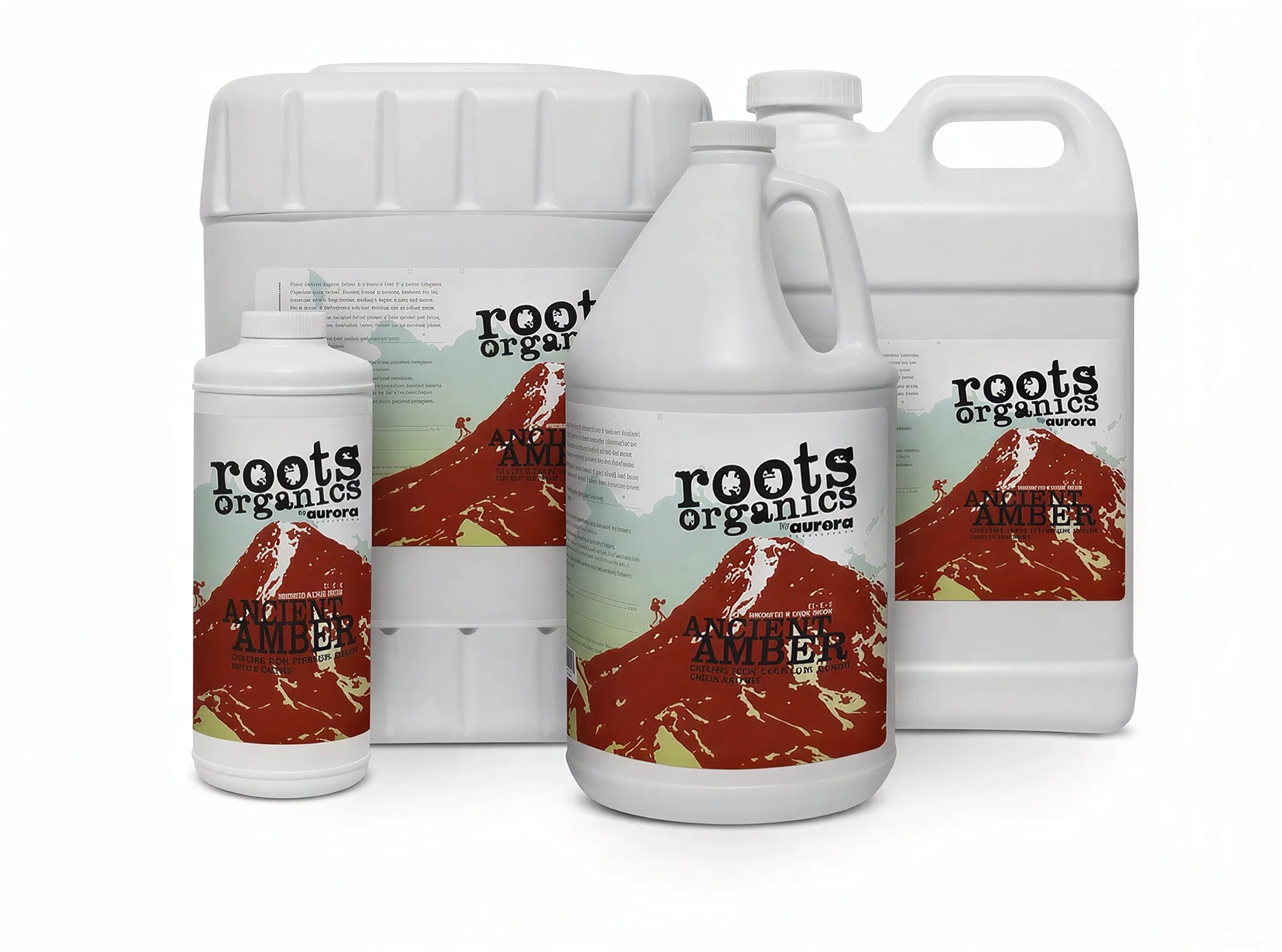
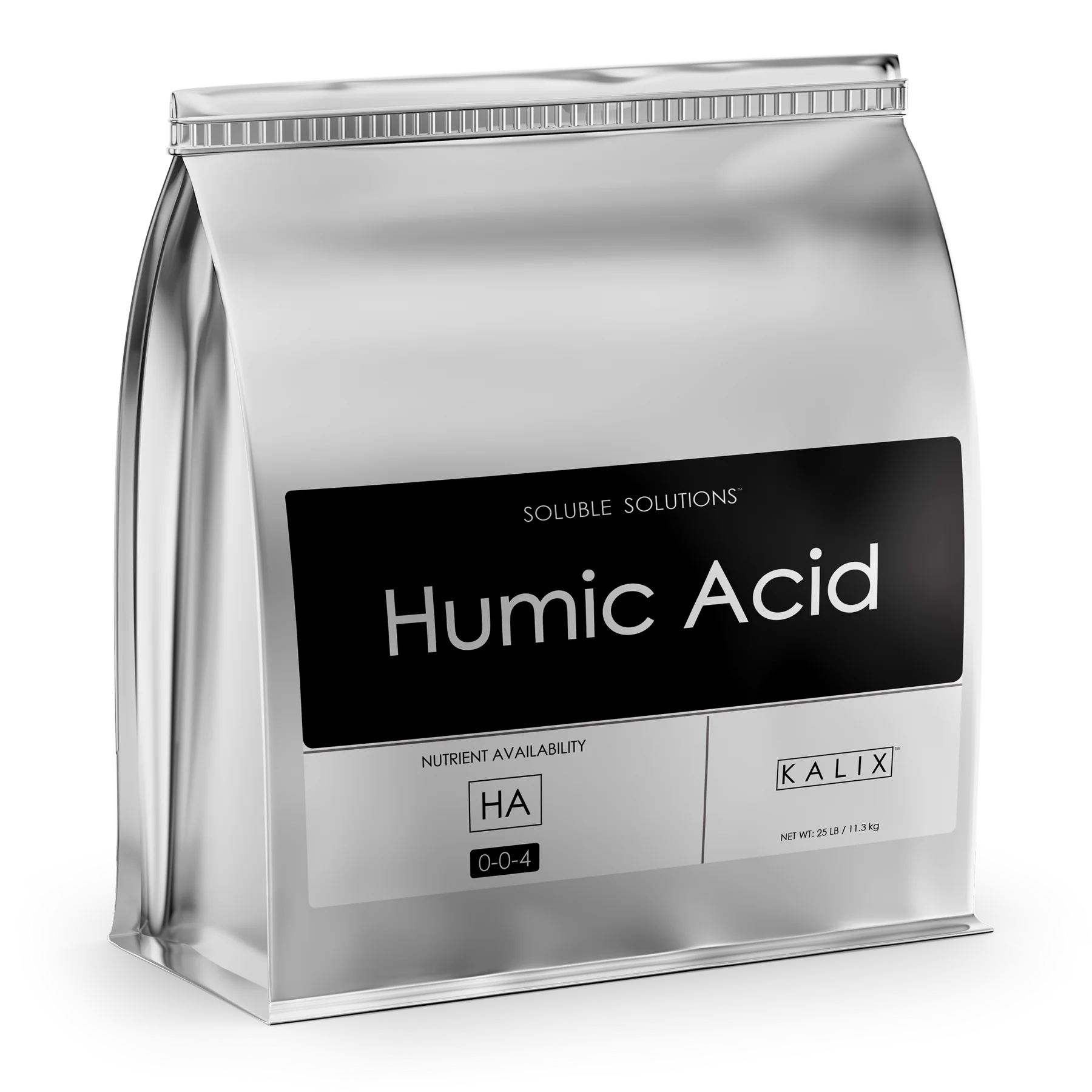
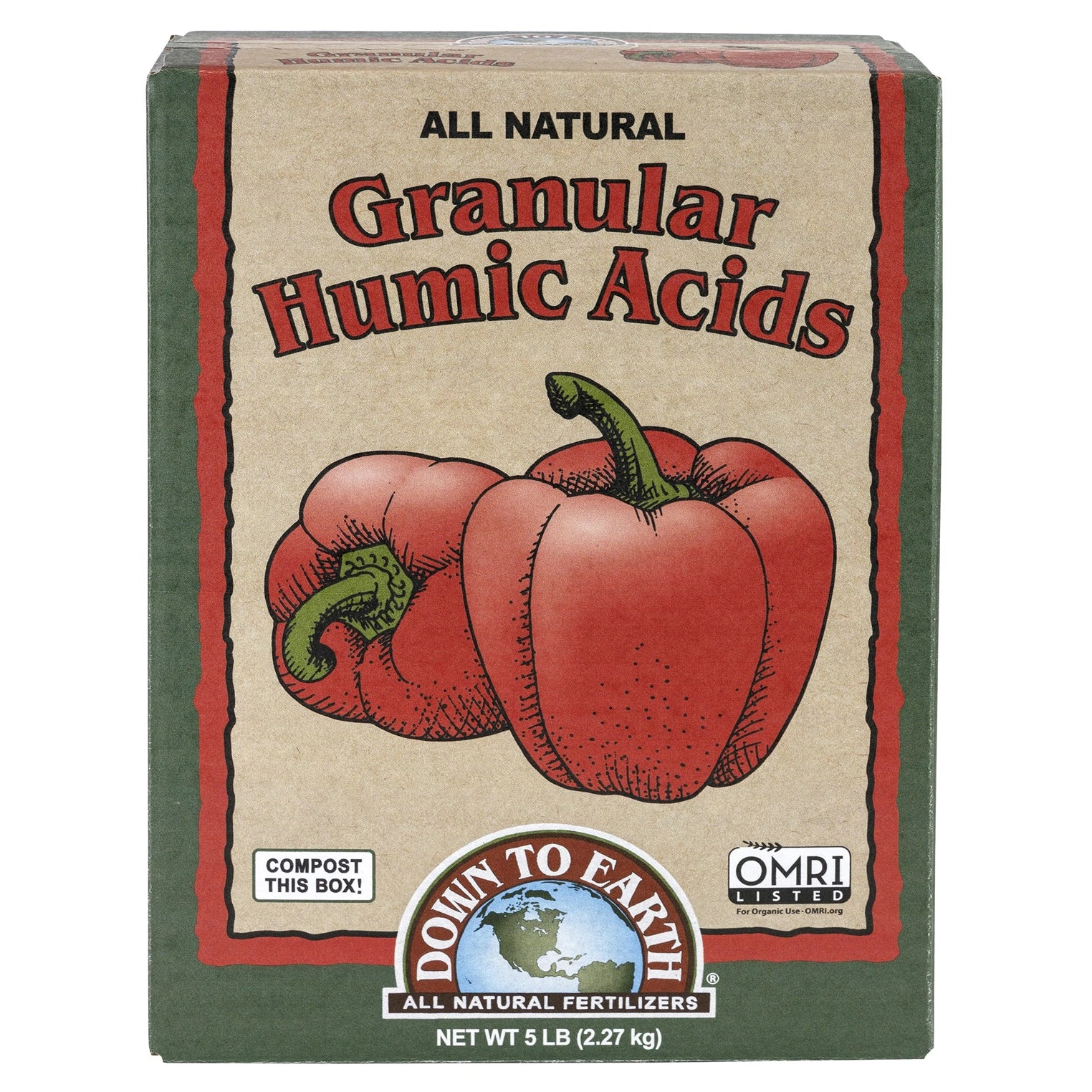
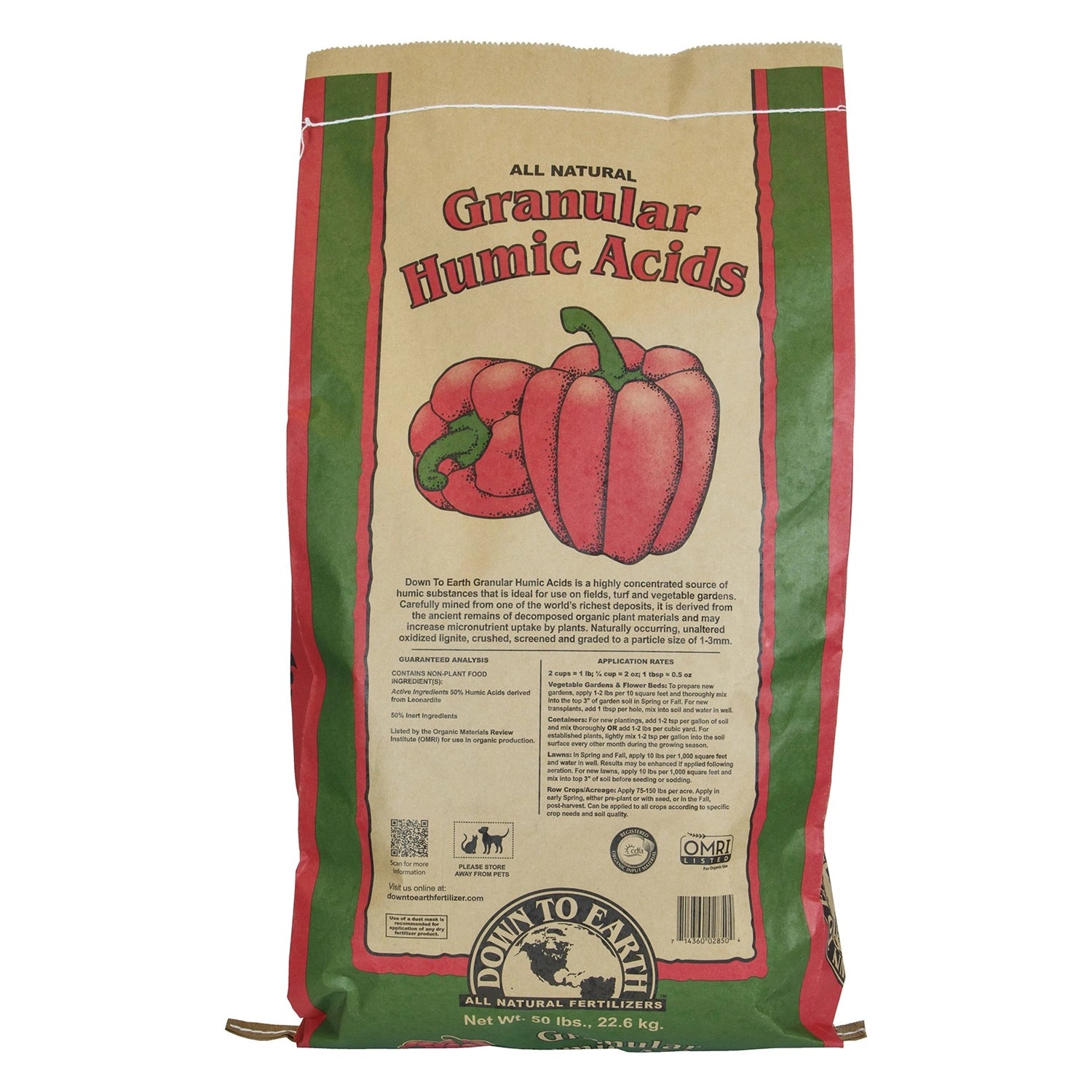
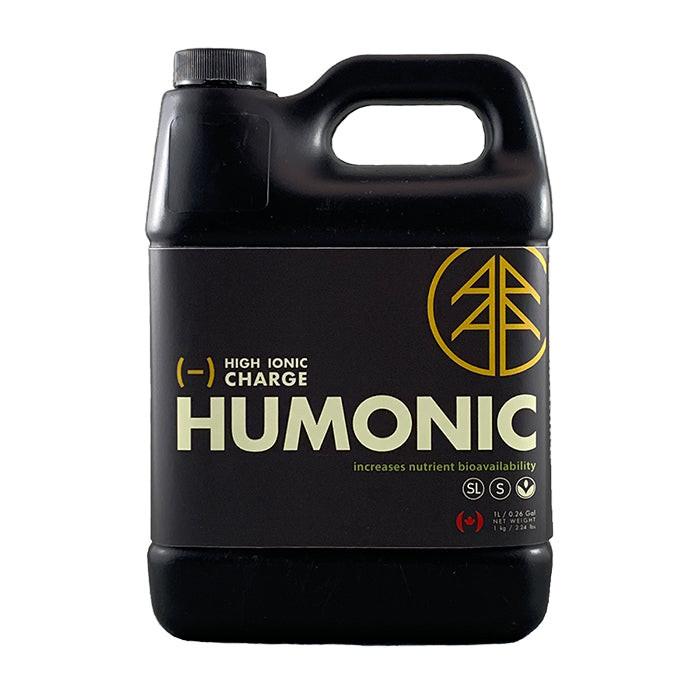
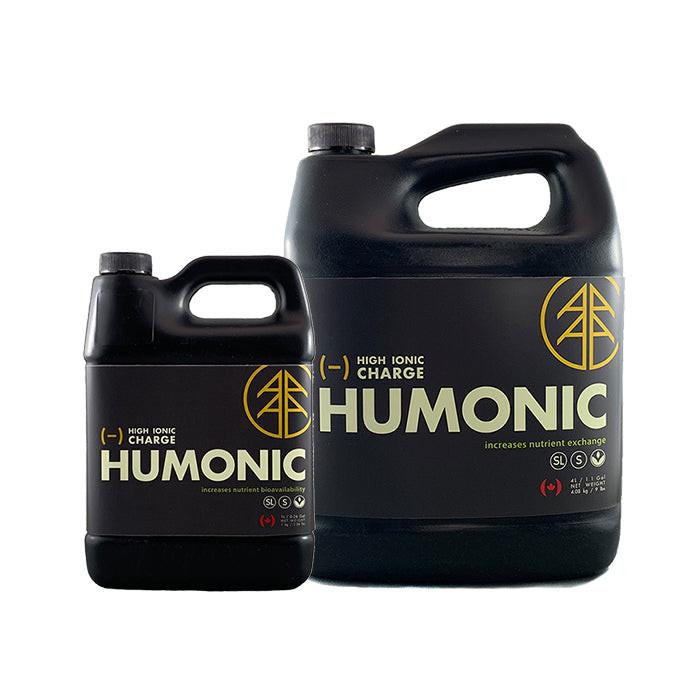
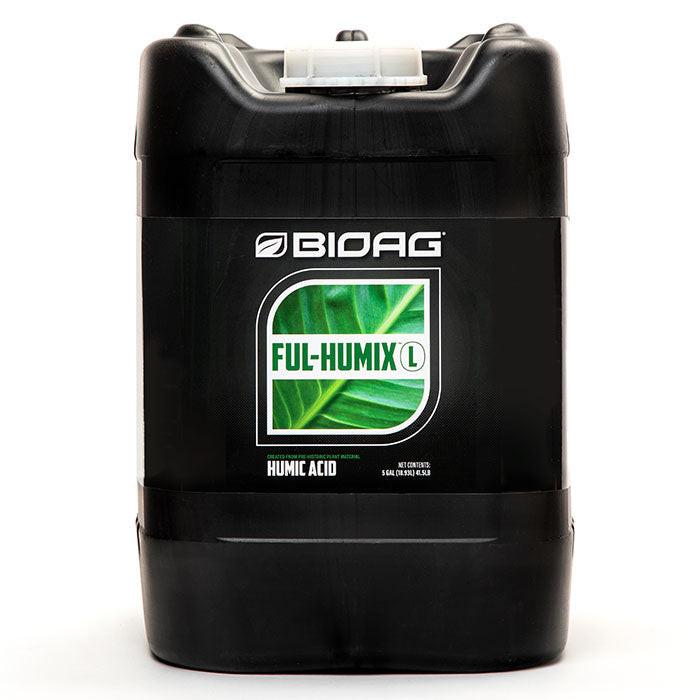
Humic acid is the larger, less soluble fraction of humate compounds -- it improves soil structure by promoting aggregation of soil particles into a crumbly, porous texture that holds both water and air effectively. In container growing, humic acid helps buffer extreme pH swings and improves the cation exchange capacity (CEC) of growing media, helping retain positively charged nutrient ions (calcium, magnesium, potassium) against leaching. Applied as a root drench at 1-5 ml per gallon in liquid form, humic acid is compatible with most hydroponic nutrient programs and provides its most significant benefit in soil and coco coir programs where organic matter dynamics play a role.
Fulvic Acid: Nutrient Transport & Uptake
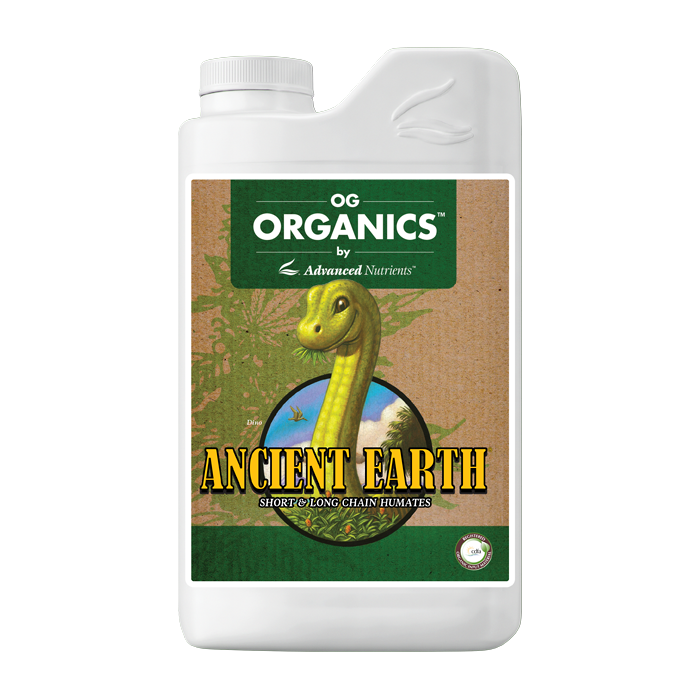
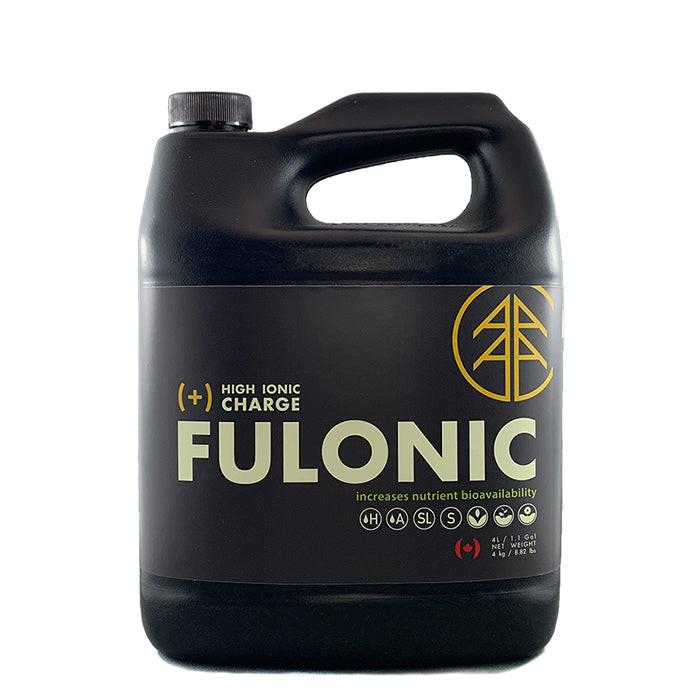
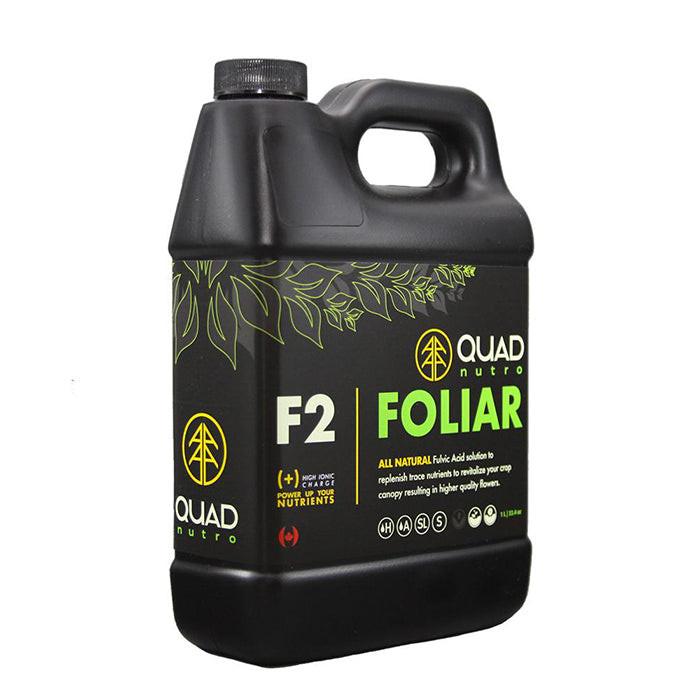
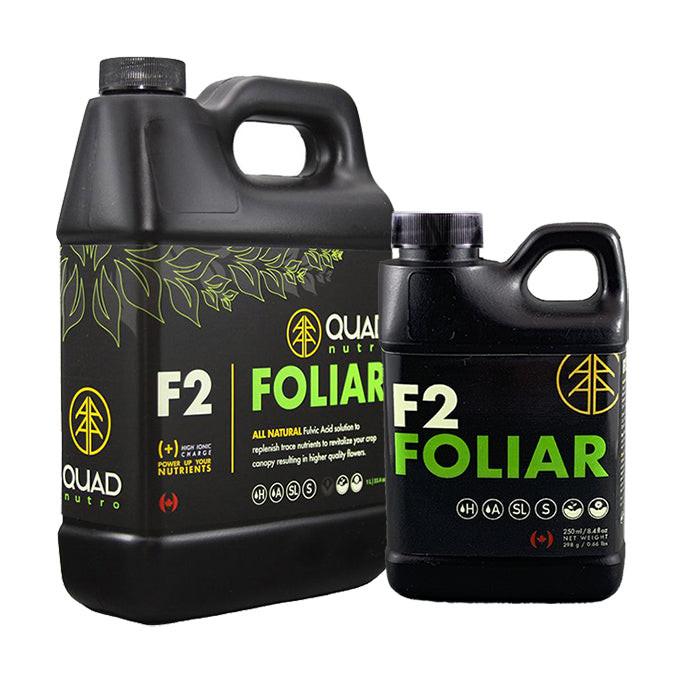
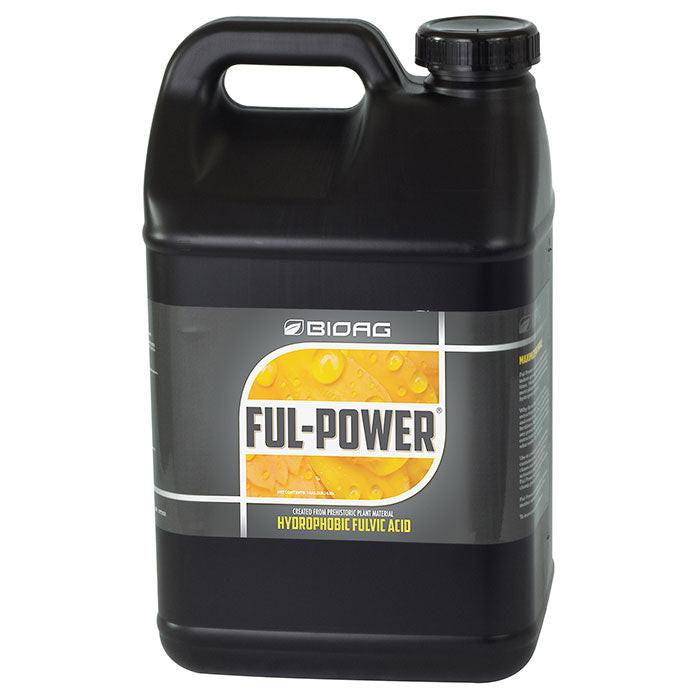
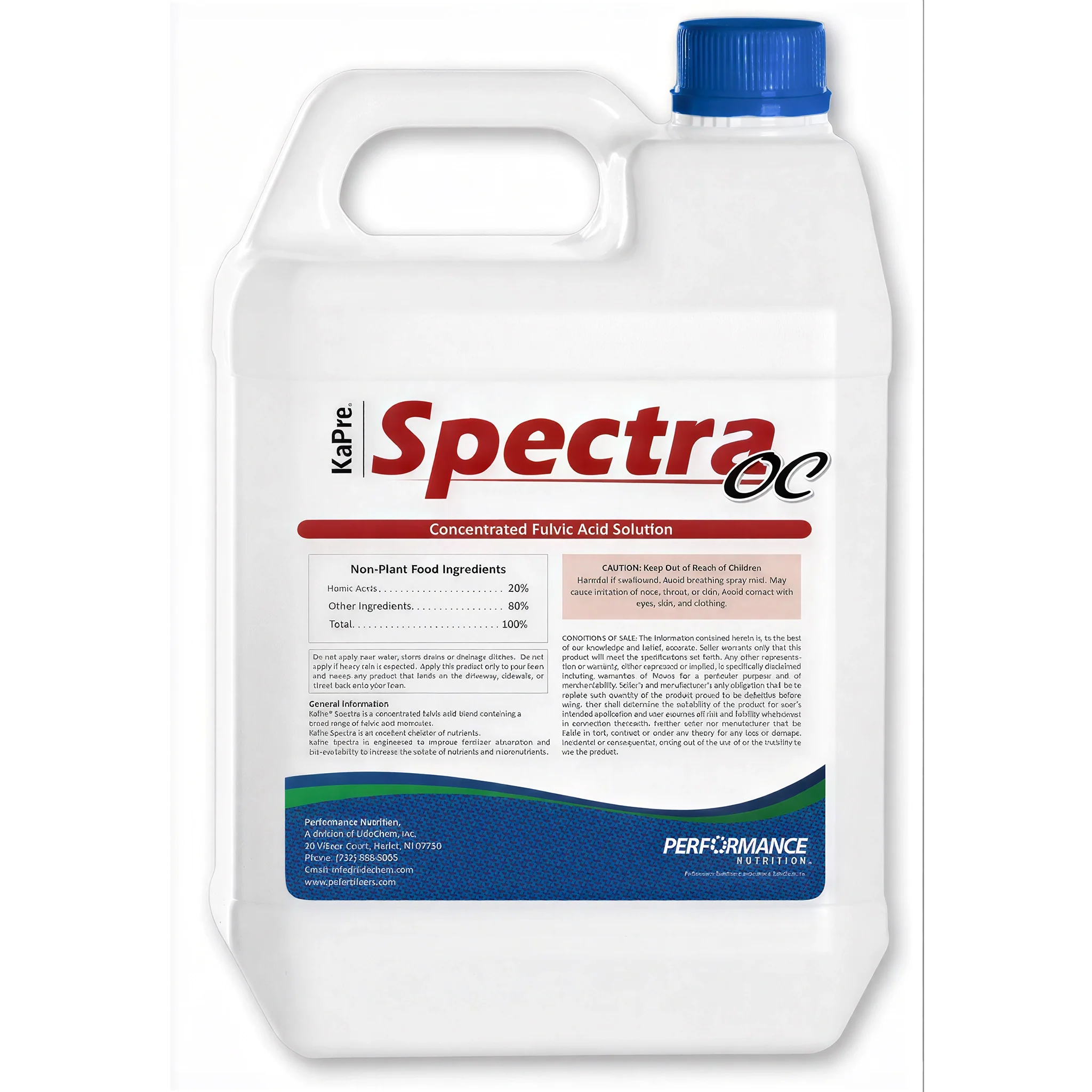
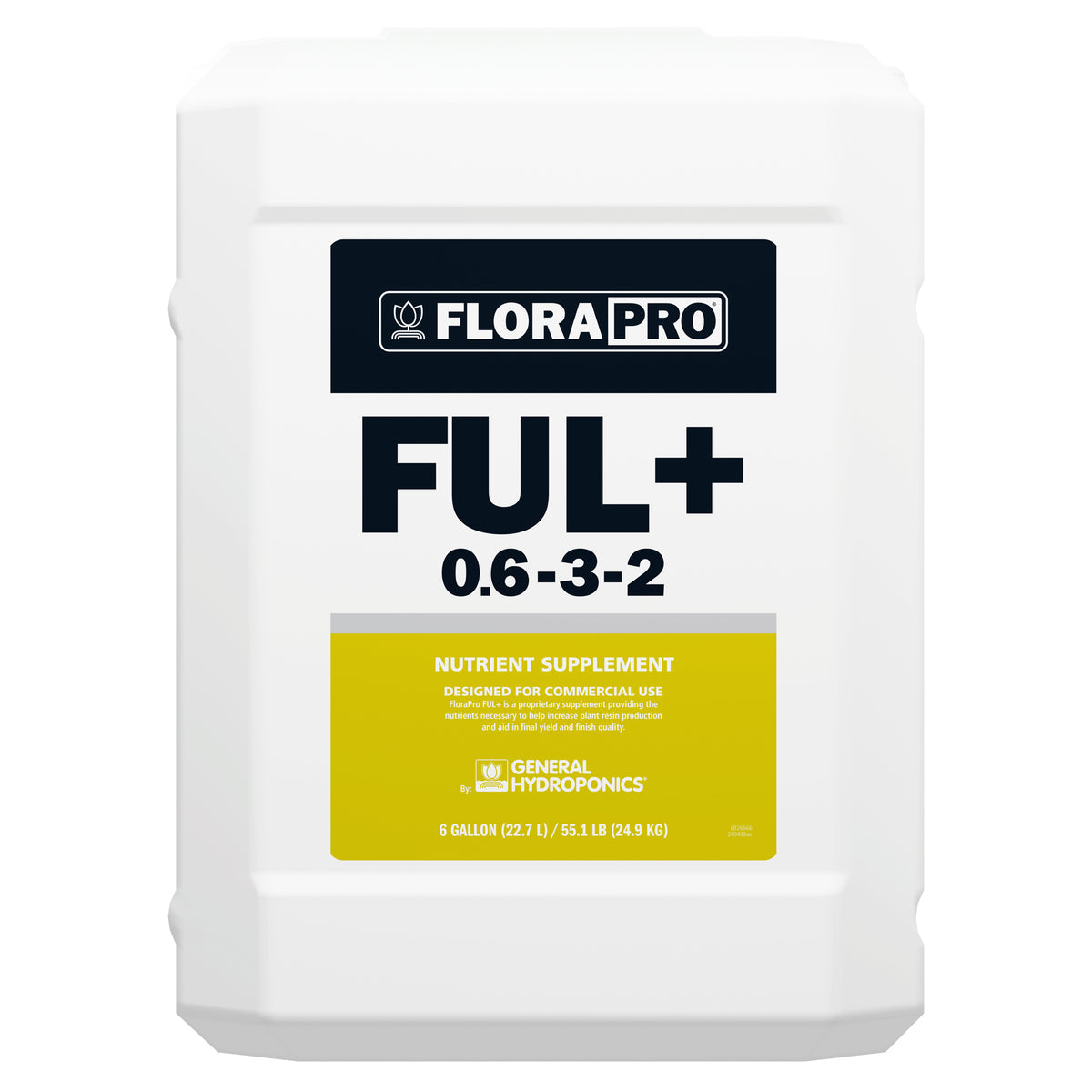
Fulvic acid is the smaller, fully water-soluble fraction of humate compounds -- it penetrates cell membranes readily and acts as a natural chelator, binding mineral nutrients into complexes that plant roots absorb more efficiently than raw mineral ions. In practical application, fulvic acid at 1-2 ml per gallon consistently improves the efficiency of whatever base nutrient program is already in use -- studies show 10-30% improvements in nutrient uptake efficiency with fulvic acid supplementation across multiple crop types. It is compatible with hydroponic, coco, and soil programs and is effective at very low doses. Use our Nutrient Mixing Calculator to account for its small EC contribution when adding to a precision program. Fast shipping.
Fulvic & Humic Acid FAQ
What is the difference between fulvic acid and humic acid?
Both are naturally occurring organic compounds from decomposed organic matter, but with different molecular sizes and properties. Humic acid is the larger, heavier fraction -- not fully water-soluble, primarily effective for soil conditioning, improving CEC, and buffering. Fulvic acid is the smaller, lighter fraction -- fully water-soluble, readily absorbed by plant roots, and effective as a natural chelator that improves the bioavailability of mineral nutrients. For hydroponic applications where soil structure improvement is less relevant, fulvic acid provides more direct plant benefit. For soil and container growing, both work synergistically -- humic for structure and nutrient retention, fulvic for uptake efficiency.
Do fulvic and humic acids work in hydroponic systems?
Yes, with some important distinctions. Fulvic acid is fully effective in hydroponic nutrient solutions -- its small molecular size allows it to pass into root cells and act as a chelator for mineral nutrients already in solution. Humic acid in hydroponic systems provides less of its soil-conditioning benefit (there is no soil structure to improve) but still contributes some chelating activity and can improve the stability of certain nutrient elements in solution. For hydroponic-specific applications, fulvic acid is the primary recommendation; humic acid is more impactful in soil and coco programs. Both are compatible with recirculating hydroponic systems at standard label rates.
How much fulvic acid should I use per gallon?
Fulvic acid is effective at very low doses -- typical application rates are 1-3 ml per gallon of nutrient solution, depending on the concentration of the specific product. Some concentrated products are effective at under 1 ml per gallon. Always follow the manufacturer's label rate for your specific product as concentration varies significantly between brands. Fulvic acid contributes a small amount to EC at standard doses -- account for this in precise EC management programs by measuring EC after all additions including fulvic acid before final pH adjustment.