Dissolved Oxygen Meters for Hydroponic Systems
Dissolved oxygen (DO) meters measure the concentration of oxygen dissolved in hydroponic nutrient solution -- a parameter that directly determines root health, pathogen resistance, and nutrient uptake efficiency in DWC, RDWC, and any system where roots are in direct contact with the solution. Unlike pH and EC which can be adjusted manually based on intuition and experience, dissolved oxygen is invisible without measurement -- reservoirs that appear normal and produce healthy plants can have DO deficiencies that limit growth below potential, and declining DO is an early warning sign of reservoir problems before visible symptoms appear on plants.
DO Probe Technologies
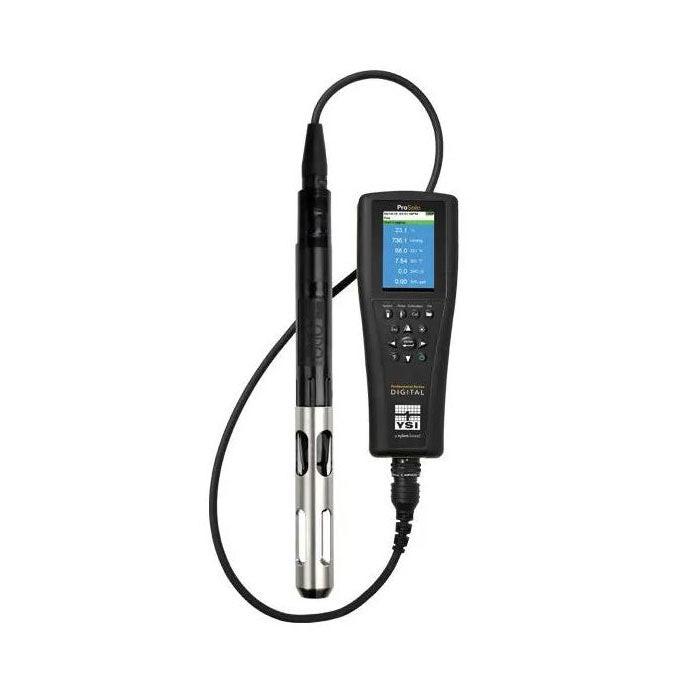
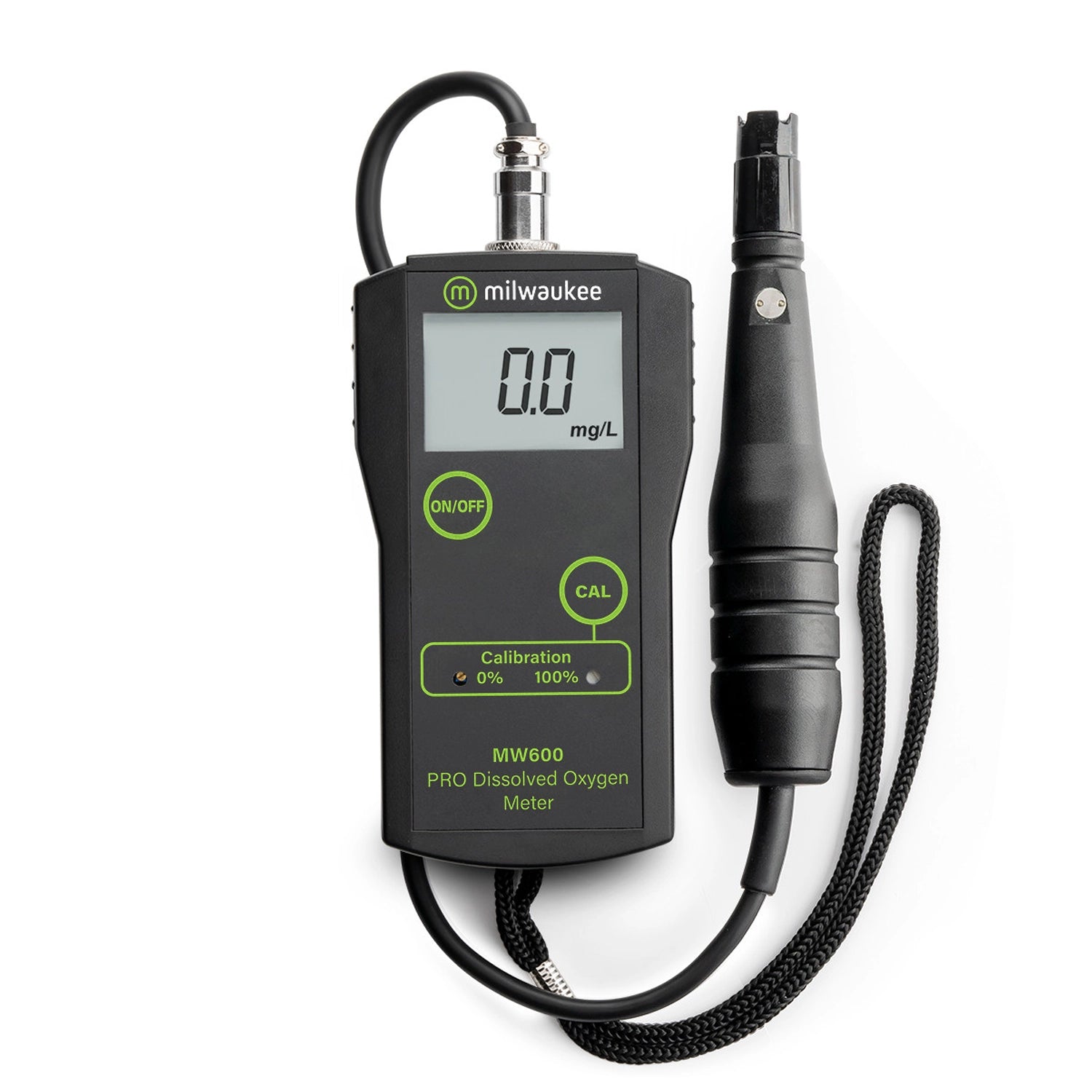
Polarographic (Clark-type) dissolved oxygen probes use an oxygen-permeable membrane over a sensing electrode -- oxygen diffuses through the membrane and is electrochemically reduced at the electrode, producing a current proportional to DO concentration. These probes require a warm-up period (15-30 minutes) before stable readings, need frequent membrane replacement (every 2-4 weeks in continuous use), and require calibration. Optical (luminescent) DO probes measure oxygen by its quenching effect on a luminescent coating -- they respond instantly without warm-up, have longer membrane life, are less sensitive to interference, and require less frequent calibration. For hydroponic monitoring, optical probes are the more practical choice for their convenience and reliability despite higher initial cost. Browse our full meters and testing collection for all monitoring instruments.
Target DO Levels & Interpretation
Target dissolved oxygen in a well-aerated DWC reservoir: 8-10 mg/L at 65-68 degrees F (water holds approximately 9.1 mg/L at saturation at 68 degrees F under standard conditions). Values below 6 mg/L indicate inadequate aeration or pathogen-driven oxygen depletion that requires immediate attention. Values consistently above 12-15 mg/L (achievable with nanobubble systems) are associated with improved growth and Pythium suppression. Fast shipping.
Dissolved Oxygen Meters FAQ
Why should I measure dissolved oxygen in my hydroponic reservoir?
Dissolved oxygen is one of the most critical yet least-monitored parameters in hydroponic growing. Low DO directly impairs root respiration, reduces nutrient uptake efficiency, and creates conditions that favor Pythium and other root pathogens. Most growers run air stones and assume DO is adequate -- but water temperature, air stone fouling, and pathogen load can drive DO below healthy levels without any change visible to the naked eye. A DO meter provides the data to confirm whether aeration is actually maintaining adequate DO or whether there is an invisible problem developing.
What is a healthy dissolved oxygen level for DWC?
Target 8-10 mg/L (ppm) for healthy root zone conditions in DWC and RDWC systems. Water at 68 degrees F can hold approximately 9.1 mg/L at atmospheric saturation -- well-aerated systems approach this naturally. Below 6 mg/L, root function is noticeably impaired and Pythium risk increases substantially. Above 10-12 mg/L (achievable with nanobubble generators) is associated with enhanced root development and Pythium suppression. Reservoir temperature is the most important single factor in DO capacity -- colder water holds more oxygen; heating the reservoir above 72 degrees F dramatically reduces maximum achievable DO.
What is the difference between polarographic and optical DO probes?
Polarographic probes are the traditional technology -- they electrochemically measure oxygen that diffuses through a membrane. They require a 15-30 minute warm-up period, regular membrane replacement (every 2-4 weeks in production use), filling solution maintenance, and more frequent calibration. Optical probes use a luminescent coating whose response to light is quenched by oxygen concentration -- instantaneous readings with no warm-up, much longer membrane/cap life (3-12 months), and less frequent calibration. For grow room applications where quick spot-checks are the typical use case, optical probes are significantly more practical.
How do I calibrate a dissolved oxygen meter?
Most DO meters are calibrated to the air-saturated water standard (water in equilibrium with atmospheric oxygen at the local altitude and temperature). Two-point calibration: (1) Air calibration -- hold the probe in air (not submerged), allow to stabilize, and calibrate to the expected DO value for air-saturated conditions at local altitude and temperature (most meters calculate this automatically if the current temperature and altitude are entered); (2) Zero calibration -- submerge probe in oxygen-free water (sodium sulfite solution) and calibrate to 0 mg/L. Many growers perform only the air calibration for routine checks; full two-point calibration is recommended when high accuracy is required.
How often should I measure dissolved oxygen in my reservoir?
For established systems with consistent aeration: weekly spot-checks confirm DO is in range. After any change that could affect aeration -- new air stones, pump changes, reservoir temperature shifts, or adding supplements that affect biological activity -- check DO immediately. In systems where root problems have occurred or pathogen pressure is suspected, daily DO monitoring provides early warning of declining conditions before root symptoms are visible. Commercial operations with automated monitoring systems log DO continuously; for hobby growers, a quality portable DO meter used weekly provides meaningful data.