Pre-Roll Machines, Grinders & Filling Equipment
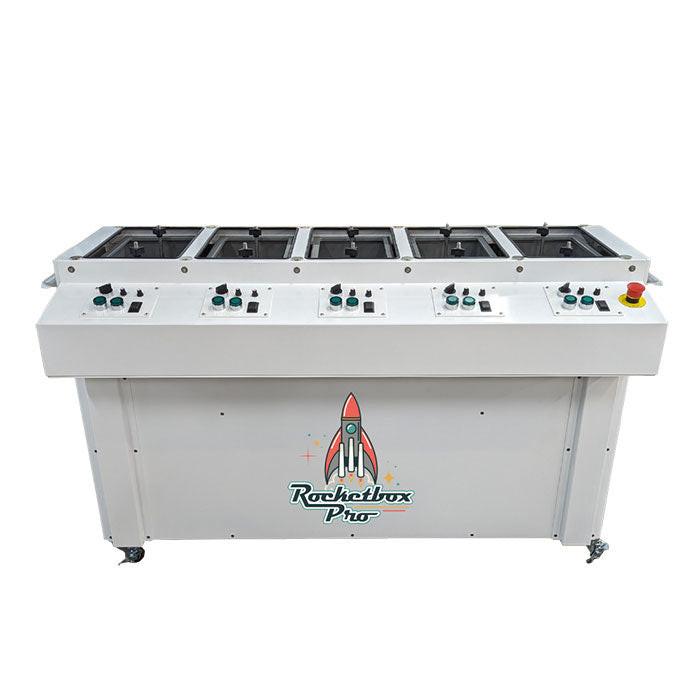
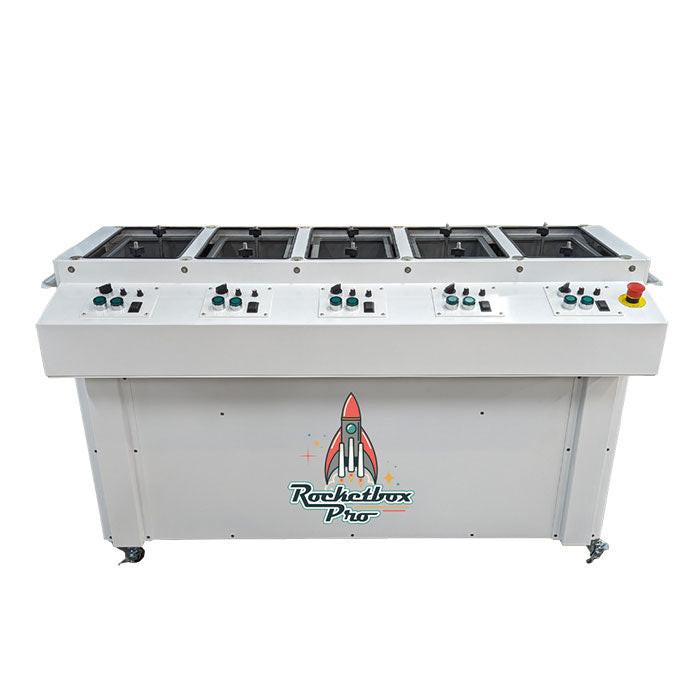
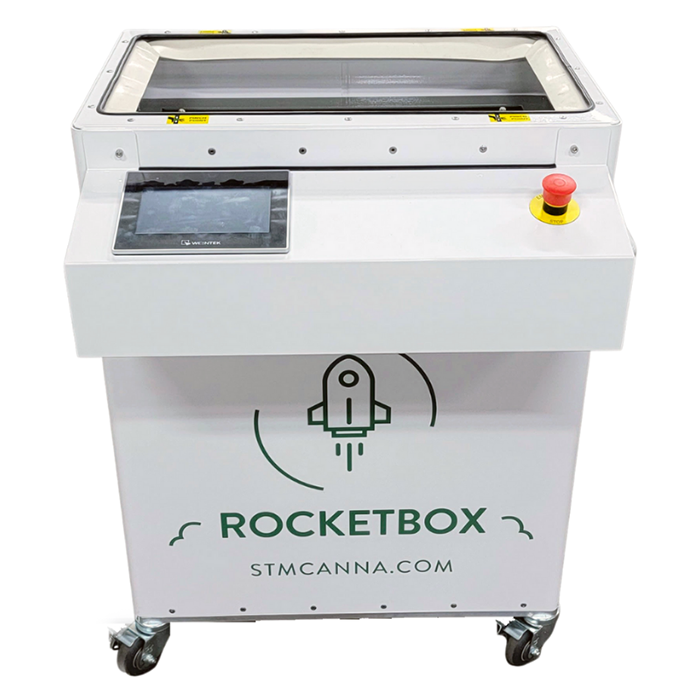
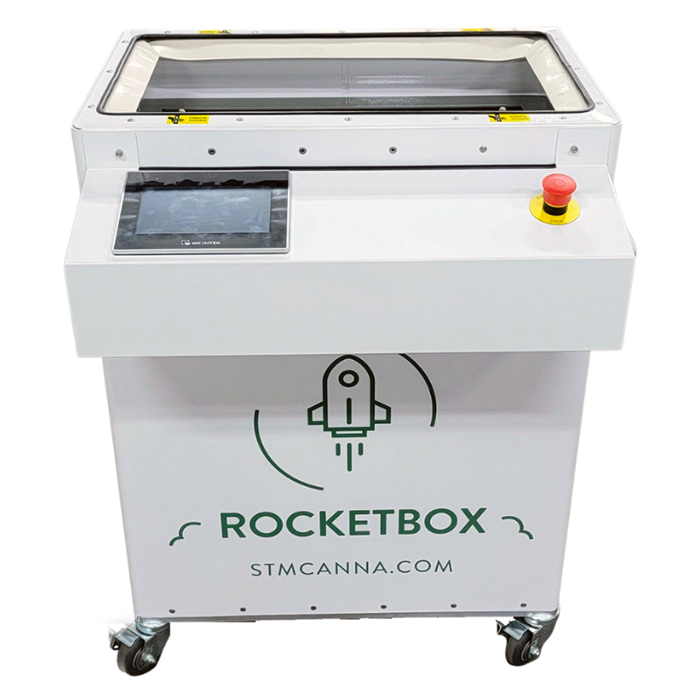
Pre-roll production equipment covers the tools used to produce consistent, well-formed pre-rolls at scale -- from manual multi-cone filling trays that produce 20-100 cones per batch through electric filling and packing machines capable of producing hundreds of pre-rolls per hour. Consistent pre-roll quality requires two steps performed well: uniform grinding of the botanical material to the correct particle size, and consistent filling and packing of the cone to the correct density throughout its length. Dedicated equipment for each step produces more consistent output than hand-rolling alone, particularly at commercial volumes where batch-to-batch consistency is a production requirement.
Grinders for Pre-Roll Production
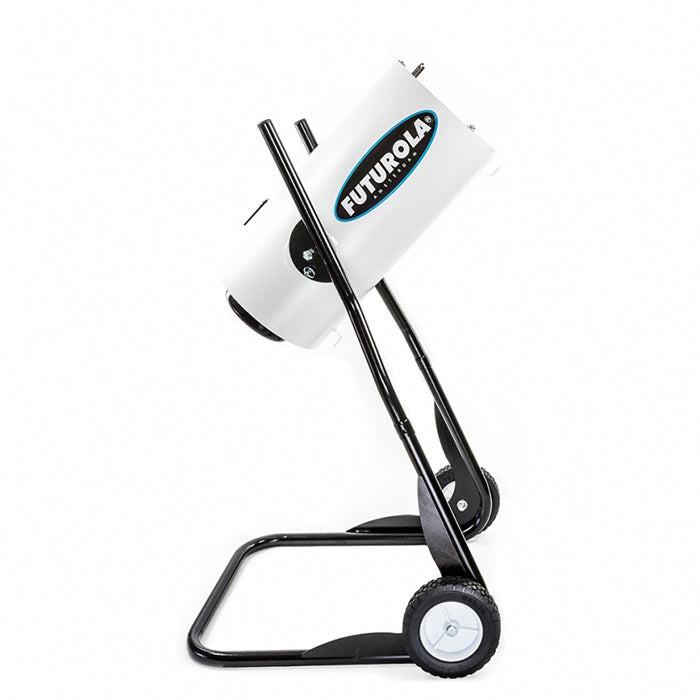
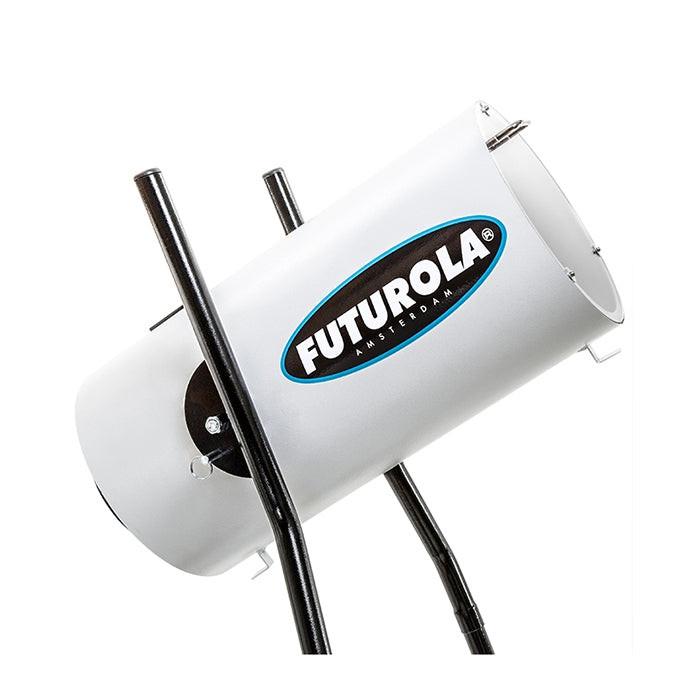
See our herb grinders and shredders collection for the full range of manual and electric grinding options. For pre-roll applications: material should be ground to a consistent medium grind -- not so fine that it packs too tightly and restricts airflow, and not so coarse that the cone fills unevenly or material falls out. Most pre-roll filling equipment works best with material ground to a particle size between a medium and coarse grind. Consult the specific filling machine's documentation for the recommended grind consistency.
Cone Filling Systems
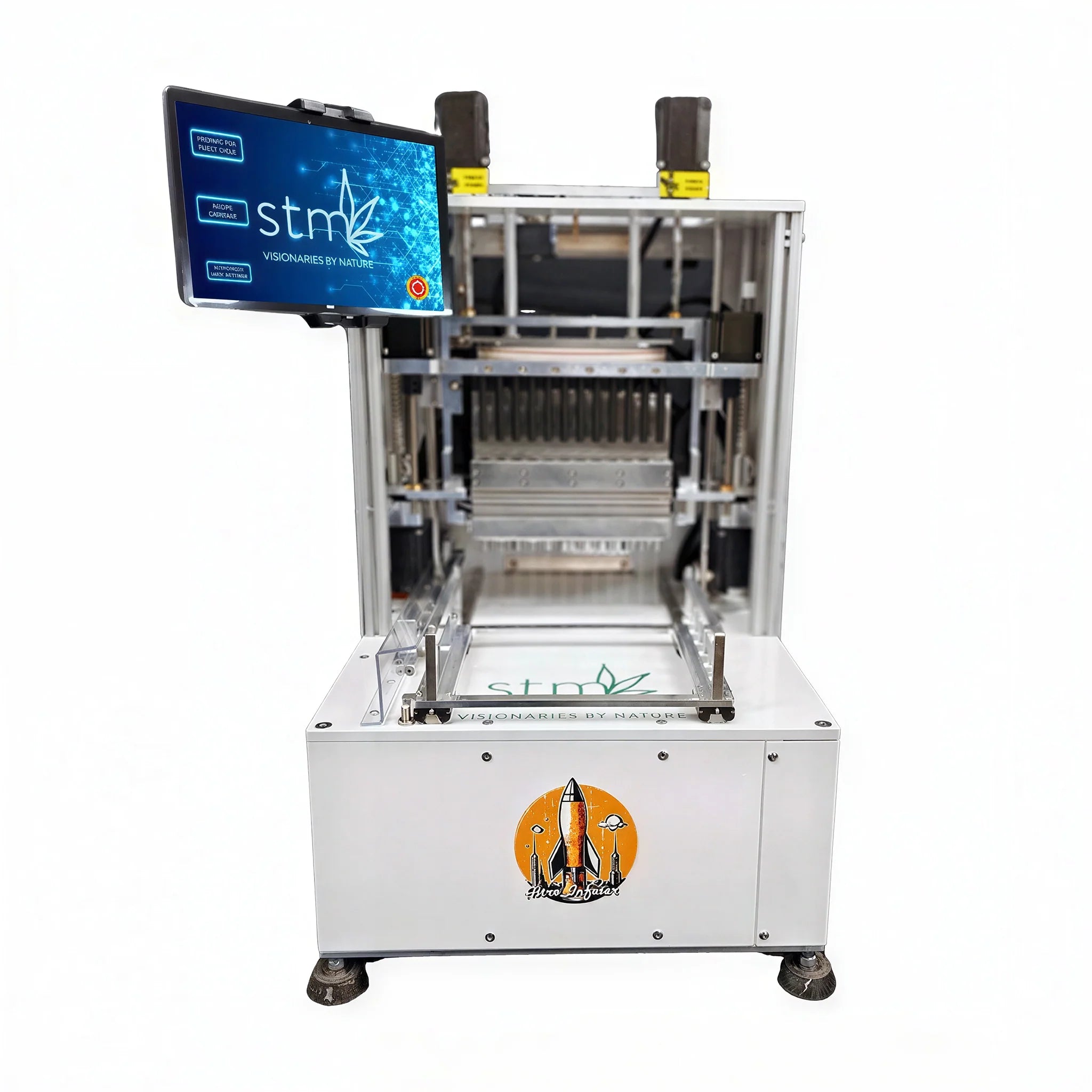
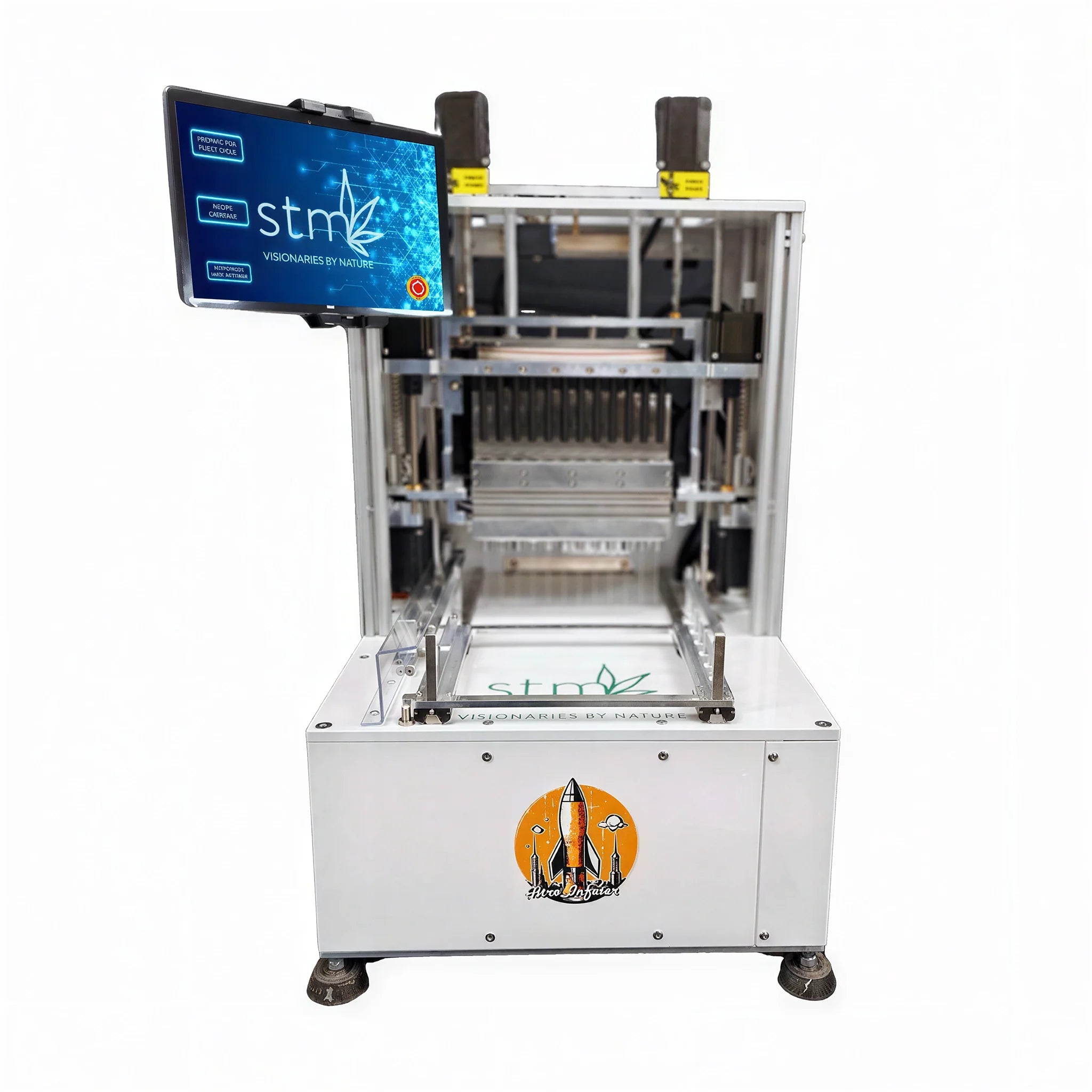
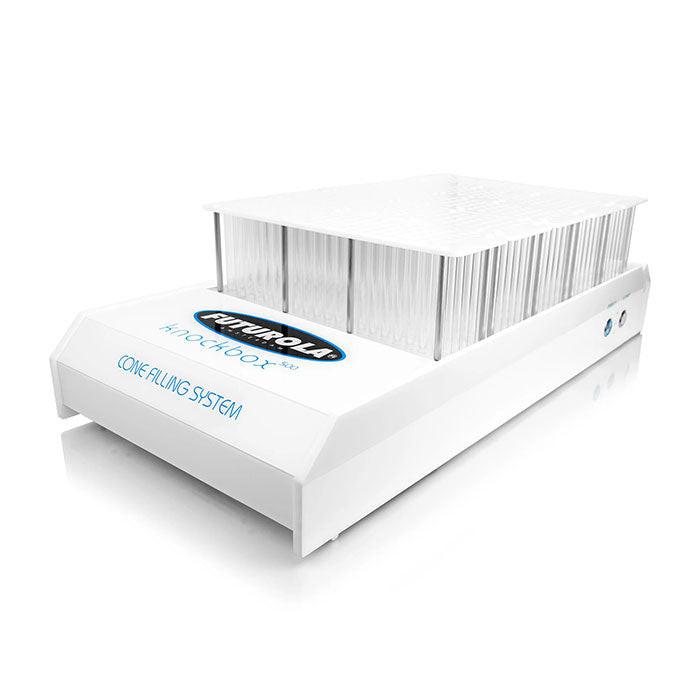
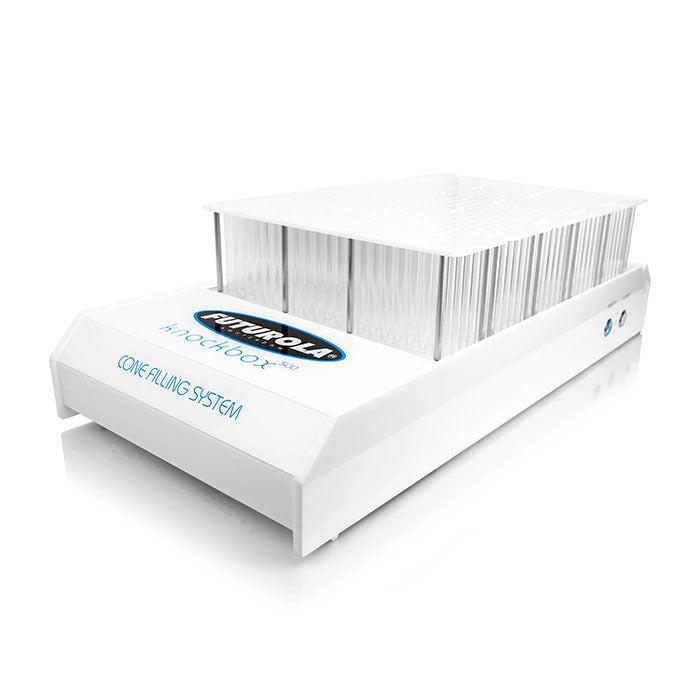
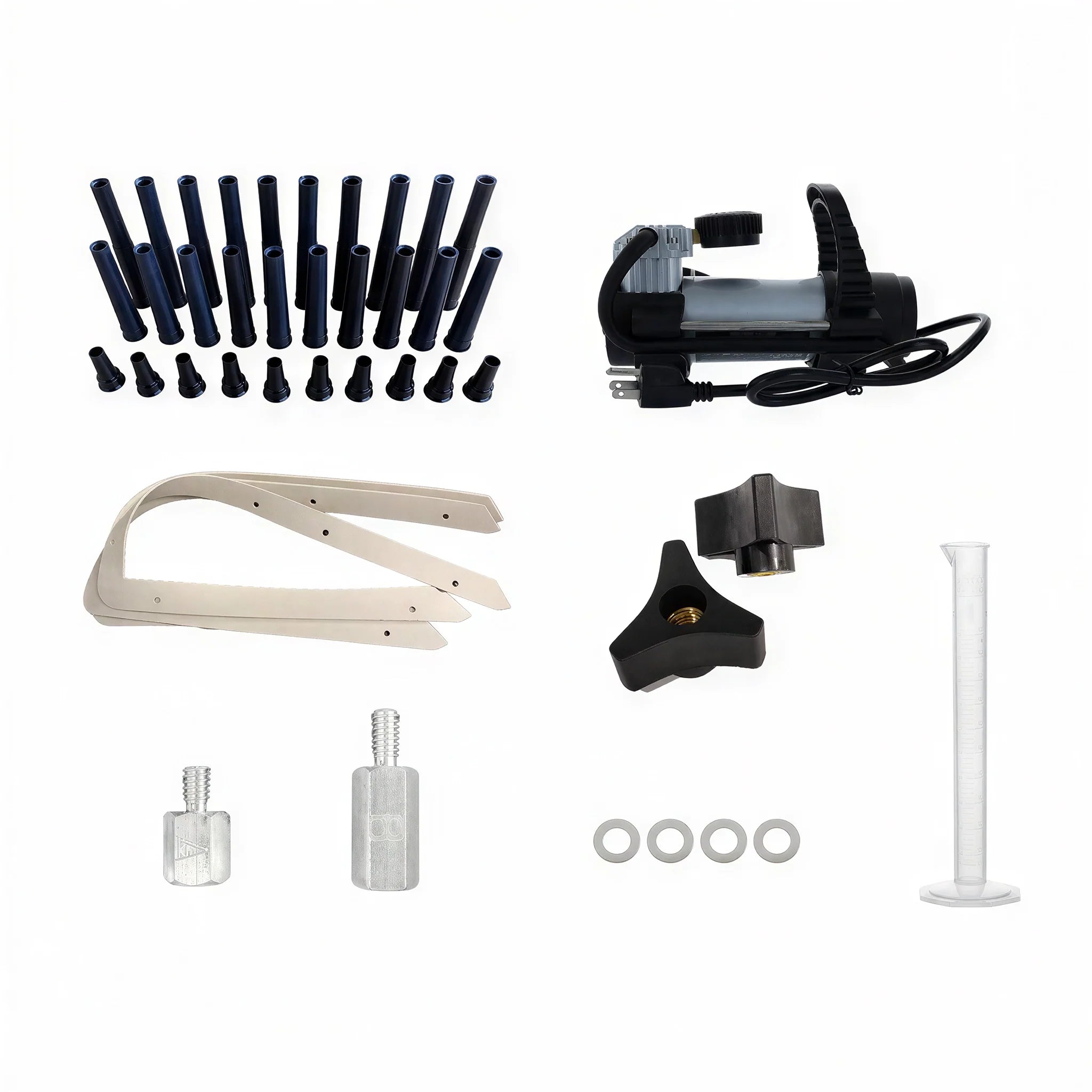
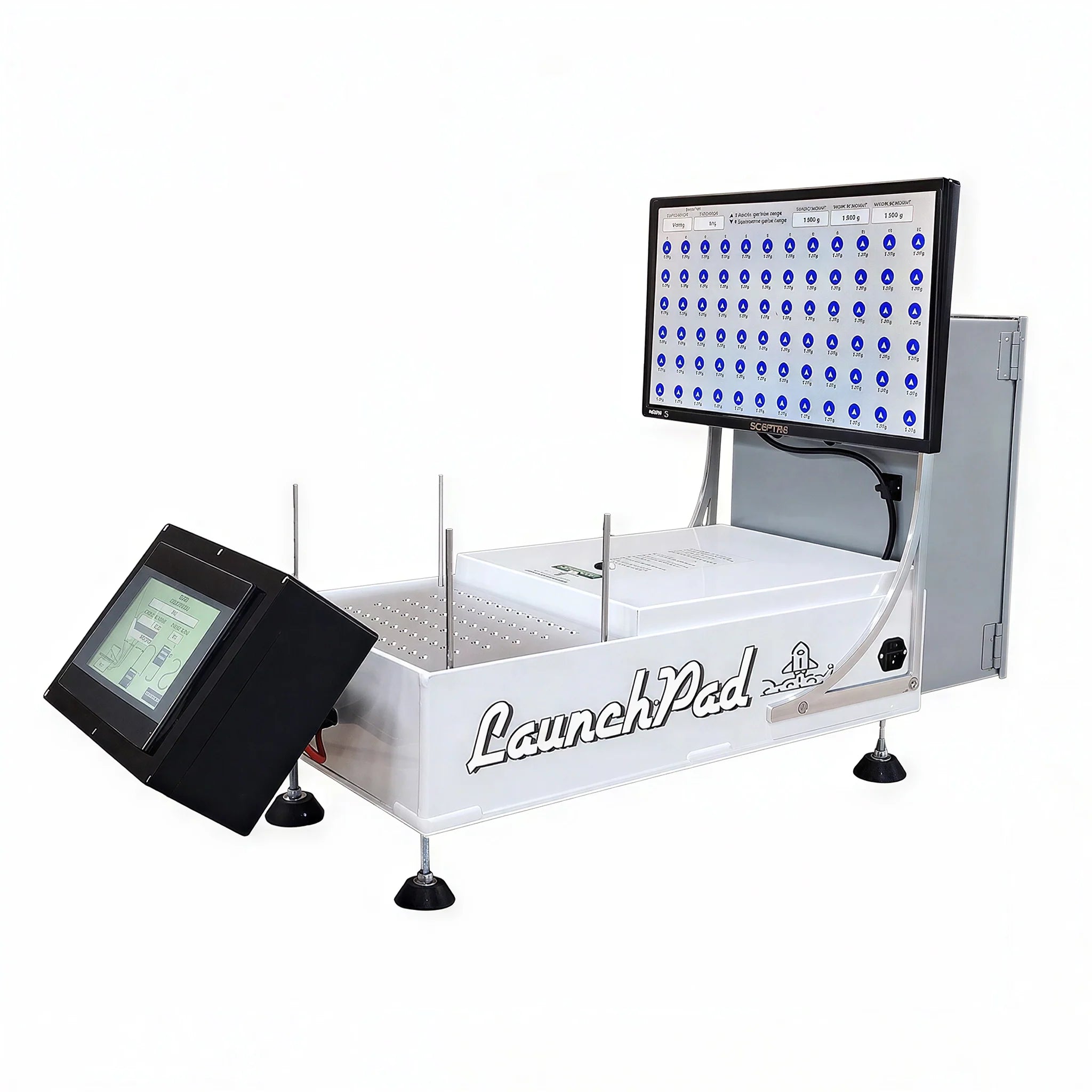
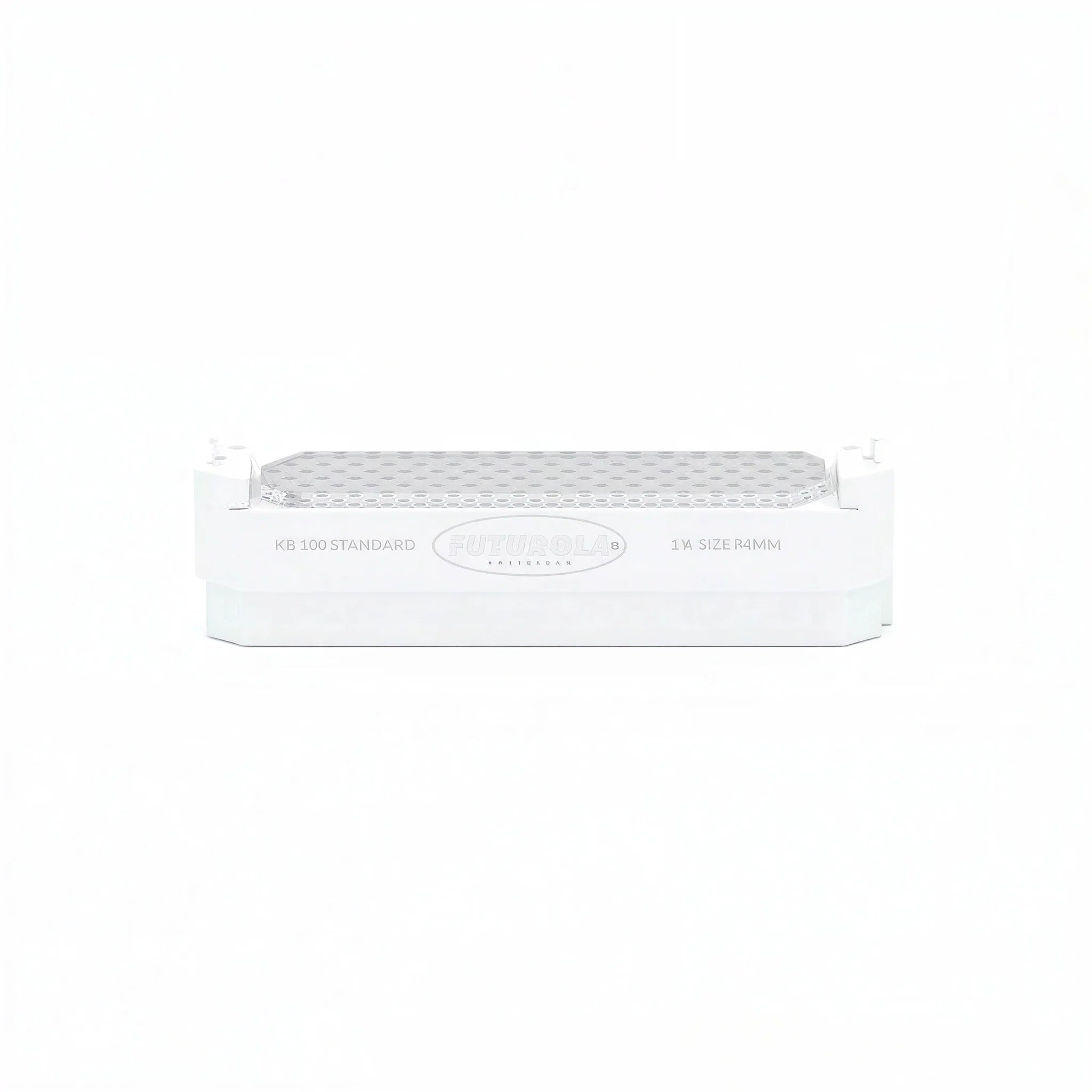
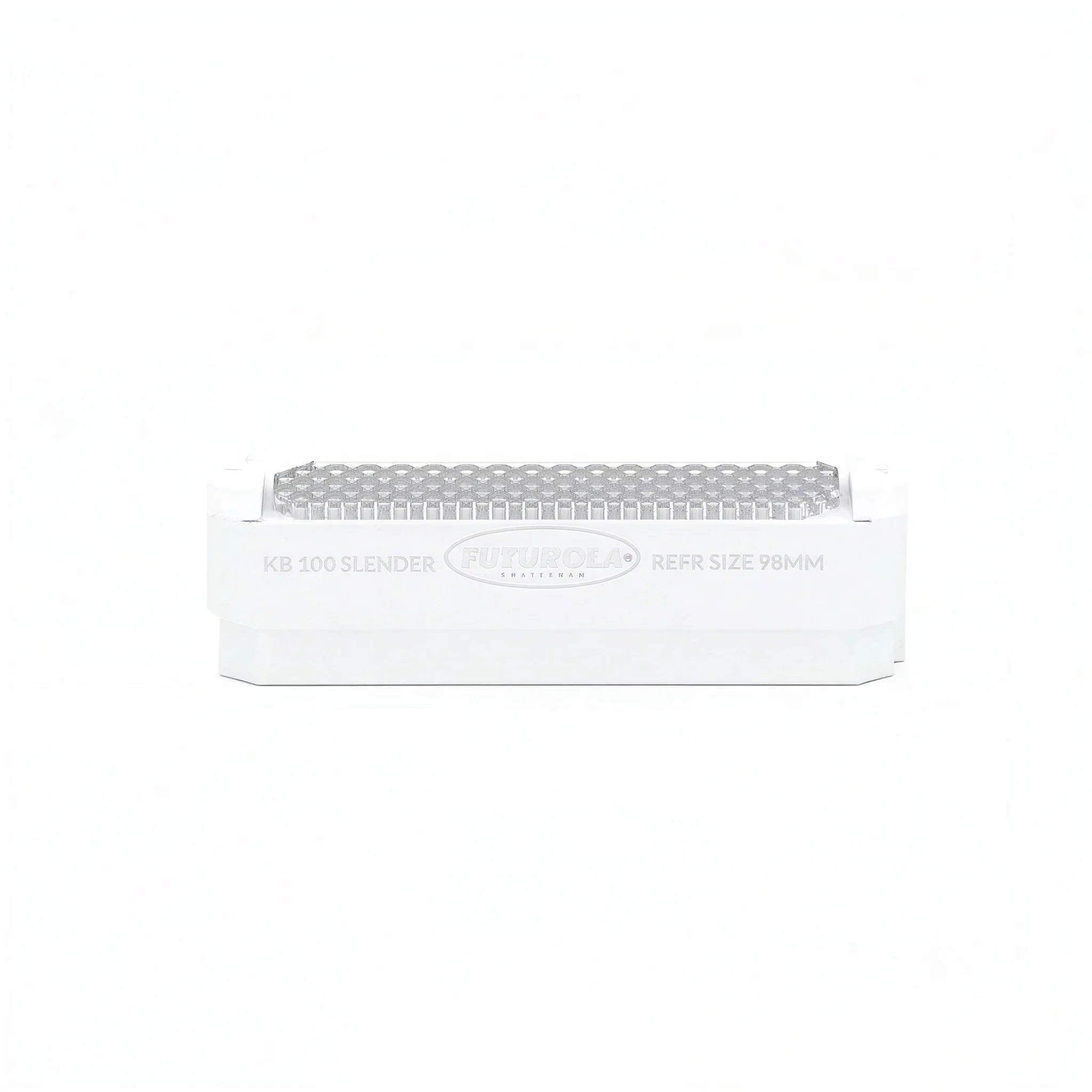
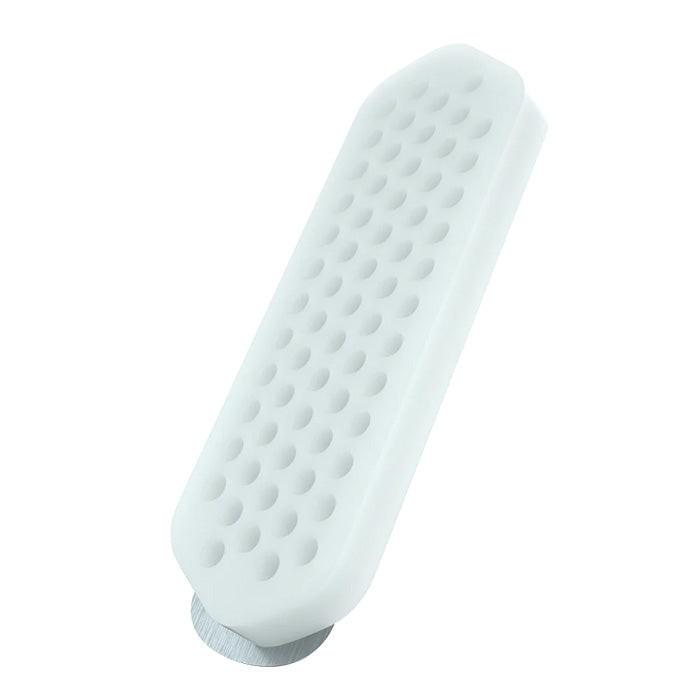
Manual cone filling trays (20-cone and 100-cone formats) use a vibrating or tapping motion to distribute ground material evenly into multiple pre-formed cones simultaneously. See our dedicated cone filling systems collection for all filling equipment. Electric filling machines automate the filling, packing, and twisting steps -- reducing labor time per unit significantly at commercial production volumes. For operations producing 50+ pre-rolls per day consistently, electric filling equipment pays for itself quickly in labor savings. Fast shipping.
Pre-Roll Production Equipment FAQ
What equipment do I need to make pre-rolls?
The minimum setup: a grinder to produce consistent particle-size material, pre-formed cones (purchased separately from cone suppliers), and a filling/packing tool. For small personal volumes, a multi-chamber hand grinder and a single cone packer or manual tamping tool is sufficient. For small commercial volumes (50-200 per day): a 20 or 100-cone filling tray plus an electric grinder produces significant time savings over hand-rolling. For commercial production: an electric cone filling machine handles grinding, filling, and packing as a continuous workflow.
What grind size is best for pre-rolls?
Medium grind -- not fine powder, not chunky pieces. Too fine: packs too tightly, restricts airflow, burns hot. Too coarse: fills unevenly, creates gaps, material may fall out from the open end. The target is a consistent medium particle where the ground material flows freely into the cone under light vibration or tamping without clumping or bridging across the cone opening. Specific filling machines may have preferred grind specifications -- check the machine documentation. Test a small batch before committing the full production grind to verify the particle size works with your specific equipment.
What are pre-formed cones?
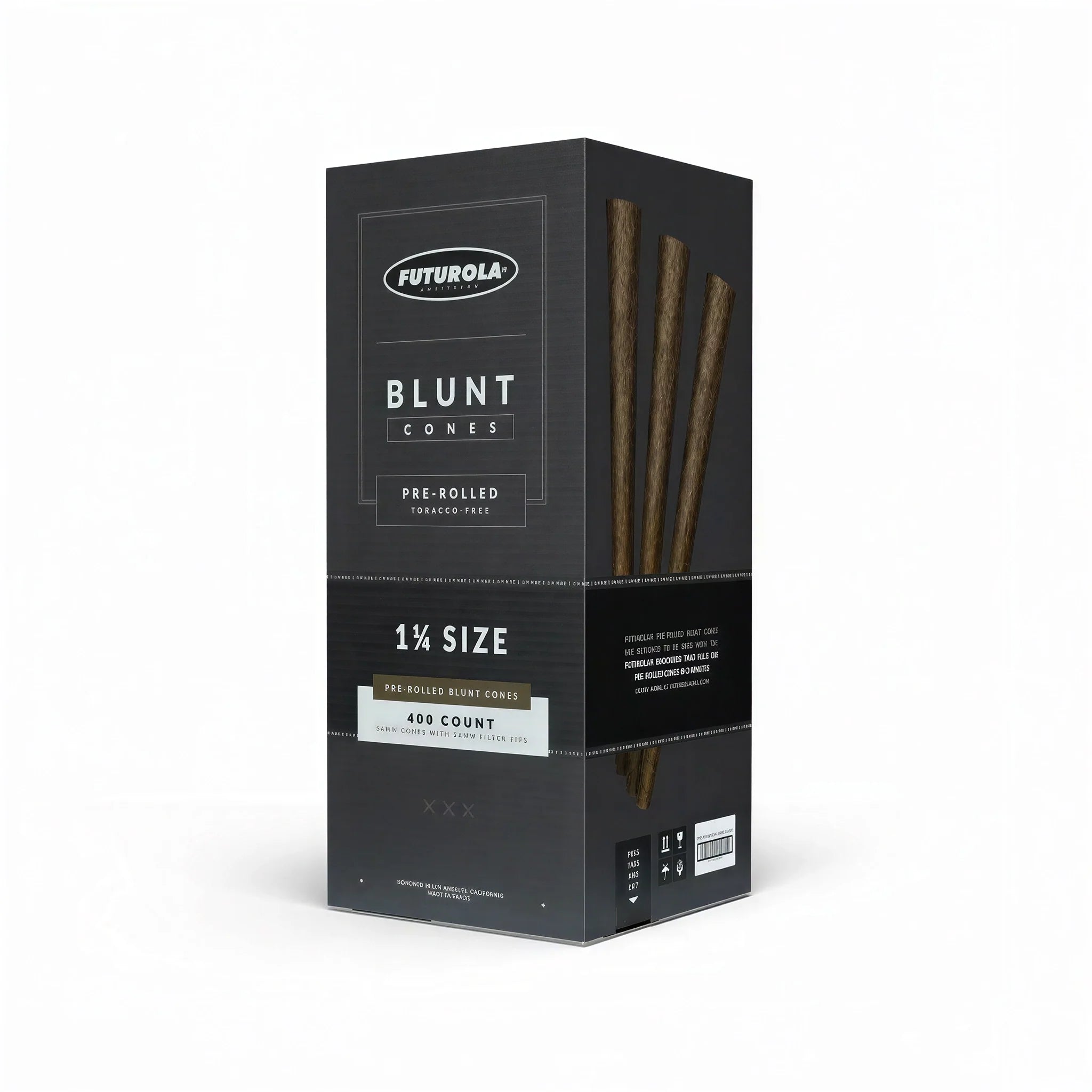
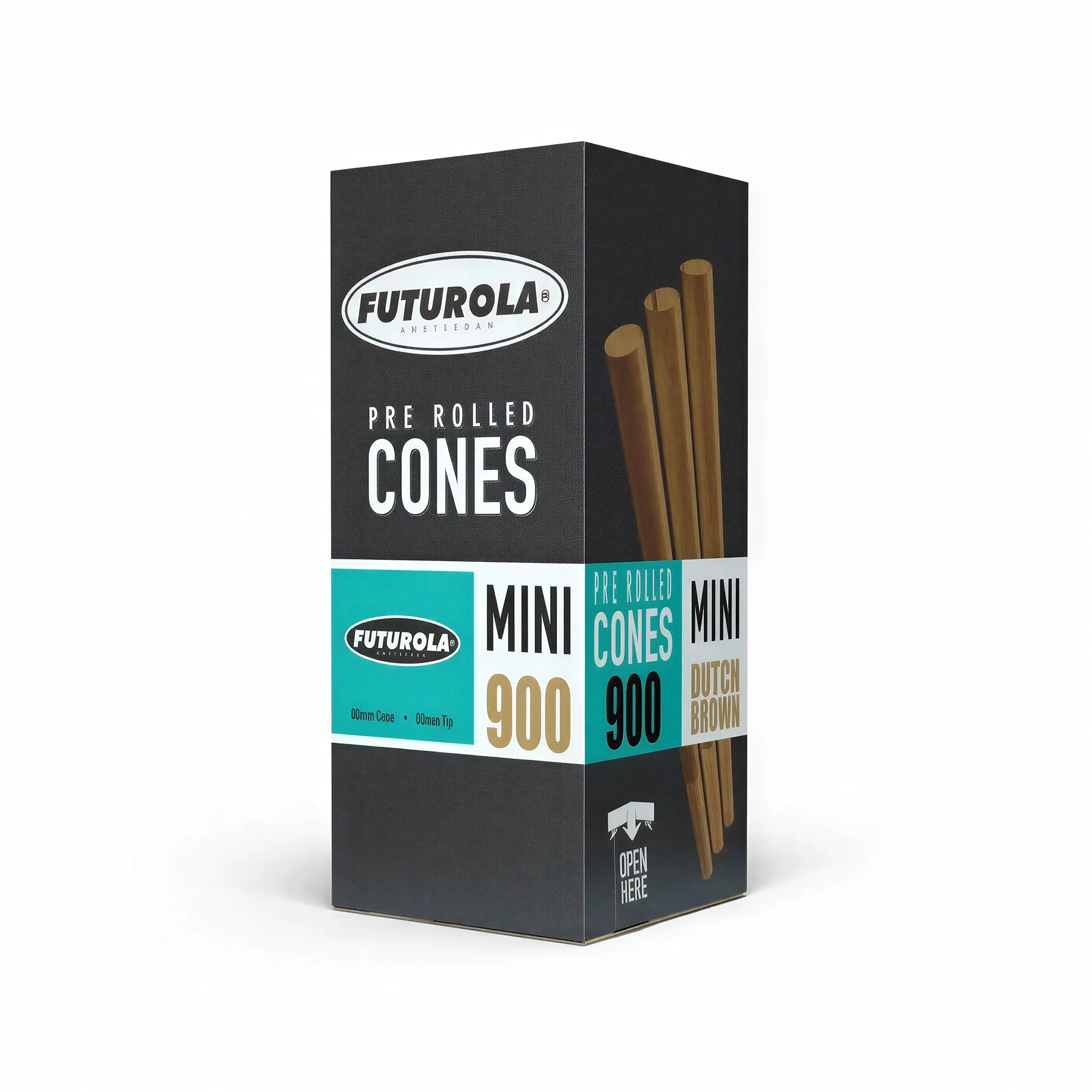
Pre-formed cones are paper or alternative-material cones that are pre-shaped with the conical form and filter tip already assembled -- they are ready to fill directly without rolling. Pre-formed cones are available in multiple sizes (from small personal sizes through large commercial sizes) and paper types (standard, hemp, rice, clear). Filling a pre-formed cone requires only grinding the material and packing it into the open end, which is significantly faster and more consistent than hand-rolling. Pre-formed cones are the standard in commercial pre-roll production for exactly this reason.
How many pre-rolls can I make per hour with a filling tray?
A 100-cone filling tray produces 100 filled cones per loading cycle. Experienced operators complete the full cycle (load tray, fill with ground material, tap to settle, pack, and twist tips) in 10-15 minutes -- producing 400-600 finished pre-rolls per hour. A 20-cone tray in the same hands produces 80-120 per hour. Electric filling machines range from 100-500+ units per hour depending on model and cone size. For context, experienced hand-rollers produce approximately 50-100 per hour at most -- even a manual filling tray roughly doubles hand-rolling throughput.
What is the difference between a pre-roll machine and a cone filling tray?
A cone filling tray is a manual multi-cone format that fills many cones simultaneously through gravity and vibration -- the operator loads the tray, fills with material, taps, and packs. An electric pre-roll machine automates the filling and packing steps and typically also handles the twisting and sealing of the open end. Filling trays are lower cost, more portable, and adequate for production volumes up to a few hundred per session. Electric machines are higher cost, higher throughput, and the practical choice for production volumes above 500+ units per day.