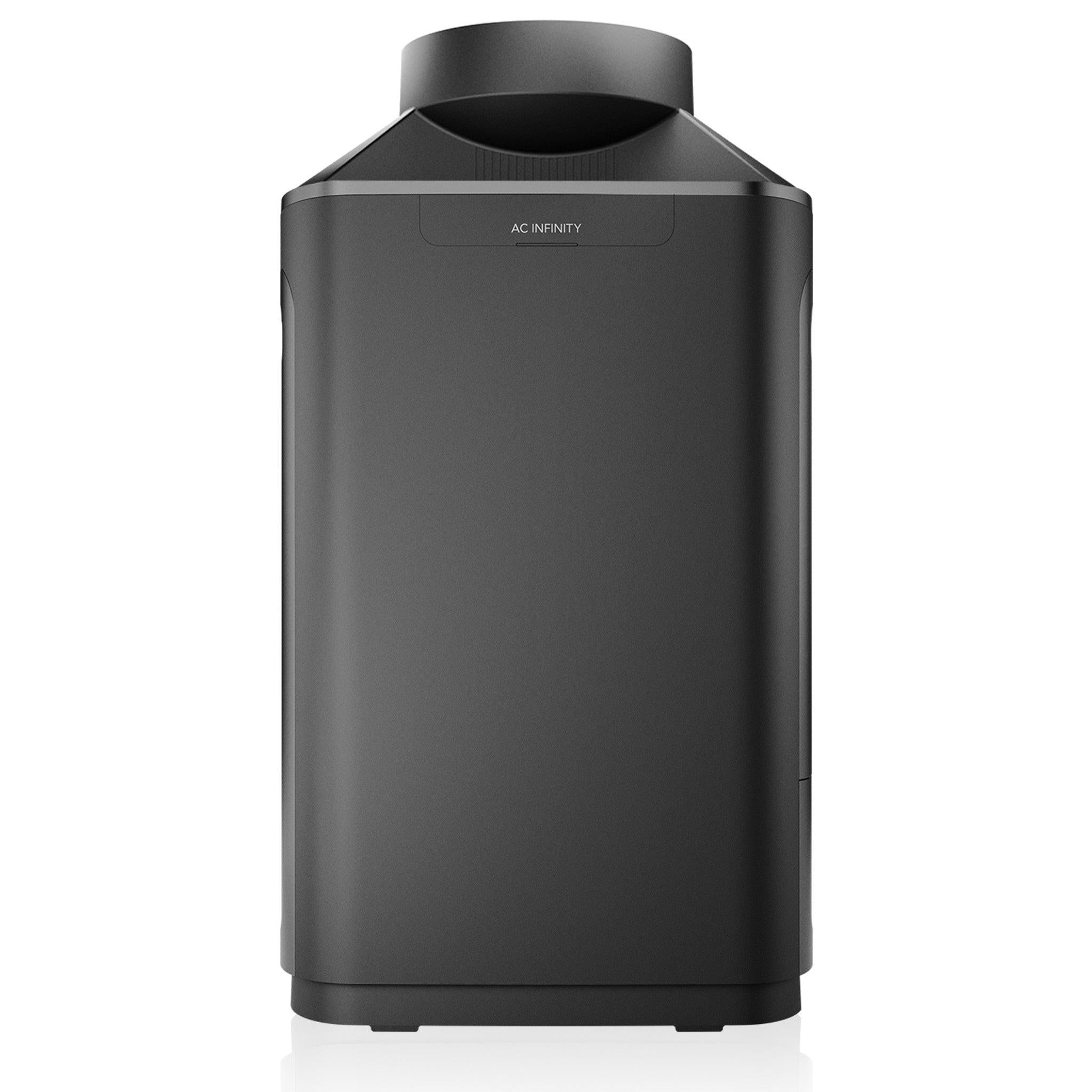
Grow Room & Grow Tent Dehumidifiers
Humidity control is one of the most critical -- and most commonly under-resourced -- variables in indoor growing. Excess moisture in the grow room or tent creates ideal conditions for mold and mildew on plant material, slows growth, and compromises final product quality. Properly sized dehumidification removes the moisture that plants transpire, irrigation introduces, and outside air brings in -- maintaining the specific humidity ranges that keep crops healthy at every stage.
Grow Room Dehumidifier Brands: Quest, Anden & Ideal Air
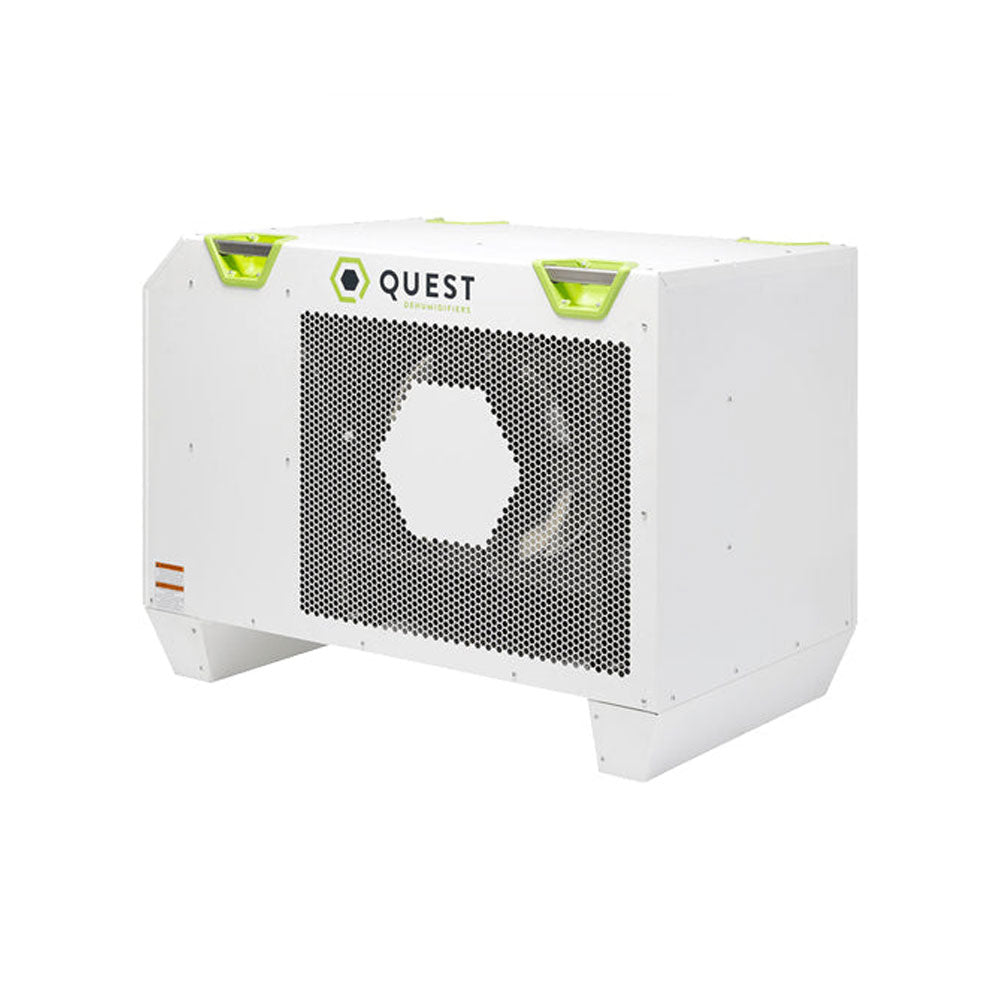
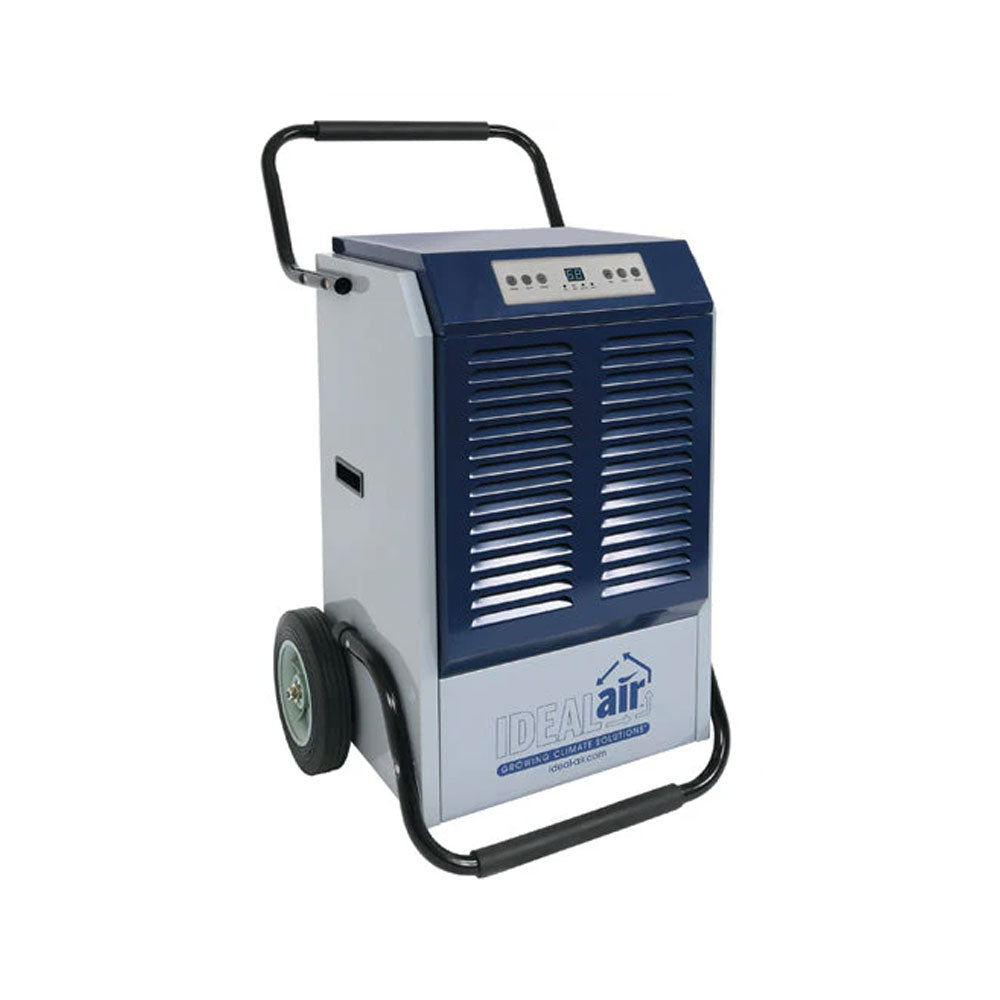
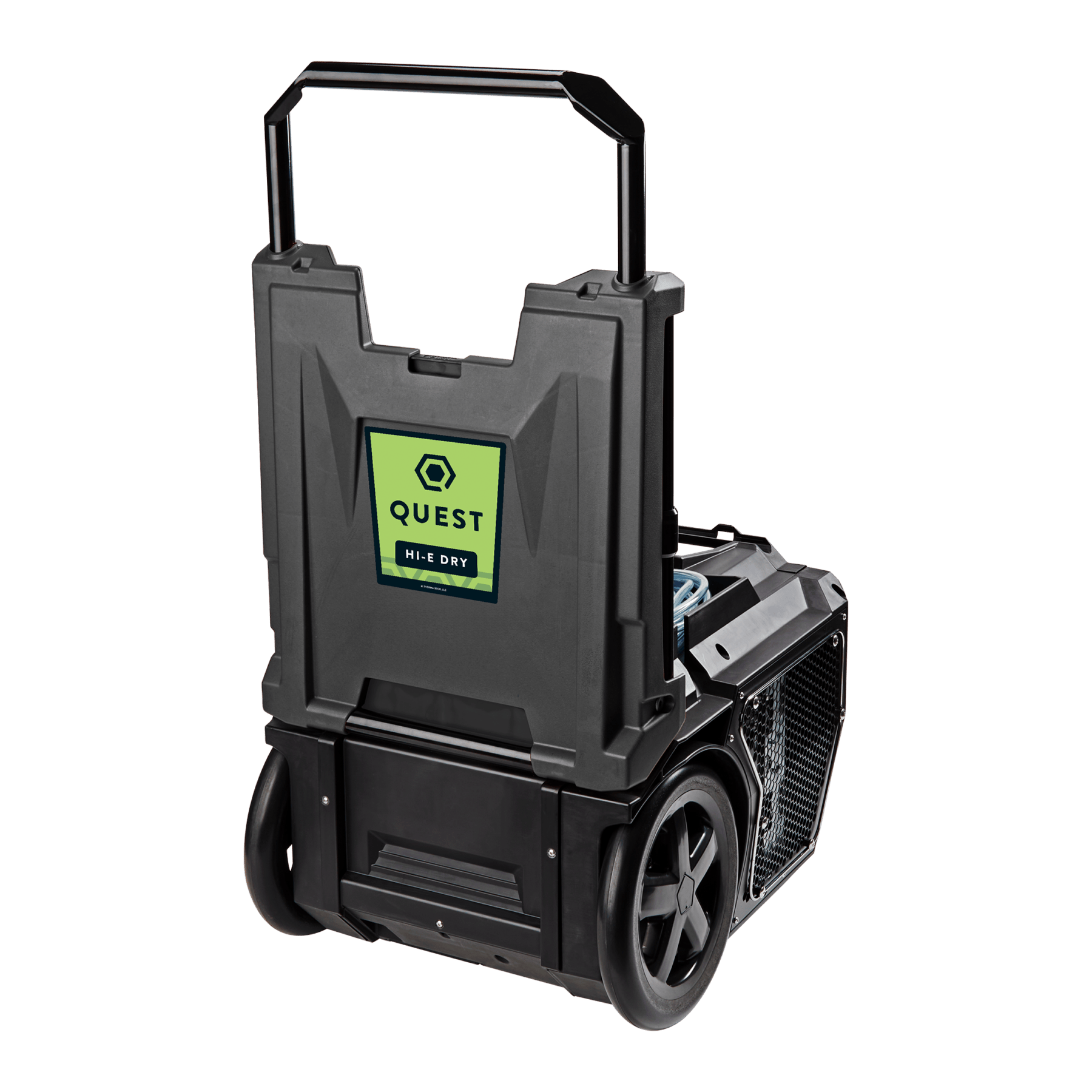
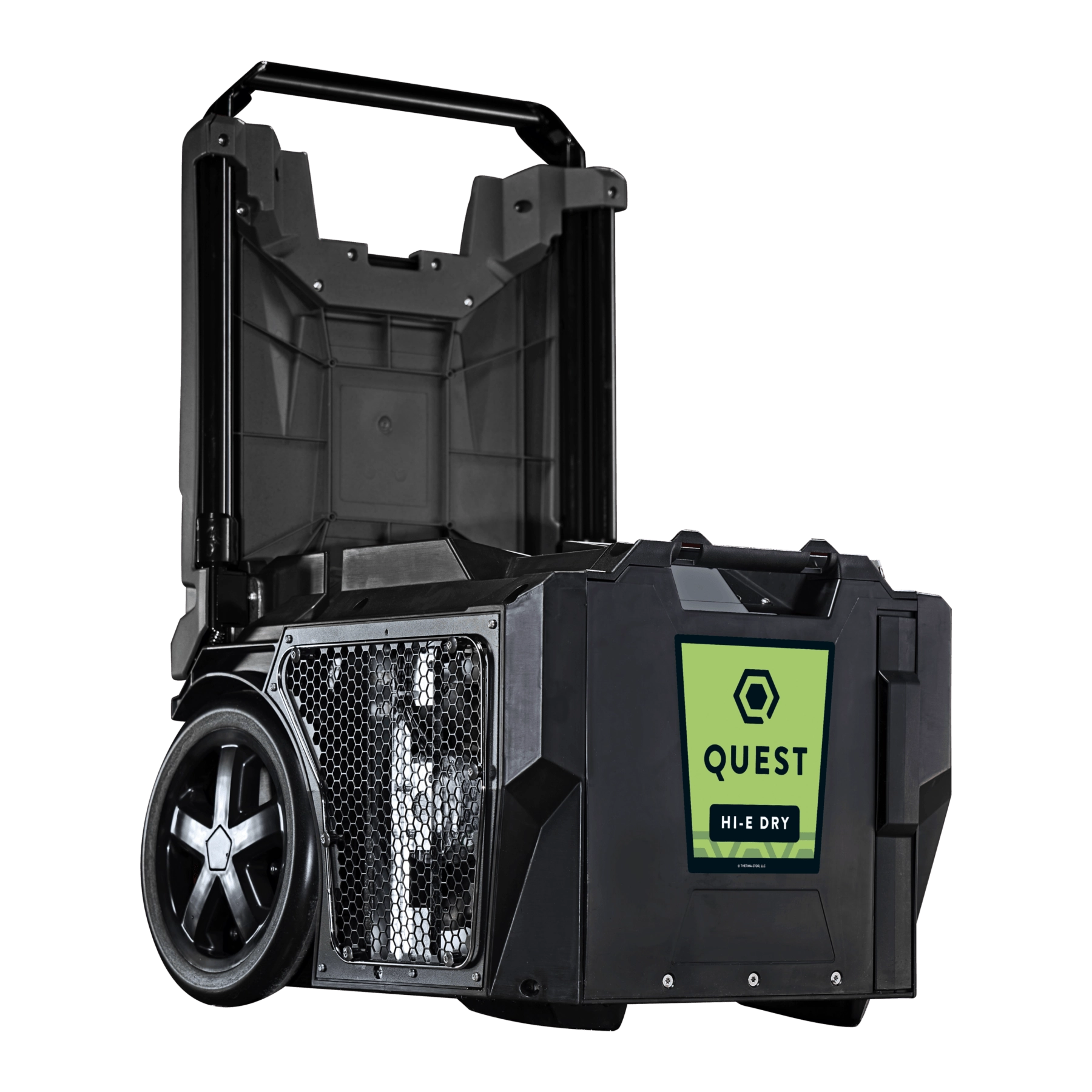
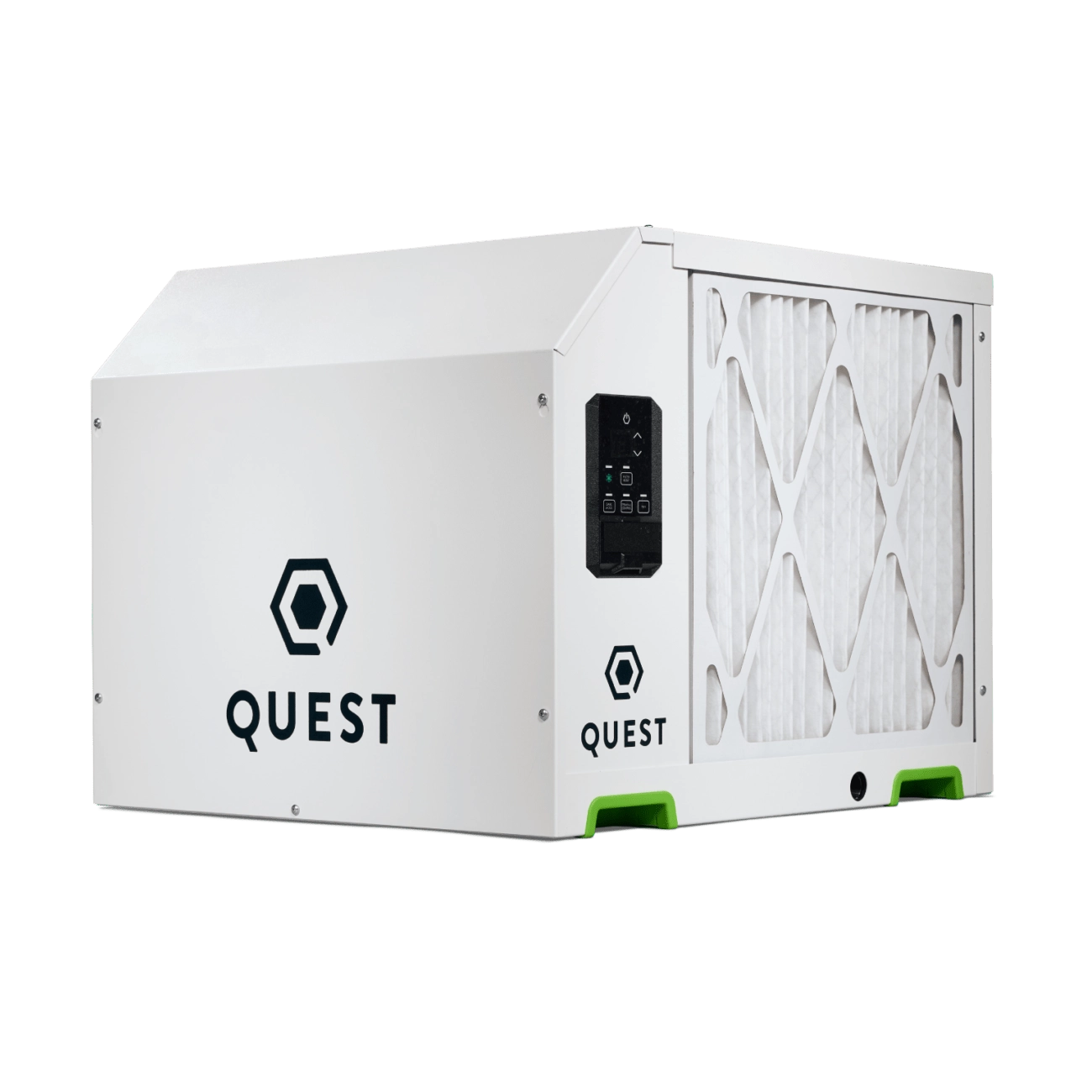
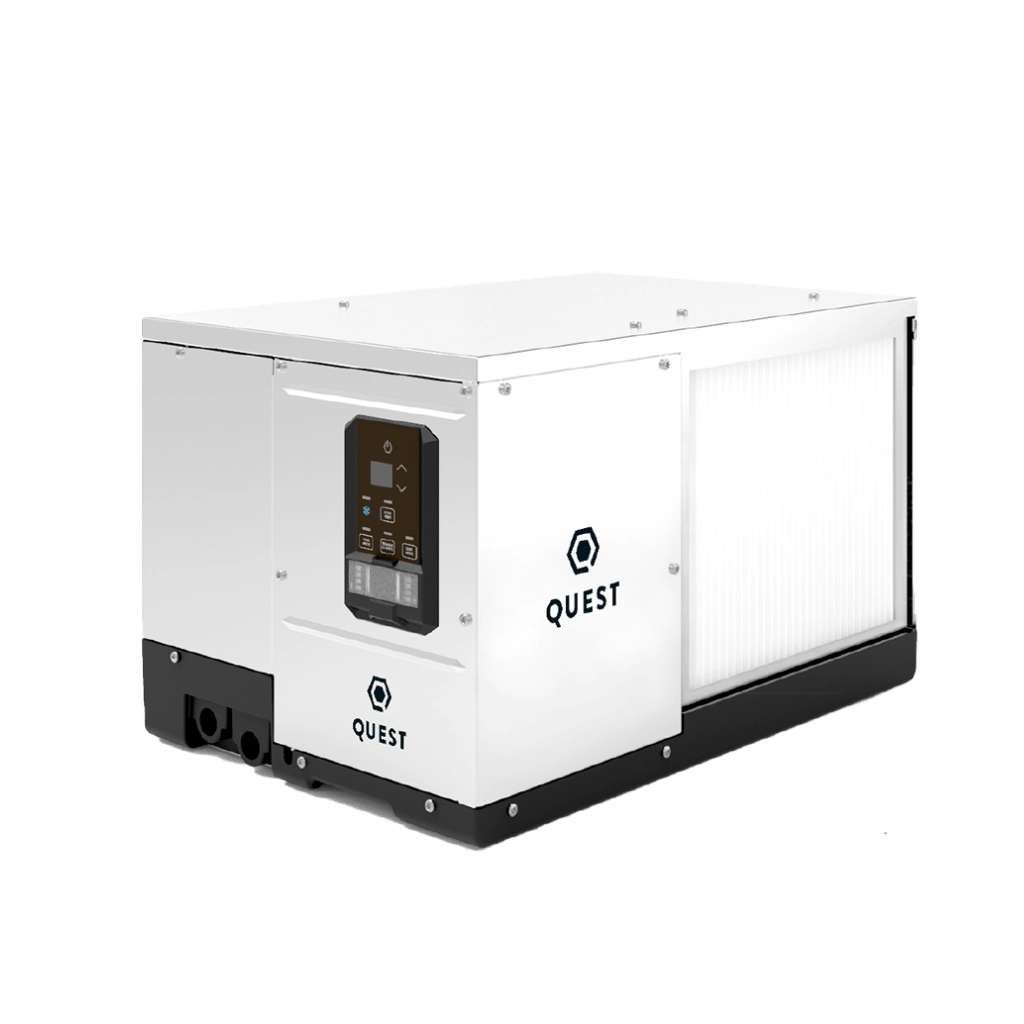
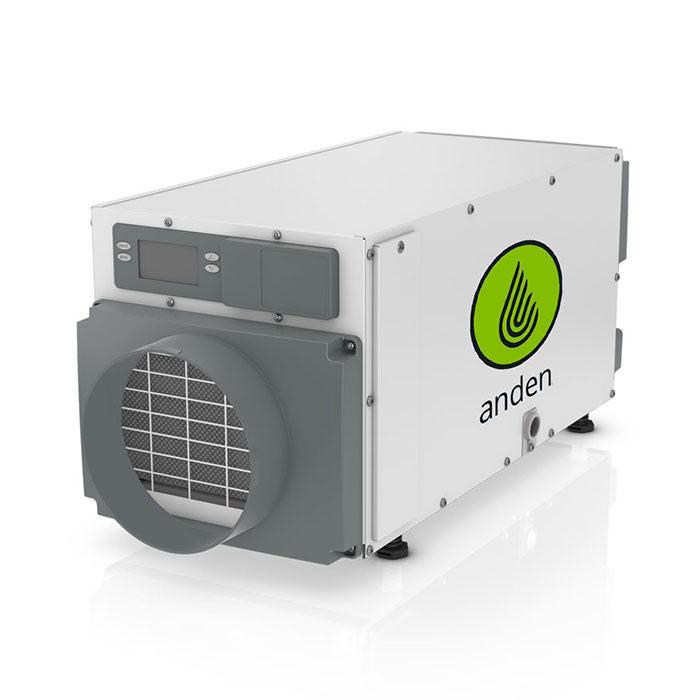
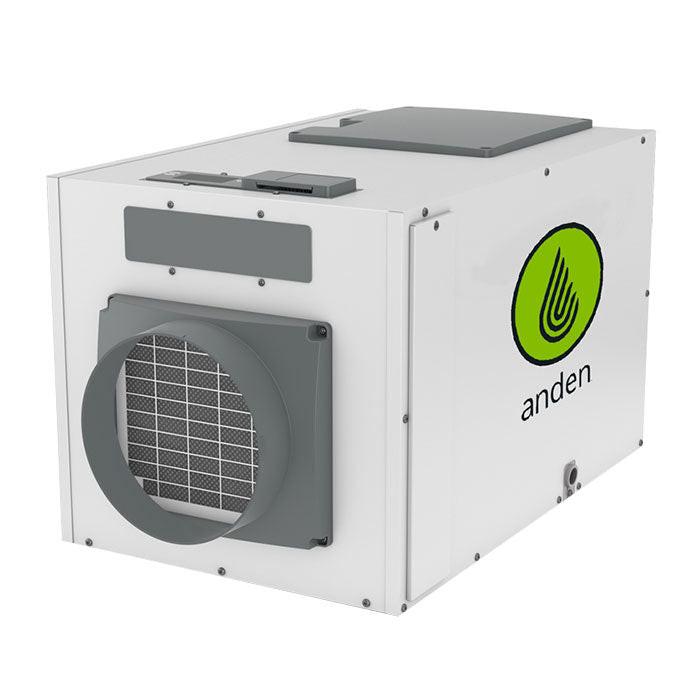
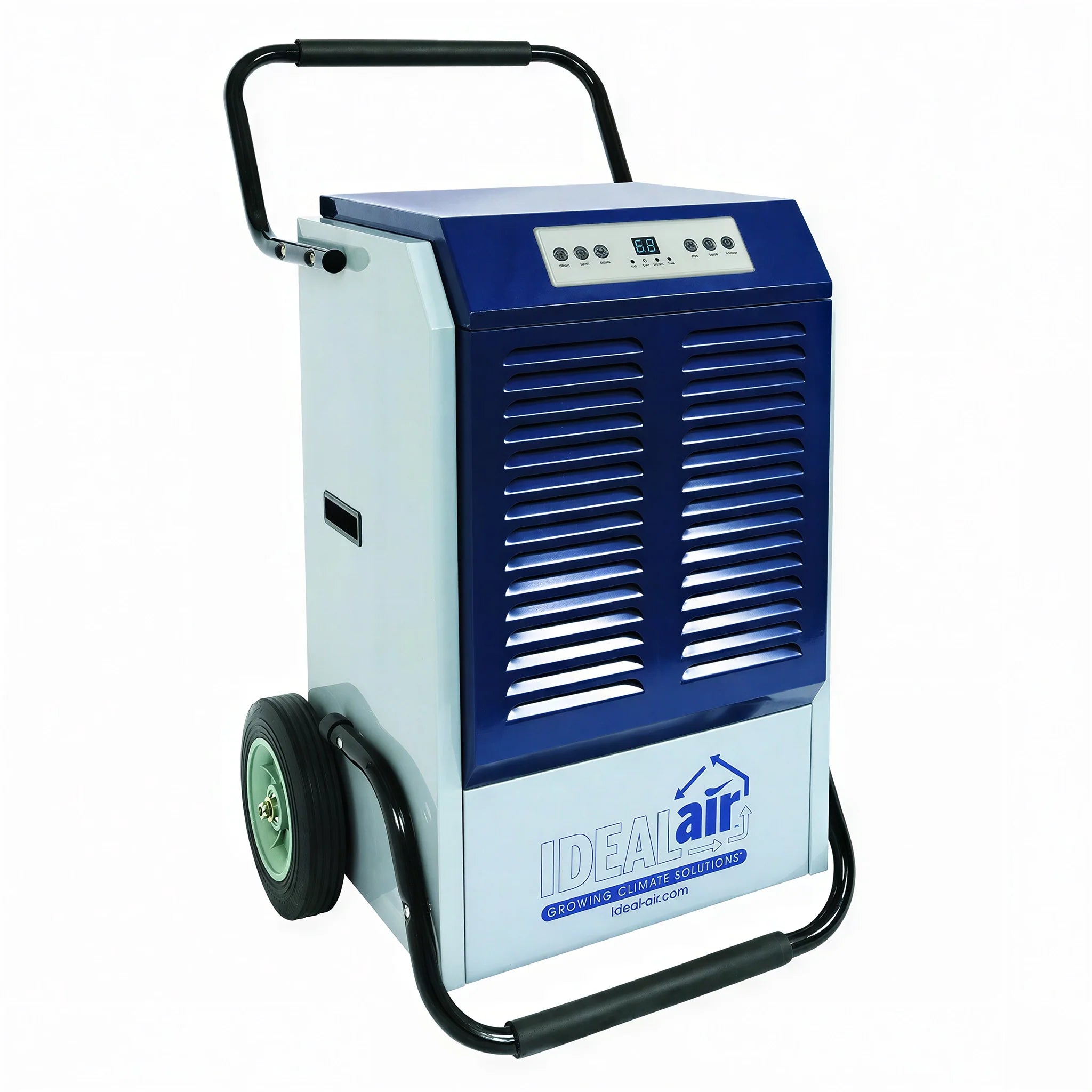
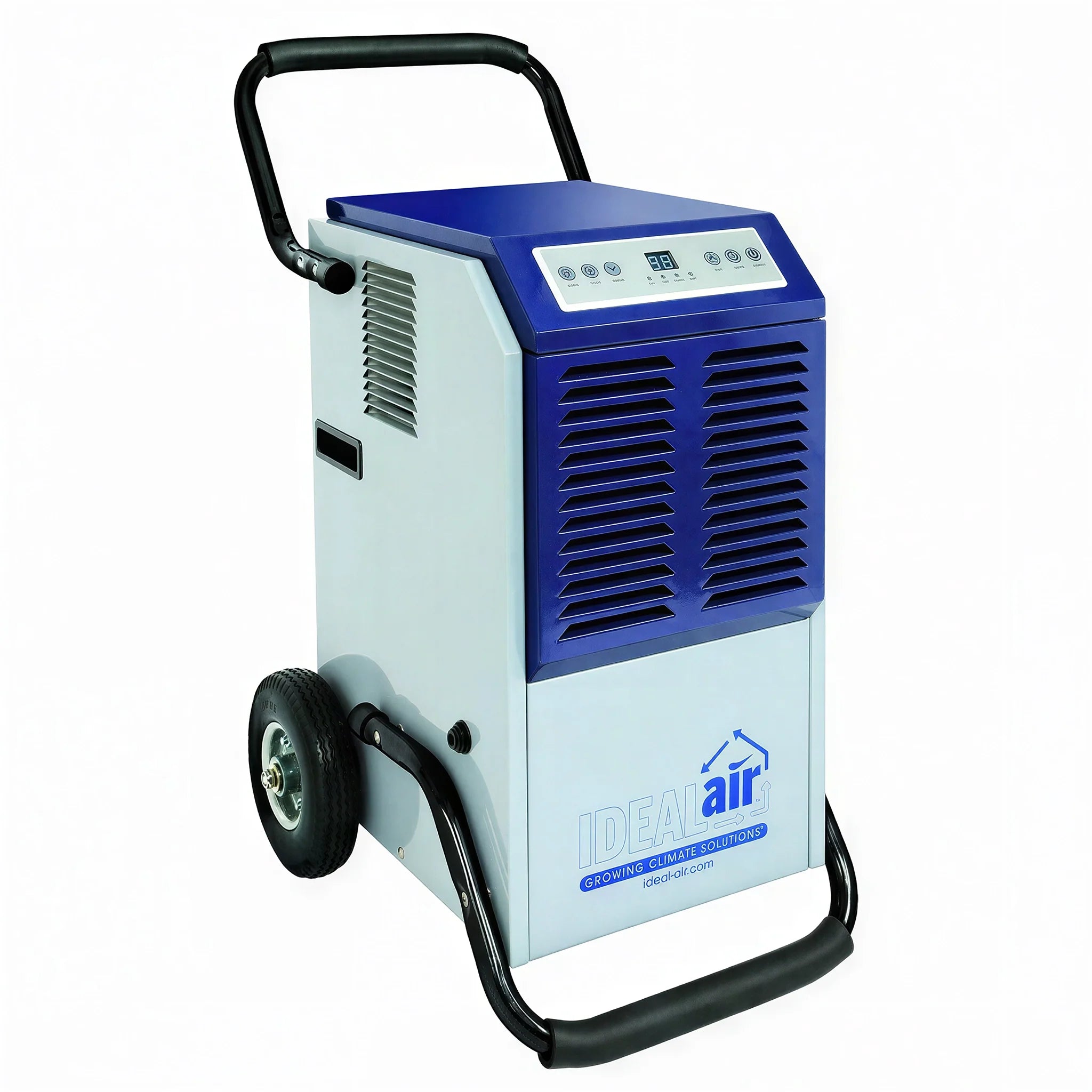
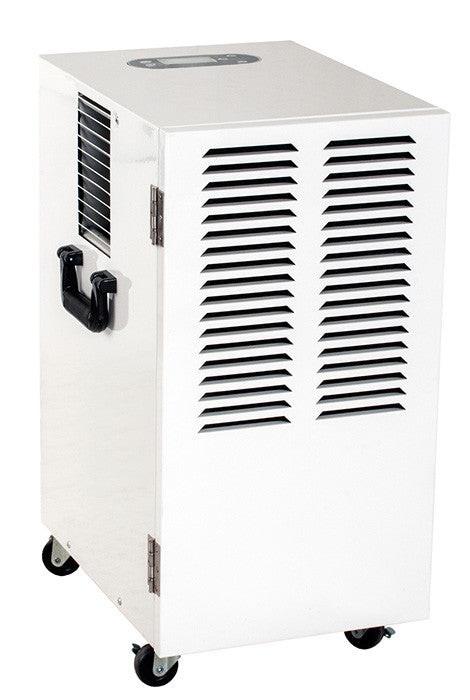
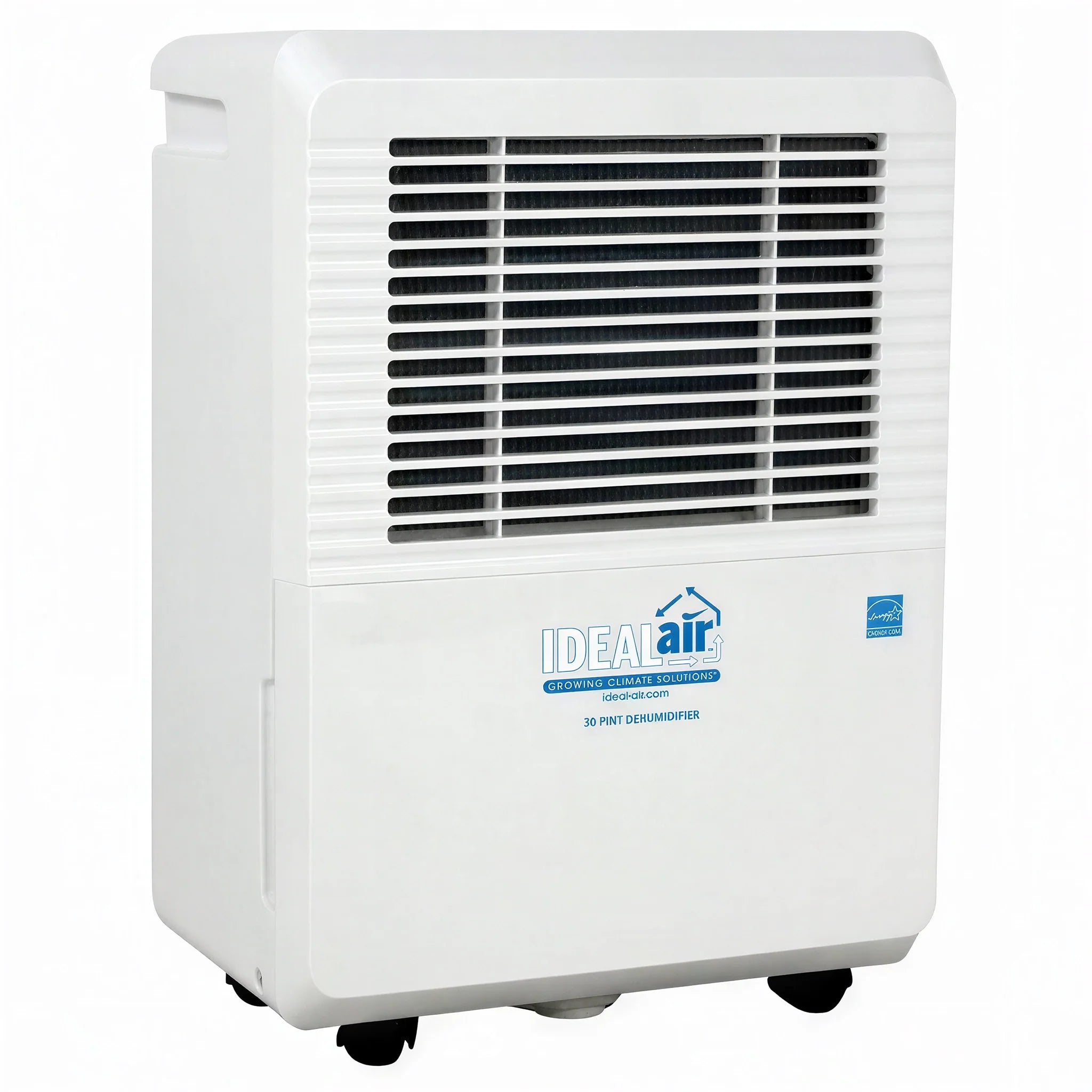
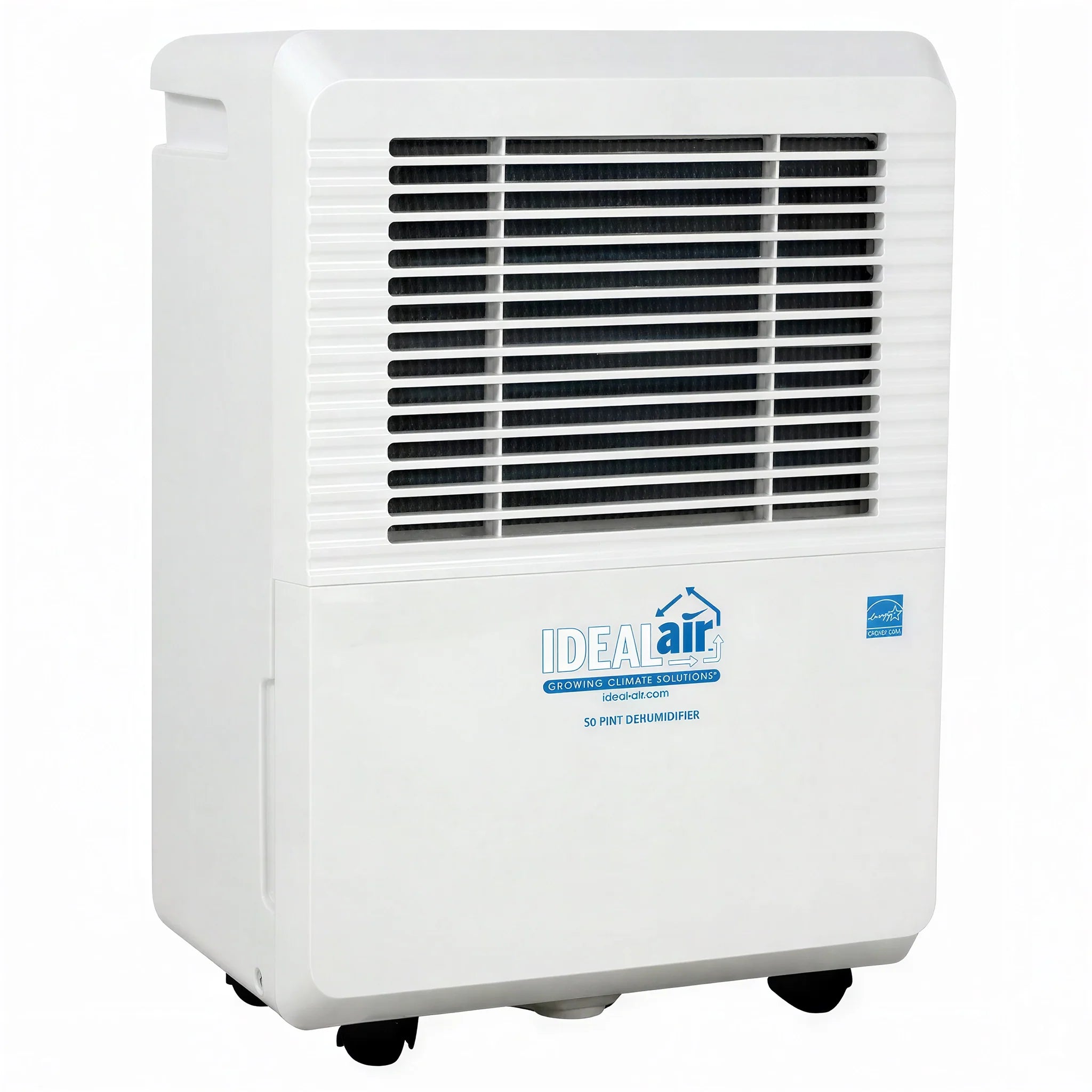
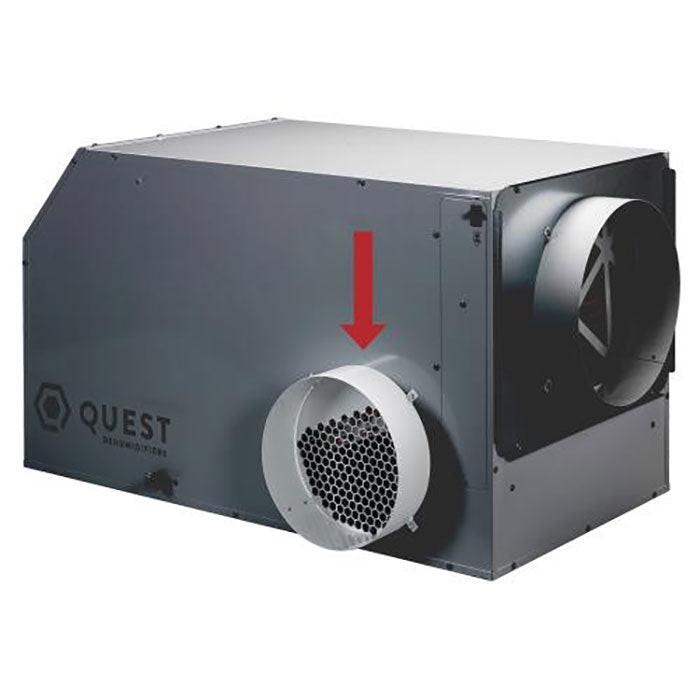
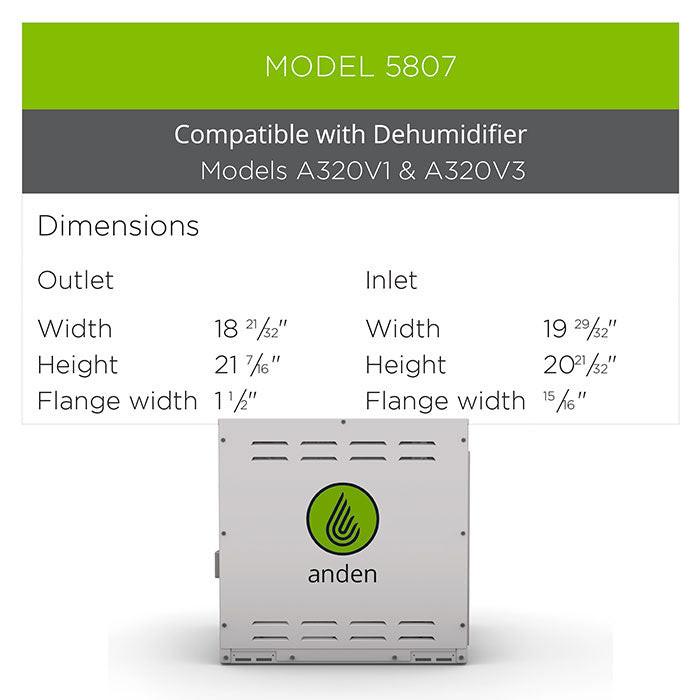
Hydrobuilder carries grow room dehumidifiers from the most trusted brands in commercial horticulture. Quest is the industry benchmark for commercial and facility-scale grow room dehumidification -- their overhead units are designed and rated specifically for high-moisture, high-plant-density environments, with Energy Star certification and multi-year warranties. Anden (an Aprilaire brand) builds high-efficiency units engineered for sealed growing environments with precise humidity control and quiet operation. Ideal Air offers reliable portable and commercial units at accessible price points for hobby and mid-scale growers. All units are sized by pint-per-day removal capacity -- from 30-pint portable units for small tents up to 335-pint overhead commercial units for large production facilities.
Types of Grow Room Dehumidifiers
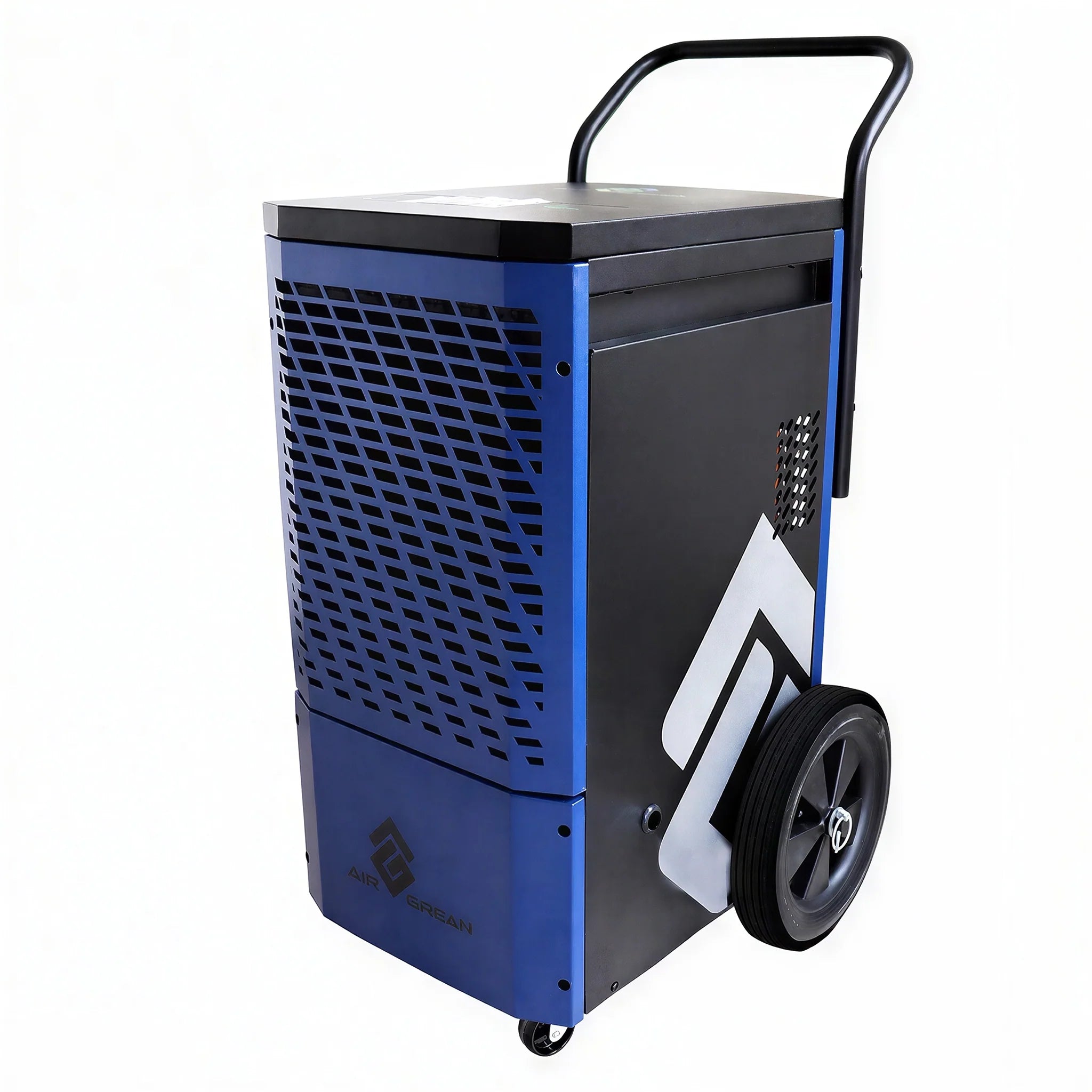
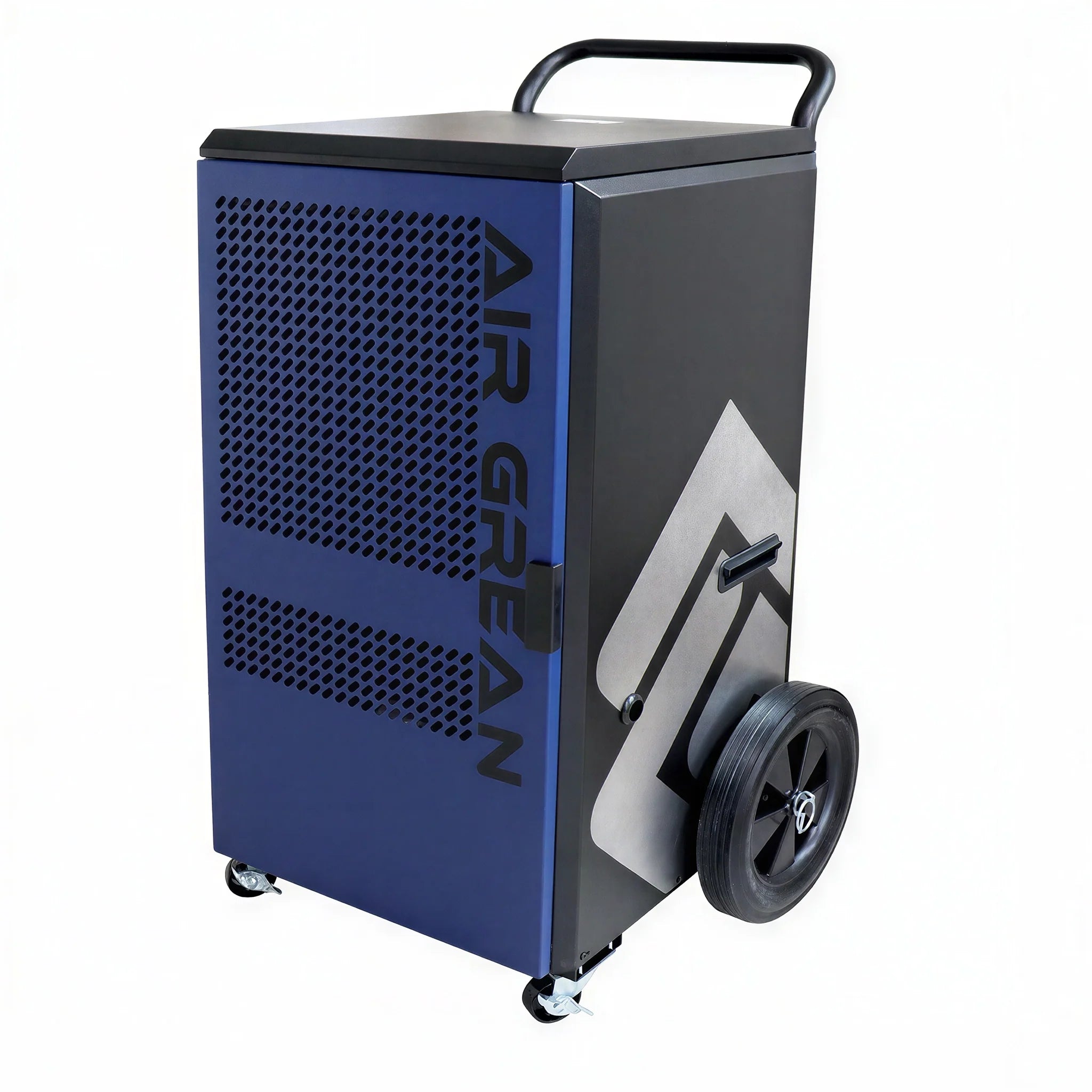
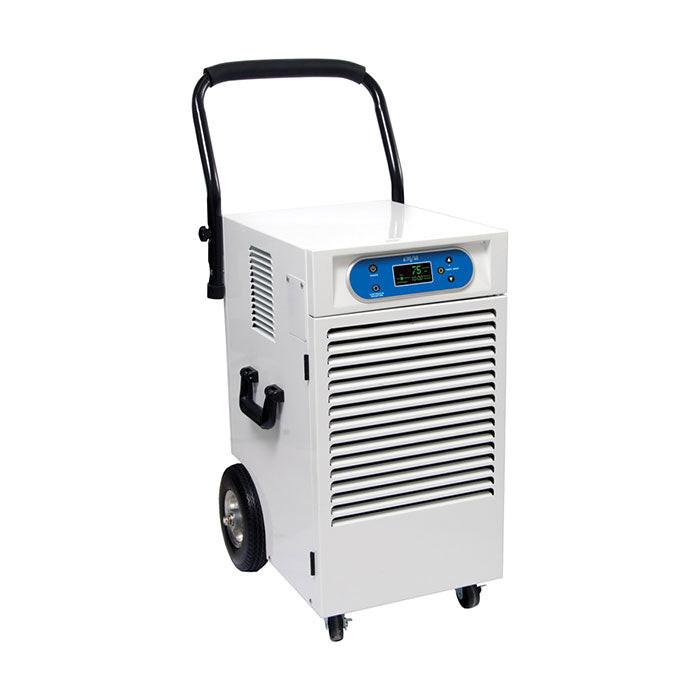
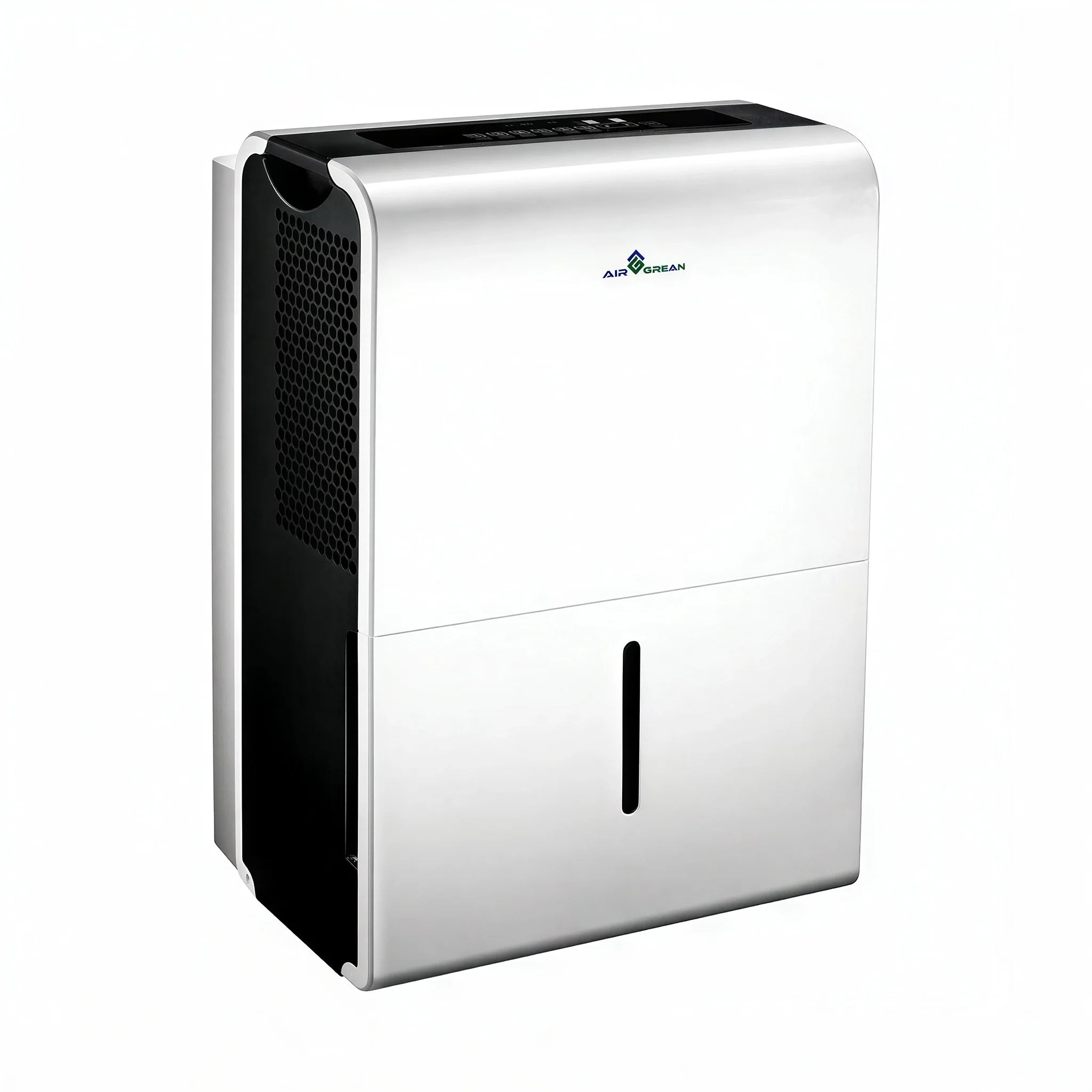
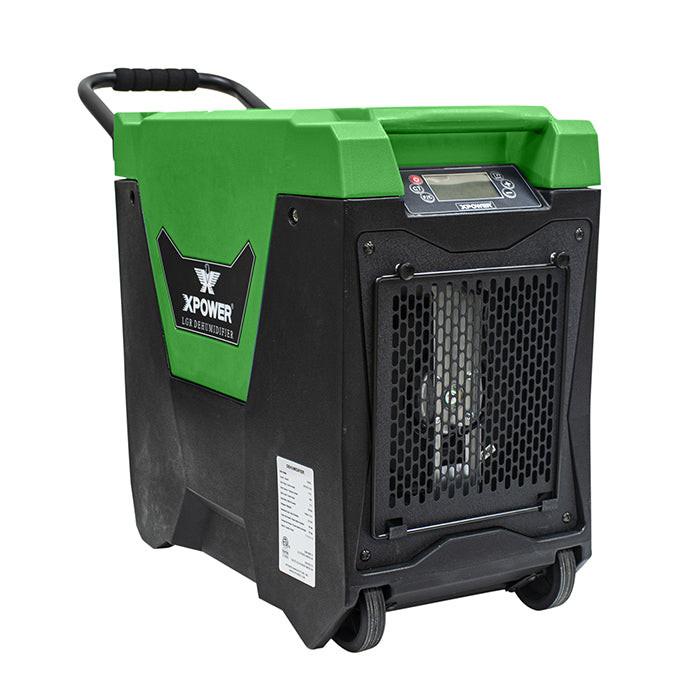
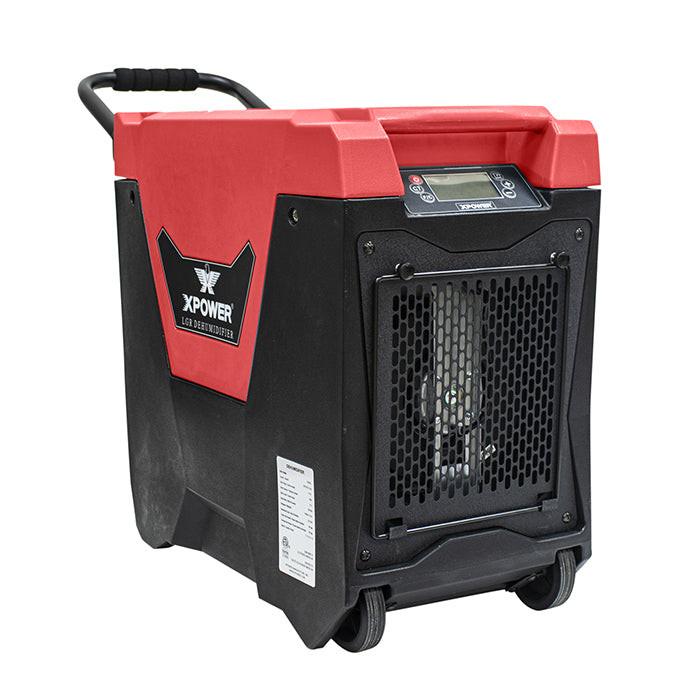
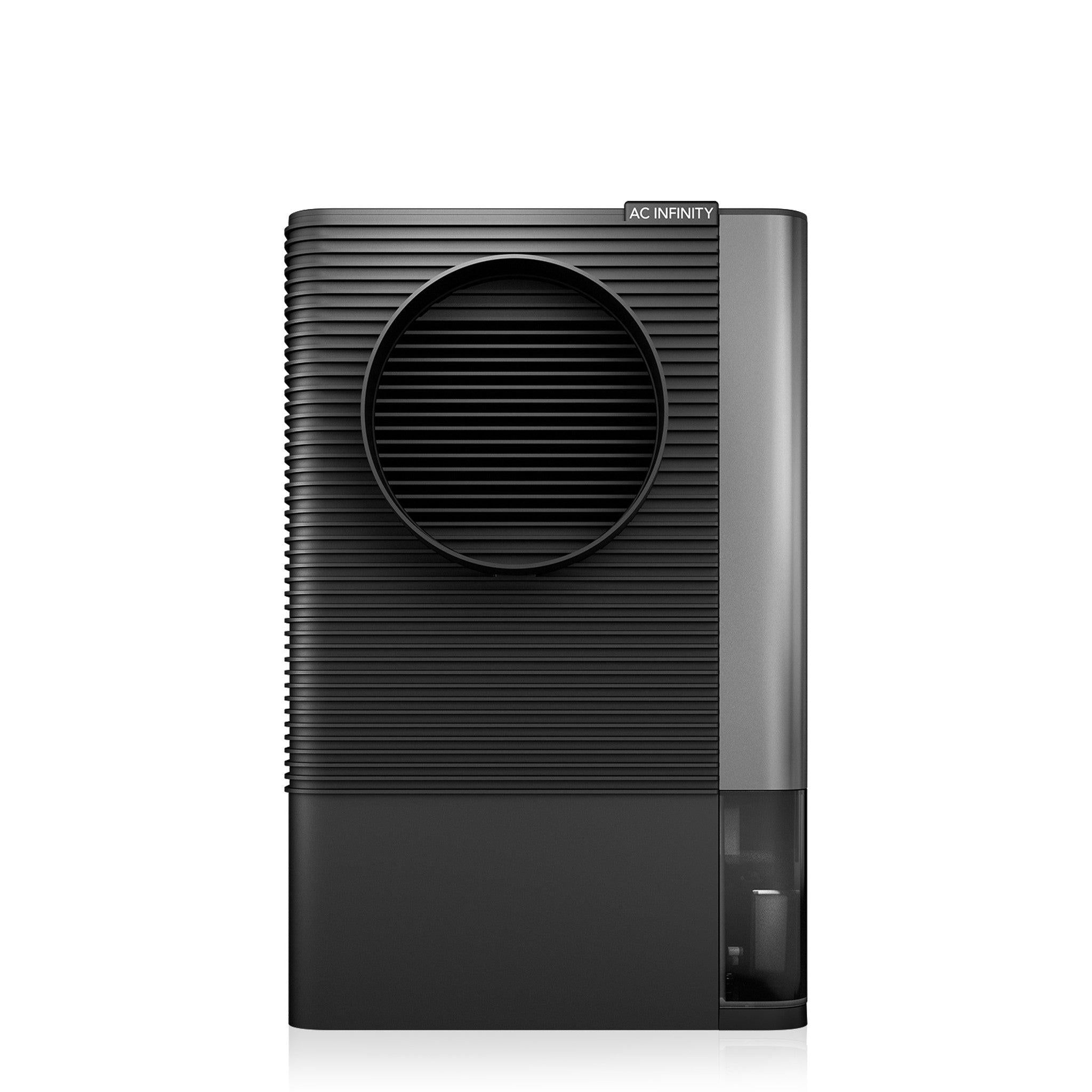
Refrigerant (compressor-based) dehumidifiers are the most common format for grow rooms -- they draw humid air across cold coils, condense the moisture, and exhaust drier air back into the space. They are highly effective in warm, humid conditions. Desiccant dehumidifiers use a moisture-absorbing material rather than cold coils -- they perform better in cooler environments and are often used in cold-climate facilities or late-stage drying rooms. Portable dehumidifiers are ideal for grow tents and small rooms -- easy to reposition and integrate with existing equipment. Overhead (ceiling-mounted) commercial units deliver high-volume moisture removal with uniform distribution throughout large spaces.
What Humidity Should a Grow Room Be?
Target humidity ranges by growth stage: seedlings and clones require 70-75% relative humidity for healthy root and leaf development. Vegetative growth: 50-70%. Early to mid-flowering: 45-55%. Late flower and harvest: 40-50% -- the lower end of this range significantly reduces mold and disease risk on dense plant material at maturity. Monitor humidity with a digital hygrometer at canopy level, not at the dehumidifier intake. Use our Dehumidifier Sizing Calculator to determine the correct pint-per-day capacity for your grow space. Our updated dehumidifier sizing guide covers the full calculation including plant transpiration rates, room volume, and climate conditions.
Portable vs. Commercial Dehumidifiers
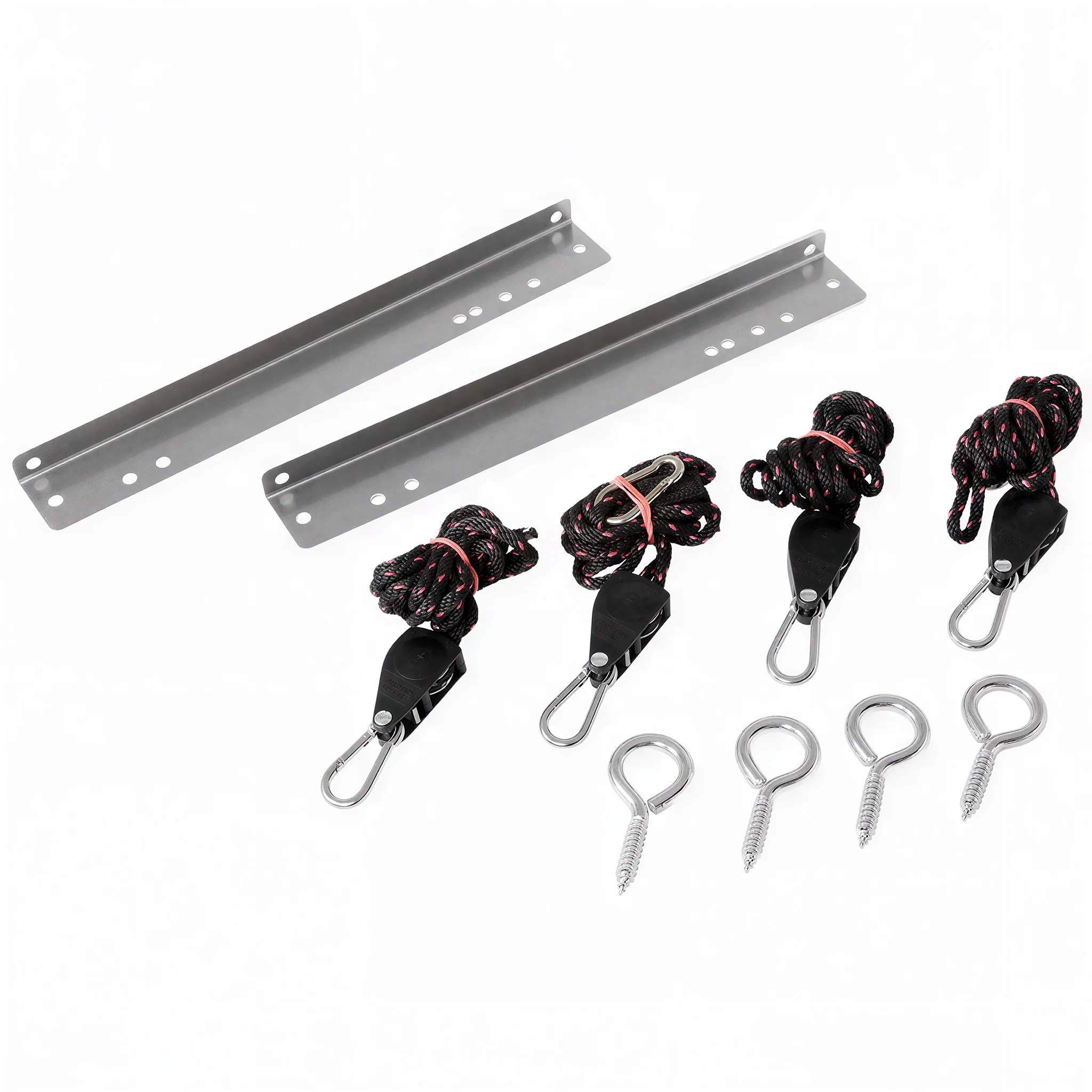
Portable dehumidifiers are the right choice for grow tents and rooms up to approximately 500 sq ft. They require a drain line or manual emptying and can be repositioned as your setup evolves. Commercial overhead dehumidifiers from Quest and Anden are designed for permanent installation in rooms of 500 sq ft and above -- they hang from ceiling mounts or equipment rails, drain continuously, and are rated for continuous operation in the demanding conditions of a production grow room. For commercial operations, the operational cost savings from high-efficiency units typically justify the higher upfront investment within one to two production cycles.
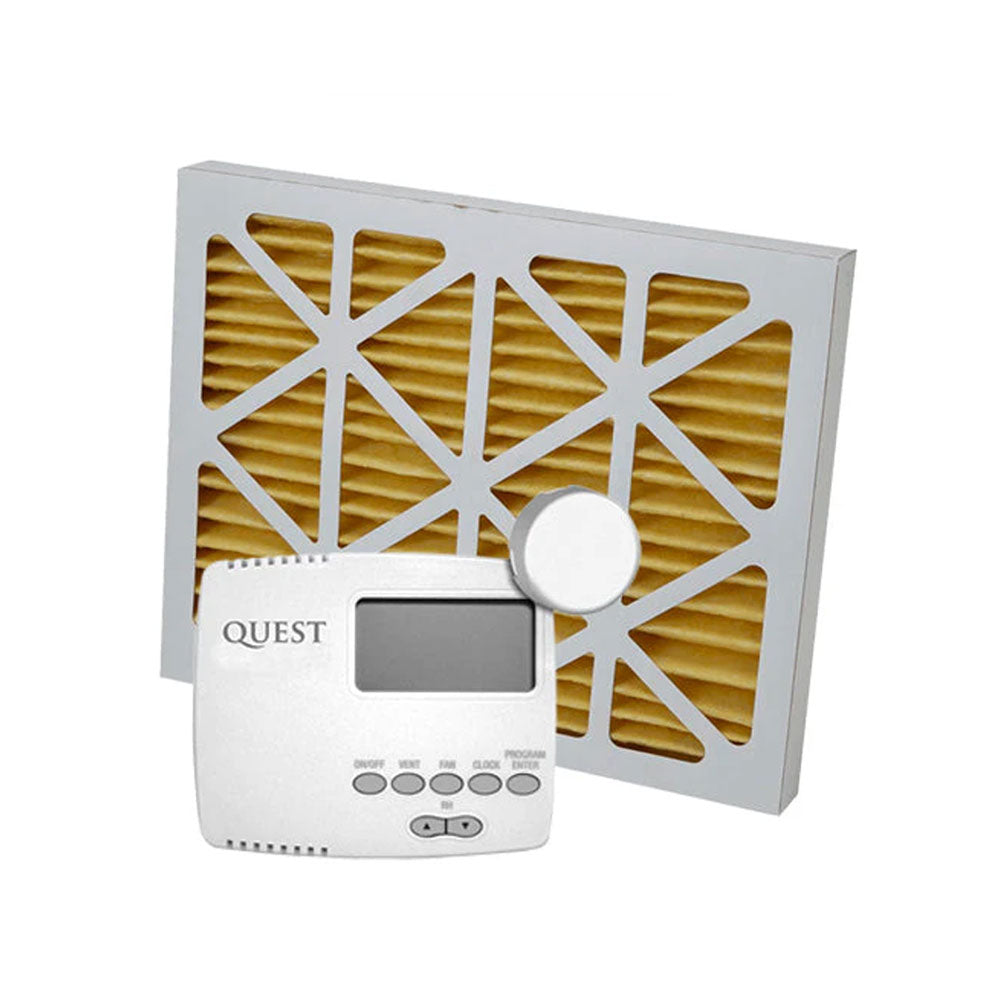
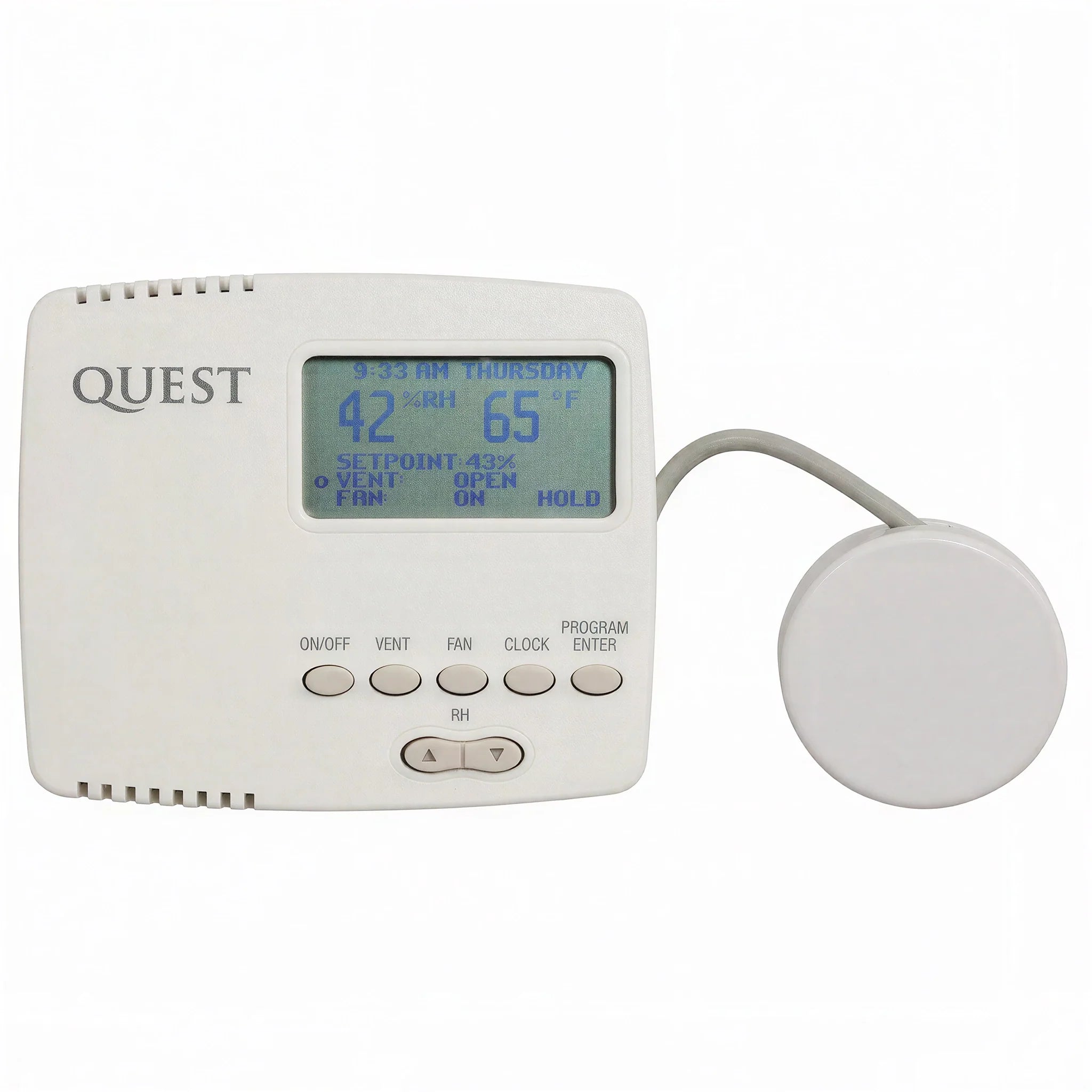
Pair your dehumidifier with a humidity controller for automated on/off control, coordinate with your air conditioning for integrated climate management, and browse fans and blowers to ensure proper air circulation. Need help sizing? Call our expert growing staff at 888-815-9763. Expert support available.
Grow Room Dehumidifiers FAQ
What size dehumidifier do I need for a grow room or grow tent?
Dehumidifier capacity is measured in pints of moisture removed per 24 hours. As a starting point: a 4x4 grow tent typically requires a 30-50 pint unit. A 4x8 tent or small dedicated room needs 50-70 pints. Rooms with 10-20 plants in a high-humidity climate require 70-150 pints. Large commercial rooms of 500+ sq ft with high plant density require 150-335+ pints from overhead commercial units. These are estimates -- the precise calculation factors in your room's cubic footage, number of plants and their transpiration rate, climate conditions, and lighting heat load. Use our Dehumidifier Sizing Calculator or read the complete dehumidifier sizing guide for a step-by-step calculation.
What is the best dehumidifier for a grow tent?
For a 4x4 grow tent, a 30-50 pint portable unit is typically sufficient. Look for units with a continuous drain option and an accurate built-in humidistat, or pair any unit with a standalone humidity controller for more precise control. Ideal Air portable dehumidifiers are a reliable, cost-effective option for hobby growers. For growers who want a commercial-grade unit, Quest offers compact units that start at residential room sizes. The most important factor is correct sizing -- an undersized unit running continuously 24/7 will still fail to hit target humidity during peak transpiration periods.
Where should I place a dehumidifier in a grow tent or room?
In a grow tent, place the dehumidifier at the base with the exhaust pointing toward the intake of a circulation fan, so dry air is actively distributed through the canopy rather than collecting at floor level. In a grow room, position the dehumidifier to pull air from the warmest, most humid zone -- typically at mid-height near the plant canopy. Overhead commercial units should be positioned for even air draw across the room footprint. Avoid placing any dehumidifier directly against a wall with no clearance -- units need unrestricted intake airflow to operate at rated capacity.
Should I run my dehumidifier during lights-off?
Yes -- humidity often rises significantly during the dark period because plants continue to transpire while temperatures drop (cooler air holds less moisture), and no lighting-generated heat is present to counteract it. Running the dehumidifier continuously or using a humidity controller to maintain target levels around the clock is important, particularly during late flowering when mold risk is highest. If energy cost is a concern, a humidity controller ensures the unit only runs when needed rather than constantly, which is more efficient than a fixed timer schedule.
What is the difference between Quest and Anden dehumidifiers?
Both Quest and Anden are premium commercial-grade brands designed specifically for grow room environments -- significantly more capable and durable than consumer or general-purpose dehumidifiers. Quest units are the long-established industry standard in commercial horticulture, with a wide range from portable units up to large overhead models and strong dealer support. Anden is an Aprilaire brand built with high-efficiency compressor technology, quiet operation, and precise humidity control -- popular in facilities where noise and energy efficiency are priorities. Both carry multi-year warranties and are designed for continuous operation in high-humidity growing environments. Call 888-815-9763 if you need help choosing between models for your specific room size and climate.