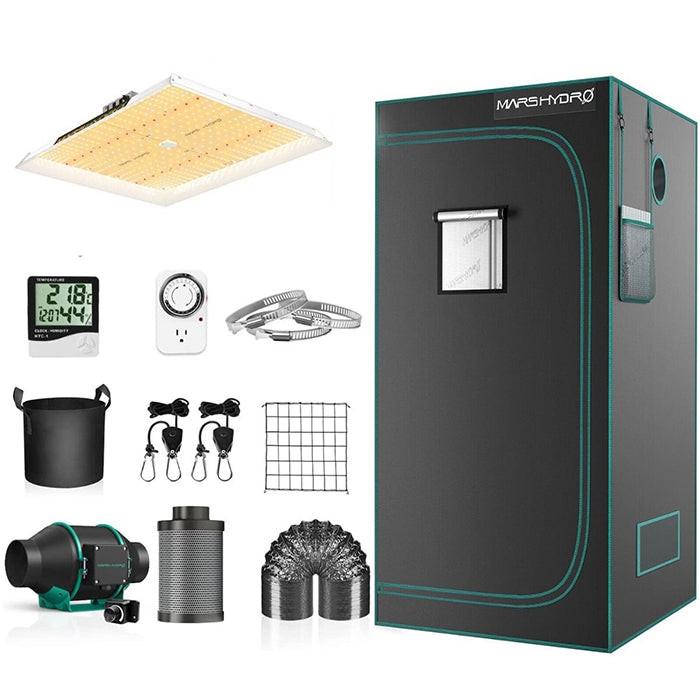
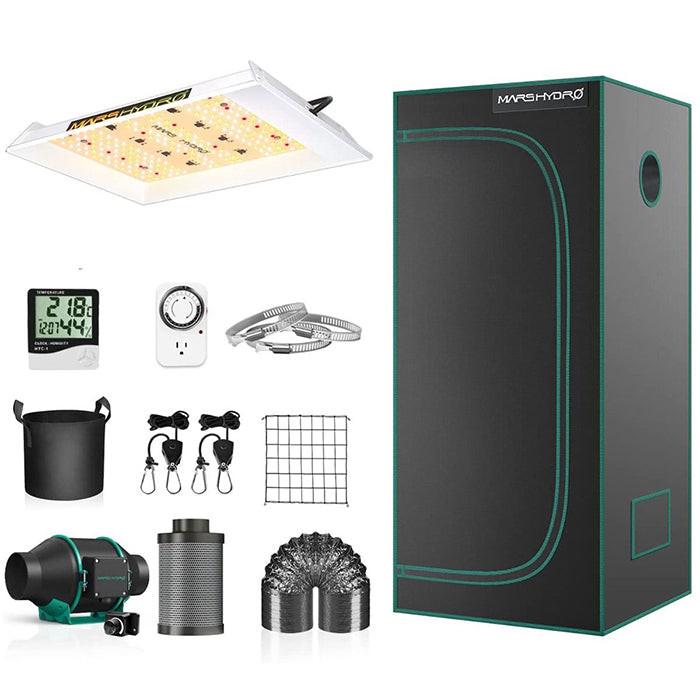
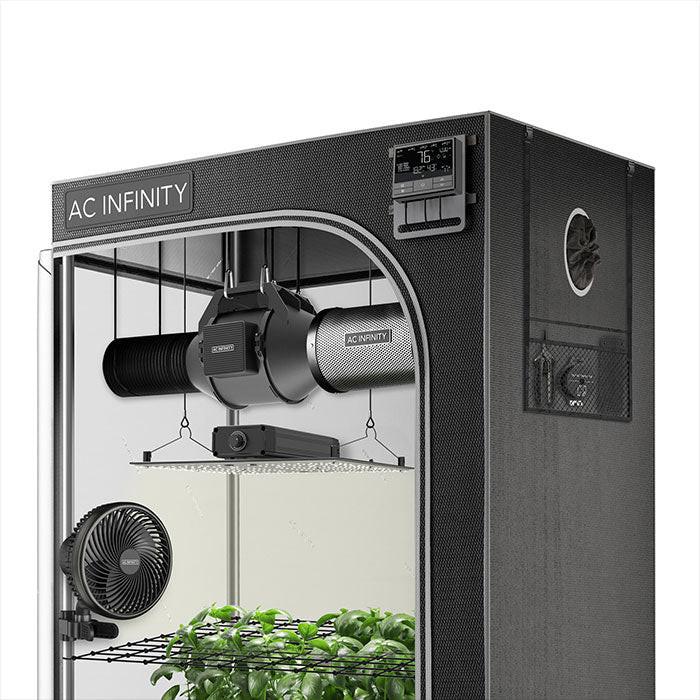
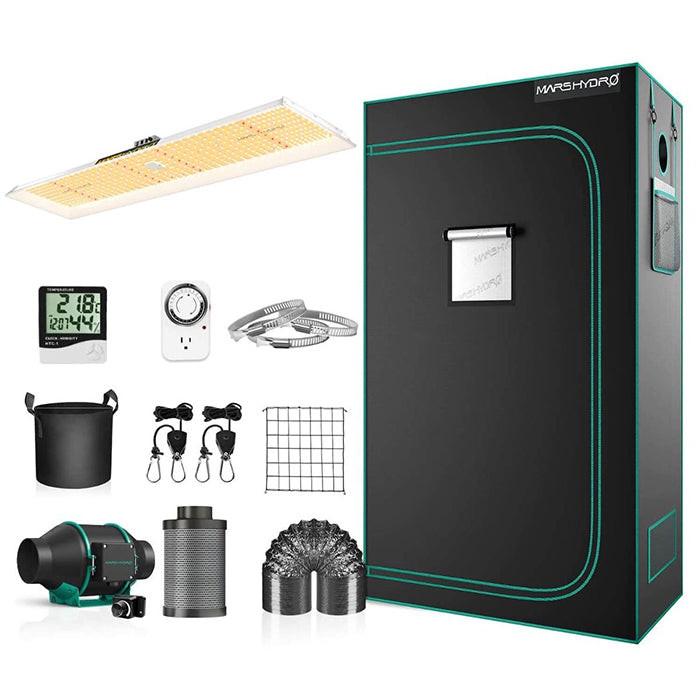
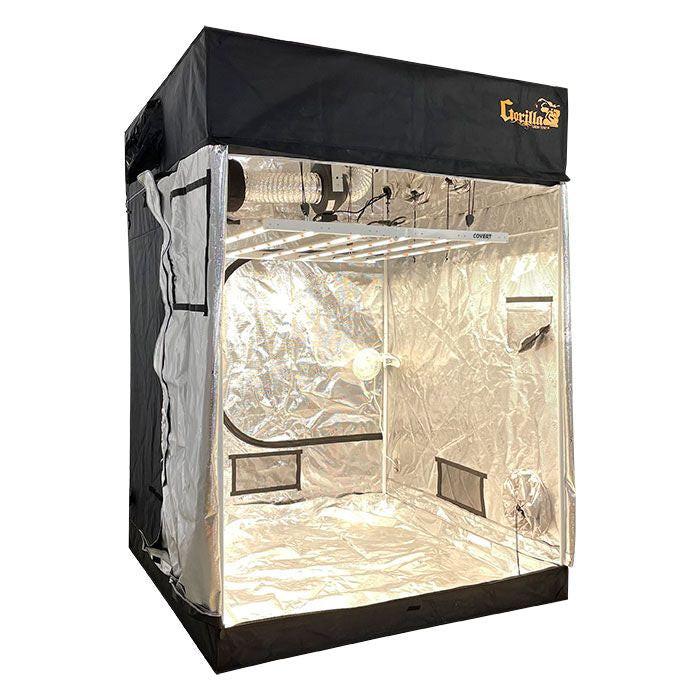
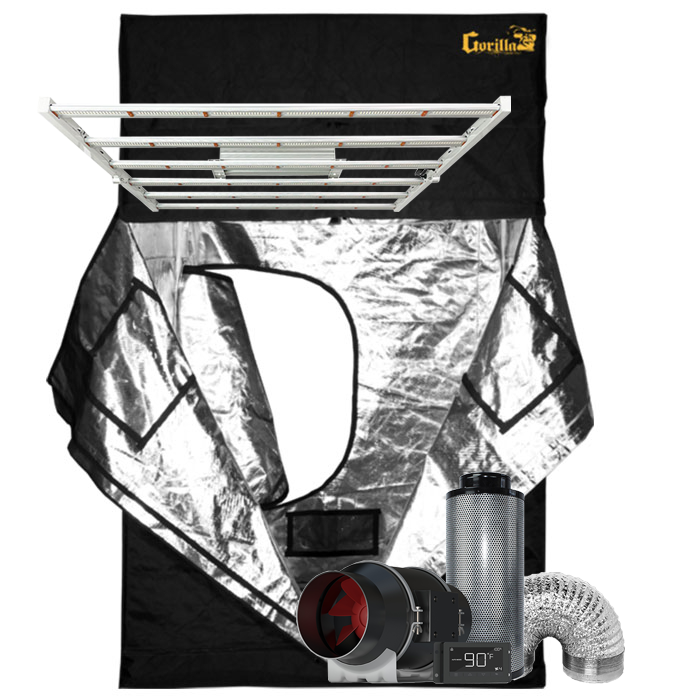
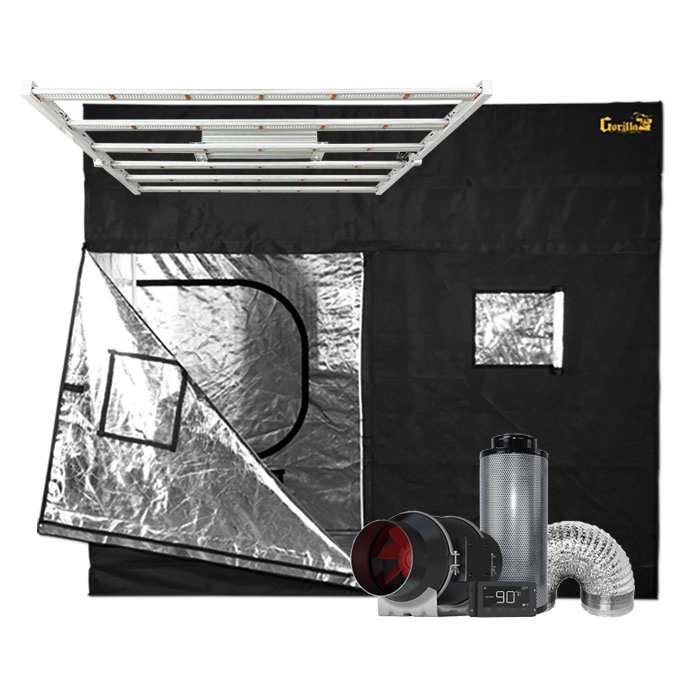
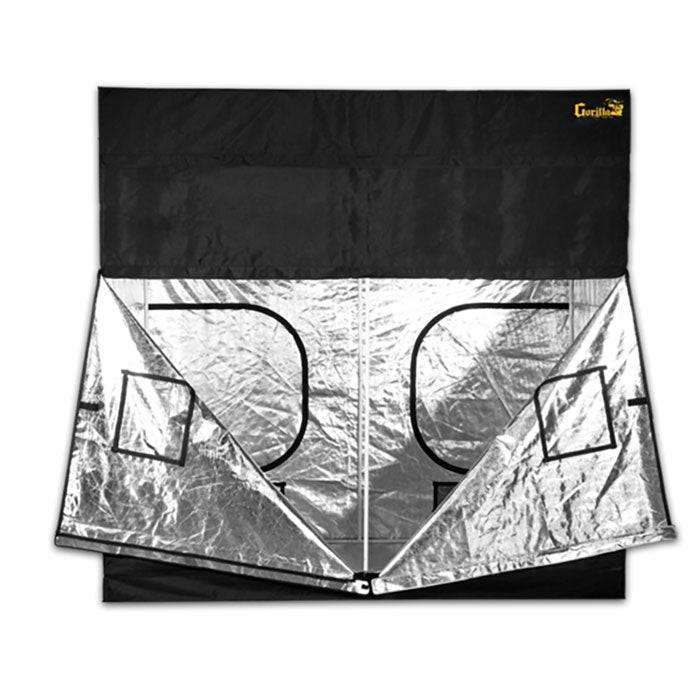
All Grow Tent Kits -- Complete Indoor Growing Packages
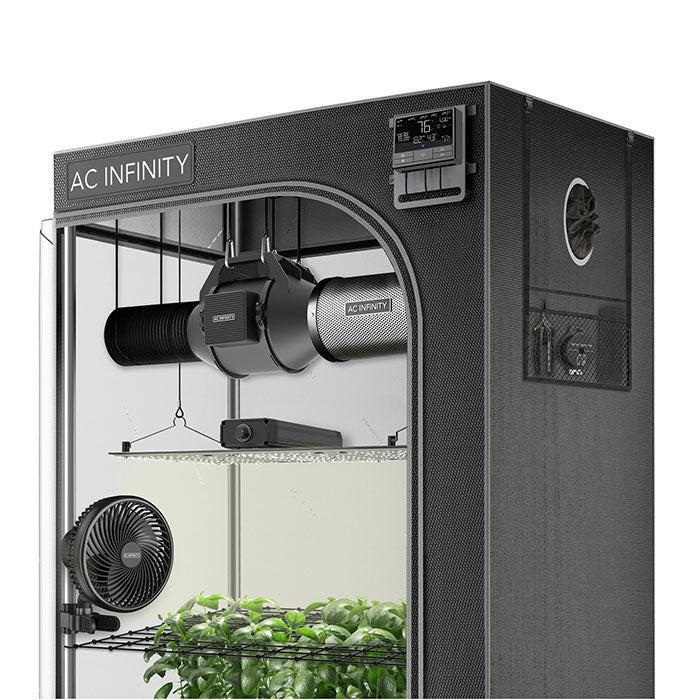
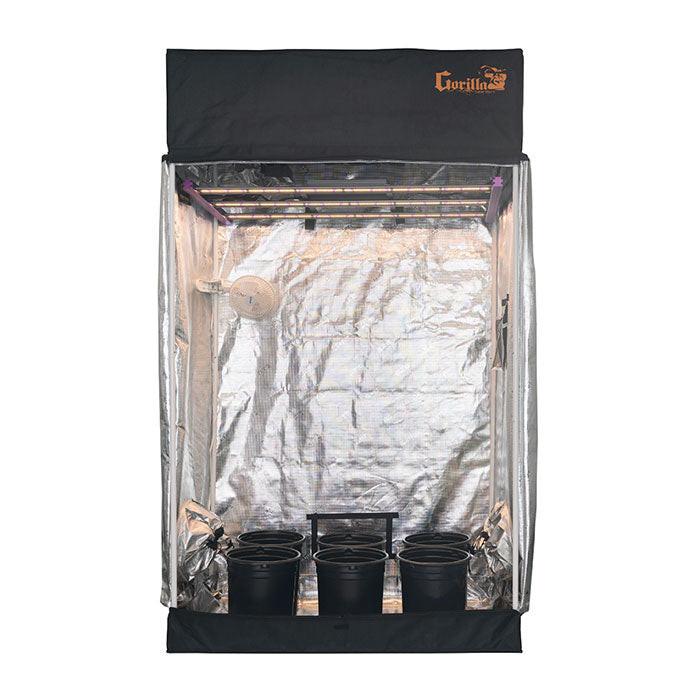
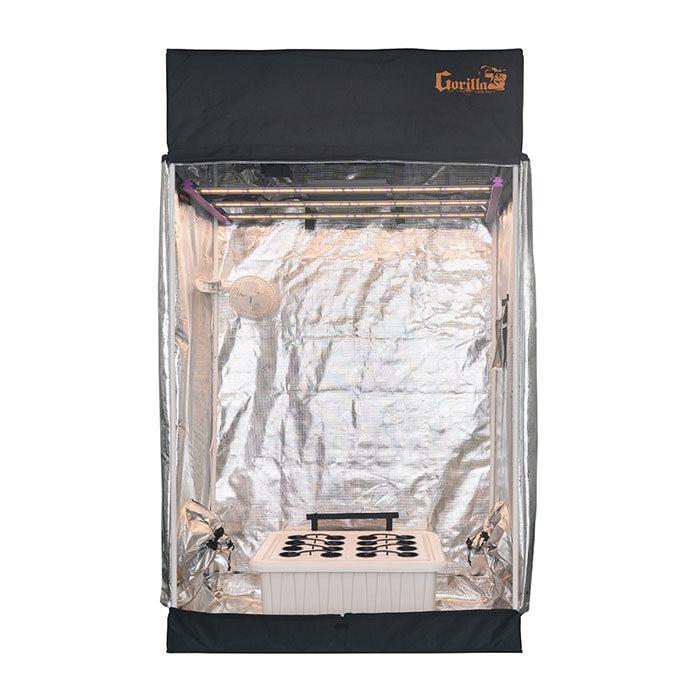
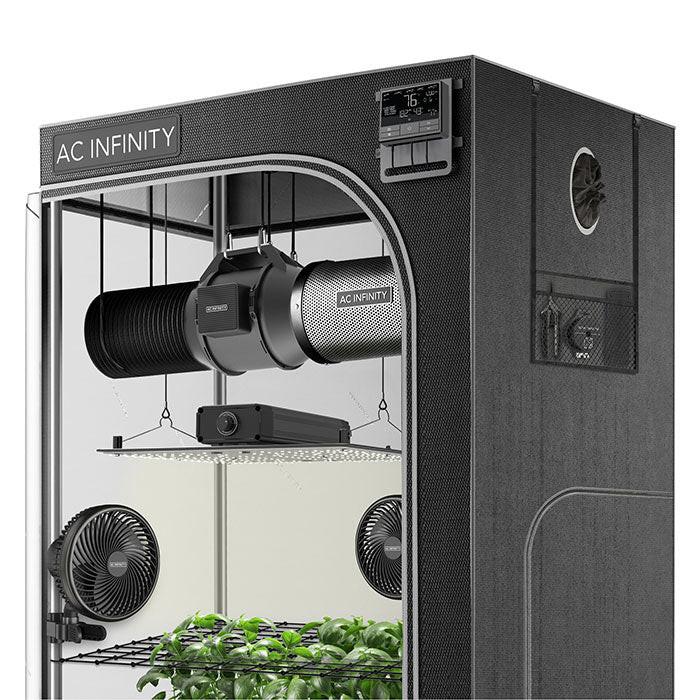
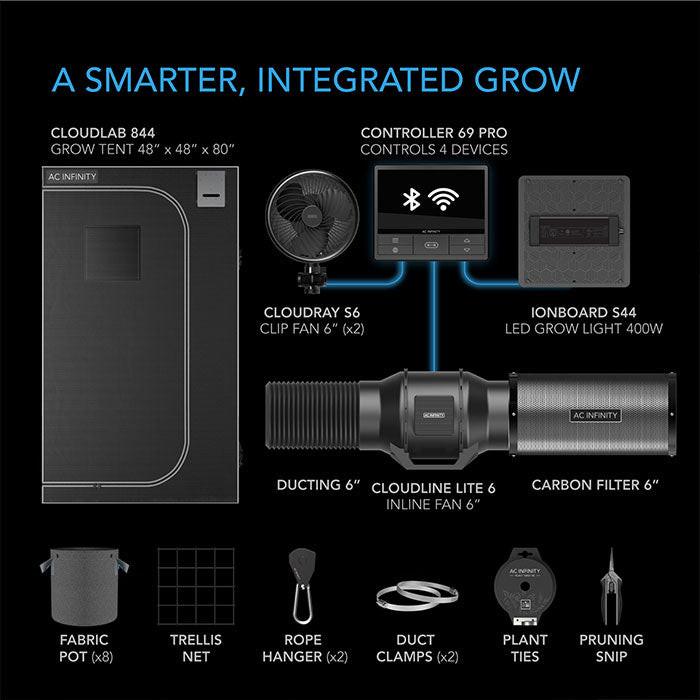
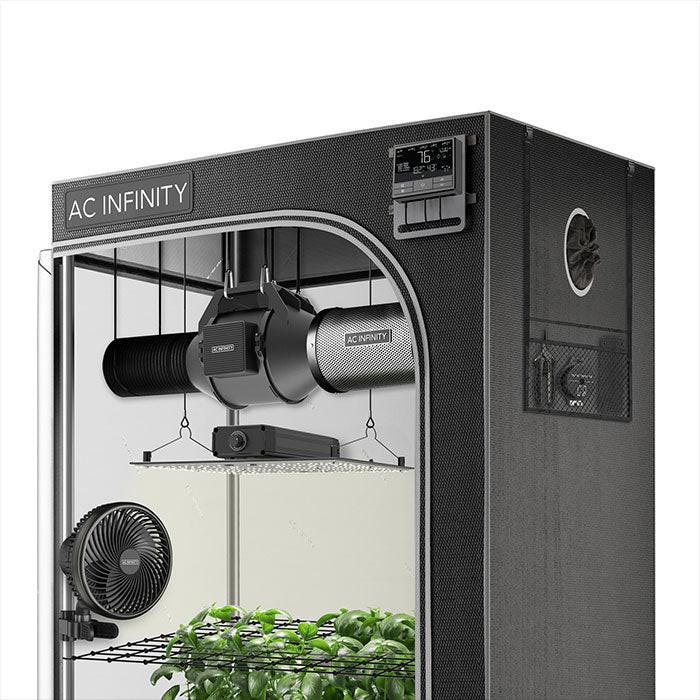
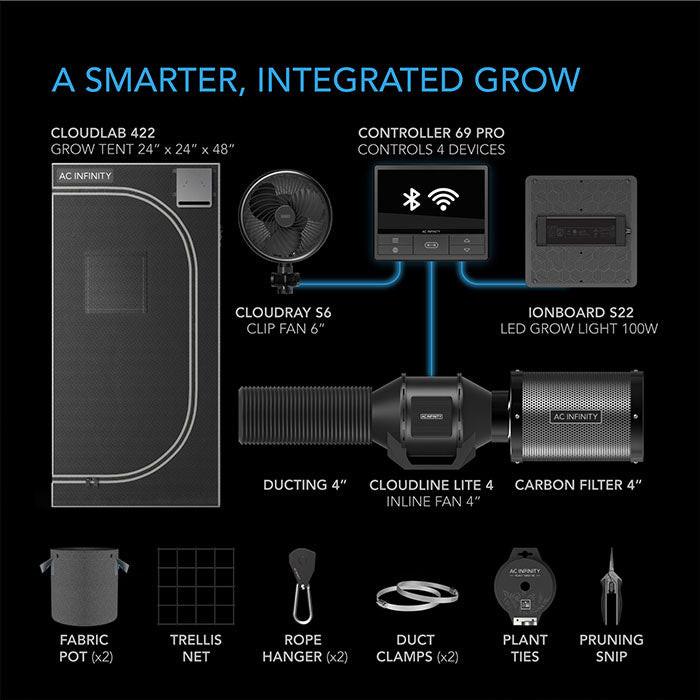
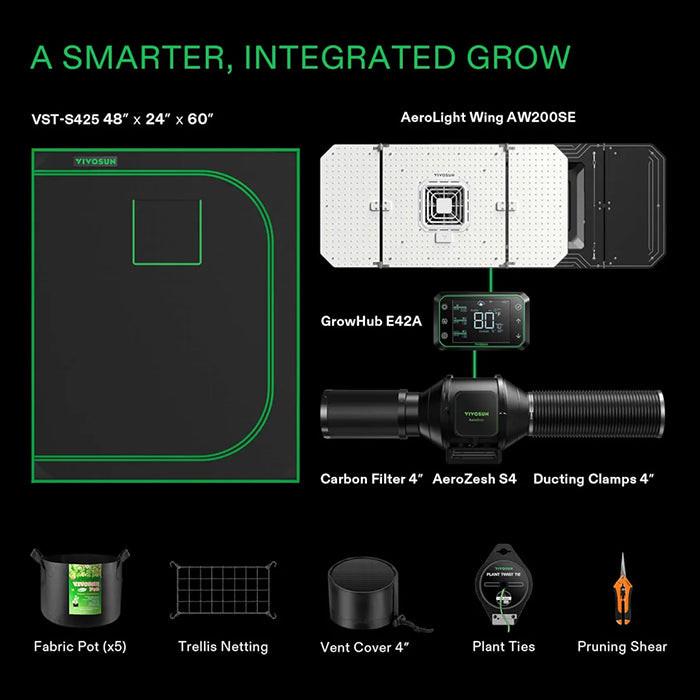
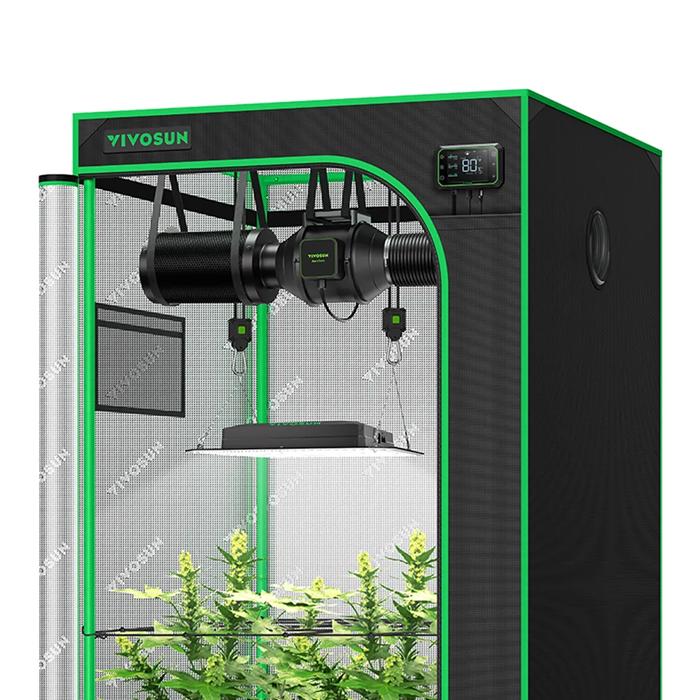
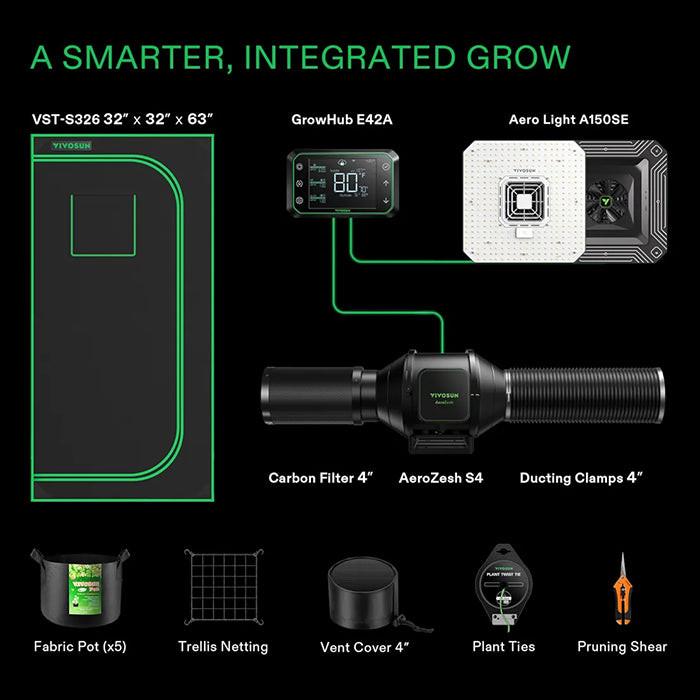
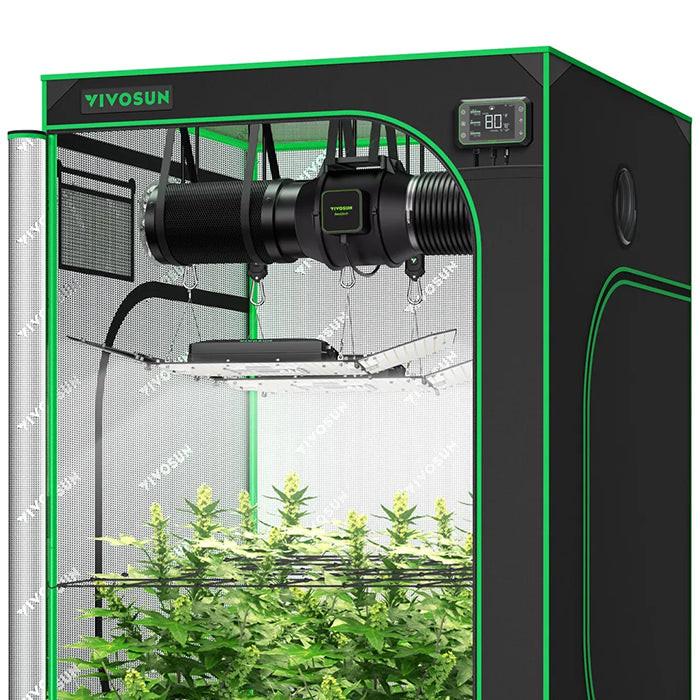
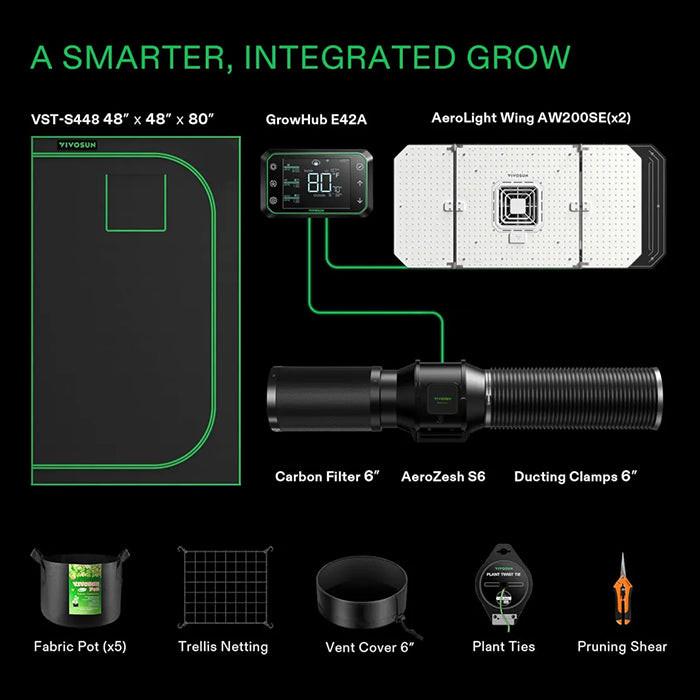
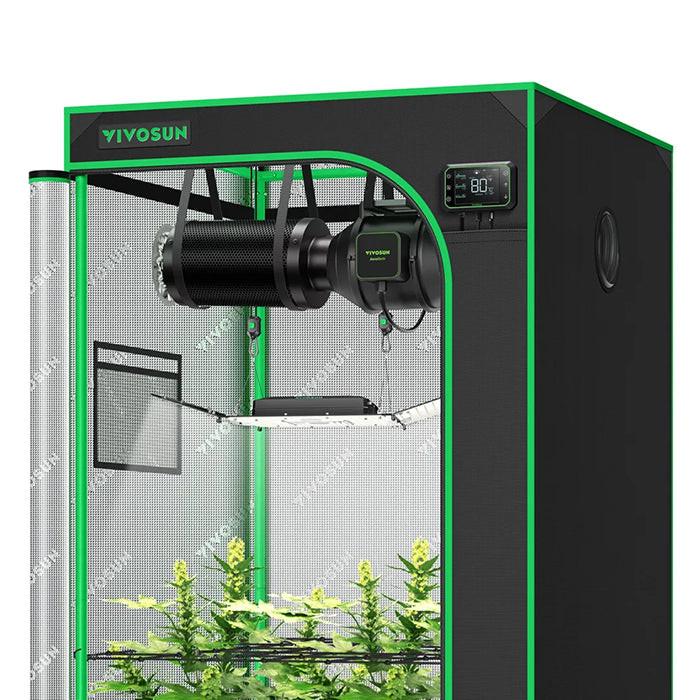
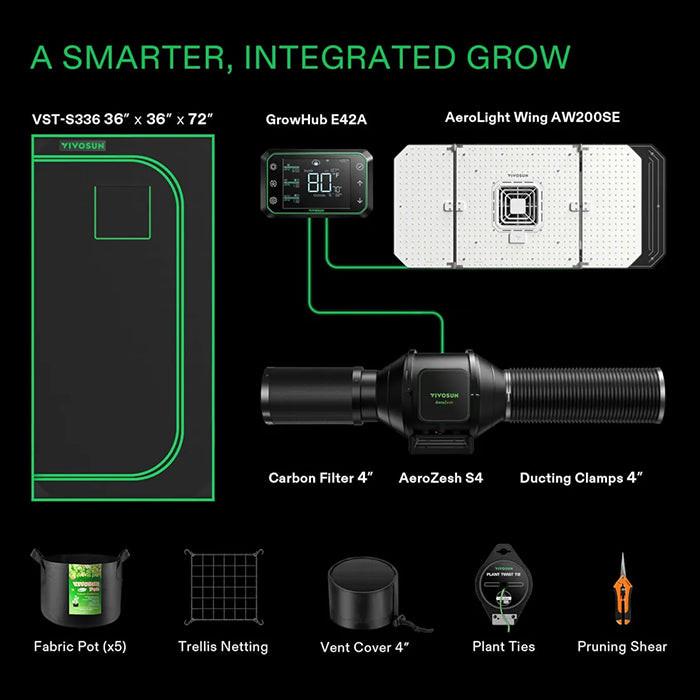
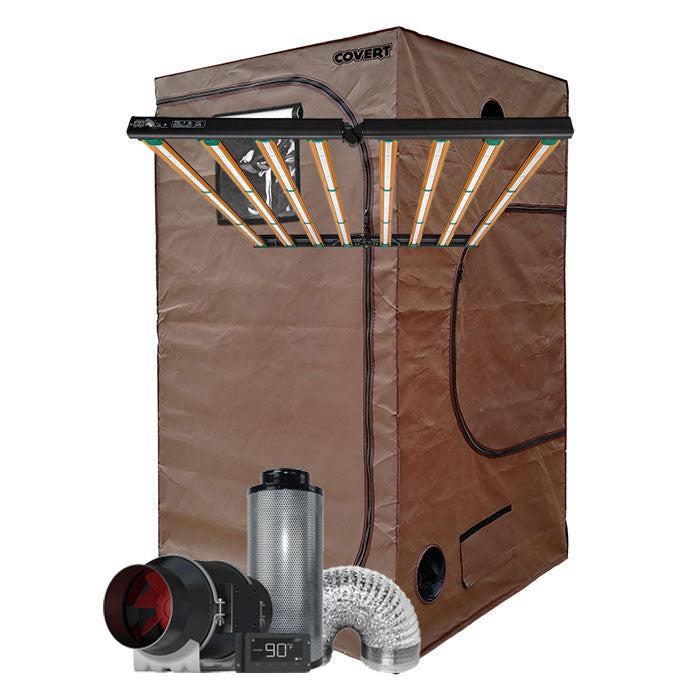
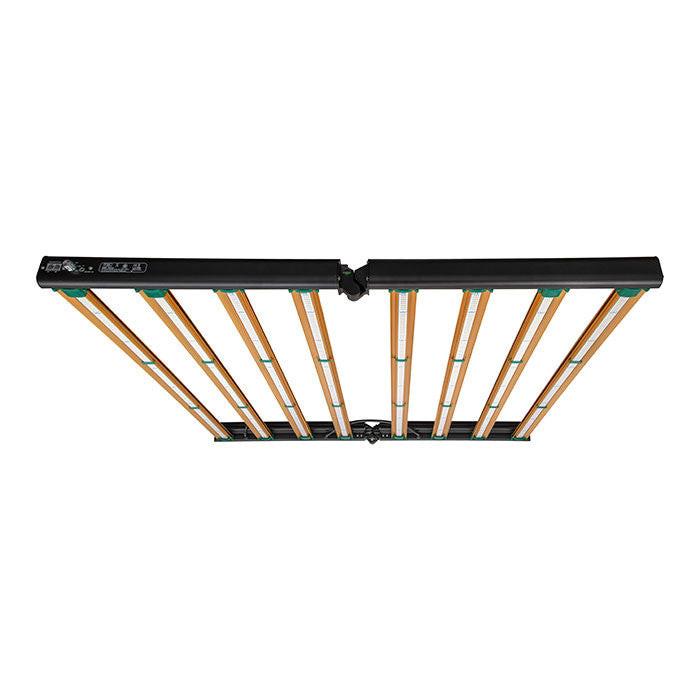
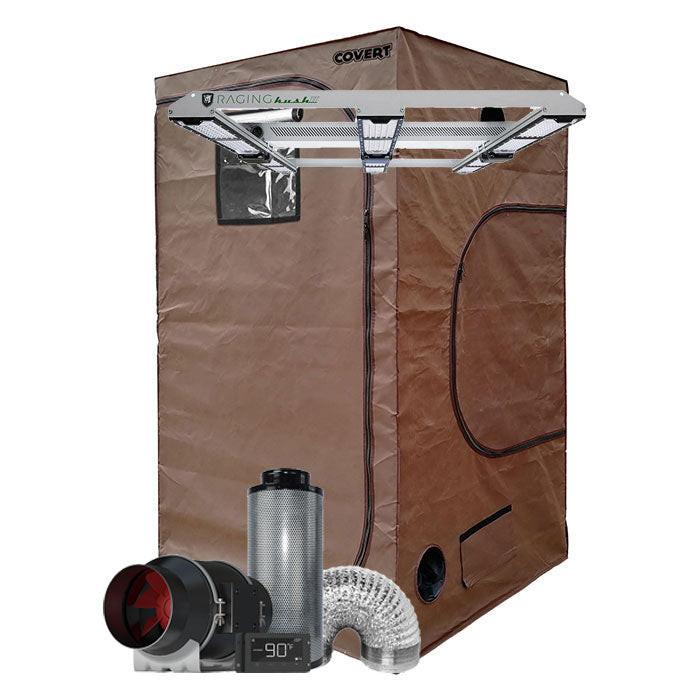
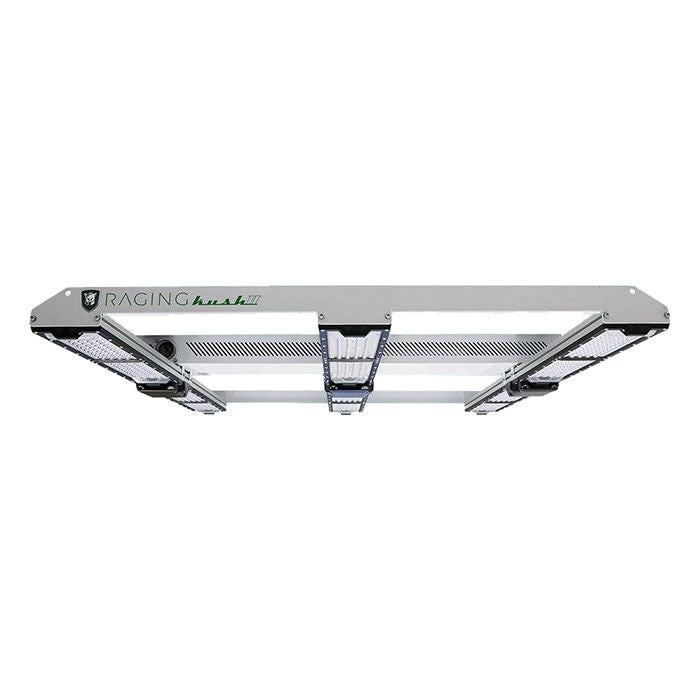
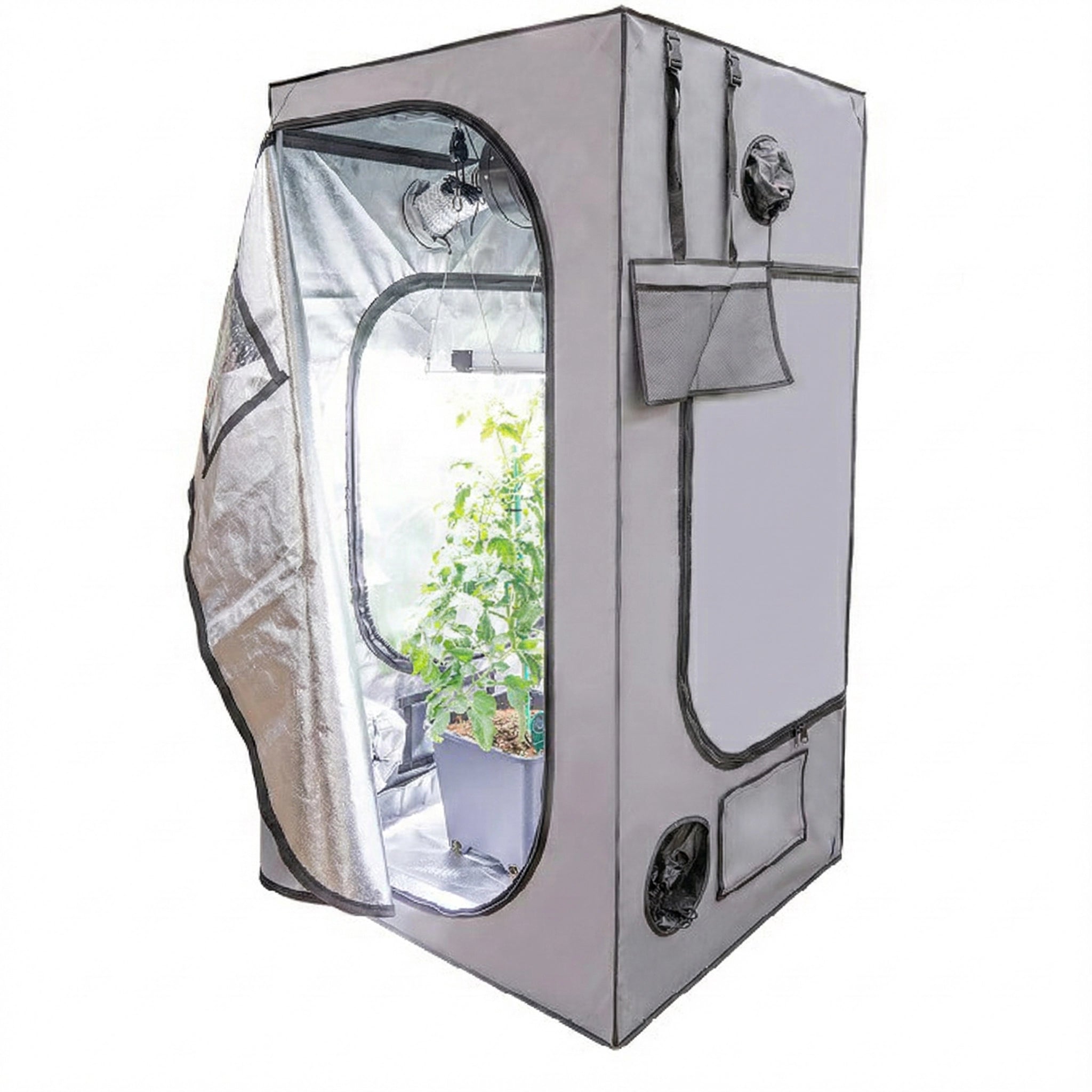
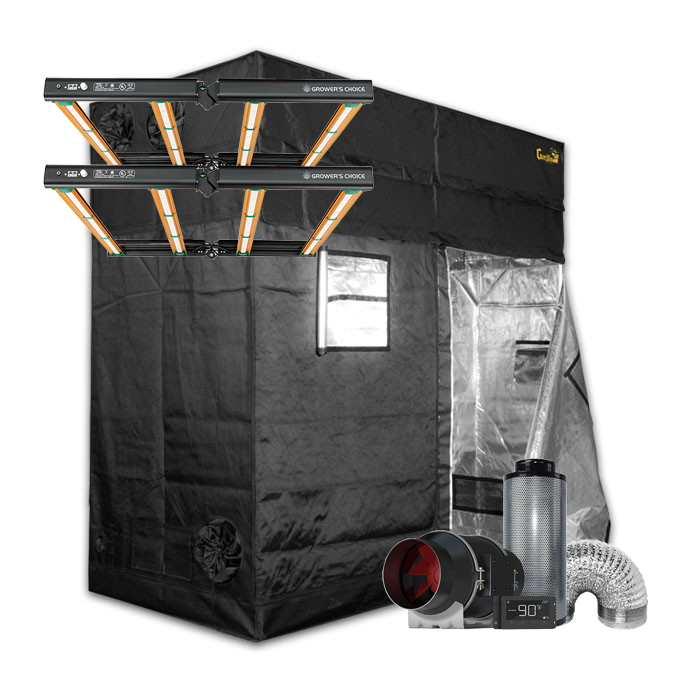
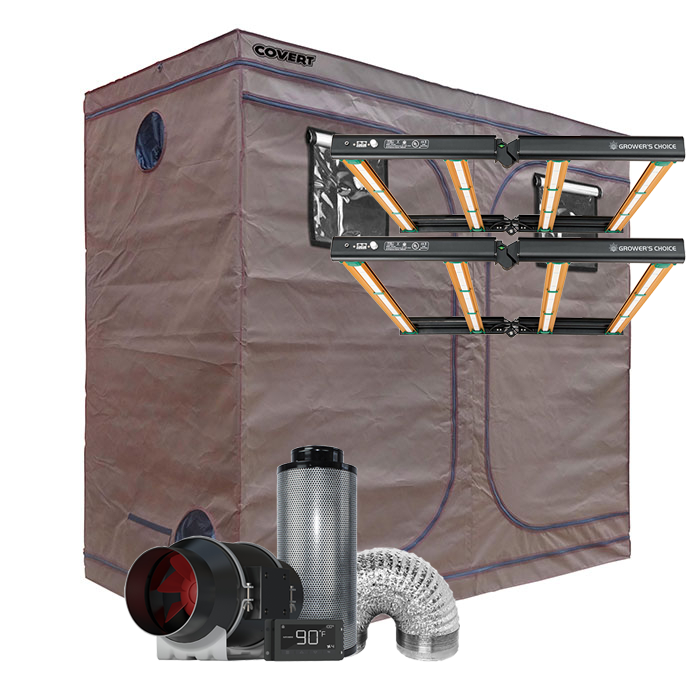
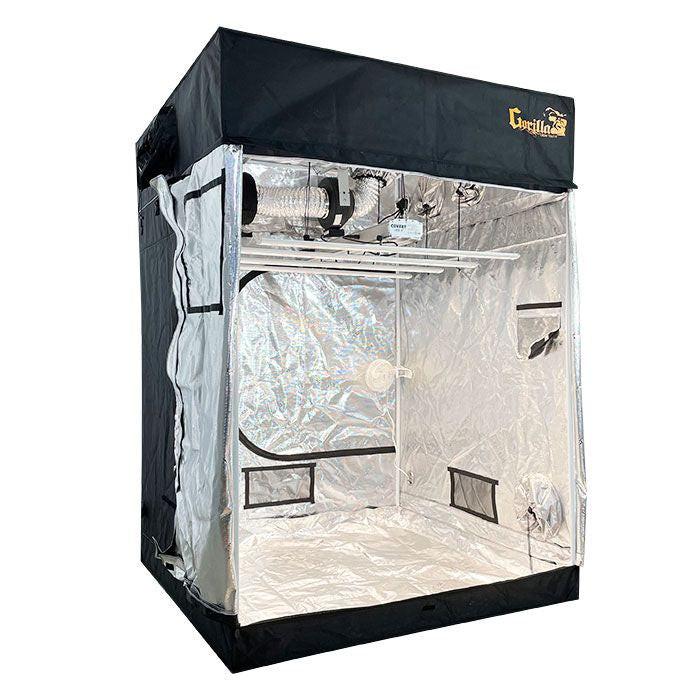
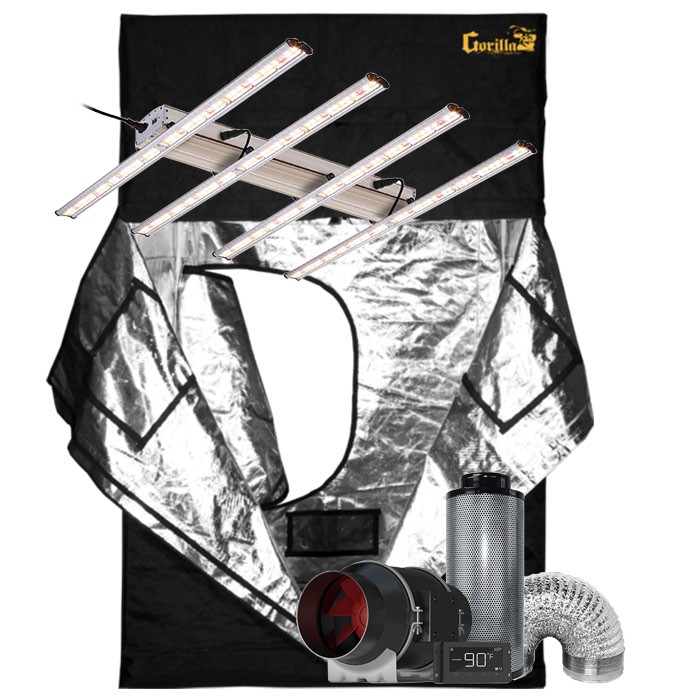
This collection is the hub for all grow tent kit and complete growing package options at Hydrobuilder -- bringing together LED kits, HPS kits, CMH/LEC kits, fluorescent kits, and multi-chamber kits in one browsable location for growers who want to compare complete setups across different lighting technologies and tent sizes. Whether you are setting up your first indoor growing space or expanding an existing operation, a complete grow tent kit provides a verified-compatible starting point with everything needed to begin growing immediately after delivery.
How to Choose the Right Kit
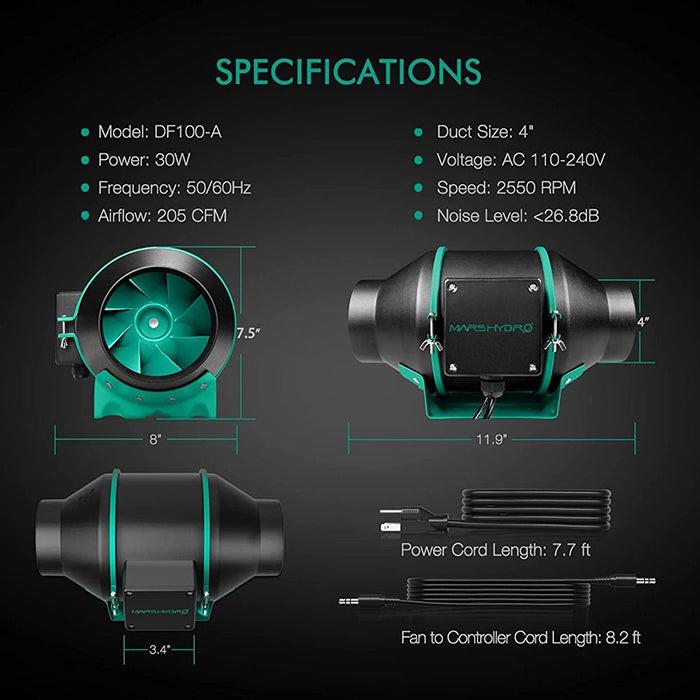
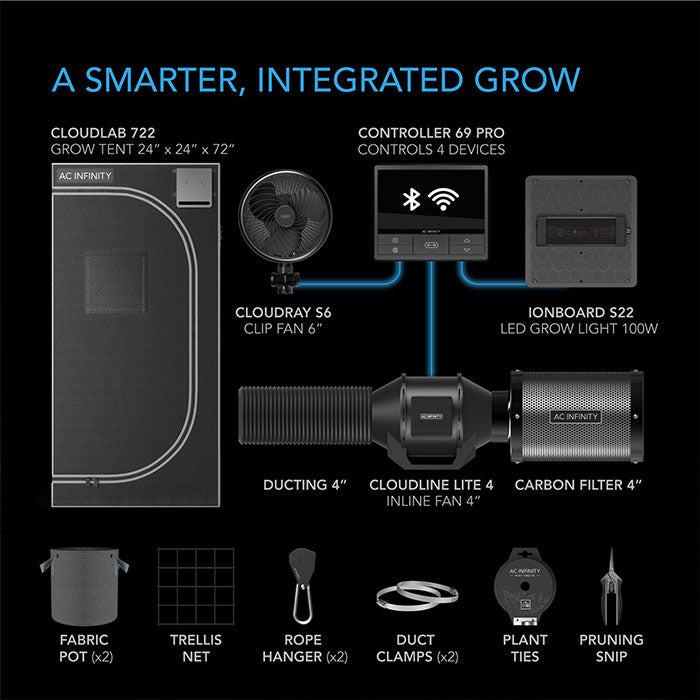
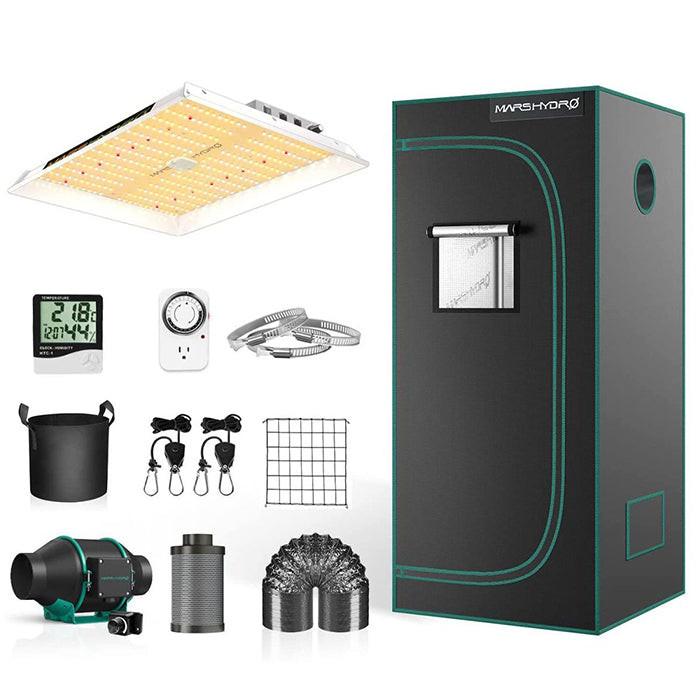
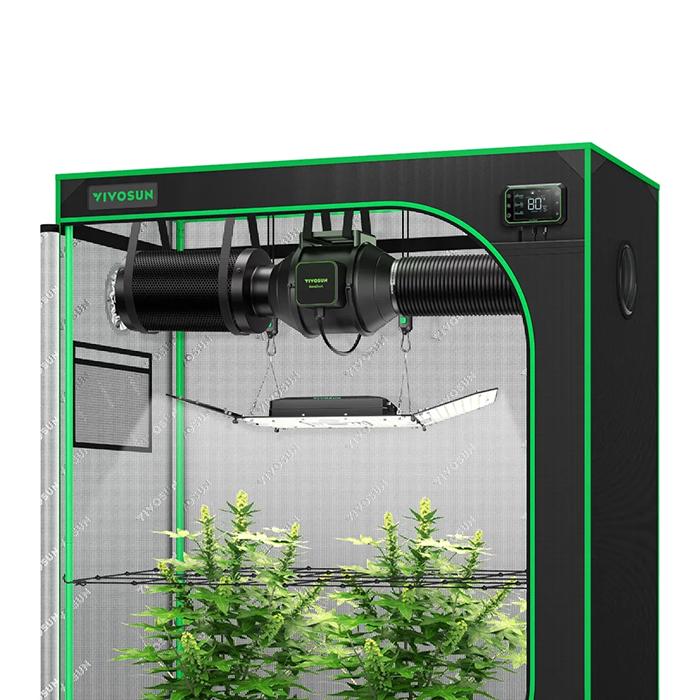
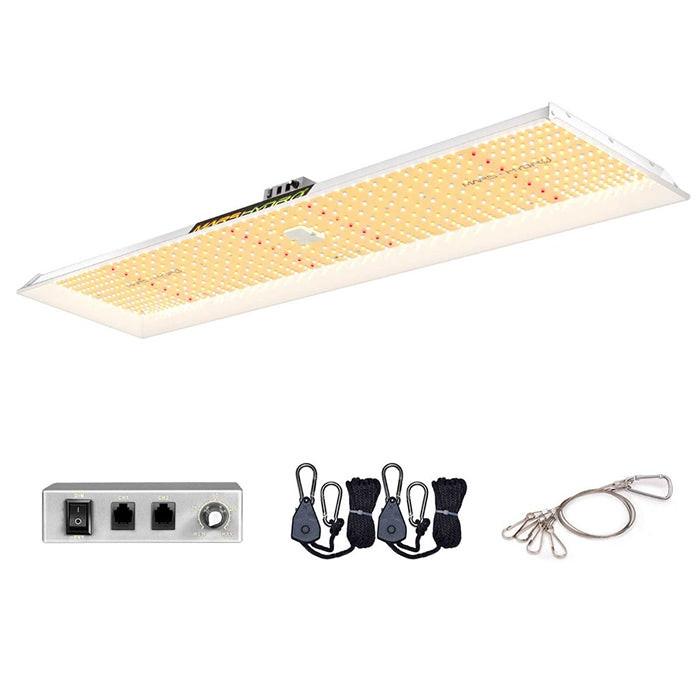
The three primary decision factors for selecting a grow tent kit: tent size (matched to the number of plants, container sizes, and available floor space in your growing area); lighting type (LED for lowest operating cost and best efficiency; HPS for lowest upfront cost; CMH/LEC for best spectrum quality without LED-tier fixture cost; fluorescent for propagation and low-intensity applications); and completeness level (verify whether the kit includes ventilation alongside the tent and light -- many kits include only the tent and fixture, requiring separate ventilation purchase). Browse specific kit types: LED kits, HPS kits, CMH/LEC kits, fluorescent kits, and multi-chamber kits.
Expert Support
Not sure which kit is right for your situation? Our grower support team is available at 888-815-9763 to help you select the right tent size, lighting type, and completeness level for your specific growing goals, space constraints, and budget. Fast shipping.
Grow Tent Packages FAQ
What is the best grow tent kit for a beginner?
For a first indoor grow: a 4x4 ft tent with a quality 500-600W LED fixture, 6-inch inline fan and carbon filter, and a timer provides a productive starting setup at a manageable scale. LED is the recommended lighting choice for beginners because it requires less infrastructure than HPS (no air-cooled reflector needed, less heat management complexity), has no bulb replacement costs, and produces excellent quality results. Avoid the cheapest kits with no-name LED fixtures -- the fixture quality determines production results more than any other component.
What size grow tent kit fits in a standard closet?
Standard closet dimensions vary, but most bedroom closets accommodate a 2x4 ft tent (24 inches deep, 48 inches wide) or a 3x3 ft tent (36x36 inches) without removing closet infrastructure. Measure your specific closet depth and width before ordering -- tent dimensions are listed as width x depth x height, and the height dimension must accommodate the tent poles, hanging light height, and plant canopy with margin. A 2x4 or 3x3 tent is the practical choice for closet growing; 4x4 tents typically require a dedicated room space rather than a standard closet.
Does a grow tent kit include nutrients?
Most grow tent kits do not include nutrients -- nutrients are consumable products that vary significantly by growing method (hydroponic vs. soil) and personal preference, making them impractical to standardize in a hardware kit. Some retailer-created starter packages add a nutrient starter set alongside the tent hardware; verify the specific kit contents. Budget for nutrients separately when calculating the total cost to start growing: a basic 2-part or 3-part nutrient system runs $30-80 for a starter set that covers several growing cycles.
How long does a grow tent kit last?
The tent fabric, poles, and hardware last 5-10+ years with normal use. The LED fixture lasts 50,000+ hours (roughly 10+ years of production use) for quality units; HPS and CMH bulbs require annual replacement. The inline fan motor lasts 2-5 years in continuous production use. Ventilation filters require replacement every 12-24 months. The tent itself is essentially a permanent infrastructure investment; the consumable components are the lighting and ventilation elements that require periodic replacement over the tent's service life.
Can I add CO2 enrichment to a complete grow tent kit?
Yes -- any complete grow tent kit can have CO2 enrichment added. For small tent setups (2x4 to 4x4 ft): a natural CO2 bag generator provides a modest boost without compressed gas infrastructure. For serious enrichment in larger tents: a compact CO2 tank and regulator with a CO2 controller adds automated enrichment to any tent setup. For CO2 enrichment to be effective, the tent must be well-sealed during the light period to retain the enriched atmosphere -- verify all duct connections and zipper closures are tight before investing in CO2 enrichment equipment.