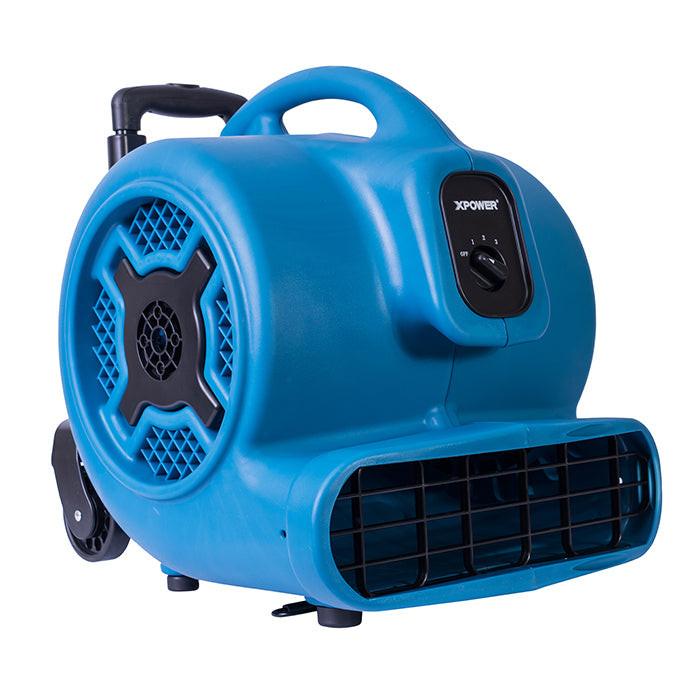
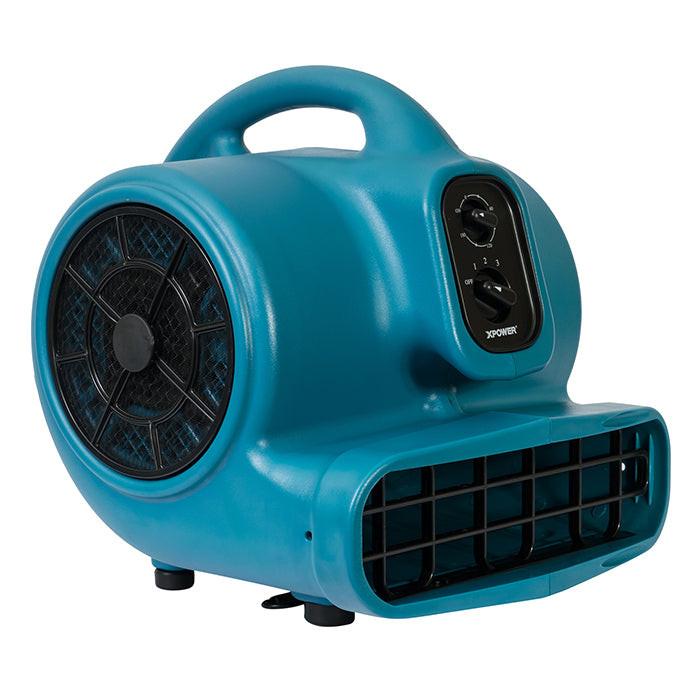
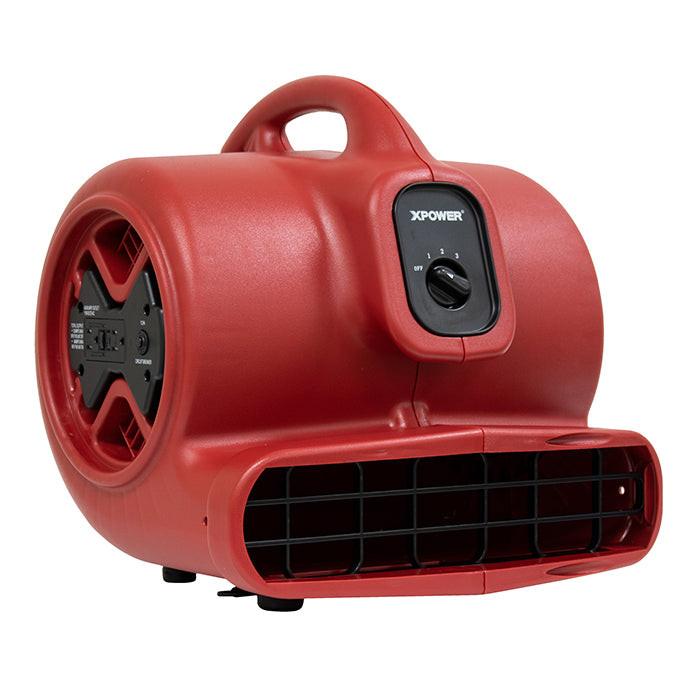
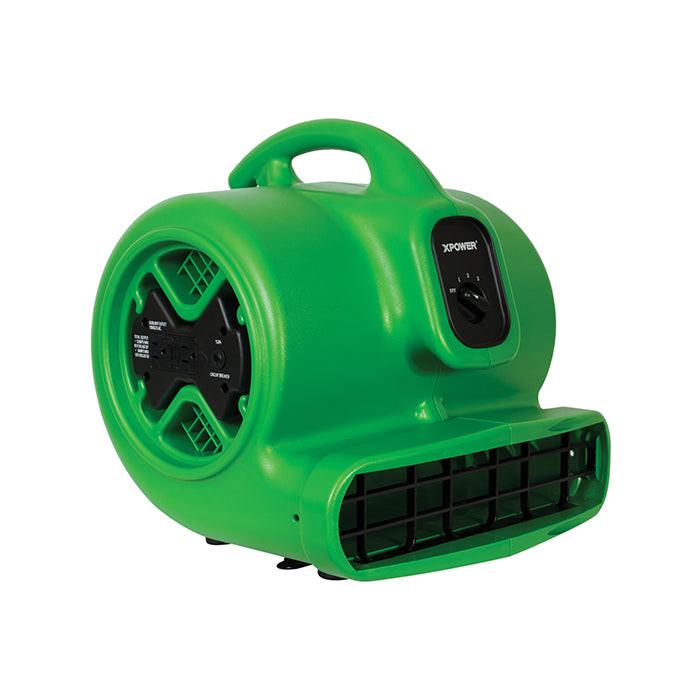
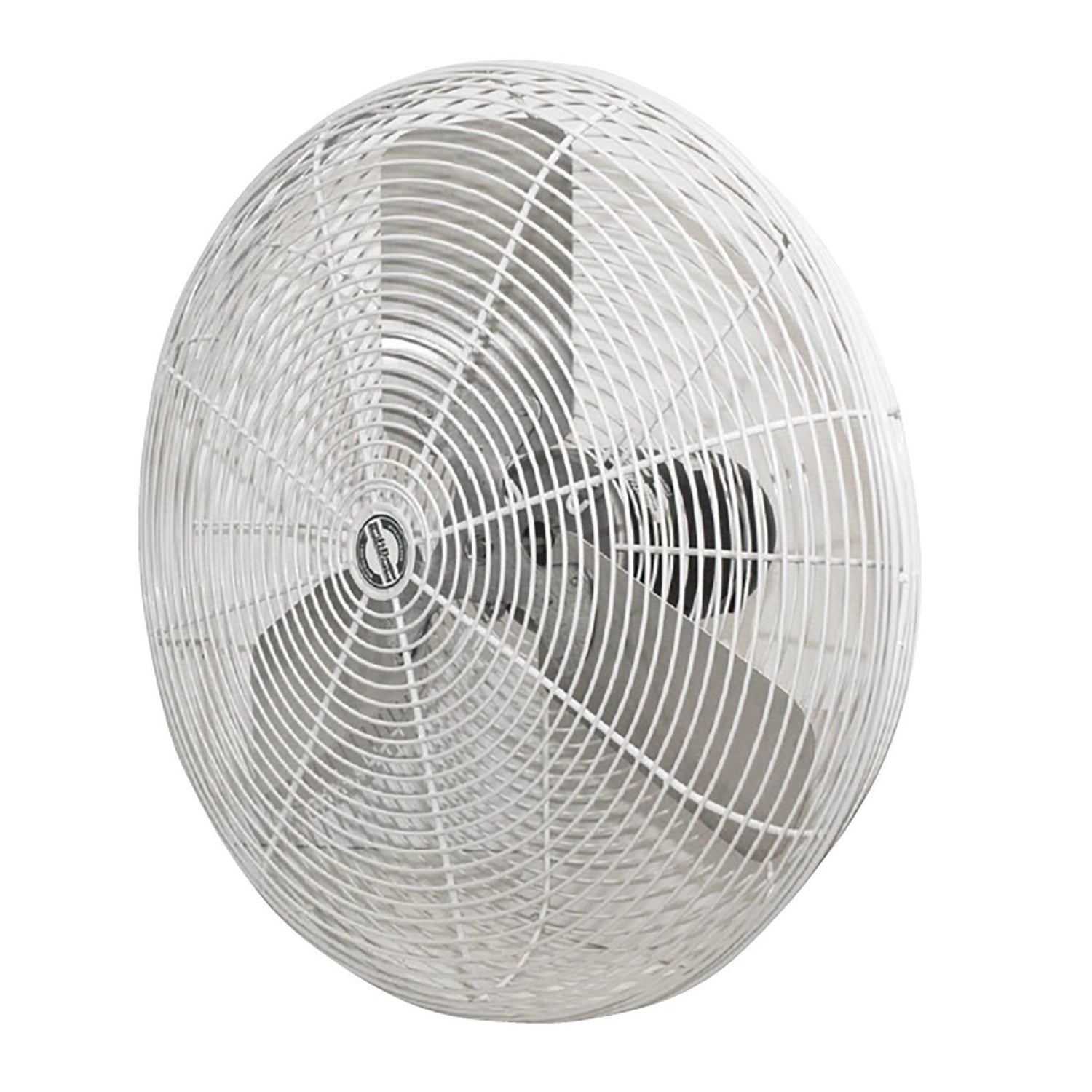
Blower Fans & High-Velocity Fans for Growing
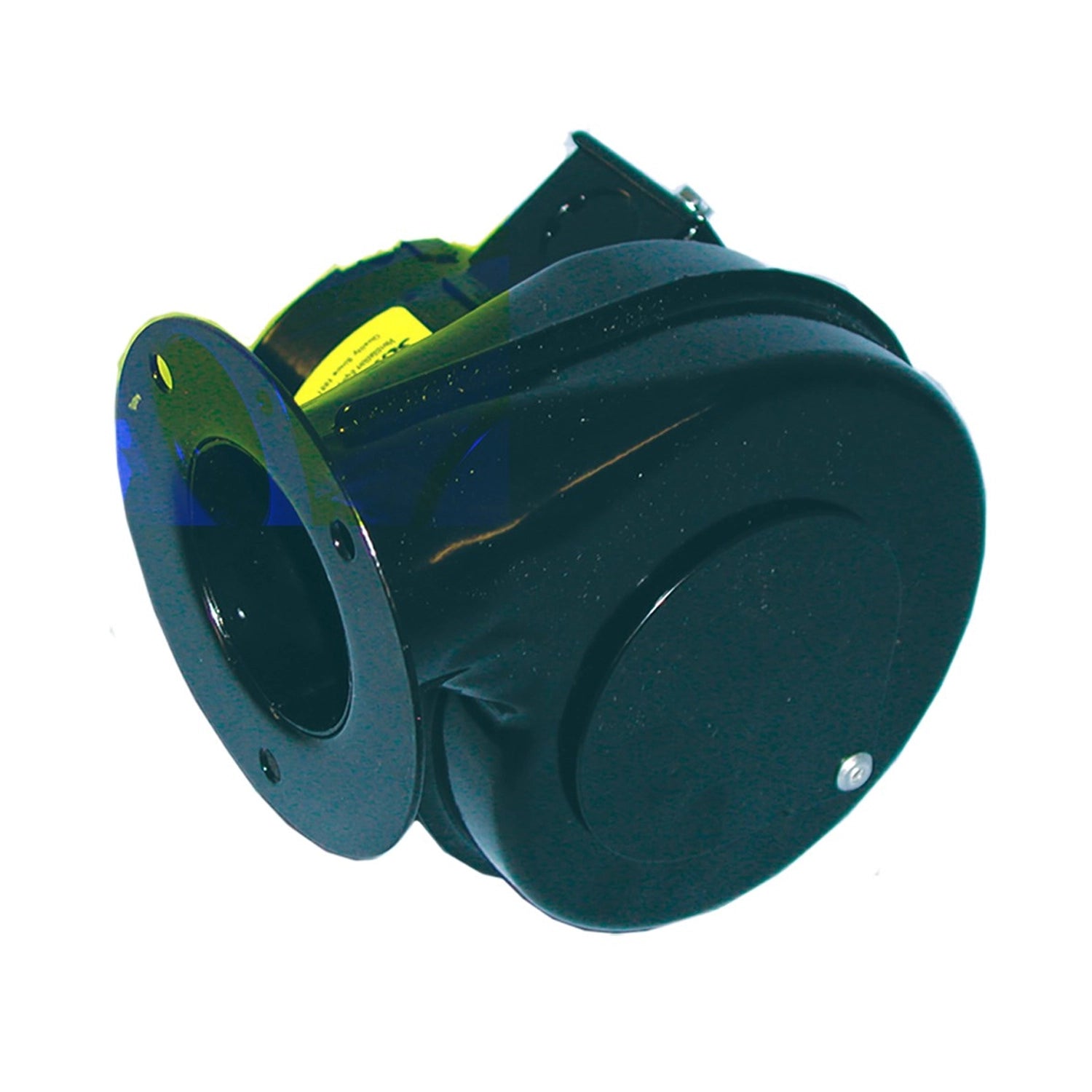
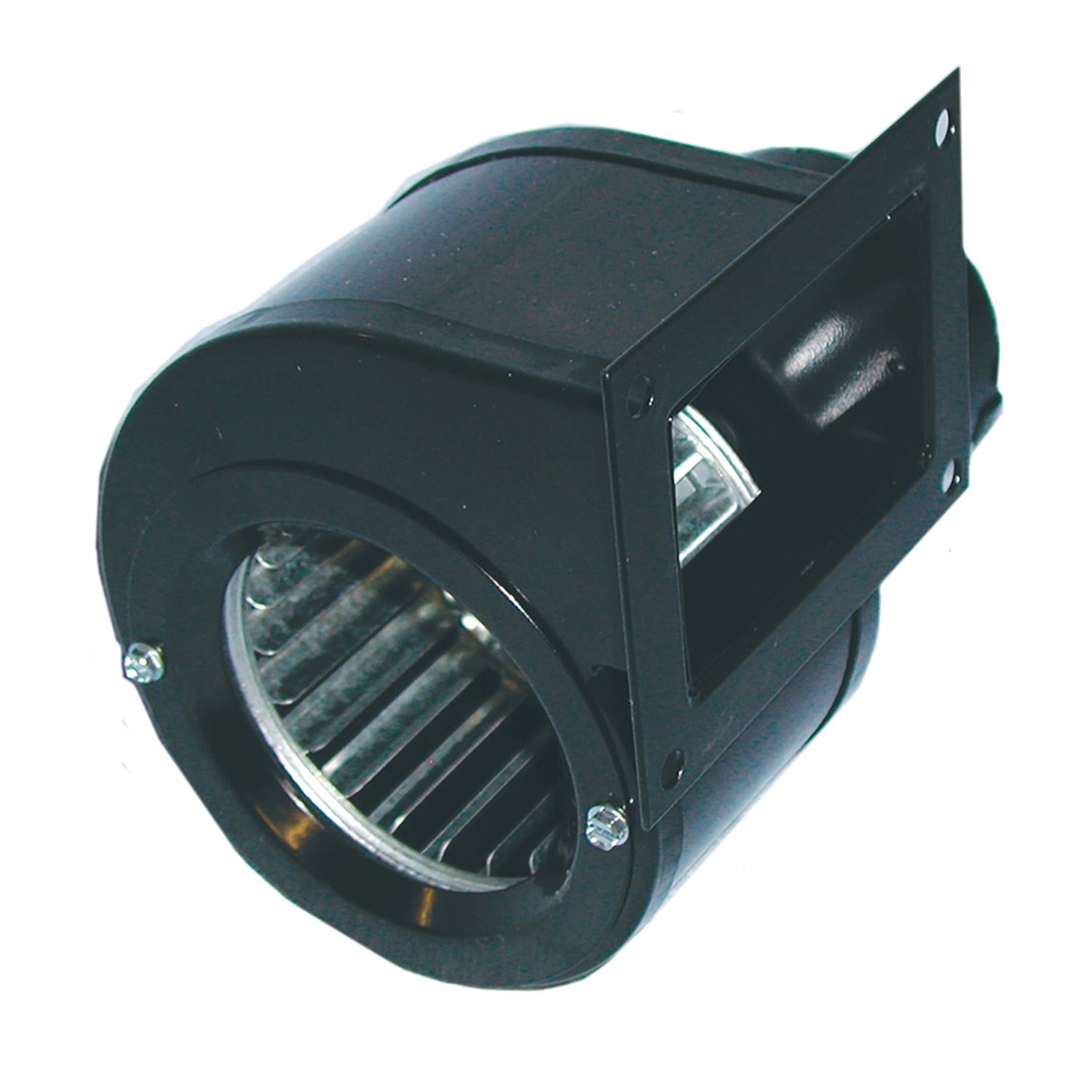
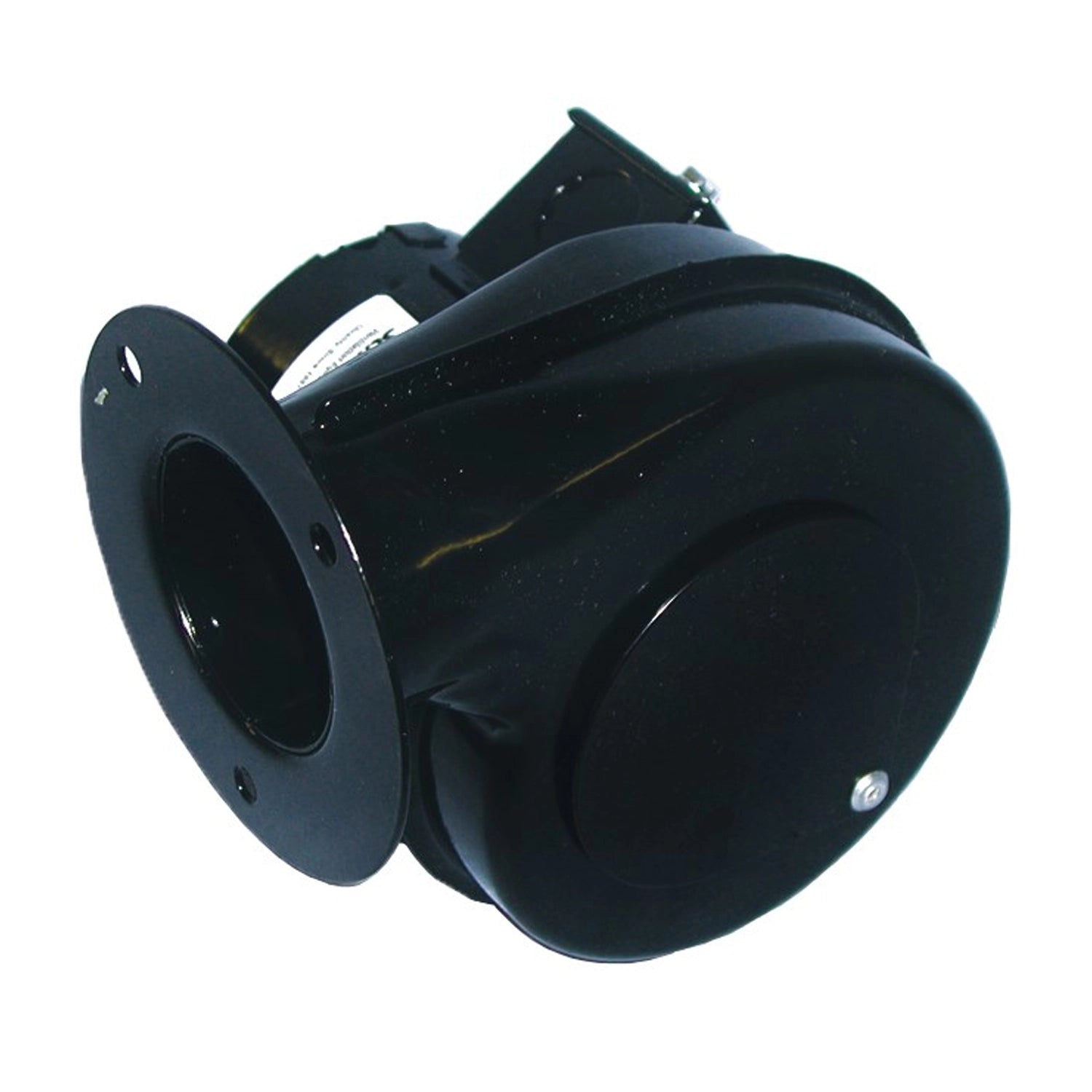
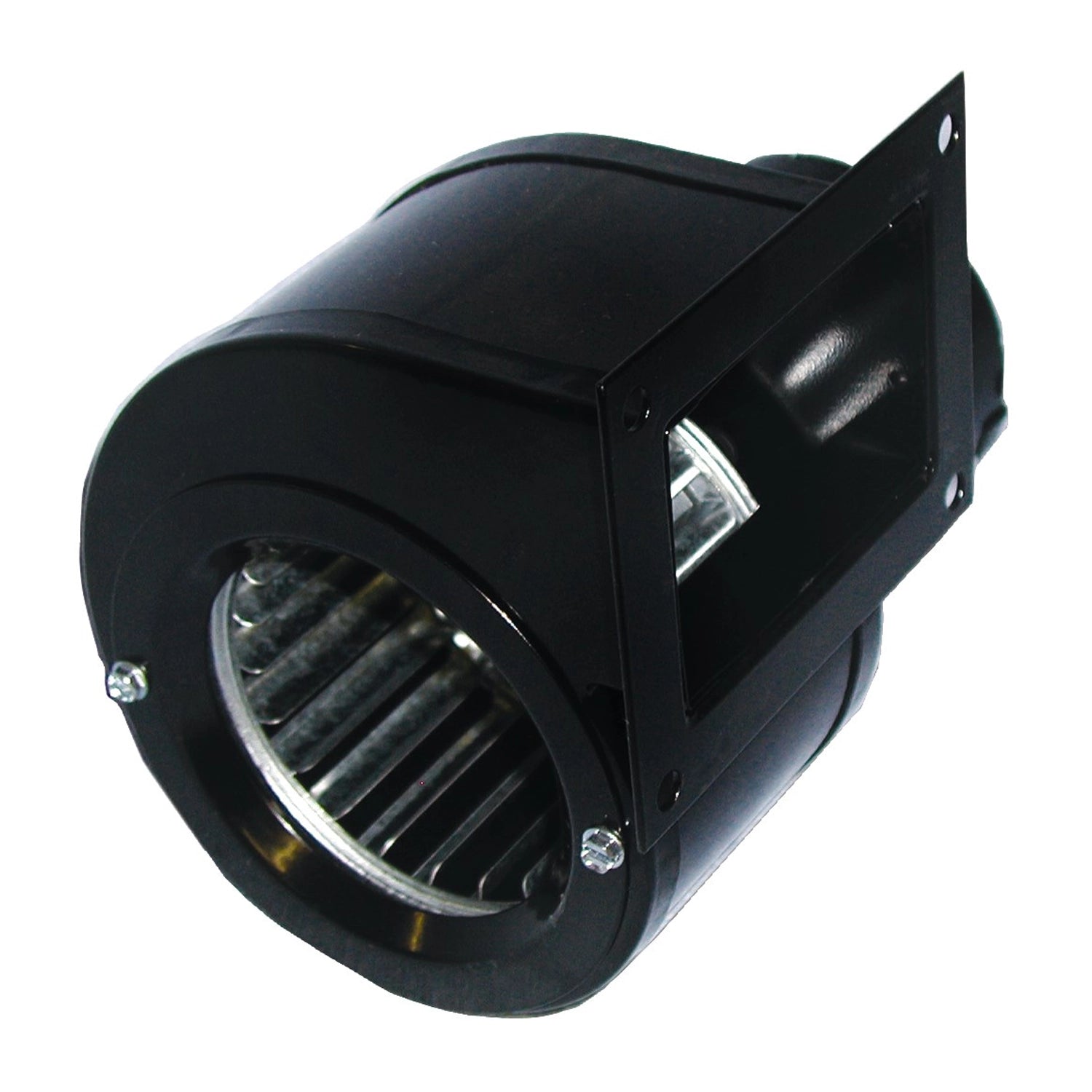
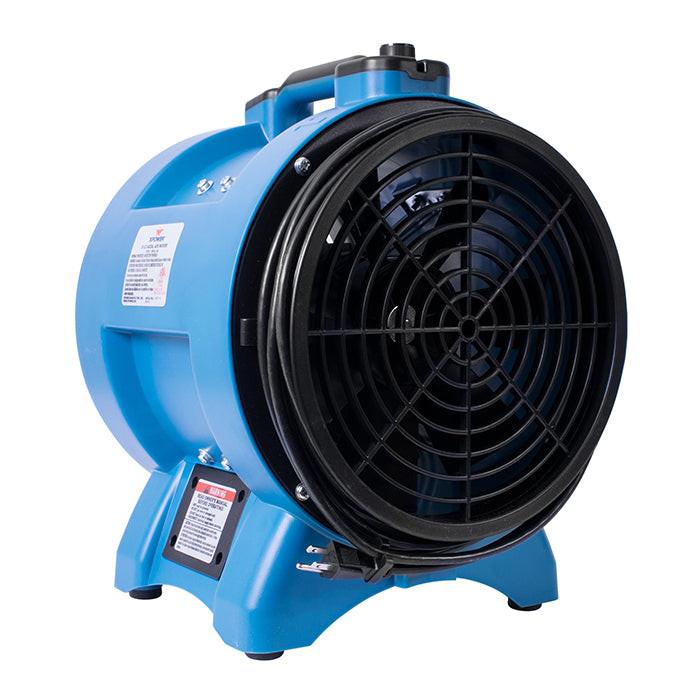
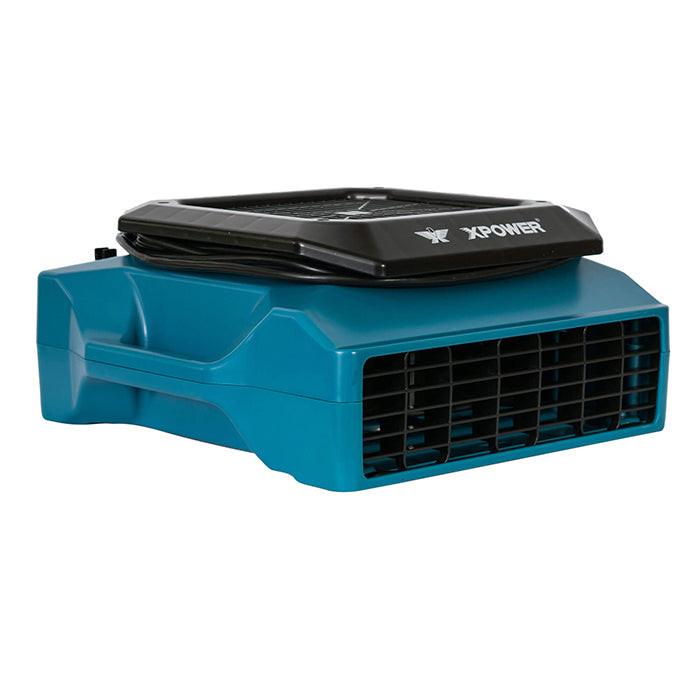
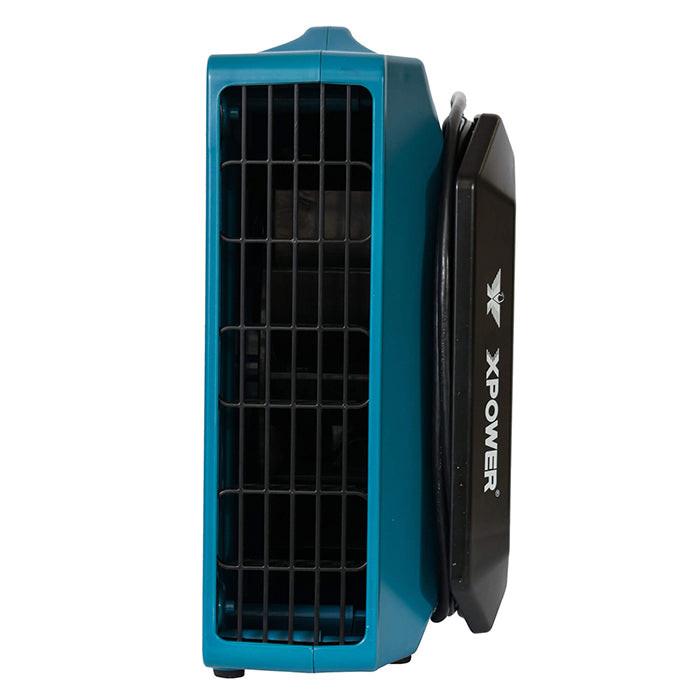
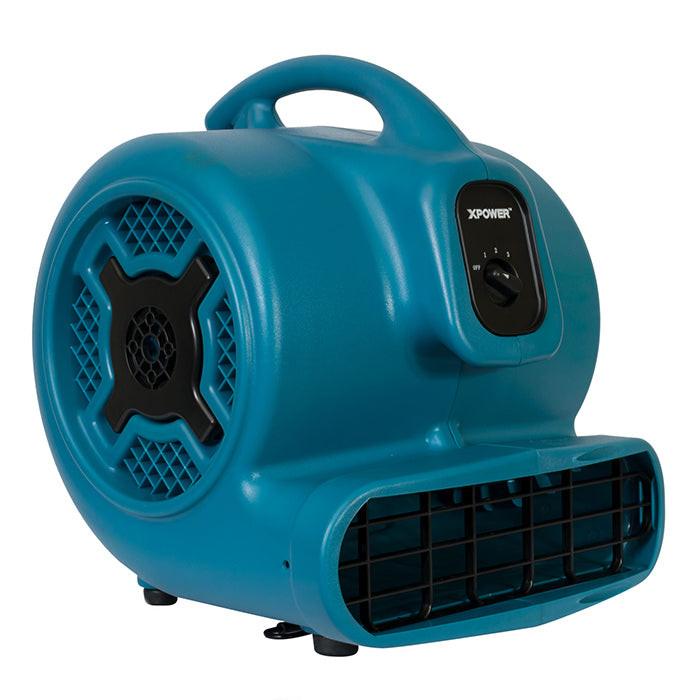
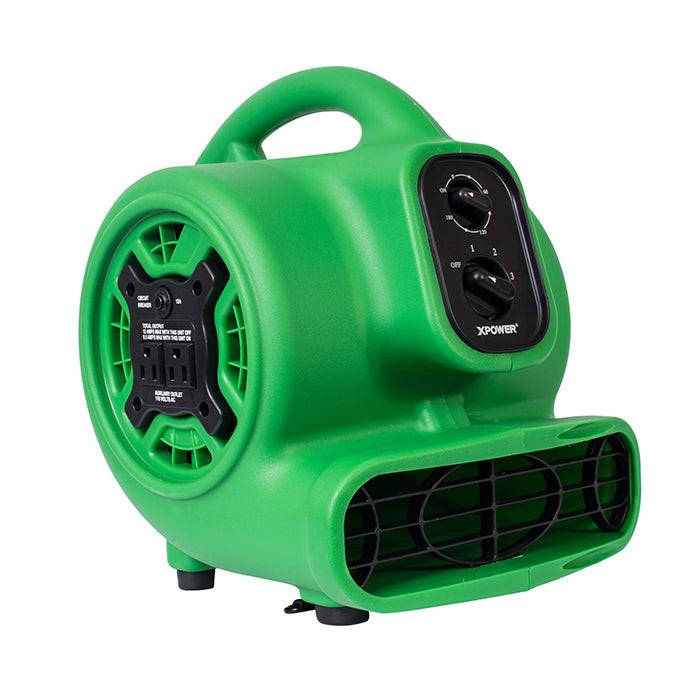
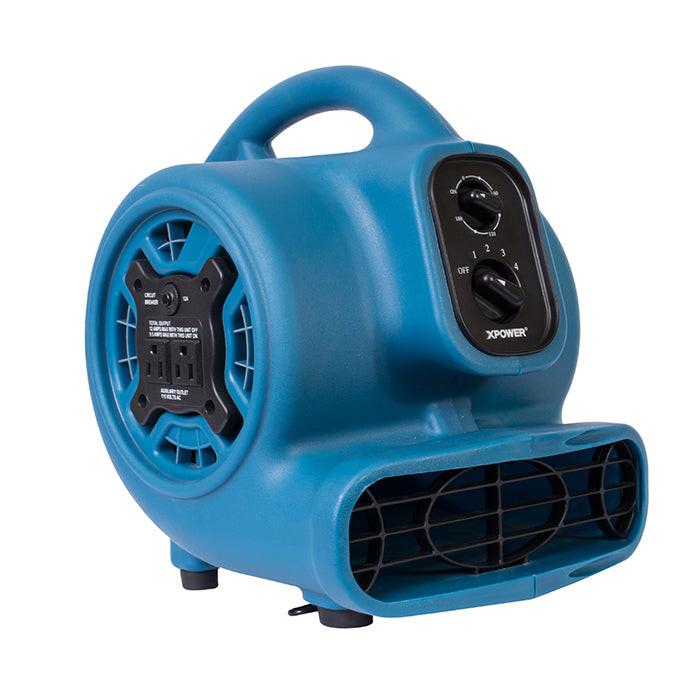
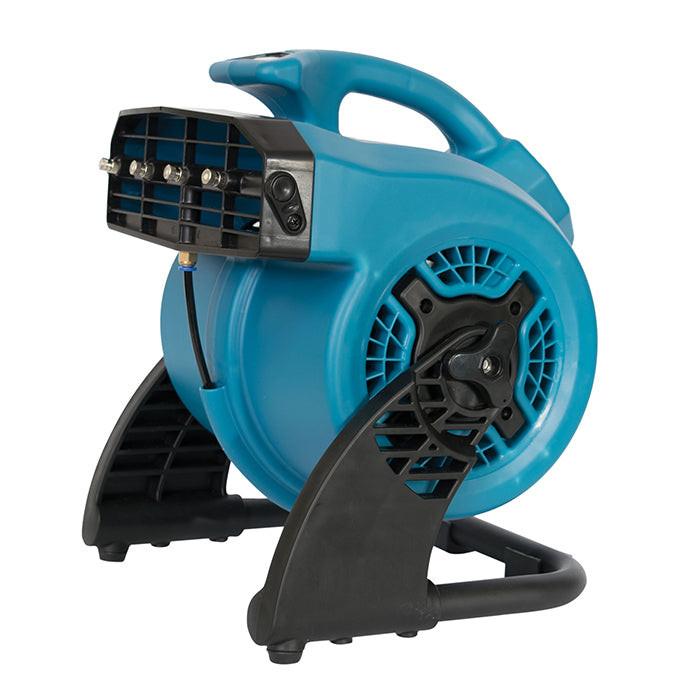
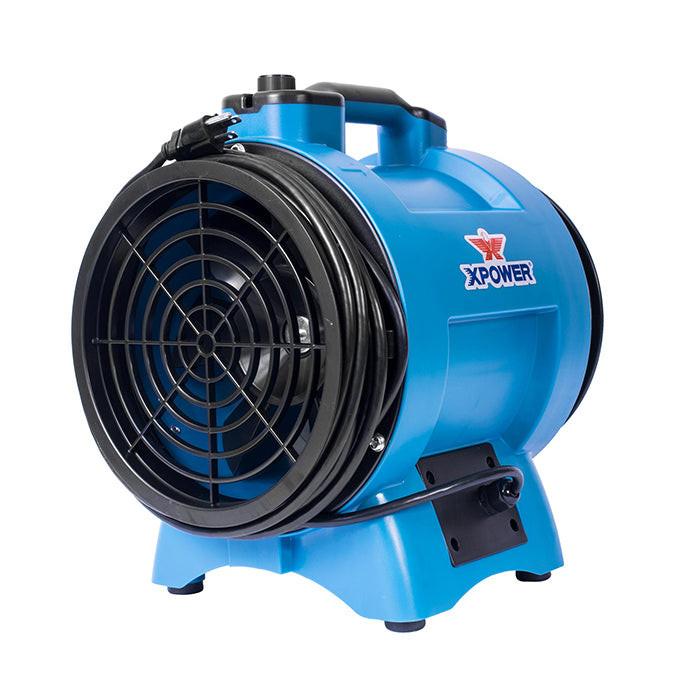
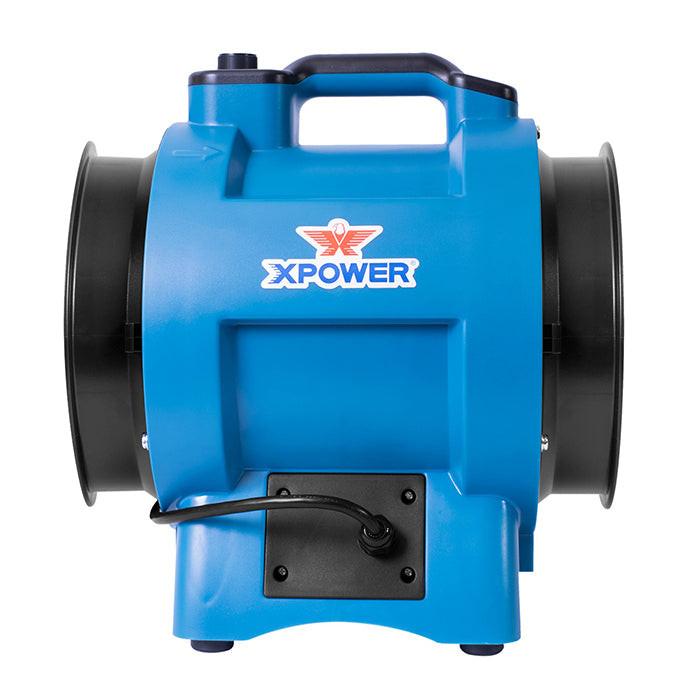
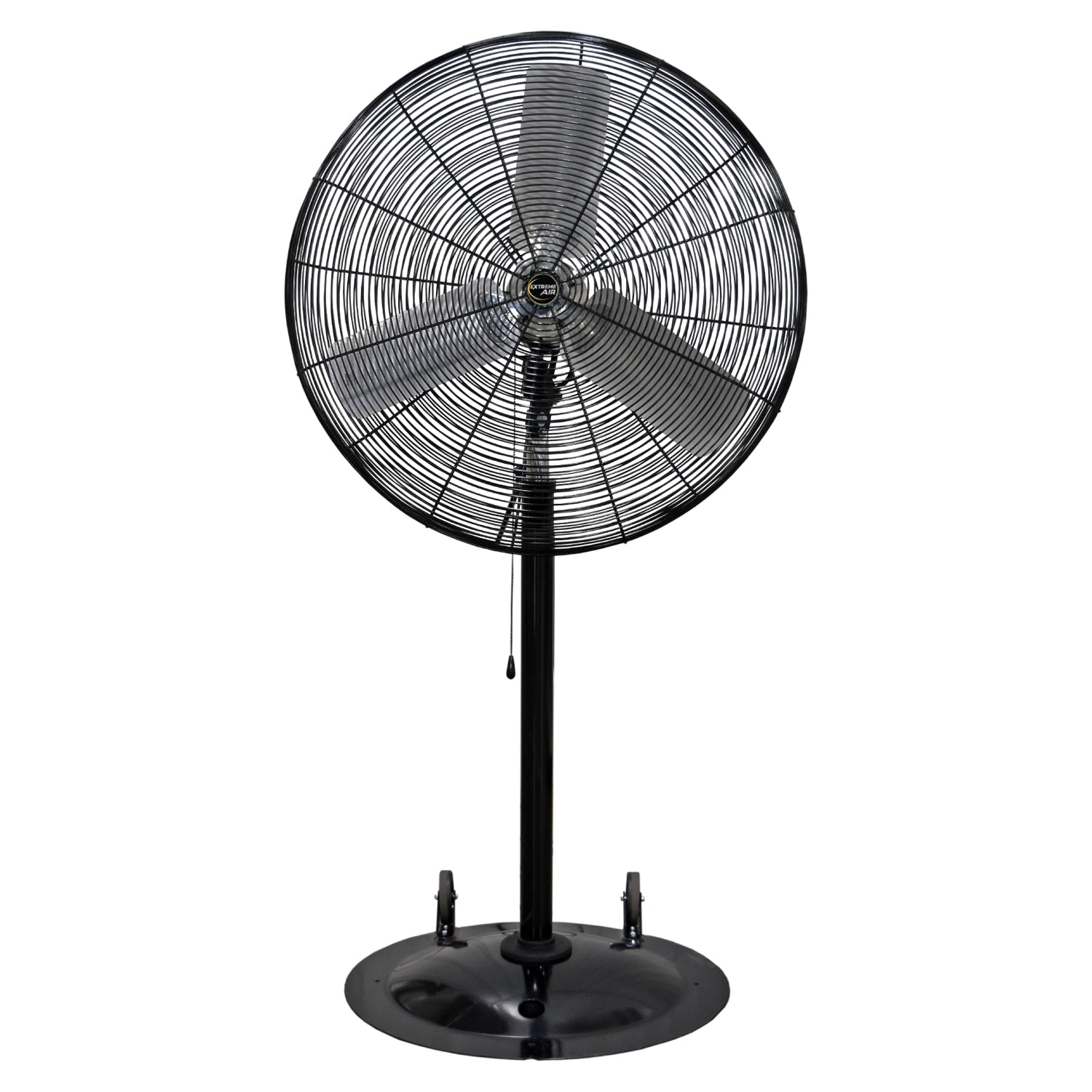
Blower fans and high-velocity directional fans serve a different purpose than standard grow room oscillating fans -- where oscillating fans sweep side to side to distribute air across a canopy, blowers and high-velocity fans move large volumes of air in a fixed direction at high velocity for temperature equalization across long distances, de-stratification of temperature layers in tall spaces, and targeted high-airspeed applications like aisle ventilation in commercial greenhouse rows. For hobby tent grows and small dedicated rooms, oscillating circulation fans provide adequate canopy-level air movement. For commercial-scale facilities with high ceilings, long horizontal runs, or greenhouse aisle ventilation requirements, blowers deliver the airflow capacity that standard grow fans cannot.
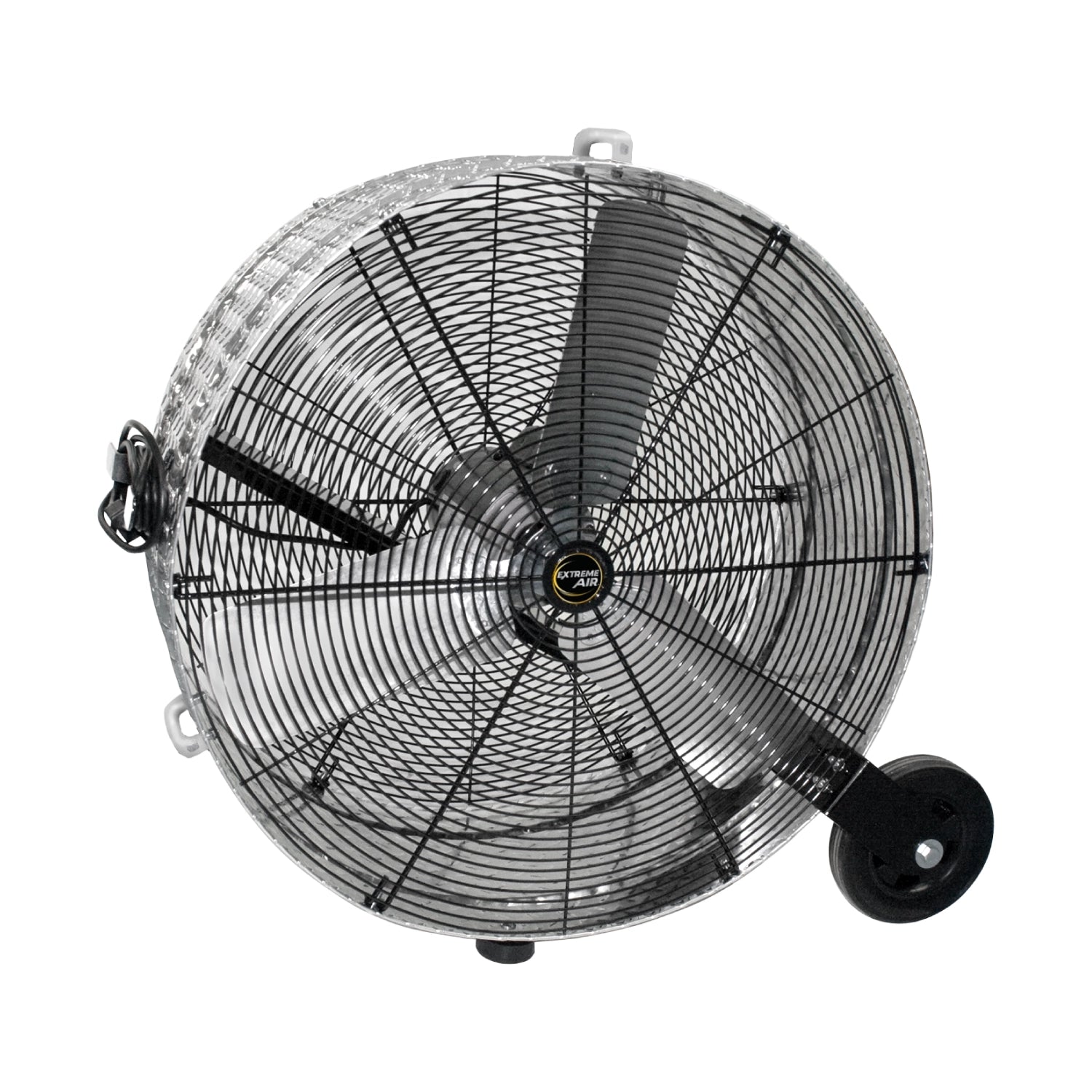
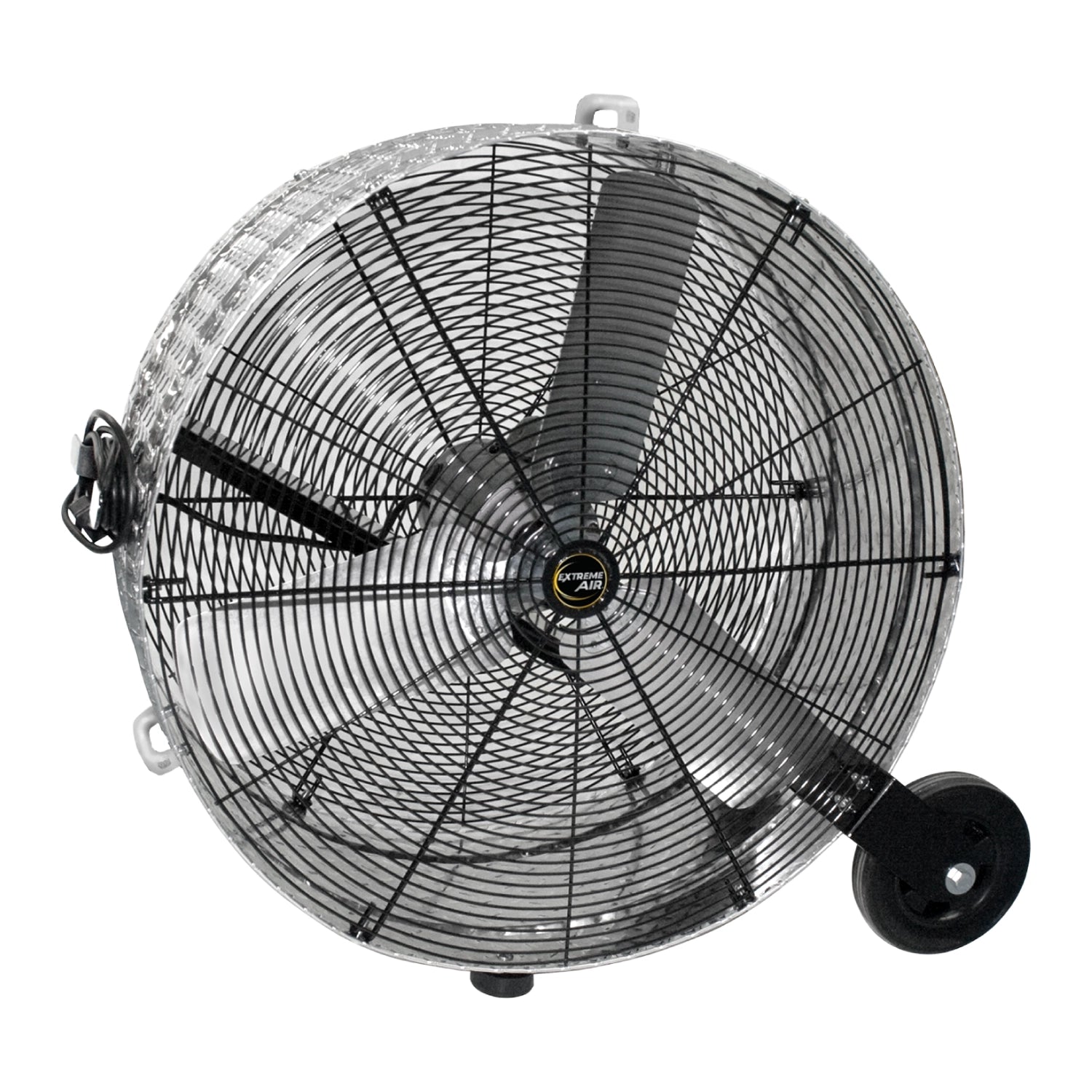
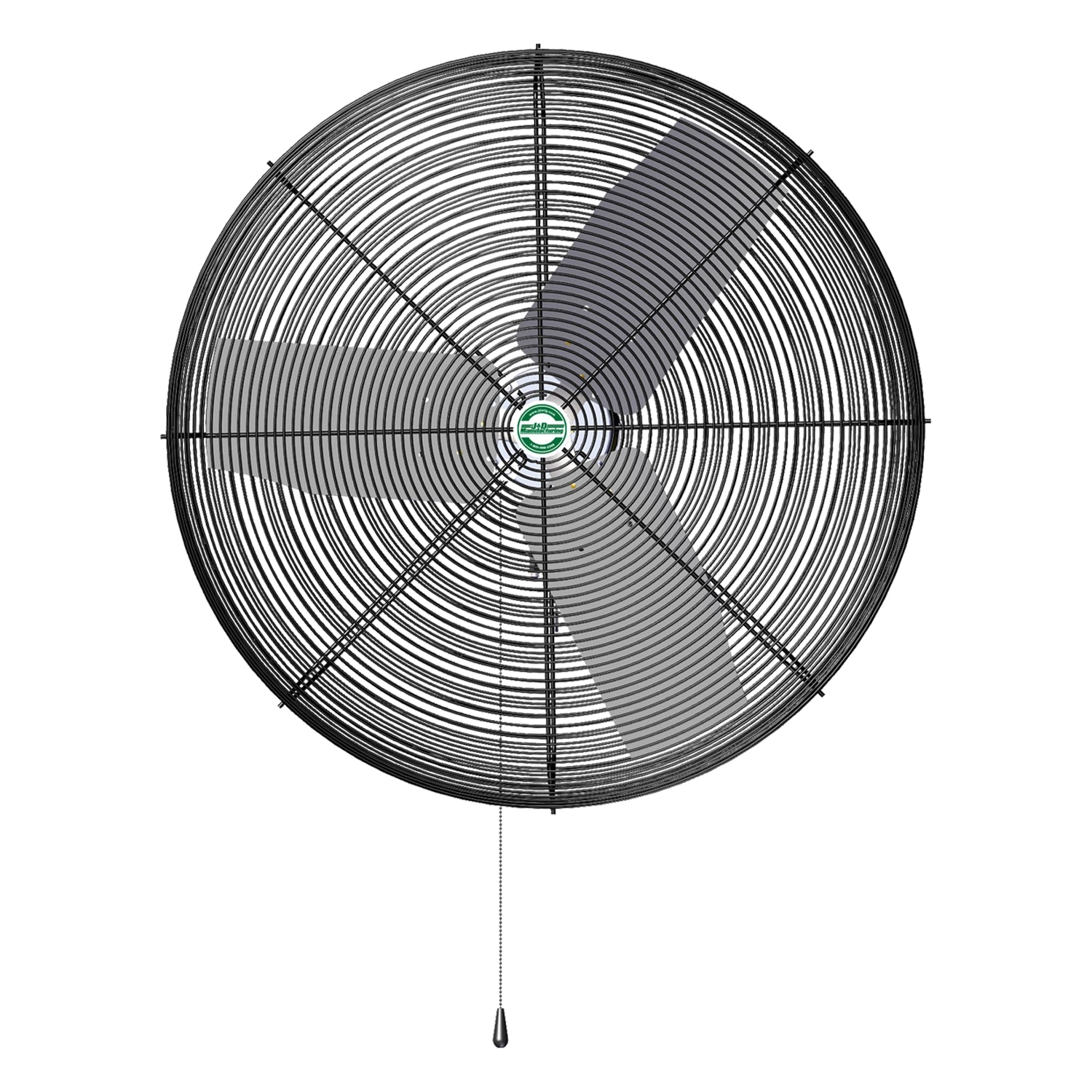
Wall-Mount & Barrel Blowers for Commercial Spaces
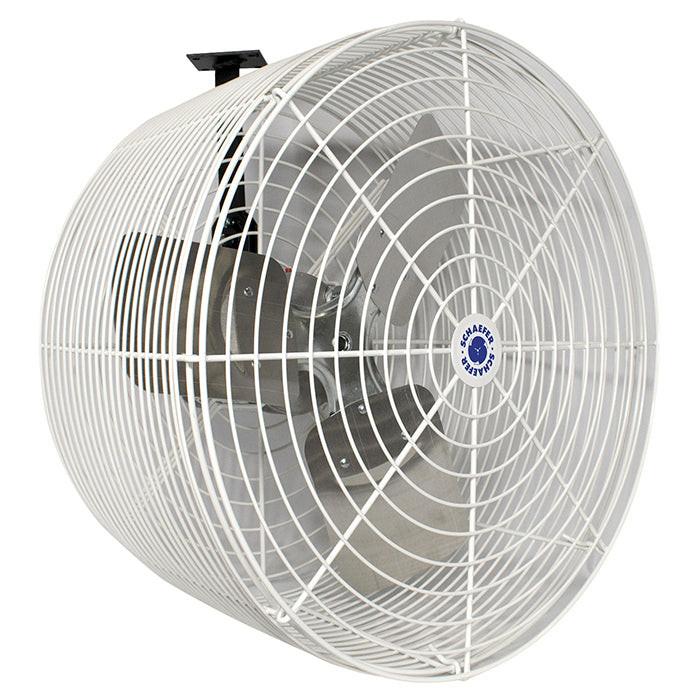
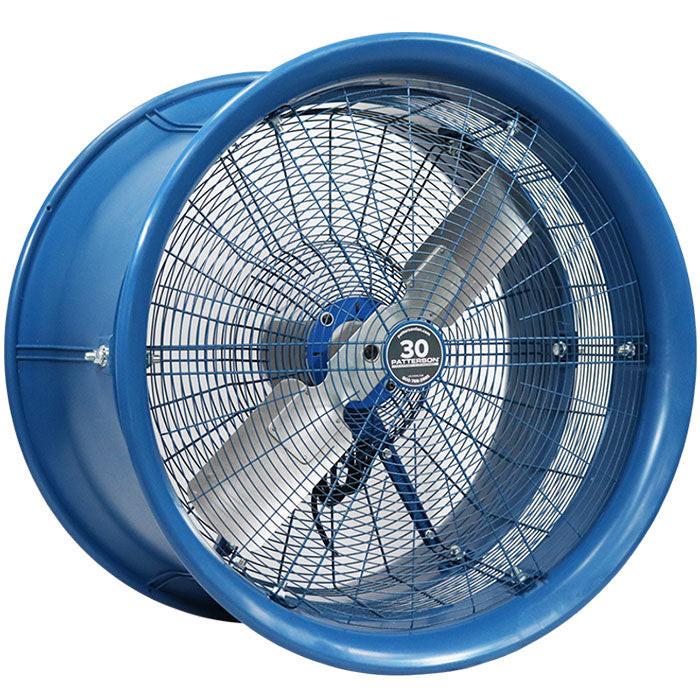
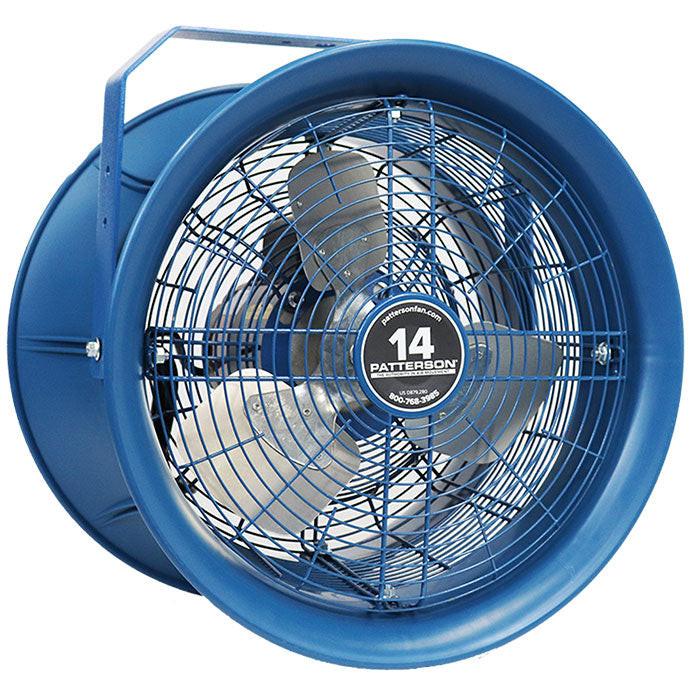
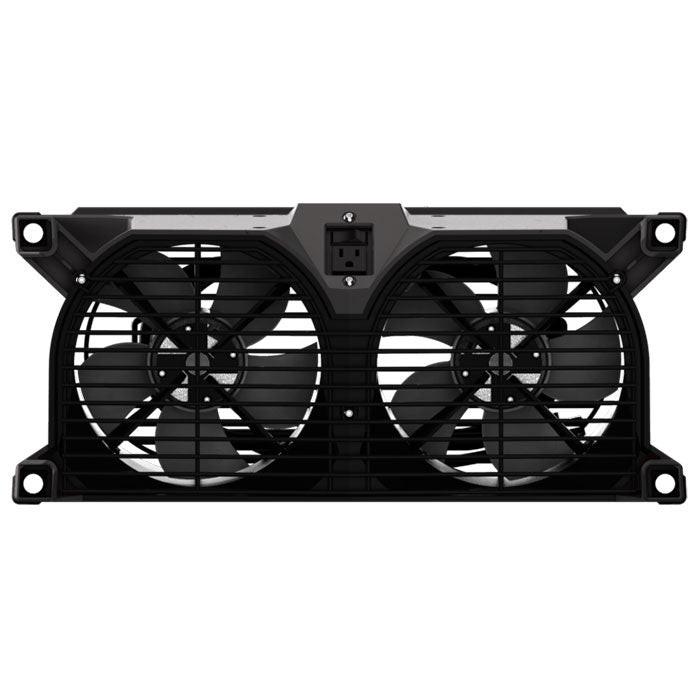
Wall-mount blowers (mounted horizontally on side walls) direct high-velocity airflow across the length of a grow room or greenhouse bay -- providing the air movement needed to equalize temperature across a 50-100+ foot horizontal span where standard oscillating fans would run out of effective range. Barrel fans and belt-drive blowers from J&D Manufacturing and Schaefer are the standard for large-scale greenhouse ventilation, providing 3,000-10,000+ CFM per unit. For commercial operations sizing high-velocity blower systems, the key design parameter is throwing distance -- how far the fan's effective airflow extends at useful velocity. High-velocity fans typically achieve effective throwing distances of 30-100+ feet depending on fan diameter and motor output.
Blower Fans vs. Inline Fans
Inline duct fans move air through closed ducting for air exchange (exhaust ventilation). Blower fans move air through open space for circulation and temperature equalization without requiring ductwork. Both serve different and complementary roles -- the inline fan handles air exchange while blowers handle the internal circulation that prevents temperature stratification -- the inline exhaust fan handles air exchange and odor control; blowers handle internal circulation to prevent temperature stratification, stagnant zones, and uneven climate distribution across large canopy areas. For humidity-managed grow rooms above 500 sq ft, adding directional blowers to supplement the exhaust fan system significantly improves environmental uniformity. Fast shipping.
Blower Fans FAQ
What is the difference between a blower fan and an oscillating fan?
Oscillating fans rotate side to side, distributing airflow in a wide sweep pattern across the canopy -- effective for moderate-distance air movement and providing the stem-strengthening airflow that plants benefit from. Blower fans and high-velocity directional fans move larger volumes of air in a fixed direction at high velocity without sweeping -- designed for long-distance air throwing across large rooms and greenhouses where oscillating fans run out of effective range. In a large commercial space, both work together: blowers equalize temperature and humidity across the full room footprint; oscillating circulation fans provide localized canopy-level airflow in each zone.
How many blower fans do I need for a large grow room?
For commercial grow rooms, a rule of thumb is one wall-mount blower per 500-1,000 sq ft of floor area, positioned for even air distribution across the full room. In a 2,000 sq ft room, two to four blowers positioned on opposing walls in a cross-circulation pattern provide more even temperature equalization than a single large blower pushing air from one end. For greenhouse bay ventilation, position HAF (horizontal airflow fan) blowers on alternating sides of the aisle every 50-75 feet for the cross-circulation pattern that commercial greenhouse ventilation standards recommend.
Can blower fans reduce hot spots under grow lights?
Yes -- this is one of their primary applications in high-intensity grow rooms. HPS and high-power LED fixtures create localized heat zones directly below them. Directional blowers aimed across the canopy at these hot zones move the warm air mass horizontally, replacing it with cooler air from the room perimeter. Without blowers, stratified heat accumulates directly under fixtures and creates temperature variation of 5-15 degrees F across the canopy in rooms with adequate overall temperature management. Blowers reduce this stratification and bring canopy-level temperature variation down to 2-5 degrees F, which improves canopy uniformity and reduces the frequency of heat-stress events.
What CFM should a grow room blower fan be rated for?
For circulation blowers (not exhaust): size for the air volume of the space rather than the air change rate used for exhaust fans. A general target for commercial grow room circulation is 2-4 room air changes per minute -- significantly faster than the 1 change per minute target for exhaust ventilation. A 1,000 sq ft room at 12 ft ceiling height (12,000 cu ft) targeting 3 circulation changes per minute needs 36,000 CFM of total circulation fan capacity. Distributed across multiple strategically positioned fans, this provides active temperature equalization across the full room volume.
Are blower fans noisy in a grow room?
High-velocity blowers are generally louder than standard oscillating fans due to their higher motor output and airspeed. Noise level varies significantly by fan type and mounting -- belt-drive industrial fans are typically louder than direct-drive models; wall-mounted units vibrate against the wall if not isolated with rubber mounts. For operations in residential or mixed-use buildings where noise is a concern, direct-drive fans with rubber vibration isolators at mount points, operated at moderate speed via a variable frequency drive, provide the most noise-managed approach. For greenhouse and commercial warehouse applications where some fan noise is acceptable, standard commercial fan mounting is adequate.