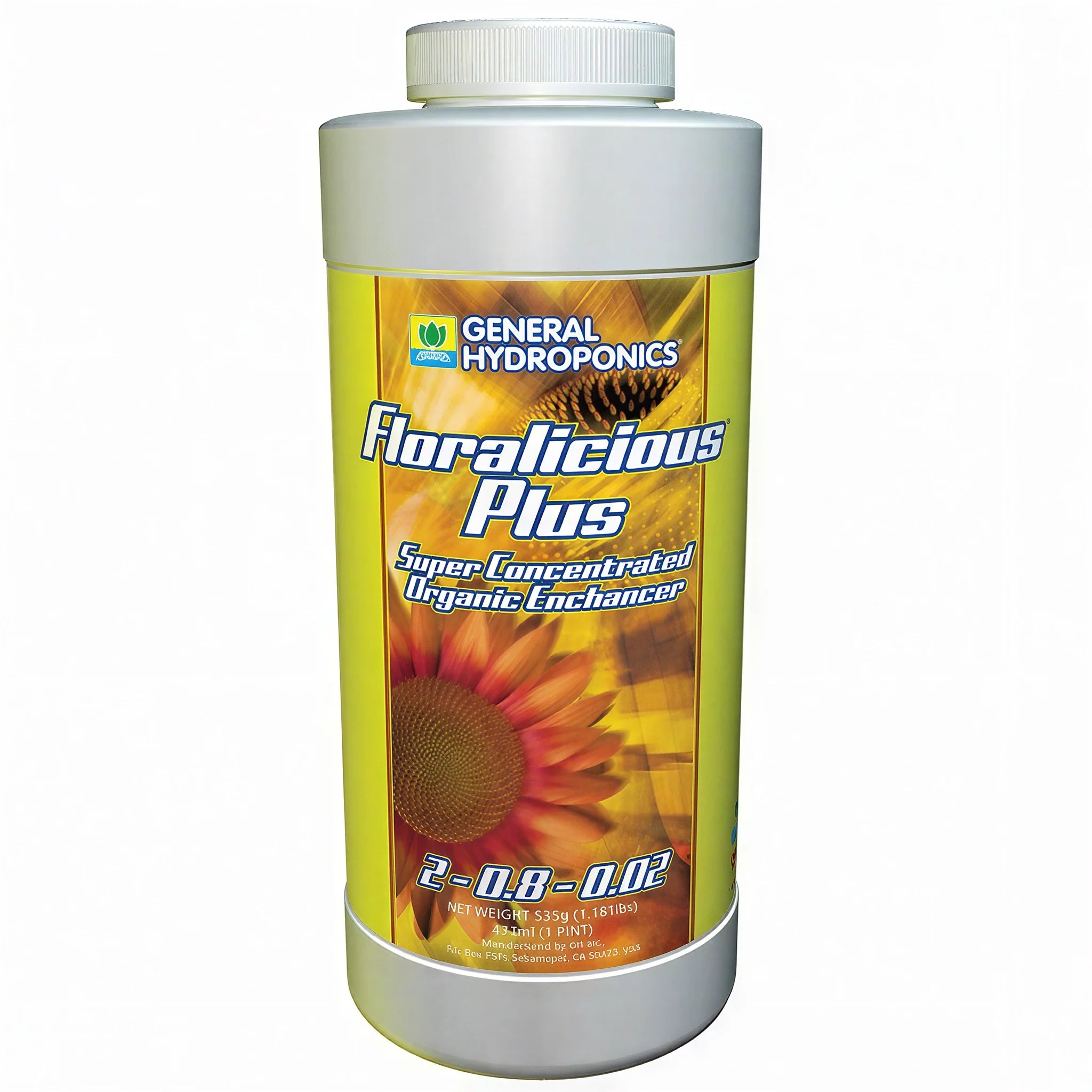
Bloom Boosters & Flowering Enhancers for Indoor Growing
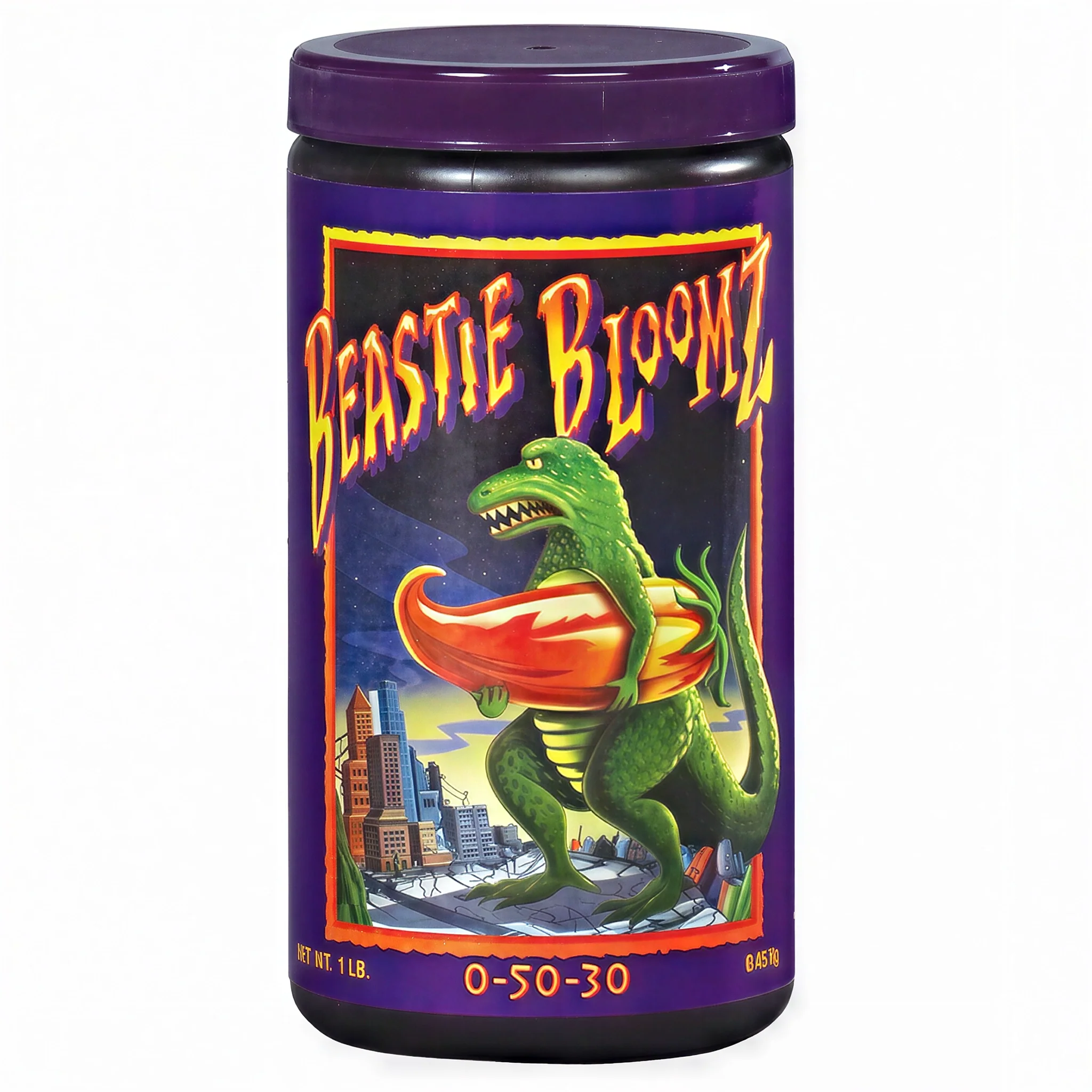
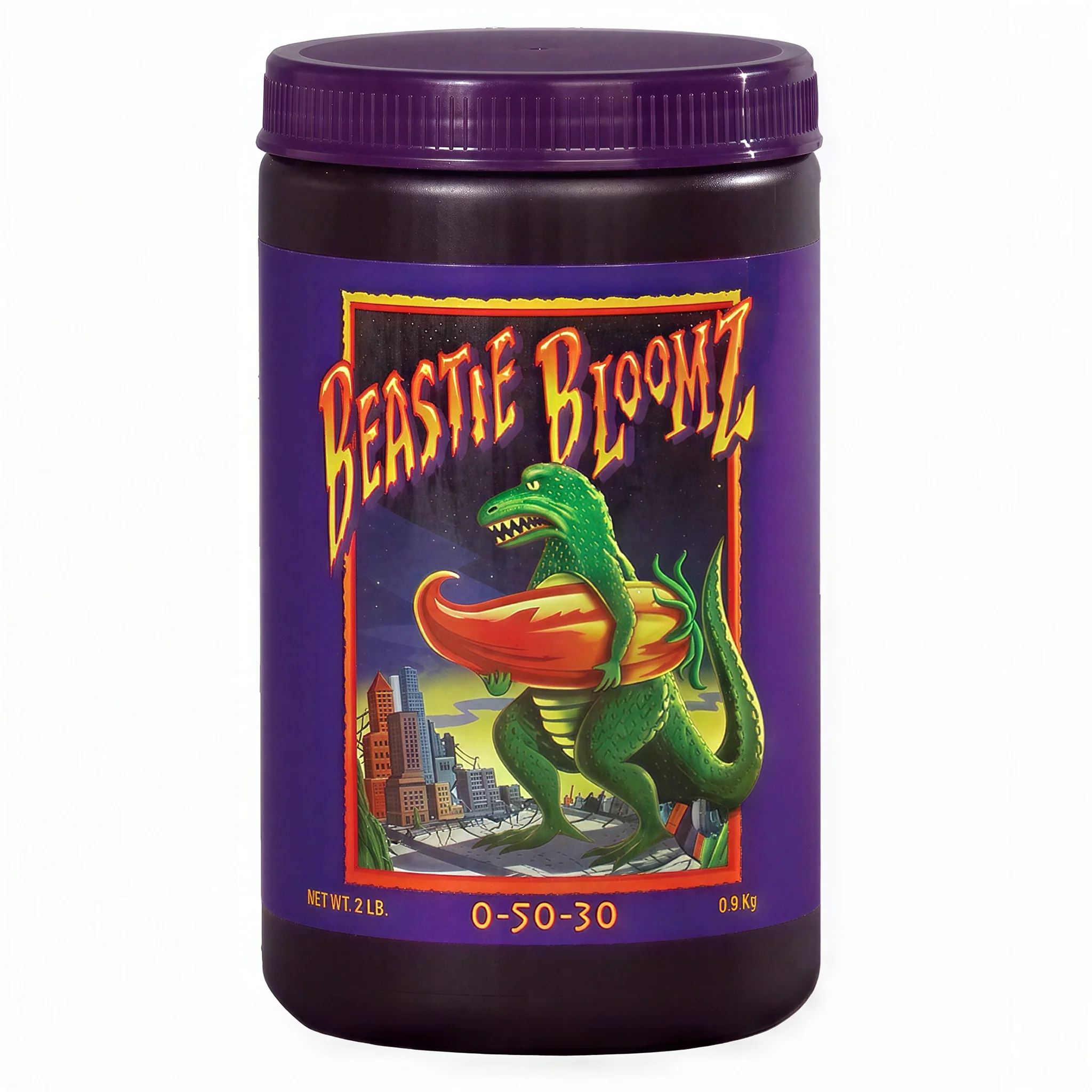
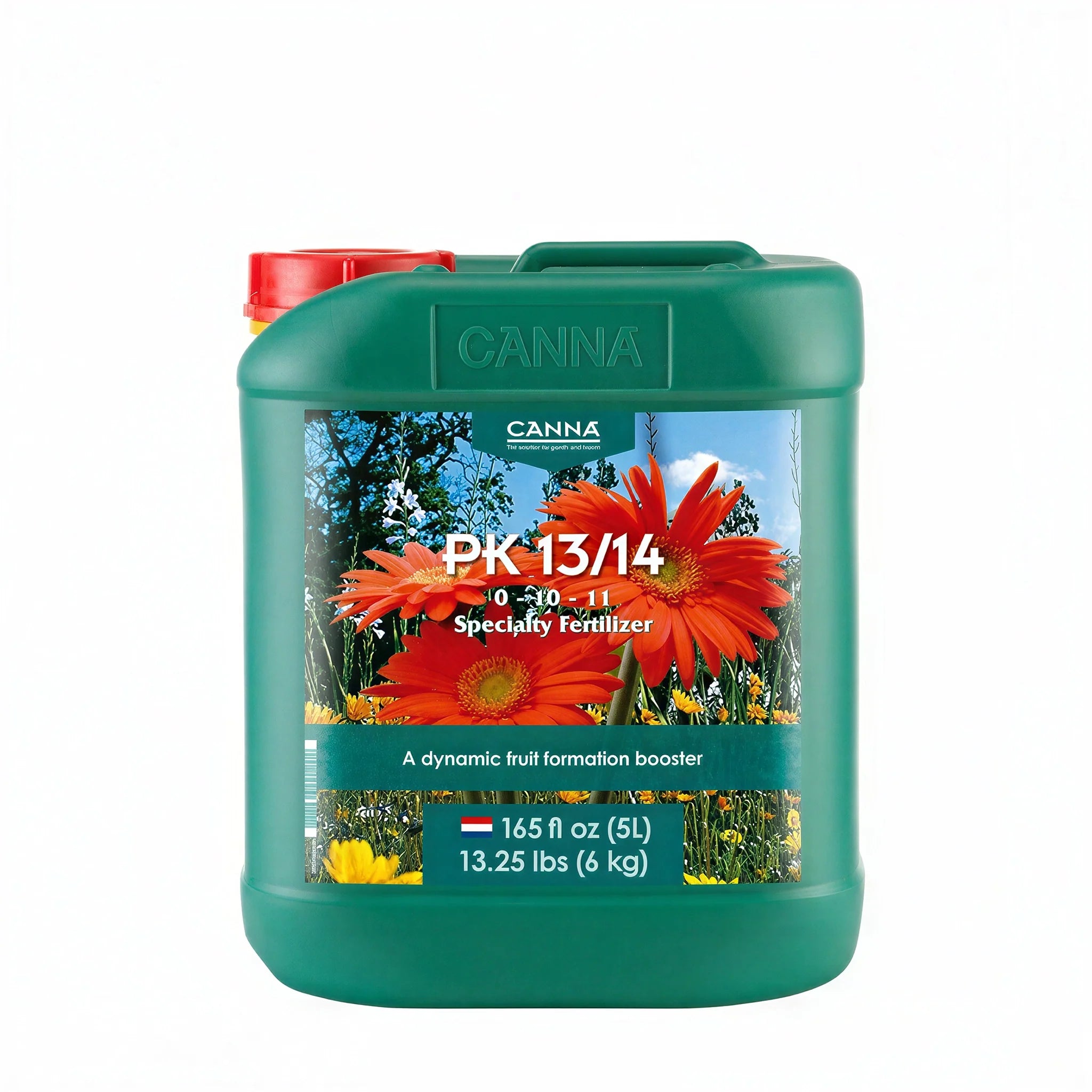
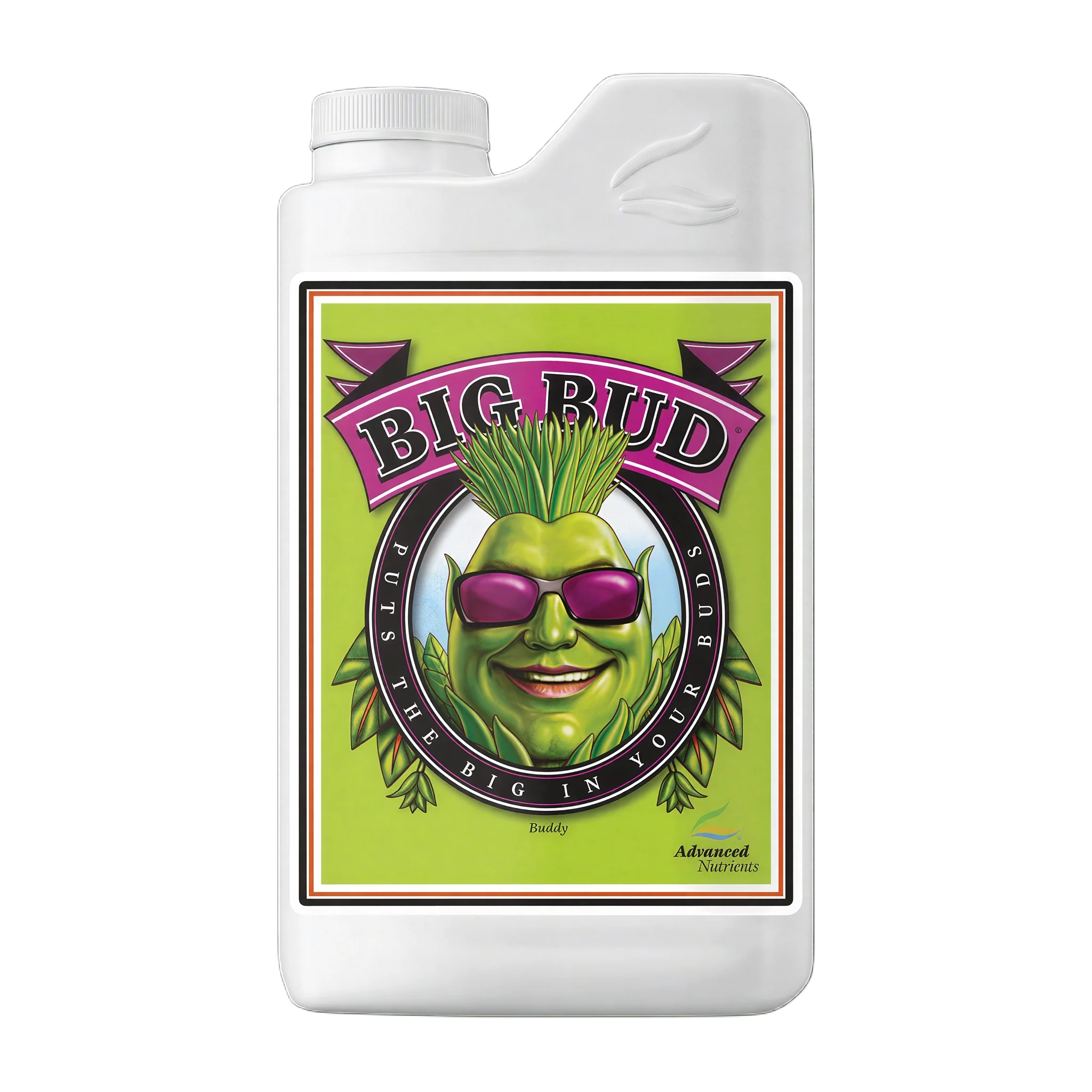
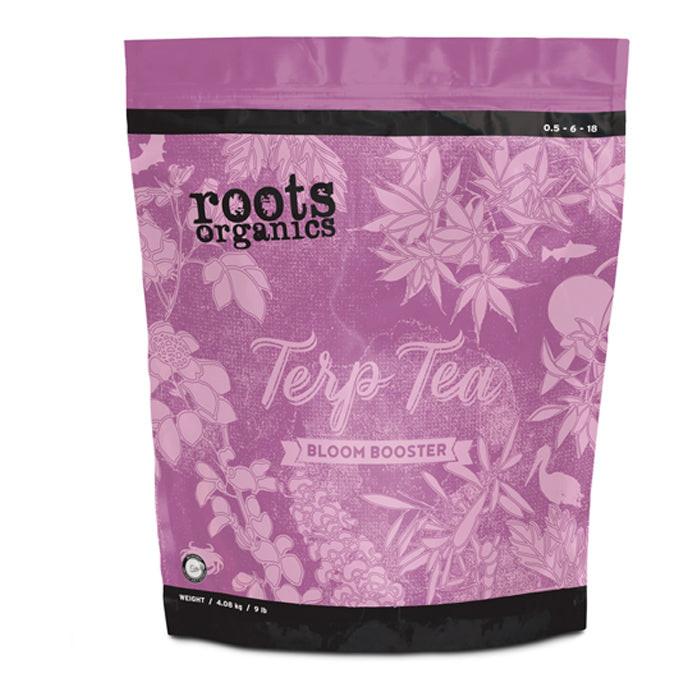
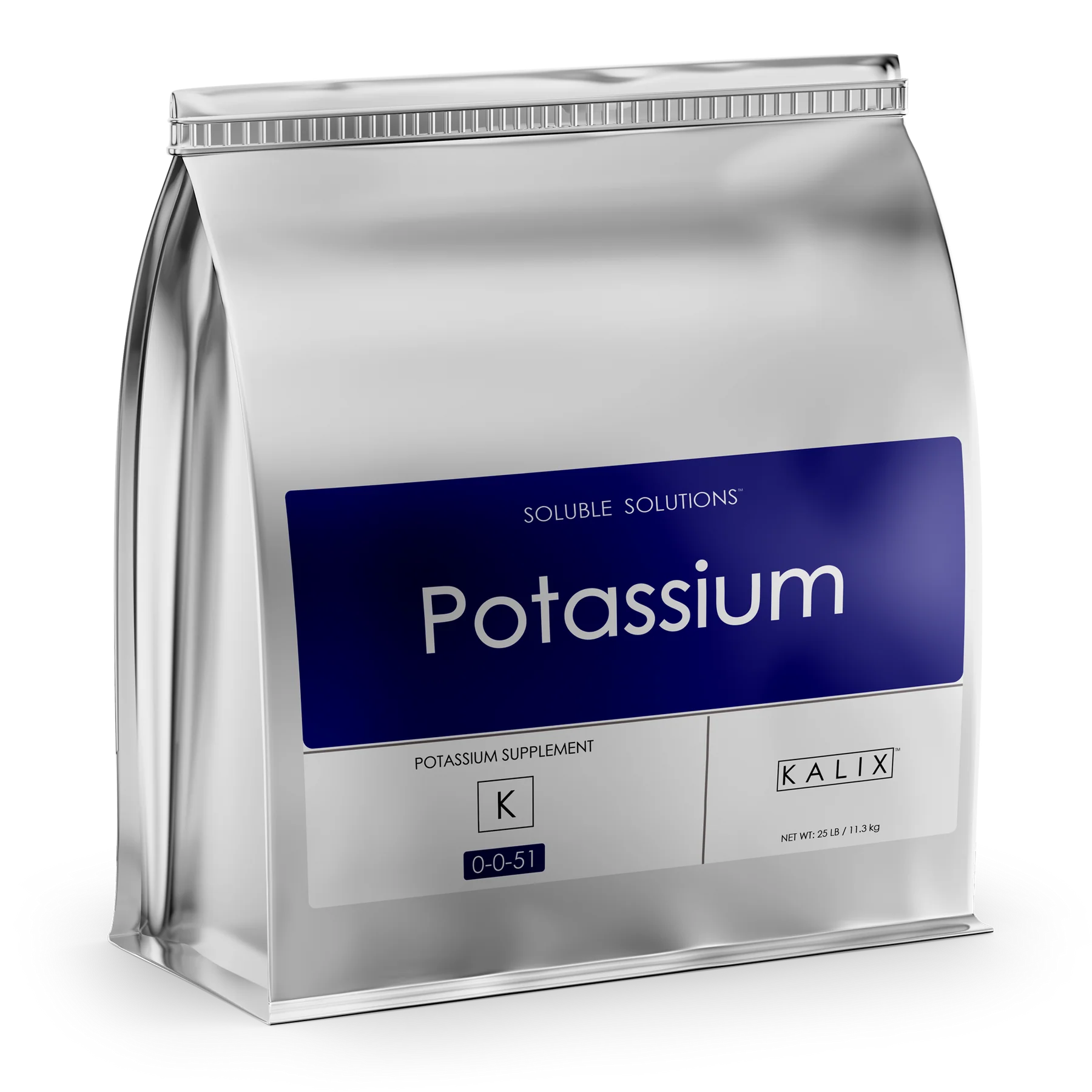
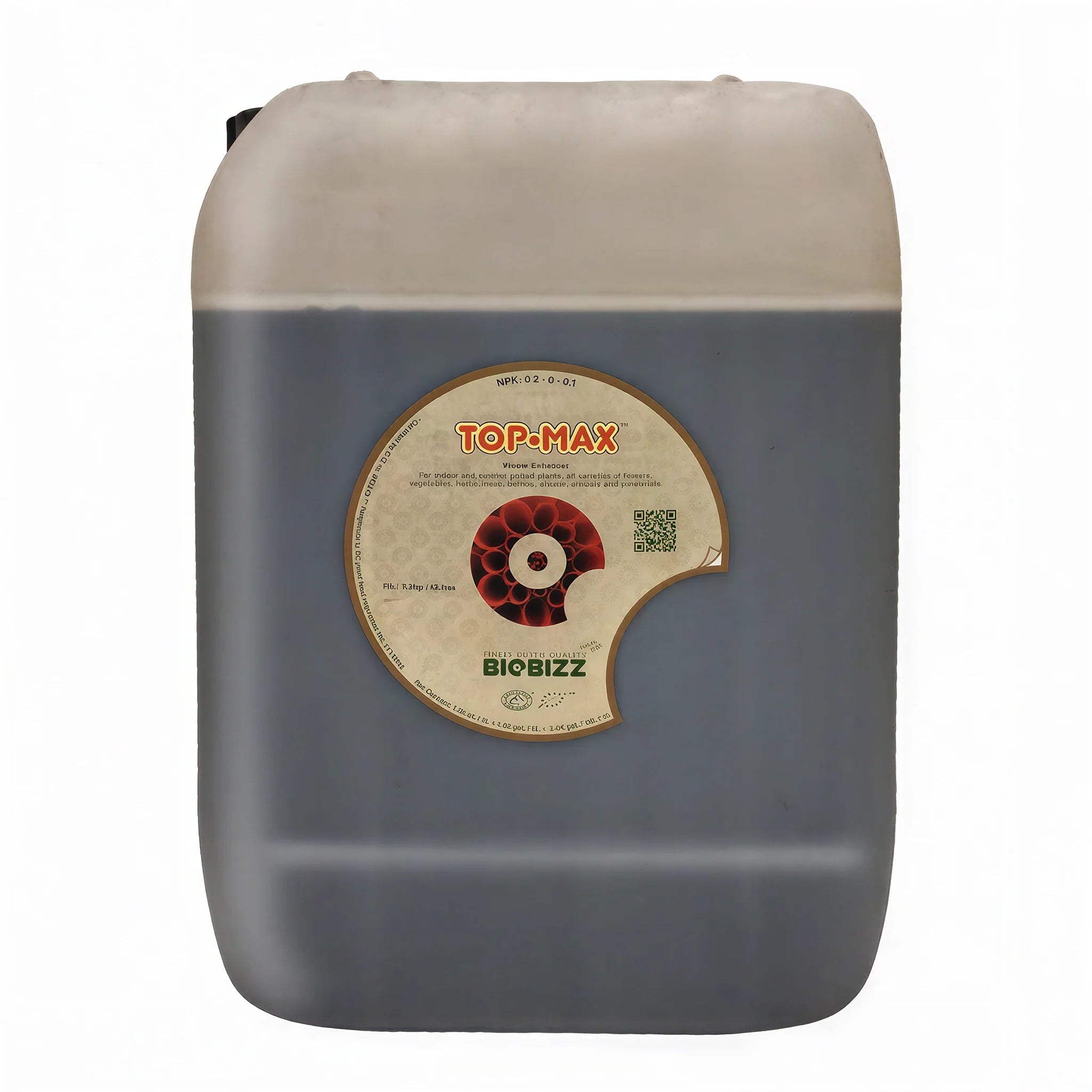
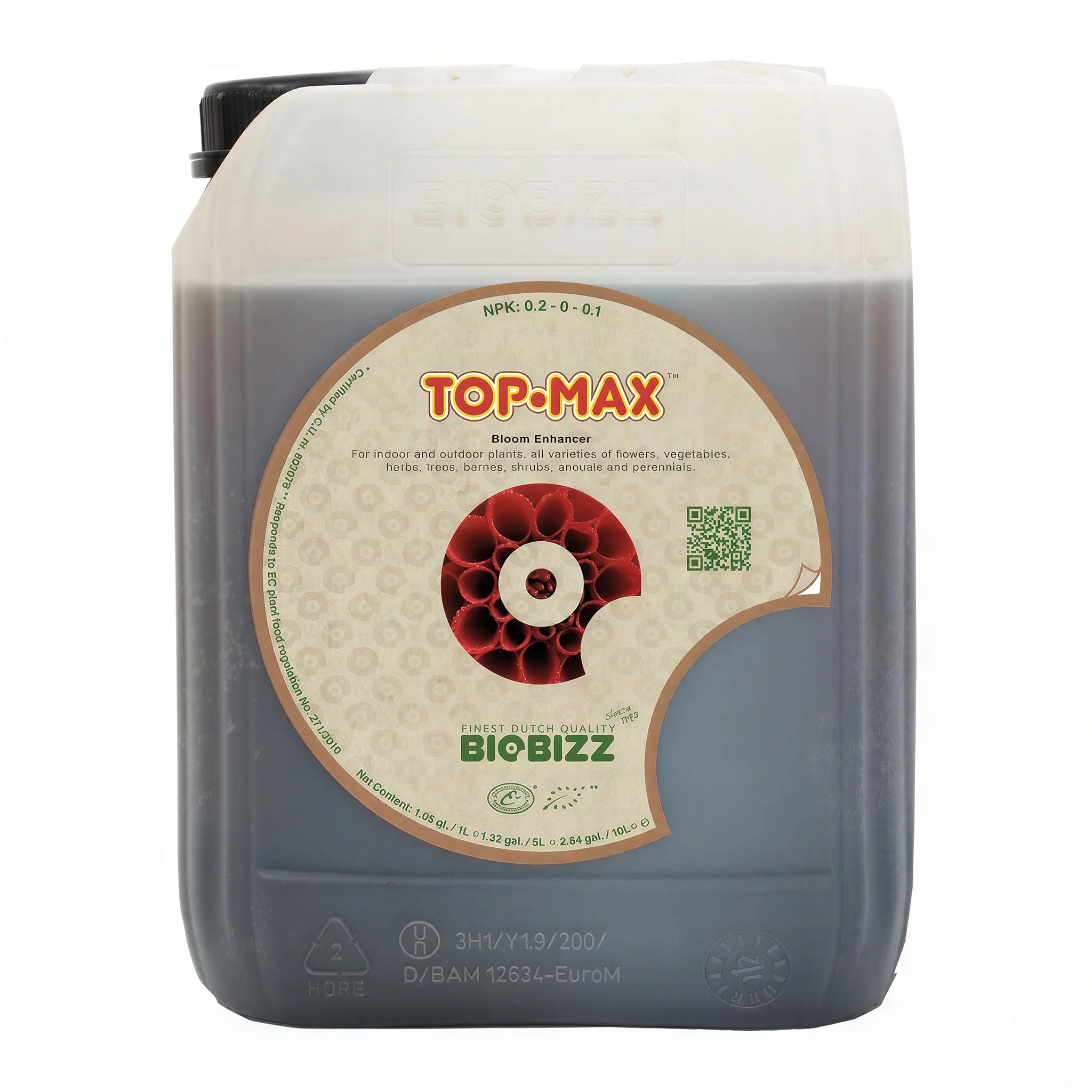
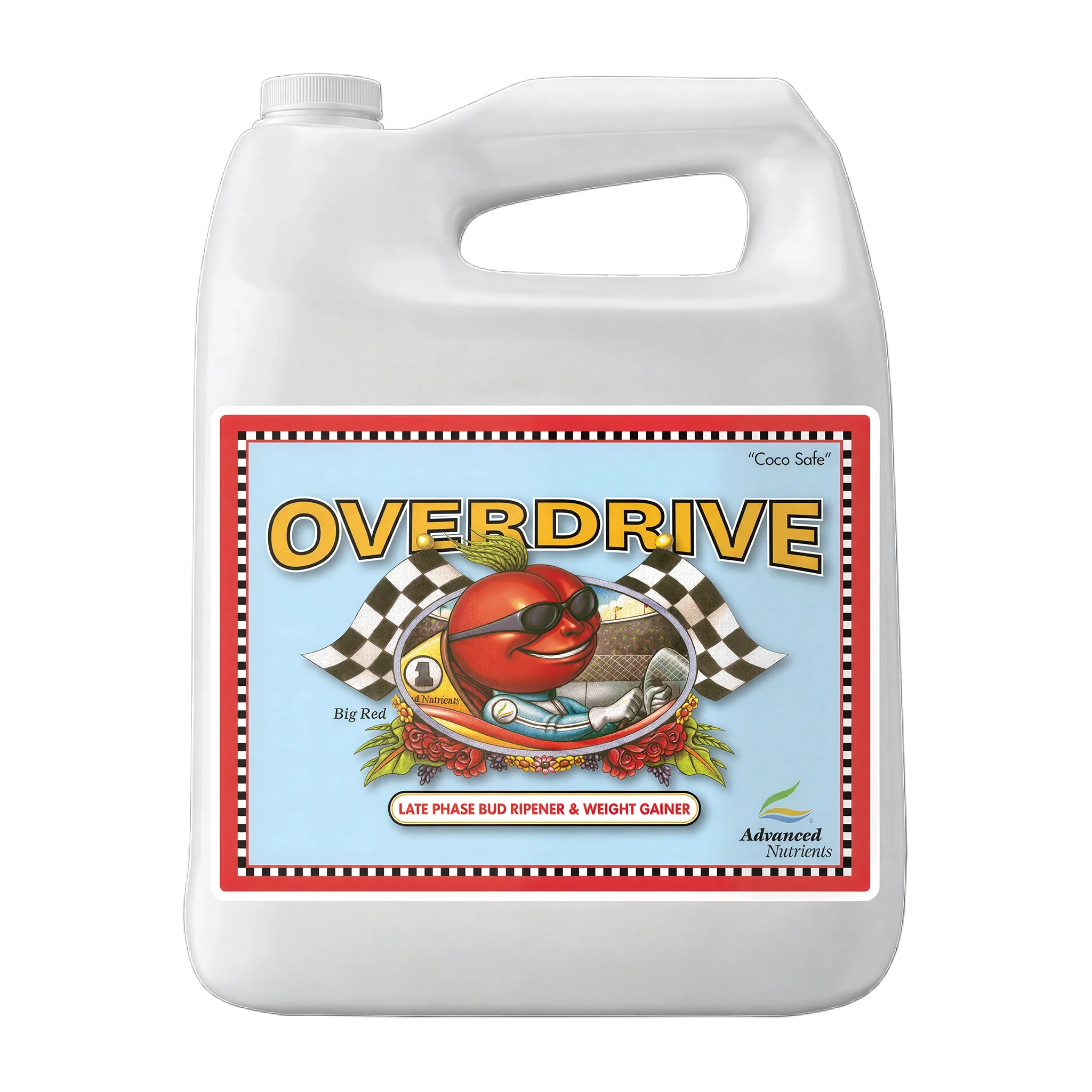
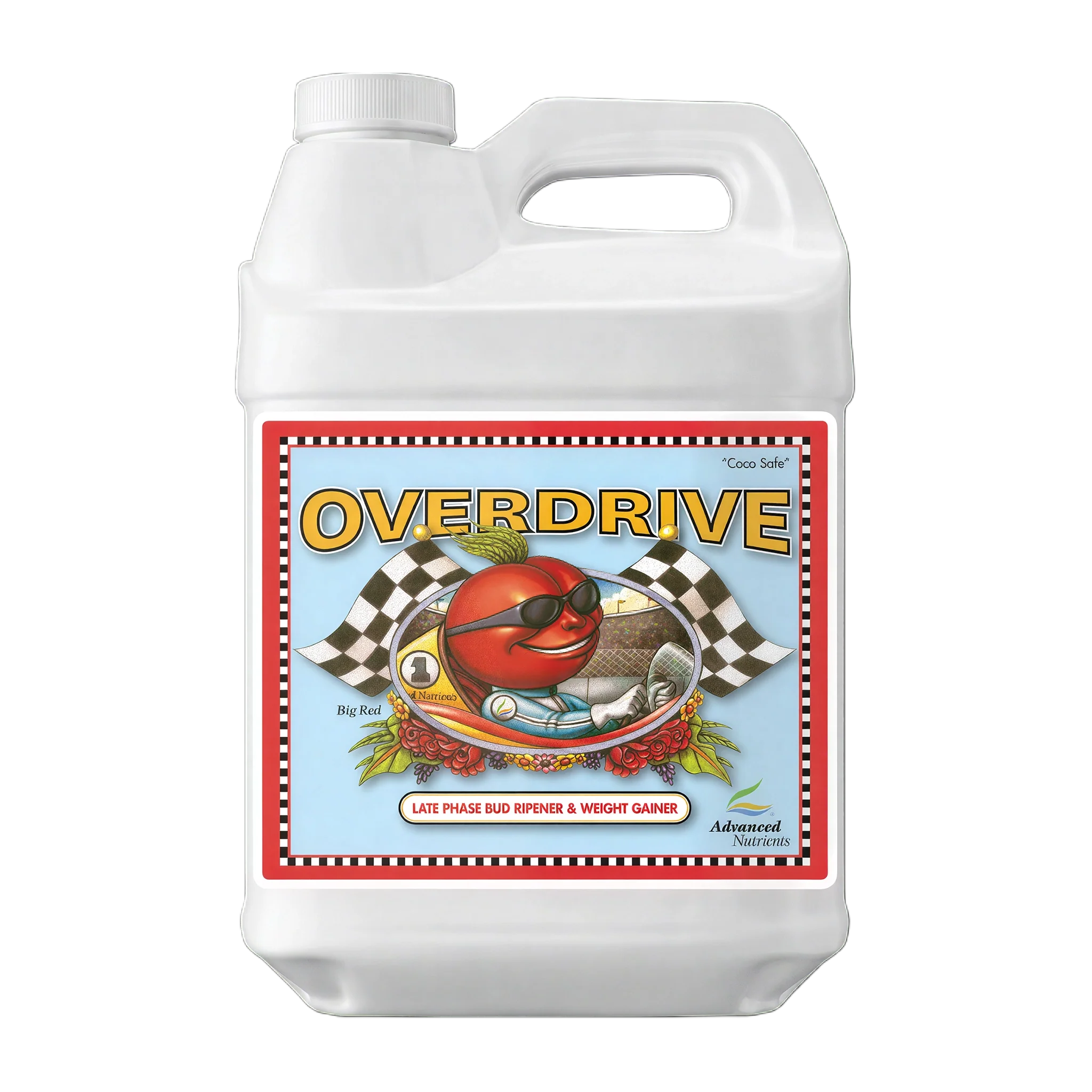
Bloom boosters are supplemental nutrient products applied during the flowering stage to push specific elements -- primarily phosphorus and potassium -- above the levels provided by a standard base nutrient program. The rationale: during peak flower development, plant demand for phosphorus (drives energy transfer, root development, and flower structure) and potassium (drives water movement, enzyme activation, and fruit/flower quality) increases substantially above vegetative requirements. Bloom boosters deliver a concentrated PK loading at the precise stage when plant demand is highest, supporting denser, heavier flower development compared to base nutrients alone at standard rates.
PK Boosters: Phosphorus-Potassium Additives
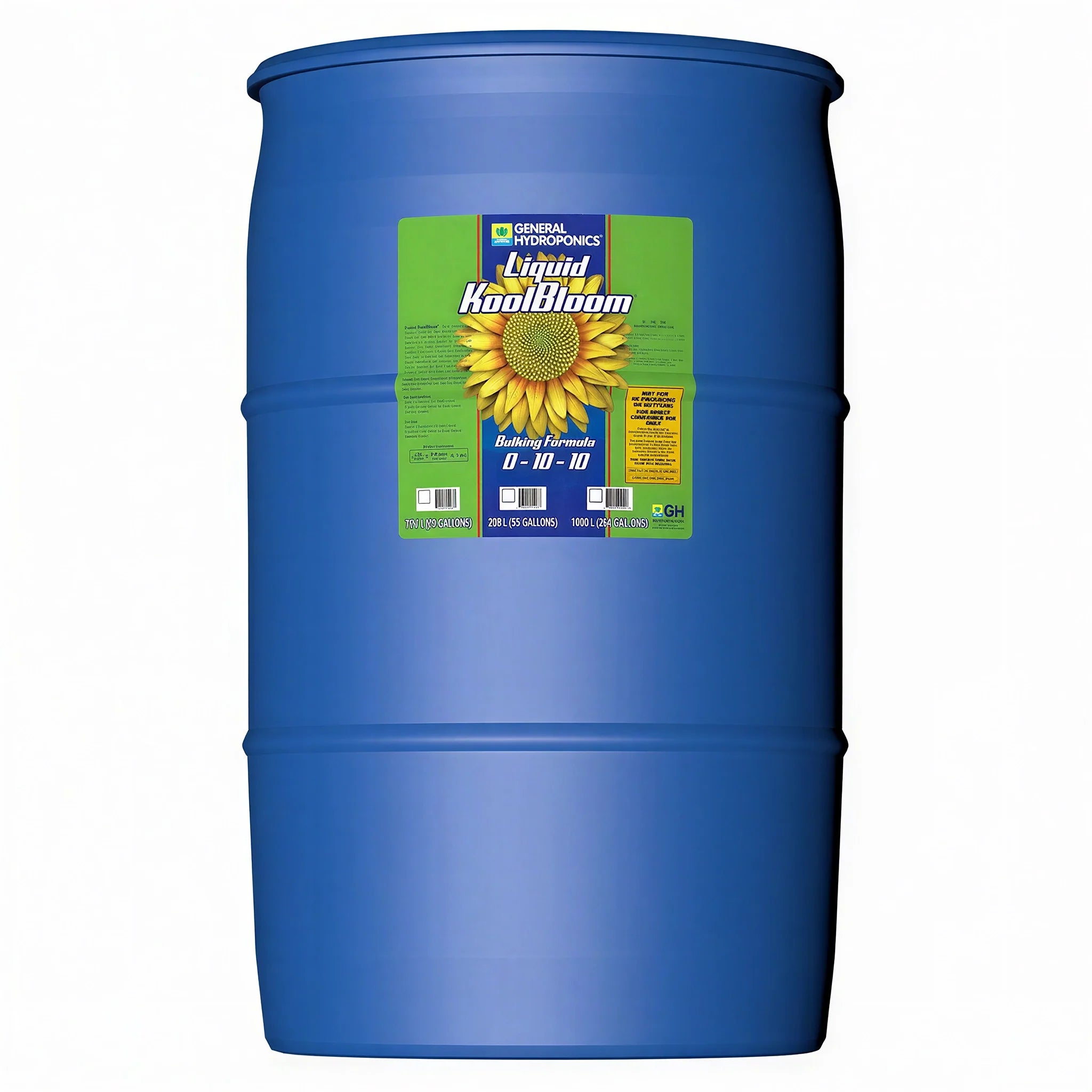
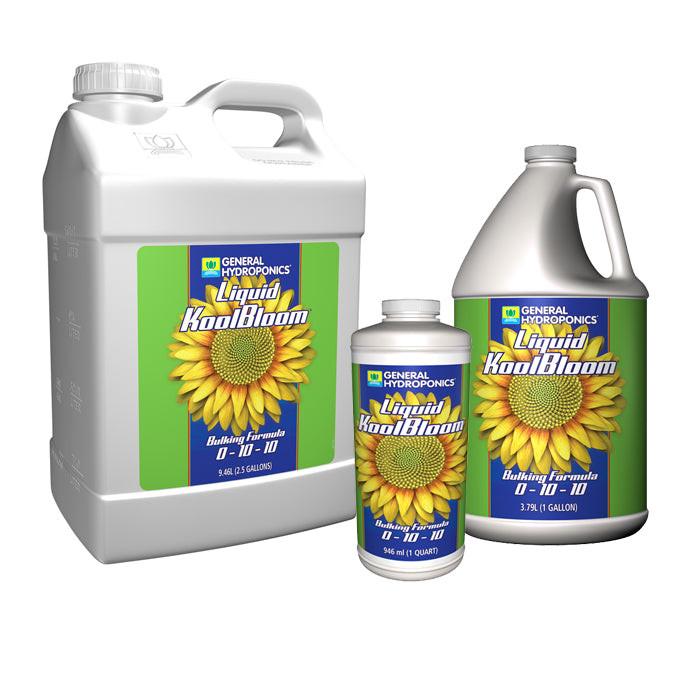
Phosphorus-potassium (PK) boosters are the most widely used bloom enhancement category -- typically a concentrated solution of monopotassium phosphate or similar phosphorus and potassium salts applied at elevated rates during the peak flower development window. Most PK boosters are used for 2-4 weeks during the middle of the flowering stage, then discontinued before the final ripening phase. General Hydroponics KoolBloom (Liquid and Dry) is one of the most widely used PK booster products in hobby and commercial growing -- Liquid KoolBloom applied during peak flower development, Dry KoolBloom in the final 1-2 weeks as a ripening agent. Overdosing PK boosters is a common mistake -- excess phosphorus suppresses calcium and magnesium uptake, leading to deficiency symptoms that are often misdiagnosed. Follow manufacturer dosing rates and monitor EC carefully, as PK boosters add meaningfully to total solution EC.
Carbohydrate Supplements & Bio-Stimulants
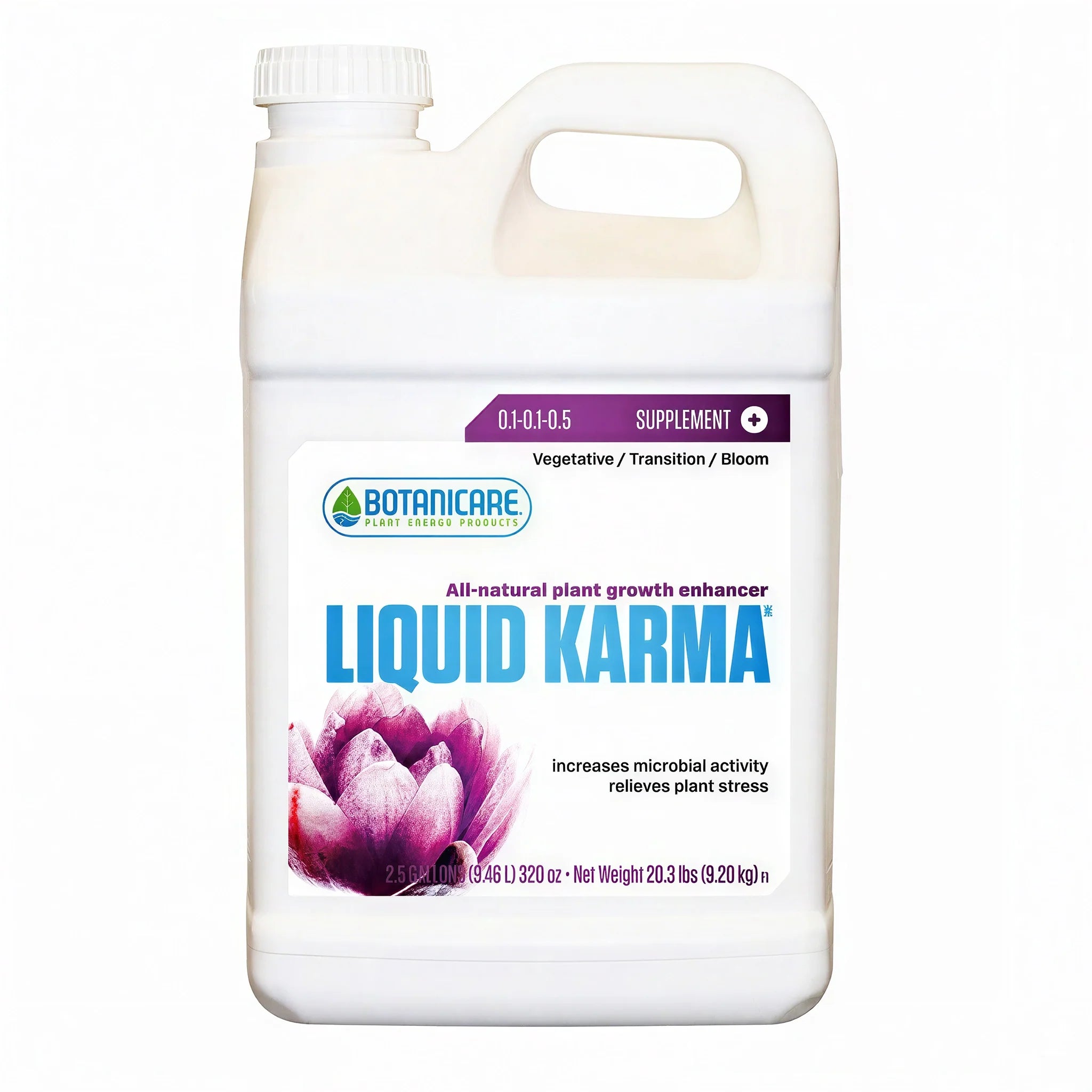
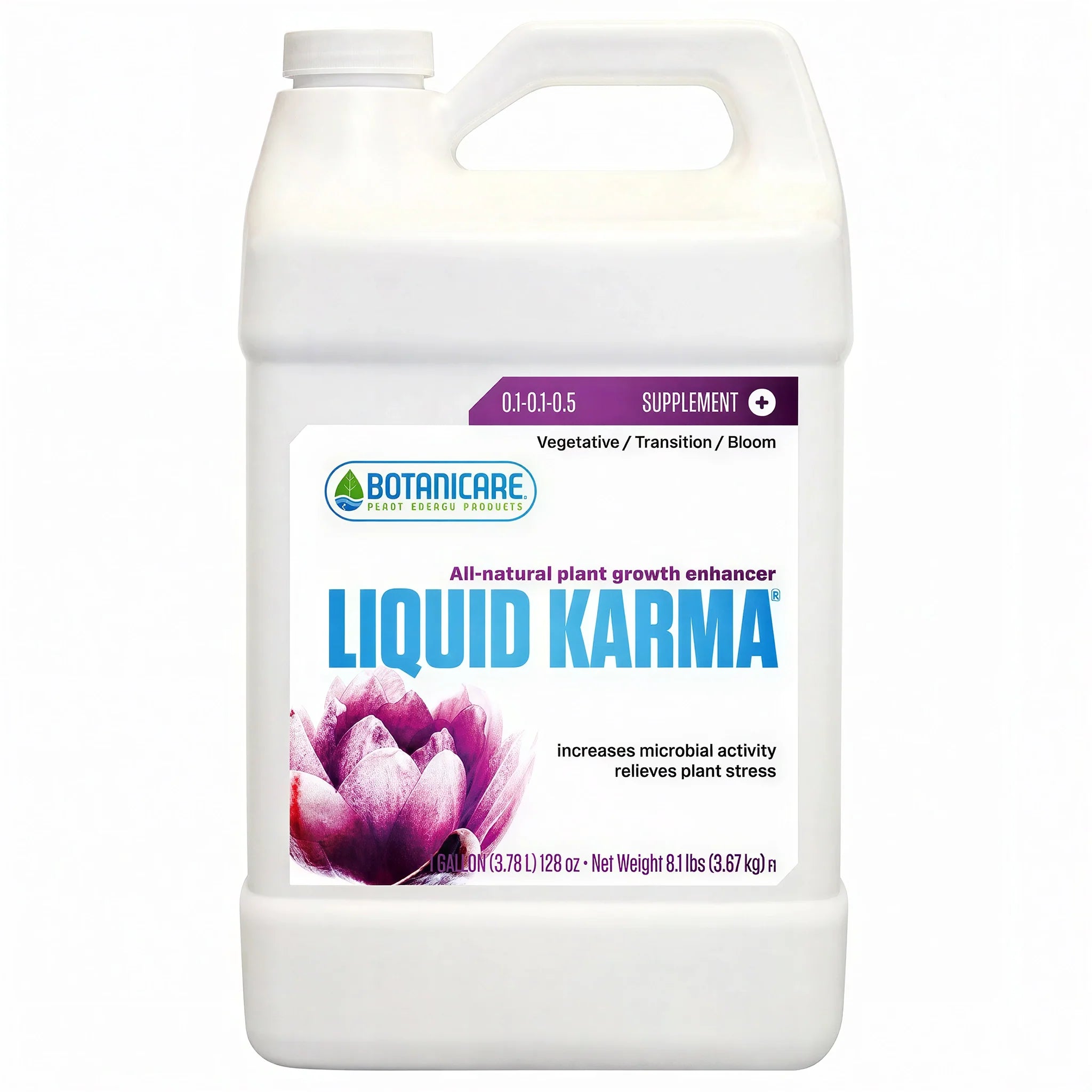
Beyond PK, the bloom enhancer category includes carbohydrate supplements (molasses, sugar-based products) that feed beneficial root zone microorganisms in soil and organic growing systems, and bio-stimulants (fulvic acid, humic acid, amino acid complexes) that improve nutrient uptake efficiency and plant stress tolerance. These products are distinct from PK boosters -- they work on the rhizosphere biology and plant metabolism rather than directly adding mineral nutrients. In hydroponic systems where microbial activity is minimal, carbohydrate supplements provide less benefit than in living soil programs. Bio-stimulants like fulvic acid and amino acids benefit both hydroponic and soil grows by improving the efficiency of whatever base nutrient program is already in use. Monitor total EC carefully when adding bloom boosters using an EC meter -- bloom boosters add 0.3-0.8 EC units at typical doses. Pair with your base hydroponic nutrient program for best results. Fast shipping.
Bloom Boosters FAQ
Do bloom boosters actually work?
Yes -- when used correctly and at the right stage, PK bloom boosters consistently produce measurable improvements in flower density and final flower weight in well-managed grows. The mechanism is straightforward: plant phosphorus and potassium demand increases significantly during peak flower development, and most base nutrient programs are not formulated to deliver peak-demand levels at this stage. A properly dosed PK booster applied during the 2-4 week window of maximum flower development fills this gap. The most common failure modes: overdosing (excess phosphorus blocks calcium and magnesium uptake, creating deficiency symptoms that offset any bloom benefit) and mis-timing (applying boosters outside the peak demand window, or using them as a substitute for a quality base nutrient program). Bloom boosters work as supplements to a complete base program, not as replacements for it.
When should I start and stop using bloom boosters?
Most PK bloom boosters are applied for 2-4 weeks during the middle portion of the flowering cycle -- typically beginning 2-3 weeks after flowering initiation and continuing until 1-2 weeks before intended harvest. The final pre-harvest period (often called the flush or ripening phase) is when PK boosters are discontinued and either plain water or a low-EC final ripening product is used instead. Dry KoolBloom (General Hydroponics) is specifically designed for the final 1-2 week ripening phase at very high PK concentration -- a distinct product from the mid-flower liquid boosters. Always follow the manufacturer's specific timing guidance for each product, as application windows vary between brands.
Can I use bloom boosters with Athena or General Hydroponics nutrients?
Yes -- bloom boosters are supplemental products designed to stack on top of any base nutrient program. With Athena Blended Line or Pro Line, Athena's own Stack supplement is the designed bloom enhancer for their system -- formulated to complement Athena's base nutrient ratios without creating antagonism. With General Hydroponics FloraSeries, Liquid KoolBloom (mid-flower) and Dry KoolBloom (late flowering) are the designed pairing. Most bloom boosters from any brand can be used alongside any base nutrient program at appropriate rates, but always check combined EC -- bloom boosters add 0.3-0.8 EC units at typical doses, which must be accounted for in your total target EC. Use our Nutrient Mixing Calculator to model combined EC.
What is the difference between a PK booster and a carbohydrate supplement?
PK boosters add concentrated phosphorus and potassium directly to the nutrient solution, increasing the mineral loading available to plant roots during peak flower development. Carbohydrate supplements (molasses, sucrose-based products) feed beneficial microbial populations in the root zone -- primarily effective in living soil and organic growing programs where rhizosphere biology plays a role in nutrient delivery. In sterile hydroponic systems with minimal microbial activity, carbohydrate supplements add EC without the biological pathway to benefit from them, making them less impactful than in soil. In soil and organic programs, carbohydrate supplements support the microbial populations that make nutrients bioavailable from organic matter -- a meaningful indirect contribution to plant performance.