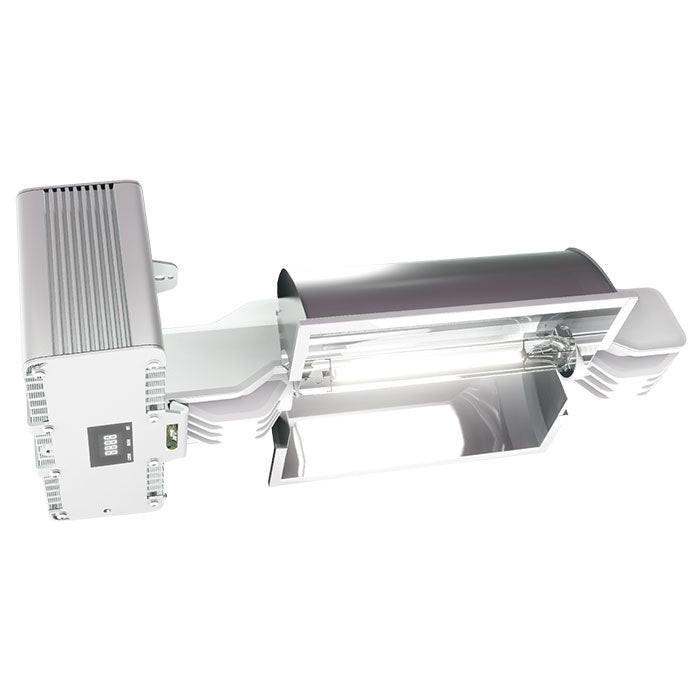
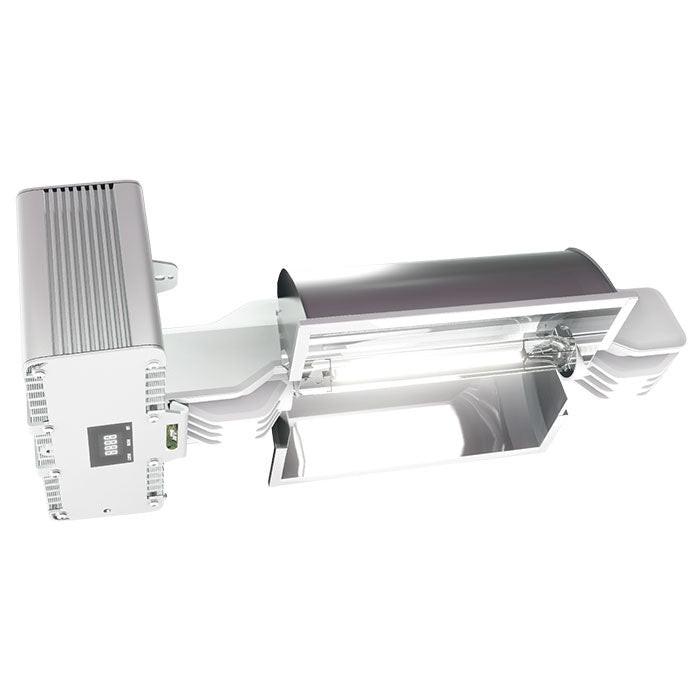
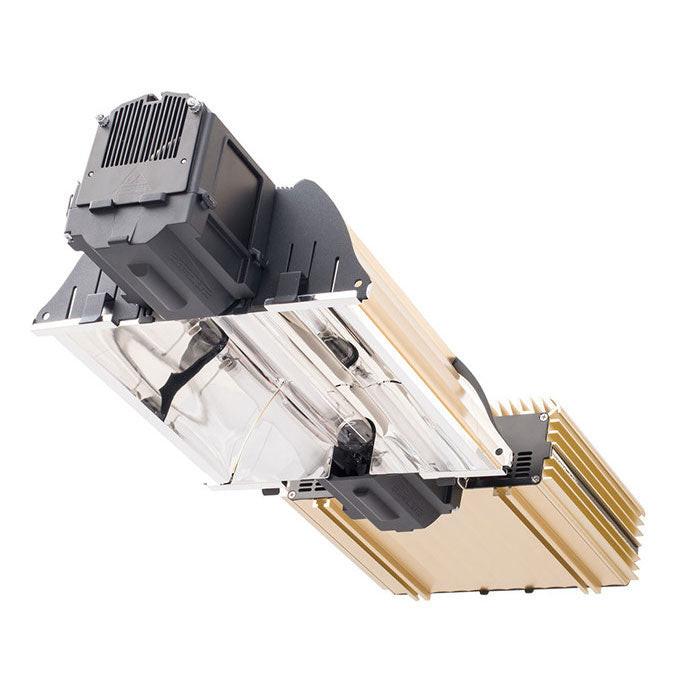
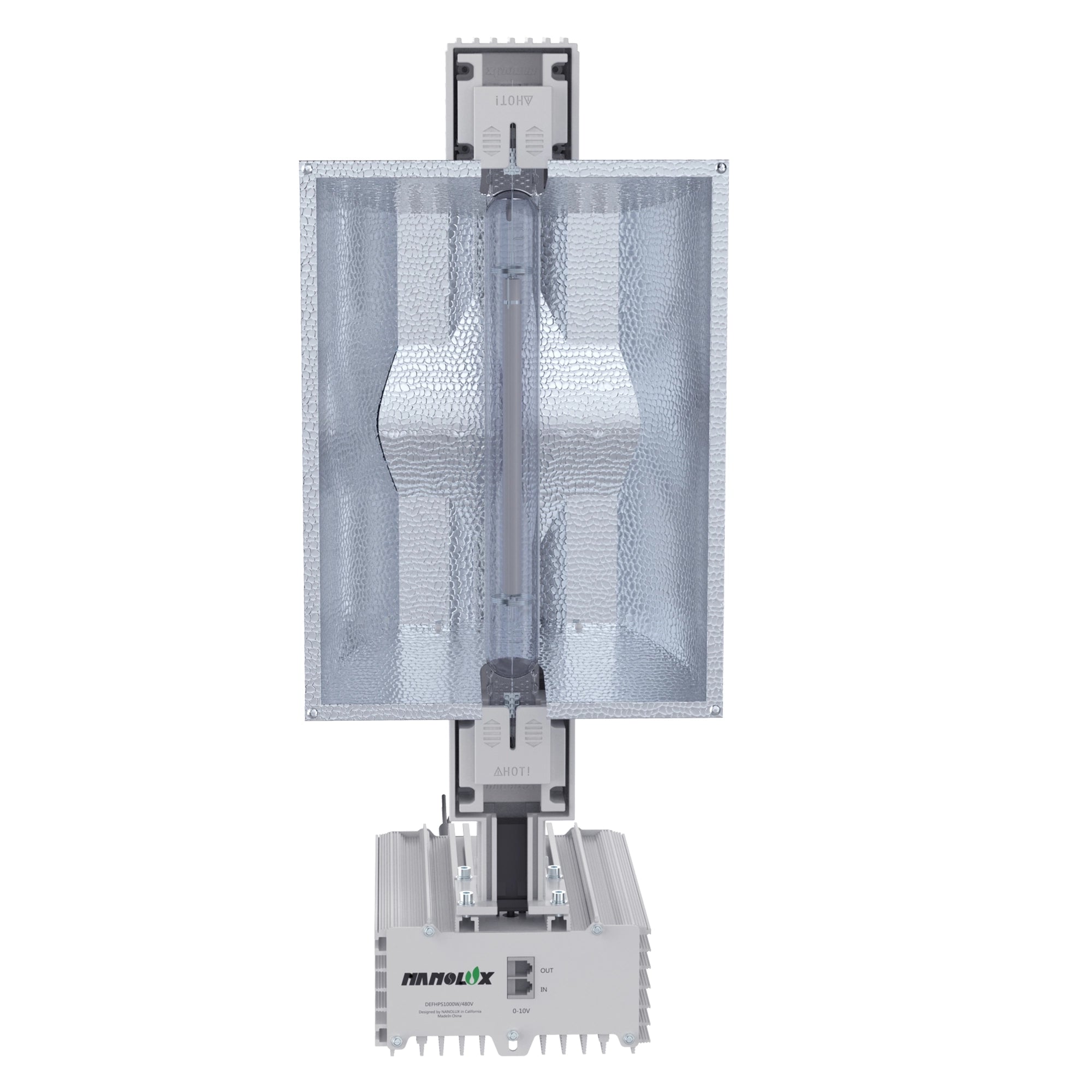
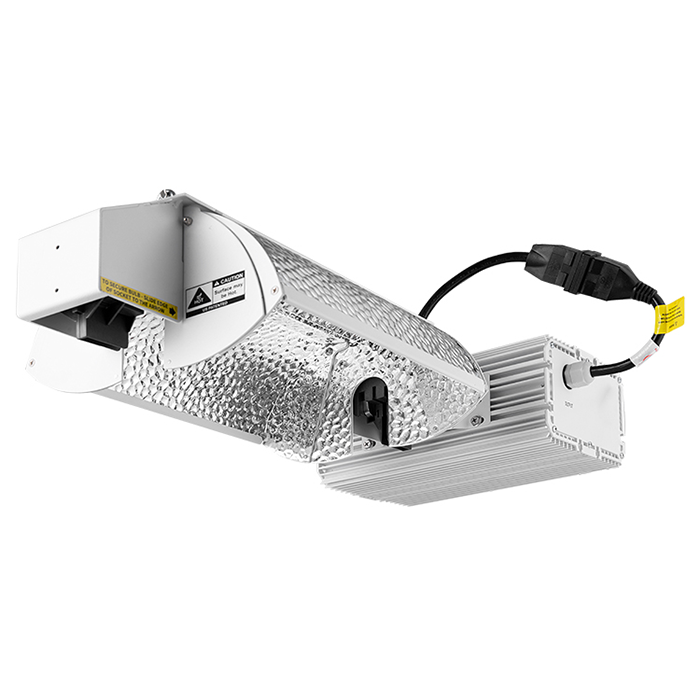
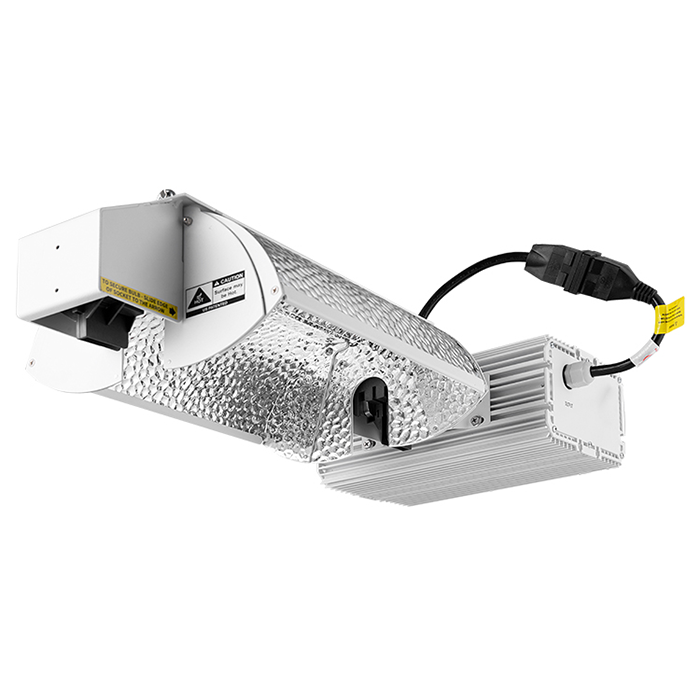
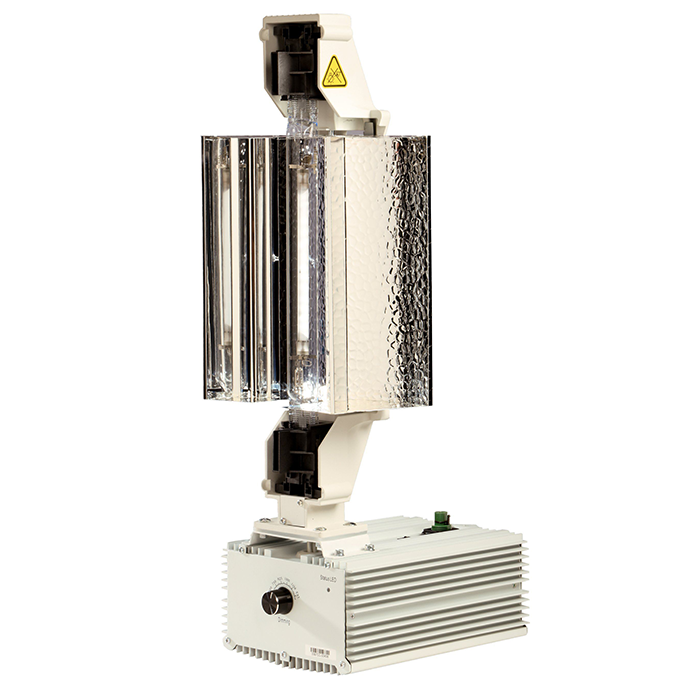
1000 Watt Double-Ended HPS & MH Grow Lights
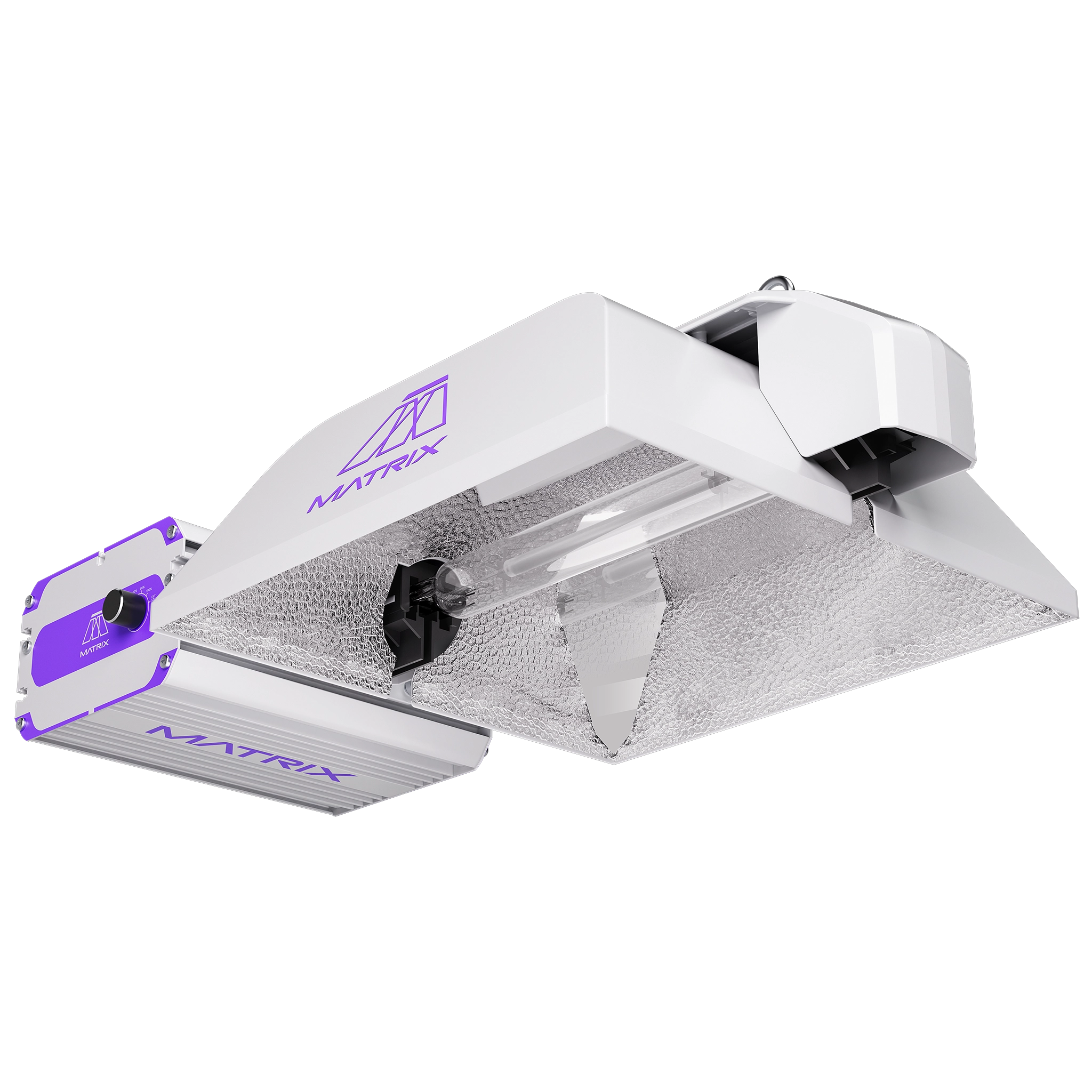
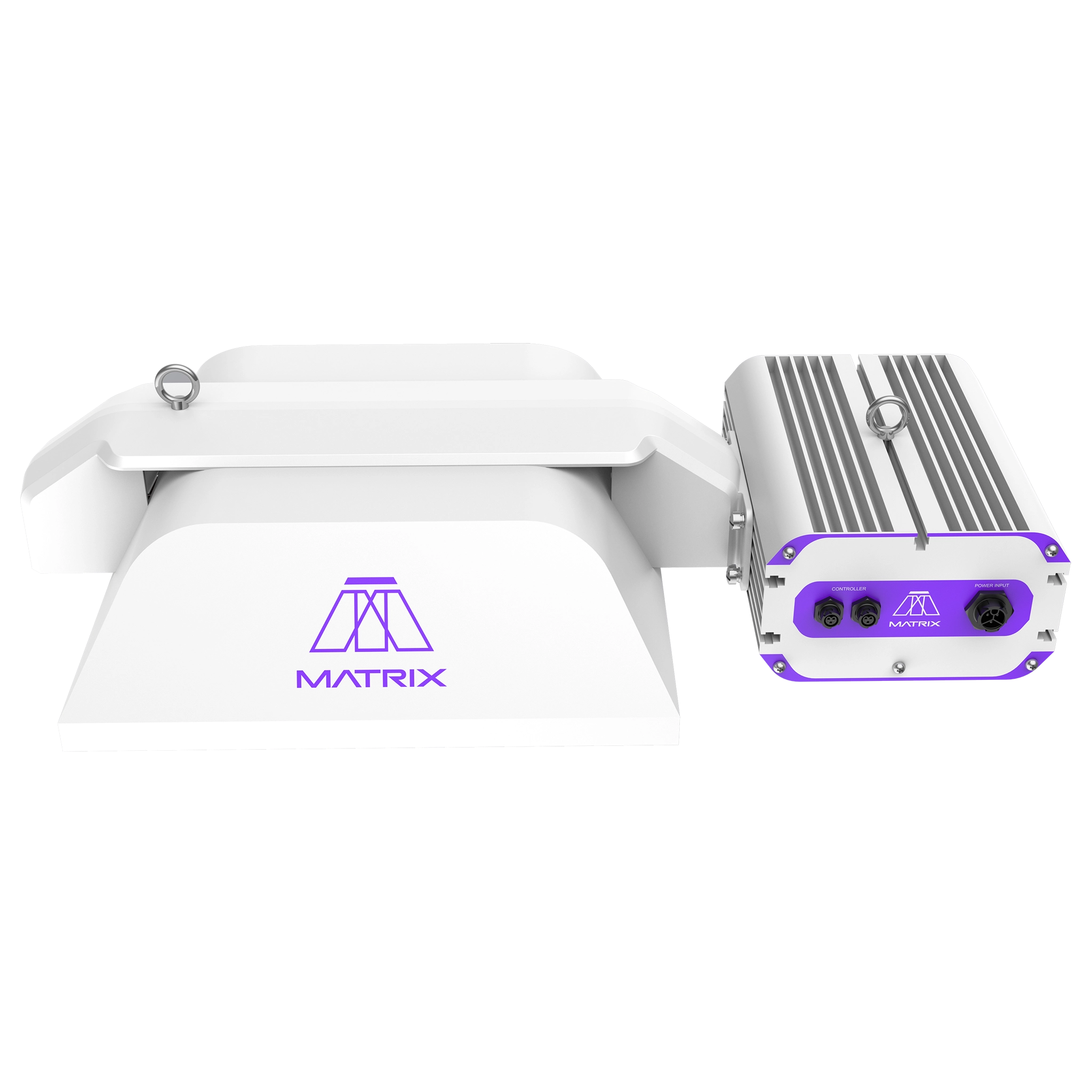
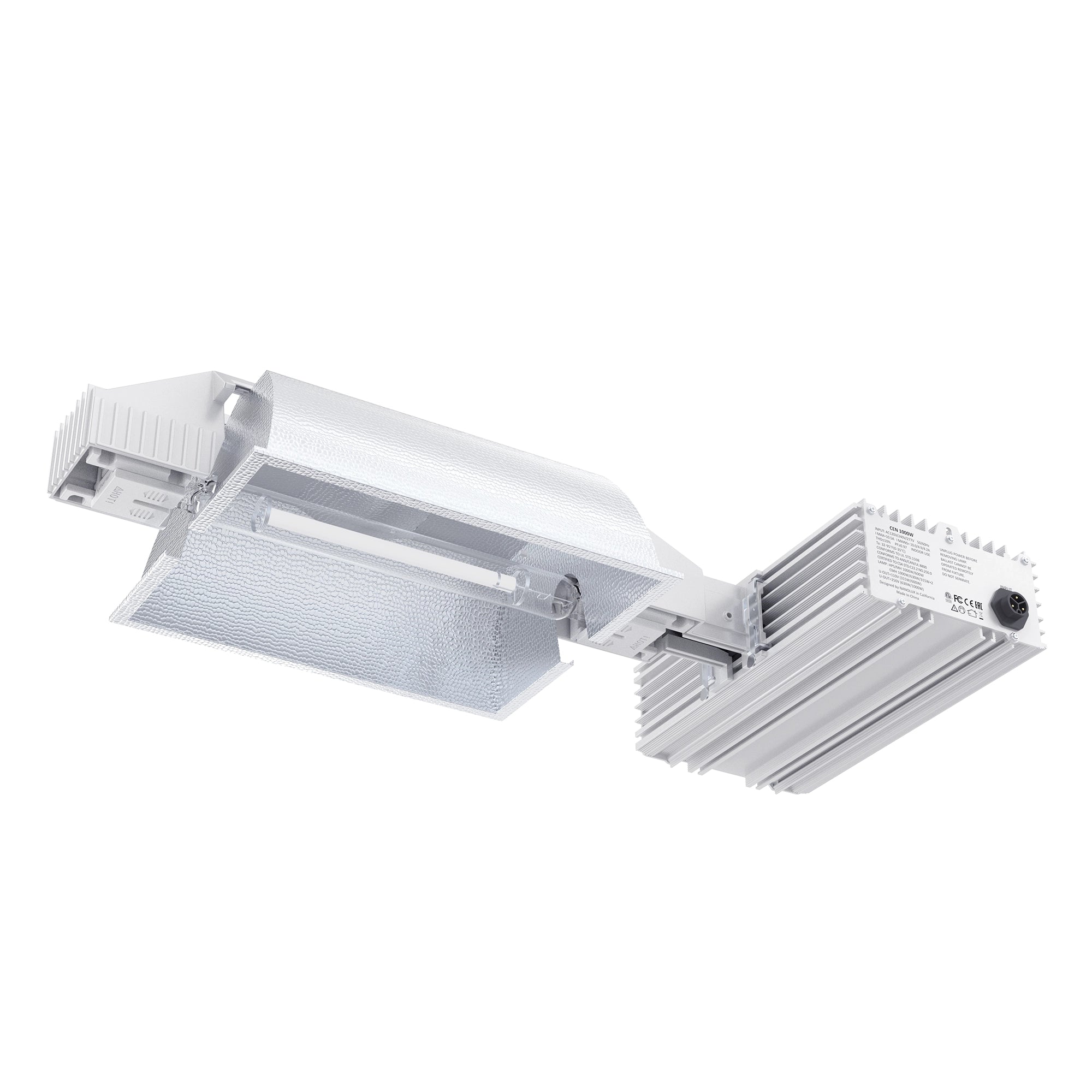
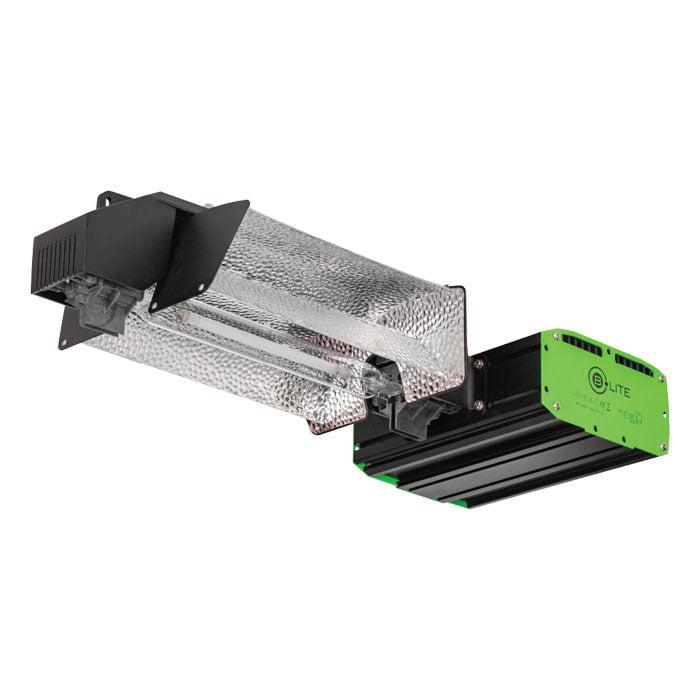
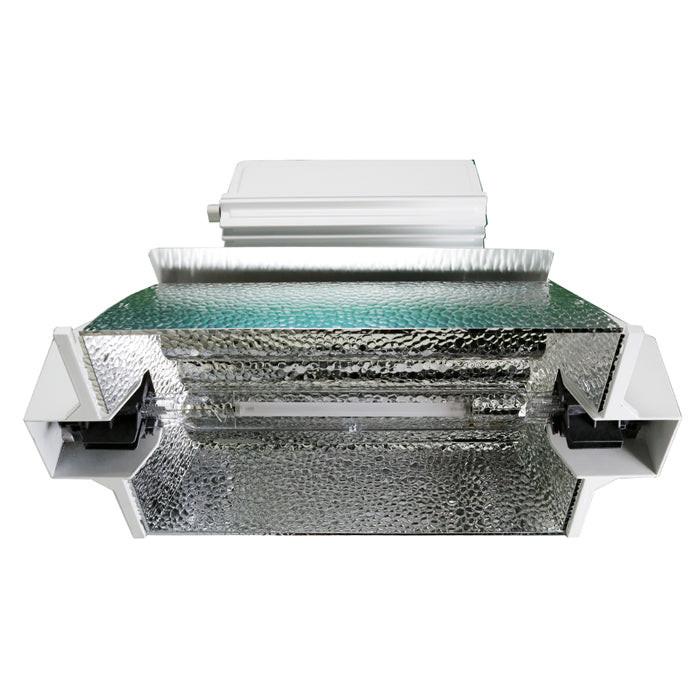
Double-ended (DE) HPS grow lights are the premium format in the HID category -- the arc tube is connected at both ends of the fixture (unlike single-ended bulbs that connect at one base), allowing the filament to run hotter and produce more total light output per watt than single-ended HPS. A 1000W DE HPS fixture produces approximately 2,100-2,200 umol/s of photosynthetically active photons at 2.1+ umol/joule -- meaningfully more than a 1000W single-ended HPS (approximately 1,600-1,700 umol/s at 1.6-1.7 umol/joule). For commercial operations with existing DE infrastructure, 1000W DE HPS remains a cost-effective production format while LED transition is underway.
DE HPS Brands: Gavita, Phantom, Iluminar & DimLux
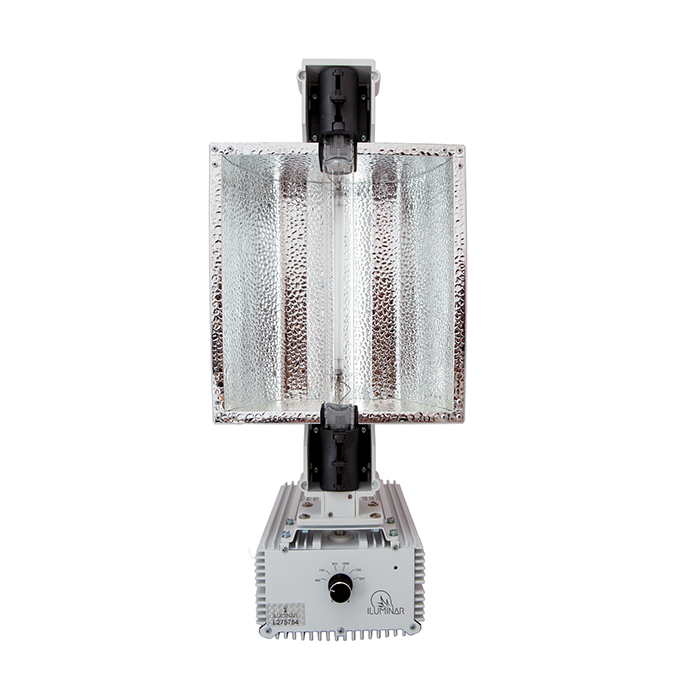
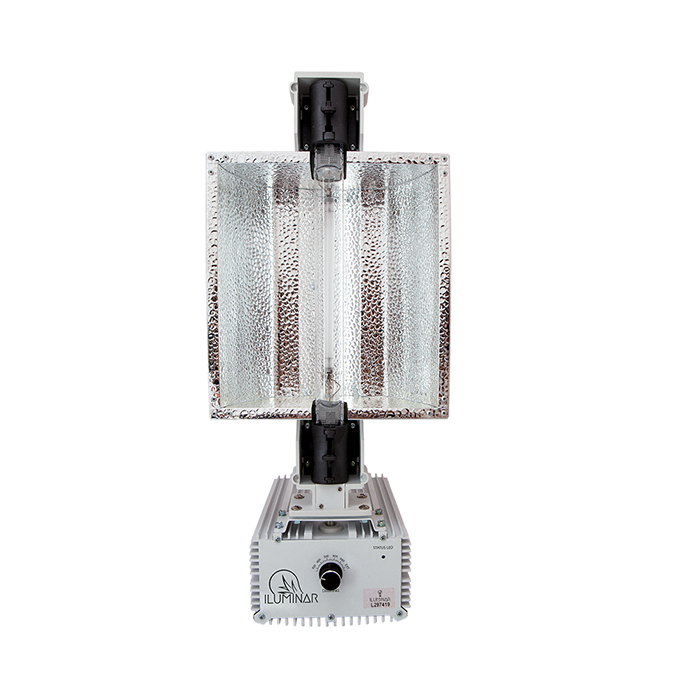
Hydrobuilder carries 1000W DE HPS fixtures from qualified brands including Gavita, Phantom, Iluminar, and DimLux -- all producing commercial-grade DE fixtures with verified photometric output. Gavita's Pro 1000 DE and 1000e DE are among the most widely deployed commercial DE HPS fixtures in North American production, with the E-Series adjustable output feature (600-1150W range) and EL2 Master Controller compatibility for multi-fixture management. Phantom DE ballasts and fixtures are known for reliable, cost-effective commercial production performance. DimLux and Iluminar round out the category with high-efficiency DE fixtures at competitive price points. See our updated single-ended vs. double-ended grow lights guide for a full technical comparison.
1000W DE HPS vs. LED: The Commercial Transition
For growers running existing 1000W DE HPS infrastructure, the LED upgrade decision involves comparing replacement cost against ongoing energy and cooling savings. A 1000W DE HPS at 2.1 umol/joule produces equivalent or slightly less total photon output compared to a premium 640-700W LED at 2.9 umol/joule -- meaning the LED produces more photons at 36-43% less wattage. In a 10-light room, that efficiency difference represents significant annual electricity savings. Use our Electricity Cost Calculator to model the specific economics for your electricity rate and operation. Expert support available.
1000W Double-Ended HPS FAQ
What is the difference between single-ended and double-ended HPS?
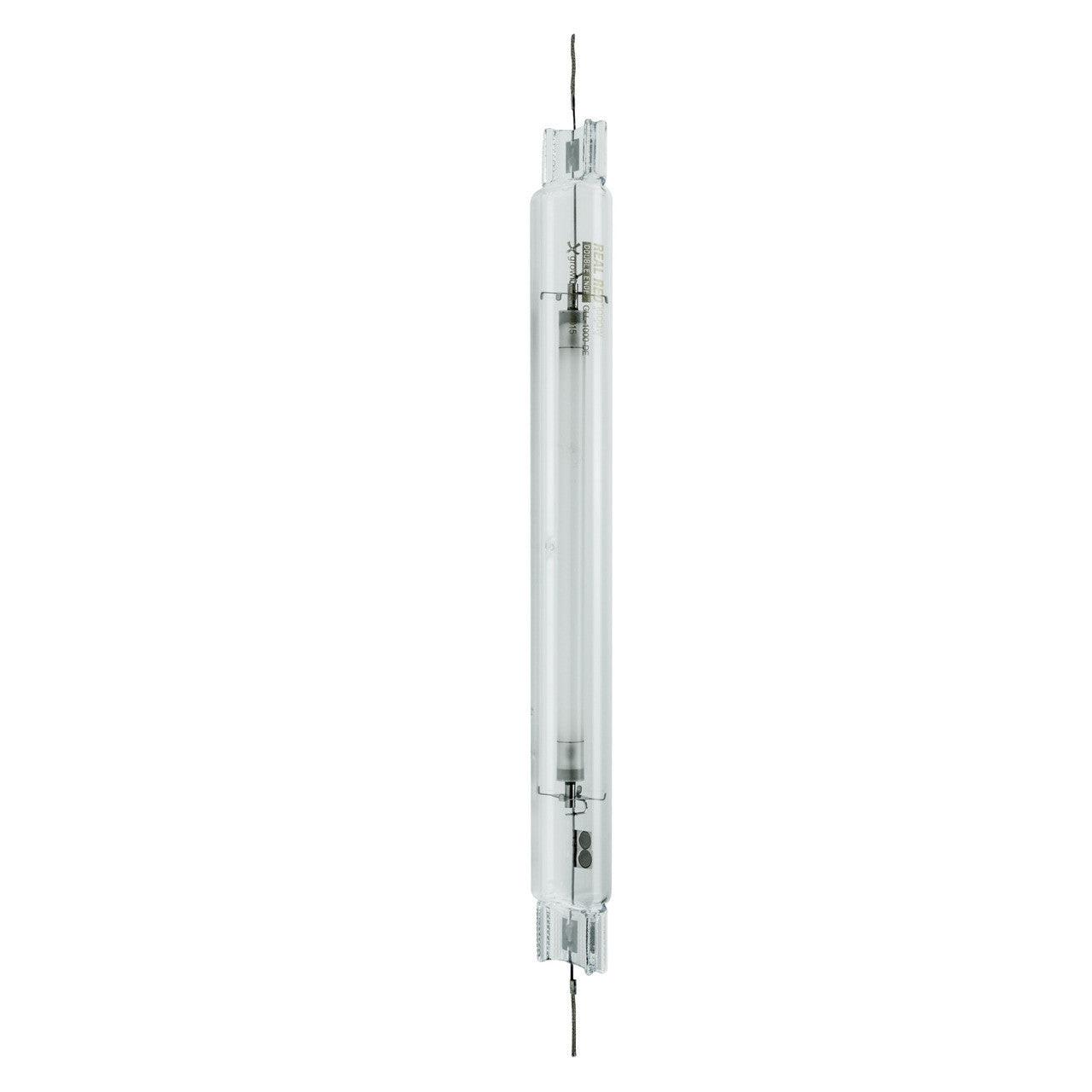
Single-ended HPS bulbs connect at one base (like a standard bulb); the arc tube terminates at one end. Double-ended bulbs connect at both ends -- the arc tube runs between two contacts, allowing it to operate at a higher internal temperature and produce approximately 30% more light output at identical wattage compared to single-ended designs. A 1000W DE HPS produces around 2,100 umol/s versus a 1000W SE HPS at approximately 1,600-1,700 umol/s. DE fixtures also tend to maintain their output more consistently over bulb life than SE designs. The DE format requires a dedicated double-ended fixture -- DE bulbs and SE fixtures are not interchangeable.
How often should I replace DE HPS bulbs?
Replace 1000W DE HPS bulbs every 10,000-12,000 hours of operation -- approximately every 12-18 months at 18-hour daily use (vegetative) or every 18-24 months at 12-hour daily use (flowering). DE HPS bulbs lose approximately 20-30% of their initial output by this point while still physically functioning -- continued use at degraded output represents lower yield from the same electricity cost. Check the manufacturer's lumen maintenance data for your specific bulb. Replacement Philips, Gavita, and Iluminar DE HPS bulbs are available in our grow light bulbs collection.