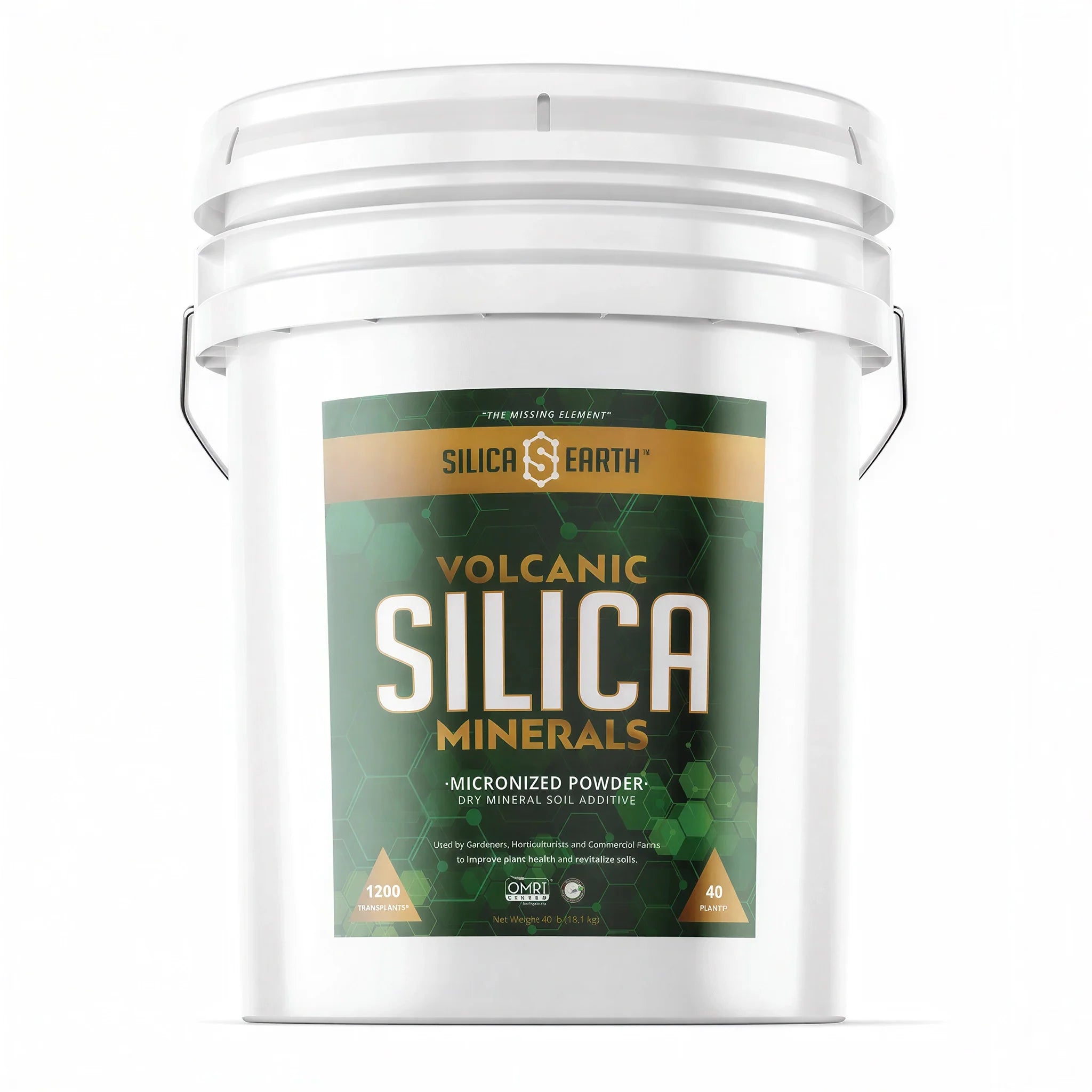
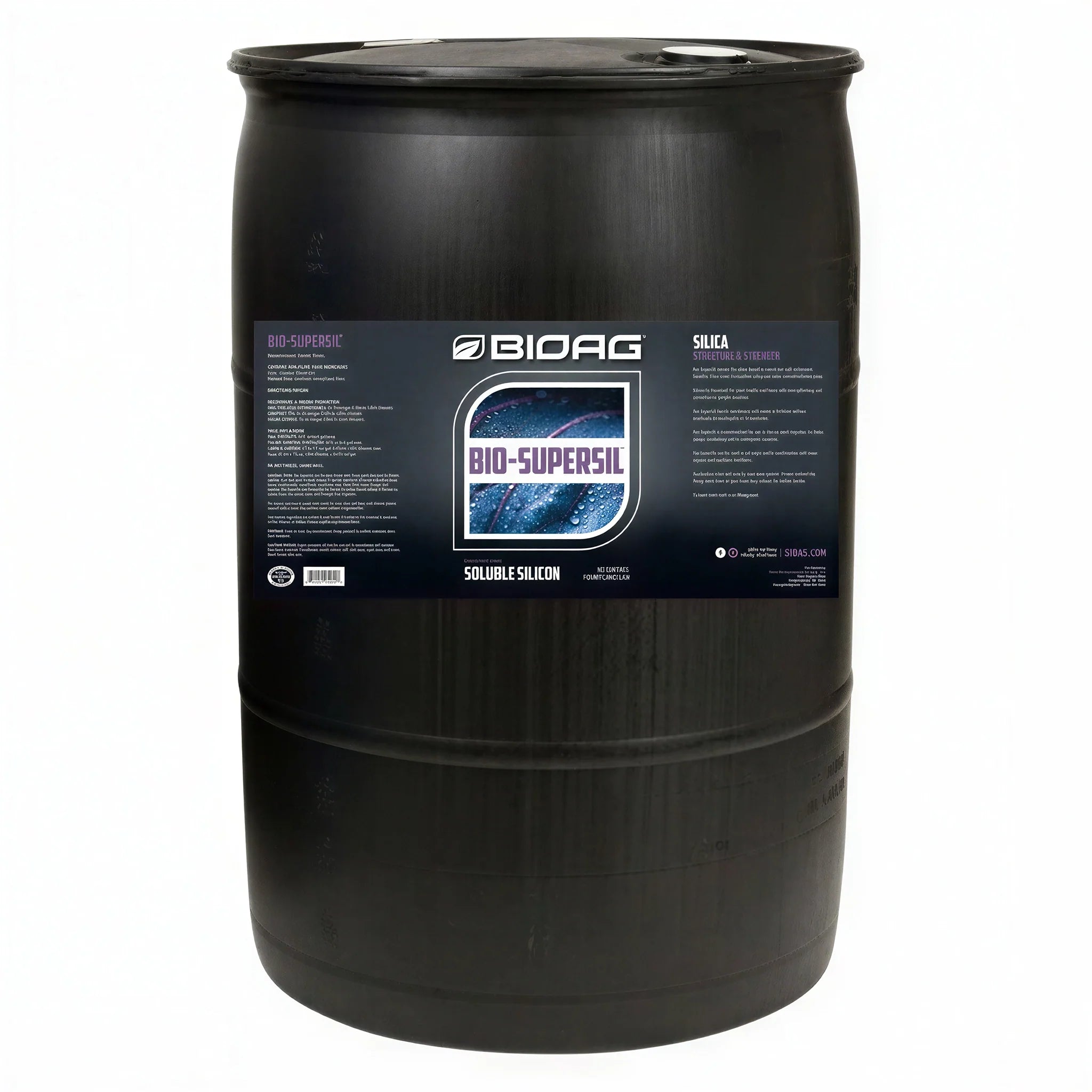
Silica Supplements for Plants -- Stronger Stems & Stress Resistance
Silica (silicon dioxide, SiO2) is the most abundant element in the Earth's crust, and while it is not classified as an essential plant nutrient, it is increasingly recognized as a highly beneficial supplement in both hydroponic and soil growing. Plants that absorb adequate silica deposit it in cell walls and epidermal tissue, producing measurably stronger stems, thicker leaves, and improved physical resistance to environmental stressors. In controlled environment agriculture, where plants grow under artificial lighting without the wind and temperature fluctuations that naturally strengthen stems outdoors, silica supplementation compensates for the reduced mechanical stress that would otherwise drive cell wall development.
What Silica Does for Plants
Research and extensive field application show several consistent benefits from silica supplementation in indoor and outdoor growing. Structural strength: silica deposited in cell walls and epidermis creates physically stronger stems and branches that support heavier flower loads without requiring staking -- measurably relevant in high-yield indoor flowering programs where stem and branch strength limits how much weight a plant can support without breaking. Heat and drought tolerance: silica in leaf tissue reduces water loss through transpiration under heat stress conditions, maintaining plant function at temperatures that would otherwise cause wilt and growth inhibition. Disease resistance: silica deposits create a physical barrier that increases resistance to fungal infection and pest feeding damage -- leaves with high silica content are more difficult for piercing insects to penetrate and for fungal spores to establish on. UV protection: some research indicates improved UV tolerance in silica-supplemented plants, potentially beneficial in greenhouses and outdoor grows with high light intensity. See our updated silica for plants guide for a full breakdown of silica benefits and application guidance.
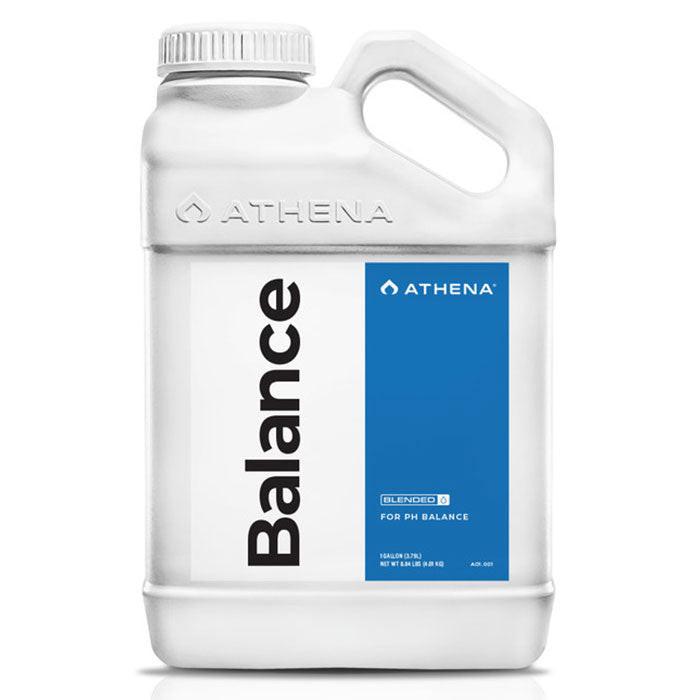
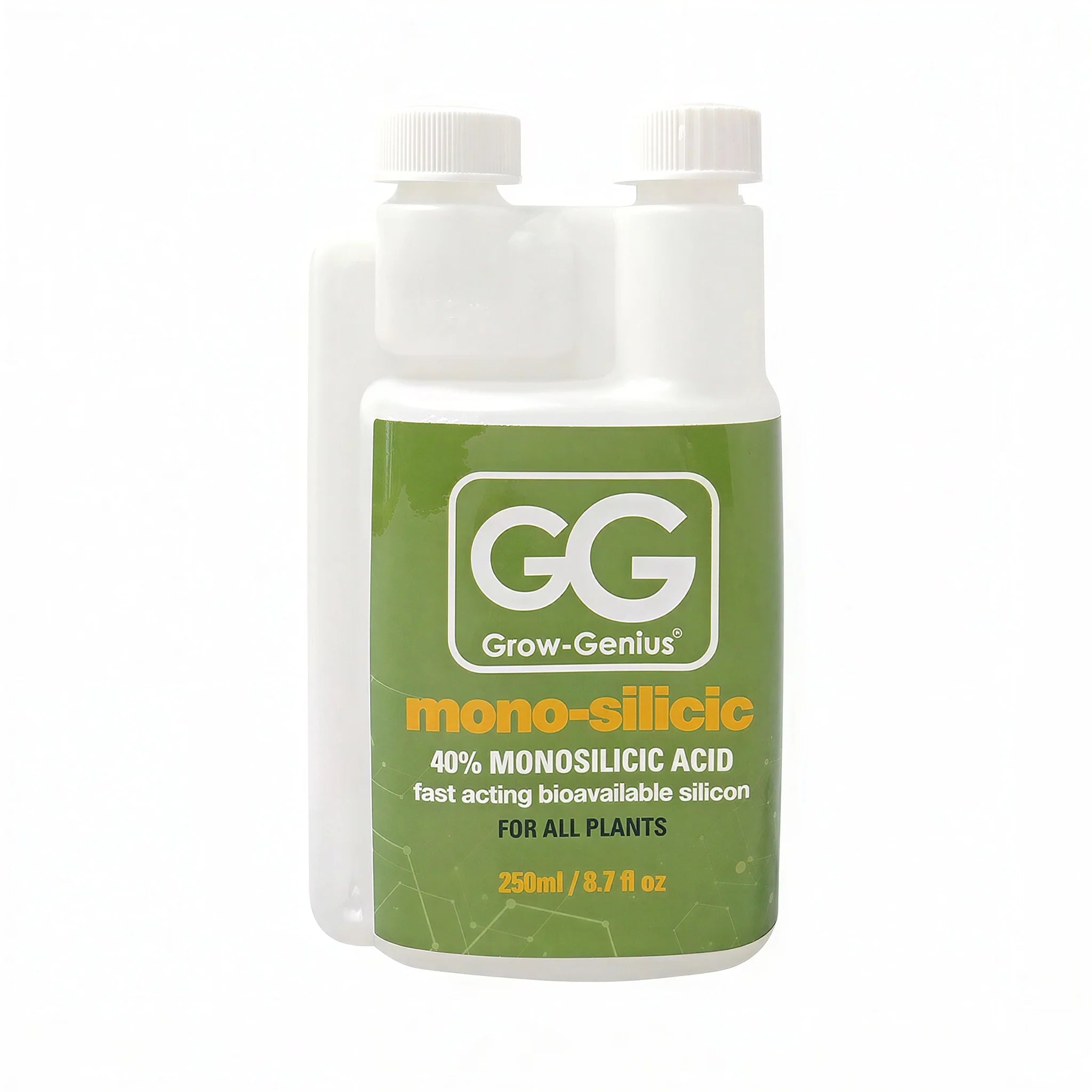
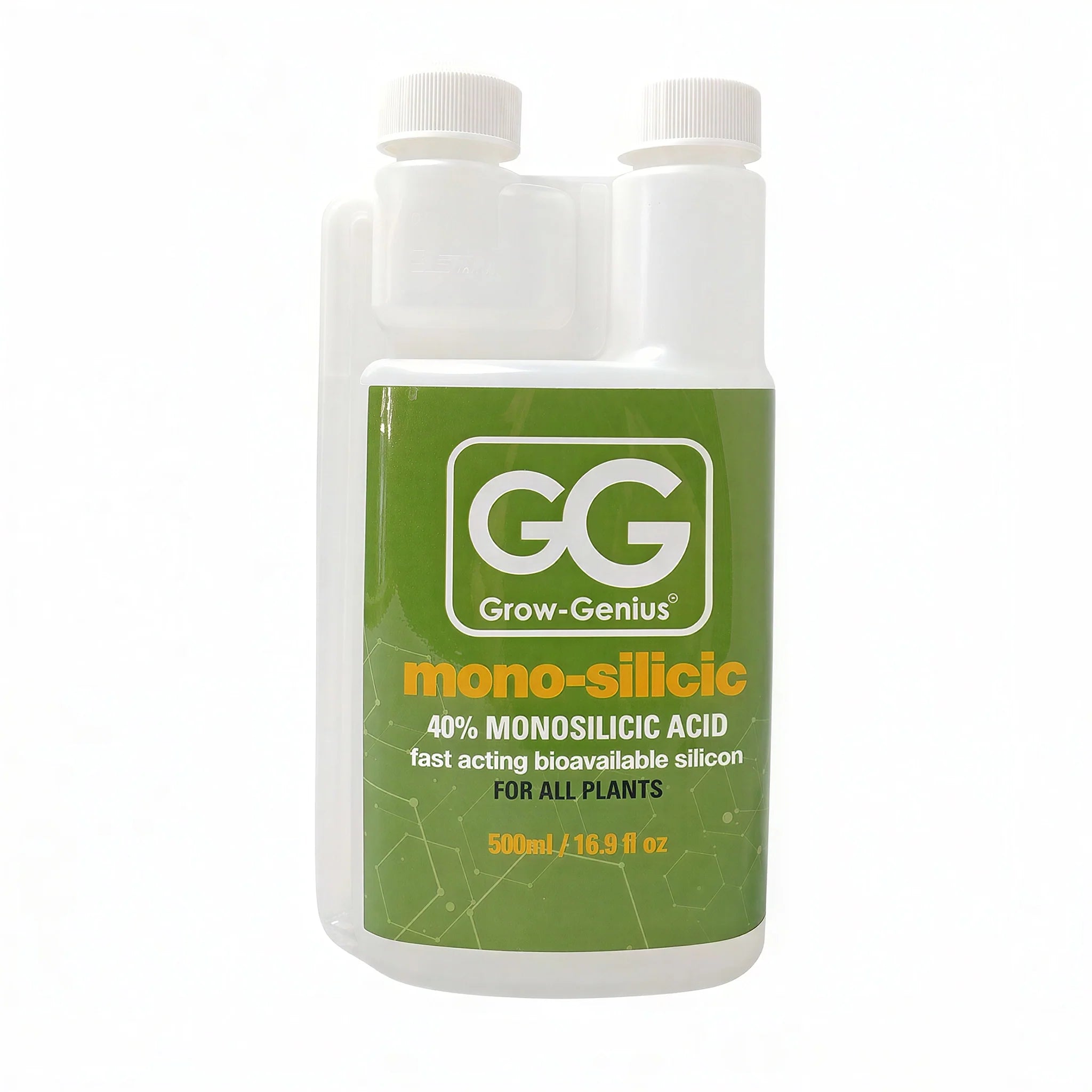
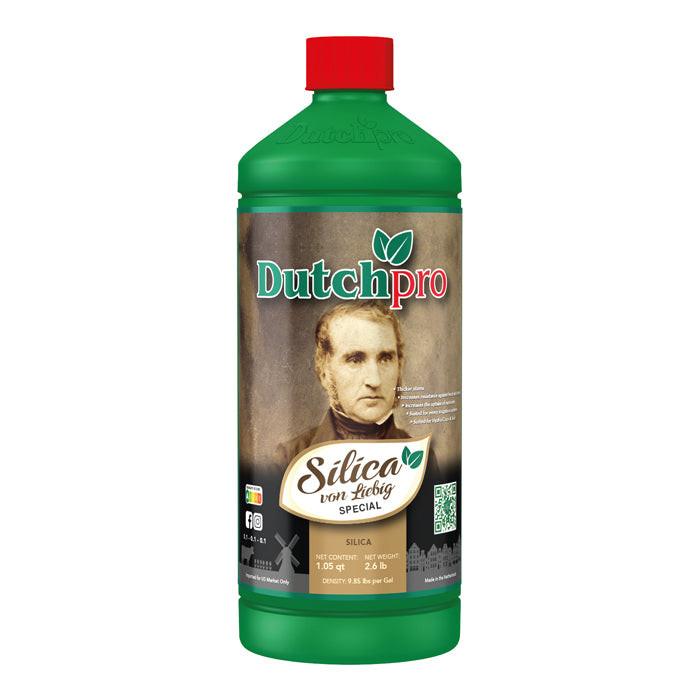
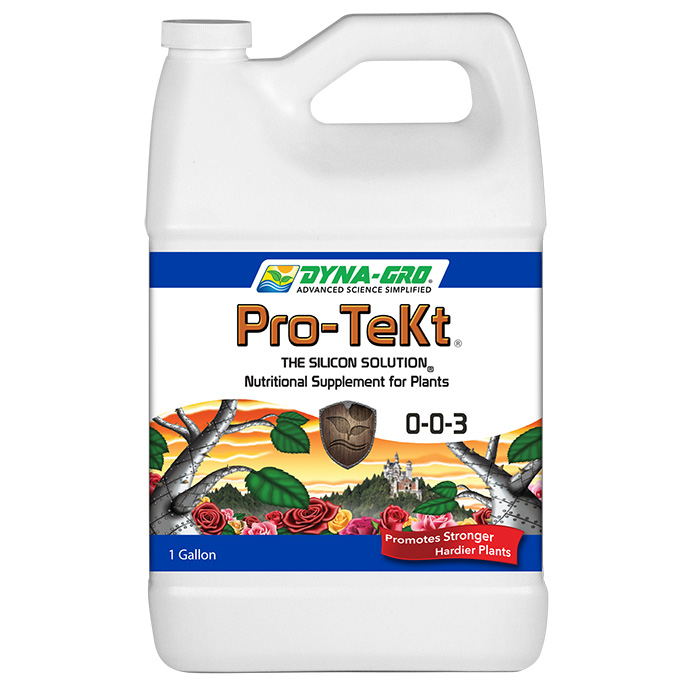
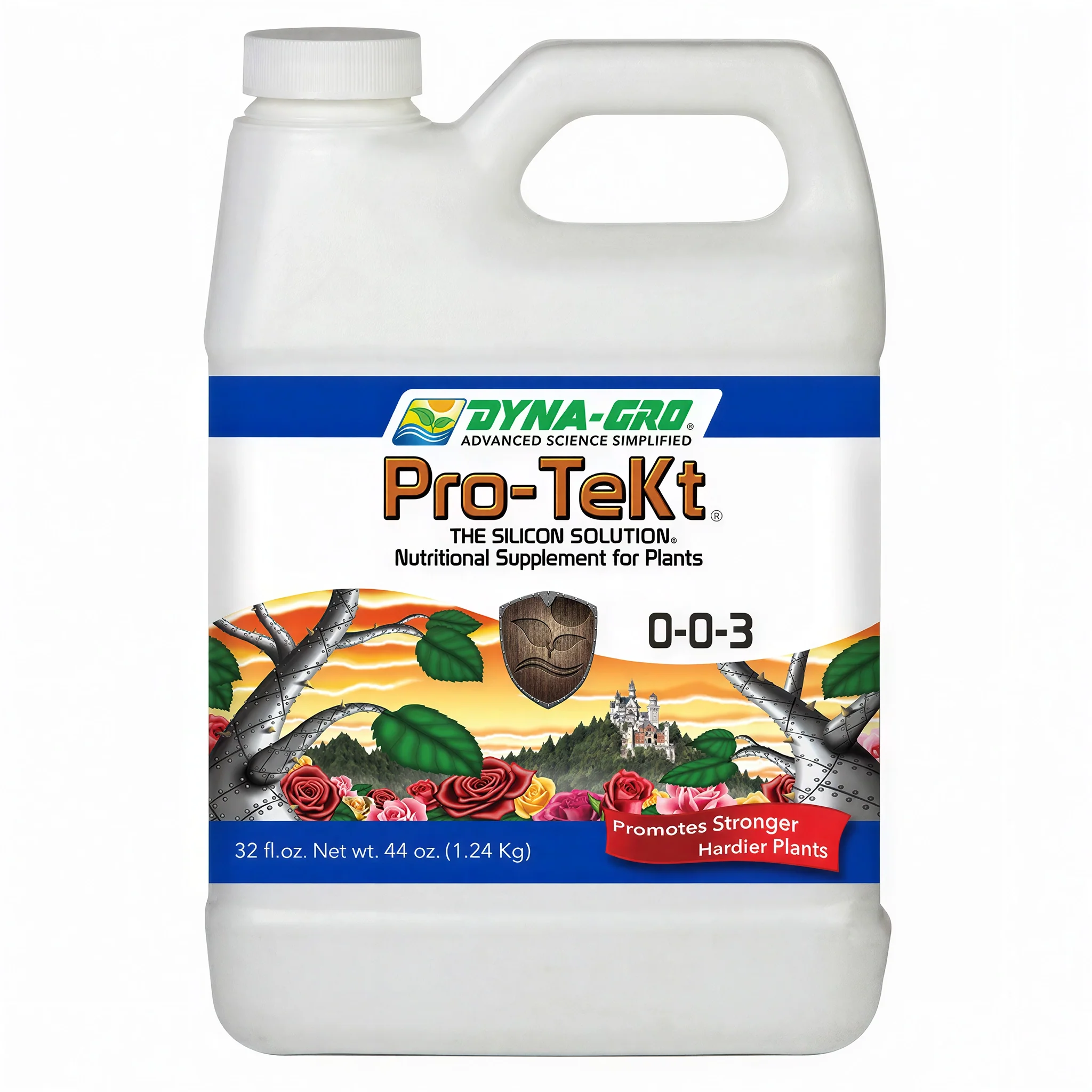
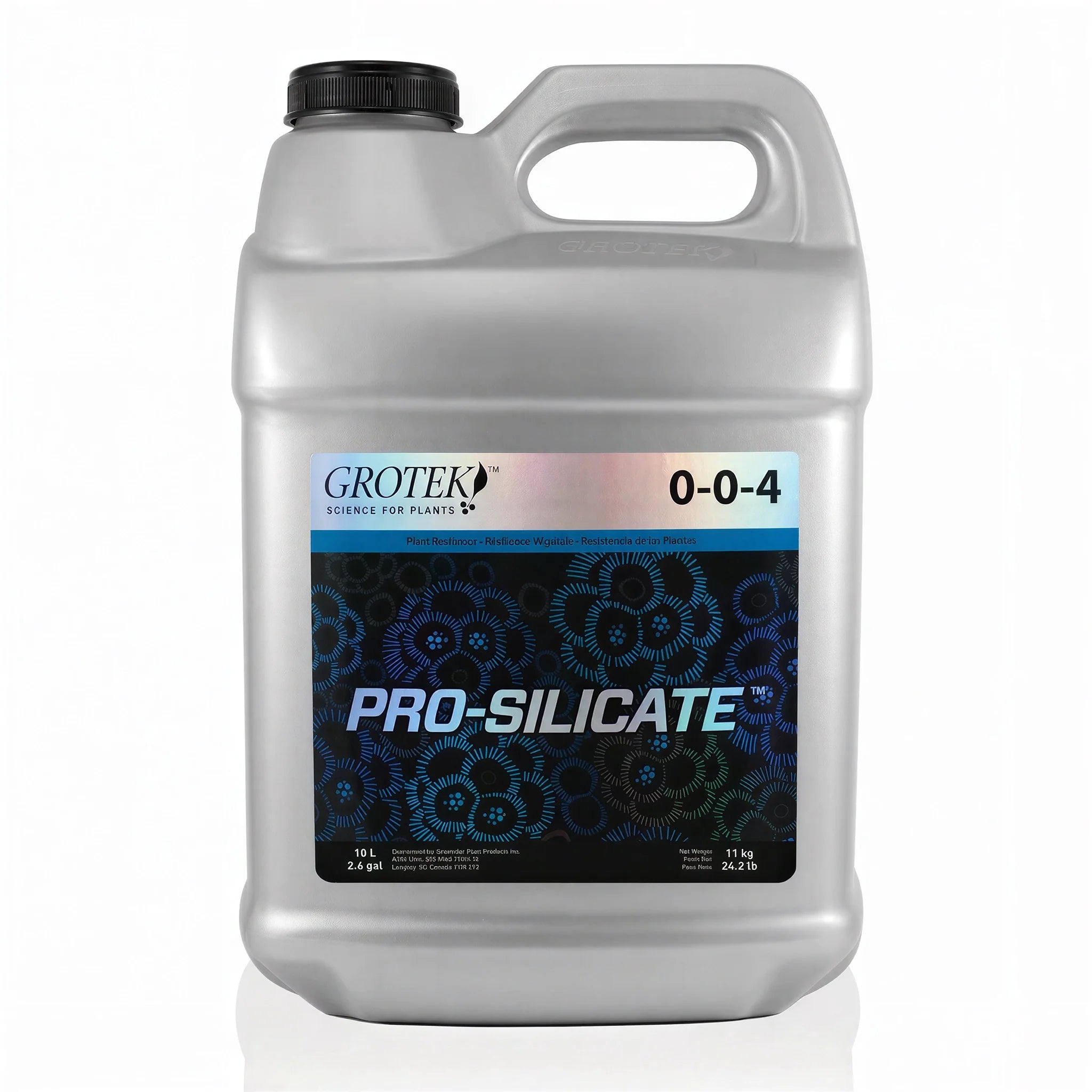
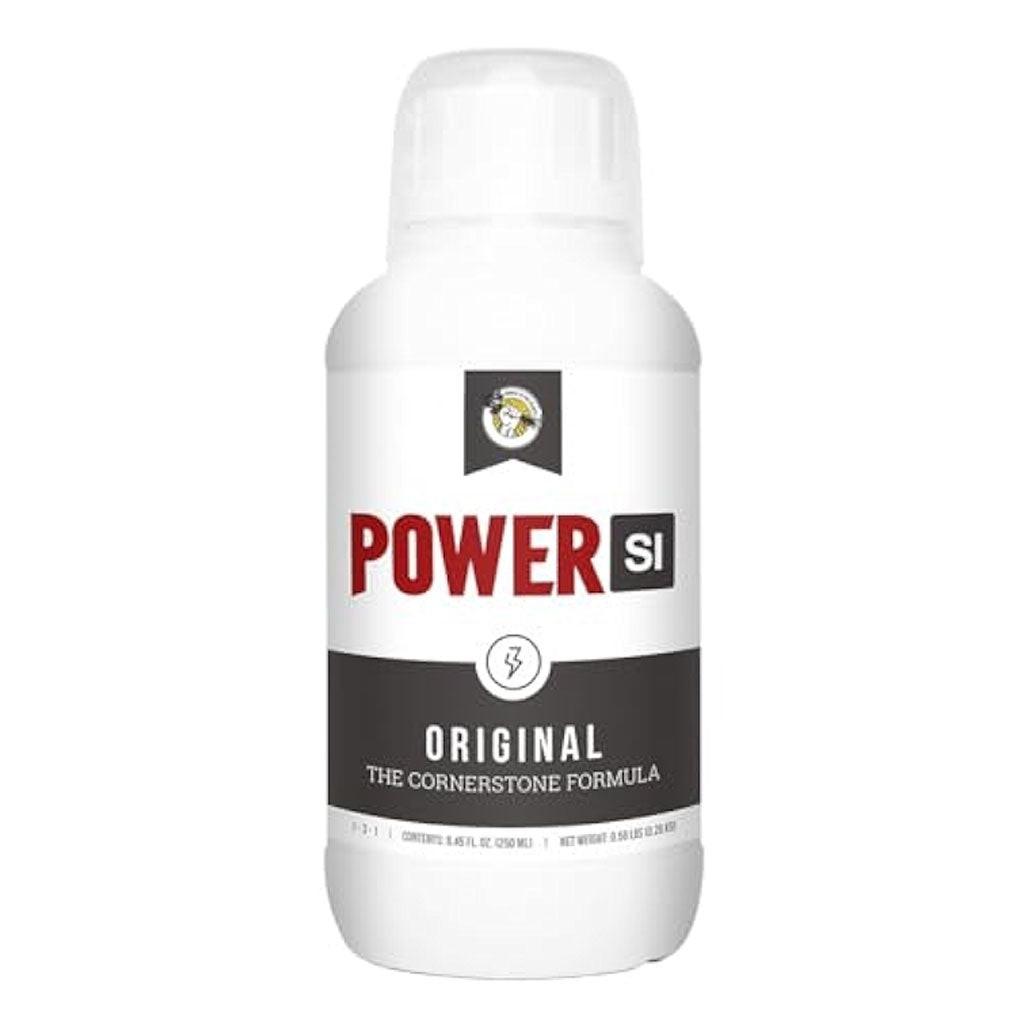
Silica Supplement Brands: Botanicare, General Hydroponics, ProTeKt & Armor Si
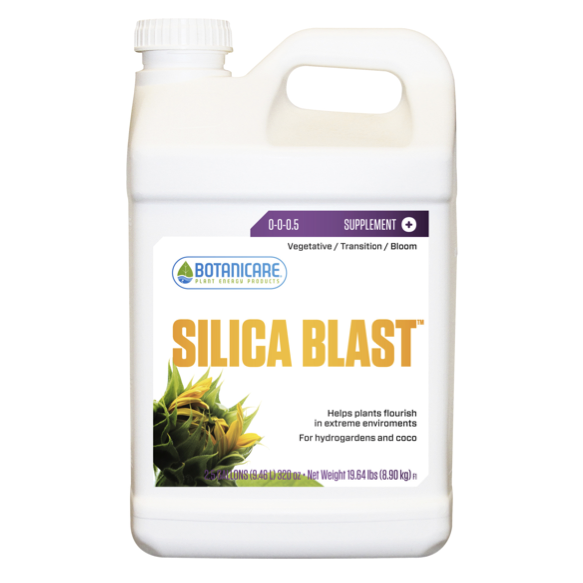
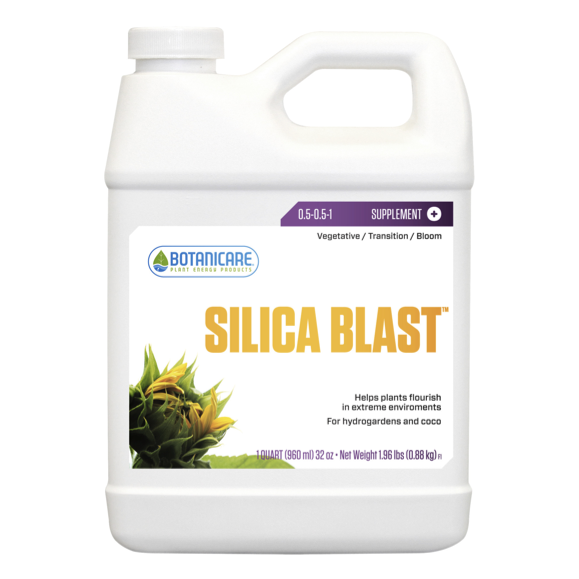
Hydrobuilder carries silica supplements from qualified brands including Botanicare Silica Blast, General Hydroponics Armor Si, and ProTeKt by Dyna-Gro. All three are potassium silicate liquid formulas -- the most bioavailable form of supplemental silica for plants. Botanicare Silica Blast is widely used in hobby and commercial programs for its consistent quality and reliable availability in multiple sizes. General Hydroponics Armor Si is formulated specifically for hydroponic systems and is popular in the GH FloraSeries ecosystem. ProTeKt by Dyna-Gro is well-regarded for its high concentration (both silica and potassium) per dollar. All three are highly alkaline concentrates that must be added first to the reservoir before any other nutrients -- adding silica after nutrients have been added can cause precipitation and nutrient lockout.
Silica Application Guidelines
Silica supplements are highly alkaline (pH 11-12 in concentrate). Always add silica first to the reservoir -- before any base nutrients, Cal-Mag, or other supplements -- then mix thoroughly before adding base nutrients and adjusting pH. Adding silica after other nutrients are already in solution can cause precipitation of calcium, phosphorus, and other elements. Typical dose: 5-10 ml per gallon depending on brand concentration and growth stage. Check the manufacturer's dosing guide for your specific product. In coco coir and hydroponic programs, silica can be included from the seedling stage through late flowering -- there is no harm in continuous use throughout the entire grow cycle. In soil programs with naturally high silicon content, supplemental silica provides less additional benefit than in soilless hydroponic programs where silicon is completely absent from the media. Monitor the EC contribution of silica alongside your base program using an EC meter. Fast shipping.
Silica Supplements FAQ
Does silica actually help plants grow better?
Yes -- consistently and measurably, particularly in controlled indoor growing environments. The primary benefits with strong evidence: stronger stems and branches that support heavier flower loads without staking; improved heat and drought tolerance through reduced transpiration water loss; enhanced resistance to fungal infection and insect feeding damage through physical cell wall reinforcement. These benefits are most pronounced in hydroponic and soilless growing where silicon is completely absent from the growing media (unlike soil, which provides some natural silicon). Commercial indoor growers who have trialed silica supplementation consistently report observable structural improvements in plants receiving it versus untreated controls.
When should I add silica to my nutrient solution?
Always add silica first -- before any other nutrient products. Silica supplements are highly alkaline (pH 11-12 in concentrate) and react with other nutrients in solution, particularly calcium and phosphorus, causing precipitation if added after other nutrients are already dissolved. Add silica to the reservoir first, mix thoroughly with plain water, then add base nutrients, Cal-Mag, and other supplements in the normal order before final pH adjustment. This mixing order prevents the precipitation reactions that would reduce nutrient availability and cloud the solution.
How much silica should I add per gallon?
Standard dosing for most liquid potassium silicate supplements is 5-10 ml per gallon depending on brand concentration and growth stage. Follow the manufacturer's recommended dosing rate for your specific product -- concentrations vary significantly between brands. Start at the lower end of the recommended range (5 ml/gallon) in early growth stages and increase toward the higher end during peak vegetative and early flowering growth when structural development is most active. Silica supplementation is safe at recommended rates throughout the full grow cycle -- there is no known harm from continuous use from seedling through late flowering at label rates.
What is the difference between Botanicare Silica Blast and General Hydroponics Armor Si?
Both are liquid potassium silicate formulas used for the same purpose with similar application guidelines. Botanicare Silica Blast contains 0.5% water soluble silicon (SiO2) and 1.0% potassium (K2O). General Hydroponics Armor Si contains 0.5% SiO2 and 0.5% K2O. At equivalent silicon content, dosing and plant benefit are similar between the two. The primary practical difference is potassium contribution -- Botanicare Silica Blast adds slightly more potassium to the solution, which may be a consideration when building a precise nutrient formula. Both are widely used, reliably effective, and available in multiple sizes. Brand choice often comes down to which nutrient ecosystem you are already using -- GH users tend to stay with Armor Si; Botanicare users tend to use Silica Blast.