Bat Guano & Seabird Guano Fertilizers for Organic Growing
Bat guano and seabird guano are among the oldest and most effective organic fertilizers available, prized for their high nutrient concentrations, immediate bioavailability, and broad spectrum of trace minerals. As direct metabolic outputs of animals with concentrated protein and insect-heavy diets (bats) or fish-heavy diets (seabirds), these guanos contain nutrient profiles that differ significantly from standard NPK fertilizers -- including a range of secondary nutrients, trace elements, and naturally occurring beneficial microorganisms that support soil health alongside direct plant nutrition.
Bat Guano: High Phosphorus vs. High Nitrogen Types
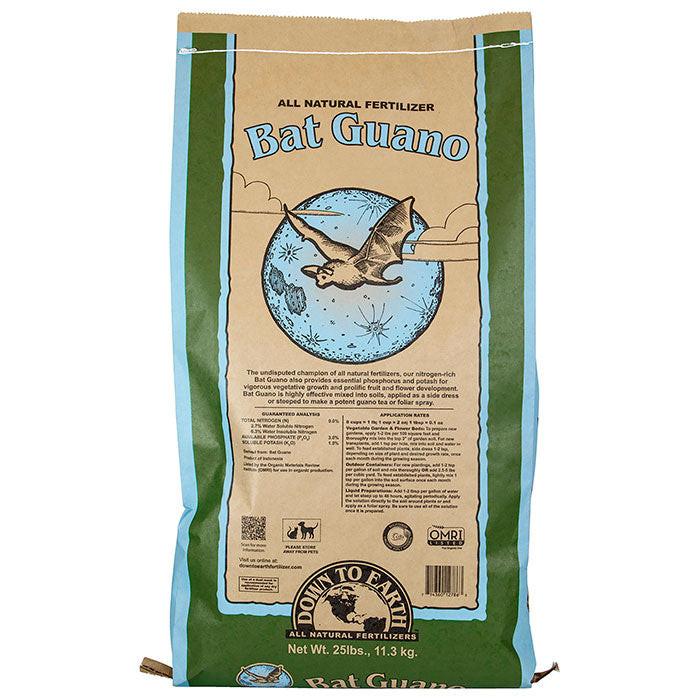
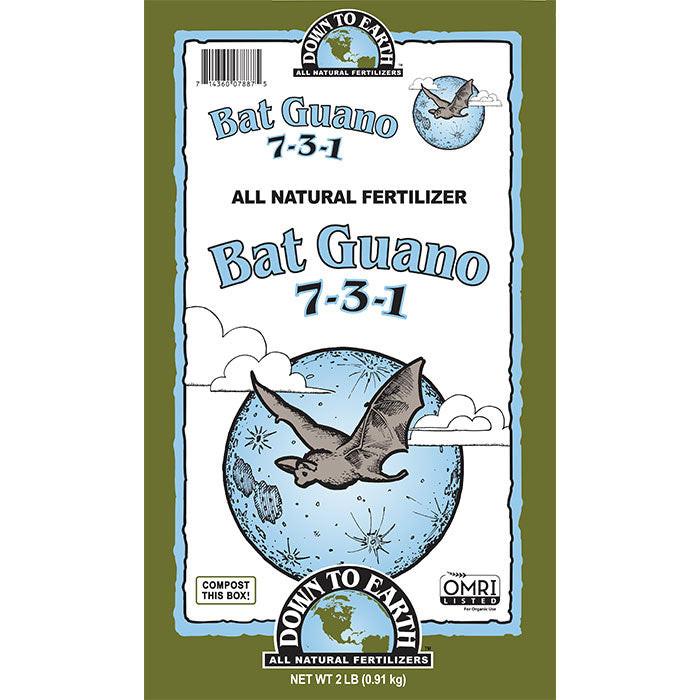
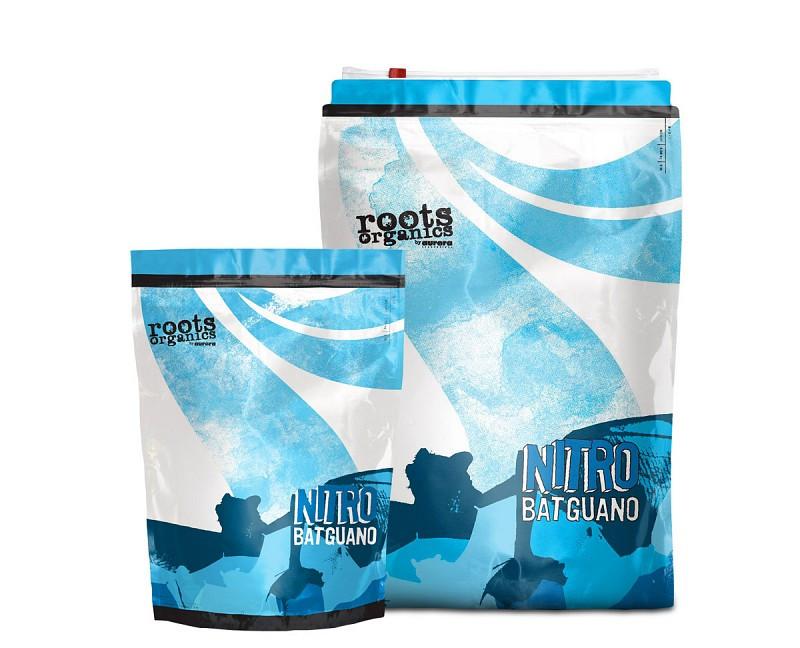
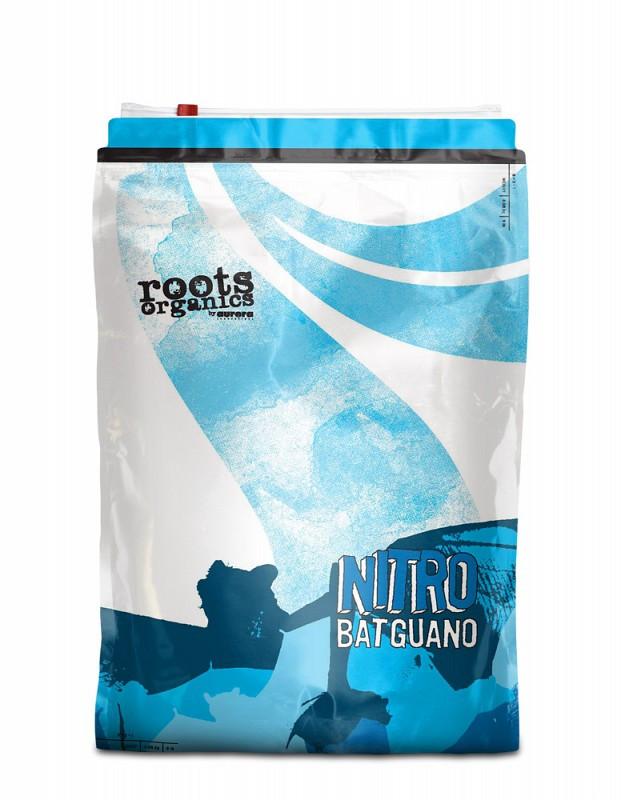
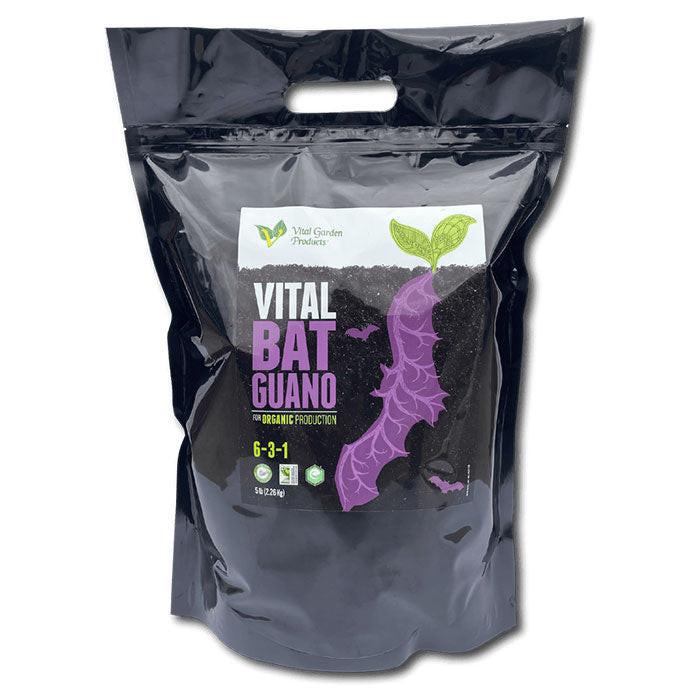
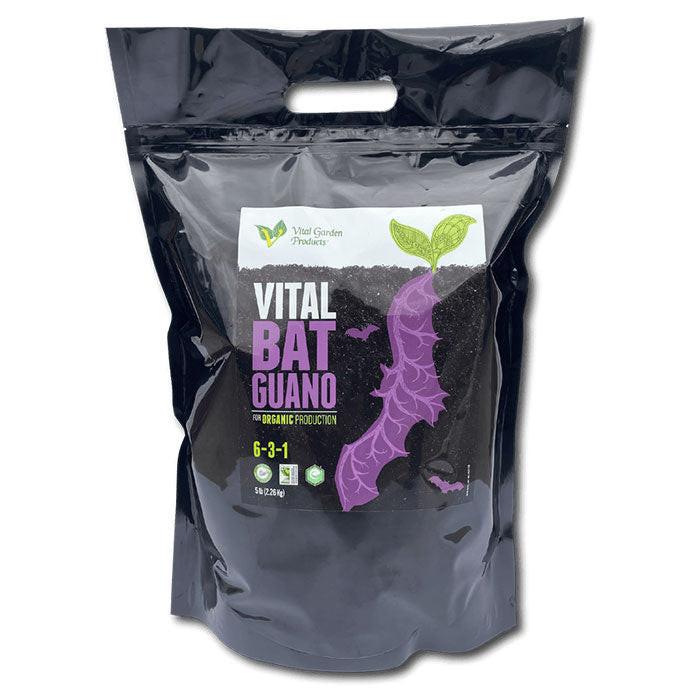
Bat guano is not a single product -- its NPK analysis varies significantly based on the diet of the bat species that produced it and the age of the deposit. Fruit-bat and insectivorous-bat guanos tend to be high in phosphorus (Peruvian bat guano typically runs 10-3-1 or similar, making it a valued bloom-phase supplement for organic programs). Cave-aged deposits where nitrogen has partially volatilized can run as high as 0-7-0 phosphorus-heavy analyses. Fresh or more recently deposited guanos tend to be higher in nitrogen (3-10-1 or similar) and are used for vegetative growth applications. Always check the NPK analysis on the specific product you are purchasing -- the guano type and source significantly affect the appropriate application rate and growth stage. Pair with your base nutrient program or as a standalone top-dress in soil and living soil programs.
Seabird Guano & Application Methods
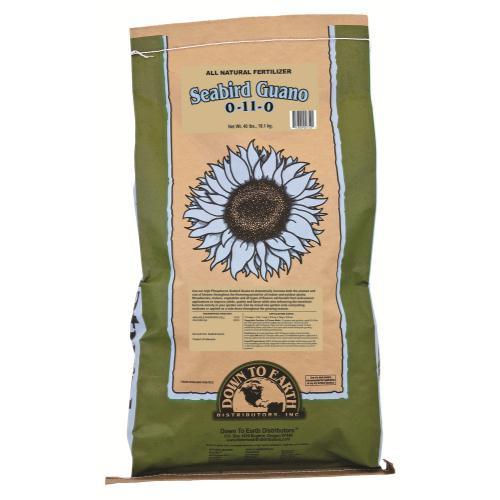
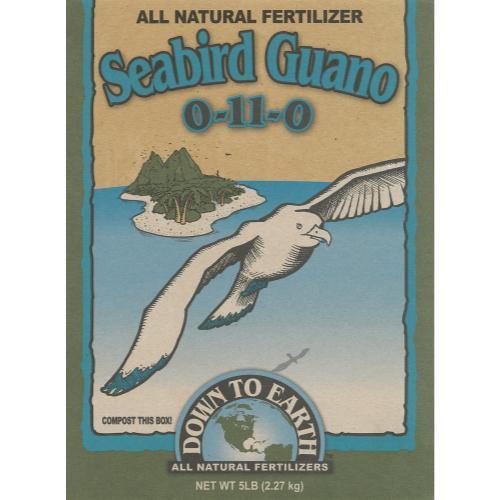
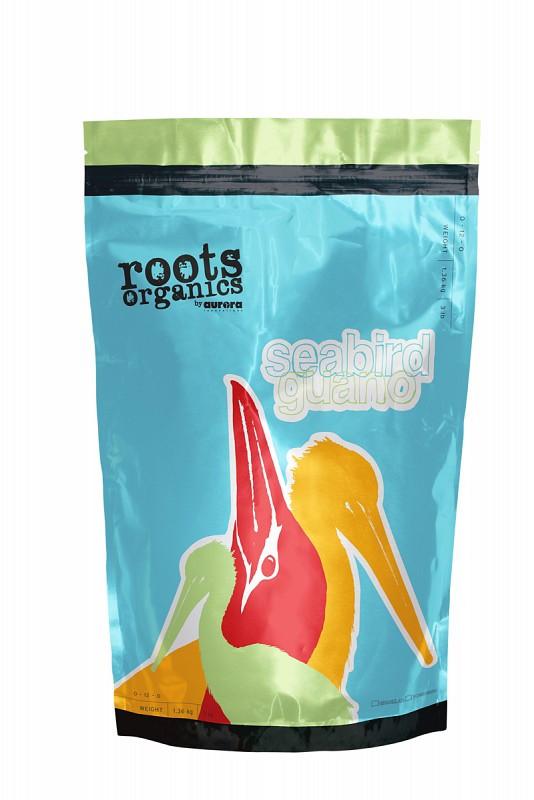
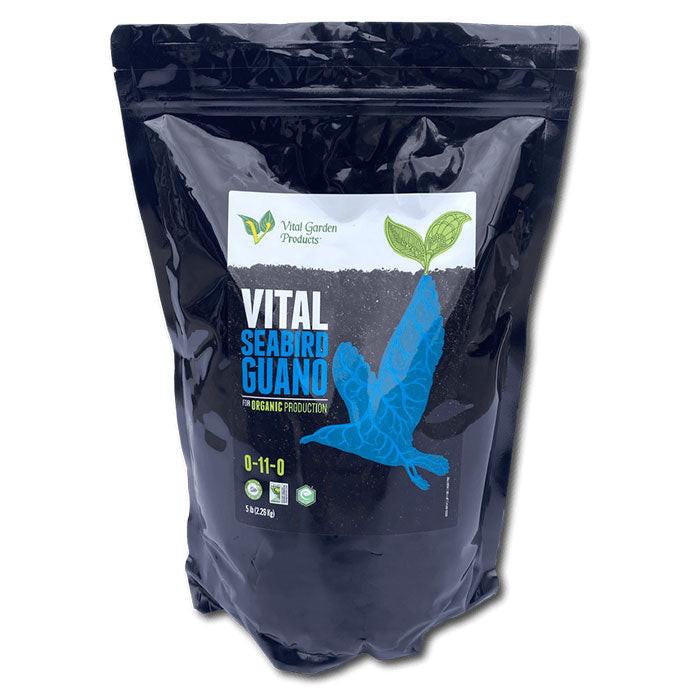
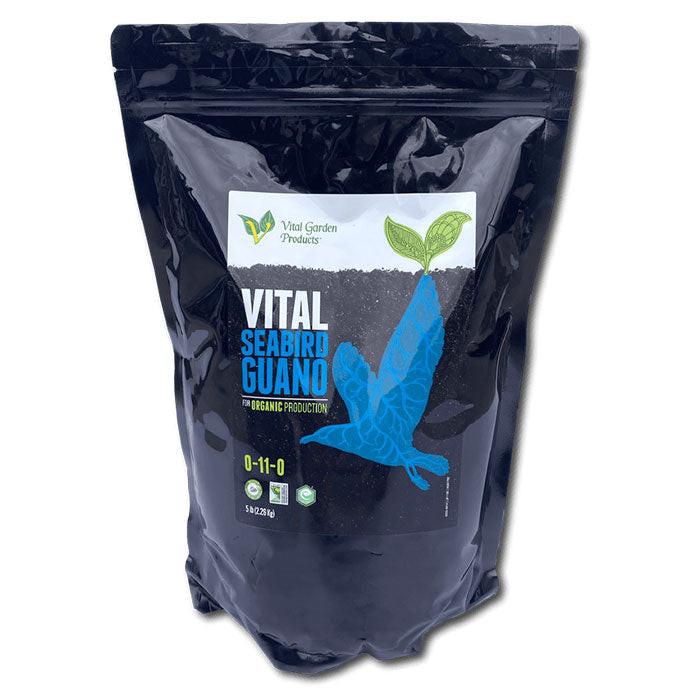
Seabird guano (from cormorants, pelicans, and similar fish-eating seabirds) has a different NPK profile from bat guano -- typically higher in nitrogen and phosphorus with a distinctive ratio that makes it effective as both a vegetative and transitional bloom fertilizer. Application methods include direct top-dressing (sprinkle around the base of plants and water in), brewing as a compost tea (steep in aerated water for 24-48 hours for a fast-acting liquid drench), or pre-mixing into soil before planting. For OMRI-certified organic growing programs, confirm that your specific guano product carries current OMRI listing -- guano products vary in certification status. Fast shipping.
Bat Guano & Seabird Guano FAQ
What is the difference between bat guano and seabird guano for plants?
Both are high-nutrient organic fertilizers, but with different NPK profiles suited to different growth stages and applications. Bat guano from insectivorous or fruit-eating bats tends to be high in phosphorus -- making it a valued organic bloom supplement for the flowering stage. Nitrogen-rich bat guanos suit vegetative applications. Seabird guano from fish-eating seabirds is typically higher in nitrogen with significant phosphorus -- broadly useful across growth stages with a particularly strong reputation as a transitional bloom stimulant. Check the specific NPK analysis on each product before purchasing to confirm it matches your intended application stage.
How do I use bat guano for plants?
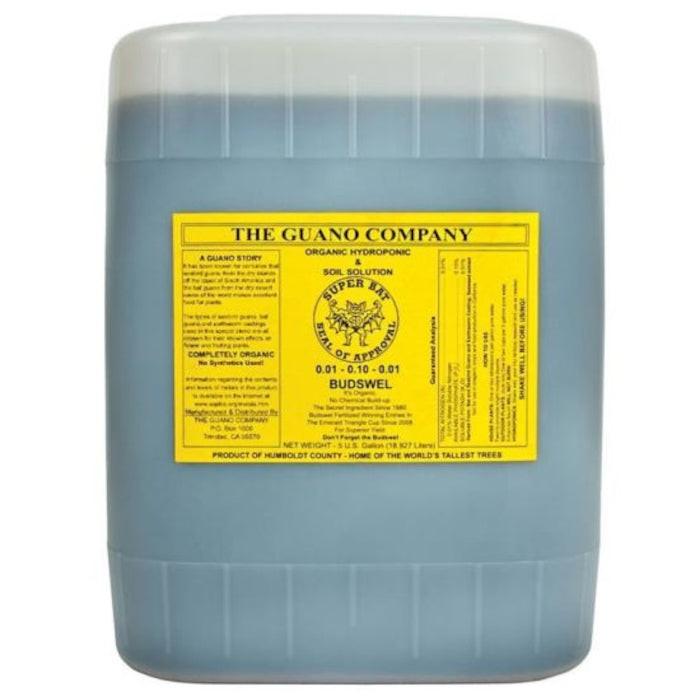
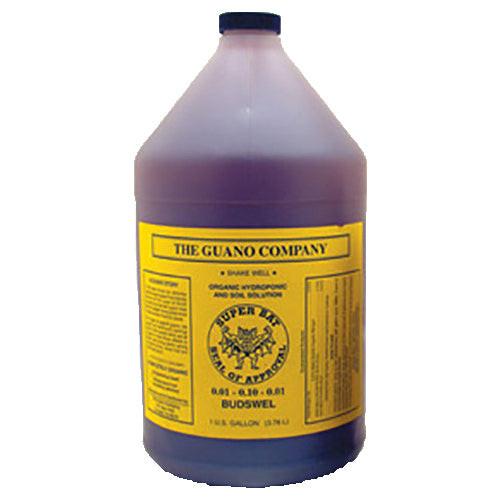
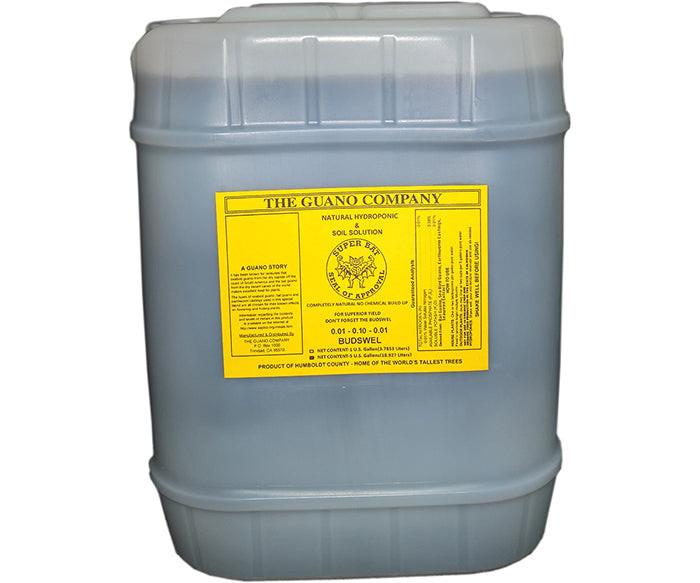
Top-dressing: sprinkle at the recommended rate around the base of plants (typically 1-3 tablespoons per gallon of soil volume) and water in thoroughly. Compost tea: steep guano in aerated water at 1 tablespoon per gallon for 24-48 hours with an air pump and stone; apply as a root drench or foliar spray for fast-acting liquid delivery. Soil amendment: mix into growing medium before planting at manufacturer rates. For container soil grows, top-dressing every 2-4 weeks during the appropriate growth stage is the most common application method. Guano teas are fast-acting; top-dresses release more slowly as the material breaks down. For hydroponic systems, use only fully soluble liquid forms of guano -- solid guano cannot be dissolved cleanly enough for drip emitter systems without clogging risk.