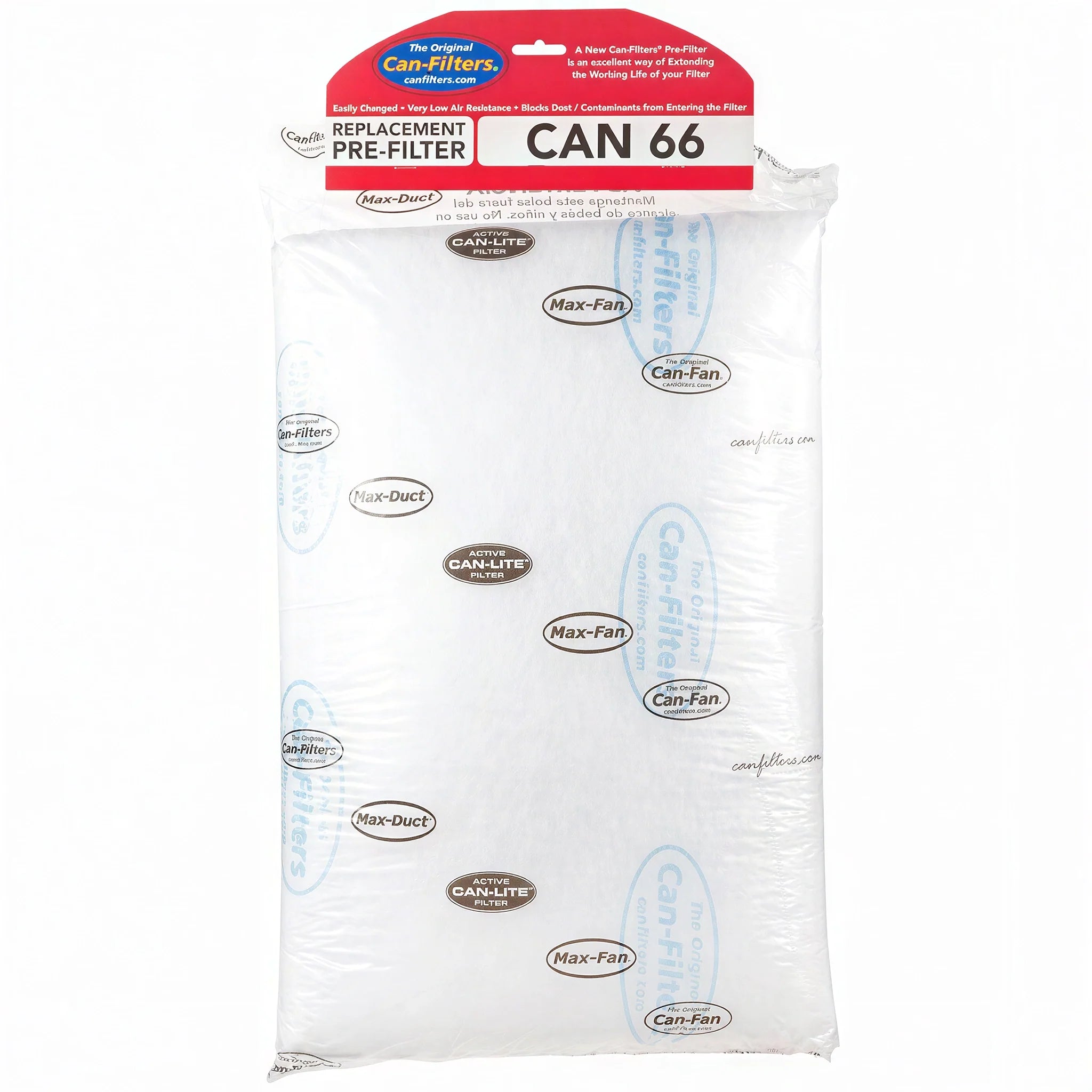
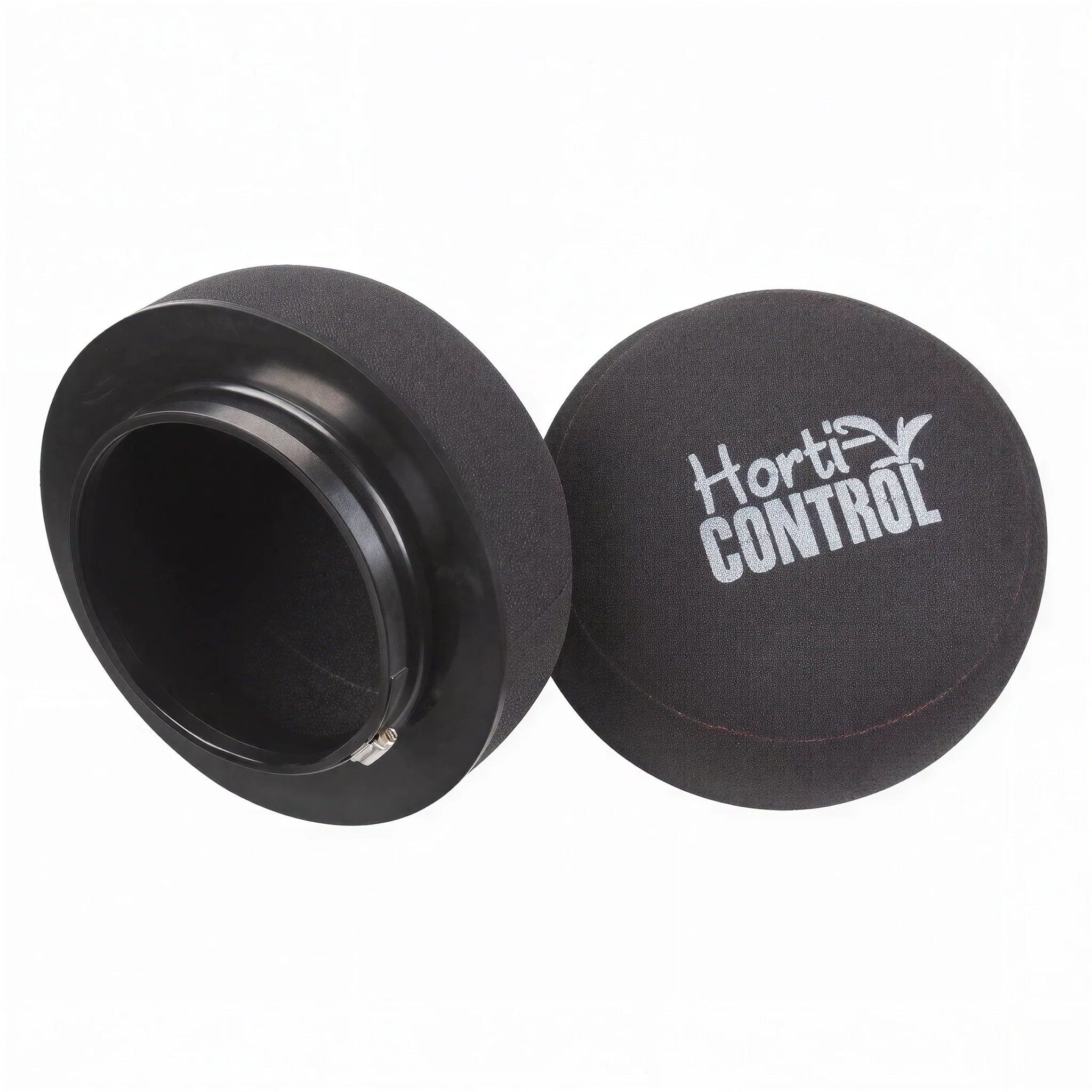
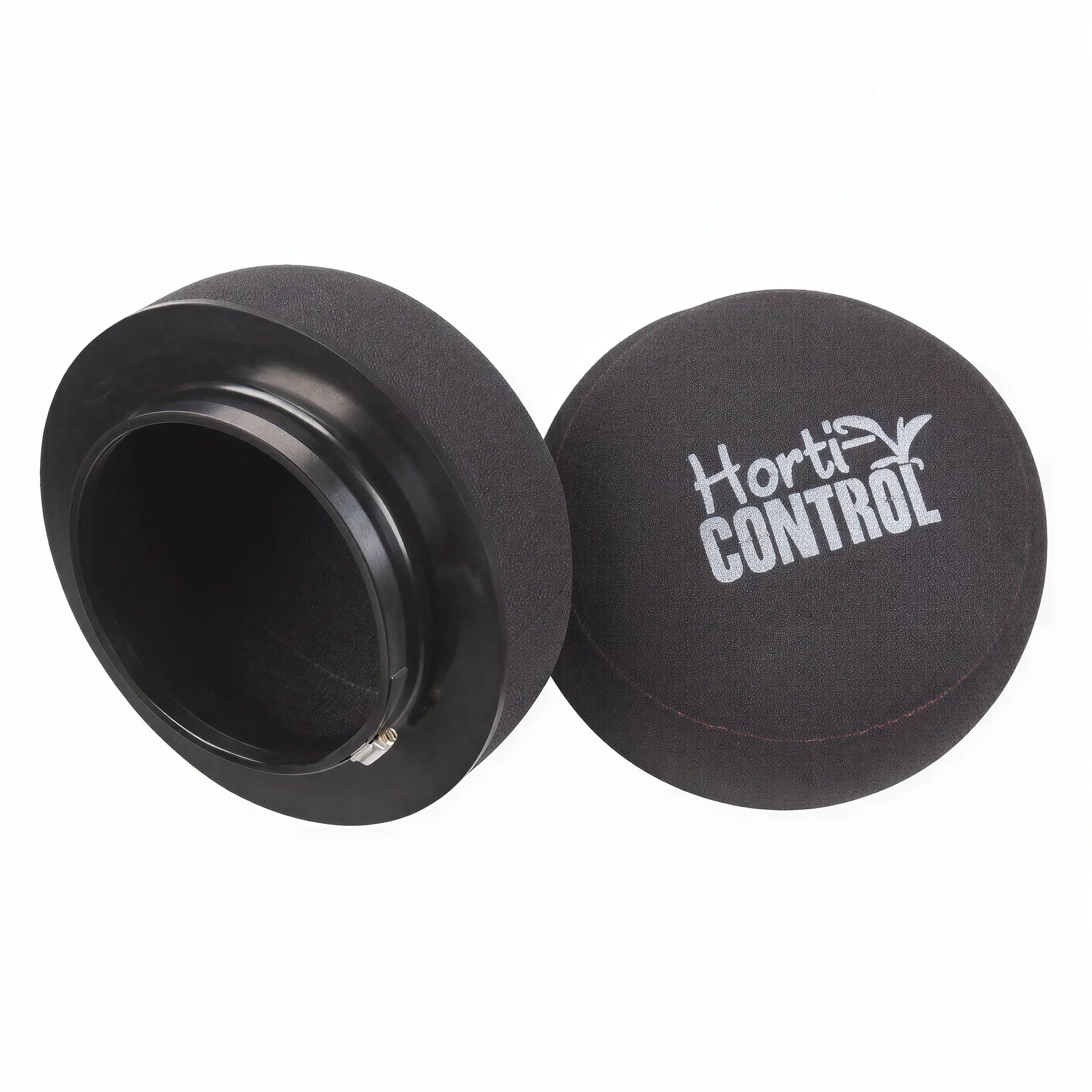
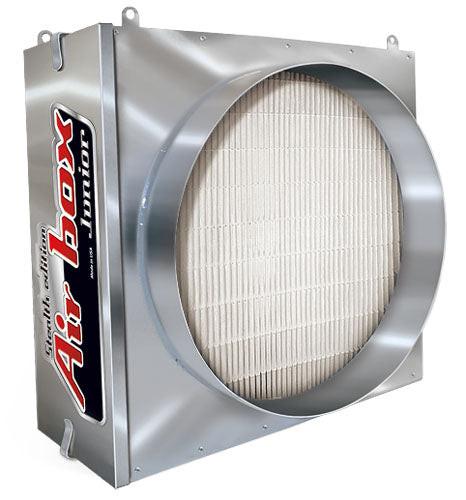
Odor Control & Air Filters for Grow Rooms
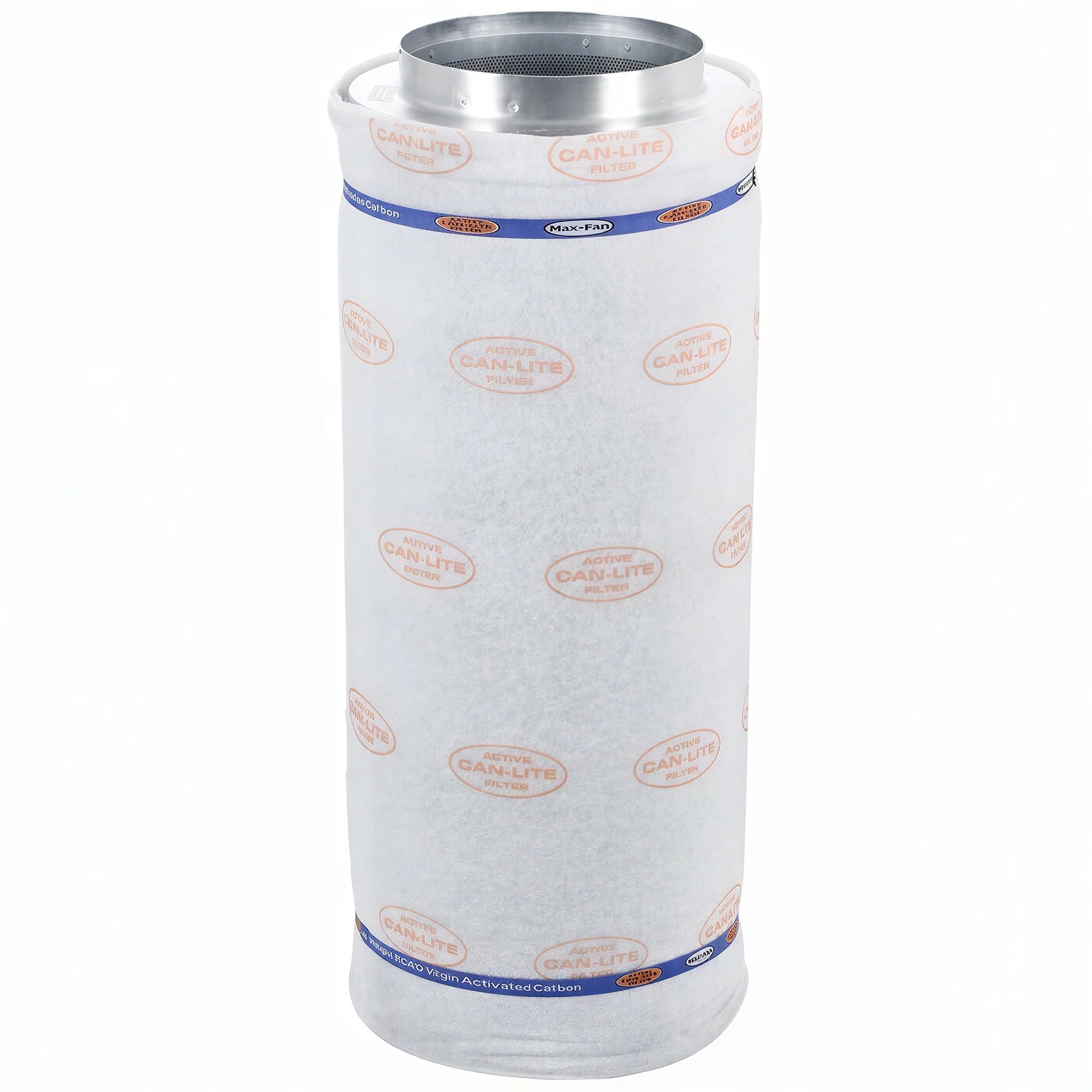
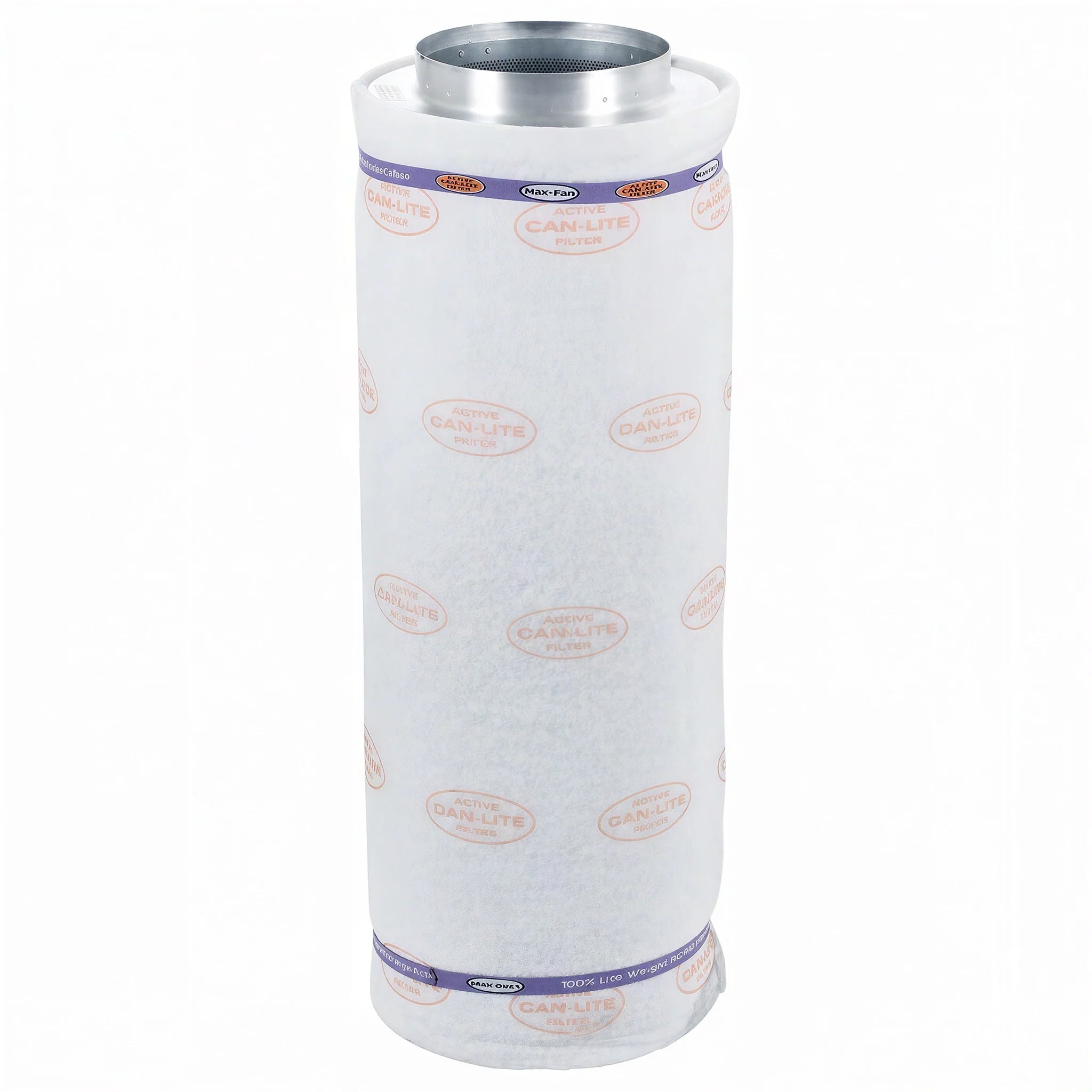
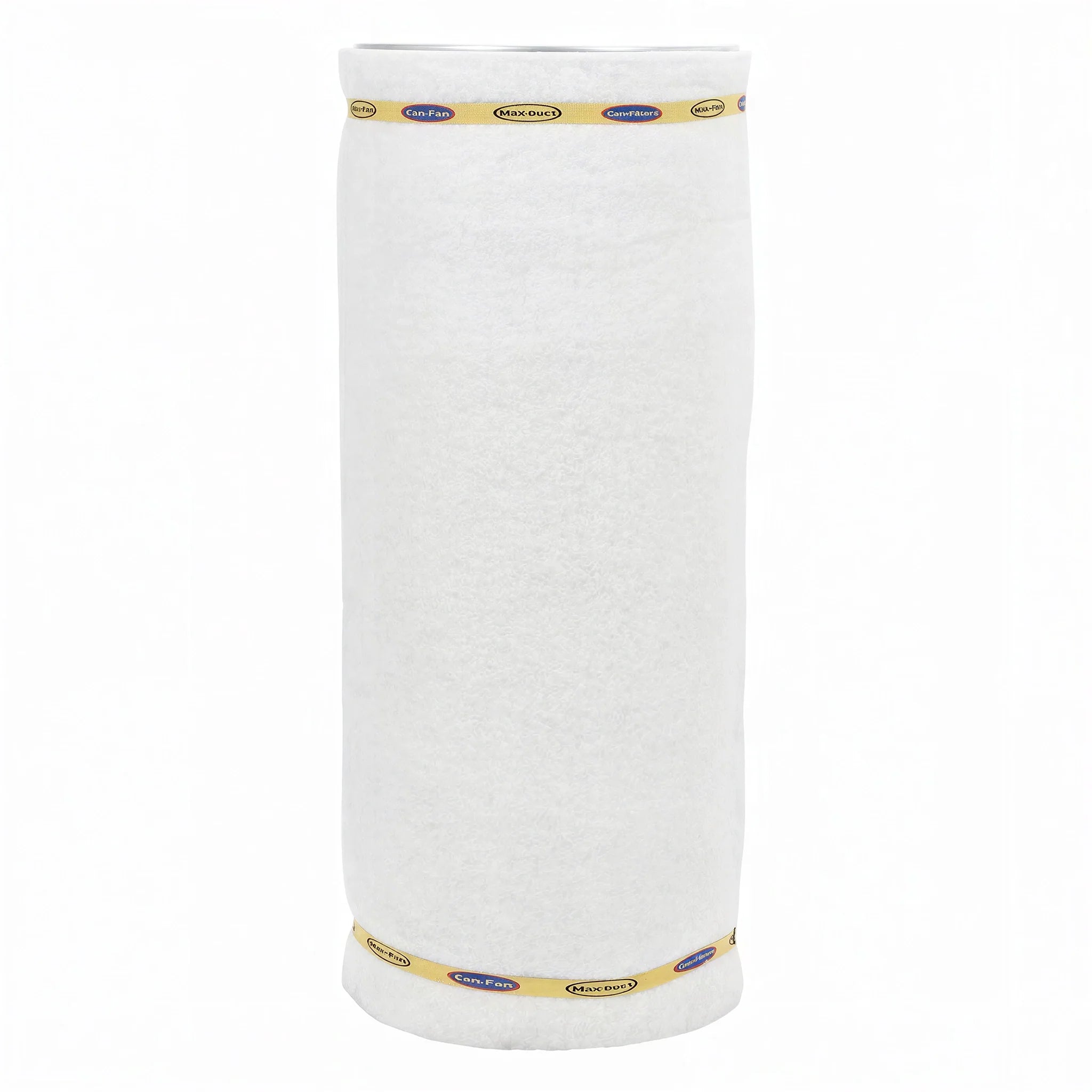
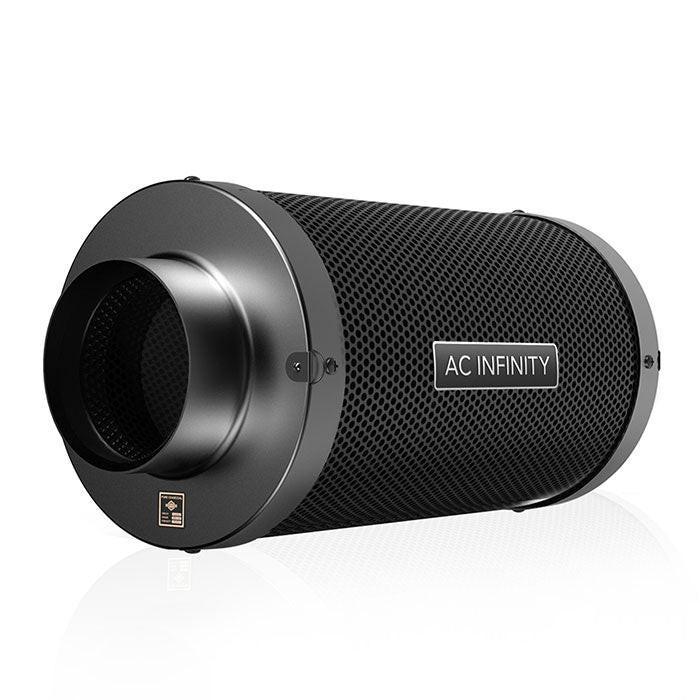
Odor control is a practical necessity for most enclosed indoor growing environments -- the aromatic volatile compounds produced by many crops become concentrated in enclosed spaces and must be addressed before the exhaust air leaves the growing area. Carbon filtration is the industry-standard odor control technology: activated carbon has an enormous internal surface area (1,000-2,000 square meters per gram) that physically adsorbs volatile organic compounds from air passing through it, removing the odor-causing molecules from the exhaust stream. A properly sized carbon filter matched to an appropriately rated inline fan and connected with sealed ductwork is an effective, reliable, and safe odor management system for growing operations of any scale.
Carbon Filter Sizing
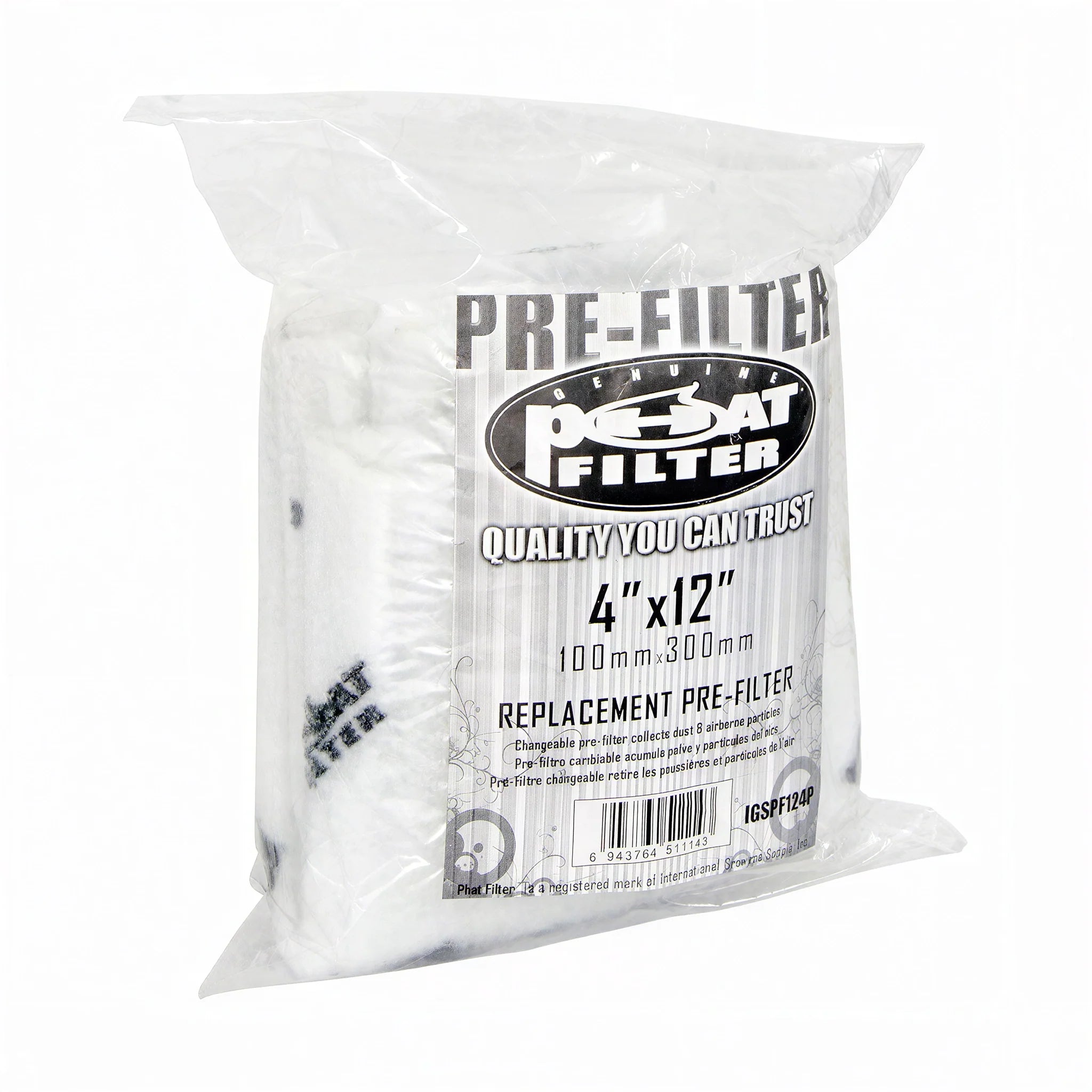
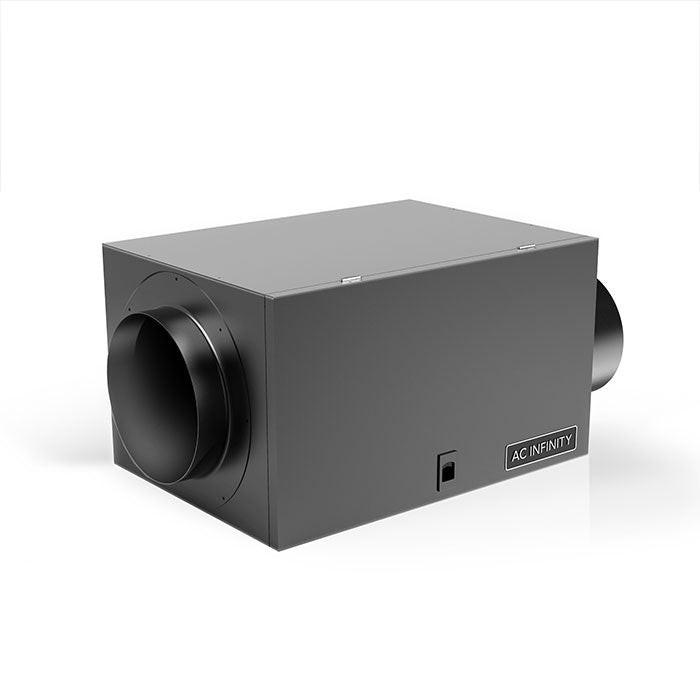
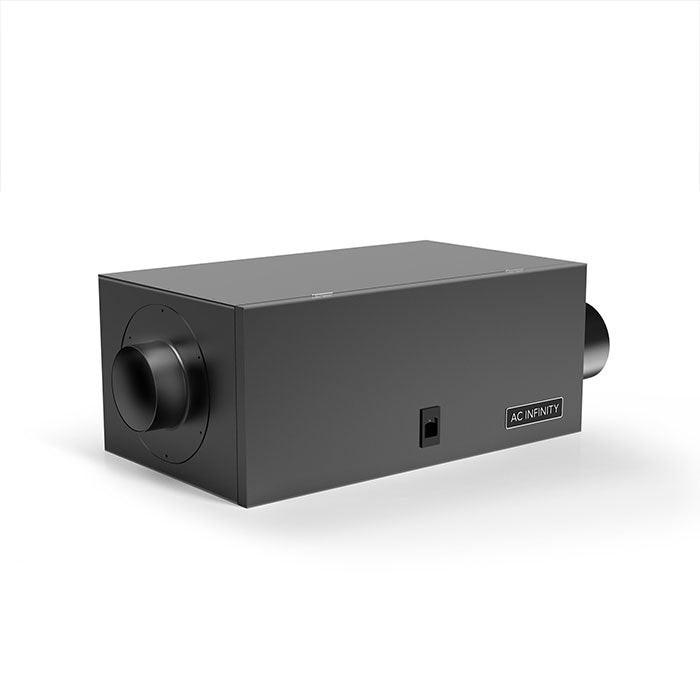
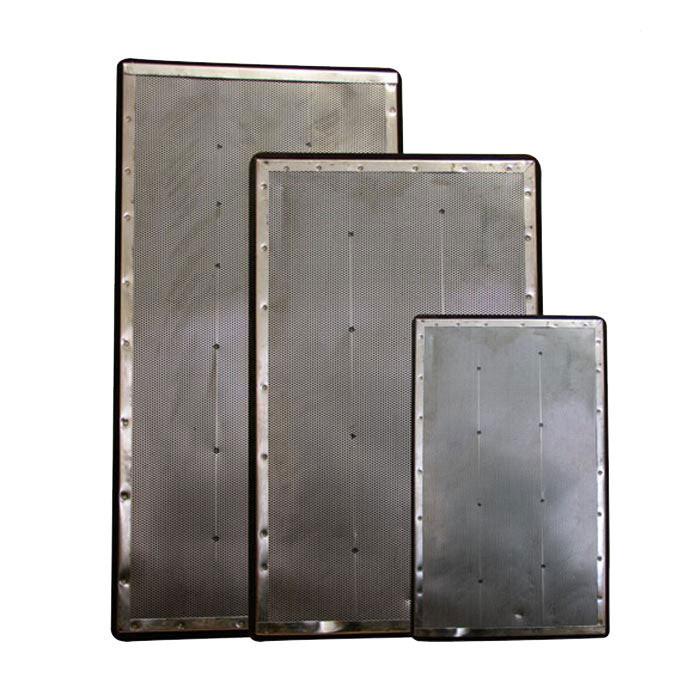
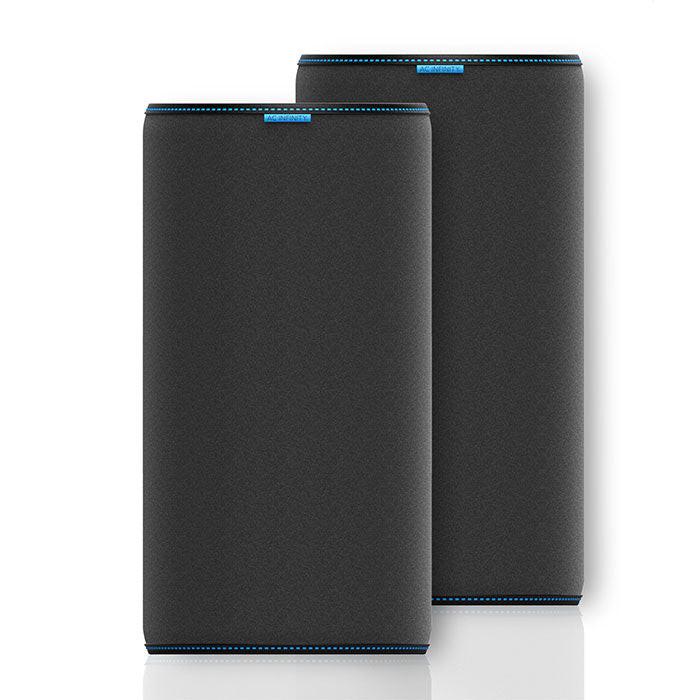
Carbon filters are rated in CFM -- the maximum airflow the filter can process while maintaining effective odor adsorption. The filter CFM rating must be matched to (or exceed) the inline fan CFM rating to ensure the air has adequate contact time with the carbon bed. An undersized carbon filter on an oversized fan produces inadequate adsorption because the air moves through the carbon too quickly. Standard sizing principle: select a carbon filter rated for 10-20% more CFM than the fan to ensure the fan never exceeds the filter's rated capacity. Fan and filter kits provide pre-matched combinations that eliminate the sizing calculation. Browse all odor control products including ozone generators, ONA odor neutralizers, and electrostatic precipitators.
Carbon Filter Service Life
Carbon filters adsorb odor molecules until the carbon surface area is saturated -- at that point they no longer remove odors from the air passing through them. Replace carbon filters every 12-24 months of continuous use, earlier in high-humidity environments where moisture reduces carbon adsorption capacity. Fast shipping.
Odor Control & Air Filters FAQ
How does a carbon filter remove odors?
Activated carbon (produced by superheating organic material like coconut shells or coal in a low-oxygen environment) has a highly porous internal structure with enormous surface area. When air passes through the carbon bed, volatile organic compound (VOC) molecules are physically adsorbed (attracted and bound) to the carbon surface through van der Waals forces -- the odor molecules attach to the carbon and are removed from the air stream. The process is non-chemical -- no reaction occurs, the carbon simply captures and holds the odor molecules until its surface area is saturated, at which point the filter is exhausted and must be replaced.
What size carbon filter and fan do I need for my grow tent?
Match the fan and filter size to the tent volume. For a 4x4x8 ft tent (128 cubic feet): a 4-inch inline fan rated for 200-300 CFM with a matching 4-inch carbon filter is adequate for most programs. For a 5x5x8 ft tent (200 cubic feet): a 6-inch fan rated 400-500 CFM with a 6-inch carbon filter. General rule: select a filter rated for 1.2-1.5x the fan CFM to ensure adequate contact time. Hang the carbon filter inside the tent at the highest point (heat rises, odor concentrates at the top), connect to the fan with a short flex duct section, and exhaust through the top tent port.
Can I use an ozone generator instead of a carbon filter?
Ozone generators destroy odor molecules through oxidation -- a different mechanism than carbon adsorption. At sufficient ozone concentration, ozone is highly effective at odor elimination. The critical limitation: ozone at concentrations effective for odor control is harmful to human respiratory health and to plant tissue. Ozone generators must be used only in unoccupied spaces with no live plants, or in the exhaust duct downstream of the growing space. Carbon filters do not have this safety limitation -- they adsorb odors passively without producing any harmful byproducts and are safe for continuous operation in occupied growing environments.
Why is my carbon filter not controlling odors anymore?
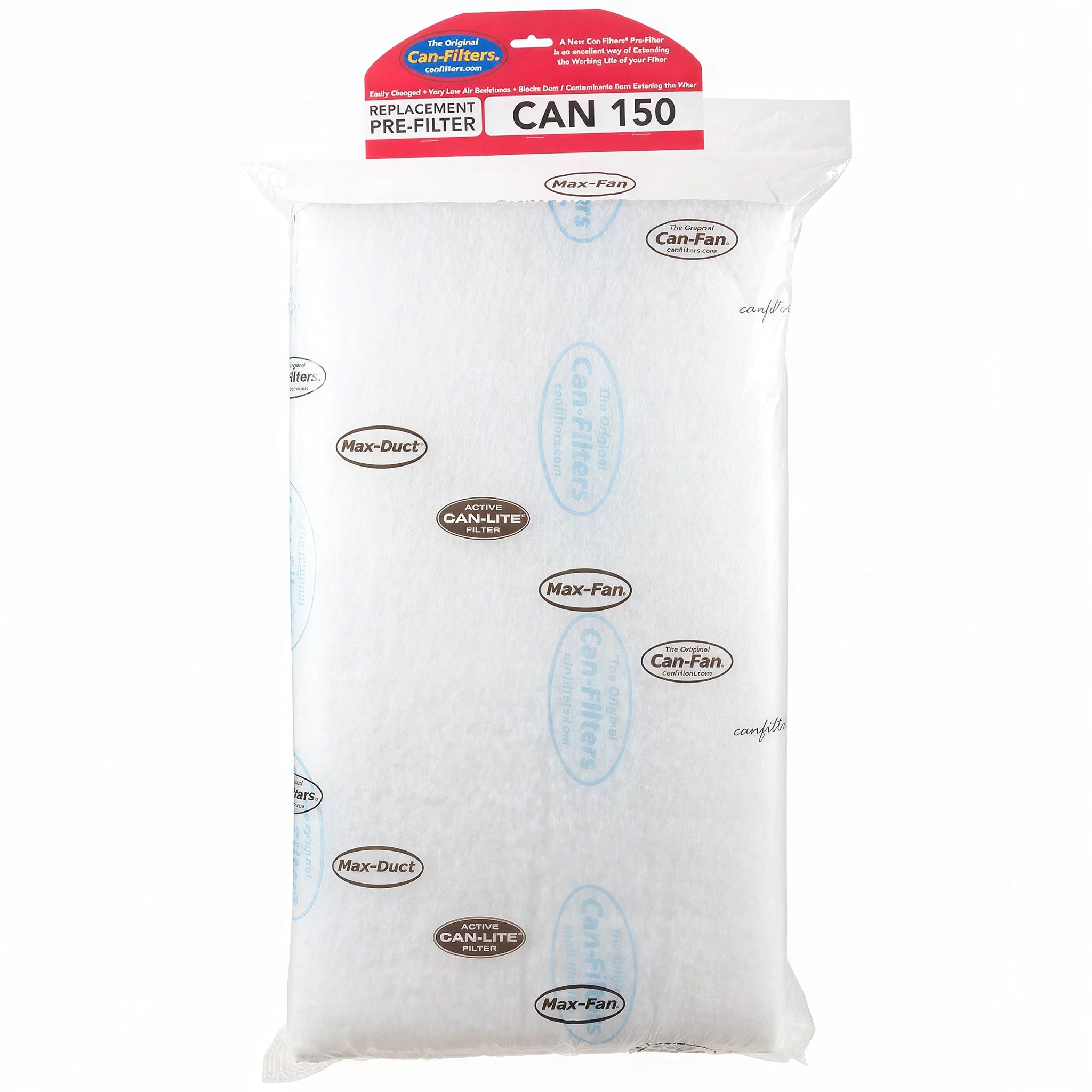
A carbon filter that previously worked but has stopped controlling odors is typically exhausted -- the carbon surface area is saturated with adsorbed compounds and can no longer accept new molecules. Service life depends on air volume processed, humidity (high humidity reduces adsorption capacity significantly -- keep RH below 70% at the filter), and odor concentration in the exhaust air. If the filter is less than 12 months old and has been used in a high-humidity environment, premature exhaustion from moisture saturation is the likely cause. Replace the carbon filter; pre-filter the air through a dehumidifier or ensure room humidity is well-controlled to extend the next filter's service life.
Do I need a carbon filter even if I am not growing aromatic crops?
A carbon filter is most critical for highly aromatic crop varieties where odor management is a necessity. For non-aromatic crops (most vegetables, microgreens, leafy greens), odor management is less critical and a carbon filter is optional -- the exhaust fan ventilation needed for temperature and humidity management can operate without a filter. If the growing space is in a shared building, apartment, or urban area where exhaust odors could affect neighbors regardless of crop type, a carbon filter on the exhaust system is a considerate and practical addition regardless of the specific crop being grown.