CMH & Ceramic Metal Halide Grow Light Bulbs
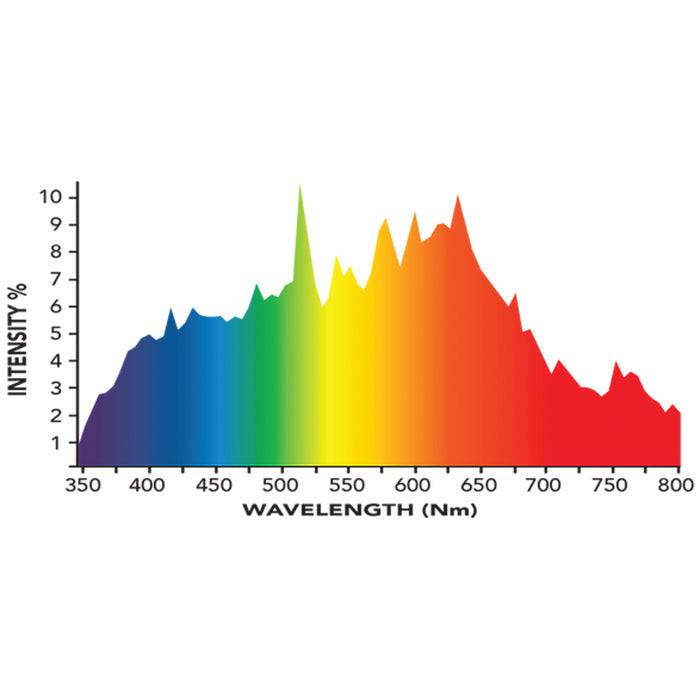
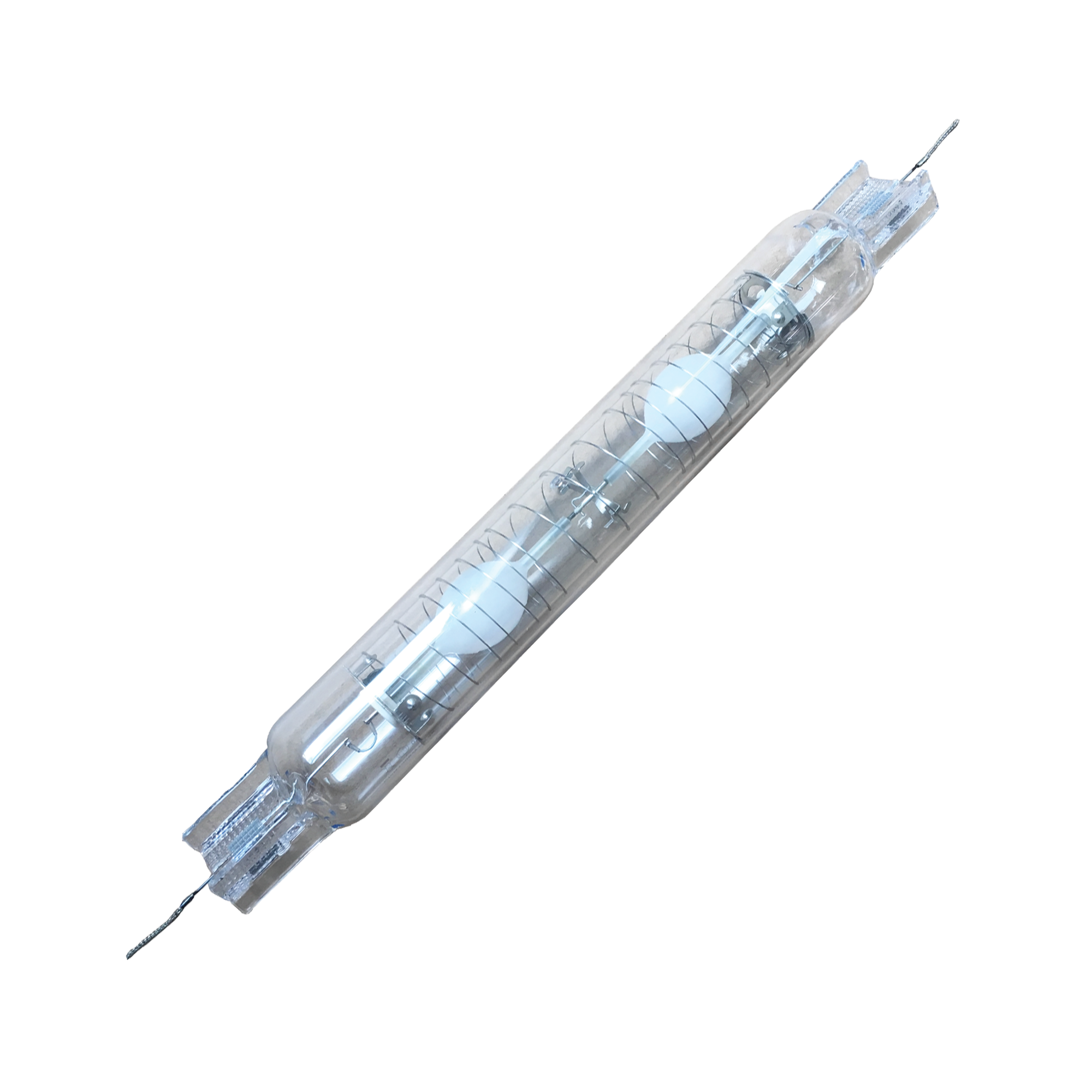
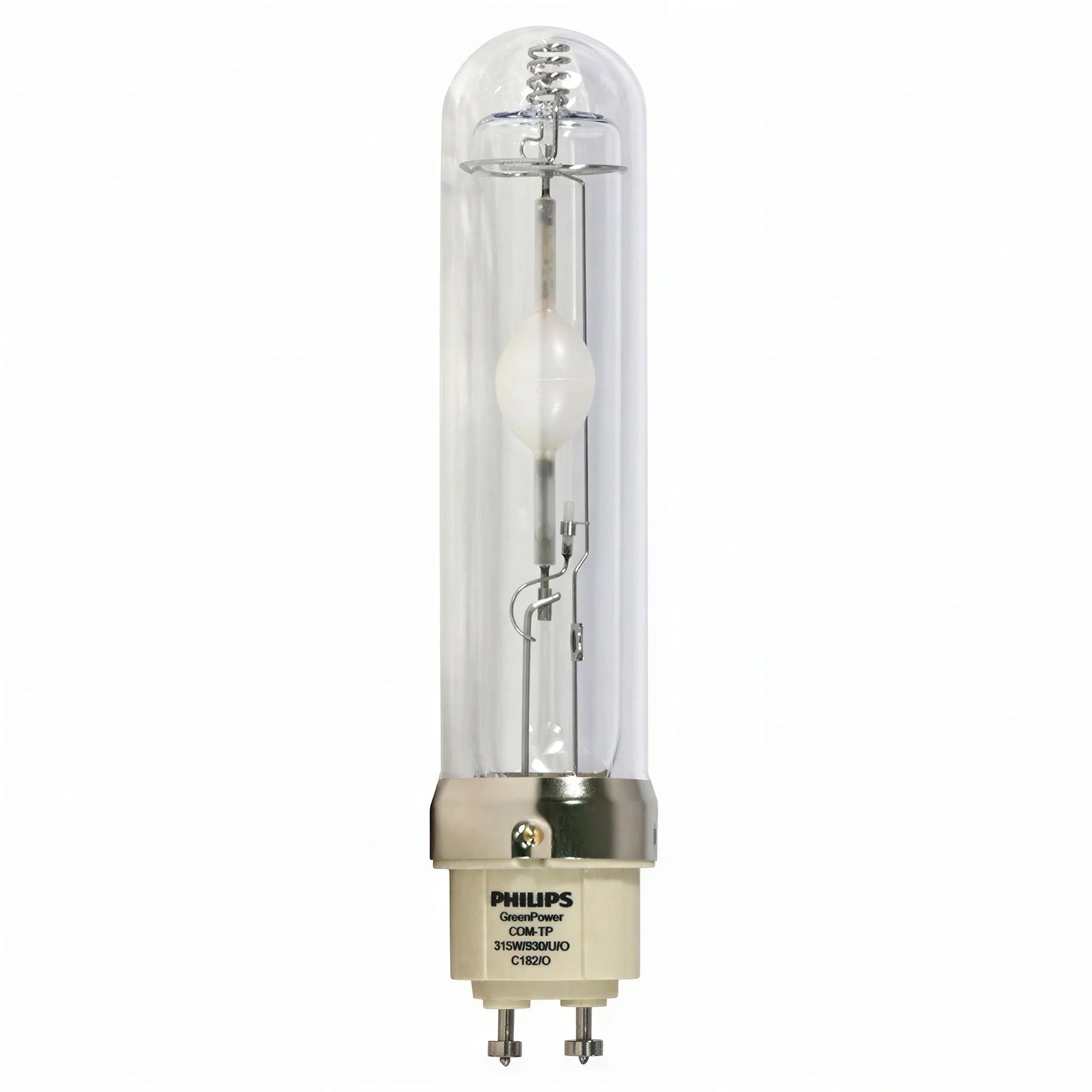
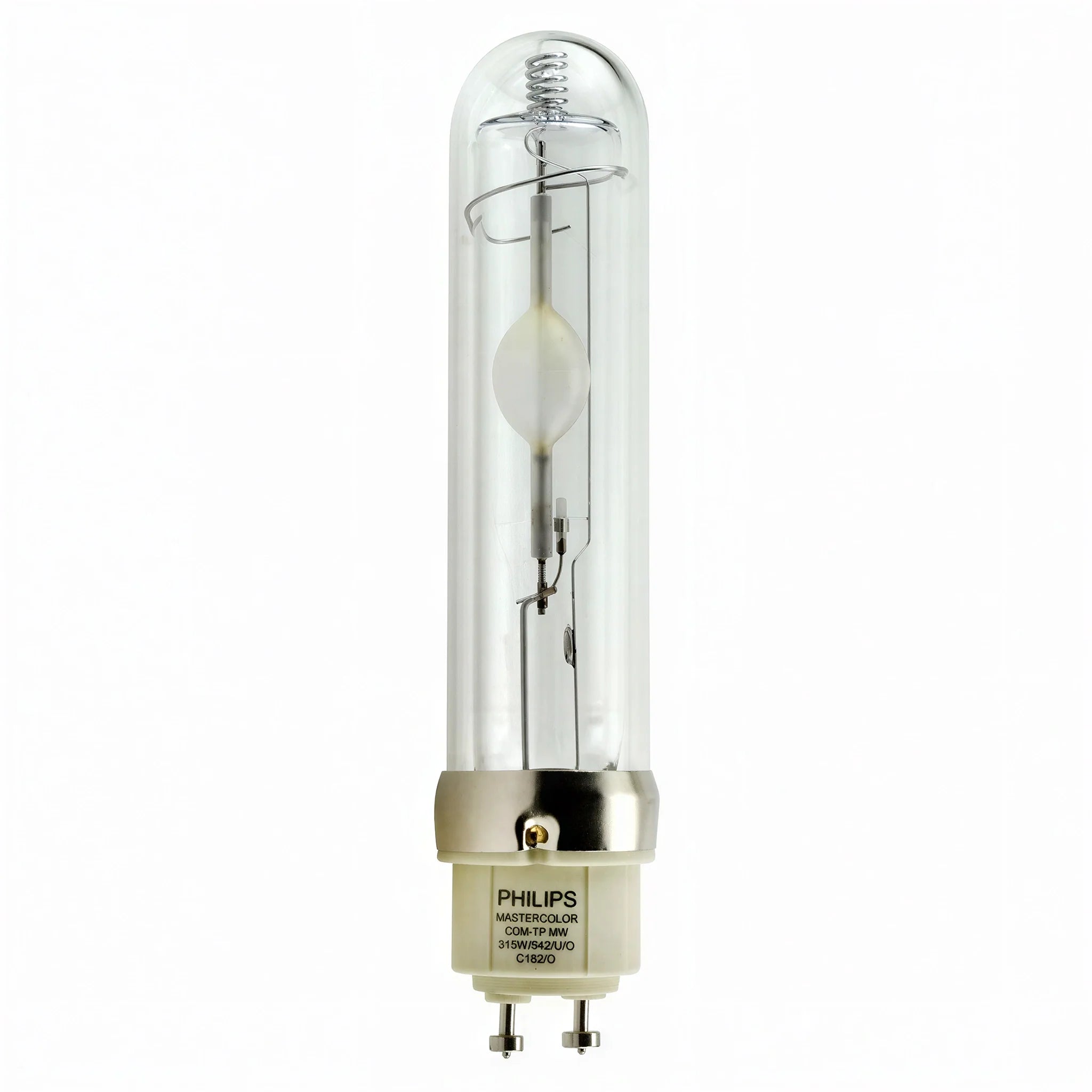
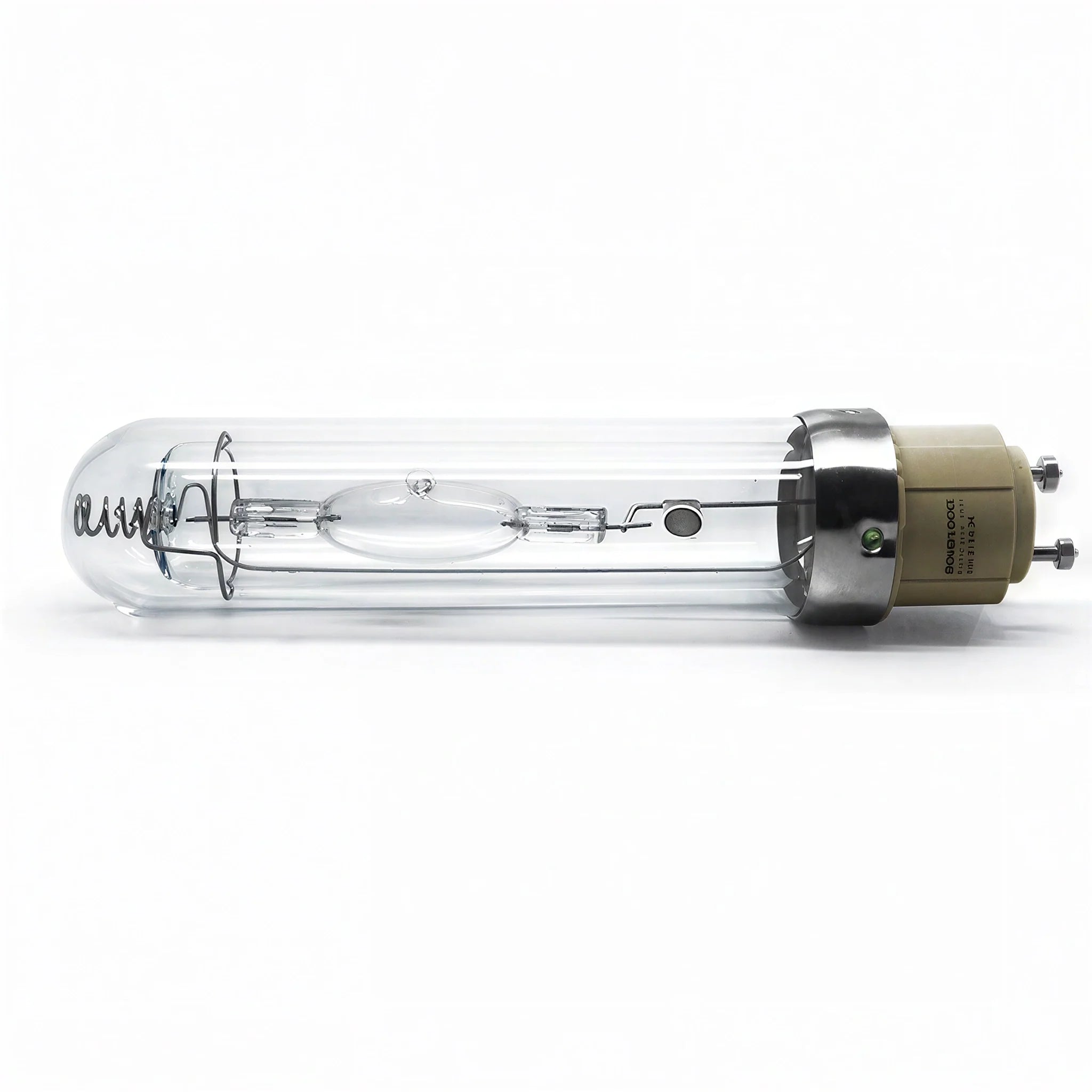
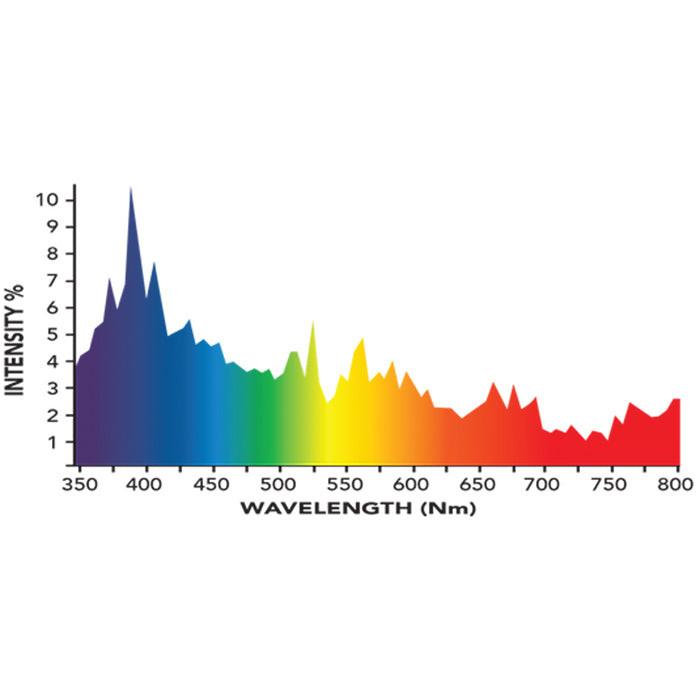
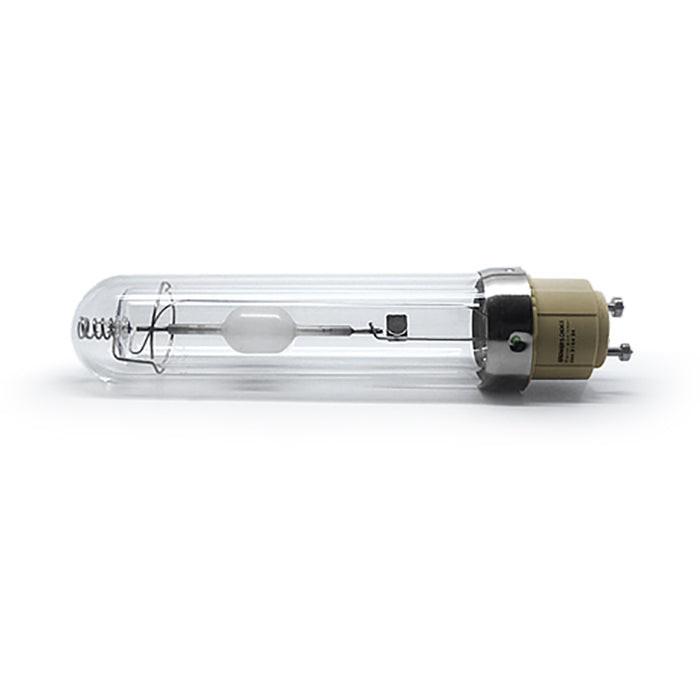
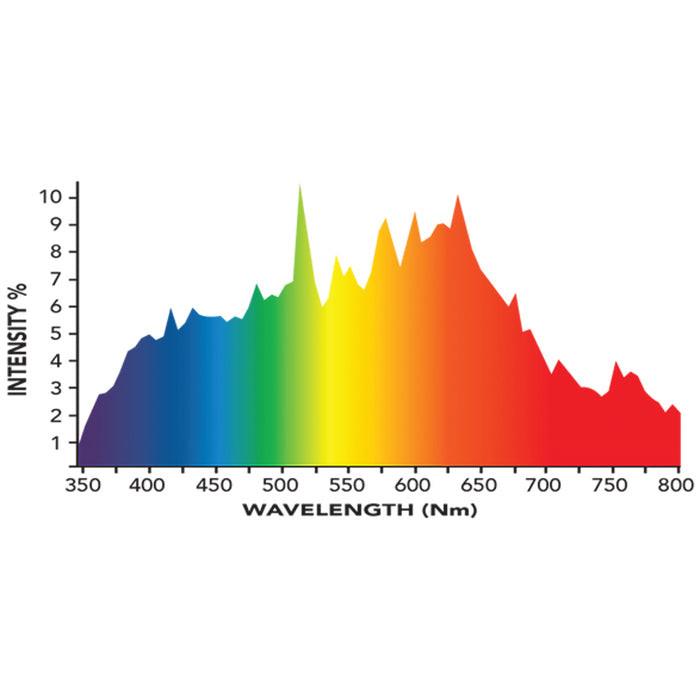
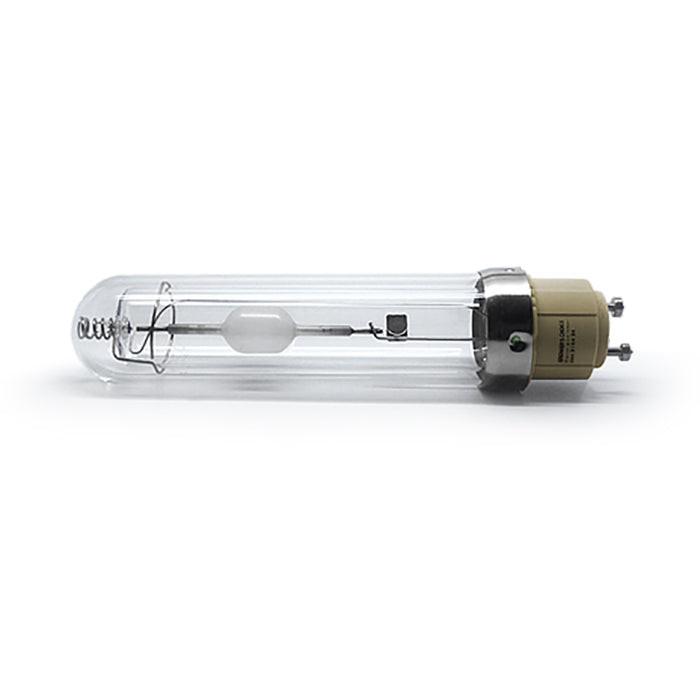
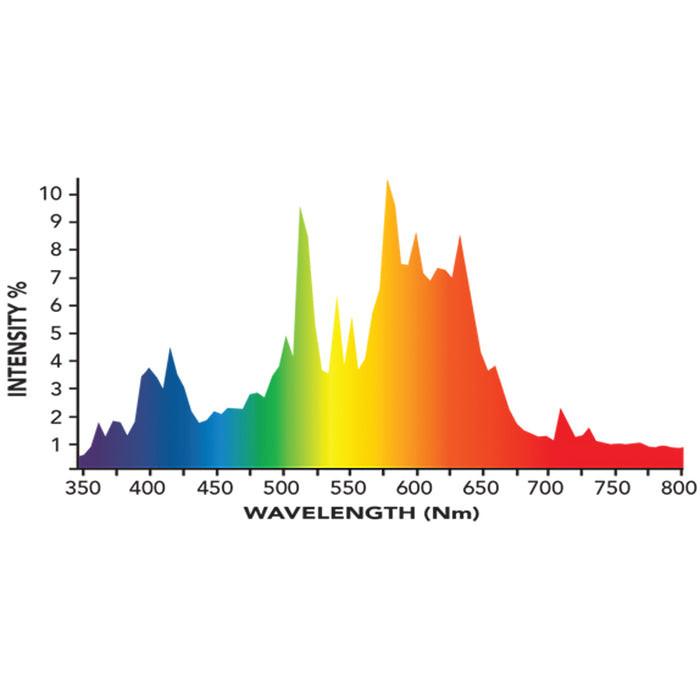
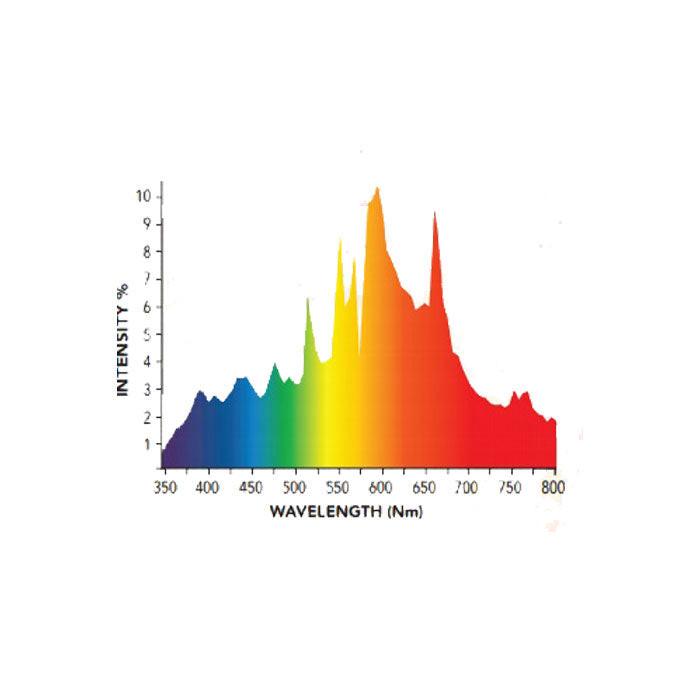
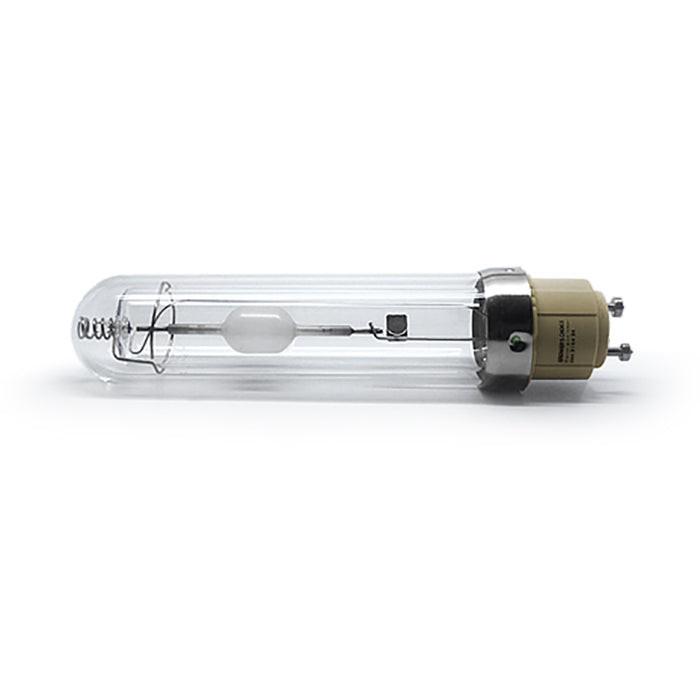
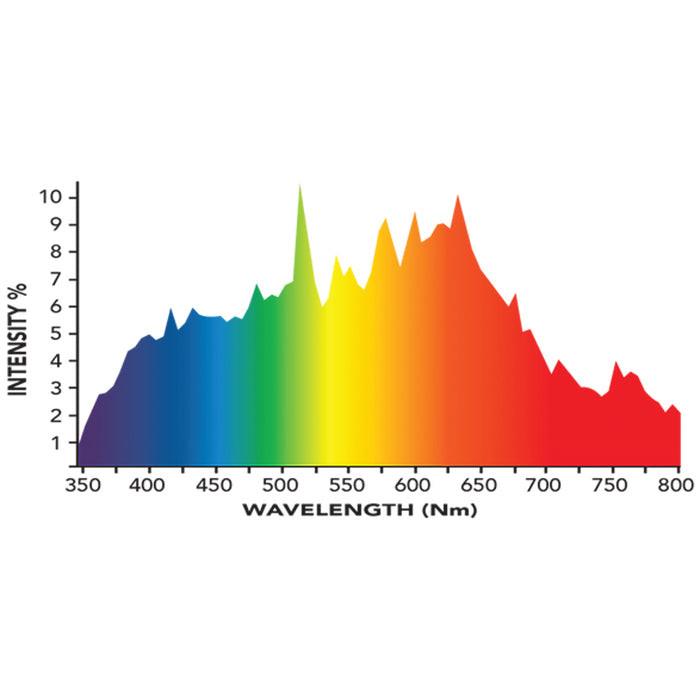
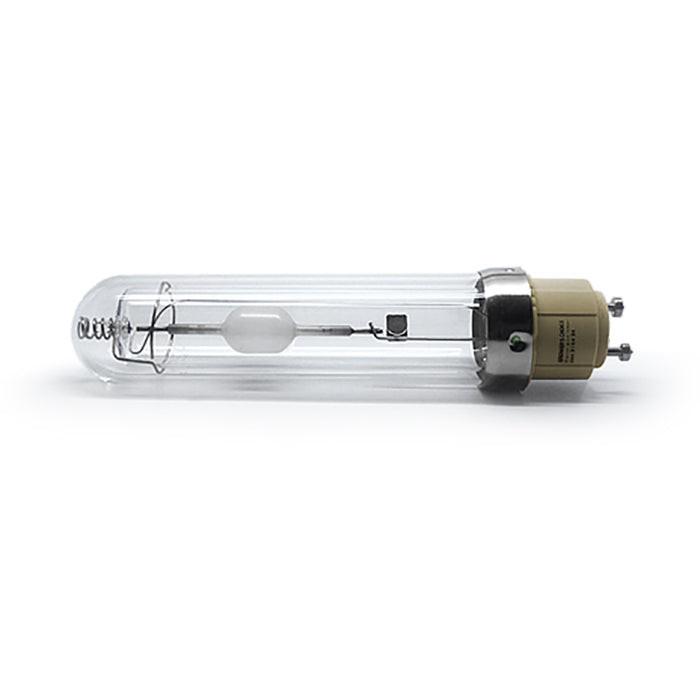
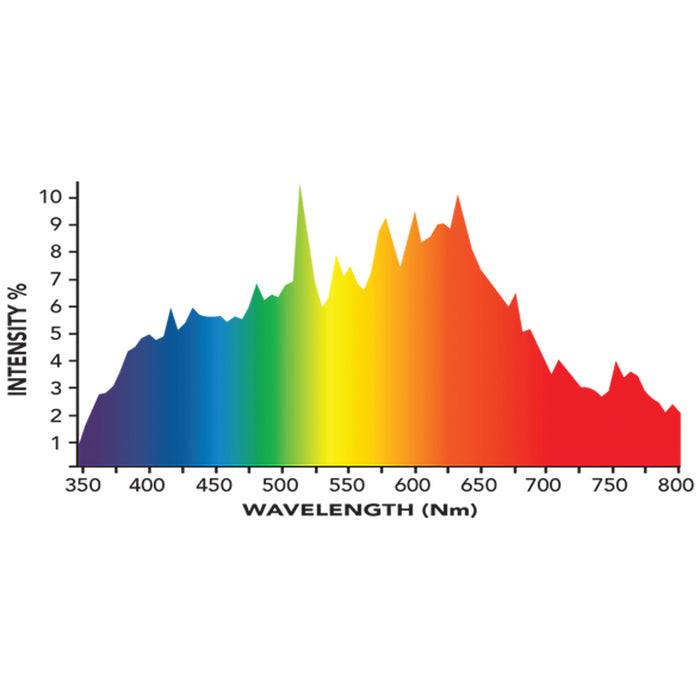
Ceramic metal halide (CMH) bulbs -- also marketed as LEC (Light Emitting Ceramic) lamps -- are replacement lamps for CMH/LEC grow light fixtures. These bulbs use a ceramic arc tube rather than the quartz arc tube in standard metal halide lamps, allowing operation at higher temperatures that produce a fuller, more complete spectrum including natural UV output, high color rendering (CRI 90+), and far-red wavelengths. CMH bulbs must be matched to CMH-compatible ballasts -- they cannot be run in standard HPS or MH ballasts without risk of ballast or bulb damage.
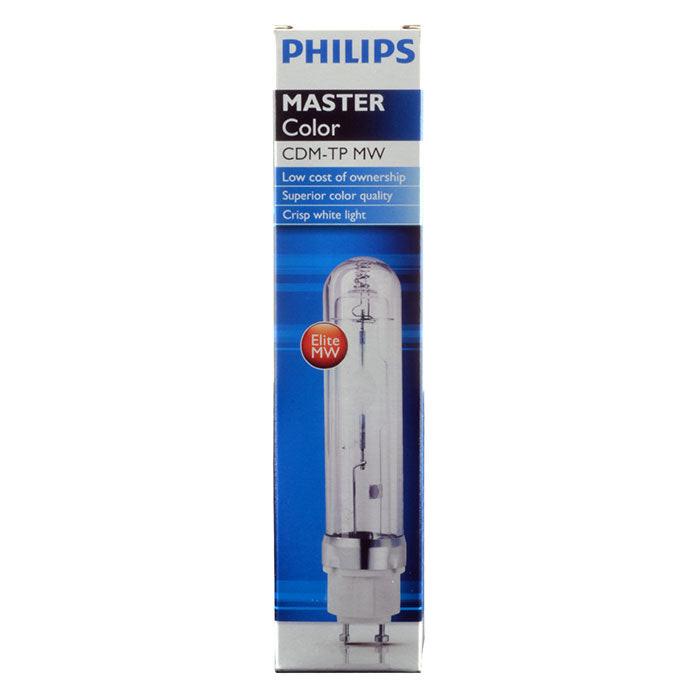
Philips MasterColor CDM -- The Category Benchmark
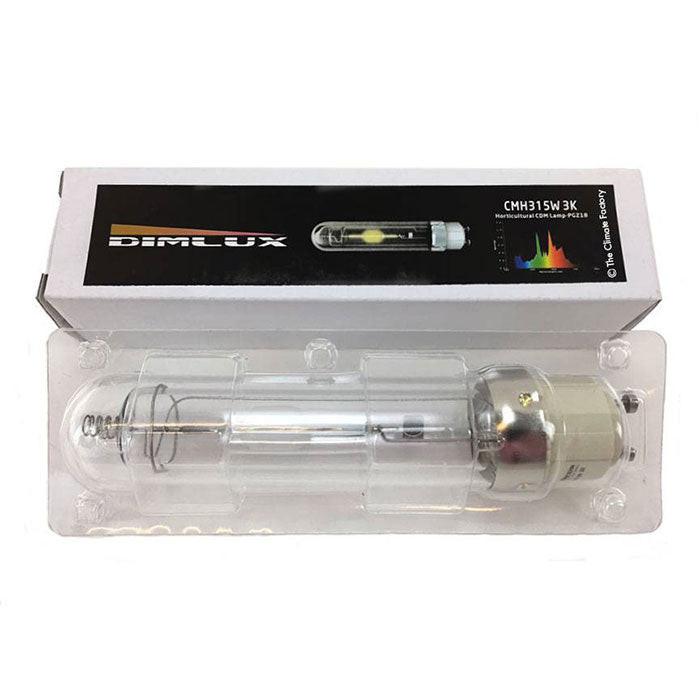
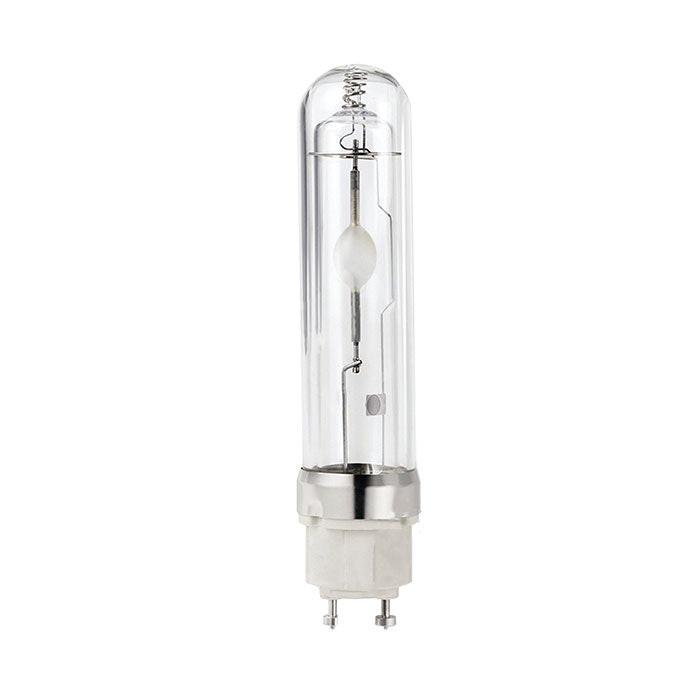
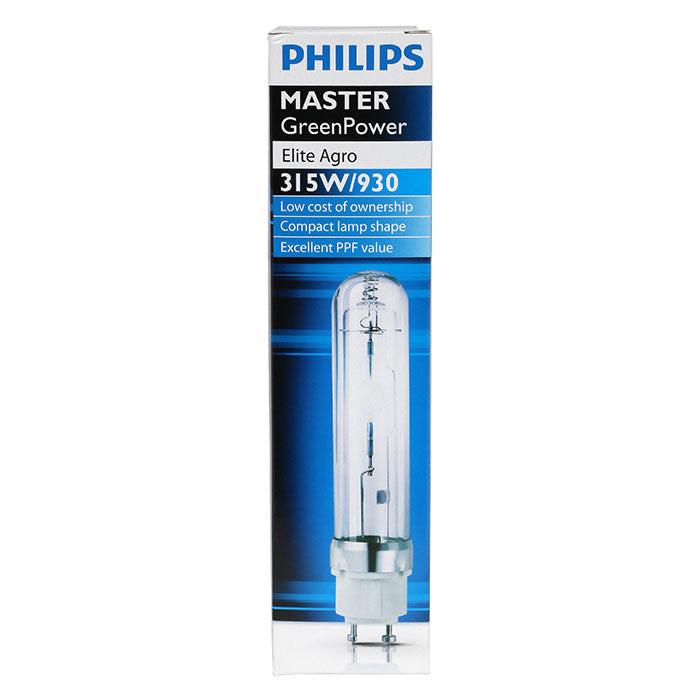
The Philips MasterColor CDM 315W and 630W are the category benchmarks for CMH horticultural bulbs -- the original commercial-grade CMH lamps that established the standard for output, spectrum quality, and consistency in this format. Philips CDM 315W-PAR bulbs produce approximately 120-135 umol/s per lamp; CDM 630W configurations (two 315W lamps in a dual-lamp fixture) produce 240-270 umol/s combined. Replace Philips CDM bulbs every 10,000-12,000 hours to maintain rated output -- at 12 hours per day, that is approximately 2.3-2.7 years. Ushio also produces qualified CMH horticultural lamps as an alternative to Philips CDM.
CMH Bulb Compatibility & Ballast Matching
CMH bulbs require ballasts specifically designed for the ceramic arc tube's operating parameters -- not interchangeable with HPS or standard MH ballasts. When replacing CMH bulbs, use the lamp specification recommended by your fixture manufacturer. For Gavita, Phantom, and Iluminar CMH fixtures, Philips MasterColor CDM is the most commonly recommended replacement bulb. See our complete CMH & LEC grow lights collection for complete fixture and ballast systems. Fast shipping.
CMH Bulb FAQ
How often should I replace CMH grow light bulbs?
Replace CMH bulbs every 10,000-12,000 hours of operation -- approximately 2.3-2.7 years at 12 hours per day or 1.5-1.8 years at 18 hours per day. CMH bulbs decline in output significantly before physically failing -- by 10,000 hours, output has typically dropped 20-25% from initial levels while the lamp still operates. Continuing to run degraded-output CMH bulbs delivers lower PPFD at the same electricity cost. Track hours in a grow log and replace on schedule rather than waiting for visible failure.
Can I use a Philips CDM bulb in any CMH fixture?
Philips MasterColor CDM bulbs are designed for CMH-specific ballasts, but not all CMH fixtures are identical in their electrical specifications. For fixtures from Gavita, Phantom, Iluminar, and most other qualified manufacturers, Philips CDM is the recommended replacement and is broadly compatible. Some fixture manufacturers specify that their ballast is specifically optimized for their own branded CMH bulb -- in these cases, using a different lamp brand may produce slightly different output. When in doubt, use the lamp brand and model recommended in your fixture's product documentation.
What is the difference between a 315W and 630W CMH bulb?
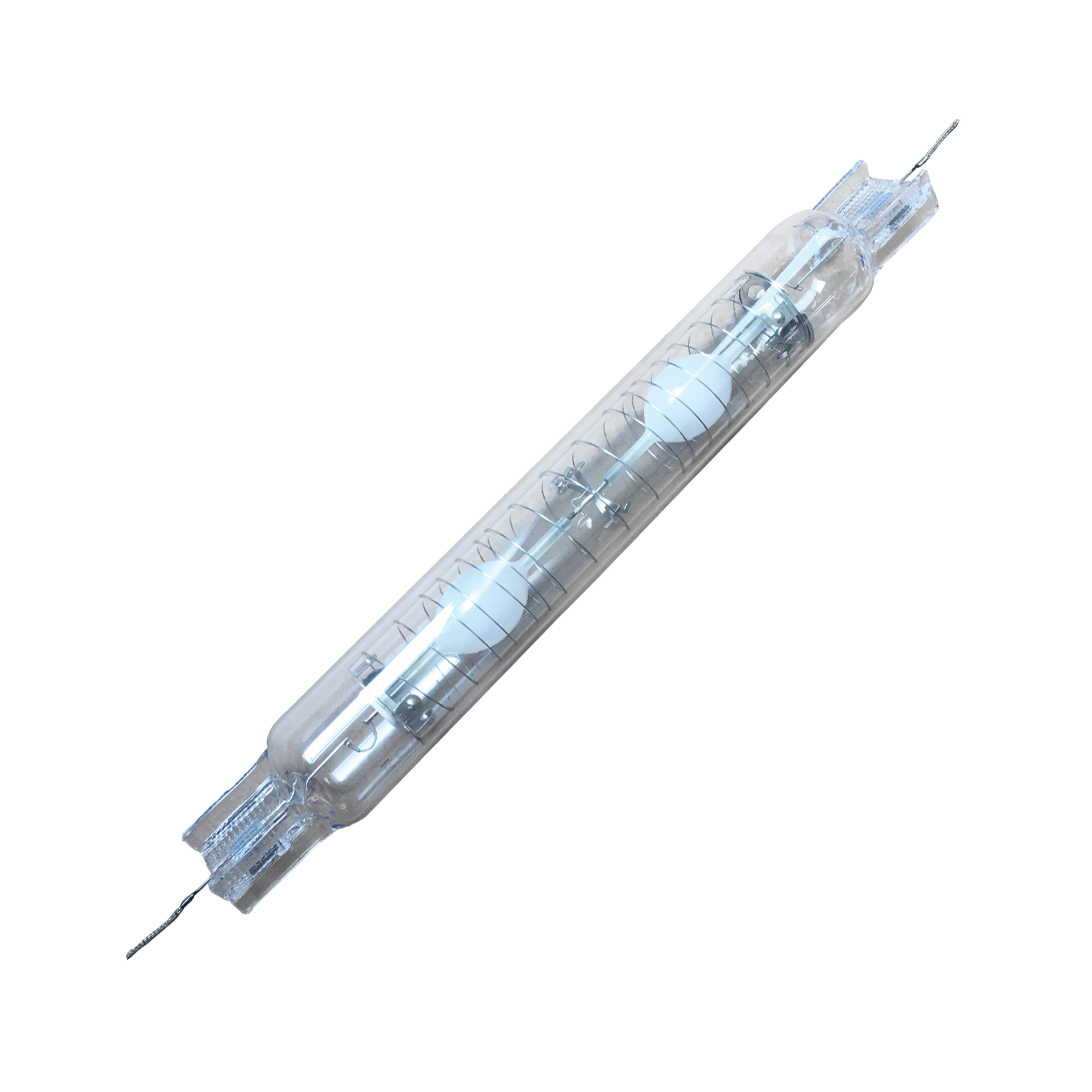
A 315W CMH bulb is a single ceramic arc tube lamp for 315W single-lamp fixtures -- the most widely used CMH configuration for 3x3 ft canopy coverage. A 630W CMH is not a single physical bulb in the same sense -- it refers to the double-lamp CMH fixture format that uses two 315W CDM lamps in a single fixture housing. Each 315W bulb in a dual-lamp fixture is still a standard 315W CDM lamp; the 630W designation refers to the combined fixture wattage, not a different bulb. Replacement is straightforward: replace each 315W lamp independently in a dual-lamp fixture.
Do CMH bulbs need to warm up before reaching full output?
Yes -- CMH lamps require a warm-up period of approximately 3-5 minutes after startup before the ceramic arc tube reaches operating temperature and full stable output. During warm-up, the lamp draws slightly different current and produces somewhat less than rated light output. This warm-up period is shorter than standard MH lamps but longer than LED, which reach full output instantly. As with all HID lamps, allow a cool-down period of 5-10 minutes before restarting a CMH lamp that has been shut off while hot -- the hot restart behavior varies by ballast, and many ballasts require cool-down before the lamp can re-strike properly.
Can CMH bulbs be run horizontally?
It depends on the specific lamp model. Most CMH horticultural lamps are rated for horizontal burning orientation -- this is the standard mounting position in most CMH grow light reflectors, which position the lamp horizontally for even light distribution below the fixture. Some CMH lamps are rated for universal (any orientation) or vertical burning. Always verify the burning position rating for your specific Philips CDM or Ushio CMH lamp in the product specification sheet -- using a lamp outside its rated burning orientation can cause arc tube damage, inconsistent arc, or premature failure.