Wetting Agents & Surfactants for Growing
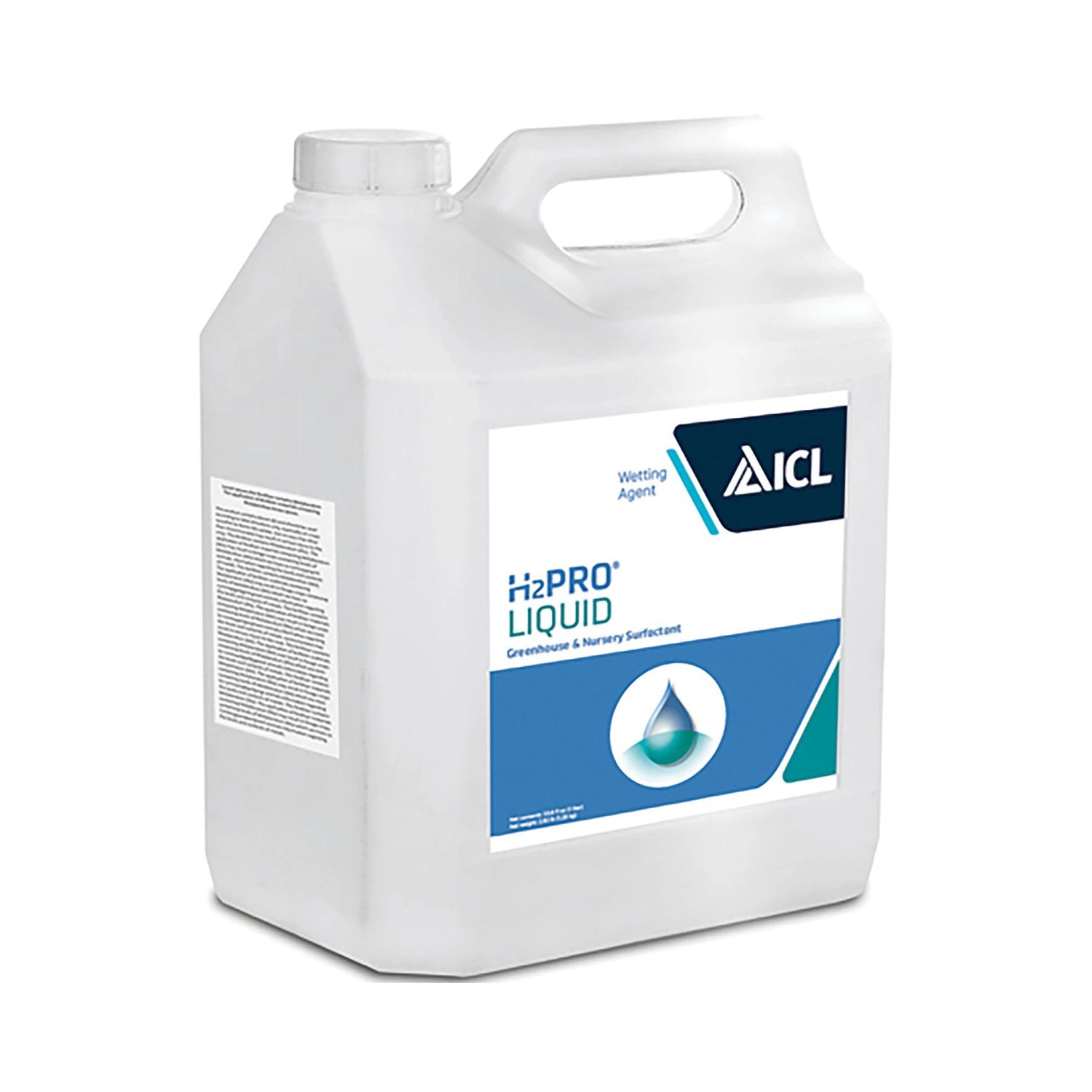
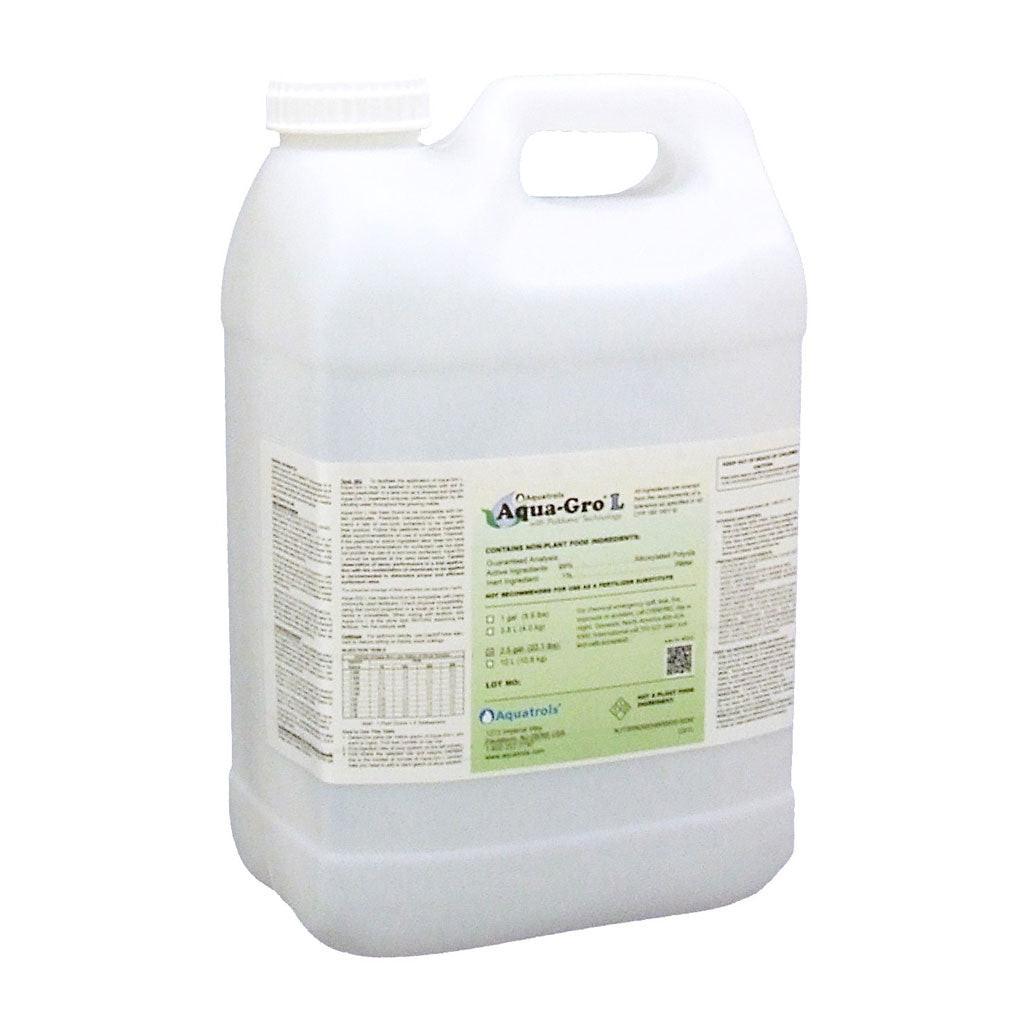
Wetting agents and surfactants reduce the surface tension of water, improving its ability to penetrate and spread evenly through growing media. In hydroponic and container growing applications, water surface tension creates channeling -- where irrigation water follows paths of least resistance through the substrate rather than spreading evenly, leaving dry pockets where roots cannot access moisture. Wetting agents interrupt this surface tension effect, allowing water to spread more evenly through the substrate matrix. This is particularly relevant in coco coir and peat-based media that can become hydrophobic when allowed to dry out between irrigation events.
Organic vs. Synthetic Wetting Agents
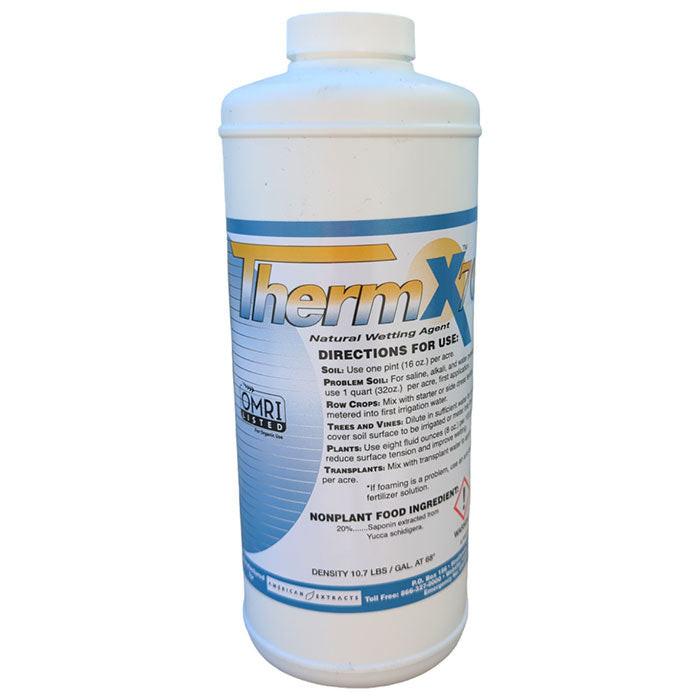
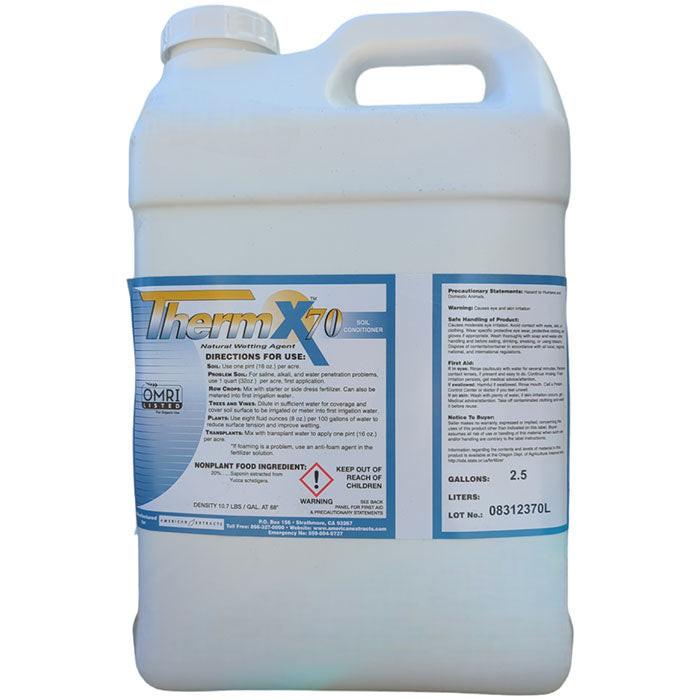
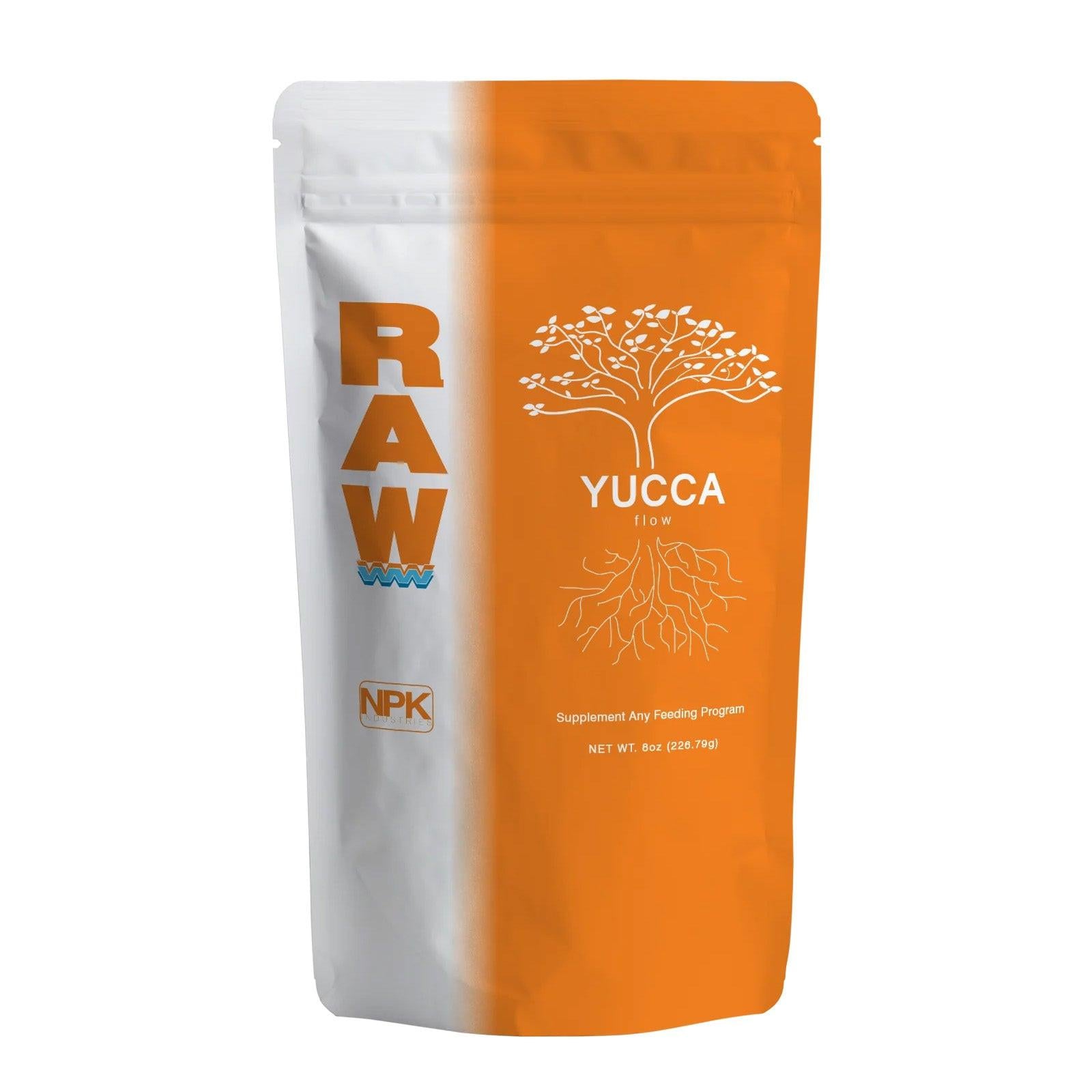
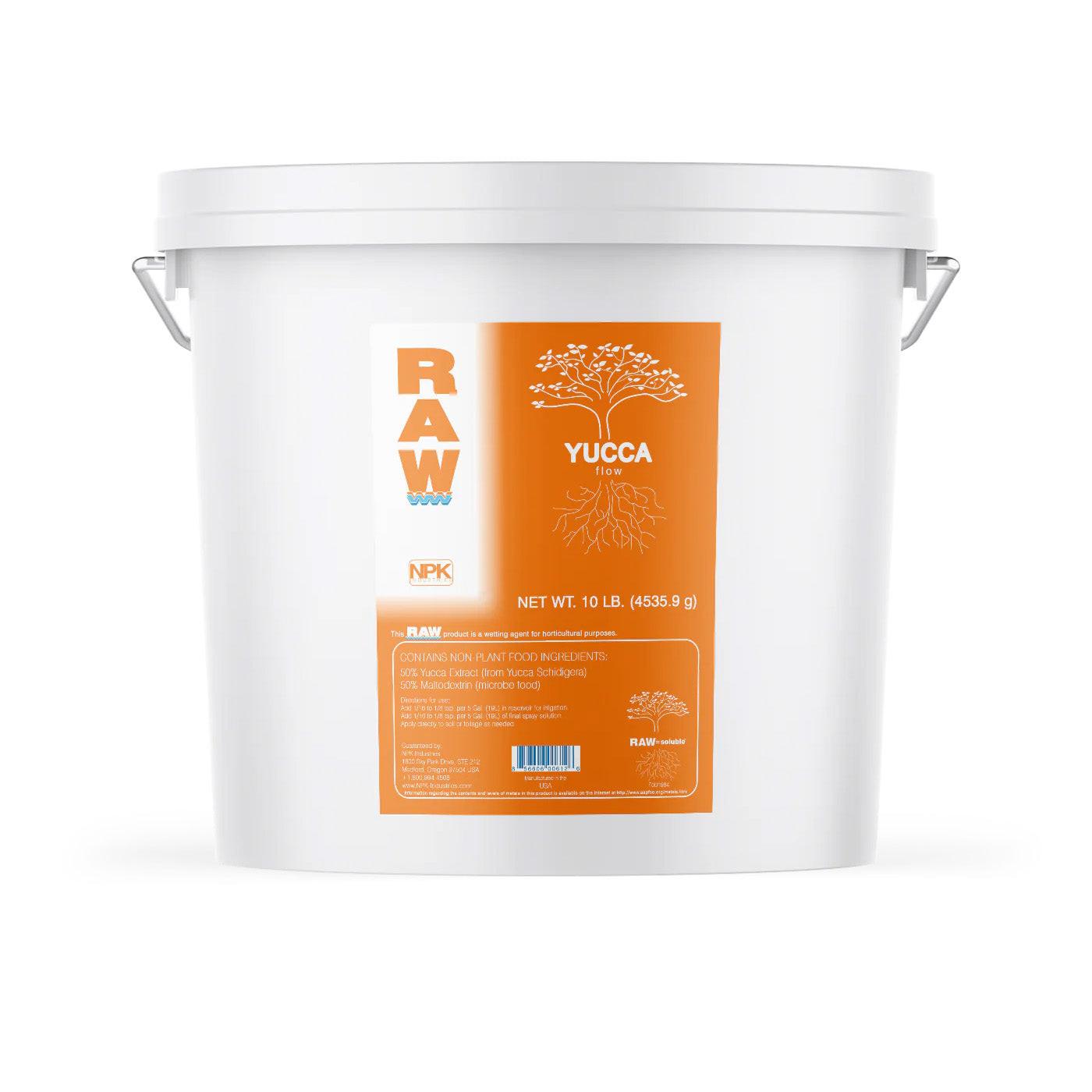
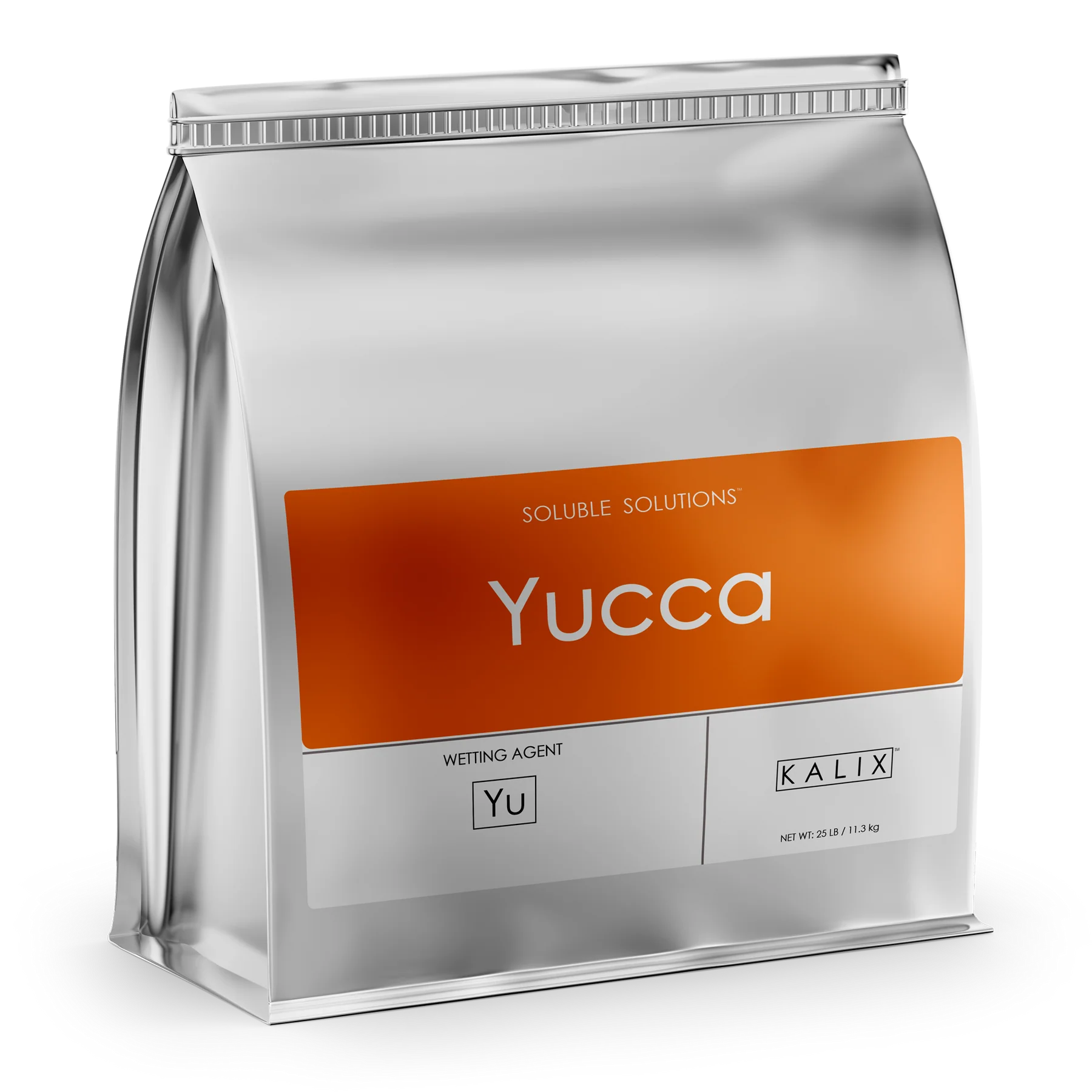
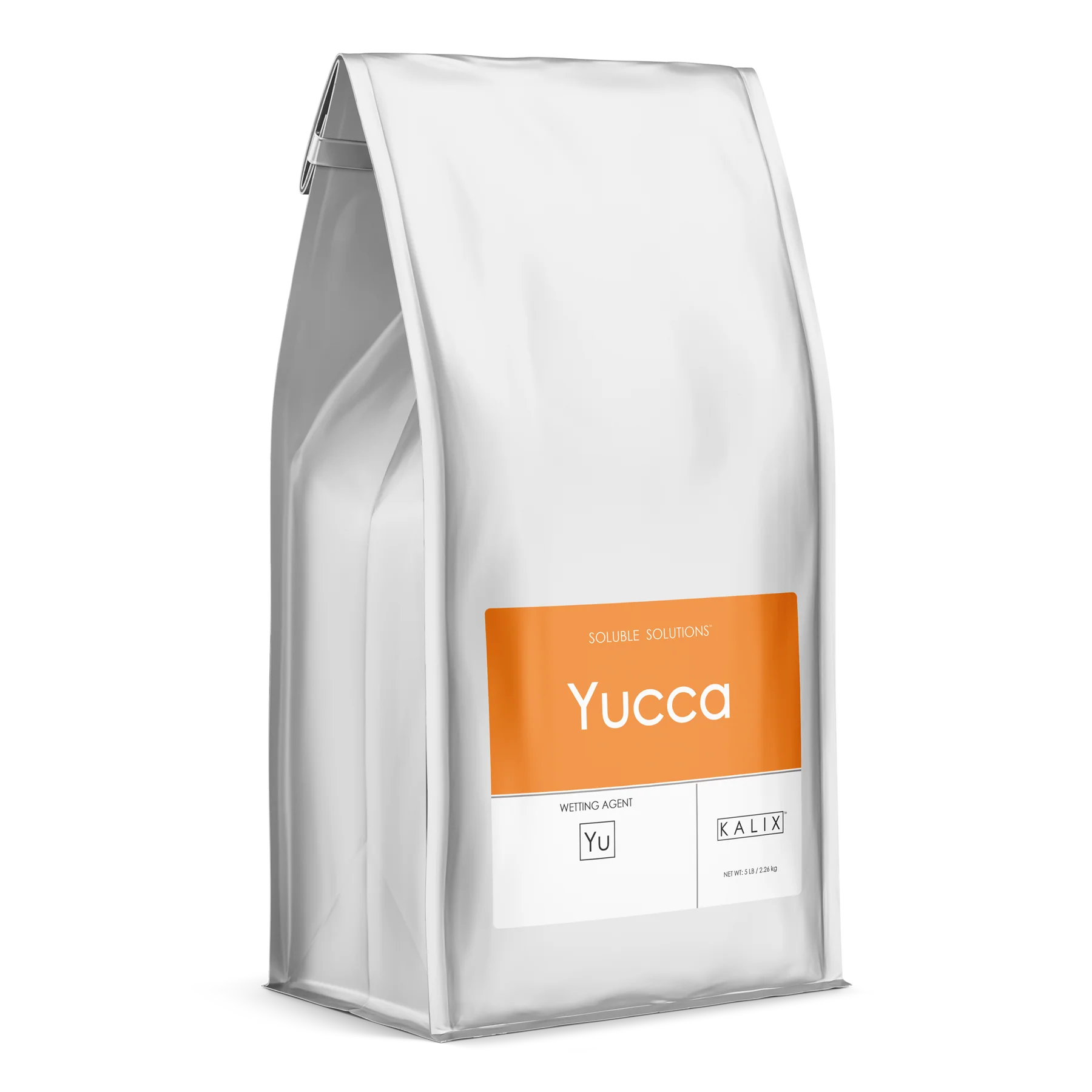
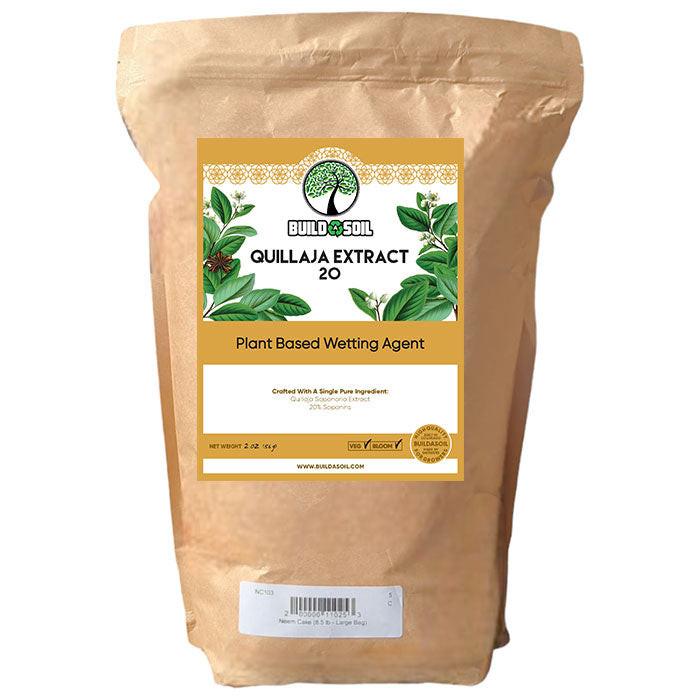
Organic wetting agents (yucca extract, saponin-based products) are derived from plant extracts that naturally contain saponin compounds with surfactant properties. They biodegrade in the root zone, are compatible with beneficial biology programs, and are generally OMRI-listed for organic production. Synthetic wetting agents (silicone-based surfactants) are more durable in solution but not appropriate for organic programs. For most indoor growing applications, organic yucca-based wetting agents provide effective water penetration improvement at low application rates (1-2 ml per gallon) compatible with any nutrient program. Pair with silica supplements for a complete plant-strengthening program.
Application Rates & Uses
Apply wetting agents at low rates (0.5-2 ml per gallon) as a regular addition to the nutrient solution throughout the growing cycle. Higher rates can cause excessive foaming in recirculating systems or damage beneficial root zone microorganisms. Wetting agents are also used for re-wetting hydrophobic dried-out coco or peat media, improving water penetration in dense perlite-heavy mixes, and as a component of foliar spray solutions to improve coverage and adhesion on waxy leaf surfaces. Fast shipping.
Wetting Agents & Surfactants FAQ
What do wetting agents do for plants?
Wetting agents reduce water surface tension, improving how evenly irrigation water spreads through the growing substrate. The benefit to plants is indirect -- through a more uniformly moist root zone with fewer dry pockets, roots have more consistent access to water and nutrients throughout the substrate rather than concentrated along preferential flow channels. This is most beneficial in coco coir, peat, and perlite-heavy mixes that can develop channeling and hydrophobic zones after drying.
Can I use dish soap as a wetting agent?
No -- dish soap contains cleaning agents (detergents, preservatives, fragrances) that damage plant root cells and disrupt beneficial soil biology. Never use household soaps or cleaning products as wetting agents in growing applications. Use horticultural-grade wetting agents specifically formulated for plant-safe application -- yucca extract products are the standard organic options designed for use in plant root zones at the low application rates needed for wetting agent effect without phytotoxicity.
How much wetting agent should I add to my nutrient solution?
Apply at manufacturer-recommended rates, typically 0.5-2 ml per gallon of nutrient solution. Wetting agents are effective at very low concentrations -- more is not better and can cause problems: excessive foaming in recirculating systems, disruption of beneficial root zone microorganisms, and potential phytotoxicity to sensitive root tissues at high concentrations. Start at the lower end of the recommended range, especially in recirculating systems where the surfactant accumulates over time rather than draining away after each irrigation event.
Do I need a wetting agent if I water frequently?
Frequent irrigation in well-draining media largely mitigates the water channeling that wetting agents address -- the substrate stays moist enough that hydrophobic zones don't develop. Wetting agents provide the most benefit in: infrequently watered or large containers where the substrate dries unevenly between waterings; media that has been allowed to dry out completely and become hydrophobic; and drip-irrigated programs where a small emitter delivers water to one point and radial spread through the substrate is needed for even root zone coverage.
Are wetting agents compatible with organic and living soil programs?
Organic yucca-based wetting agents are fully compatible with organic and living soil programs -- saponin compounds are naturally occurring plant-derived surfactants that biodegrade in soil and are compatible with beneficial bacteria, fungi, and mycorrhizal networks. Most yucca extract wetting agents carry OMRI listing verifying their suitability for certified organic production. Avoid synthetic silicone-based surfactants in living soil programs -- their slower biodegradation may affect the soil biology that organic programs cultivate.