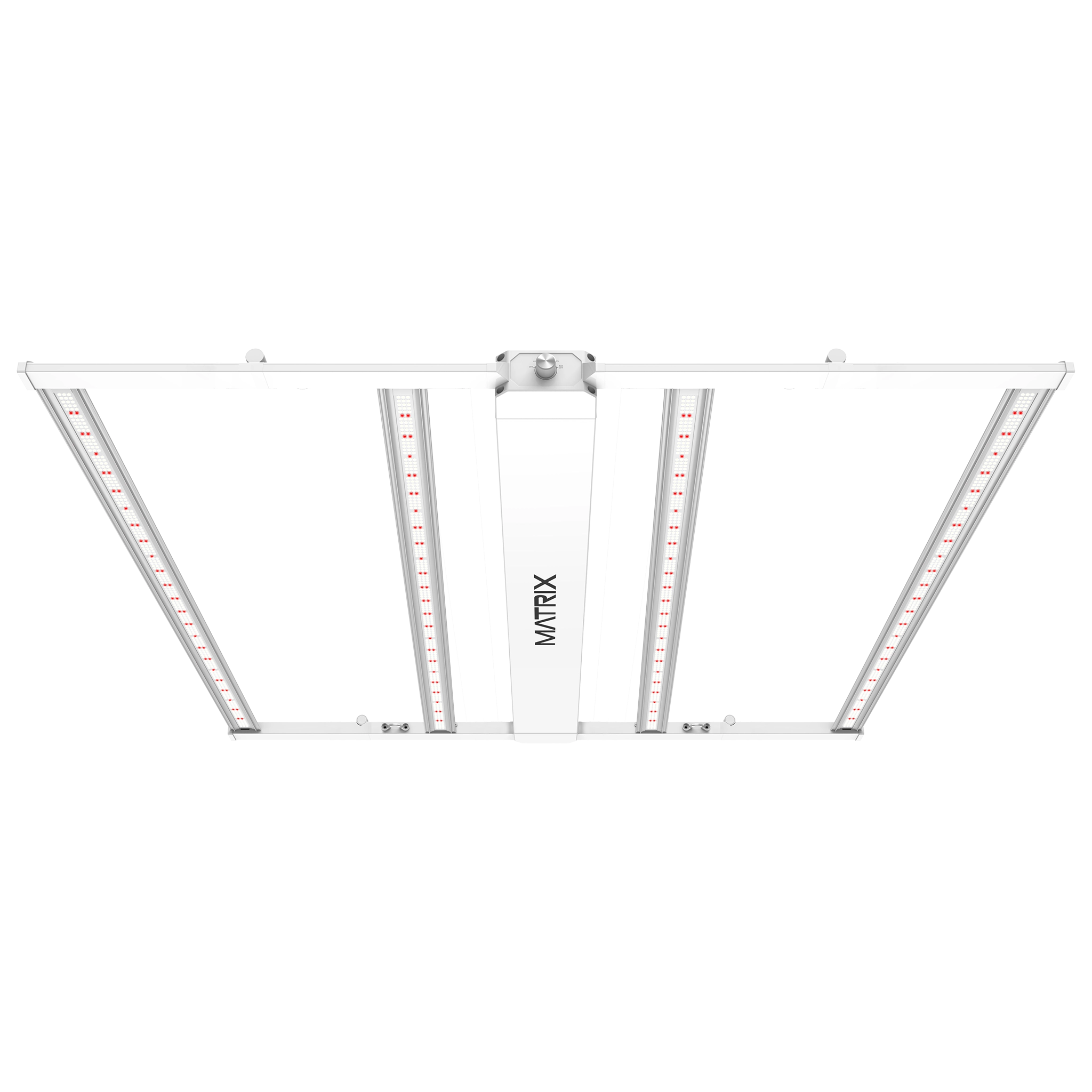
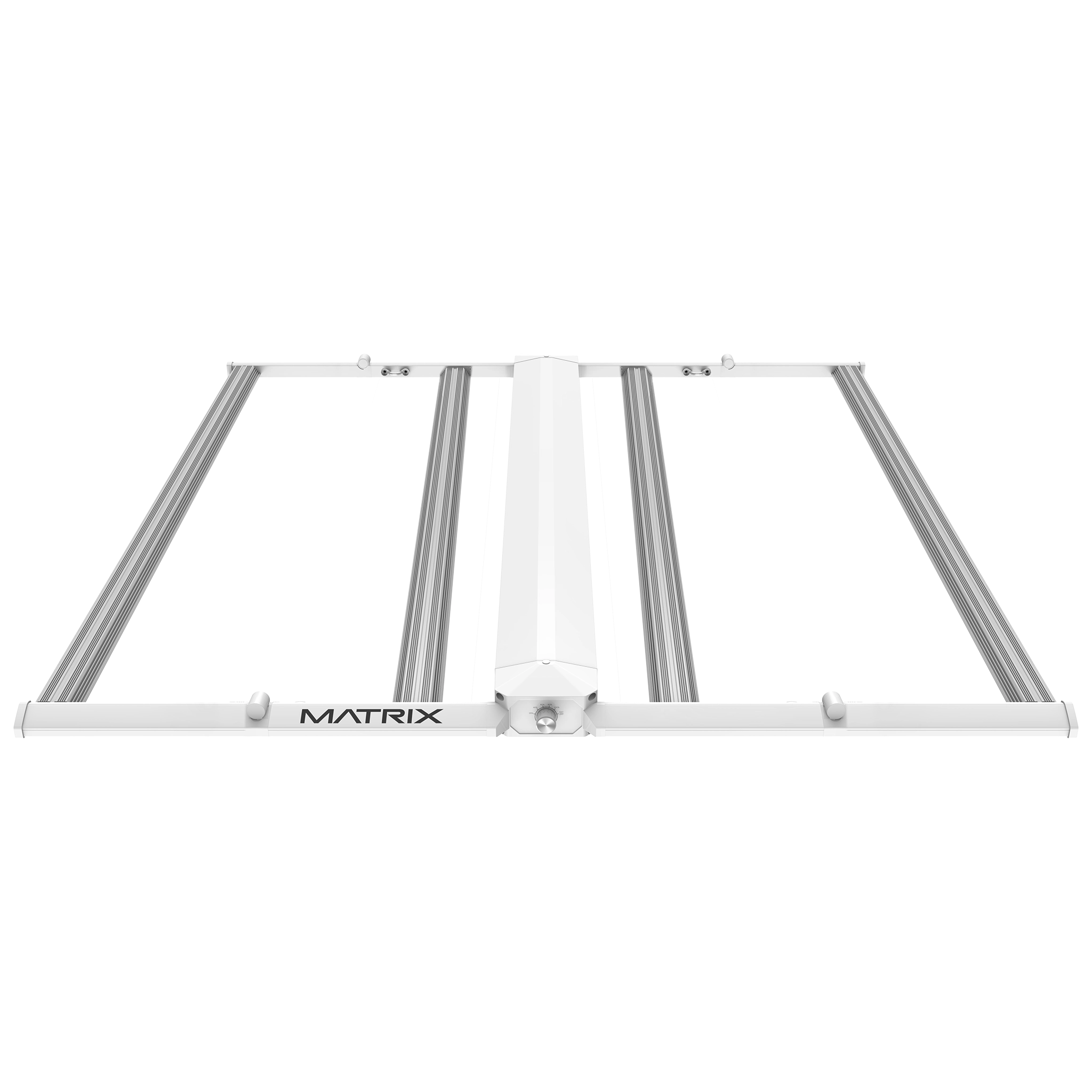
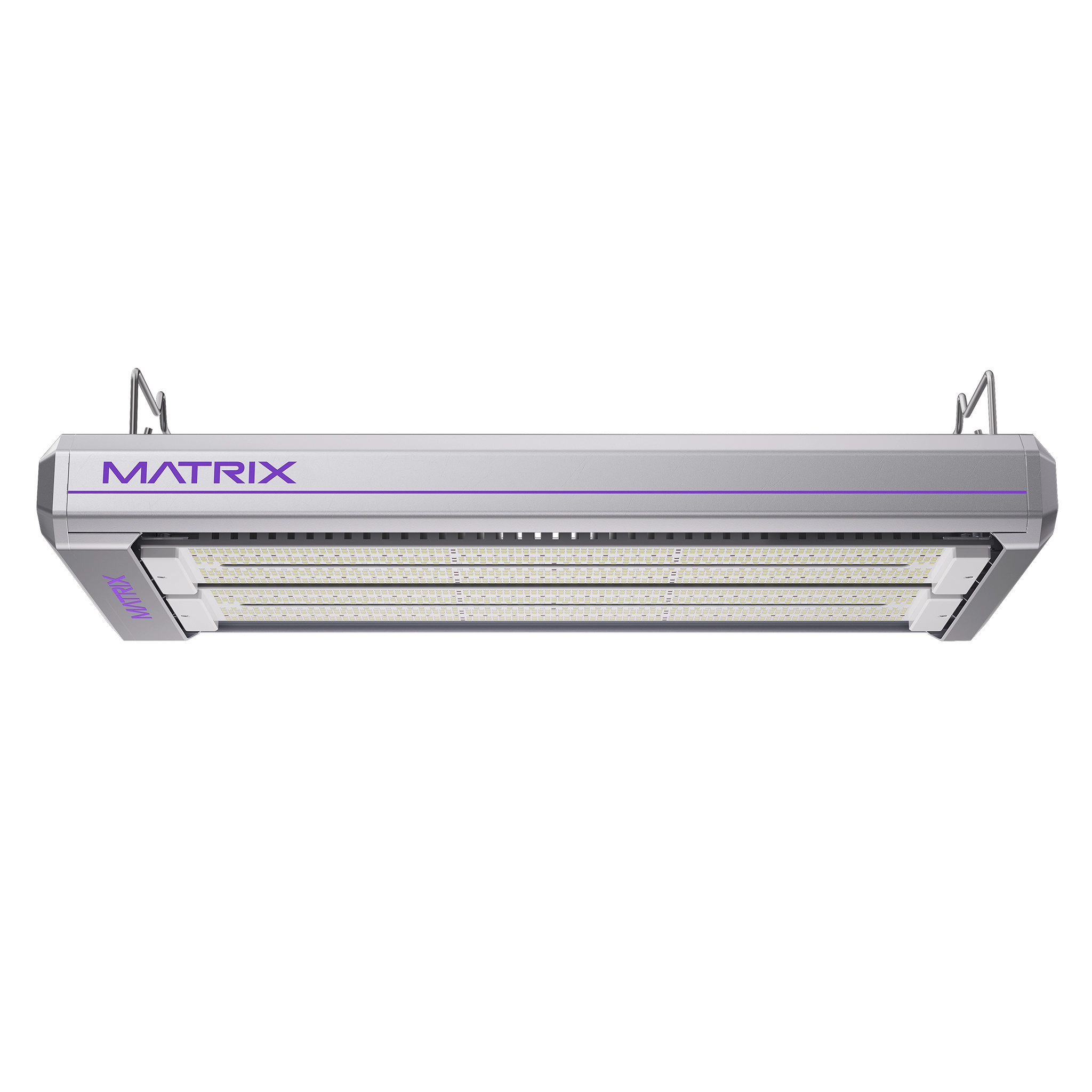
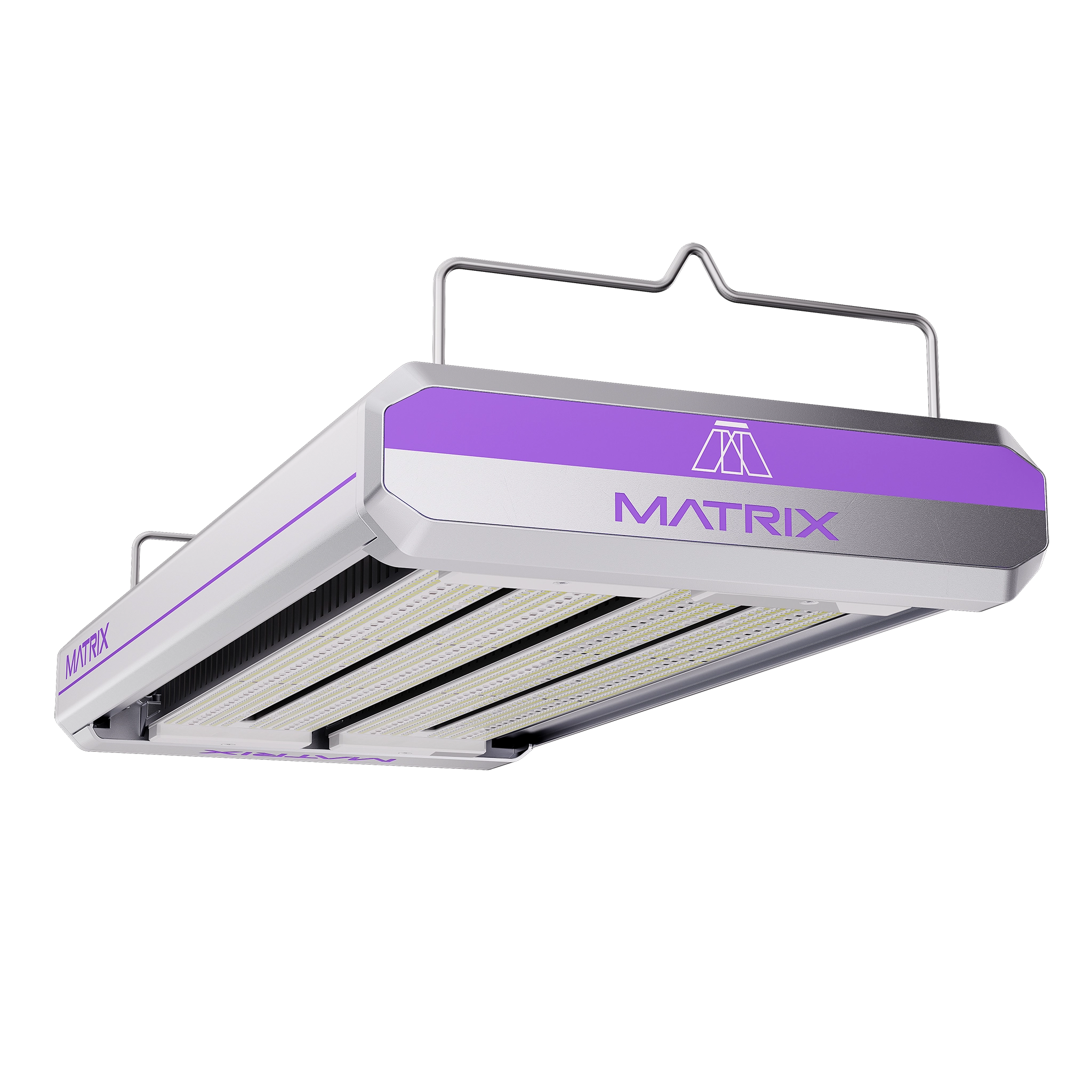
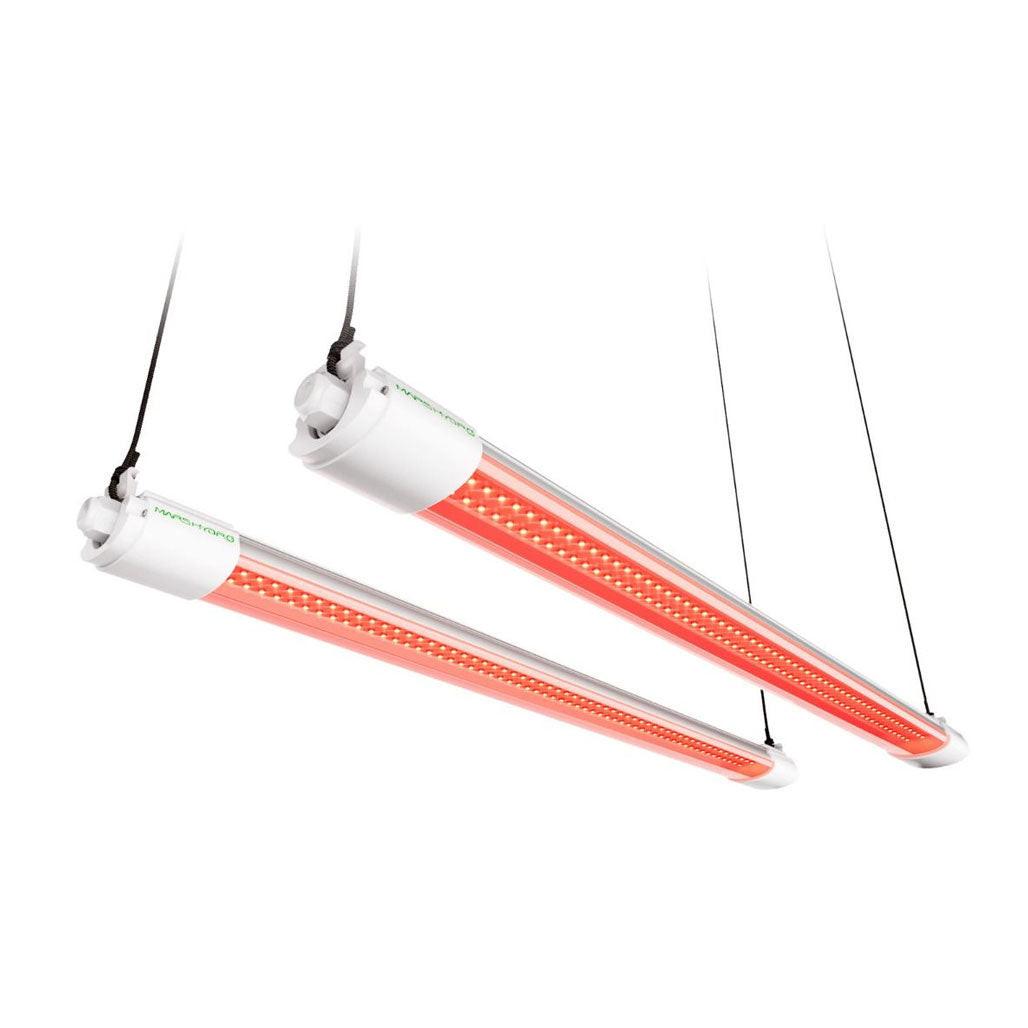
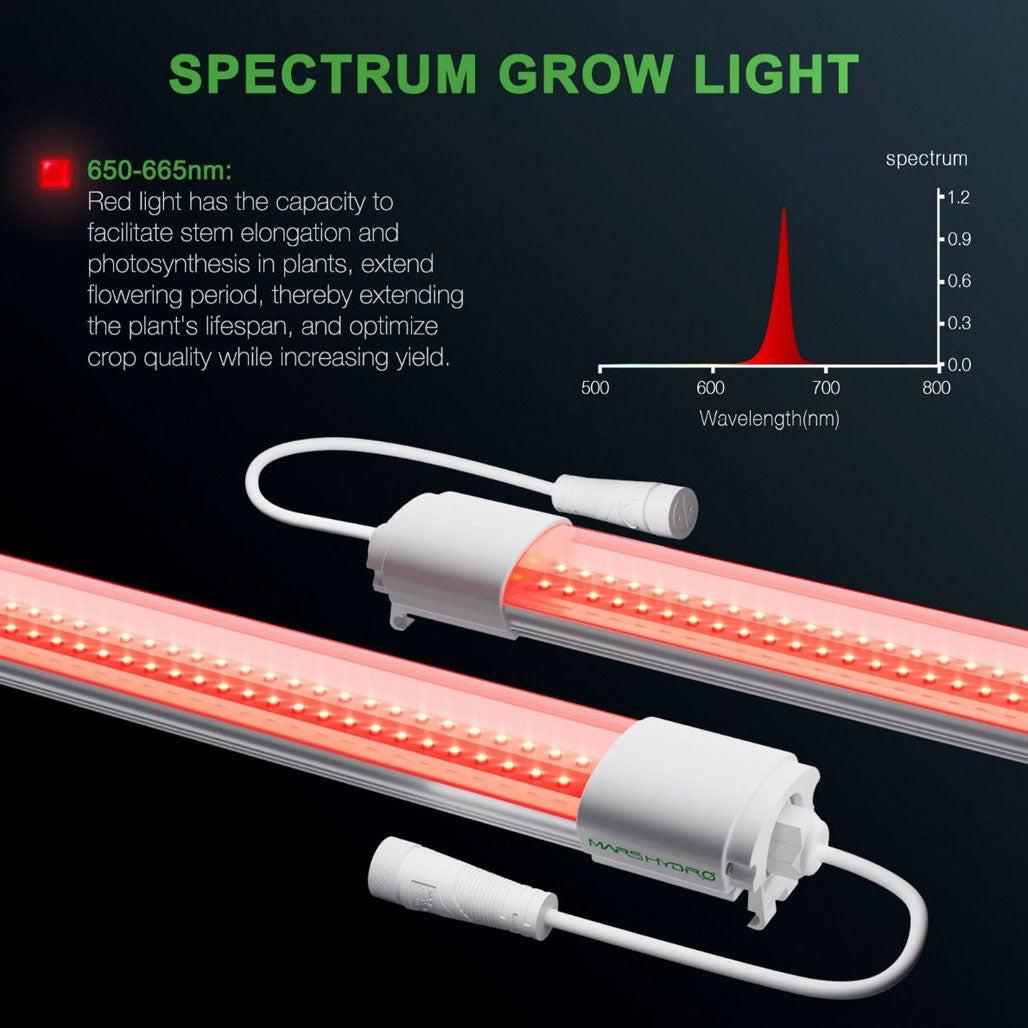
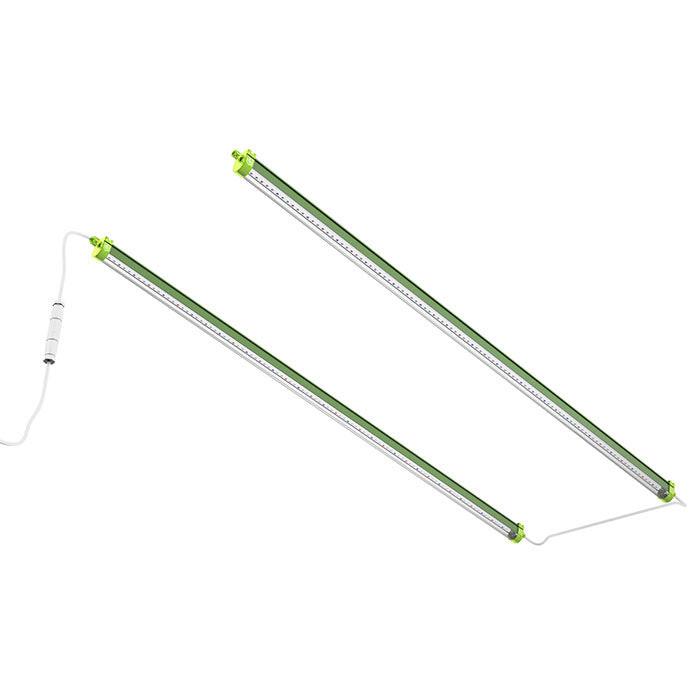
Veg Spectrum LED Grow Lights for Vegetative Growth
Veg spectrum LED grow lights emphasize blue-dominant wavelengths (400-500nm range) that drive the compact, rapid vegetative growth characteristics growers want in the weeks before initiating flowering. Blue light stimulates chlorophyll production, promotes tight internodal spacing (short distances between nodes, producing bushy rather than lanky plants), and supports the enzymatic processes associated with healthy early plant development. Dedicated veg spectrum fixtures are used primarily in propagation rooms, dedicated vegetative stages, and multi-tier growing systems where the light cycle is managed independently from flowering rooms.
Blue-Dominant vs. Full-Spectrum for Vegetative Growth
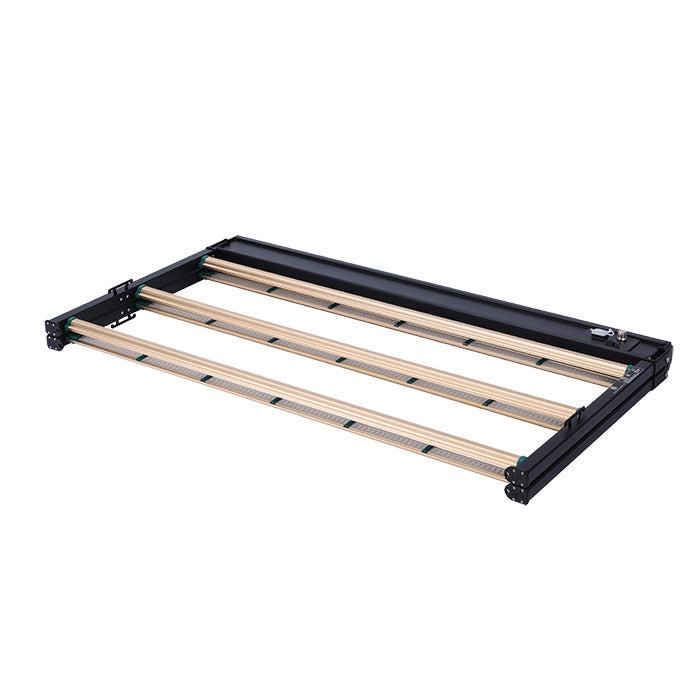
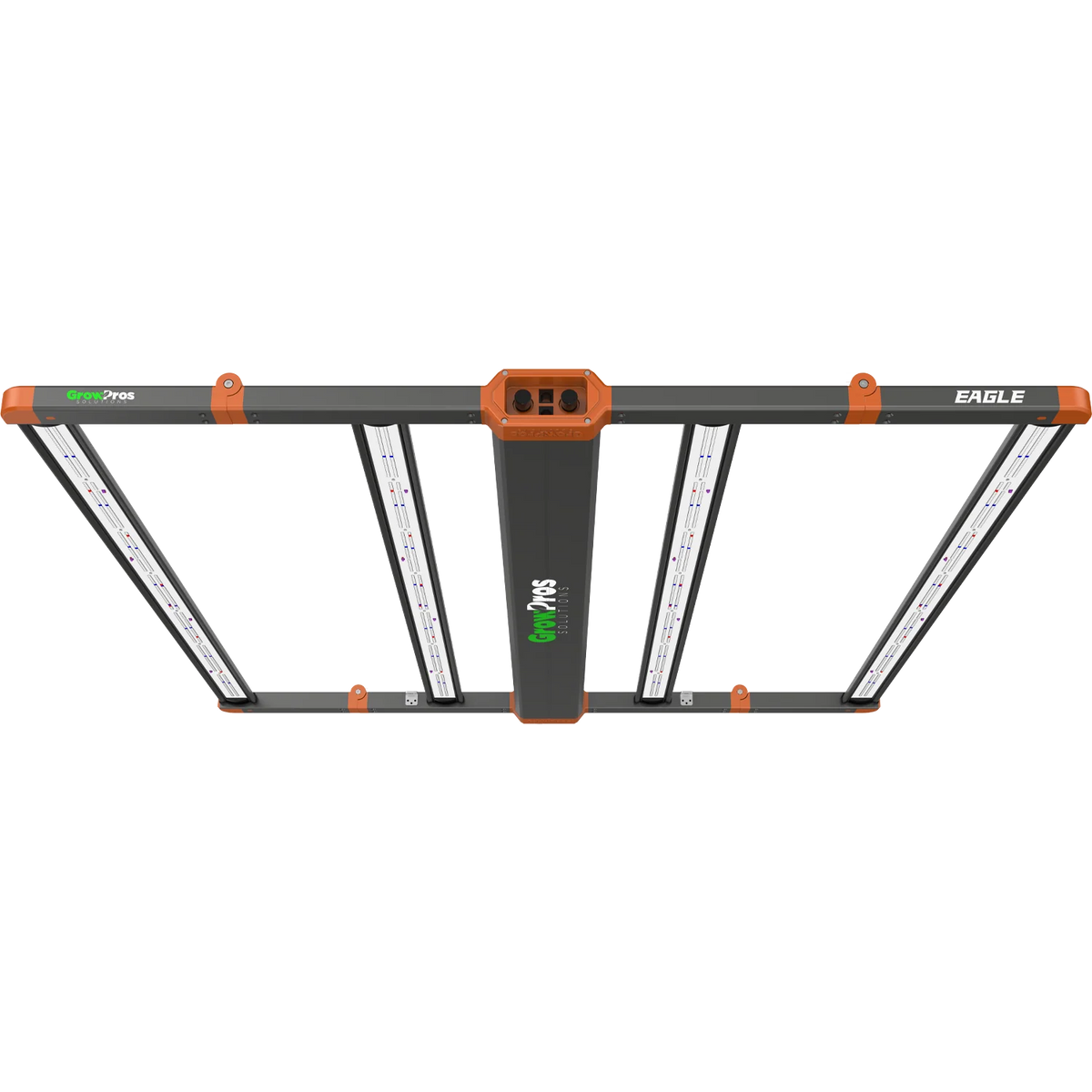
The debate between dedicated blue-dominant veg lights and full-spectrum LEDs for vegetative growth is largely settled in favor of programmable full-spectrum fixtures for most growers. Full-spectrum LEDs run at lower intensity during the vegetative stage cover a larger area, produce adequate blue-wavelength content for compact growth, and then ramp to full output for flowering -- eliminating the need for separate fixture types in a single-room setup. Dedicated blue-dominant veg lights are the right choice for separate dedicated veg rooms or propagation spaces, multi-tier vertical grows where thin, lightweight bar fixtures at low intensity are needed for each tier, and any application where maximum space efficiency at low PPFD per tier is the priority. Browse the full LED grow lights collection for both veg-specific and full-spectrum options.
T5 Fluorescent vs. Veg LED
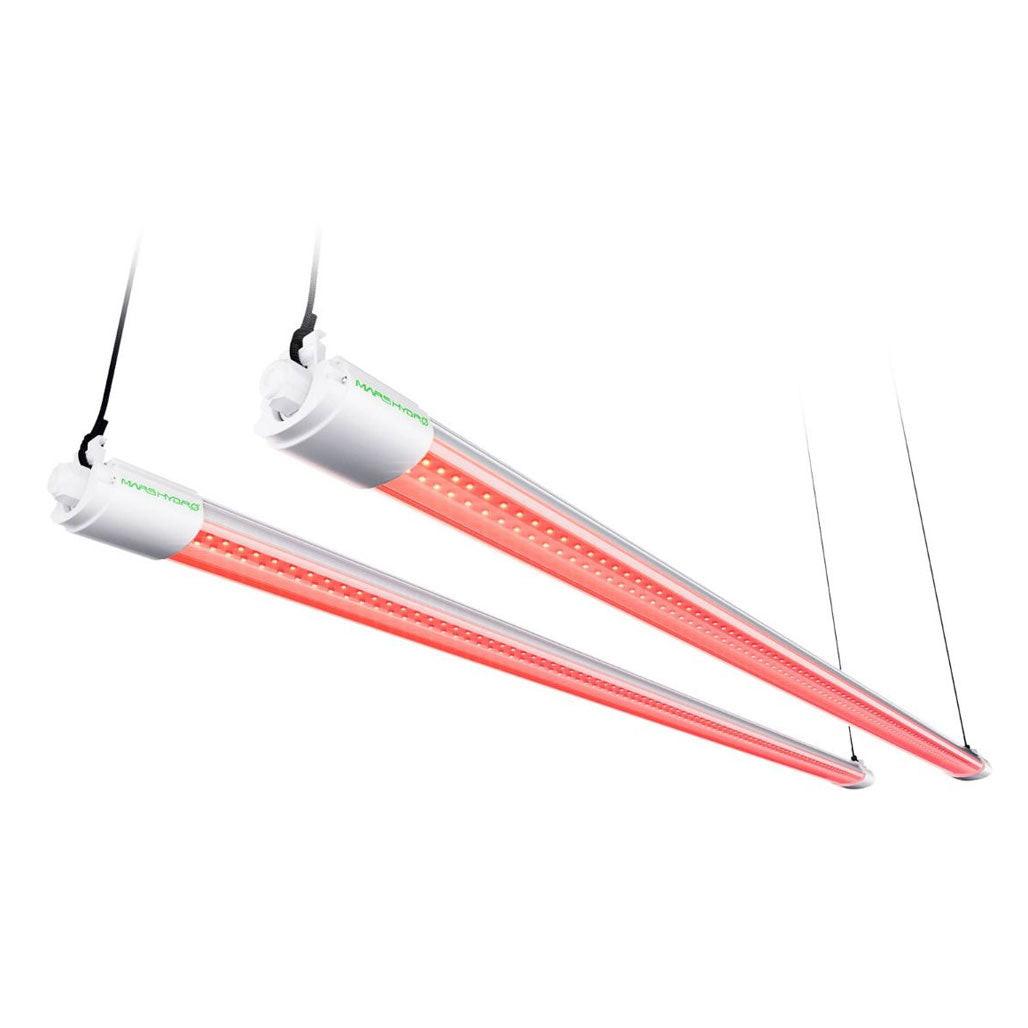
Traditional T5 fluorescent fixtures have long been the default for vegetative and propagation applications due to their low heat output and even light distribution. Modern veg-spectrum LED fixtures now match or exceed T5 performance in most vegetative applications at better efficiency -- LED replacements for standard T5 tubes drop directly into existing T5 housings, while dedicated LED veg bars provide a cleaner, longer-lasting alternative in purpose-built veg rooms. For multi-tier propagation racks where fixture weight, heat, and profile matter, thin LED bars are often the more practical choice than T5 fixtures. Expert support available.
Veg Spectrum LED FAQ
What light spectrum is best for vegetative growth?
Blue-dominant light in the 400-500nm range promotes compact vegetative growth with tight internodal spacing and strong leaf development. Most full-spectrum LEDs provide adequate blue content for healthy vegetative growth at standard intensities. Dedicated blue-dominant fixtures are primarily used in separate veg rooms and multi-tier propagation systems where lower intensity and compact fixture profiles are needed, not because blue-only fixtures outperform full-spectrum ones in general vegetative applications.
What PPFD do plants need for vegetative growth?
Target 400-600 umol/m2/s PPFD for most vegetative crops -- lower than the 800-1,200+ umol/m2/s needed for peak flowering. Seedlings and cuttings do well at 100-300 umol/m2/s during early root development. Most full-spectrum LED grow lights designed for flowering can be dimmed to 30-50% output to deliver appropriate vegetative PPFD while covering a larger canopy area at reduced intensity -- more efficient than running a full-power fixture too close to young plants.
Can I use the same LED for veg and flowering?
Yes -- most quality full-spectrum LED grow lights handle both stages effectively. During vegetative growth, dim the fixture to 40-60% output or raise the hanging height to reduce PPFD to the vegetative target range (400-600 umol/m2/s). At flowering initiation, lower the fixture and increase output to full power for the 800-1,200+ umol/m2/s flowering target. Programmable fixtures with separate veg and bloom output settings simplify this staged approach without manual adjustment.
What is a veg spectrum LED used for in multi-tier growing?
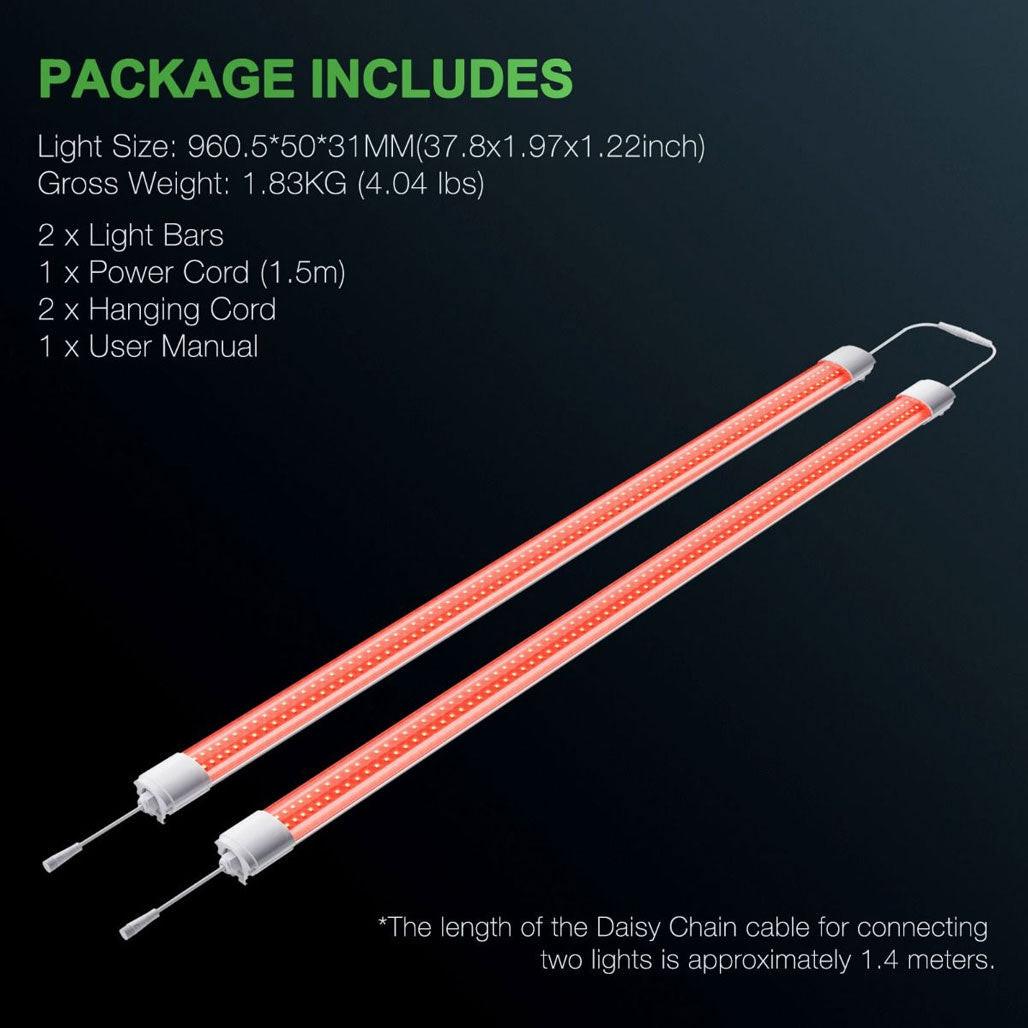
In multi-tier vertical growing racks, thin, lightweight LED veg bars mount between each growing tier to deliver light to plants at close range (4-12 inches) without the heat or weight of full-power flowering fixtures. Each tier operates at 200-400 umol/m2/s -- adequate for vegetative growth and propagation -- while maintaining a compact tier height that maximizes vertical space utilization. This configuration is common in commercial cloning rooms, seedling production facilities, and any vertical farming application where many plants are grown at vegetative intensity simultaneously.
Are T5 fluorescent lights or LED better for vegetative growth?
Modern LED veg fixtures match or exceed T5 fluorescent performance in vegetative applications at better efficiency (2.0-2.5+ umol/joule for quality LED vs 1.2-1.5 umol/joule for T5 HO). LED also runs cooler per photon delivered, which matters in multi-tier stacks where heat accumulates vertically. The primary reason to stick with T5 is existing infrastructure -- if you already have T5 fixtures and they are working adequately, LED T5 tube replacements can upgrade efficiency without replacing the fixtures. For new builds, dedicated LED veg bars are the better long-term investment.