Carbohydrate & Sugar Supplements for Growing
Carbohydrate and sugar supplements provide simple and complex carbohydrates -- sucrose, glucose, fructose, maltose, and polysaccharides -- to the growing program as a supplemental feed for soil microbial communities and as a potential energy source to support flowering plant metabolism during the energy-intensive late flowering stage. In soil and living soil programs with active microbial communities, carbohydrate supplements are the most widely validated application -- providing readily available sugars that support the beneficial bacteria and fungi driving the organic nutrient cycle.
Molasses as a Carbohydrate Supplement
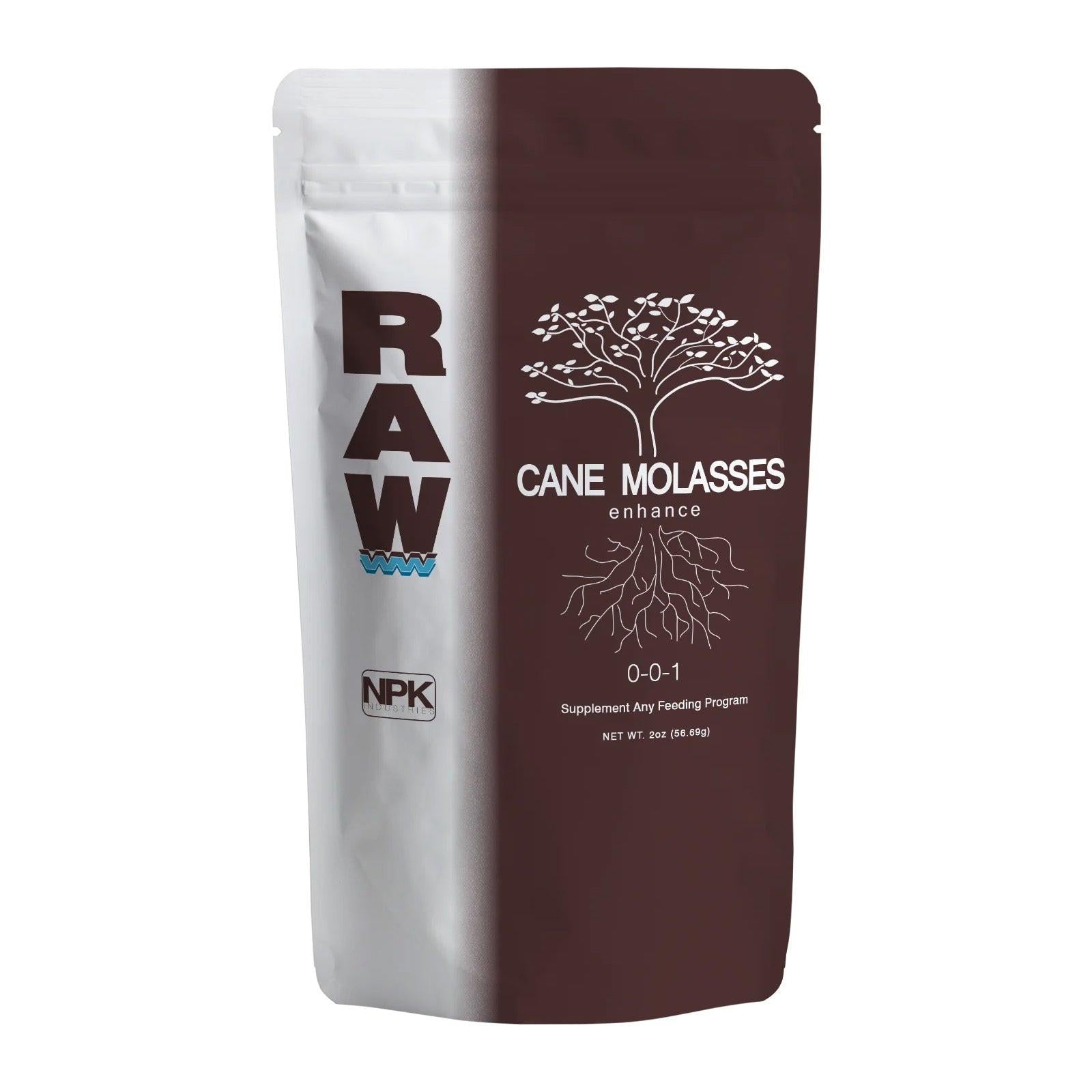
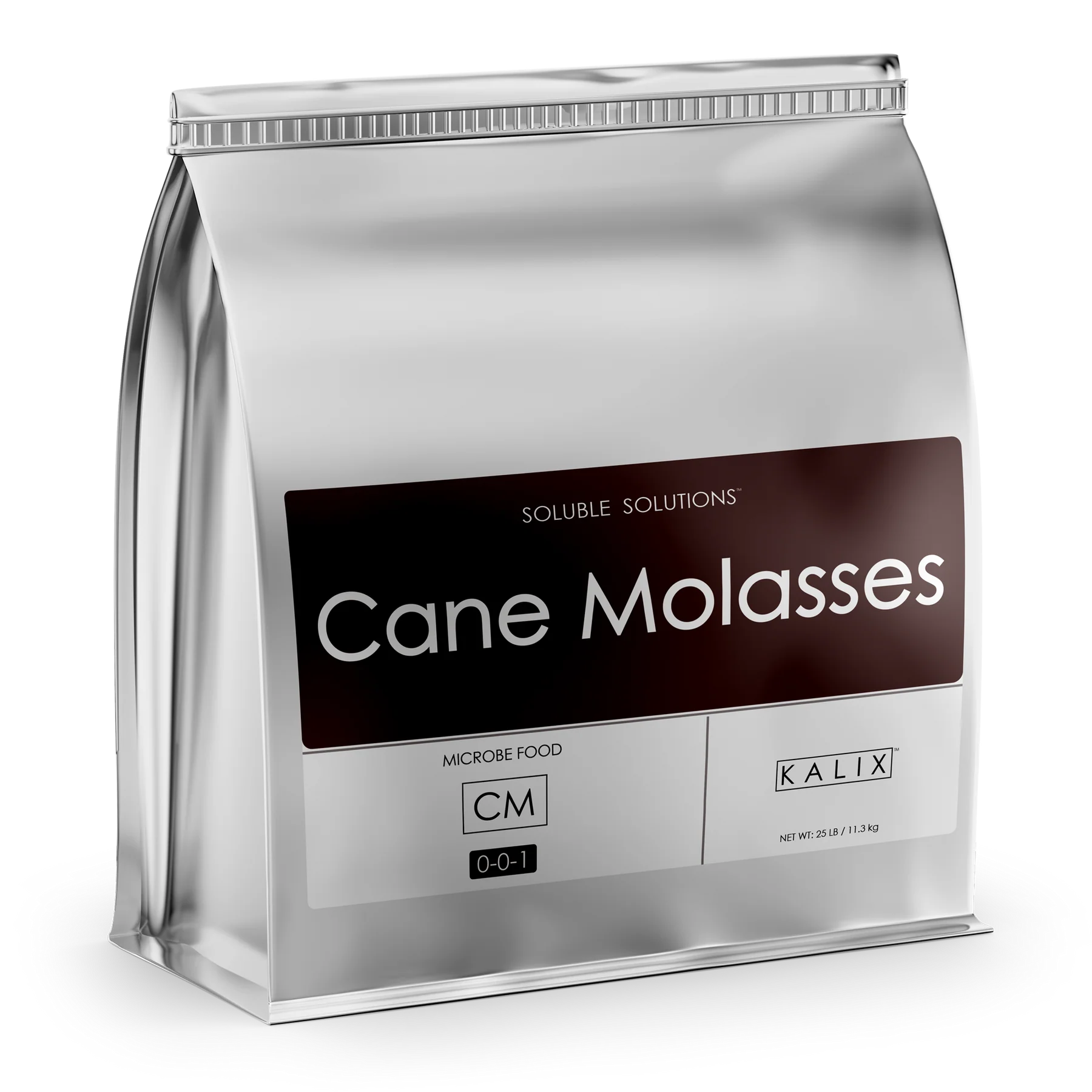
Blackstrap molasses is the most commonly used and most cost-effective carbohydrate supplement in organic soil growing programs -- it contains sucrose, glucose, fructose, and trace minerals and is applied at 1-5 ml per gallon in the nutrient solution. Molasses feeds beneficial soil bacteria and fungi directly, supporting the microbial ecosystem that converts organic matter into plant-available nutrition. It is most effective in living soil and heavily amended soil programs where an active microbial community is present. Pair with enzyme supplements and fulvic acids for a comprehensive soil biology support program.
Commercial Carbohydrate Products
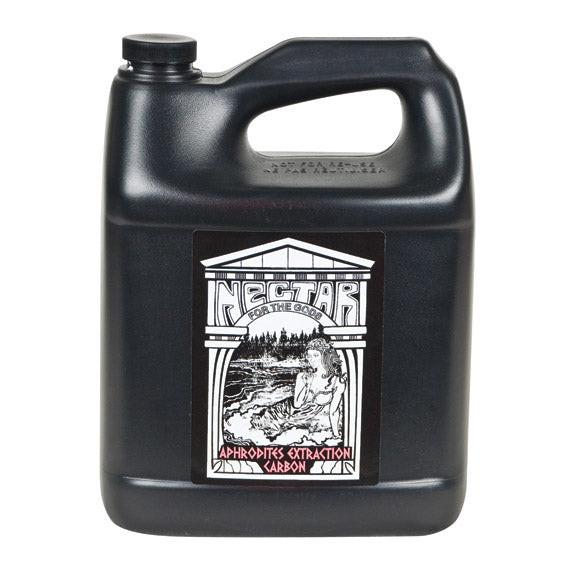
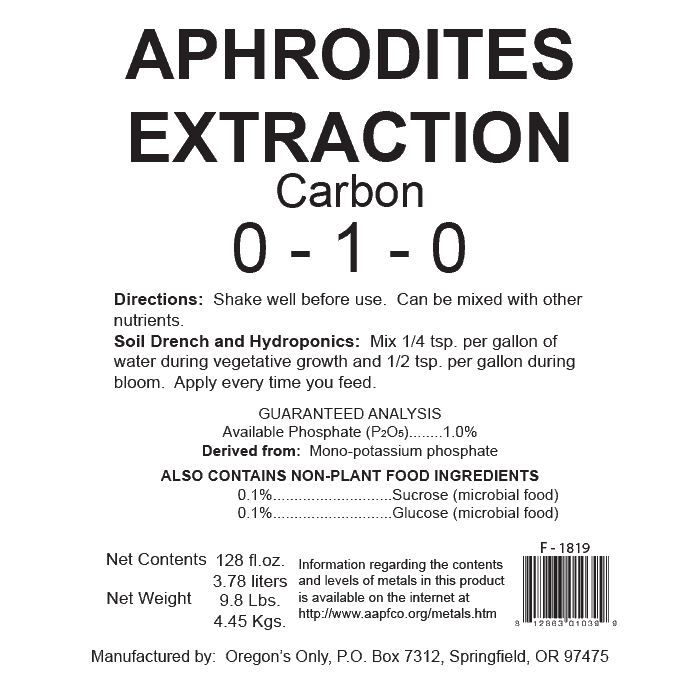
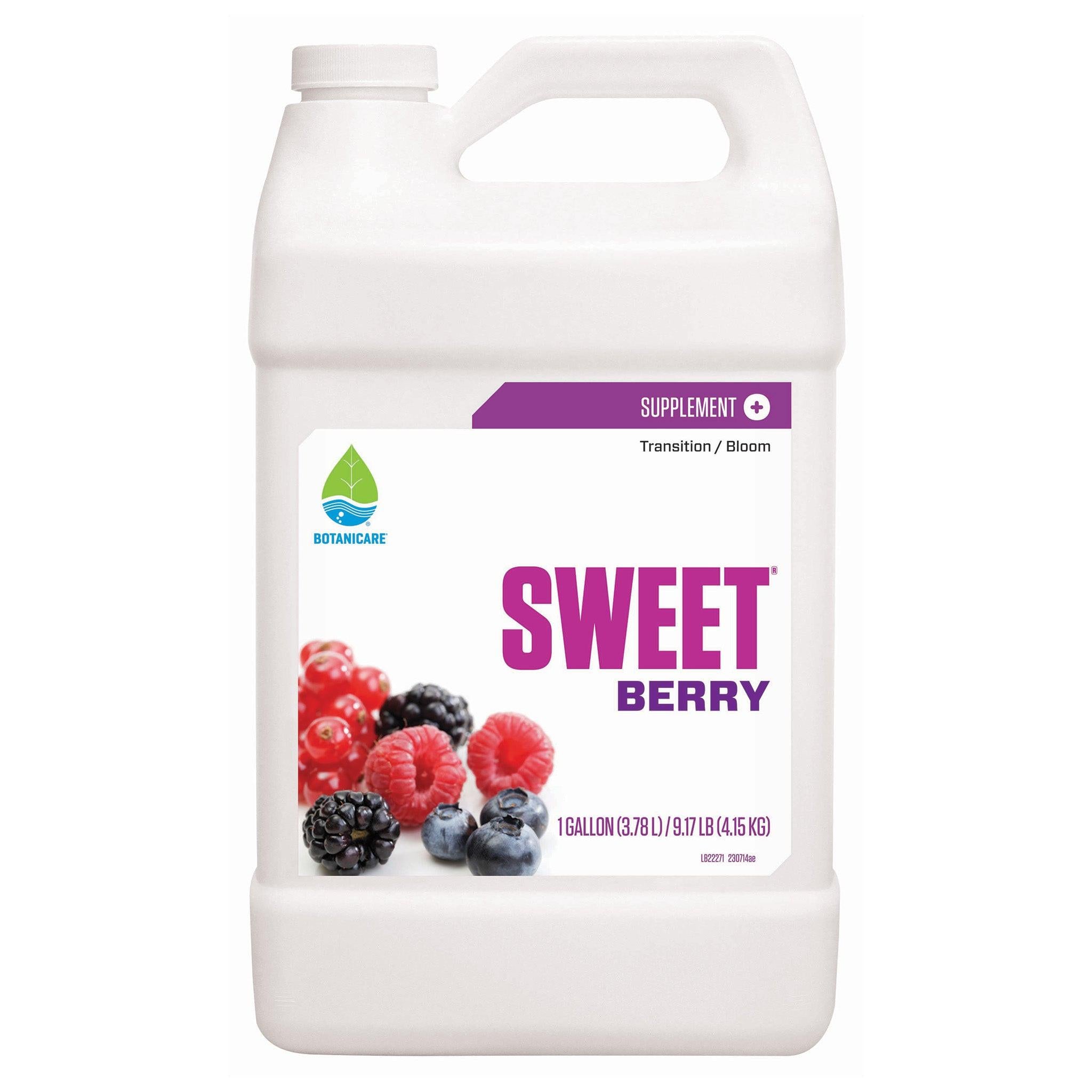
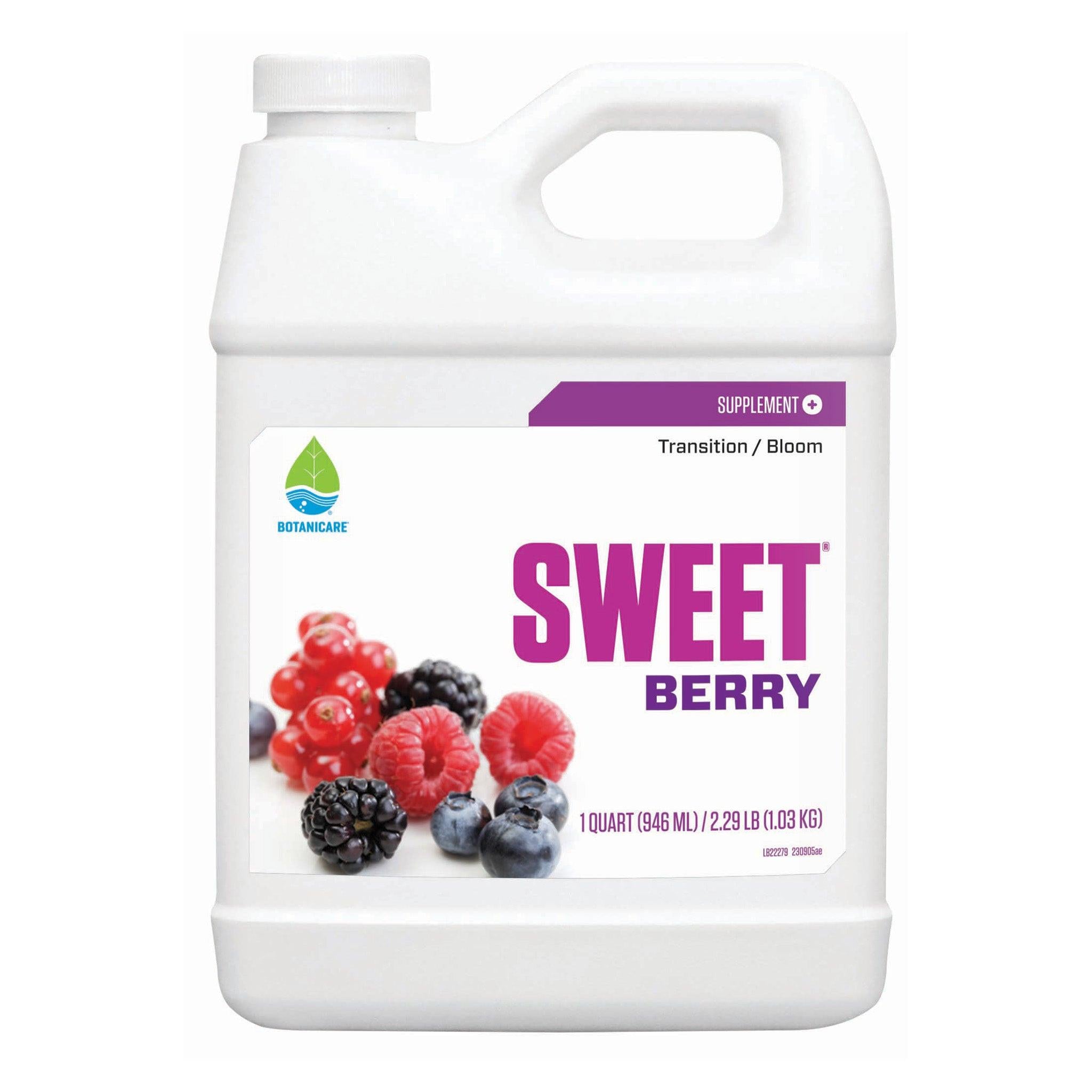
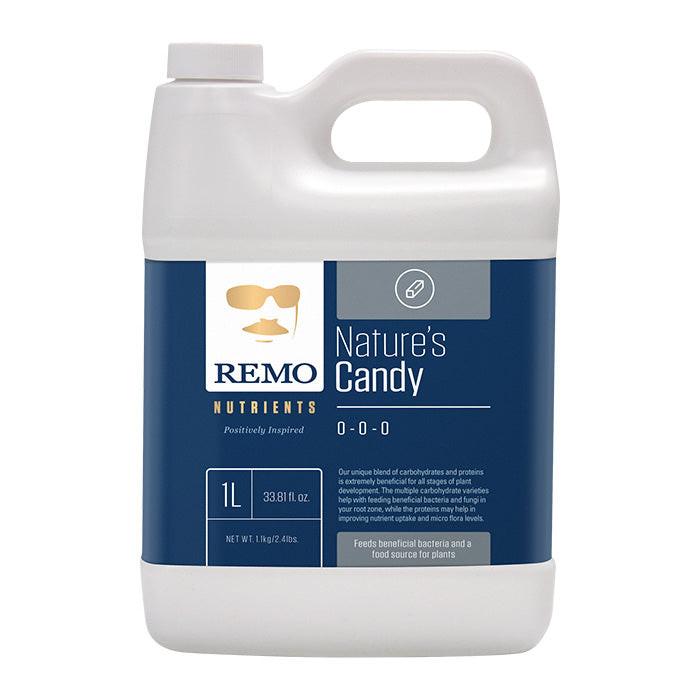
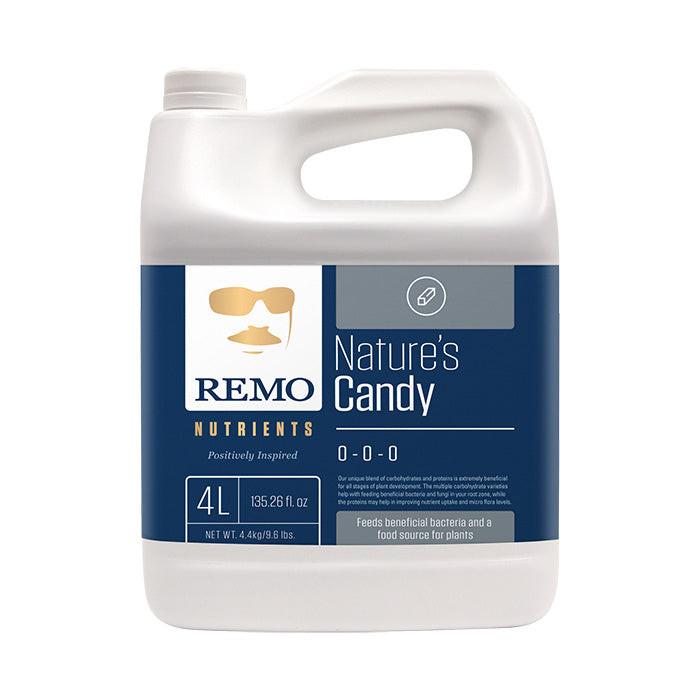
Commercial carbohydrate supplements (Bud Candy, Sweet from Botanicare, Carboload from Advanced Nutrients) provide more complex carbohydrate profiles than simple molasses, often including multiple sugar types and additional amino acids or organic acids. They are formulated for direct application to any nutrient program in both soil and hydroponic systems. For hydroponic recirculating systems, use commercial carbohydrate products sparingly and change the reservoir on schedule -- carbohydrates encourage microbial growth in the nutrient solution that can reduce dissolved oxygen and foul irrigation components if allowed to accumulate. Fast shipping.
Carbohydrate Supplements FAQ
What do carbohydrate supplements do for plants?
In soil and living soil programs, carbohydrate supplements primarily feed beneficial soil microorganisms -- bacteria and fungi that use simple sugars as an energy source to fuel the microbial activity that improves soil structure and nutrient availability. The benefit to plants is indirect: through a more active microbial ecosystem, nutrients become more available and root zone health improves. Claims that carbohydrate supplements directly supplement plant energy during flowering are less well-supported -- plants produce their own sugars through photosynthesis, and providing external sugars does not reliably improve yield or quality in controlled comparisons.
Can I use blackstrap molasses instead of commercial carbohydrate products?
Yes -- blackstrap molasses provides sucrose, glucose, fructose, and trace minerals at a fraction of the cost of commercial carbohydrate supplements. Apply at 1-5 ml per gallon of water or nutrient solution. Molasses is most effective in living soil and organic programs where active soil biology is present to utilize the carbohydrate input. In recirculating hydroponic systems, use molasses very sparingly and change the reservoir frequently -- the sugar content feeds microbial growth in the nutrient solution that can reduce dissolved oxygen and clog irrigation components.
When should I use carbohydrate supplements?
Apply throughout the flowering stage, from flower initiation through the final pre-harvest phase. In organic soil programs, continuous low-rate application from early flowering through harvest supports the ongoing microbial activity that improves nutrient cycling. Some growers increase the application rate in the final 2-3 weeks as an additional feeding for soil biology during the period when plant roots are most active in the dense lower canopy. Discontinue at the same time as other nutrient supplements during the pre-harvest period.
Do carbohydrate supplements work in hydroponic systems?
Their application is more limited in hydroponic systems than in soil programs because the mode of action (feeding soil microbial communities) is less relevant in sterile hydroponic environments. Some growers apply commercial carbohydrate supplements in hydroponic systems for their amino acid and micronutrient content rather than the carbohydrate content specifically. In recirculating systems, carbohydrates promote microbial growth in the nutrient solution -- manageable with frequent reservoir changes but an additional maintenance consideration.
Are carbohydrate supplements worth the cost?
For organic soil and living soil programs, carbohydrate supplementation (particularly with inexpensive molasses) is a low-cost, broadly supported practice for maintaining and feeding the microbial ecosystem. The cost-to-benefit ratio is favorable when using molasses. For commercial carbohydrate supplement products at premium pricing, the incremental yield or quality benefit versus molasses alone is not well-documented in controlled comparisons. If you are already running a healthy organic program with active biology, molasses provides most of the microbial feeding benefit at a fraction of commercial product cost.