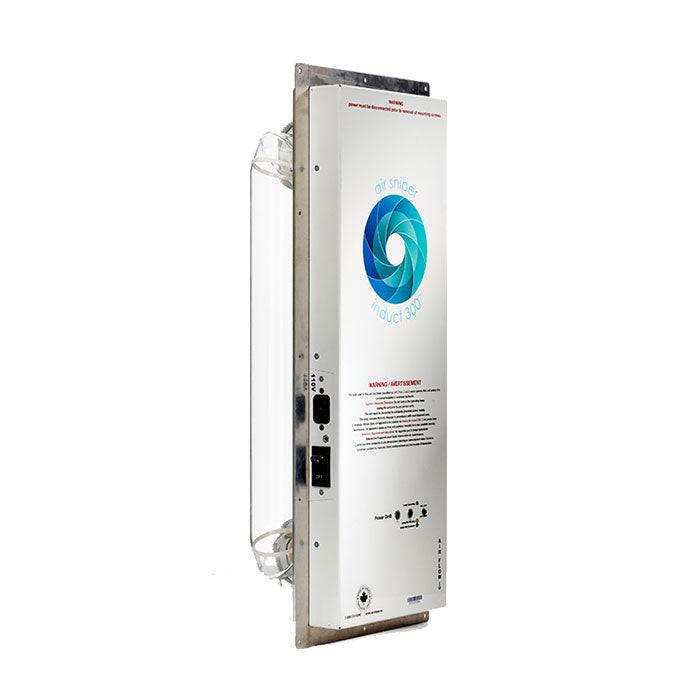
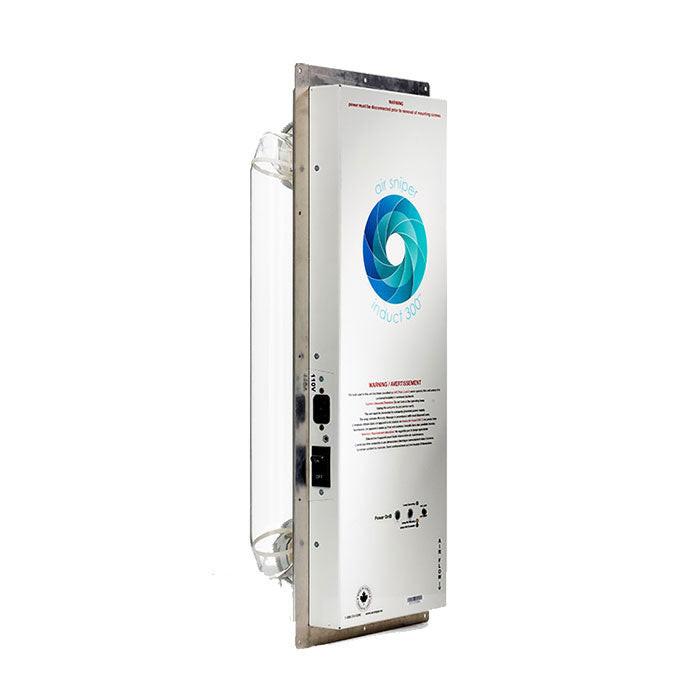
Surface & Air Purifiers for Grow Rooms
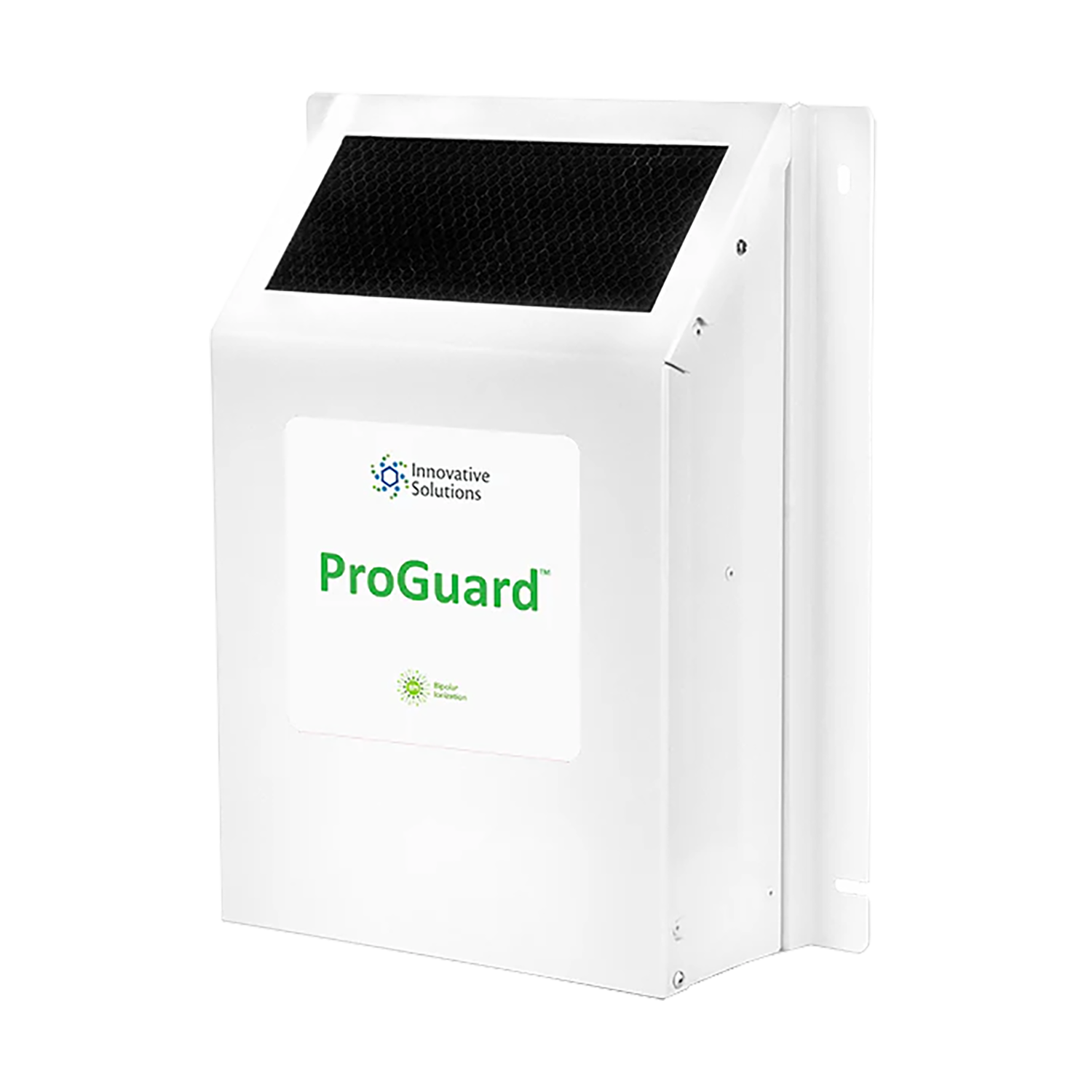
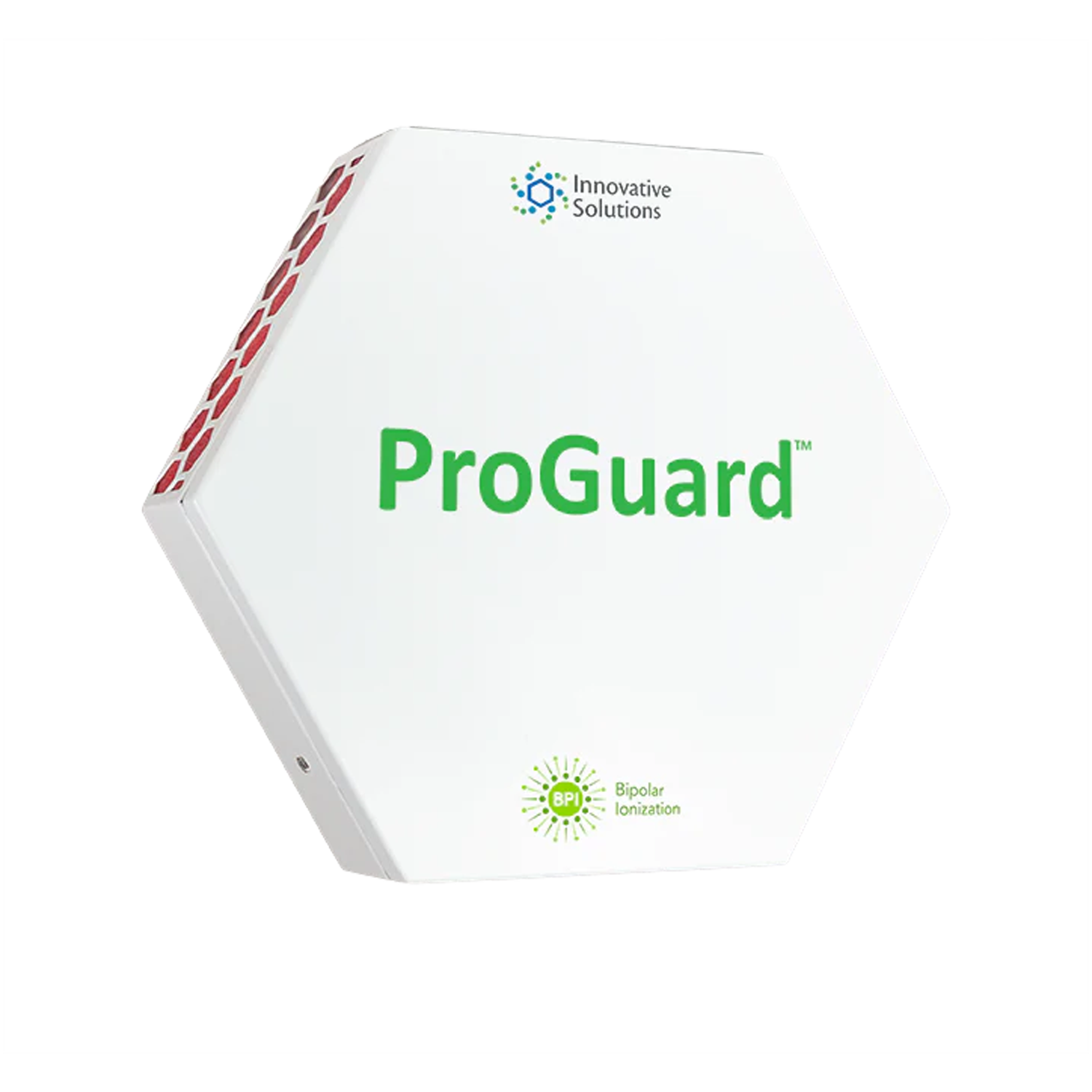
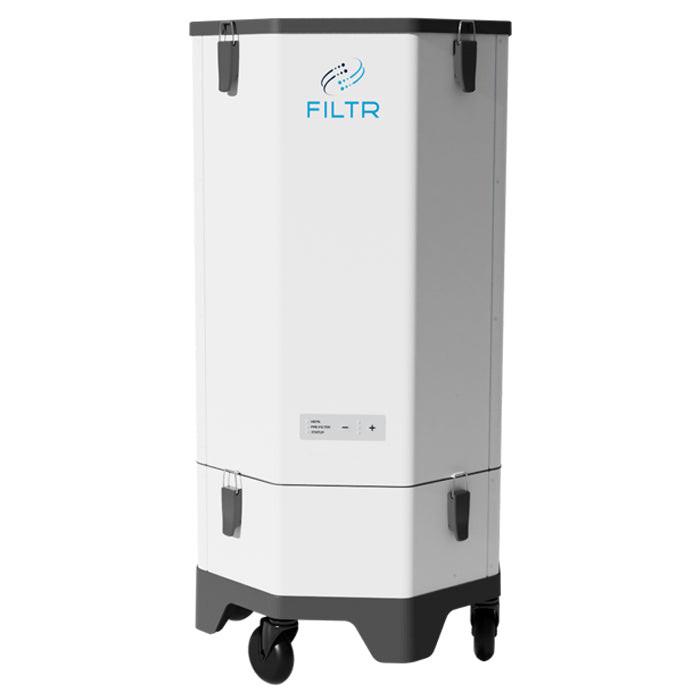
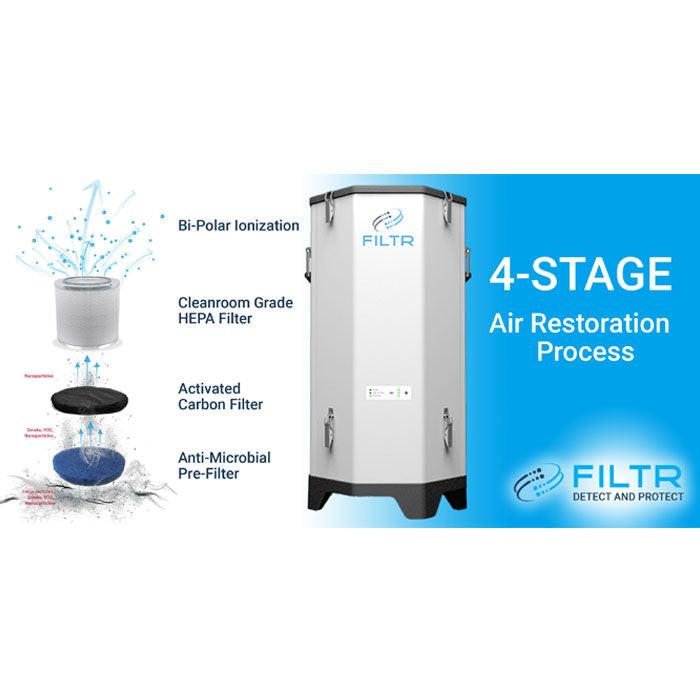
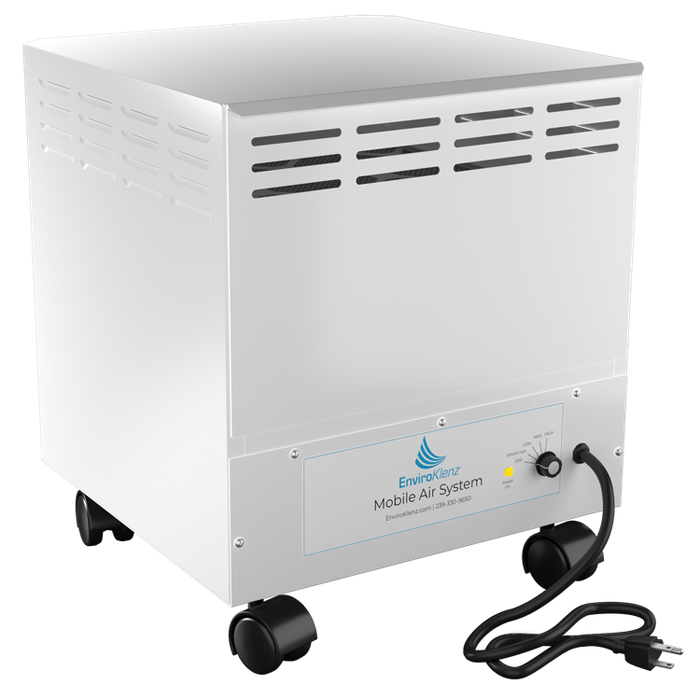
Air and surface purifiers reduce pathogen load, volatile organic compounds, and odor in grow room environments through oxidizing, UV, or ionizing technologies. Unlike carbon filters that scrub exhaust air leaving the grow space, air purifiers work within the growing environment -- continuously treating the air and exposed surfaces to reduce the microbial load that contributes to disease pressure on plants. For commercial operations where mold, mildew, and bacterial contamination represent significant crop loss risk, active air purification adds a layer of preventive protection beyond HEPA filtration and humidity management alone.
Ozone Generators
Ozone (O3) generators produce ozone by exposing ambient air to UV light or corona discharge -- ozone is a highly reactive oxidant that destroys organic compounds including mold spores, bacteria, viruses, and volatile organic compounds on contact. Ozone is highly effective at sanitizing grow room air and surface-level pathogen reduction, but it is also damaging to plant tissue at elevated concentrations. Critical rule: ozone generators should only operate in empty rooms during sanitation cycles between crops, not in occupied spaces with growing plants or with human occupants. Post-sanitation ventilation for 30-60 minutes before re-entry is required. Never run ozone in a space with plants or people present.
UV Air Purifiers & Ionizers
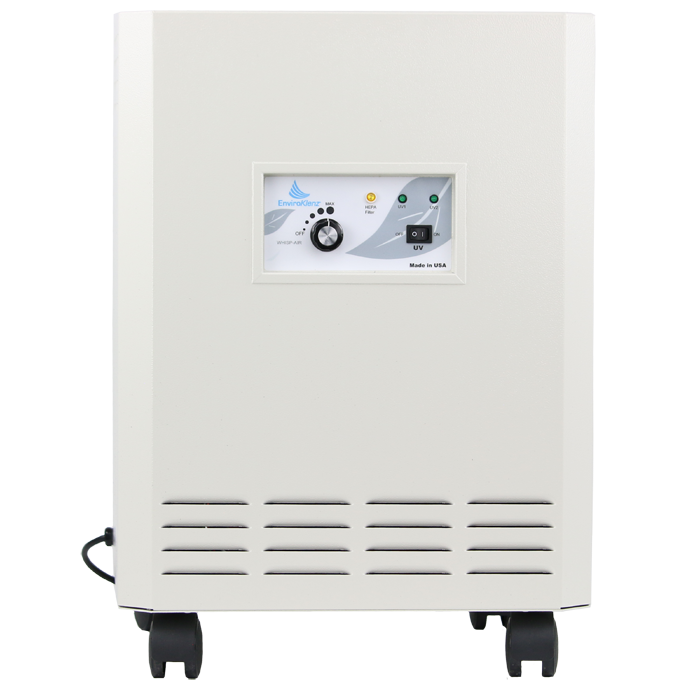
UV air purifiers pass circulating room air through a UV-C irradiation chamber that destroys microorganisms -- bacteria, mold spores, and viruses -- without producing the reactive byproducts of ozone generation. UV purifiers are safe for continuous operation in occupied spaces with growing plants, making them suitable for in-canopy air quality management during active production. Ionizers release charged ions that cause airborne particles (including mold spores and pollen) to clump and fall from the air rather than remaining airborne and landing on plant surfaces. Both technologies complement but do not replace proper grow room climate management, air exchange, and environmental controls as the primary tools for disease prevention. Expert support available.
Surface & Air Purifiers FAQ
Can I run an ozone generator while plants are in the grow room?
No -- never run ozone generators in the presence of growing plants or human occupants. Ozone at the concentrations needed for effective sanitization damages plant tissue (causing bleaching, leaf damage, and growth disruption) and is harmful to human respiratory systems at elevated concentrations. Ozone generators are used between crop cycles for room sanitation -- run for 1-4 hours in a sealed empty room, then ventilate thoroughly for at least 30-60 minutes before re-entry or reintroducing plants. OSHA's permissible exposure limit for ozone is 0.1 ppm over an 8-hour day -- effective sanitizing concentrations run 10-100x higher than this.
Do air purifiers actually reduce plant disease in grow rooms?
UV and ionizing air purifiers provide meaningful supplemental reduction in airborne pathogen load -- mold spores, bacterial aerosols, and pollen -- which reduces the frequency of new infections landing on plant surfaces. They are not a substitute for proper humidity control (the primary driver of mold risk), adequate air exchange, and good cultural practices. In commercial operations where disease pressure is a significant production risk, UV air purifiers running continuously provide a documented additional layer of protection. In well-managed hobby grows with proper humidity control, they are a useful supplement rather than a necessity.
What is the difference between UV-C and ozone purification?
UV-C purifiers irradiate air passing through the unit with short-wavelength ultraviolet light (100-280nm) that destroys the DNA of microorganisms on contact -- safe for continuous operation with plants and people present, but only treats air that passes through the unit. Ozone generators produce reactive O3 molecules that circulate throughout the room and destroy organics on surfaces and in air broadly -- more effective at sanitizing the full room environment, but unsafe for plants or people during operation. UV-C is the right choice for continuous active-production use; ozone for between-cycle room sanitation.
How do I size an air purifier for my grow room?
UV air purifiers are rated by room size (square footage) or air volume (cubic feet) they can treat per hour at rated effectiveness. For a 4x4 ft tent (112 cu ft), a small UV unit rated 50-100 cu ft/min provides one full air change every 1-2 minutes -- more than adequate for continuous pathogen reduction. For a 10x10 room (800+ cu ft), a larger unit rated 200-400+ cu ft/min maintains equivalent air change rates. Ozone generator sizing is rated in mg/hr of ozone output -- size based on room volume per manufacturer guidelines, which vary by target application (surface sanitation vs. air treatment).
Can air purifiers replace carbon filters for odor control?
No -- UV air purifiers and ionizers are not effective at removing the VOC compounds responsible for grow room odors. Carbon filters using activated carbon adsorption are the correct technology for odor control. ONA odor neutralizers work through molecular neutralization of specific odor compounds. Ozone is effective at VOC destruction but is not safe for use with growing plants. For odor management during active production, the standard combination remains a carbon filter on the exhaust fan plus ONA gel in the adjacent environment. Air purifiers for pathogen control and carbon filters for odor control serve different functions and work best when deployed together.