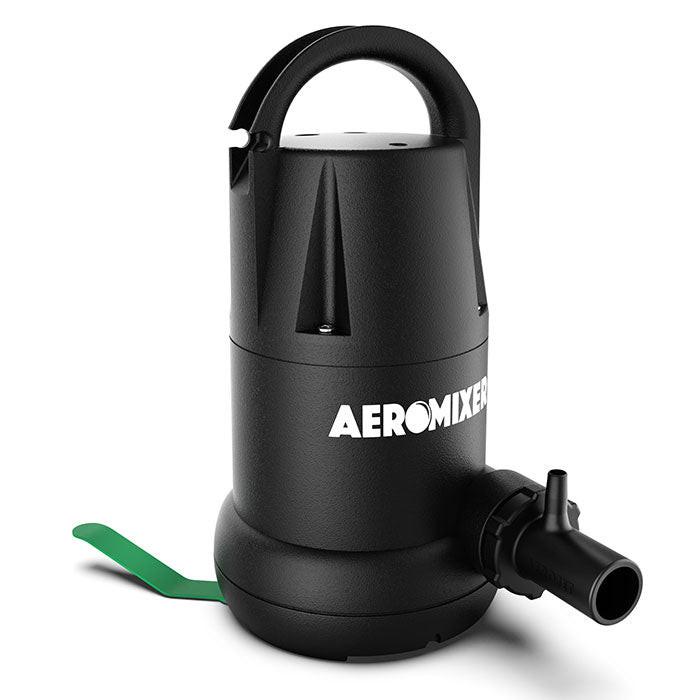
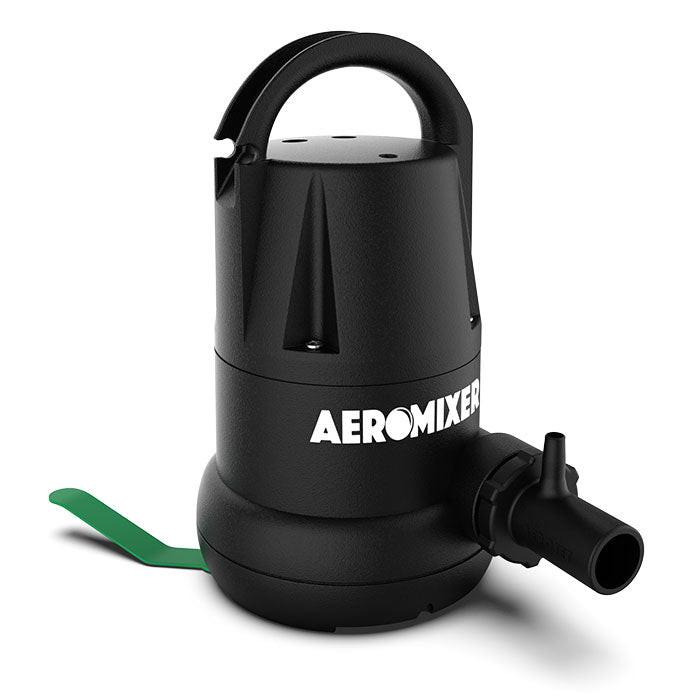
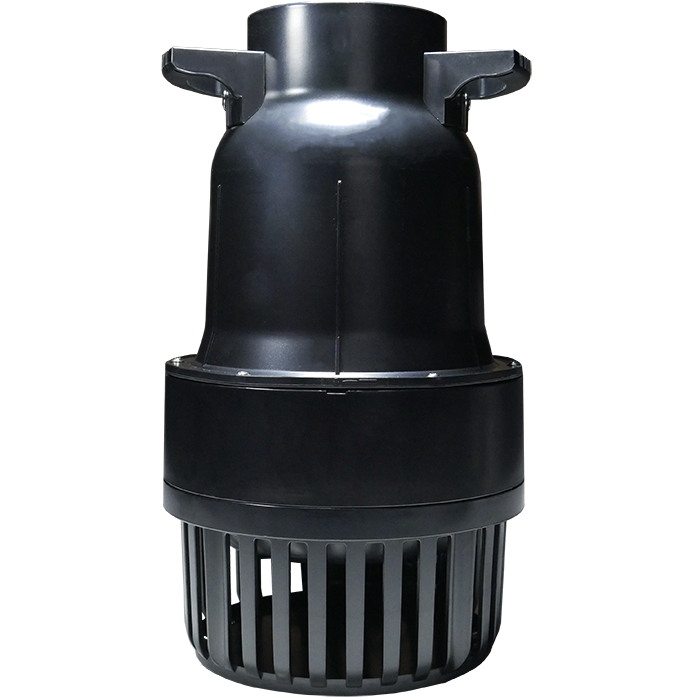
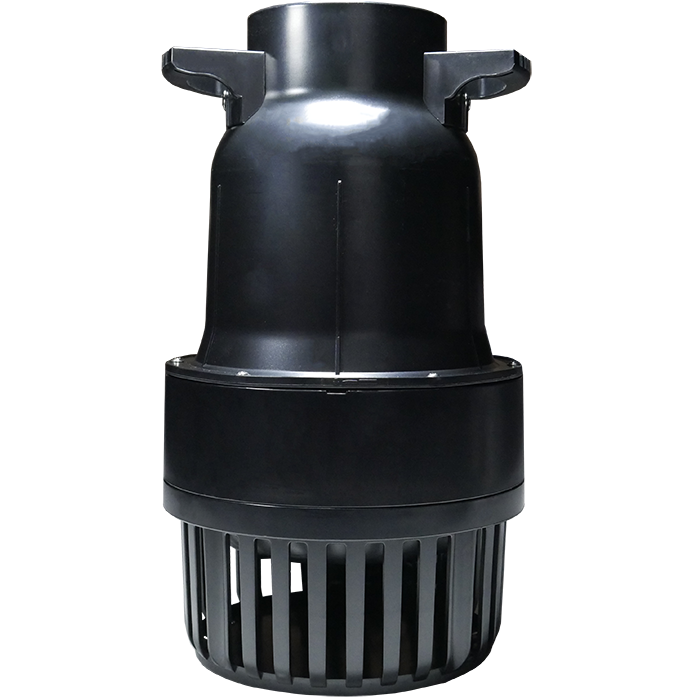
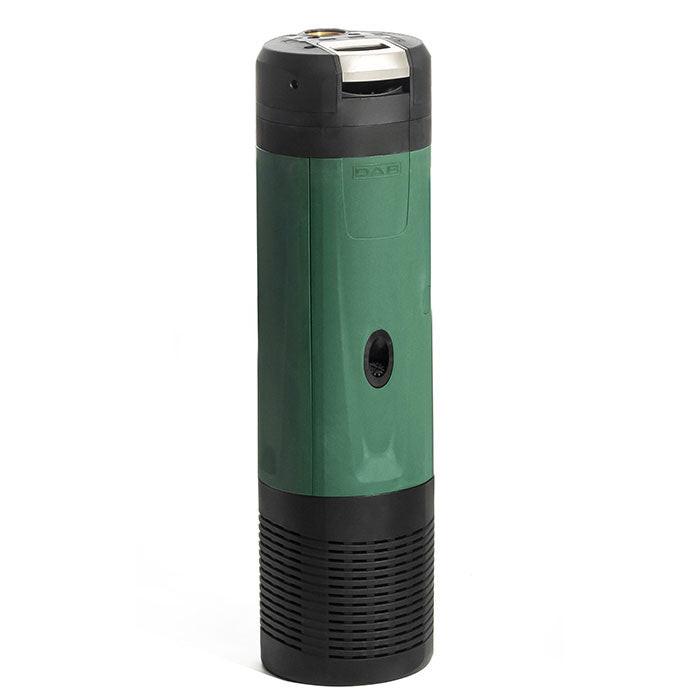
Sump Pumps for Grow Rooms, Basements & Greenhouses
Sump pumps remove accumulated water from low points in growing environments -- grow room floors, basement growing spaces, greenhouse drip lanes, and any area where water collects from irrigation runoff, condensation, equipment leaks, or heavy rain events. In well-managed growing environments, a sump pump is a safeguard rather than a daily-use tool -- handling the occasional flood event, equipment malfunction, or heavy runoff accumulation that cannot drain passively. For basement and below-grade growing operations where water intrusion is a recurring risk, a permanently installed sump pump in a sump pit provides continuous protection against water damage to equipment and the structure.
Submersible vs. Pedestal Sump Pumps
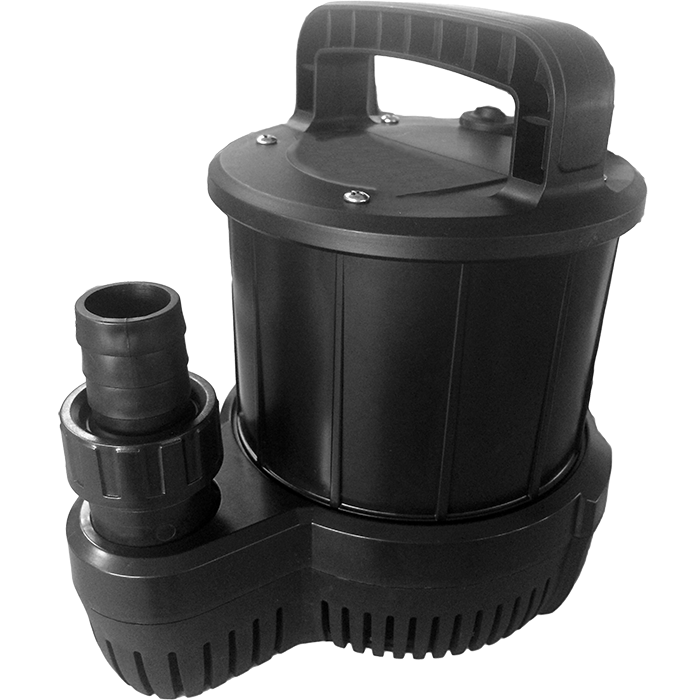
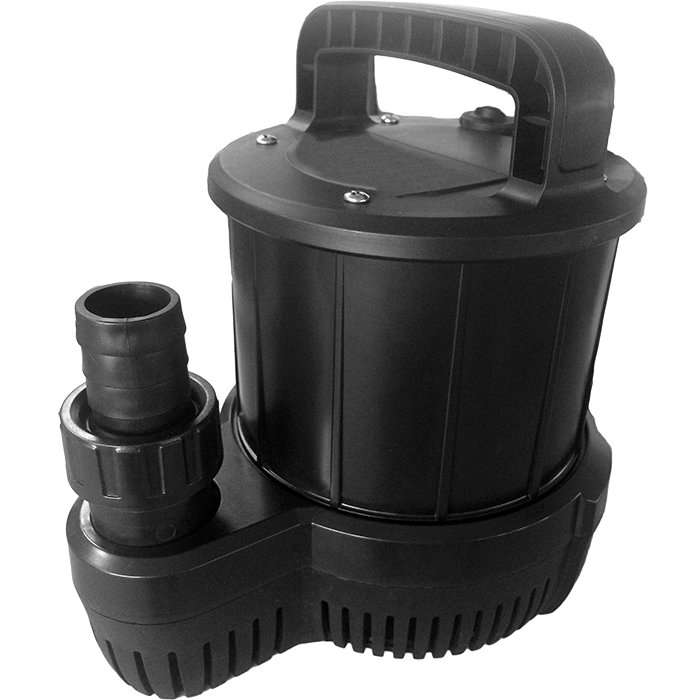
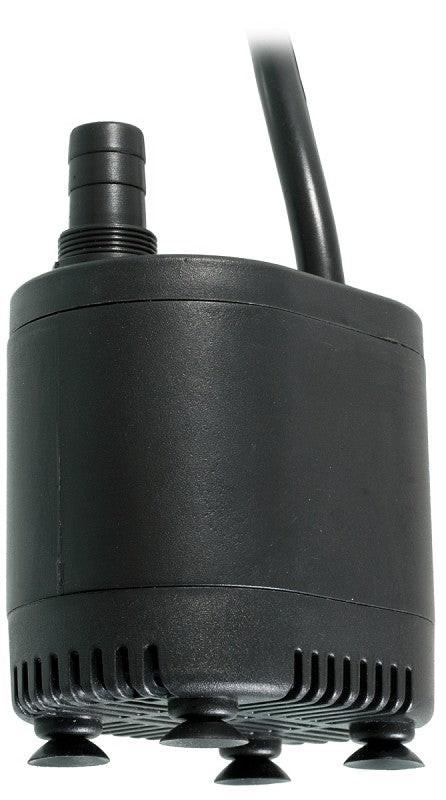
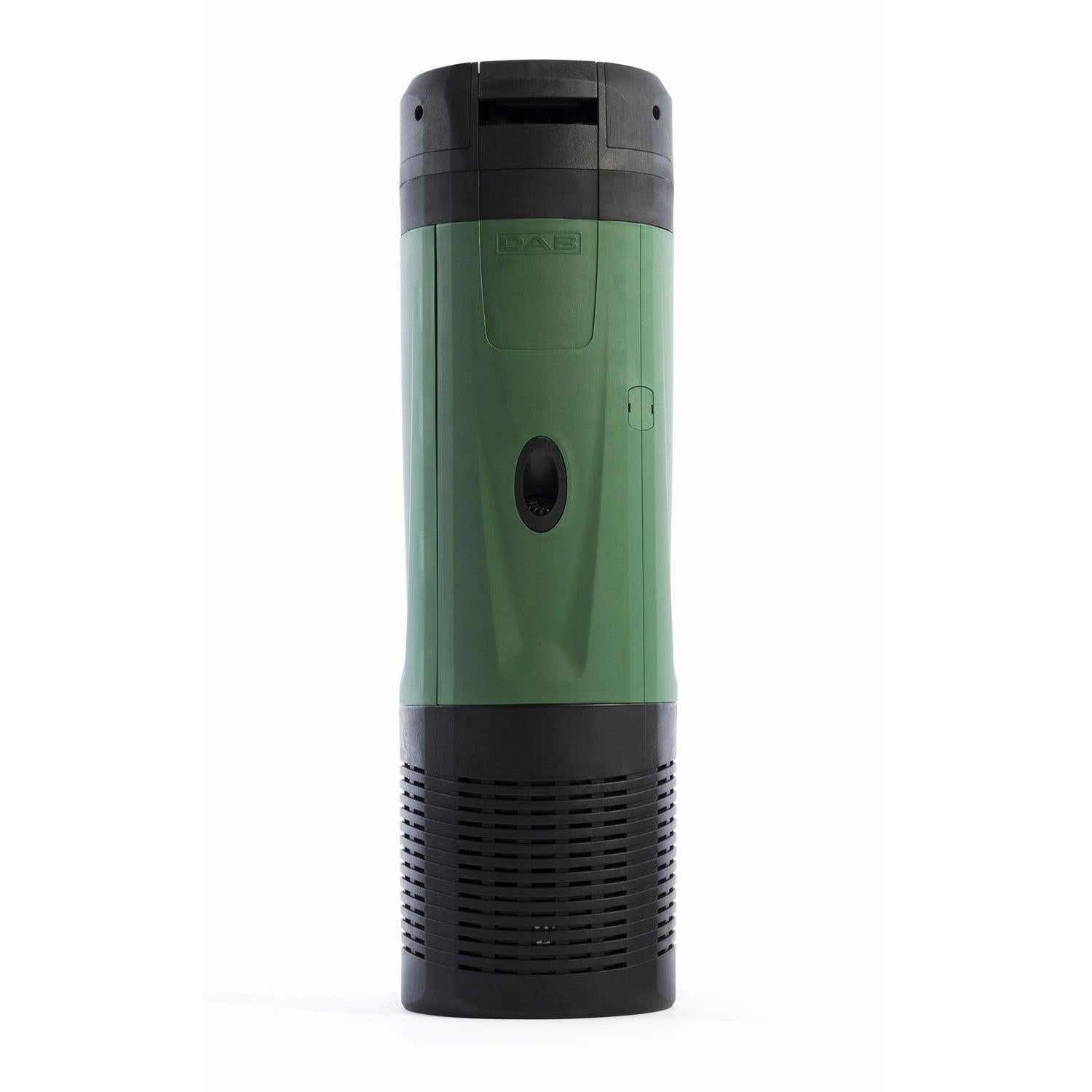
Submersible sump pumps sit directly in the water at the lowest point of the drainage area, with the pump motor sealed inside a waterproof housing. They are quieter, handle more debris, and work in shallow water -- better for grow room floor sumps where water accumulates gradually and debris from plant material is present. Pedestal sump pumps mount the motor above the water on a pedestal, with only the intake pipe submerged -- easier to service but louder and limited to cleaner water without debris. For grow room applications, submersible pumps are the standard choice. Pair with a float switch for automatic activation when water reaches a threshold depth rather than requiring manual monitoring. Browse our submersible water pumps collection for all submersible pump options alongside dedicated sump units. Pair with heavy-duty extension cords rated for the pump's continuous current draw.
Sizing for Grow Room Use
For grow room floor drainage, a small submersible sump pump rated 1,500-3,000 GPH is more than adequate for most hobby and small commercial operations -- this rate clears a 10x10 ft floor covered in 1 inch of water (approximately 62 gallons) in under 2 minutes. The more important specification is the pump's minimum operating depth: some pumps require 2-3 inches of standing water before the impeller is submerged enough to prime and run without cavitation. For sumps where water accumulates slowly and at shallow depth, select a pump specified for 1-inch or less minimum operating depth. Fast shipping.
Sump Pumps FAQ
Do I need a sump pump for my grow room?
A sump pump is most important for: basement and below-grade growing spaces where passive floor drainage is unavailable; large commercial operations where irrigation runoff volume exceeds what floor drains can handle quickly; and any growing environment with a history of water intrusion from equipment failures, condensate overflow, or building water issues. For standard above-grade grow rooms and tents with adequate floor drainage, a sump pump is a useful emergency backup rather than a daily-use requirement. If your grow room has ever had standing water from any cause, a sump pump is worthwhile insurance.
What size sump pump do I need for a grow room?
For grow room floor drainage: a 1,500-2,000 GPH submersible pump handles most hobby and small commercial flooding scenarios with margin to spare. For commercial operations with large floor areas or high irrigation flow rates, 3,000-5,000 GPH provides faster clearance. Pump sizing for grow rooms is less critical than for building sump applications because grow room water events are manageable volumes -- the more important specifications are minimum operating depth (for shallow sumps) and solids handling rating (for water with plant debris).
Can I use a regular aquarium pump as a sump pump?
Standard aquarium or hydroponic submersible pumps can handle minor floor drainage in a pinch, but they are not designed for sump applications. Most hydroponic submersible pumps have low GPH ratings, minimal solids-handling capability, and no float switch integration. For reliable sump duty -- particularly if the pump needs to handle periodic flood events automatically -- a dedicated sump pump with an integrated or compatible float switch is the appropriate tool. The cost difference between a hydroponic submersible pump and a basic sump pump is small; the performance difference in an actual flood event is significant.
How does a sump pump float switch work?
A float switch is a buoyancy-based sensor that activates the pump when water rises to a set level. As water rises, the float (a buoyant ball or lever) rises with it; when it reaches the trigger height, it closes an electrical circuit that starts the pump. When the pump lowers the water level below the float trigger point, the switch opens and the pump stops. Float switches allow fully automatic sump operation without manual monitoring -- essential for unattended growing environments where a water event could go undetected for hours. Most sump pumps include an integrated float switch; aftermarket float switches can be added to pumps without one.
Where should I position a sump pump in a grow room?
Position the sump pump at the lowest point of the grow room floor where water naturally collects. Ideally this is a dedicated sump pit (a recessed area in the floor) that concentrates water for the pump to remove -- more effective than placing the pump flat on the floor. If a pit is not possible, position the pump in the corner or low point where runoff collects, and consider sloping floor mats toward that corner to direct water there. Route the pump discharge hose to a floor drain, utility sink, or exterior drain location -- ensure the discharge line does not loop up above the pump before going to drain, as this creates a siphon-break problem.