Harvest Storage Bags & Vacuum Seal Bags
Proper post-harvest storage preserves the quality, aroma, and moisture content of fully dried and cured material during the period between processing and use. The primary enemies of stored harvested material are oxygen (oxidizes aromatic compounds), moisture fluctuation (too dry degrades quality; too wet promotes mold), light (UV degrades organic compounds), and heat (accelerates all degradation processes). Purpose-built storage solutions -- from simple foil-lined bags to humidity-regulating resealable bags to full vacuum sealing systems -- address these preservation factors systematically for storage periods ranging from days to months.
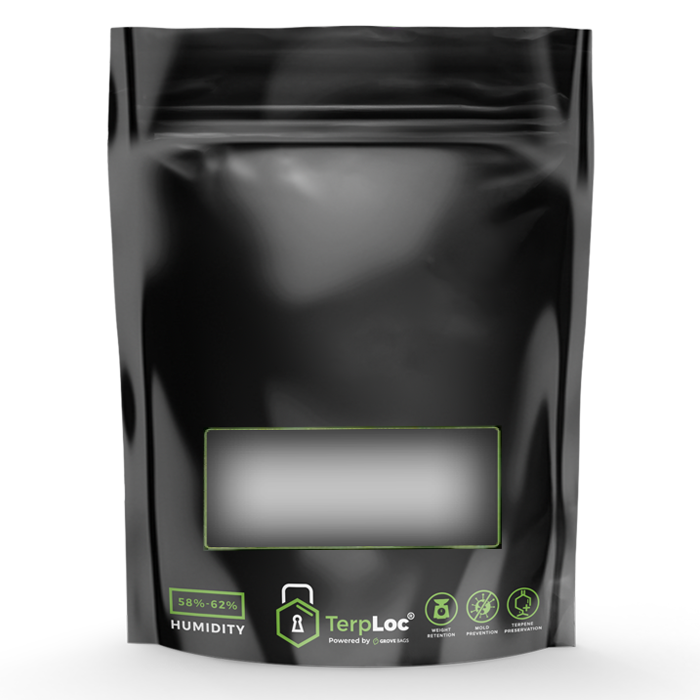
Grove Bags & Humidity-Regulating Storage
Grove Bags use a patented terpenoid protection film that regulates humidity within the bag to maintain optimal moisture content during storage -- without requiring separate humidity packs. The film is semi-permeable, allowing gas exchange that prevents anaerobic conditions while maintaining the target RH range. For post-harvest storage of cured material where maintaining consistent moisture content over weeks and months is the priority, Grove Bags eliminate the need for manual humidity management with separate humidity packs.
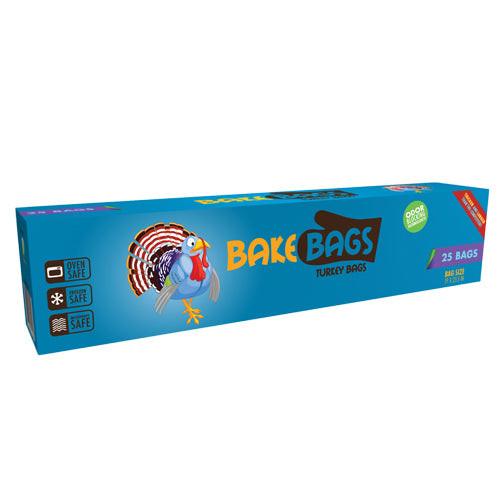
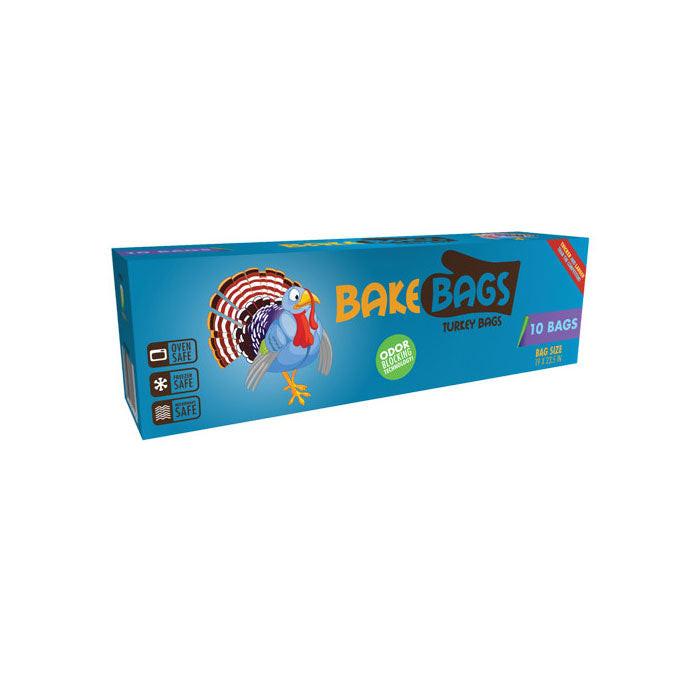
Vacuum Seal Bags & Turkey Bags
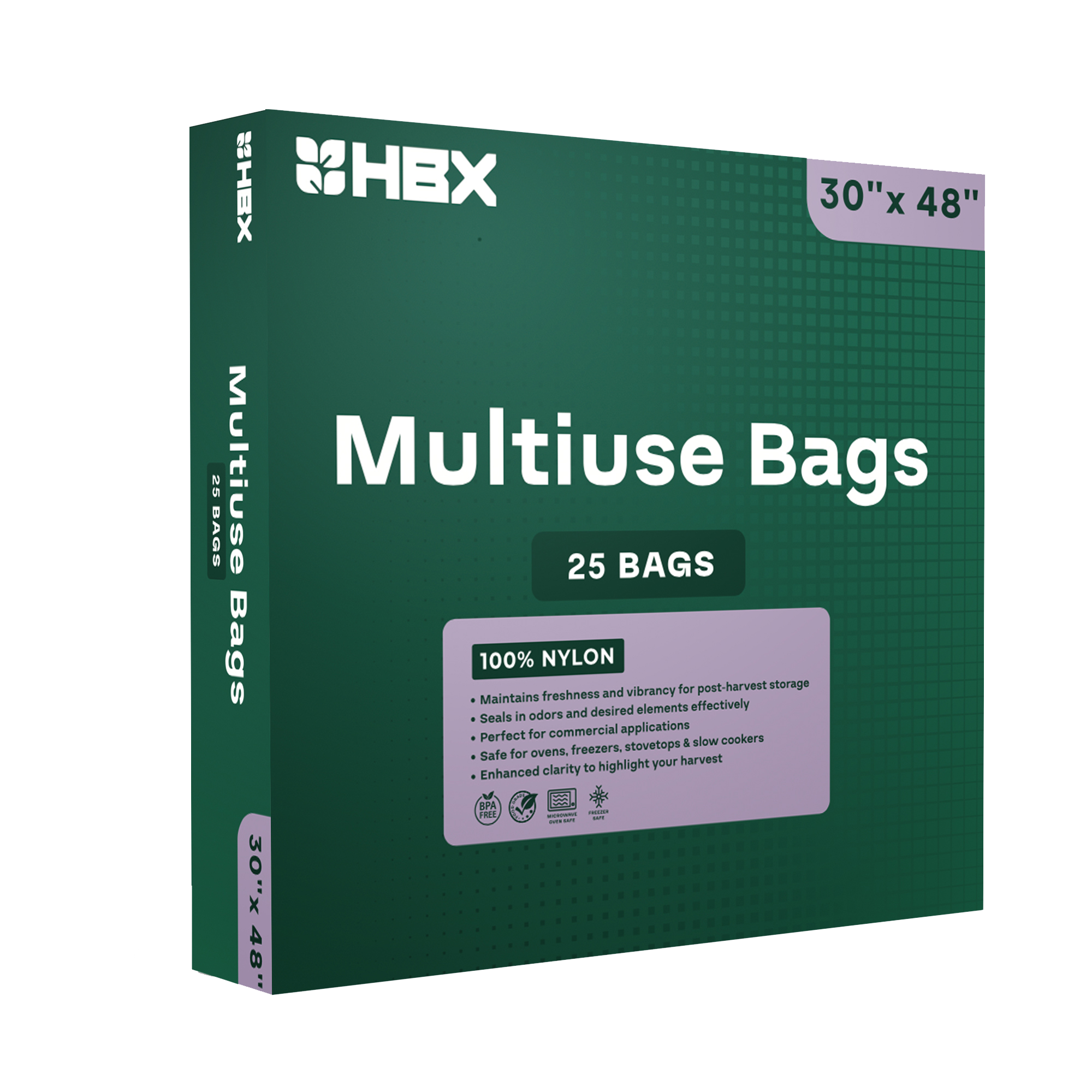
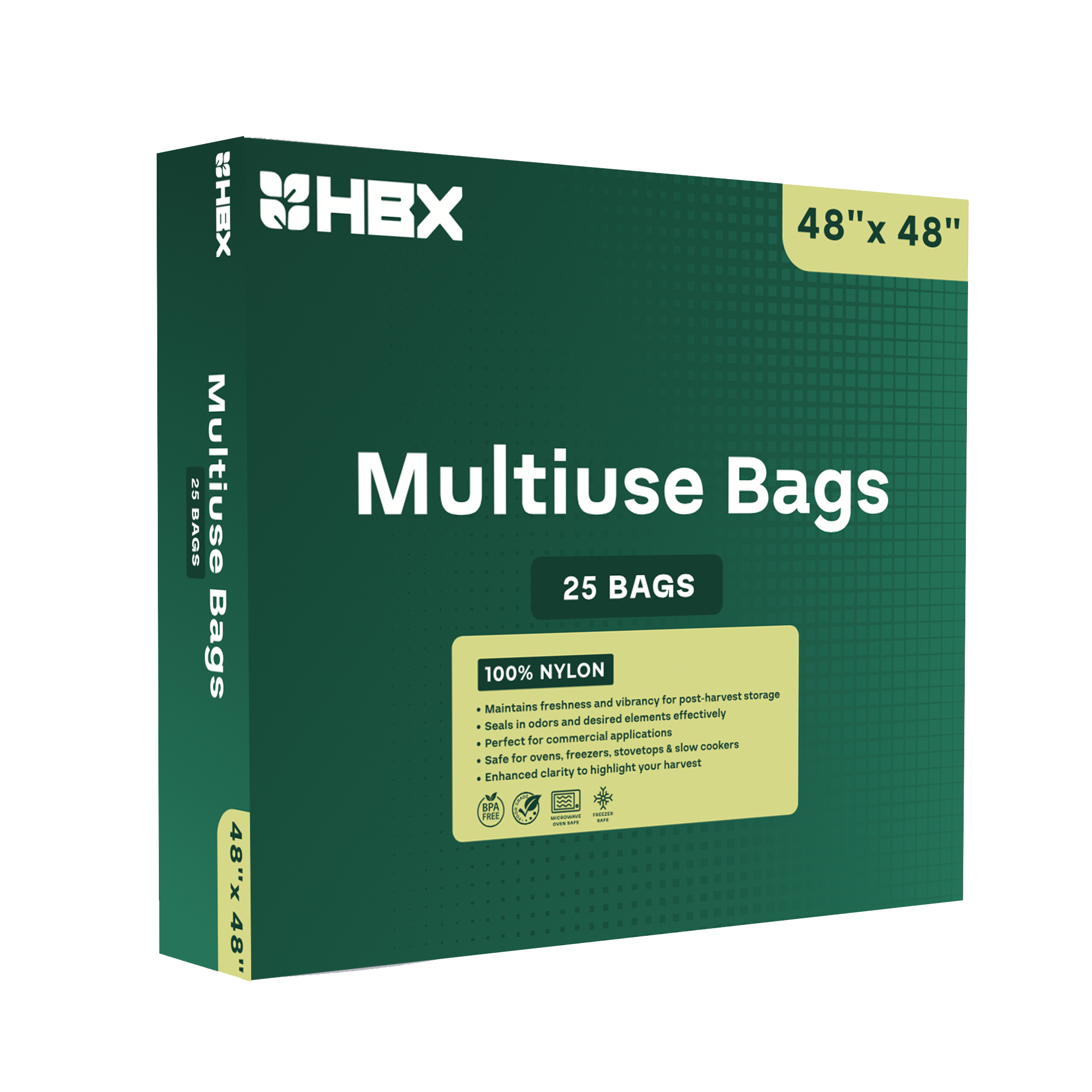
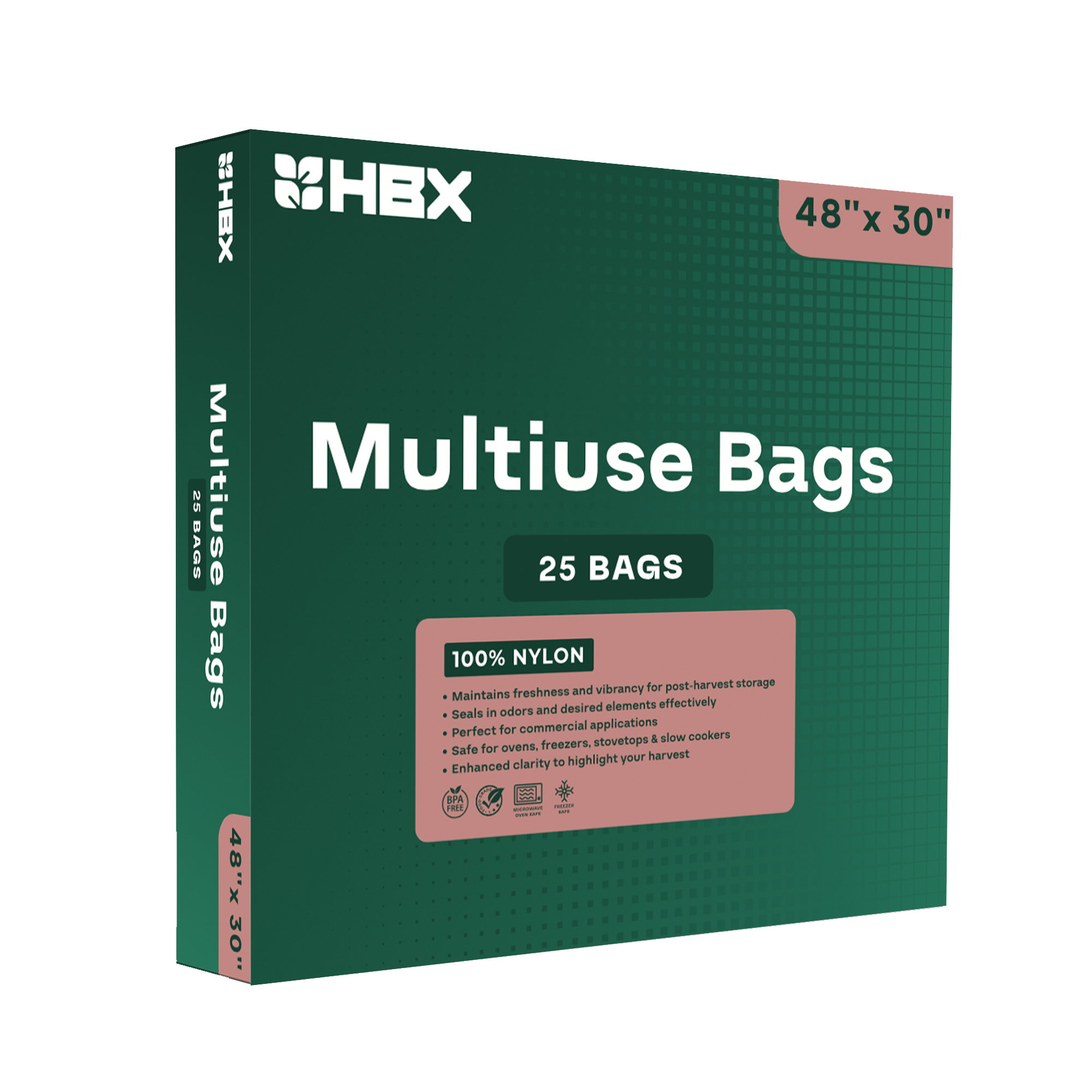
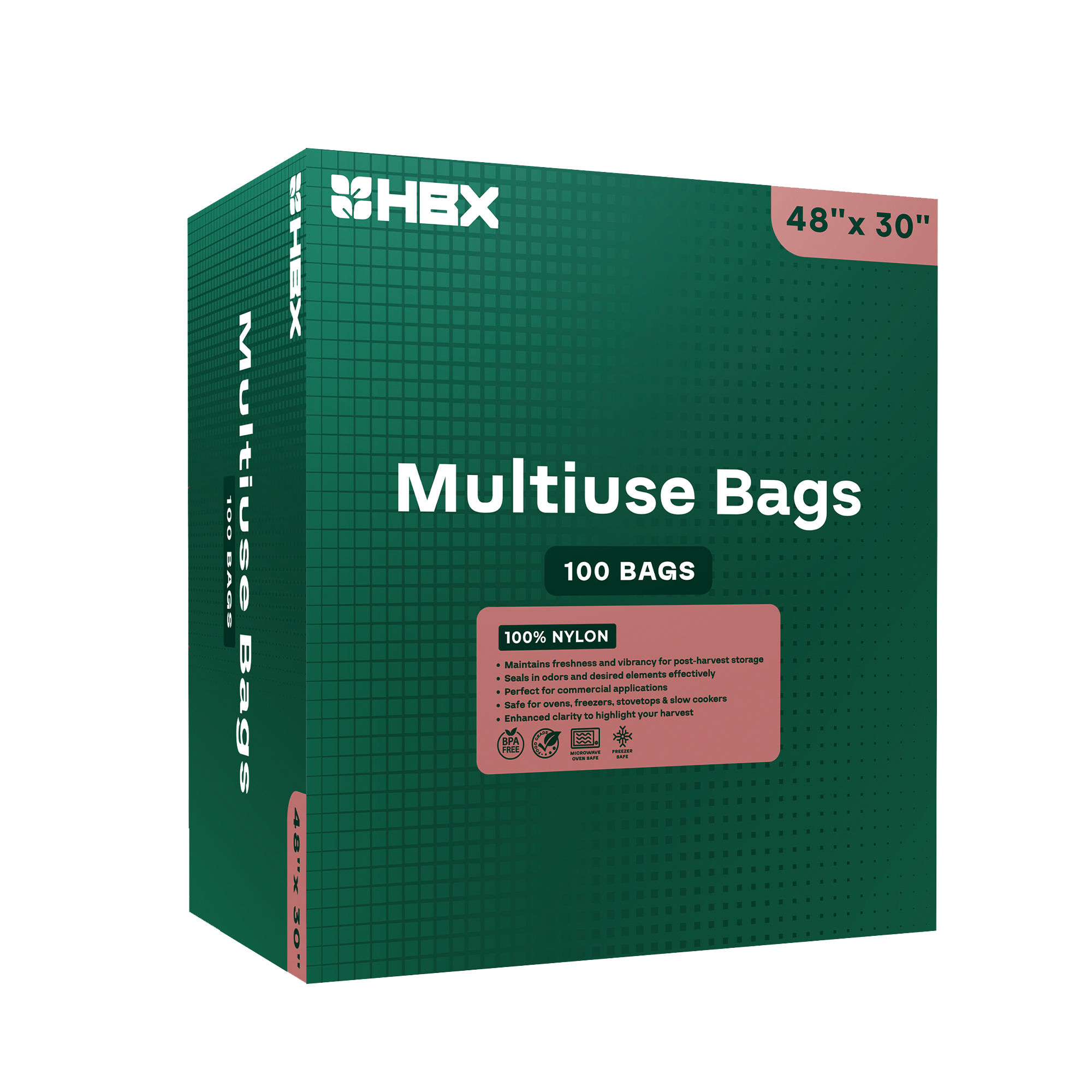
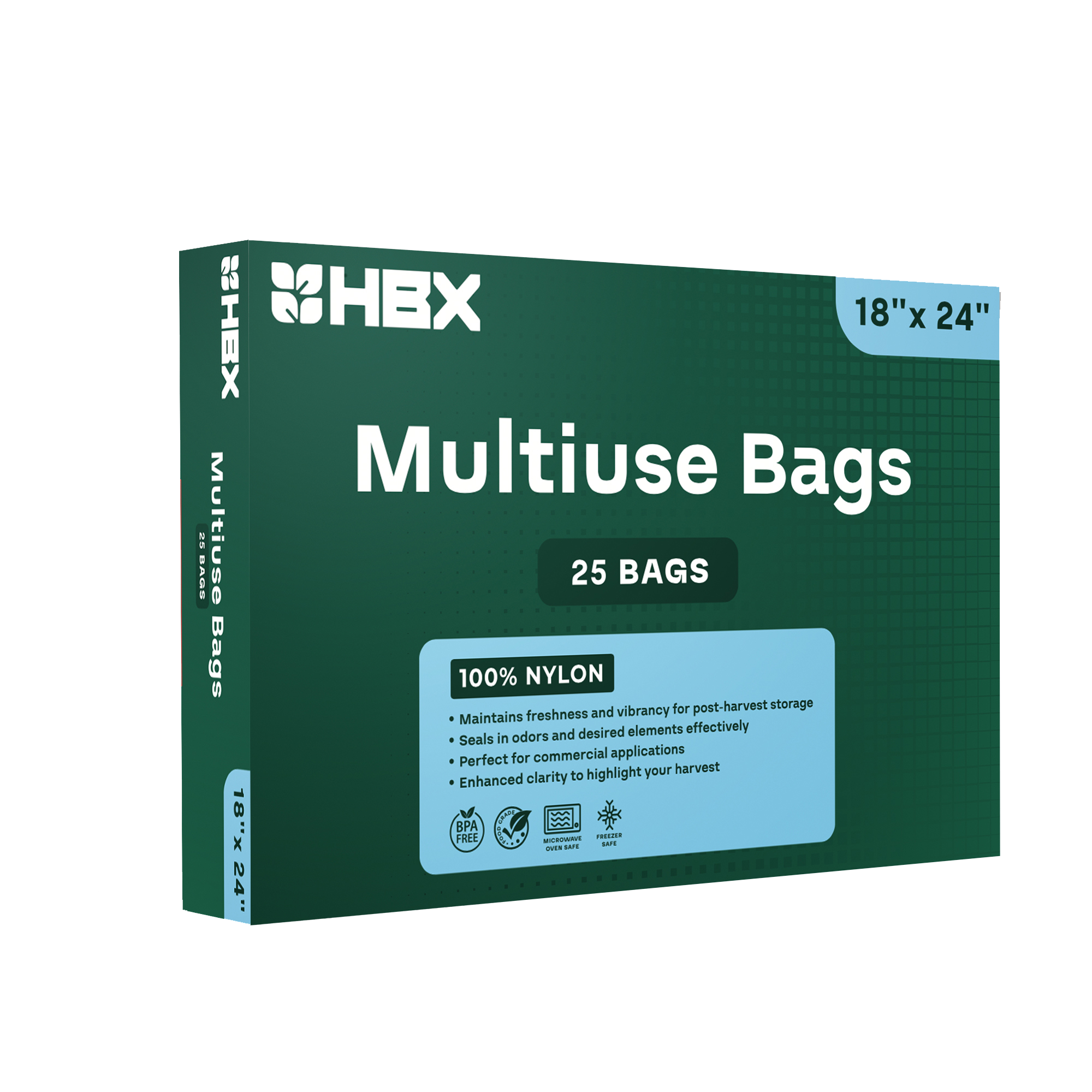
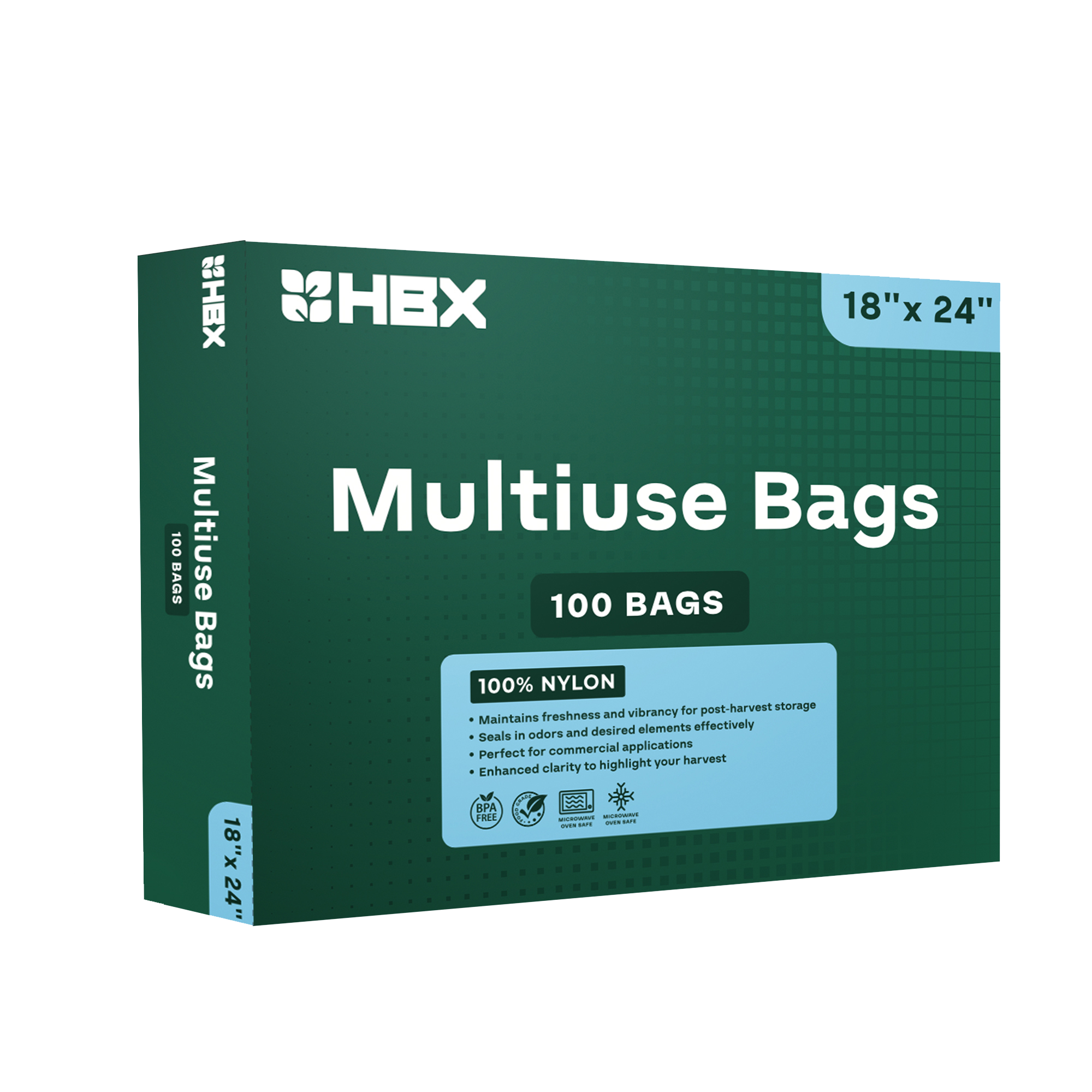
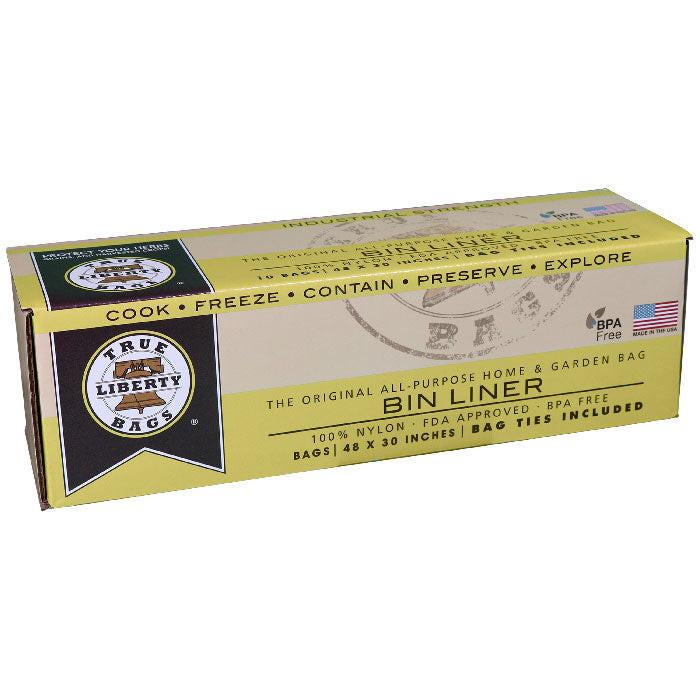
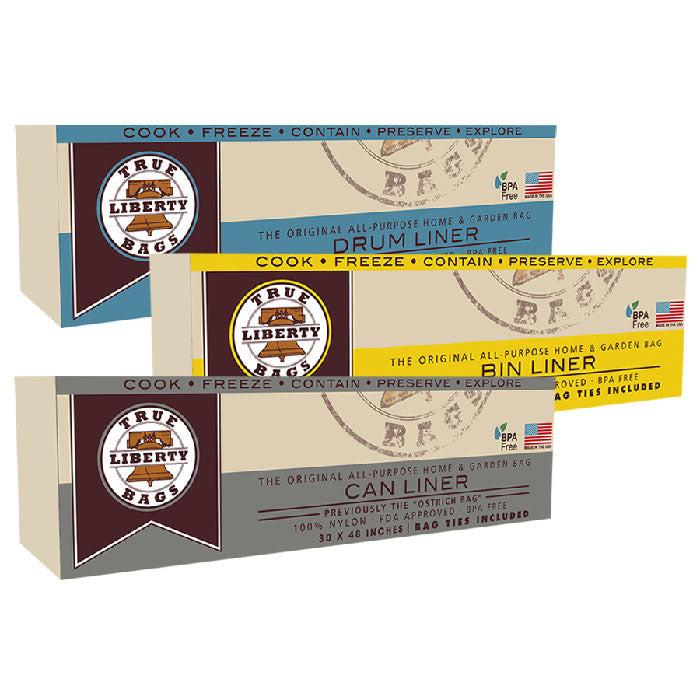
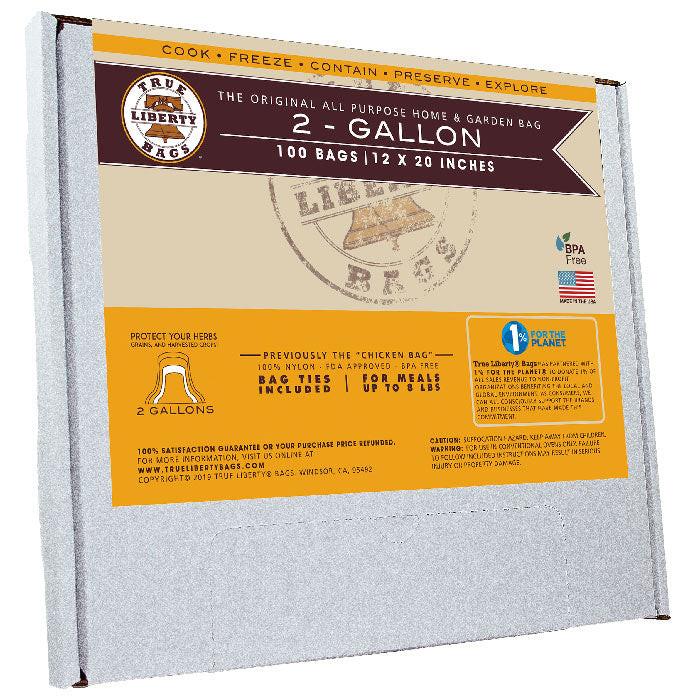
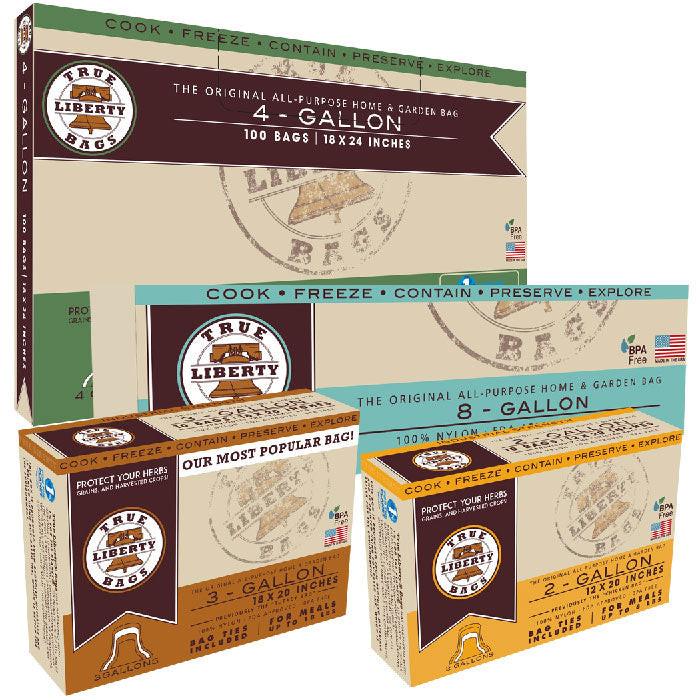
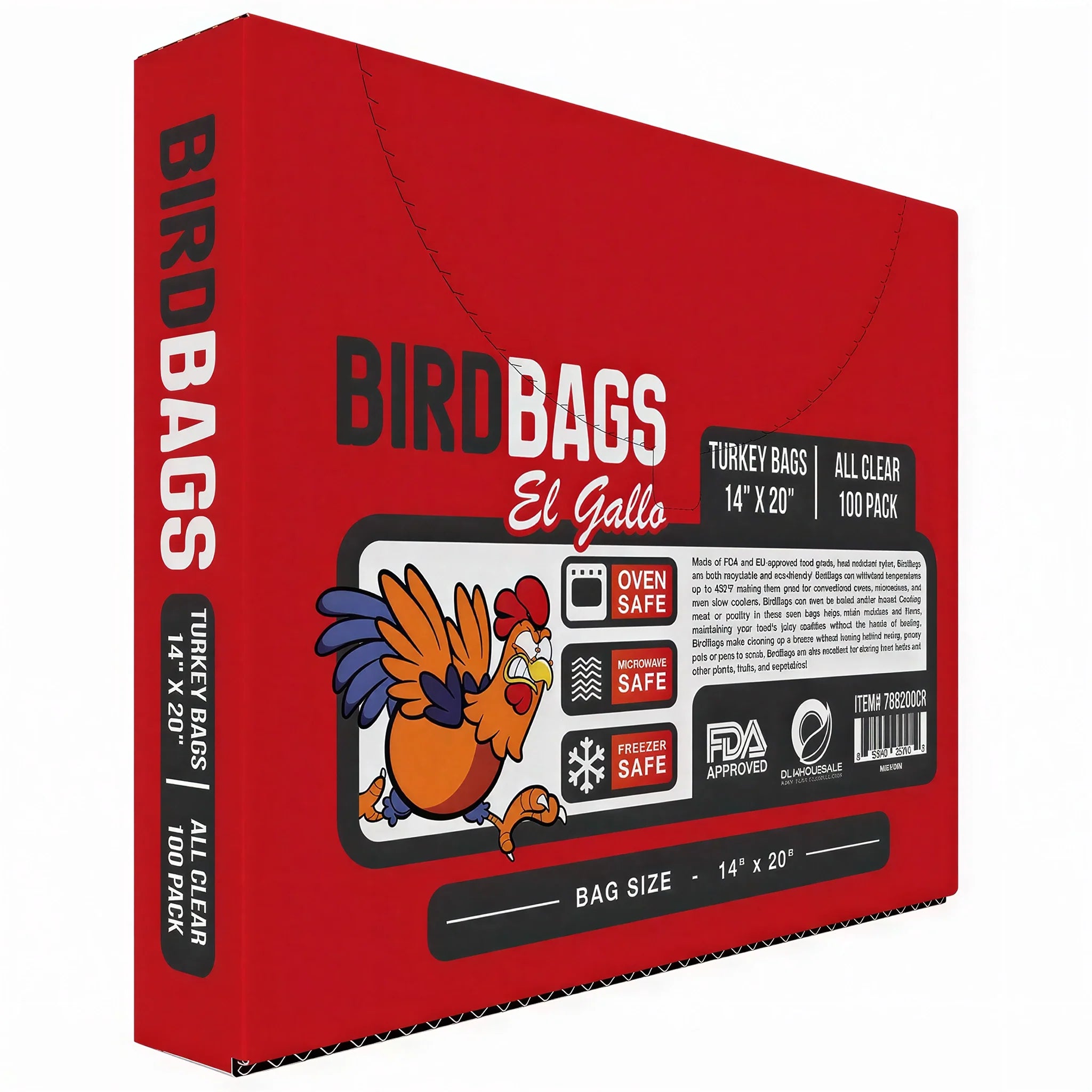
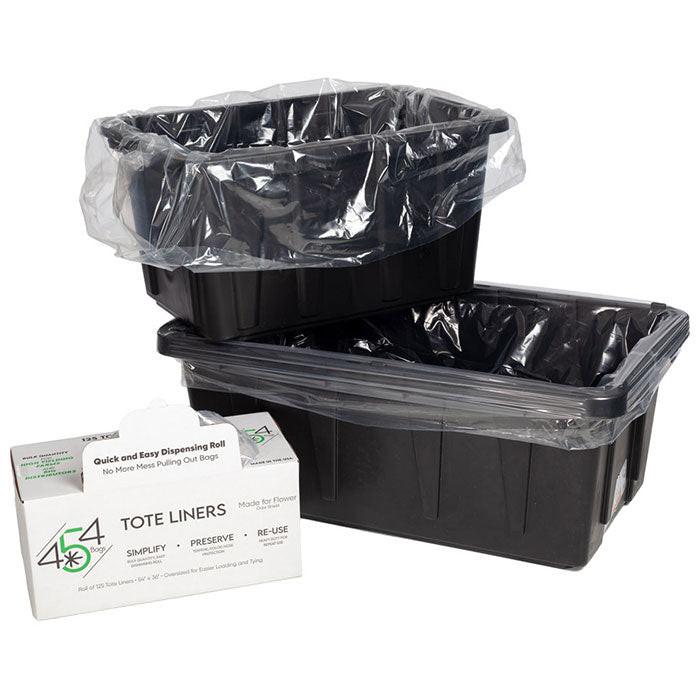
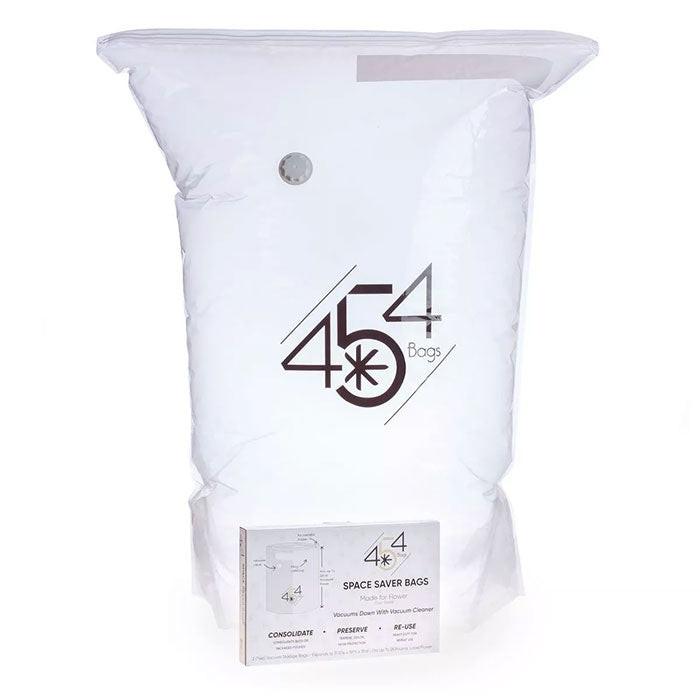
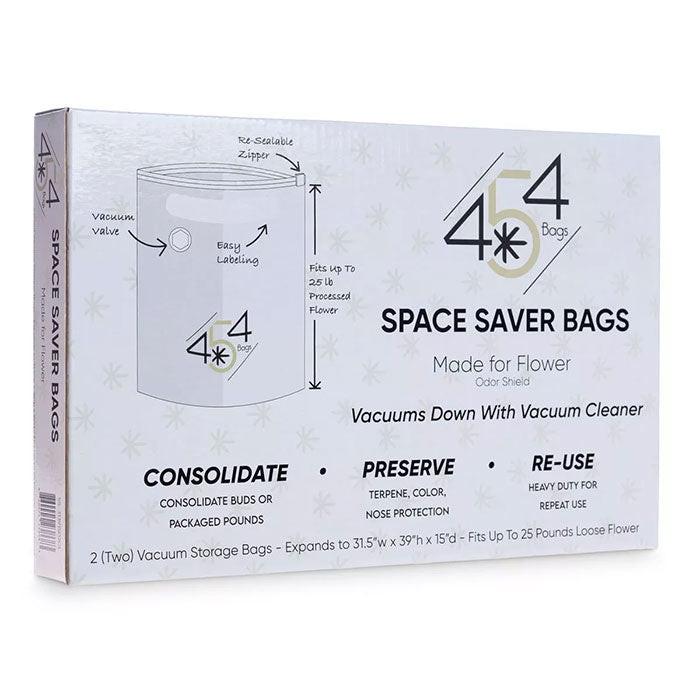
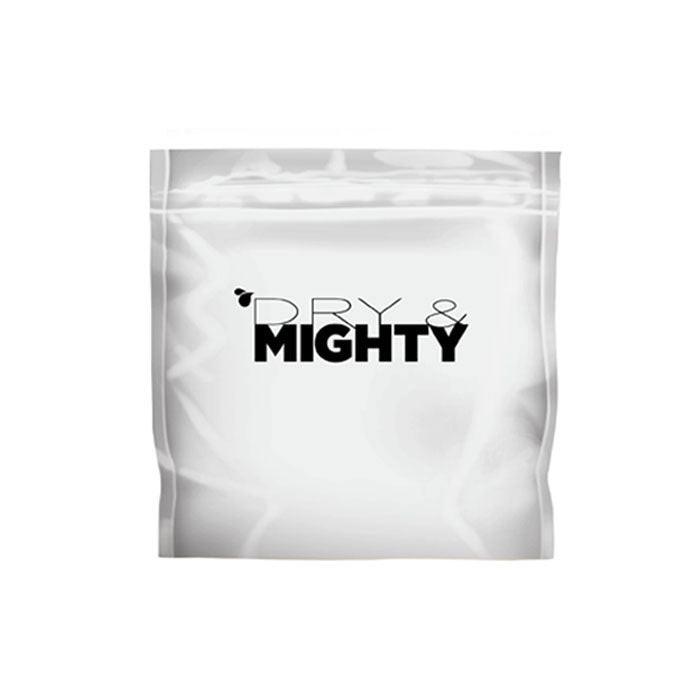
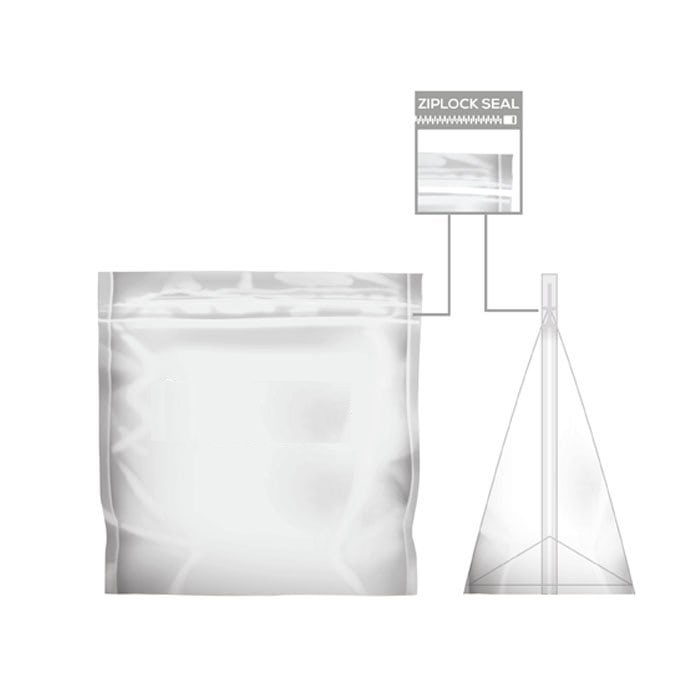
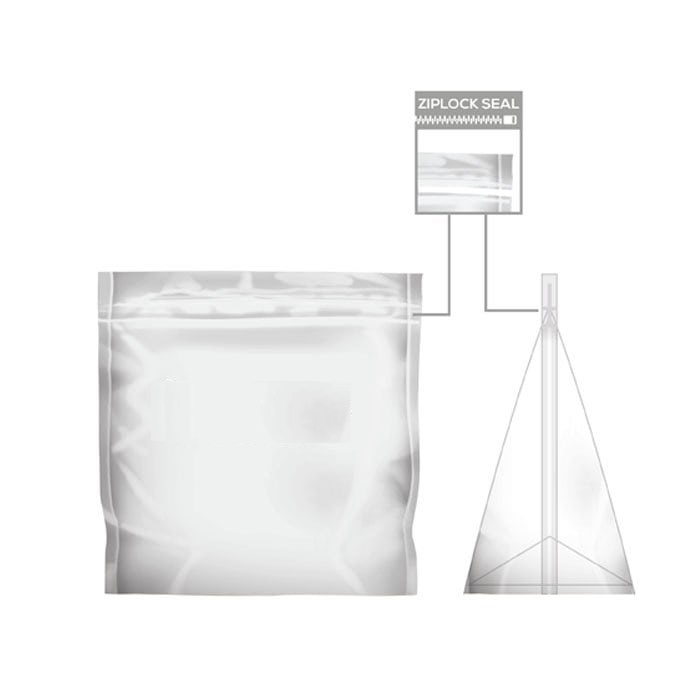
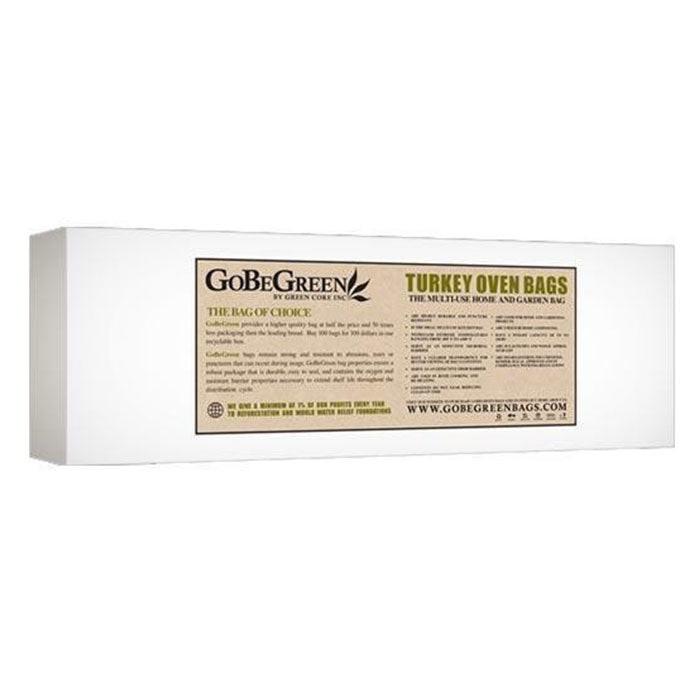
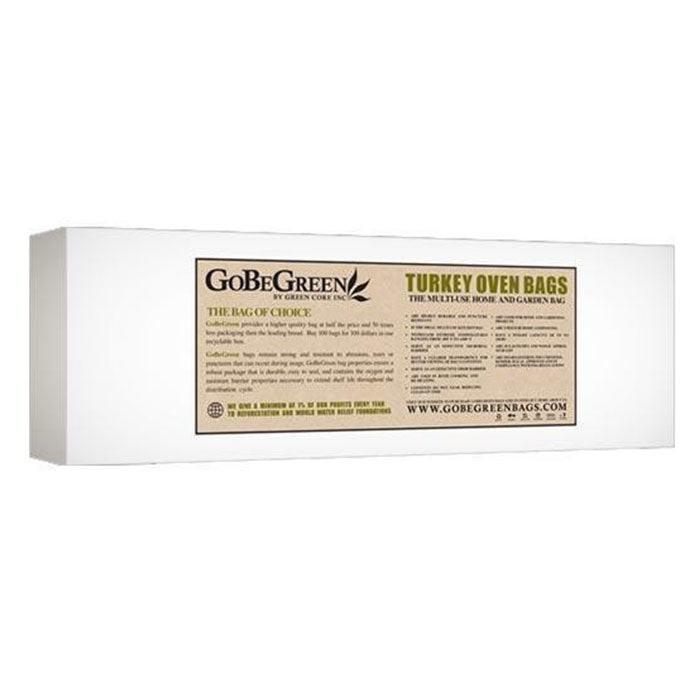
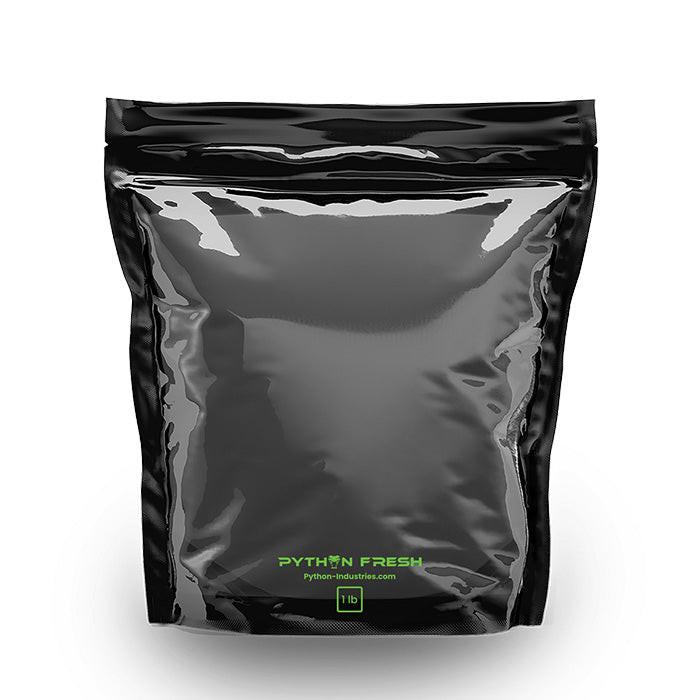
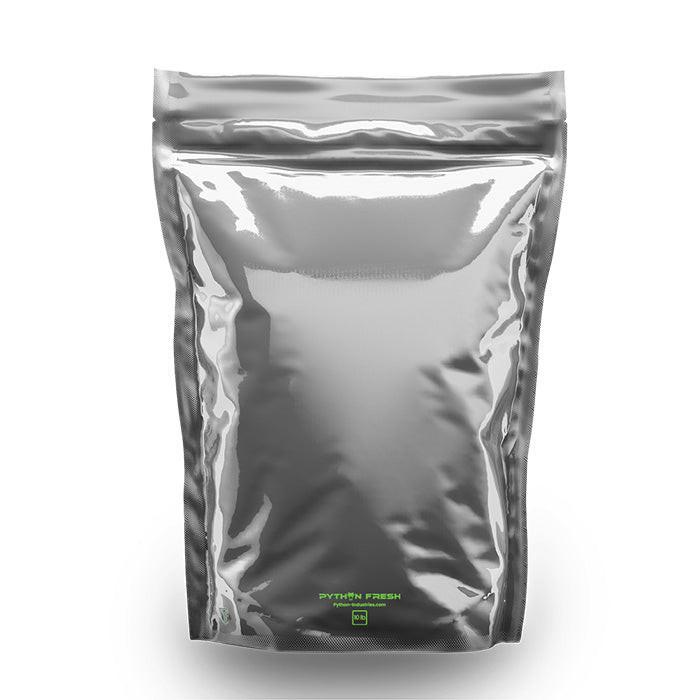
Vacuum sealing removes oxygen from the storage environment completely, extending storage life for fully cured, properly moisture-calibrated material. Vacuum-sealed storage is appropriate only for material cured to the target moisture content -- vacuum sealing material that is still too moist creates anaerobic conditions. Turkey bags (large heat-seal bags) are widely used for bulk post-harvest storage -- available in multiple sizes for various batch volumes. Pair with a trim tray and scale for a complete packaging station. Fast shipping.
Harvest Storage Bags FAQ
What are the best bags for storing harvested plant material?
Grove Bags with humidity-regulating film are the premium choice for medium-to-long-term storage of cured material -- the terpenoid protection film maintains optimal moisture content without separate humidity management. For bulk storage of large quantities, food-grade turkey bags (heat-seal oxygen barrier bags) provide simple, inexpensive protection. Vacuum seal bags paired with a vacuum sealer provide the longest storage life for properly cured, moisture-calibrated material by removing oxygen entirely.
How do I store harvested material long-term?
Long-term storage requires: properly cured material at the right moisture content (typically 10-14% for most dry herbs and flowers), an airtight oxygen-barrier container or bag, and a cool dark storage environment (60-65 degrees F, away from direct light). For periods beyond 3-6 months, vacuum sealing or nitrogen-purged storage dramatically extends quality preservation. Never store material that is not fully dried and cured -- moisture above the target range promotes mold growth regardless of container type.
Can I store material in mason jars instead of bags?
Yes -- mason jars with airtight lids are an excellent storage container for fully cured material. They are airtight, inert, reusable, and transparent for easy visual inspection. The main disadvantages compared to bags: glass weight and breakage risk, and larger volumes require many individual jars. For long-term storage in mason jars, adding a 58-62% RH humidity pack to each jar maintains optimal moisture content. Store jars in a cool, dark location -- light exposure through glass degrades quality over time.
What is the correct moisture content for storage?
Most cured plant material stores optimally at 10-14% moisture content -- dry enough to prevent mold growth but not so dry that it becomes fragile and loses quality. The tactile test: material should feel dry to the touch but not crispy; stems should snap rather than bend but not crumble. For precise measurement, a digital moisture meter calibrated for your specific crop is the most reliable indicator. Storing above 15% moisture creates mold risk; below 8-9% accelerates quality degradation through excessive dryness.
How long does properly stored material last?
Properly cured and stored material retains most of its quality characteristics for 6-12 months under good storage conditions (cool, dark, airtight, correct moisture). Vacuum-sealed or nitrogen-purged storage extends this to 1-2+ years. After 12 months even in good conditions, some degradation of aromatic compounds occurs naturally through slow oxidative processes. The most important factors for long storage life are: completing the curing process before storage, achieving target moisture content, excluding oxygen, and maintaining cool and dark conditions throughout.