Soil Aeration & Drainage Amendments for Growing
Soil aeration and drainage amendments are inorganic or semi-inorganic materials added to potting mixes and soilless substrates to improve air pore space, reduce compaction, and accelerate drainage between irrigation events. The root zone requires both adequate moisture and adequate oxygen -- a dense, poorly draining substrate holds too much water and starves roots of the oxygen that aerobic root respiration requires. Perlite, pumice, vermiculite, and coarse aggregate amendments create and maintain the macropore structure that allows rapid drainage and air re-entry after each irrigation, while the fine organic components of the mix retain adequate moisture for plant uptake between waterings.
Perlite vs. Pumice vs. Vermiculite
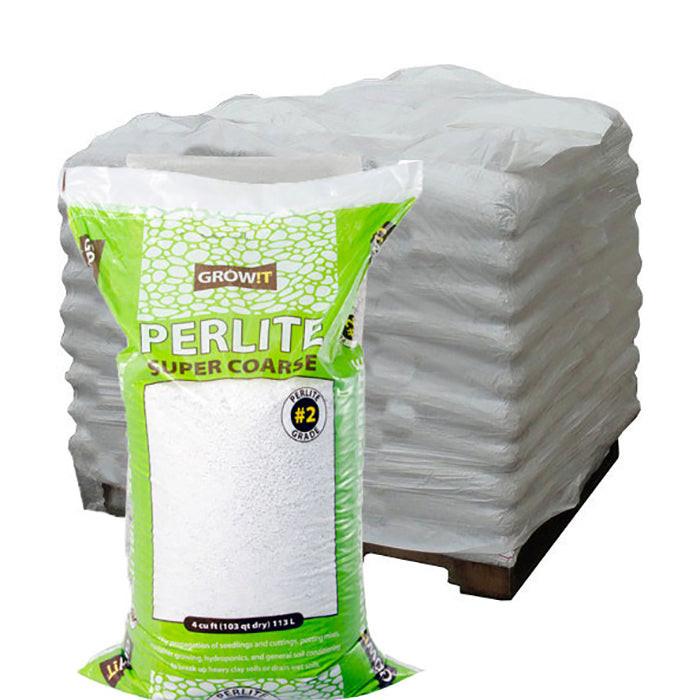
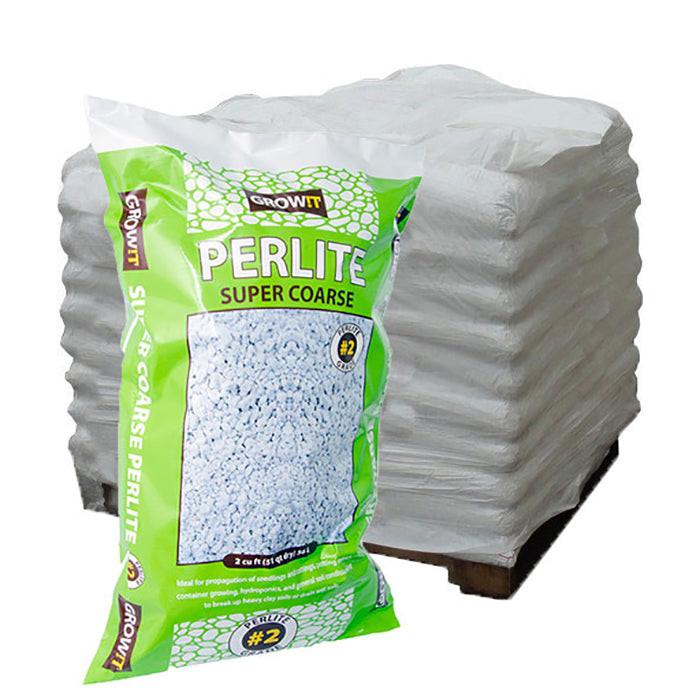
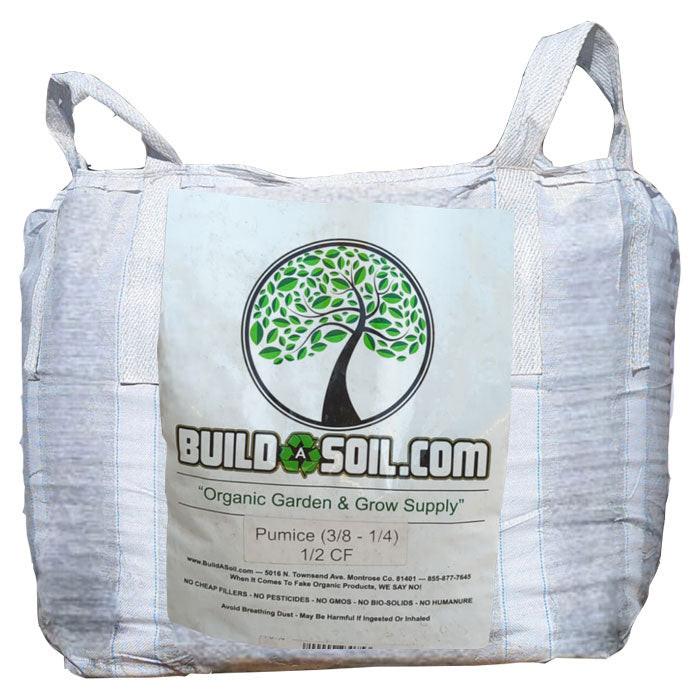
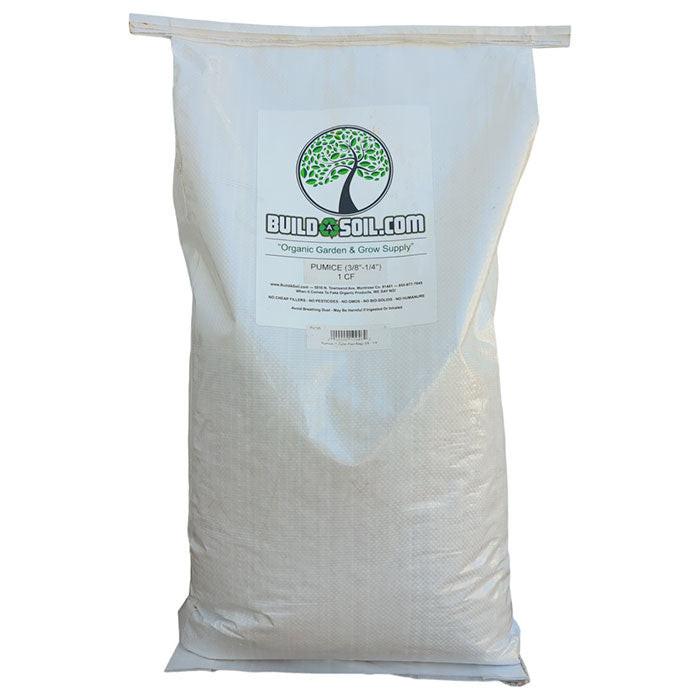
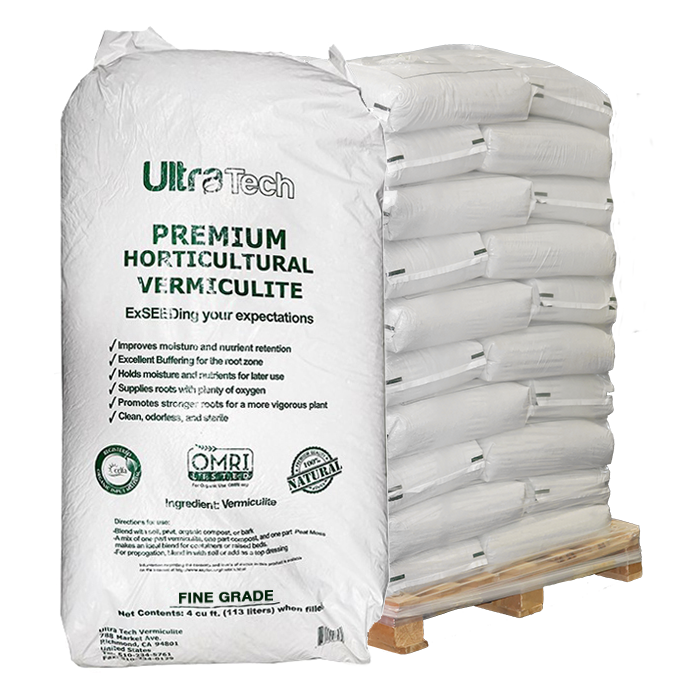
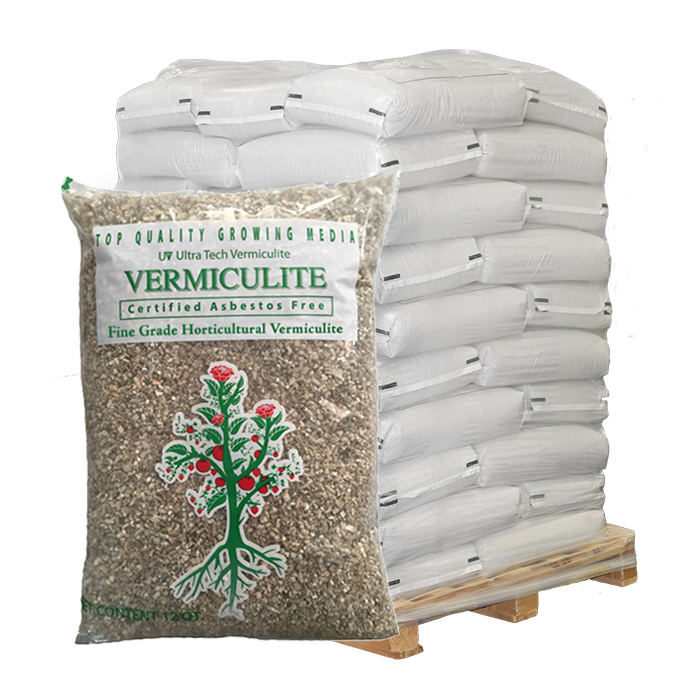
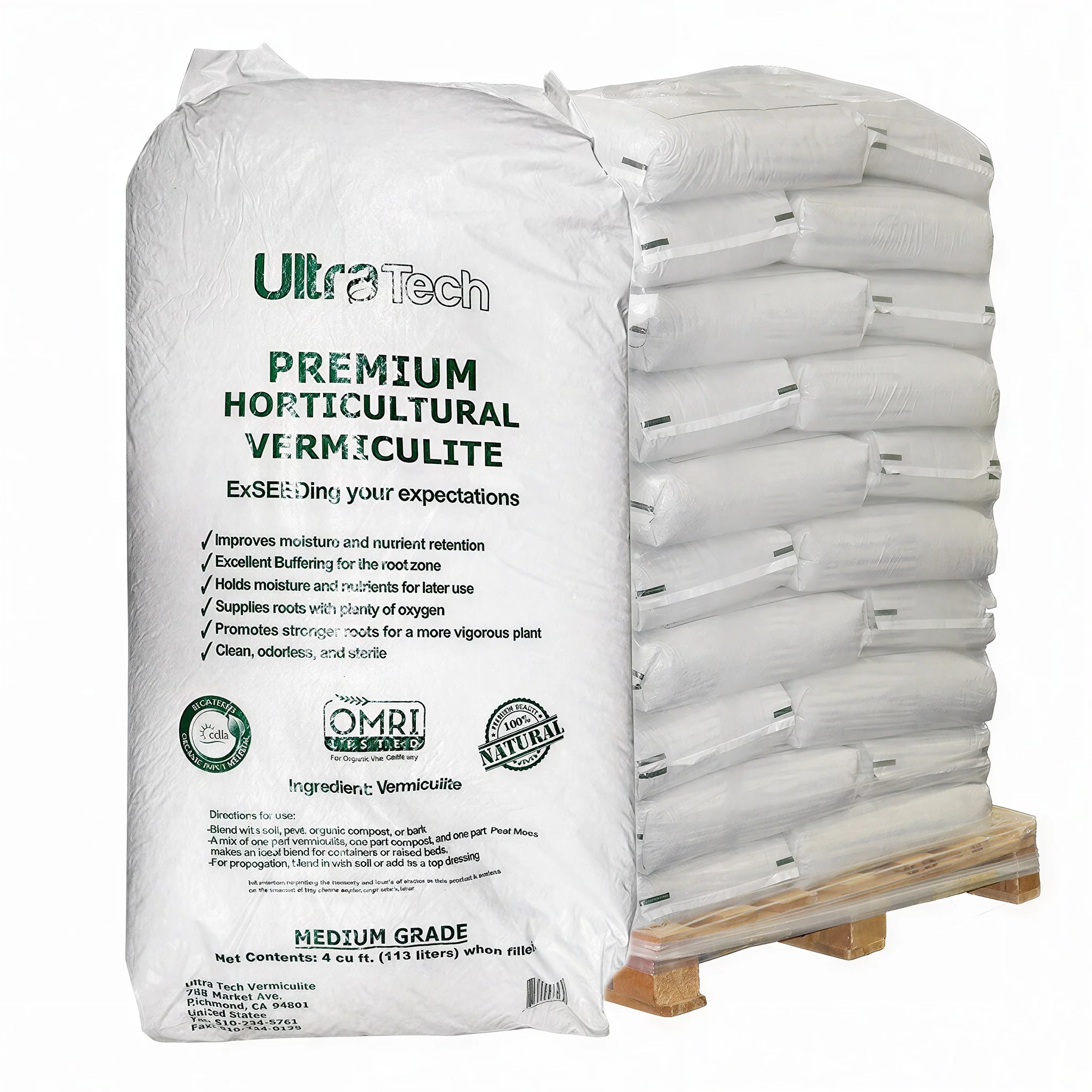
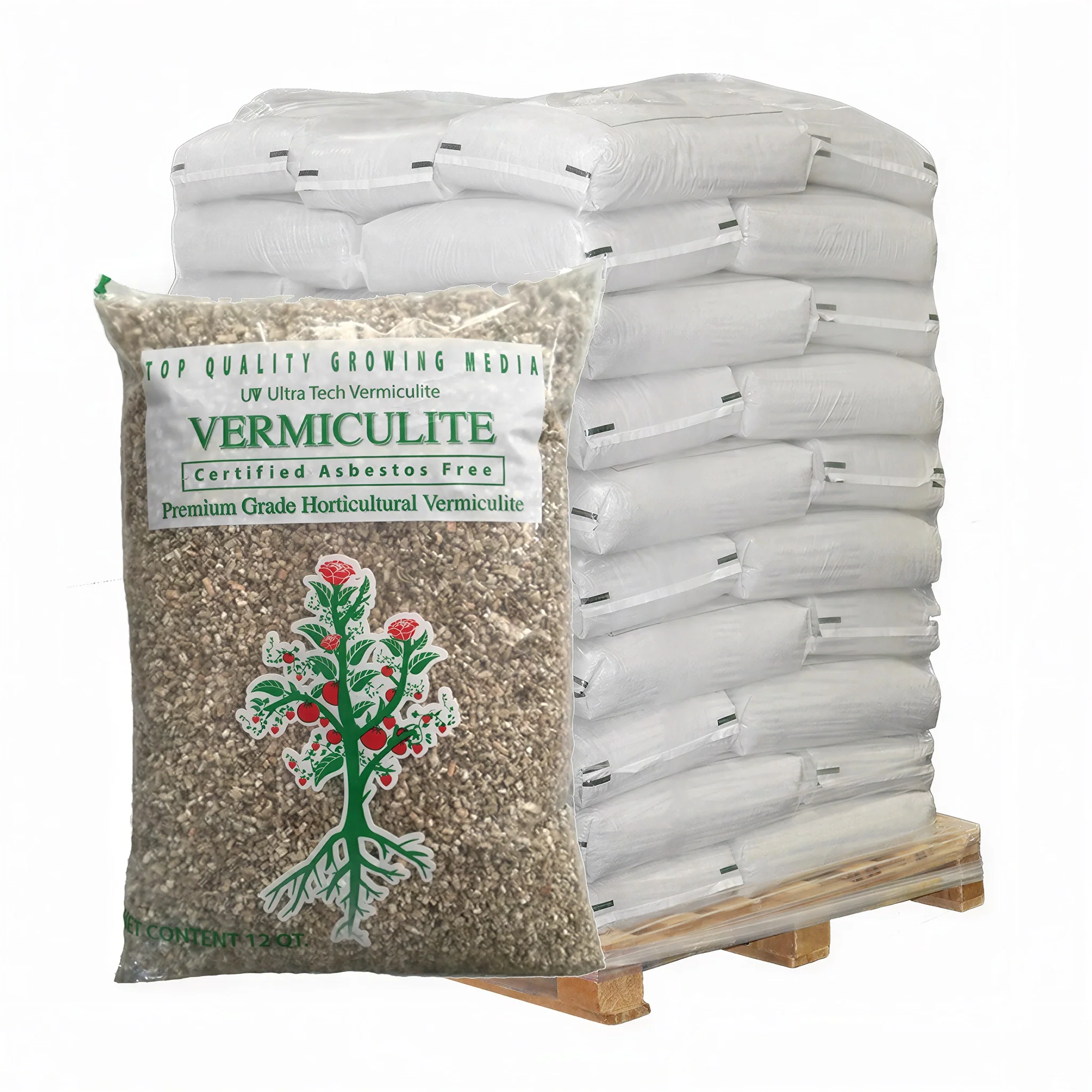
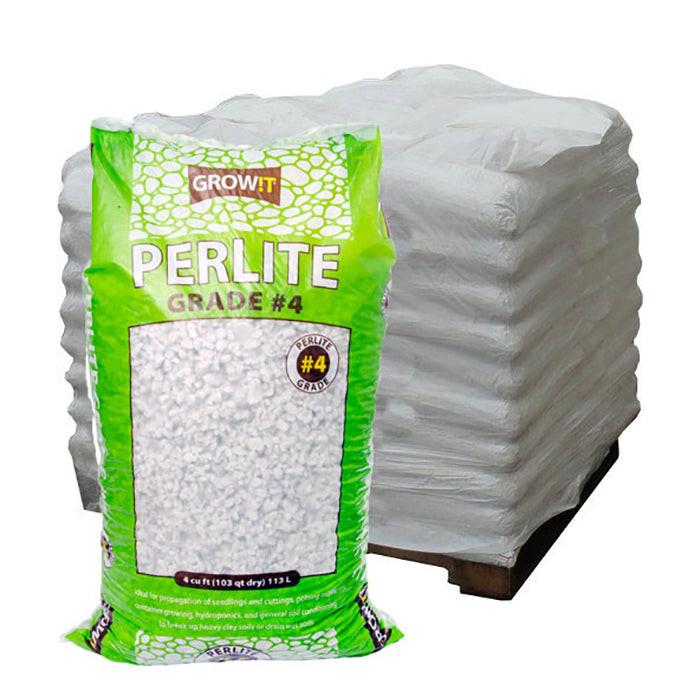
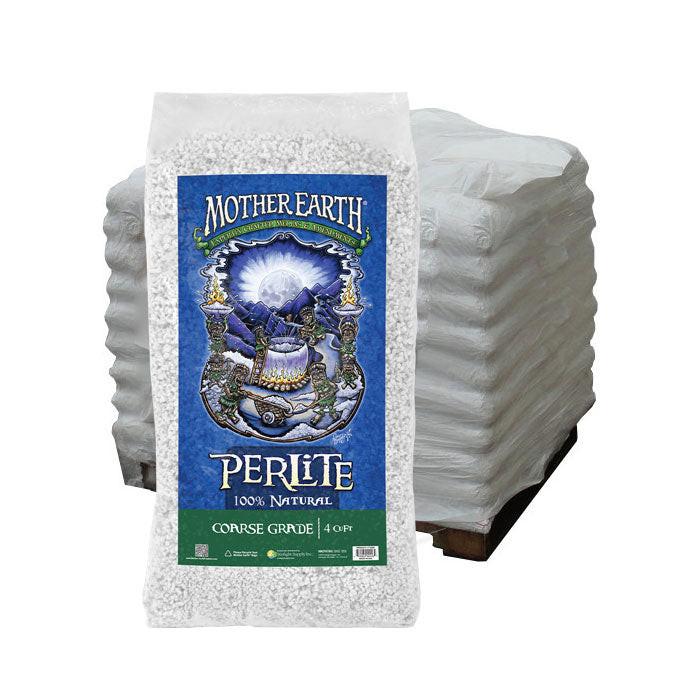
The three most common aeration amendments have distinct properties suited to different applications. Perlite (expanded volcanic glass, bright white) is the most widely used -- completely inorganic, sterile, non-compressing, and available in multiple grades from fine (seedling mixes) to coarse (container drainage layer). It retains essentially no moisture and provides primarily aeration benefit. Pumice (natural volcanic stone, grey) is denser than perlite, does not float, and provides both aeration and modest moisture retention -- preferred in living soil programs where perlite floating to the surface during watering is a concern. Vermiculite (expanded mica, golden) is the only moisture-retaining aeration amendment -- it holds water while still creating air pockets, used in seed starting mixes where both moisture retention and air pore space are needed. For container growing programs, perlite at 20-30% by volume is the standard starting point for coco coir and soil programs that need improved drainage.
Application Rates
Standard perlite addition rates: 10-15% by volume for moisture-retentive mixes that only need light opening; 20-30% for standard improved-drainage container programs; 30-40%+ for highly porous fast-draining mixes suited to frequent automated drip irrigation. For drainage layers at the base of deep containers, a 2-3 inch layer of coarse perlite or clay pebbles below the main growing medium prevents root zone waterlogging from slow drainage at the container base. Fast shipping.
Soil Aeration & Drainage FAQ
How much perlite should I add to my potting mix?
20-30% perlite by volume is the standard recommendation for most container growing programs -- enough to noticeably improve drainage and aeration without reducing moisture retention below the level needed for healthy plant growth between waterings. For automated drip irrigation programs with frequent short irrigation events, 30-40% perlite suits the faster dry-back cycle. For hand-watered programs where less frequent larger waterings are practical, 15-20% perlite provides drainage improvement without making the mix dry out too rapidly between waterings.
What is the difference between perlite grades?
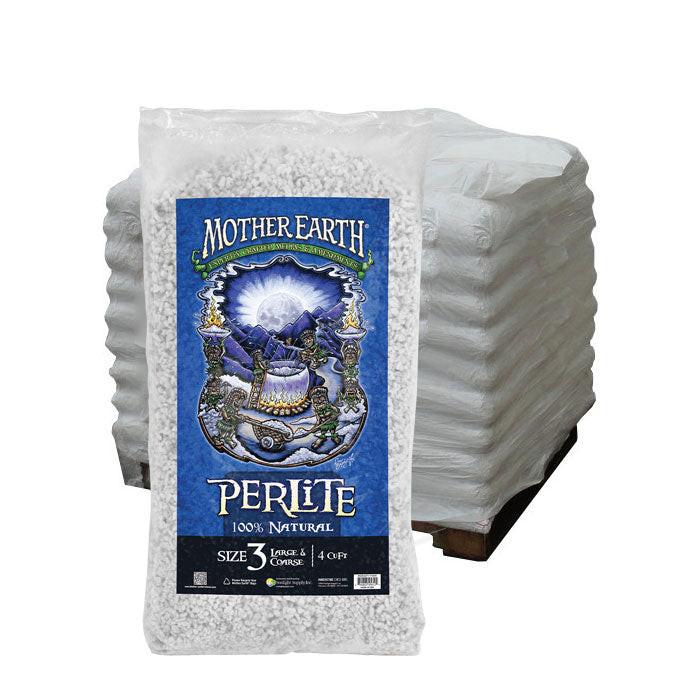
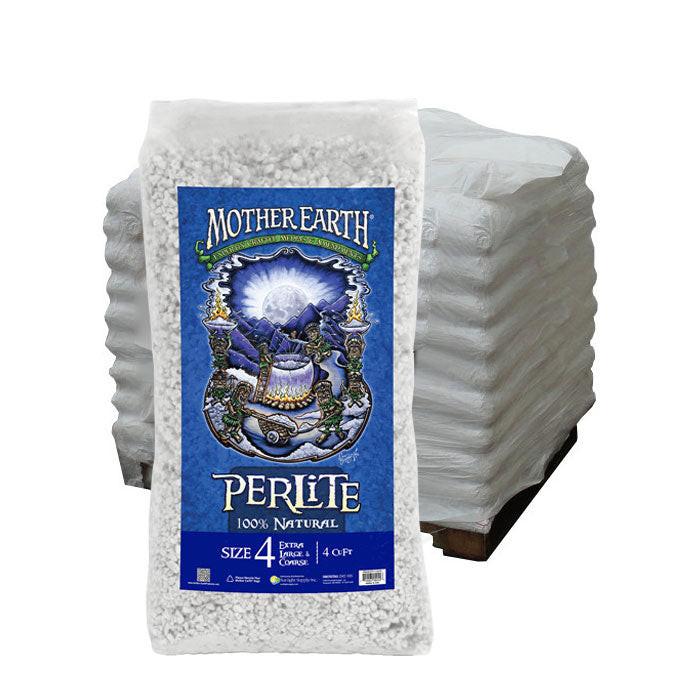
Perlite is available in fine (small particle), medium (standard horticultural grade), and coarse (large particle) grades. Fine perlite (under 3mm) is used in seed starting mixes and propagation media where large particles would prevent uniform small plug formation. Medium perlite (3-6mm, the standard horticultural grade sold in most stores) is appropriate for most container growing applications. Coarse perlite (6-12mm+) is used for drainage layers at the base of deep containers or in very high-drainage mixes for automated high-frequency irrigation programs. Most growing applications use standard medium-grade horticultural perlite.
Why does perlite float to the top of containers when watering?
Perlite's low density (it is mostly air pockets inside a glass shell) causes it to float upward when water is poured into the container from the top. This perlite float-to-surface effect is largely cosmetic -- the perlite still performs its drainage and aeration function within the mix. If the surface accumulation bothers you, topdress with a thin layer of heavier medium (coco, soil, or moss) to cover the perlite that has migrated to the surface. Pumice (denser than perlite) does not float and is preferred in living soil programs where perlite migration is undesirable.
Does perlite affect pH?
Perlite has a near-neutral pH (6.5-7.5 range depending on source and brand) and minimal buffering capacity -- it does not significantly affect the pH of the growing medium it is blended into. Unlike coco coir (which requires calcium and magnesium buffering) or rockwool (which requires pH pre-soaking), perlite can be added to any growing mix without pH pre-treatment. Vermiculite has a slightly alkaline pH (7.0-8.0) and can raise the pH of mixes it is added to in large amounts -- a consideration for acid-preferring crops when vermiculite is used at high percentages.
Can I use perlite alone as a growing medium?
Pure perlite can function as a hydroponic growing medium in top-feed drip and ebb and flow systems -- it provides excellent drainage, re-oxygenates rapidly after irrigation, and is inert and sterile. Commercial perlite-only growing programs exist, particularly for lettuce and herbs in high-frequency drip systems. The limitation of pure perlite is its very low moisture retention -- it requires extremely frequent irrigation (every 15-30 minutes in some commercial programs) to maintain adequate moisture around roots between events. For hand-watered programs, pure perlite dries out too rapidly between waterings to be practical.