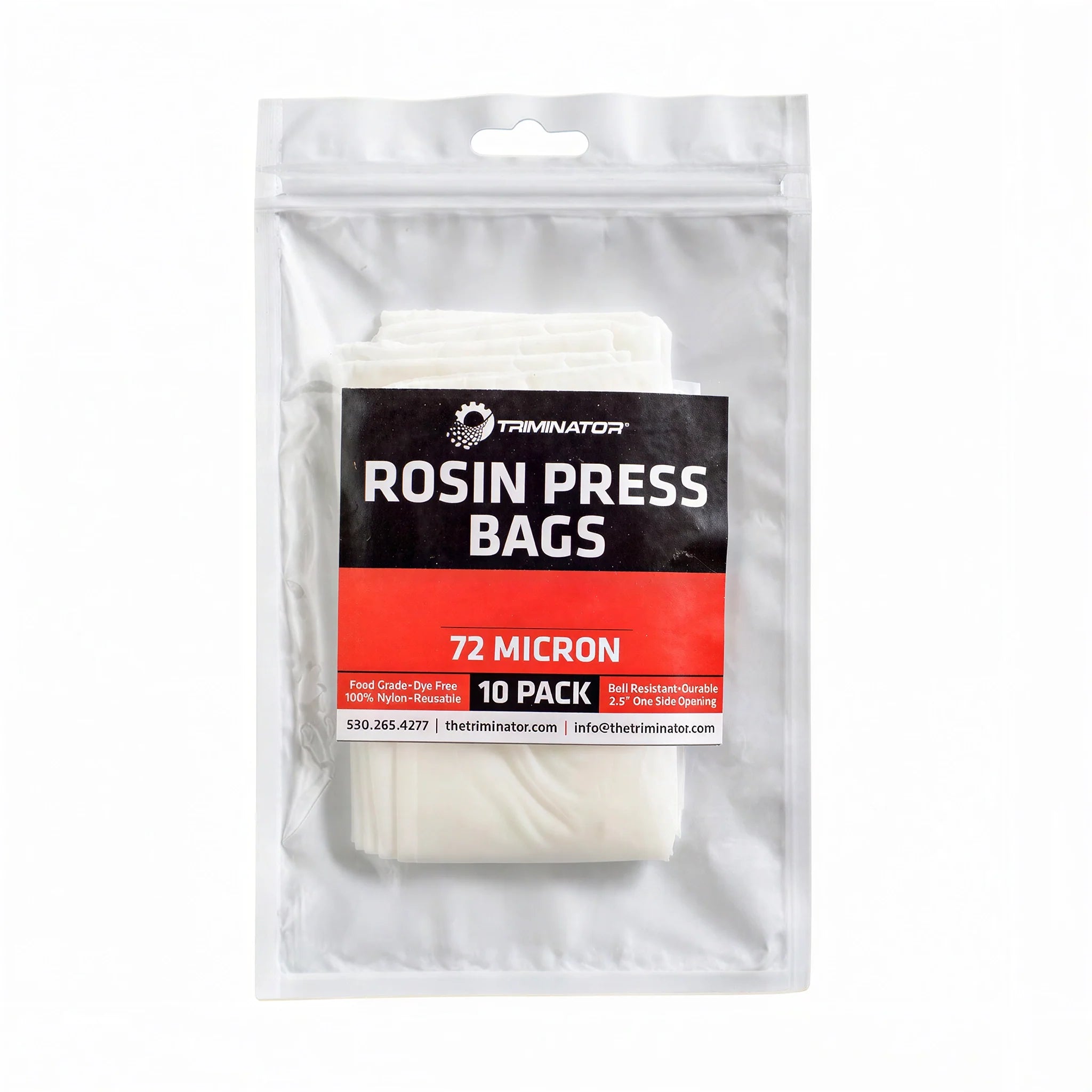
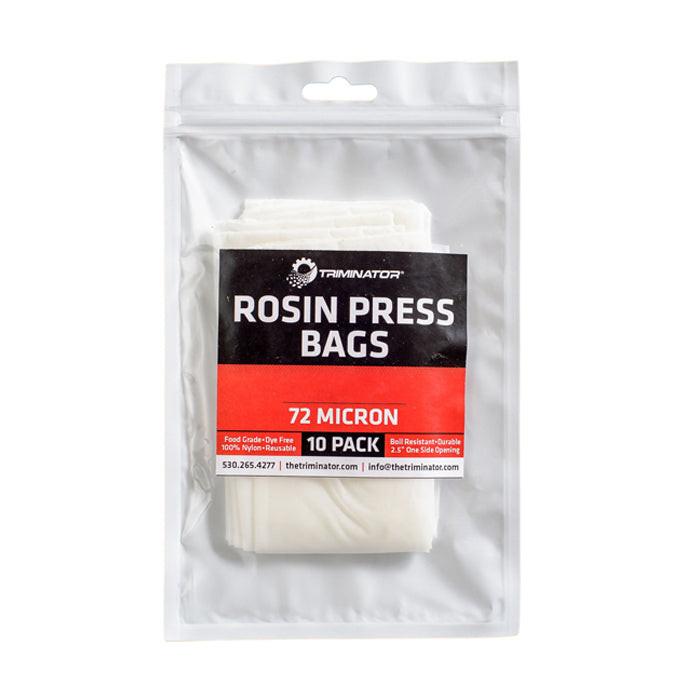
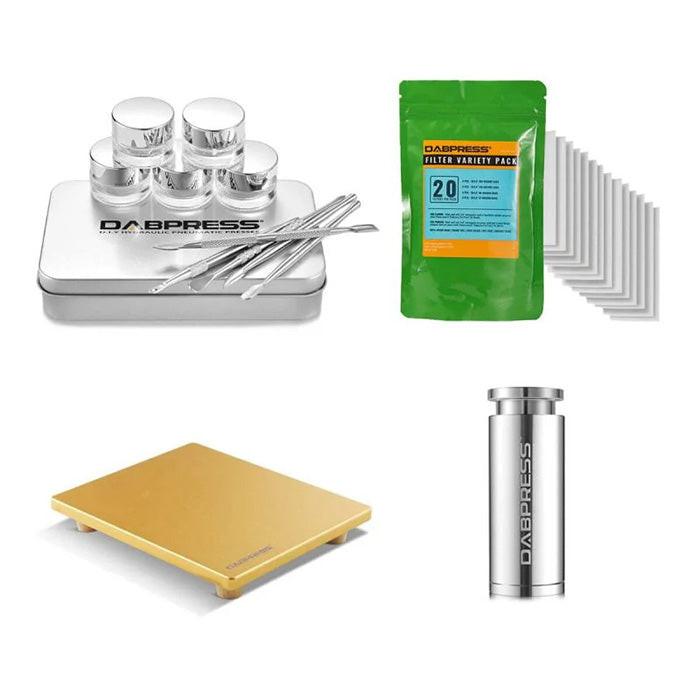
Rosin Press Bags, Collection Molds & Accessories
Rosin press accessories -- micron filter bags, silicone collection molds, parchment paper, and replacement components -- are the consumable and supporting parts of a complete press extraction setup. The press filter bag is the most critical accessory: it controls which particle sizes pass through to the collected extract, prevents plant material contamination of the output, and significantly affects yield and purity. Collection molds shape the extracted oil as it cools for easier handling. Parchment paper provides the non-stick collection surface beneath the plates during pressing.
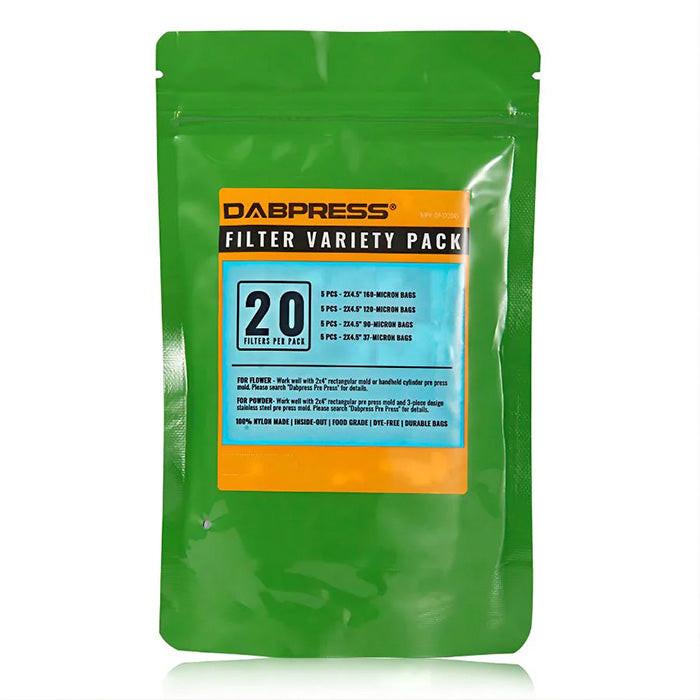
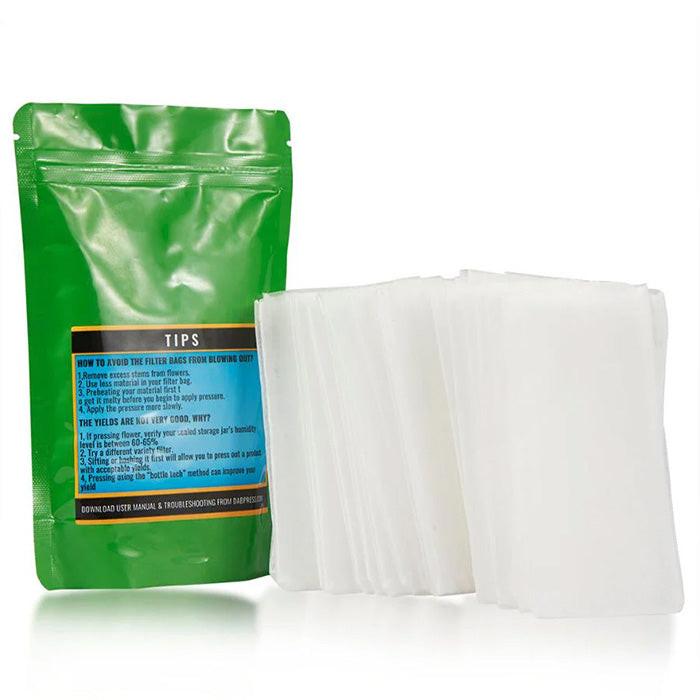
Micron Filter Bags
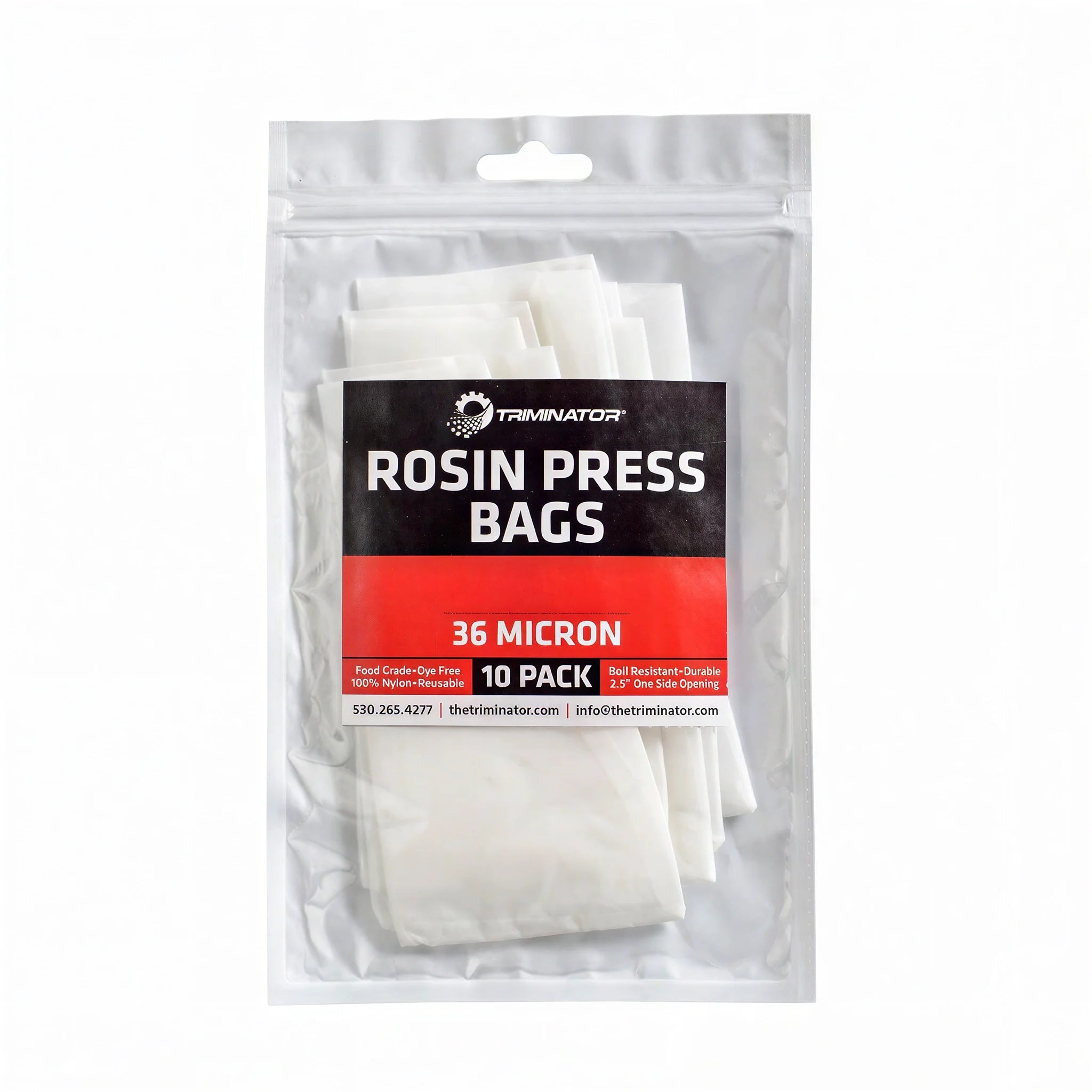
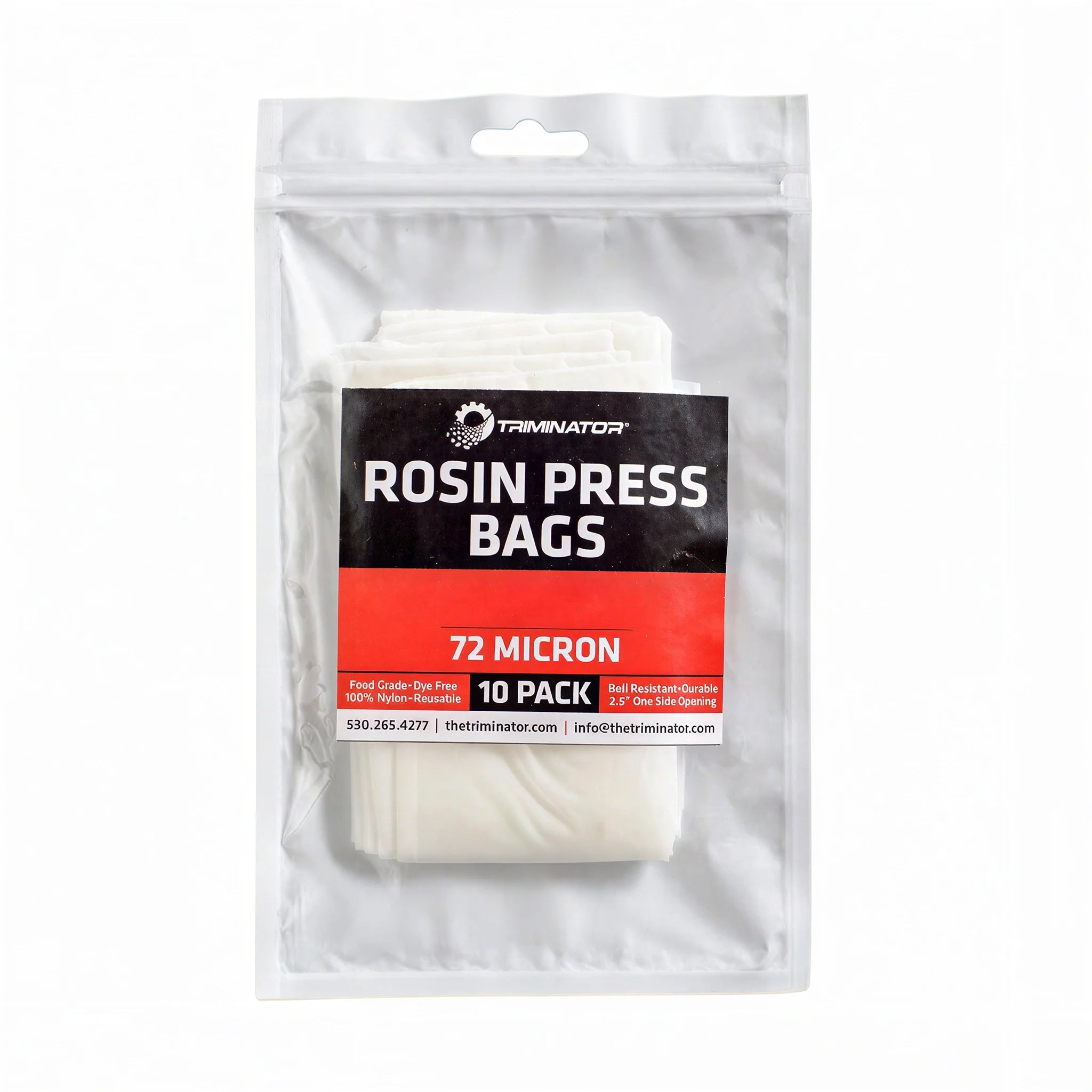
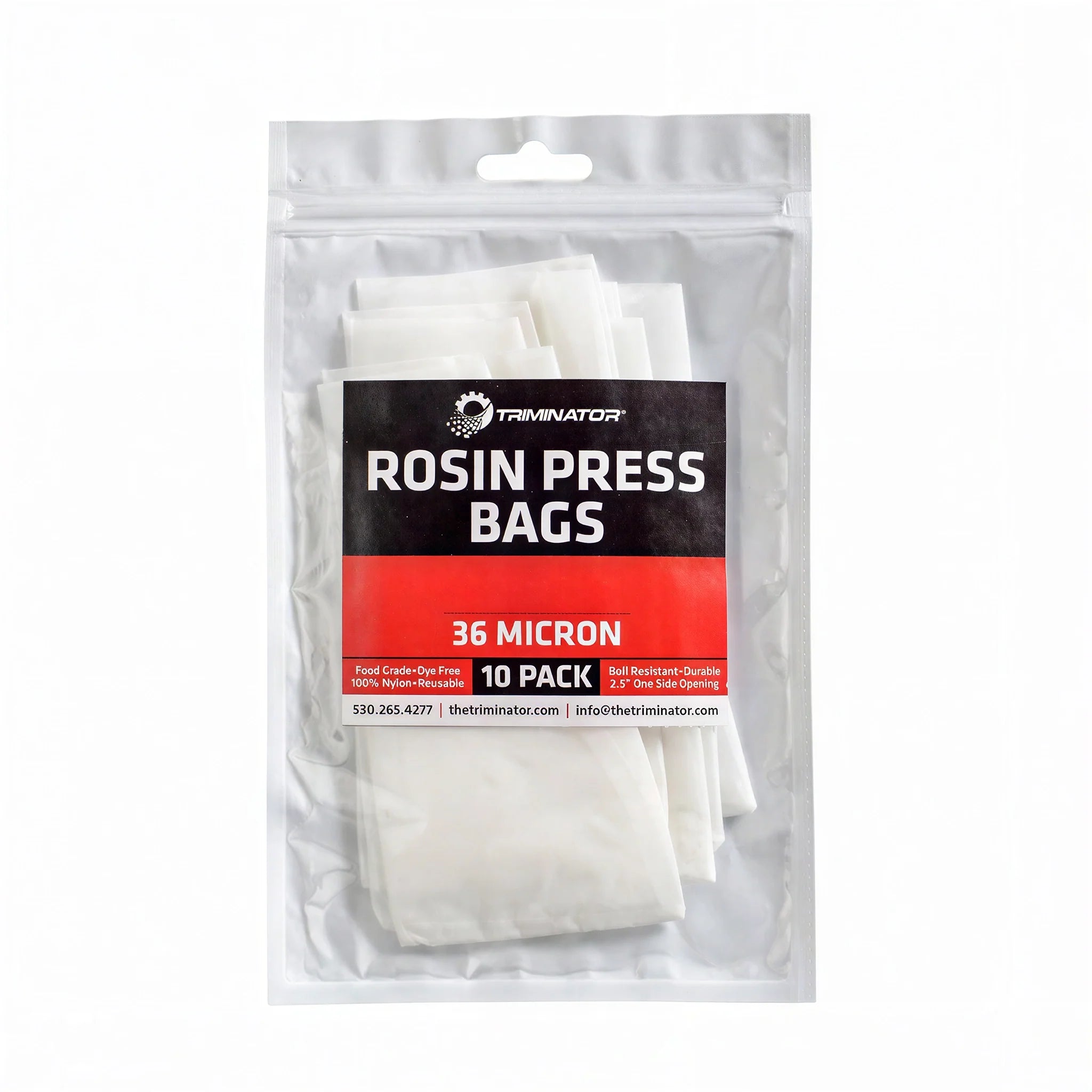
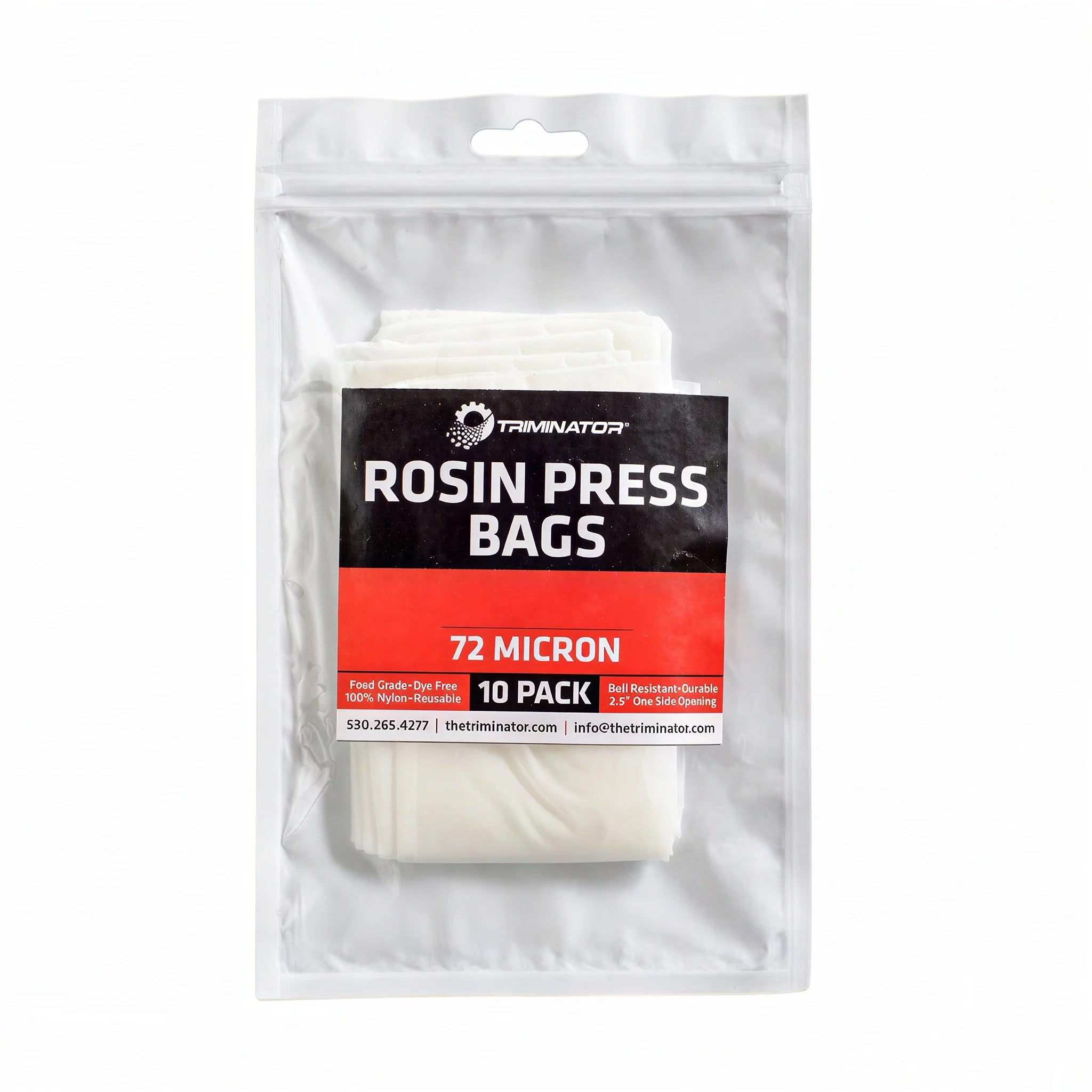
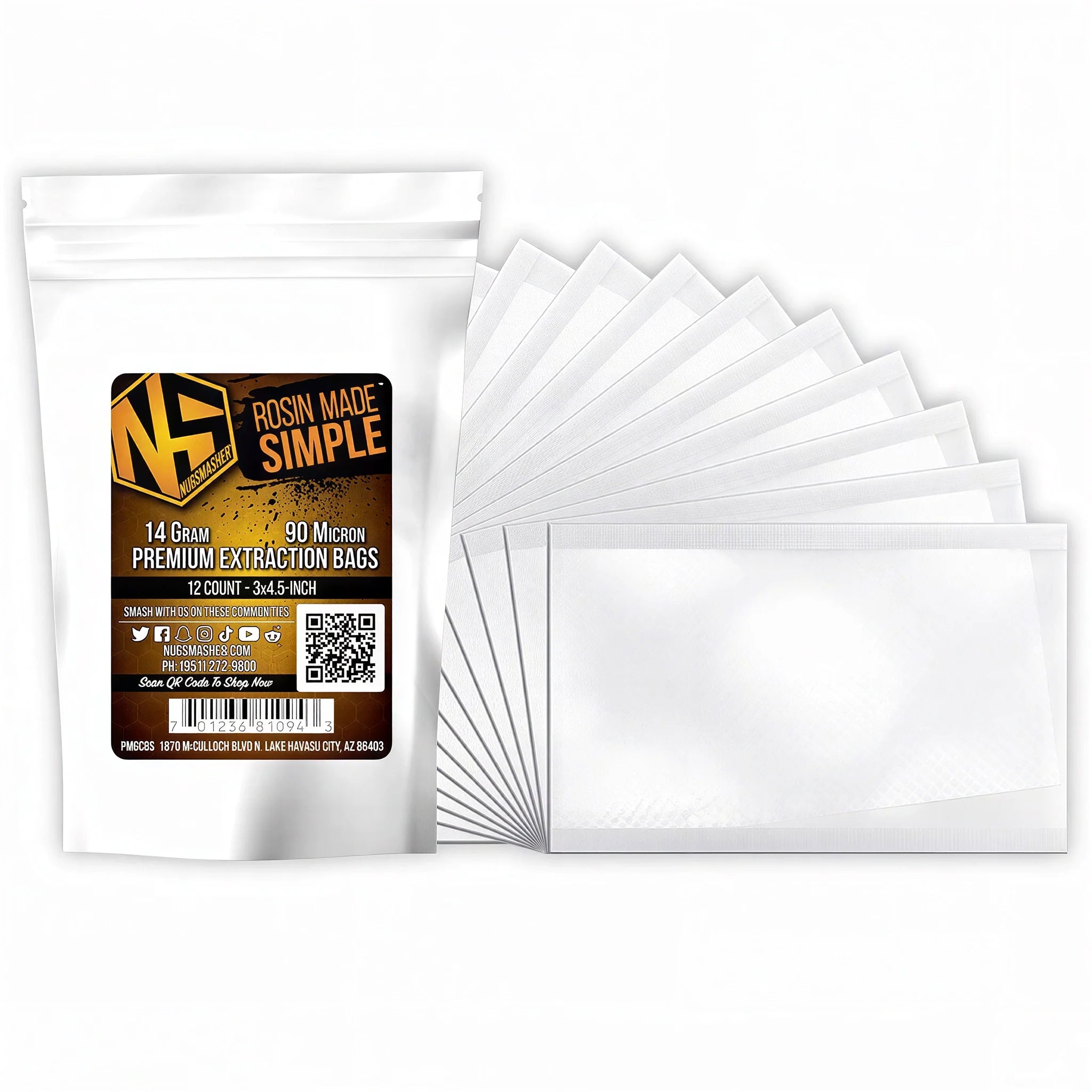
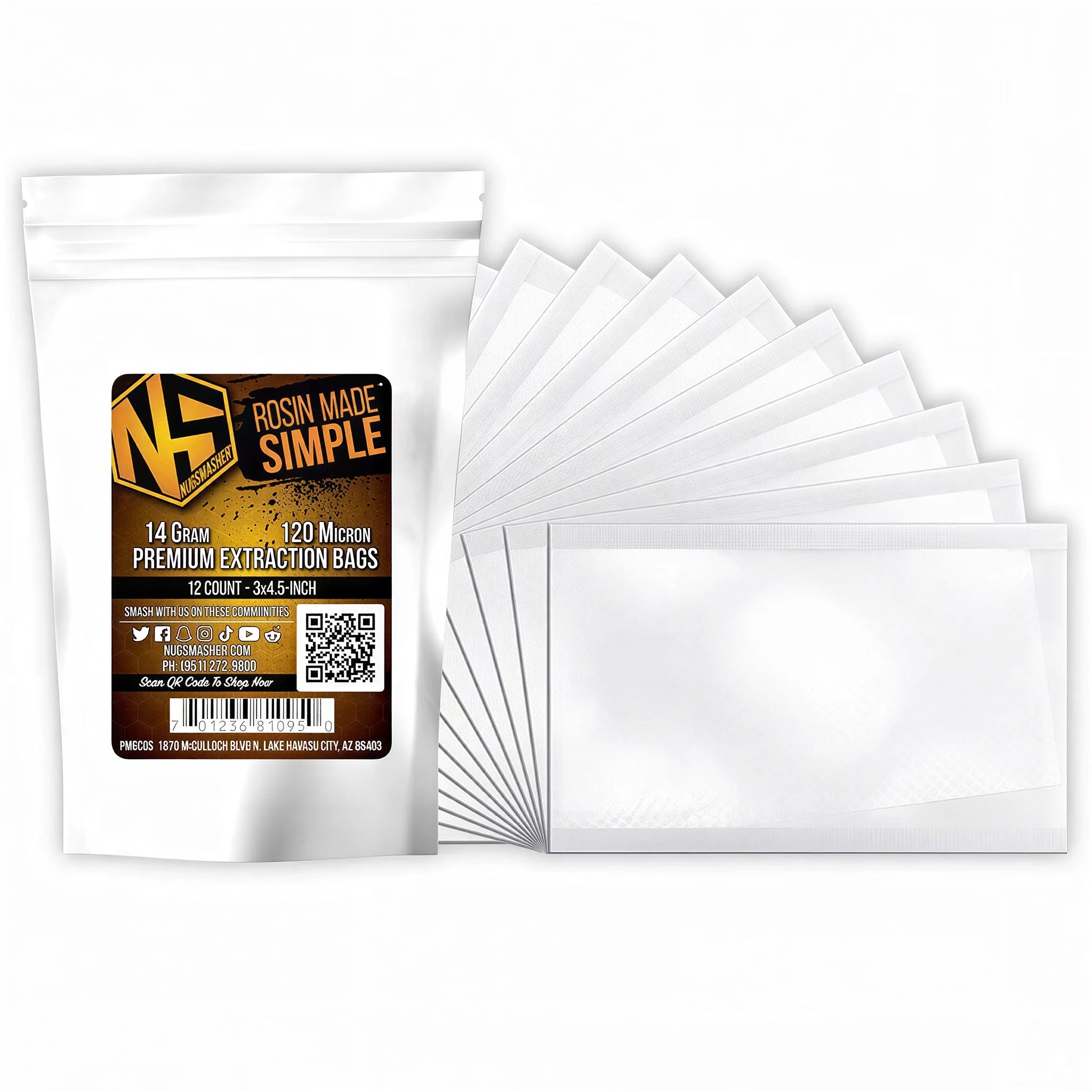
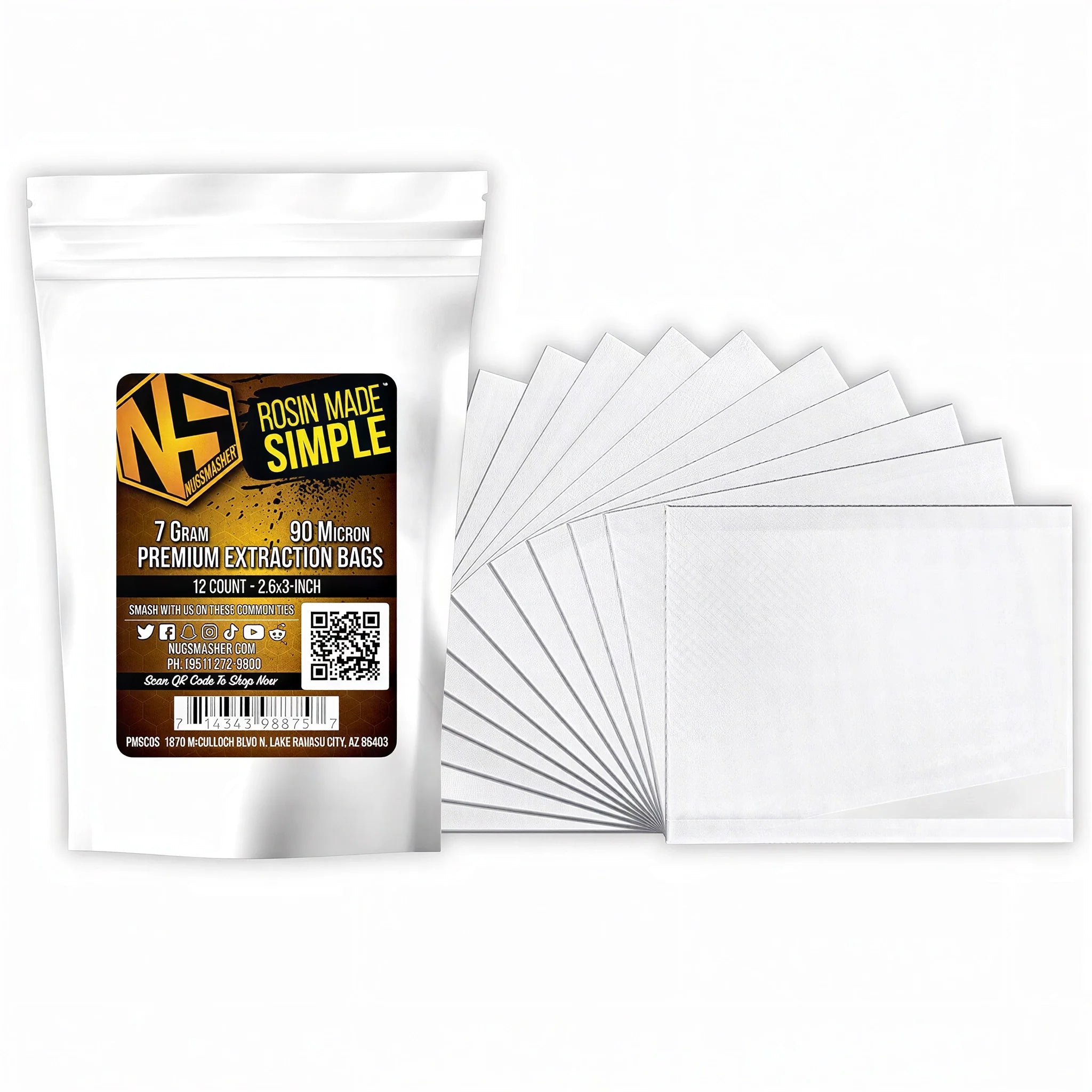
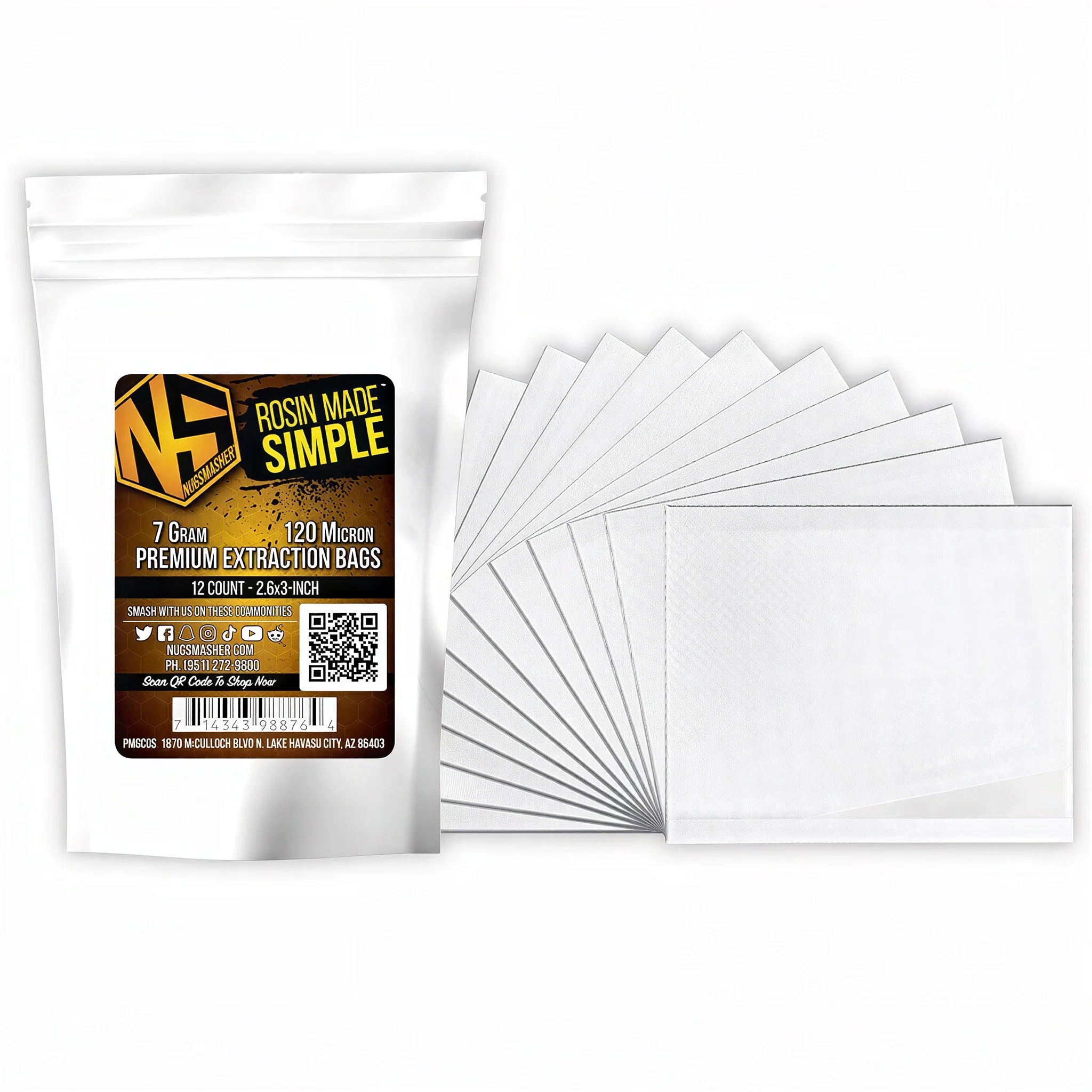
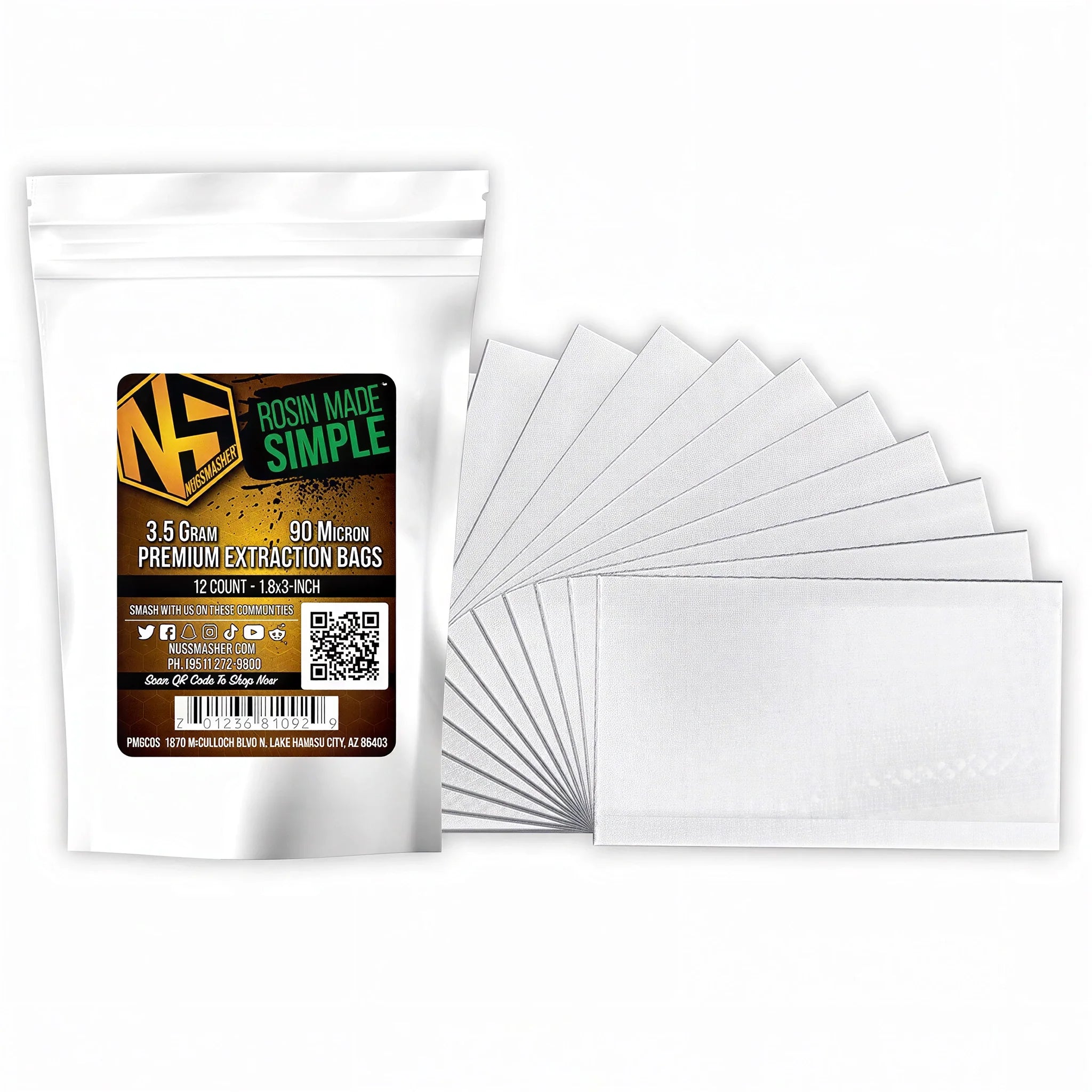
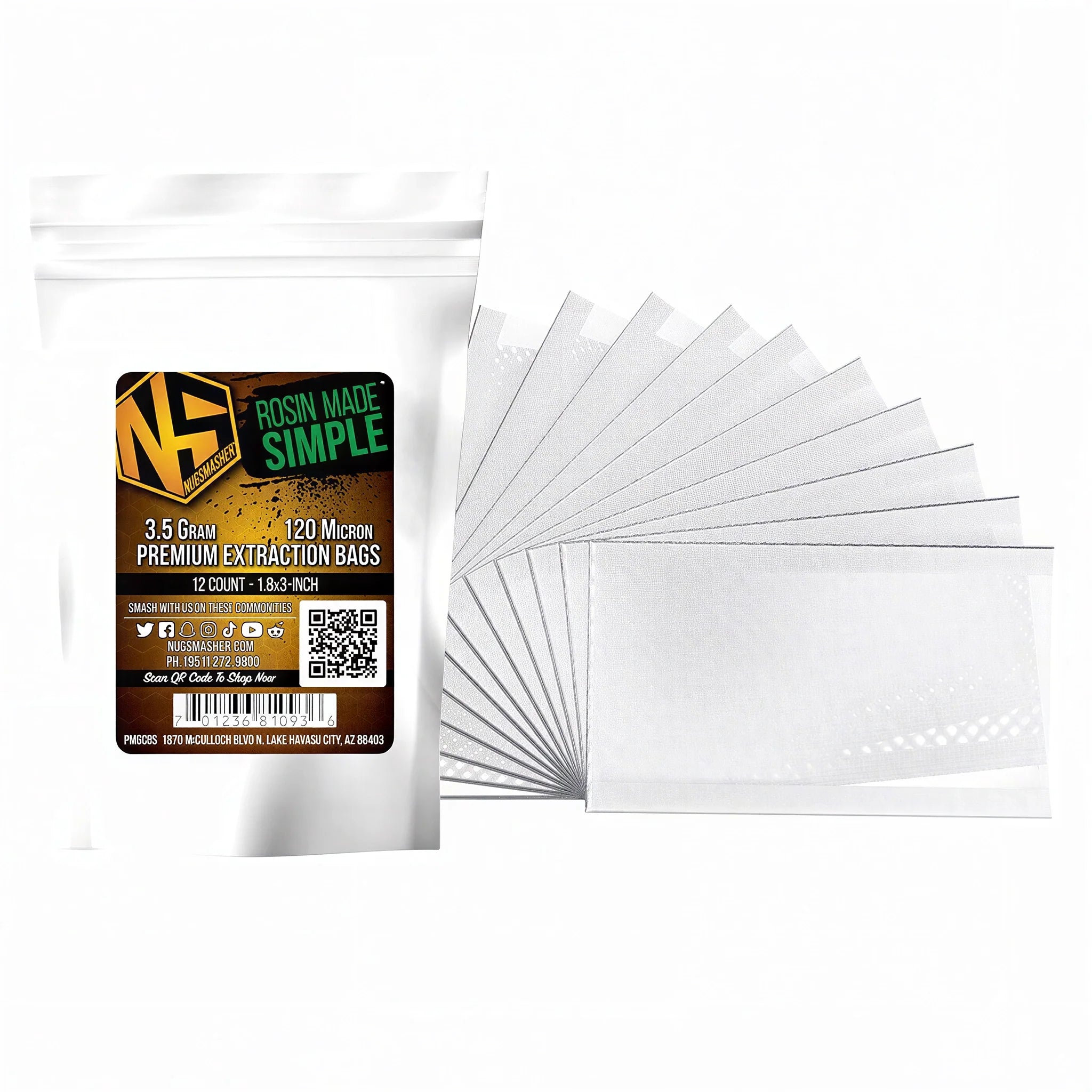
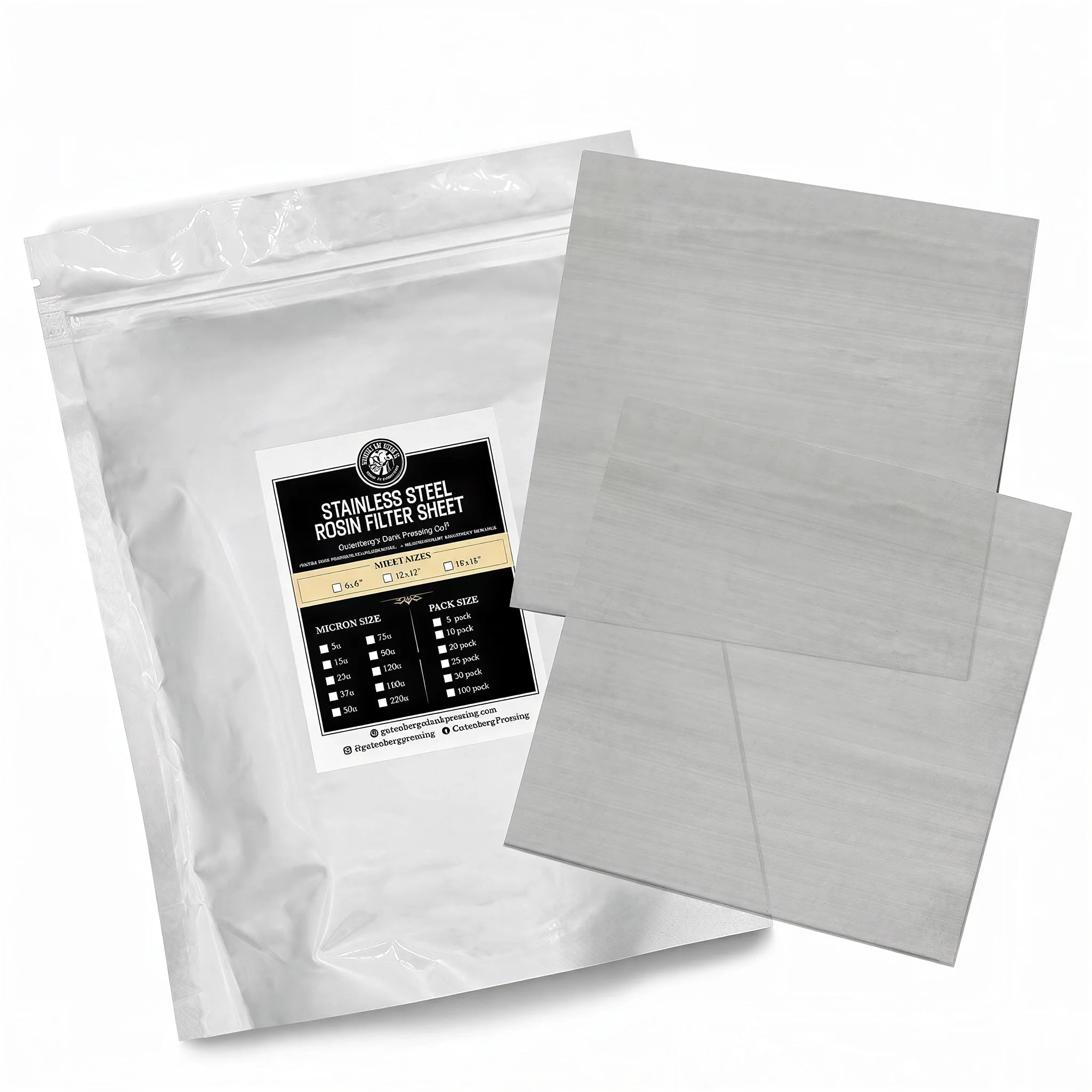
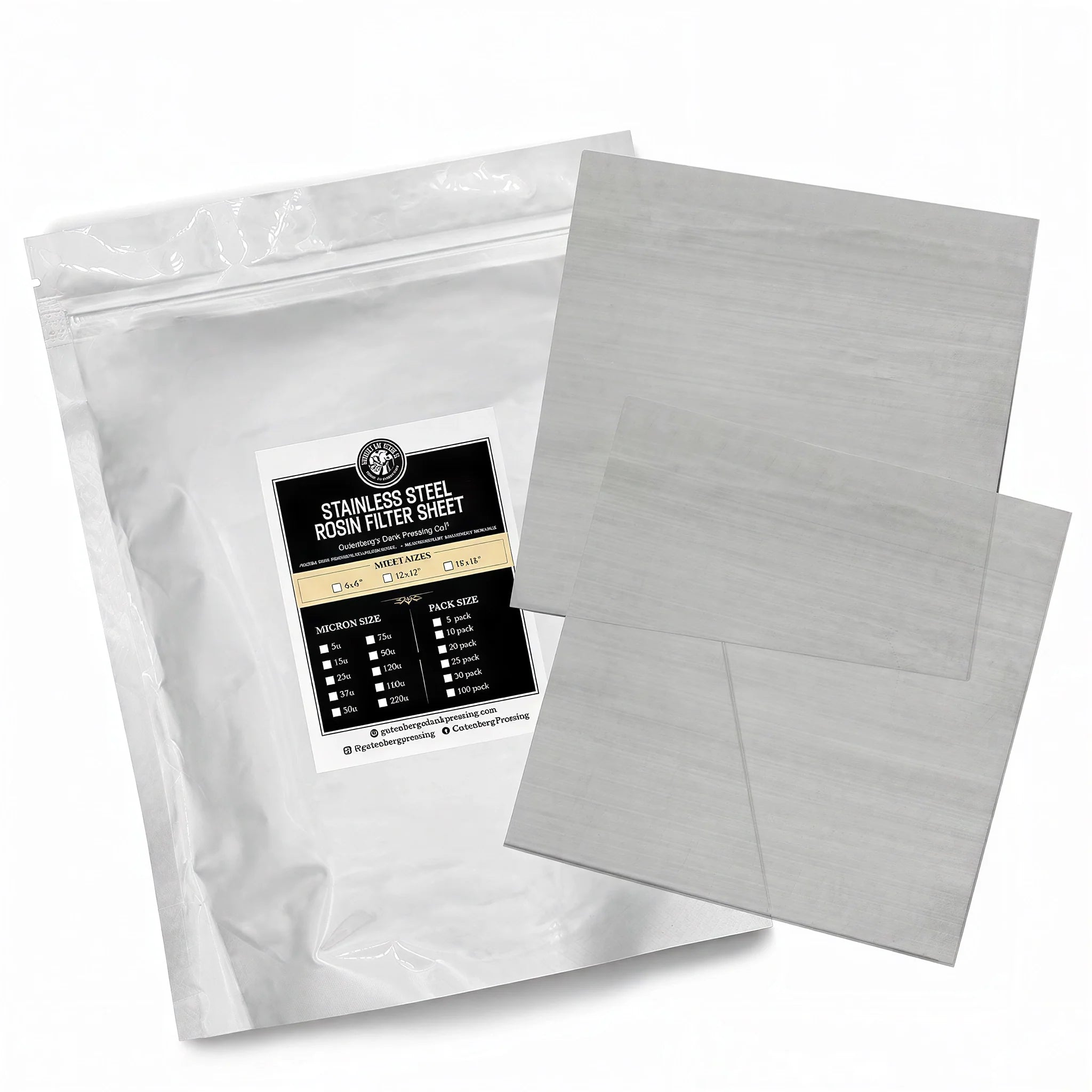
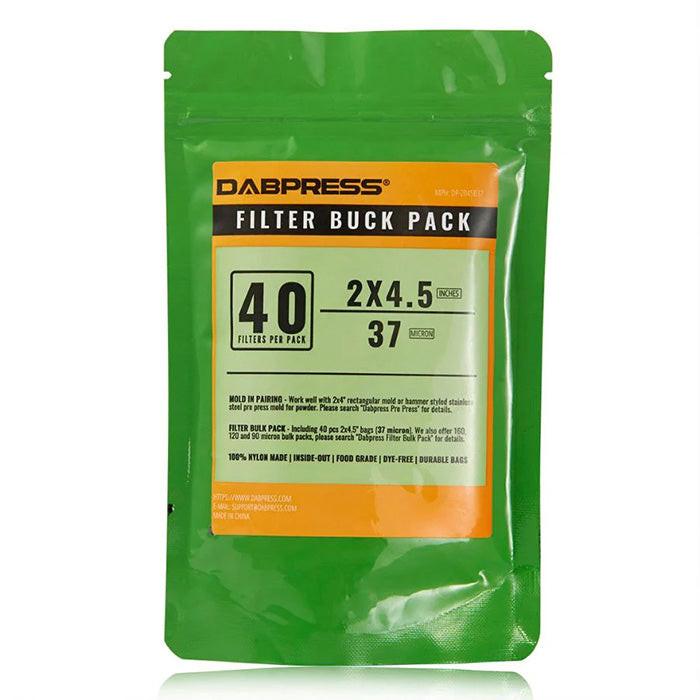
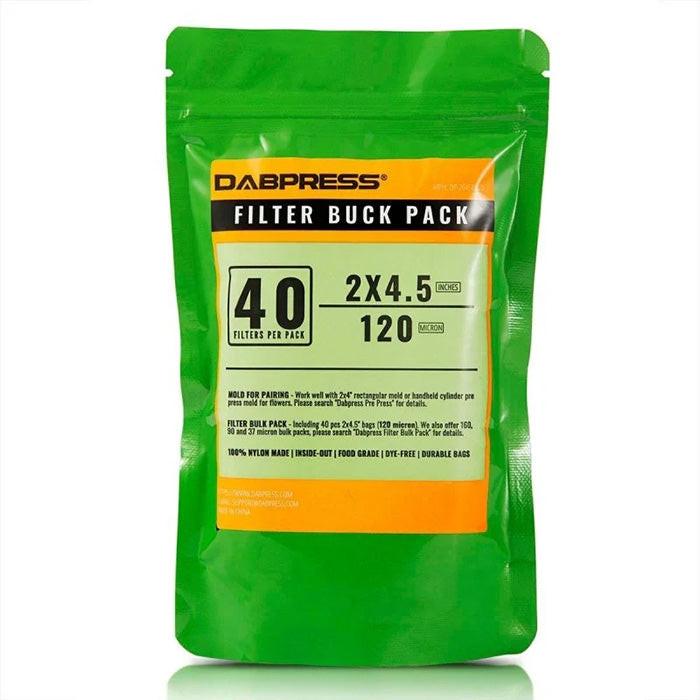
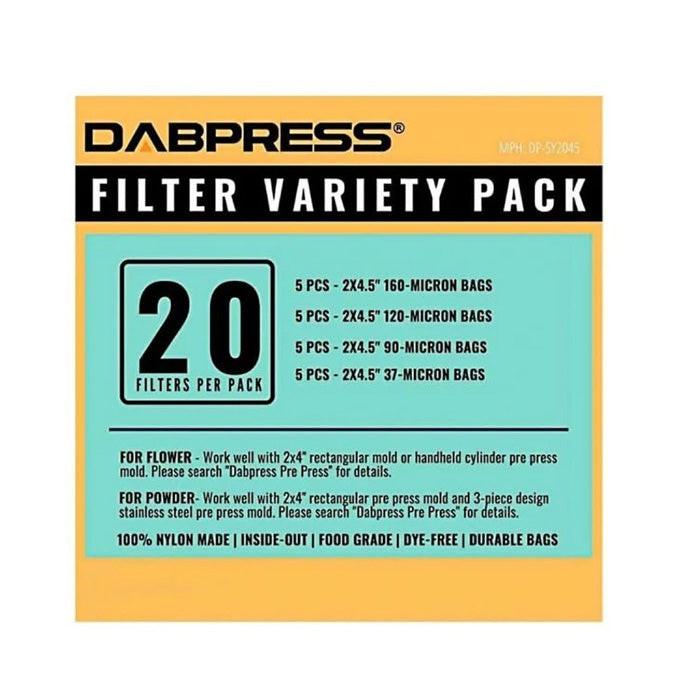
Rosin press filter bags are made from food-grade nylon or polyester mesh in specific micron ratings -- the mesh opening size that determines which particles pass through. Common micron ratings: 25 micron (very fine, used for high-quality starting material, high purity output); 37-45 micron (fine, standard for quality dried flower material); 72-90 micron (medium, standard general-purpose range); 120-160 micron (coarser, used for biomass and lower-grade material where yield is prioritized over purity). Larger mesh = more material passes through = higher yield but lower purity. Match the bag micron to the starting material type and desired output quality. Bags are single-use -- reusing them risks cross-contamination between batches and bag degradation from repeated heat exposure.
Collection Molds & Parchment
Silicone collection molds provide a non-stick surface that shapes extracted oil as it cools -- making handling and transfer easier than collecting from flat parchment. Square and round silicone molds in various volumes accommodate different batch sizes. Parchment paper (unbleached, silicone-coated) for use with electric and hydraulic presses is the standard collection surface placed beneath and around the filter bag during pressing -- use food-grade or specifically rated press parchment rather than generic parchment, as some standard baking parchment coatings degrade at press temperatures. Fast shipping.
Rosin Press Accessories FAQ
What micron bag should I use for rosin pressing?
37-90 micron bags are the standard range for pressing dried flower material. Within this range: 37-45 micron produces cleaner, lighter output with somewhat lower yield; 72-90 micron produces higher yield with somewhat more plant material in the output. For pressing concentrate starting material (dry sift, bubble hash): 25-37 micron bags provide the finest filtration appropriate for the finer particle size of concentrate inputs. For biomass or lower-grade material where maximizing yield is the priority: 120-160 micron bags allow more output to pass through at the cost of purity.
Are rosin press bags reusable?
Rosin press filter bags are single-use consumables. Heat from the press cycle degrades the mesh fibers and can partially melt or deform the bag at the seams, compromising filtration integrity on subsequent uses. Reused bags also risk cross-contaminating batches from material trapped in the mesh from previous presses. The cost per bag is low relative to the value of the material being processed -- use a fresh bag for each press batch to protect output quality and prevent contamination.
What size filter bag do I need for my press?
Filter bag dimensions should match your plate size and the amount of material per batch. Common guidelines: fill the bag to approximately 60-70% of its capacity to allow material to spread and flow during pressing without bursting through the seam. A bag slightly narrower than the plate width keeps material centered on the plate. Most press manufacturers publish recommended bag sizes for their specific plate dimensions -- match bag width to plate width as the primary sizing criterion and choose bag length based on your typical batch weight.
What is a collection mold used for?
A collection mold is a silicone form placed on the parchment paper beneath the press that shapes extracted oil as it flows and cools during and after the press cycle. Without a mold, extracted oil spreads across the parchment in a thin sheet that can be difficult to scrape and consolidate. A mold contains the oil in a defined shape -- typically a small square or circle -- making collection, storage, and portioning significantly easier. Silicone molds are non-stick, heat-resistant to press temperatures, and flexible for easy extract removal once cooled.
What parchment paper is best for rosin pressing?
Use unbleached silicone-coated parchment rated for temperatures above 400 degrees F (most quality parchment is rated to 425-450 degrees F). Avoid standard baking parchment from grocery stores -- some brands use lower-grade silicone coatings that degrade at press temperatures and can contaminate the extract. Never use wax paper -- the wax coating melts at press temperatures and contaminates the output. Pre-cut squares sized to the plate dimensions eliminate the need to cut parchment per batch and reduce setup time on production runs.