Raised Garden Beds for Vegetable & Herb Growing
Raised garden beds elevate the root zone above native soil -- providing growers with complete control over the growing medium, drainage, and root zone conditions independent of the underlying ground soil quality. For gardeners dealing with compacted clay soils, rocky ground, contaminated urban soils, or areas with poor drainage, raised beds represent the difference between a functional productive garden and a struggling one. Even on excellent native soil, raised beds provide ergonomic advantages (reduced bending), defined planting areas that are never walked on (preventing compaction), and the ability to optimize the growing medium composition for specific crops.
Bed Materials & Options
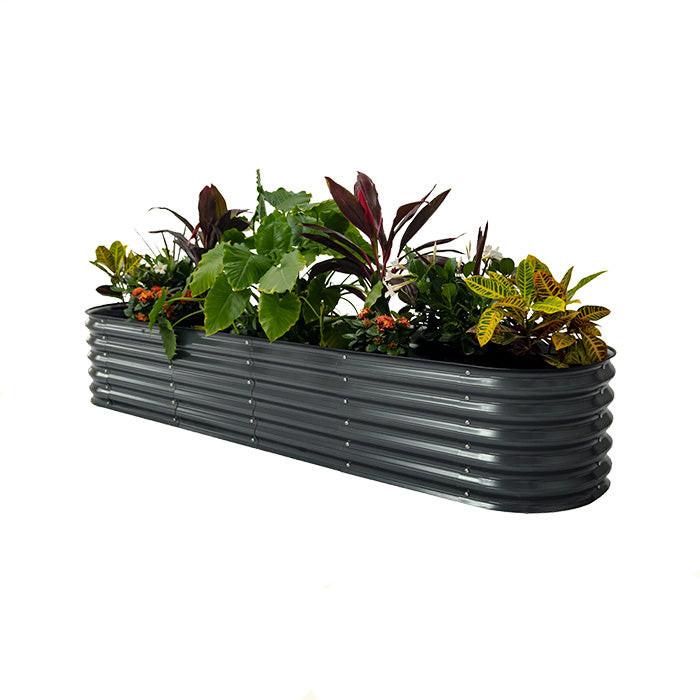
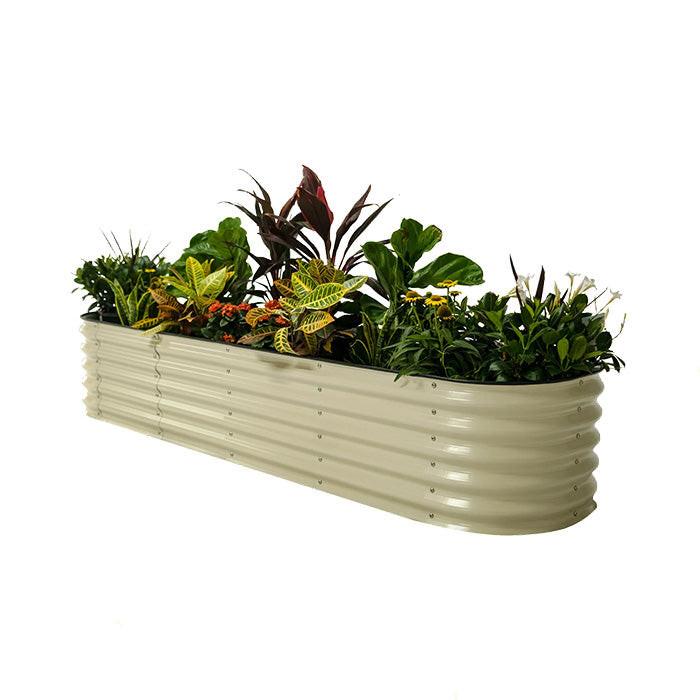
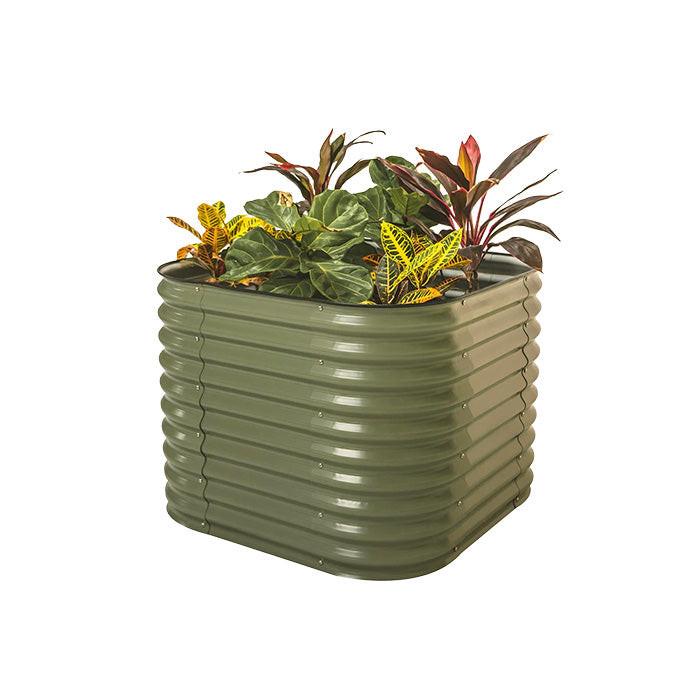
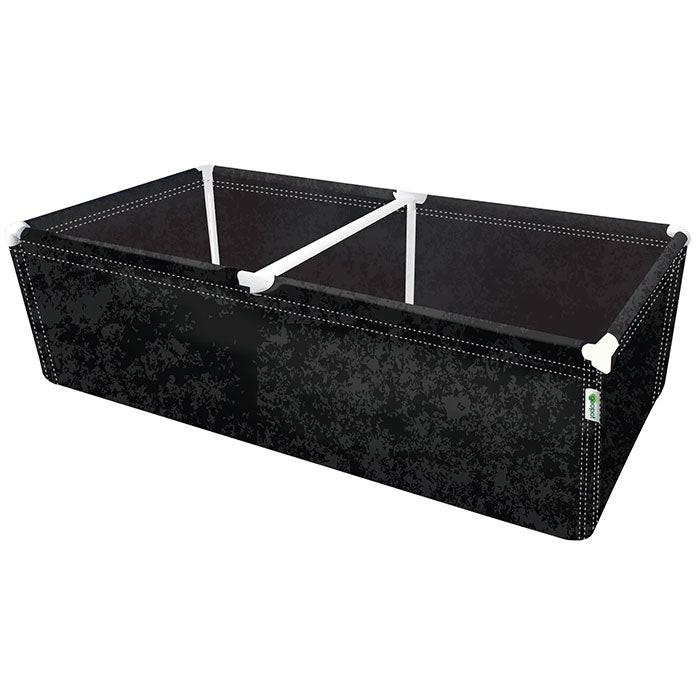
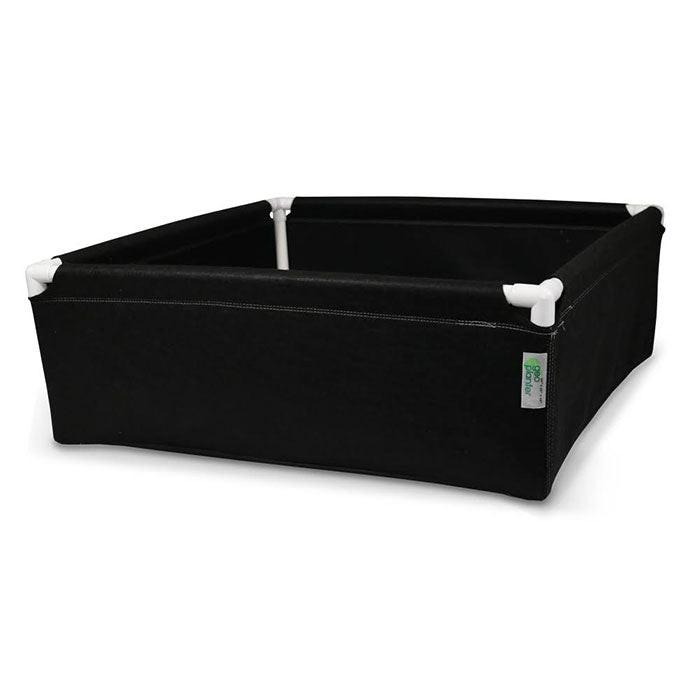
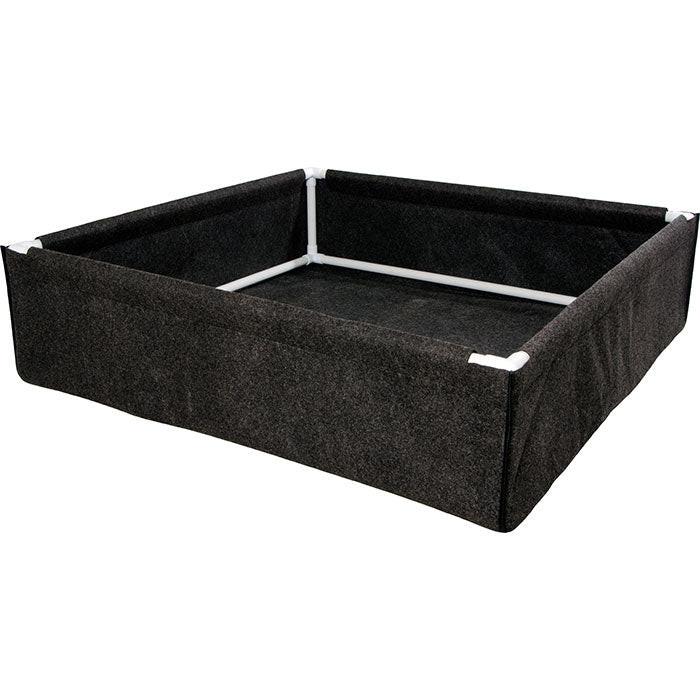
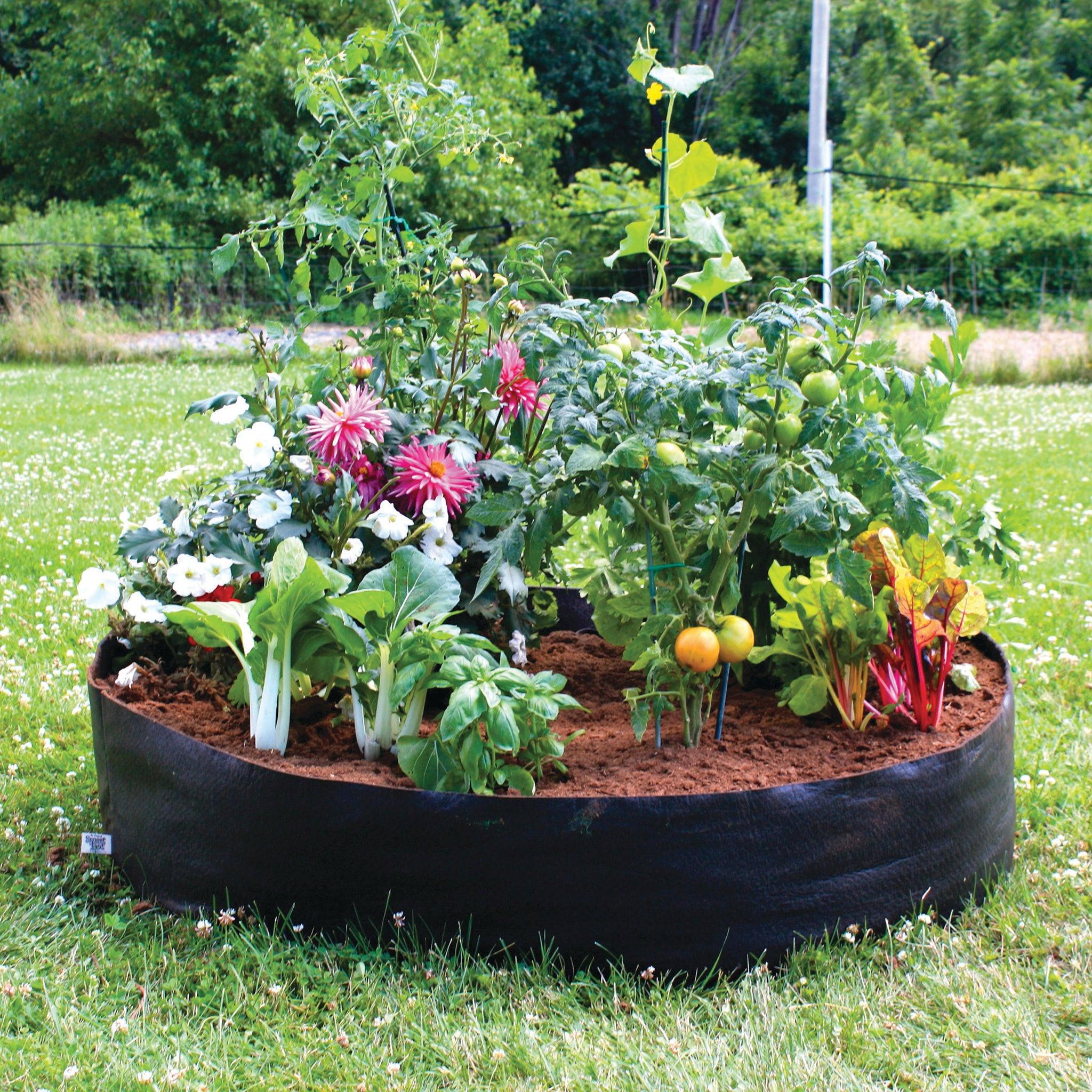
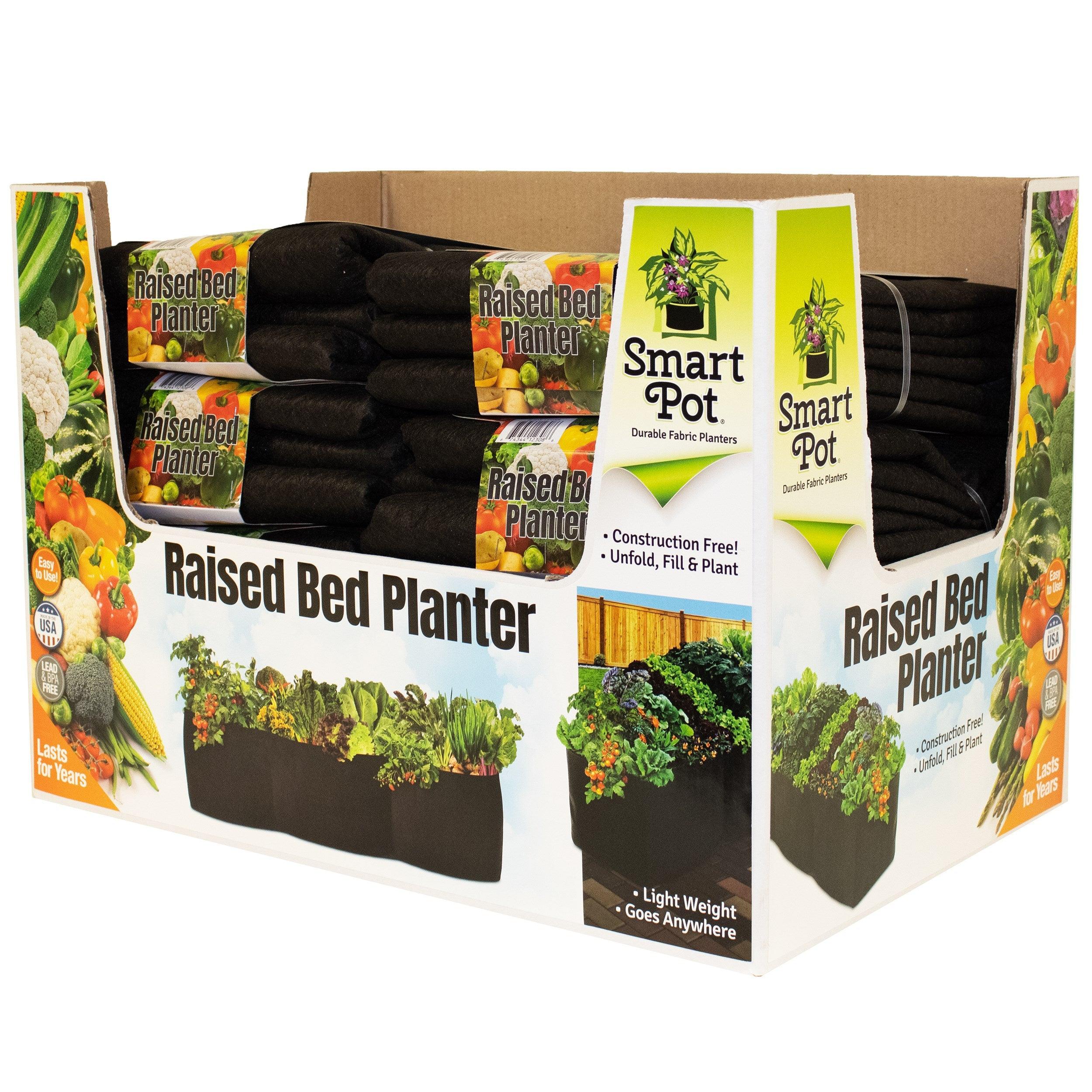
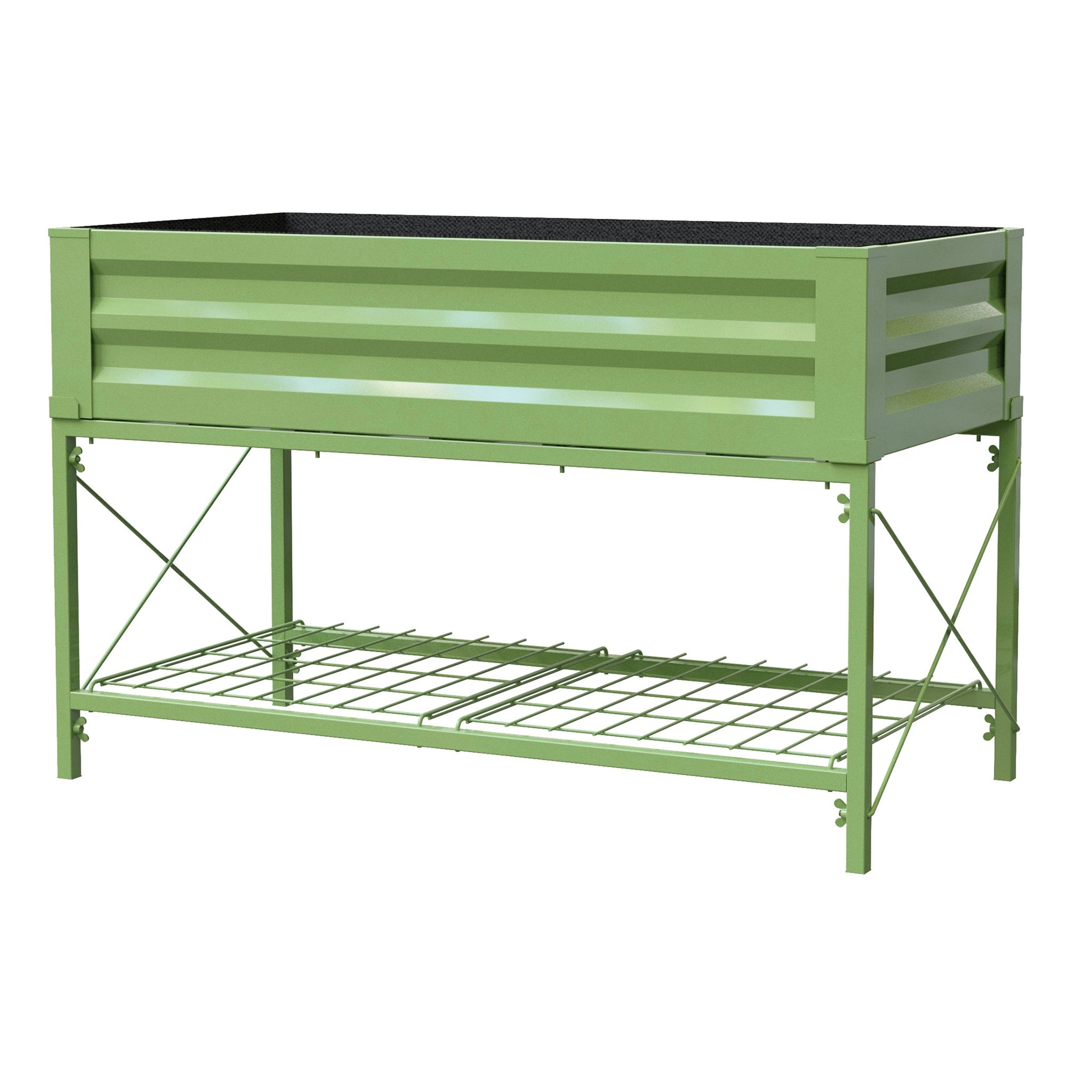
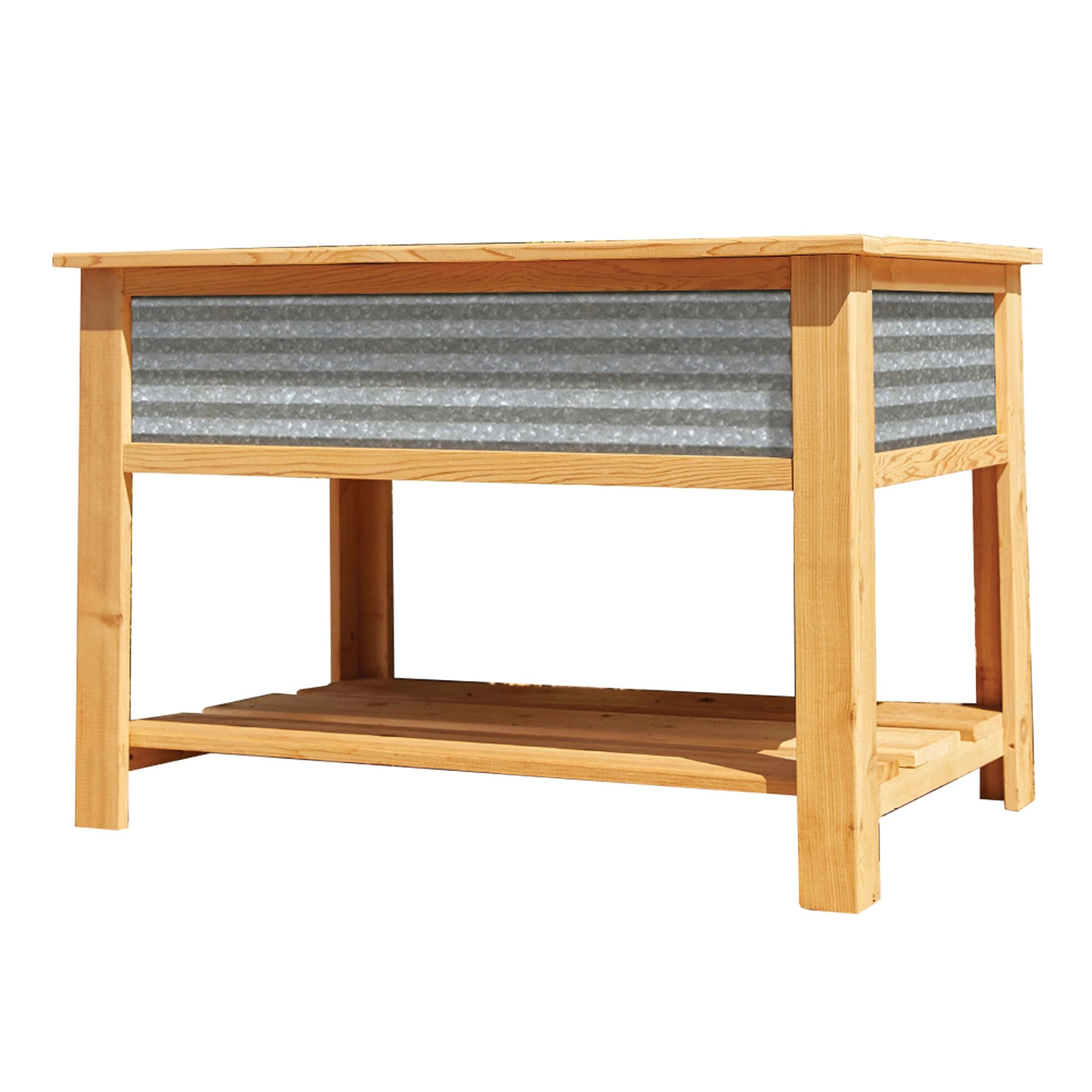
Galvanized steel raised bed panels are the most durable option -- powder-coated or galvanized metal panels resist rot and last 10-20+ years. The primary concern with galvanized steel is zinc leaching into the soil at low levels, which is considered safe for food production at the low concentrations involved, but some gardeners prefer alternative materials for certified organic production. Fabric raised beds (similar construction to large fabric pots) provide excellent drainage and air pruning of roots that reach the bed floor, are lightweight, fold for off-season storage, and last 3-5+ years. Wood composite and recycled plastic lumber provide a natural appearance without the rot susceptibility of untreated wood. Cedar and redwood natural wood beds resist rot without chemical treatment but have a shorter lifespan than metal or composite alternatives.
Filling Raised Beds
The growing medium in a raised bed determines the garden's performance. Browse our soil amendments for raised bed media components. A standard raised bed mix: 60% topsoil, 30% compost, 10% coarse perlite or aged wood chips for drainage. For purely soilless high-performance beds: a blend of coco coir, compost, and perlite with added mineral amendments provides excellent results with no native soil. Fill to within 2-3 inches of the top rim to allow room for mulch and to prevent soil splash onto bed walls during irrigation. Fast shipping.
Raised Garden Beds FAQ
How deep should a raised garden bed be?
Minimum depth depends on the crops being grown. 6-8 inches: adequate for shallow-rooted crops (lettuce, herbs, spinach, radishes). 10-12 inches: suitable for most vegetables including tomatoes, peppers, and cucumbers. 18-24 inches: best for deep-rooted crops (carrots, parsnips, winter squash) and for beds placed over poor or contaminated native soil where deeper isolation from the ground is desired. Deeper beds also provide more thermal mass that moderates soil temperature swings -- beneficial for early-season planting in cool climates.
Is galvanized steel safe for vegetable gardening?
Galvanized steel (zinc-coated) raised beds are widely used for food production and are generally considered safe by horticultural and agricultural researchers. The zinc coating does leach into the soil at low levels over time, particularly in acidic soil conditions. At the concentrations found in raised bed soil adjacent to galvanized walls, zinc levels are typically well below phytotoxic thresholds and within normal background levels for agricultural soils. For certified organic production, check with your certifying body -- some certifiers require documentation of bed materials. Powder-coated steel (no zinc coating) is an alternative for growers with specific concerns about galvanized material.
What is the best soil mix for a raised garden bed?
The classic recommendation is "Mel's Mix" (from Square Foot Gardening): equal thirds of blended compost, coarse perlite or vermiculite, and peat moss or coco coir. This produces a lightweight, well-draining, nutrient-rich medium that stays loose and workable season after season without compaction. At commercial scale, a simplified 50-50 compost and topsoil blend with 10% perlite added is practical and productive. Avoid using 100% native topsoil in a raised bed -- it compacts over time and loses the drainage advantage that a purpose-mixed medium provides.
Do I need to line a raised garden bed?
A landscape fabric or hardware cloth liner serves two functions: preventing weed growth from below by blocking light from reaching weed seeds in the native soil, and excluding burrowing pests (voles, moles, gophers) from entering the bed from below. Landscape fabric allows water drainage while blocking weeds; hardware cloth (1/4-inch mesh) is required for pest exclusion. In beds placed over concrete, asphalt, or other impervious surfaces, no liner is needed for drainage (water will drain over the surface edge) but a fabric barrier on the bottom face of the bed prevents soil loss from the gaps between the bed frame and the surface.
How do I prevent my raised bed soil from drying out in summer?
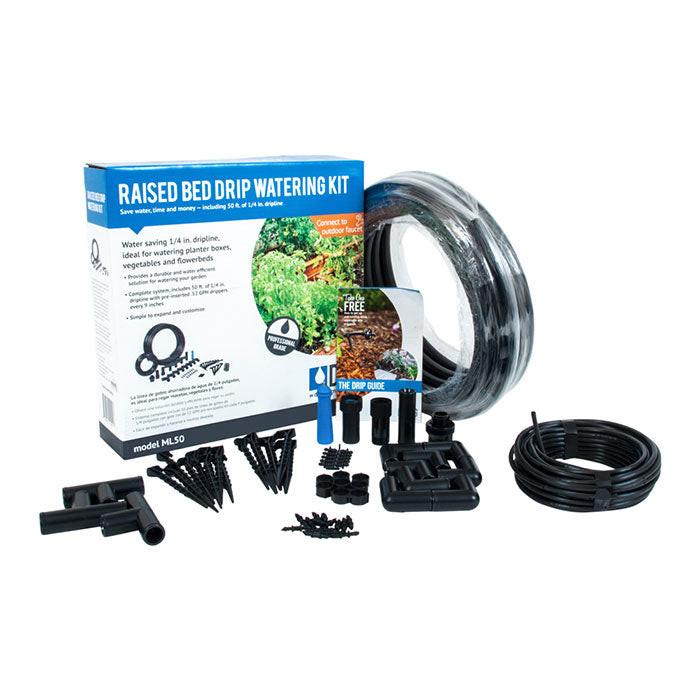
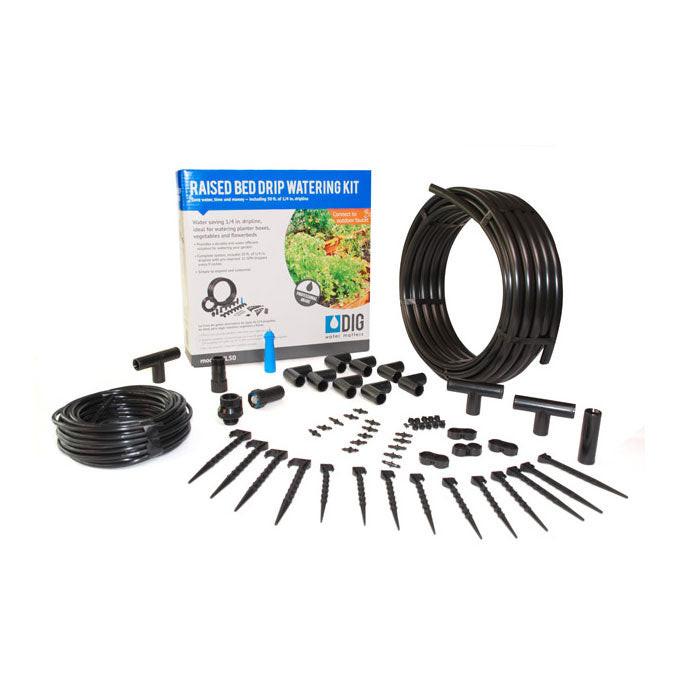
Raised bed soil dries faster than in-ground beds because of the increased surface area and air exposure on the sides. Management strategies: add a 2-3 inch layer of organic mulch (straw, wood chips, shredded leaves) to the soil surface to dramatically reduce evaporative loss from the soil surface; install drip irrigation or soaker hose at the soil surface on a timer for consistent moisture delivery without overhead watering inefficiency; increase the organic matter content of the bed mix (higher compost percentage improves water retention); and consider shade cloth over the bed during the hottest summer weeks to reduce direct evaporation from solar radiation.