pH Up & pH Down for Hydroponics & Soil
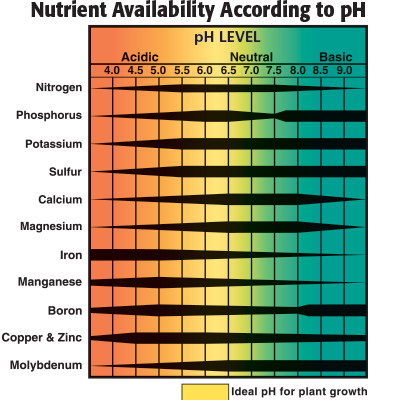
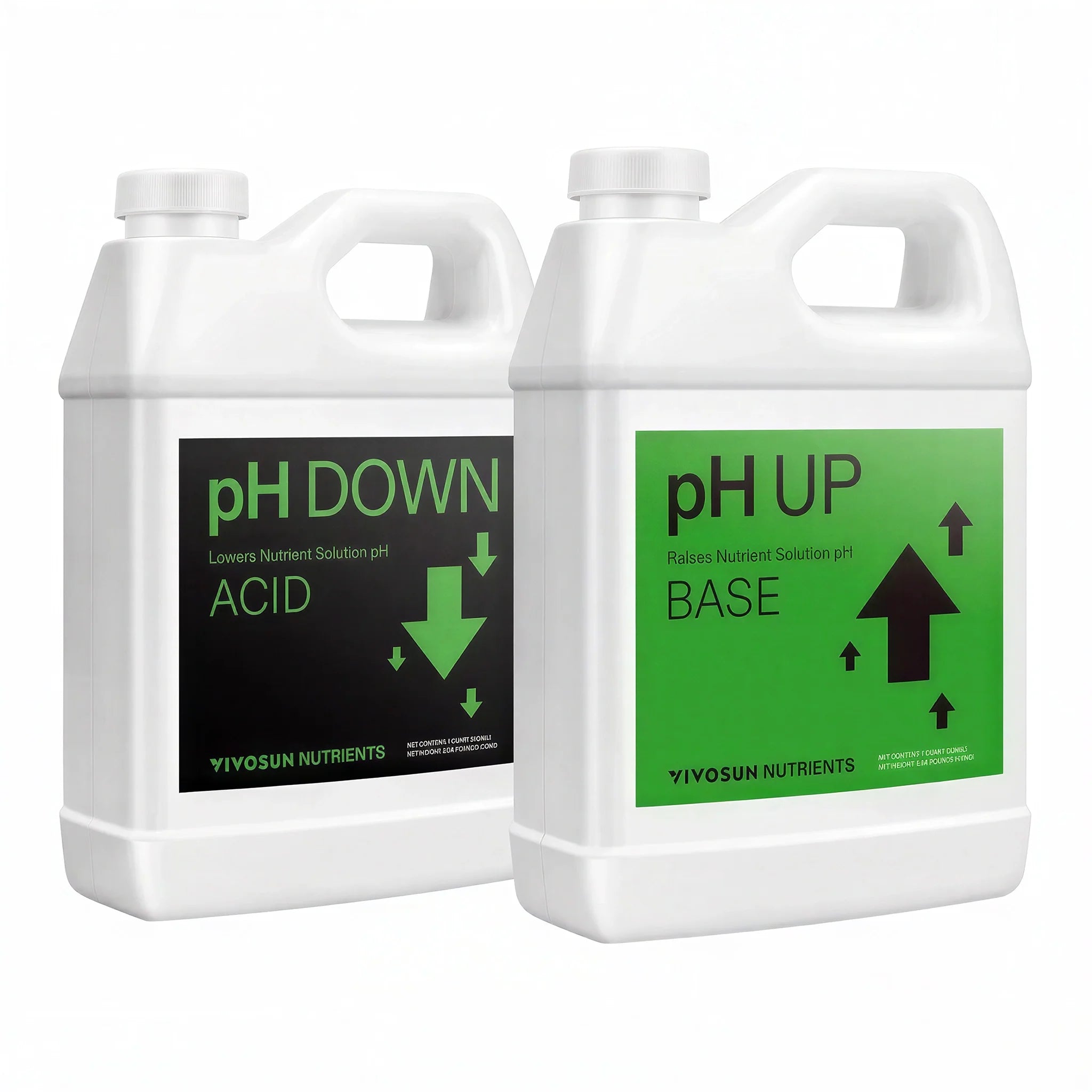
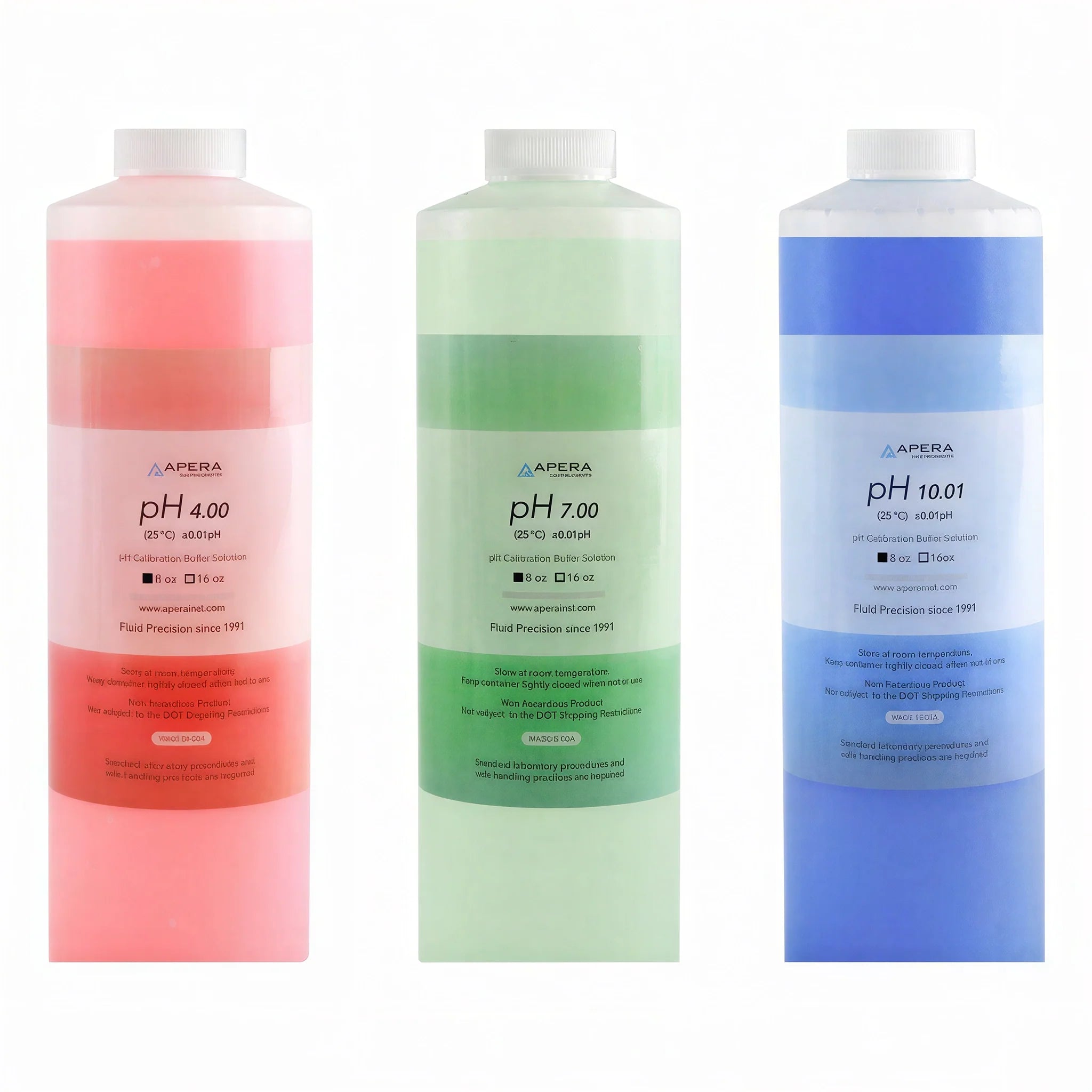
pH adjusters -- pH Down (acid) and pH Up (base) -- are the tools used to correct the pH of nutrient solution or soil watering solution to the target range for optimal nutrient availability. In hydroponic systems, pH management -- checked with a calibrated pH meter -- is the most critical ongoing maintenance task: nutrient availability for all essential elements depends on solution pH remaining in the 5.5-6.5 range, and even small drifts outside this window cause nutrient lockout regardless of nutrient concentration. Every hydroponic grower needs both pH Down and pH Up on hand at all times, and should test and adjust pH at every reservoir fill and top-off.
pH Down: Phosphoric Acid & Citric Acid Formulas
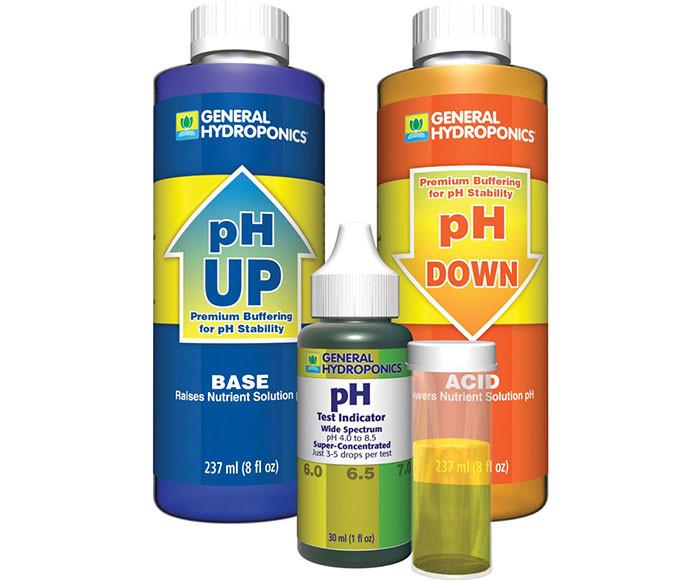
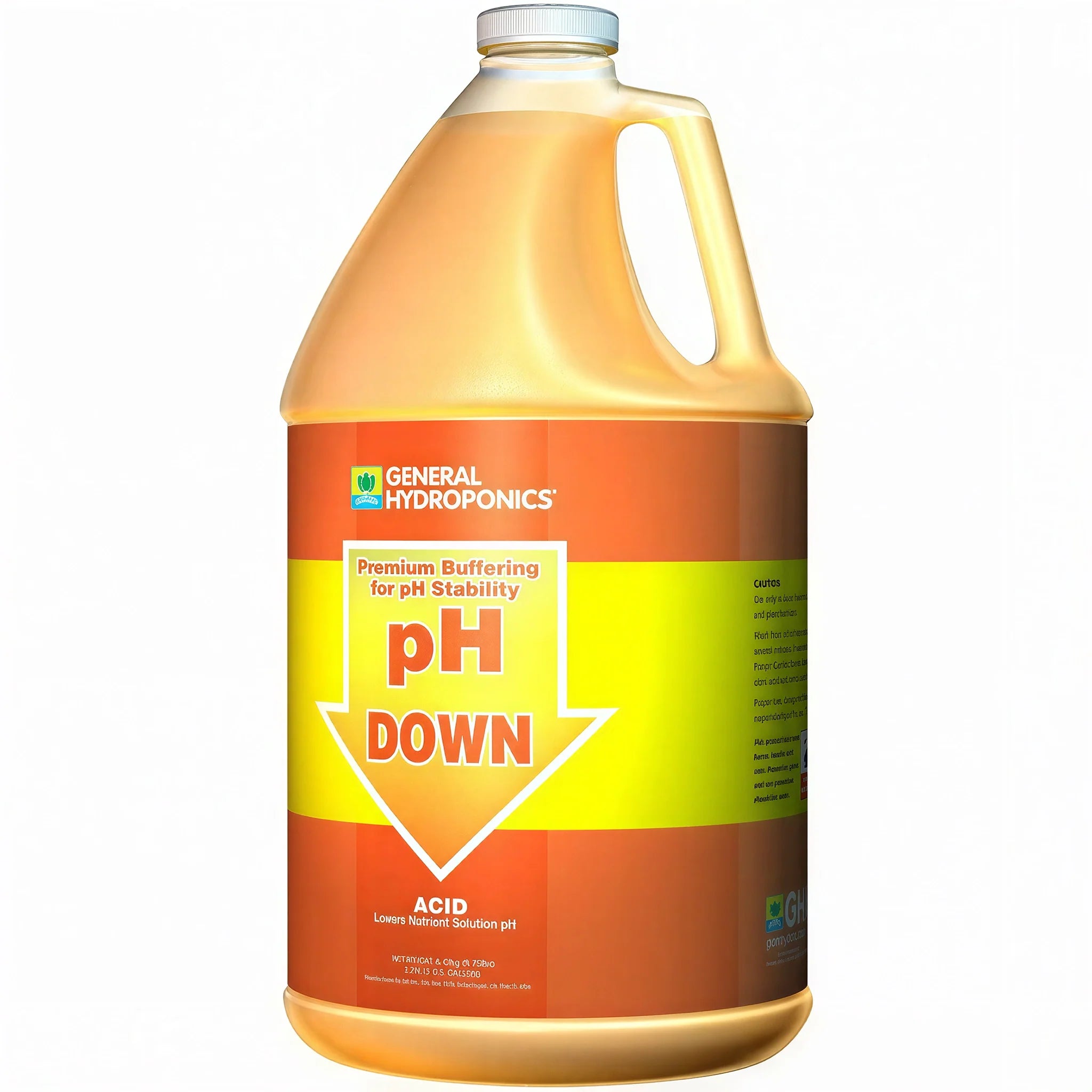
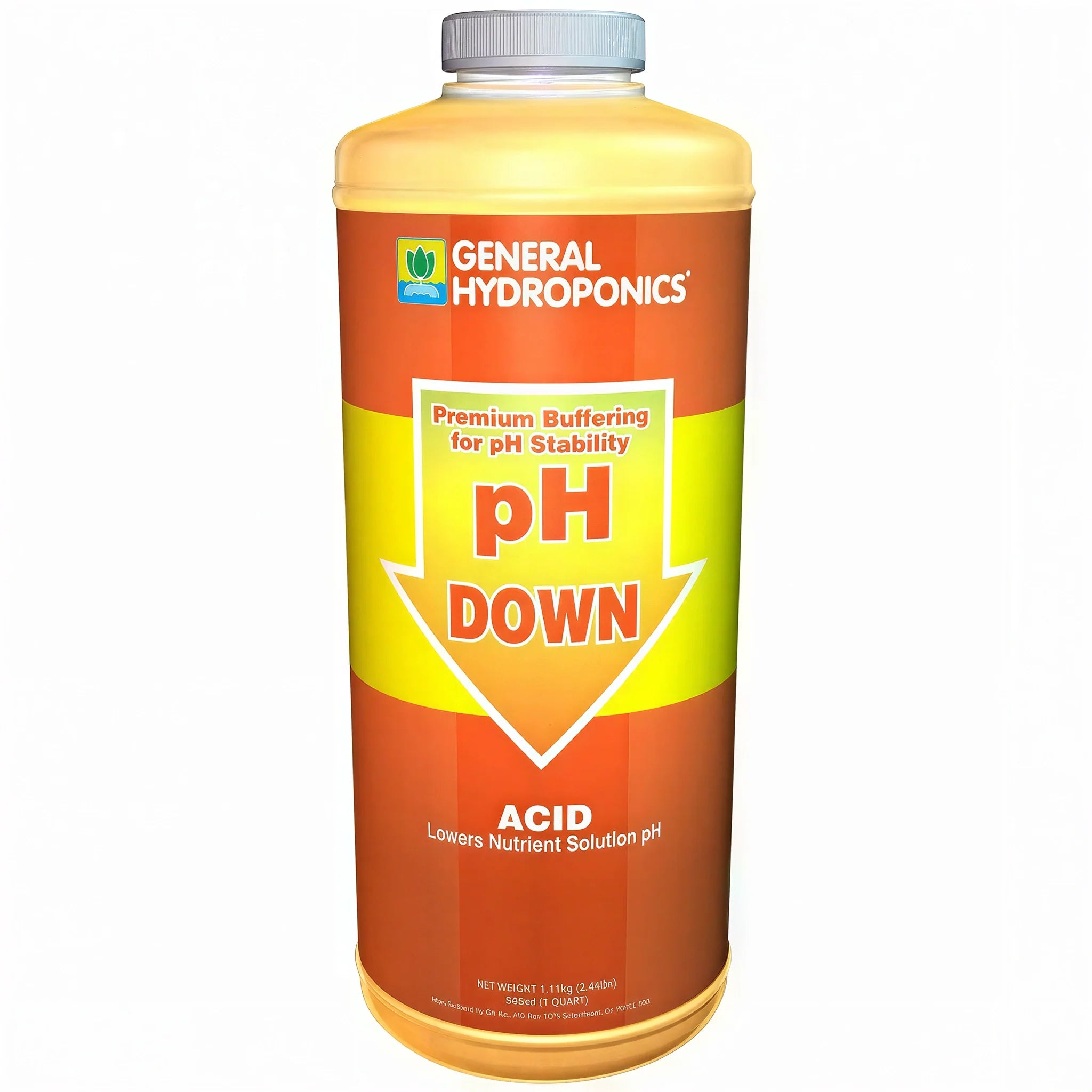
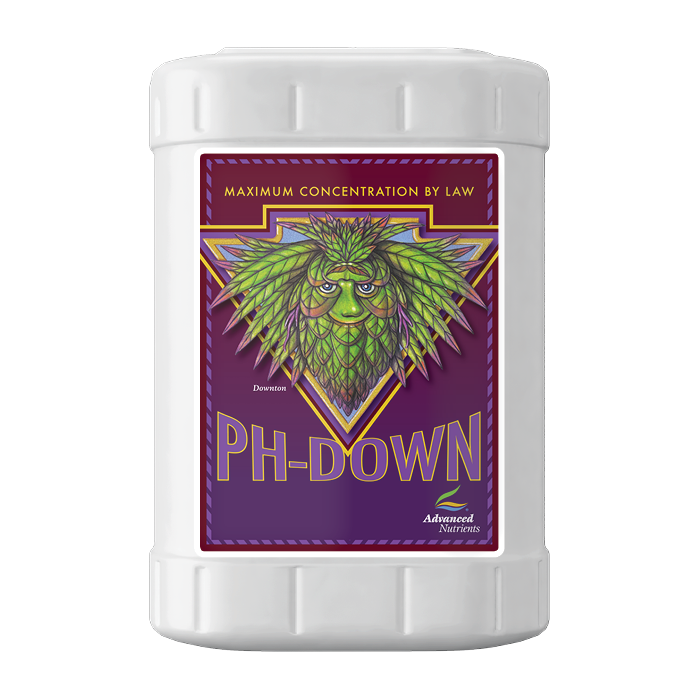
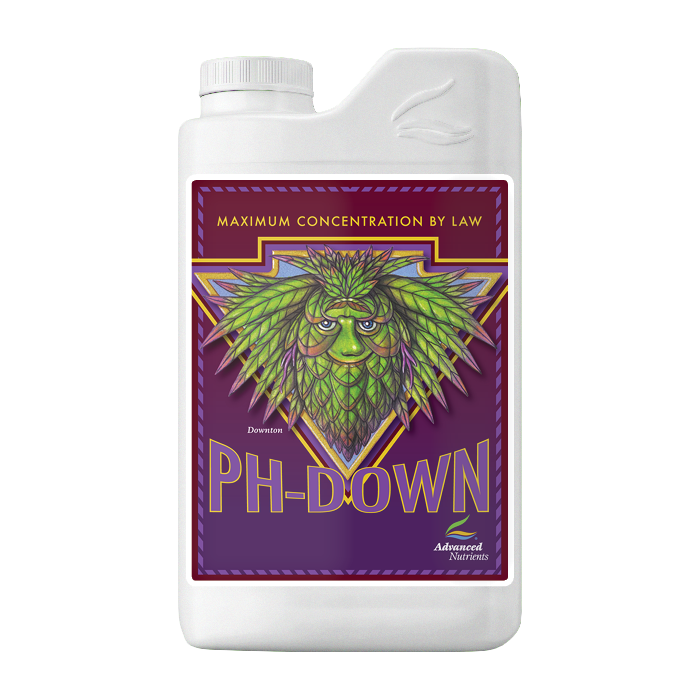
pH Down products are diluted acid solutions -- most commonly phosphoric acid (the standard for hydroponic use, also adding a small phosphorus contribution to the nutrient solution), though citric acid formulations are also available for organic programs. General Hydroponics pH Down (29% phosphoric acid) is the most widely used commercial formulation -- highly concentrated, requiring only a few drops per gallon to adjust most tap or RO water-based nutrient solutions. Add pH Down to your fully mixed nutrient solution in small increments (start with 1 ml per gallon, mix, retest) until the target pH is reached. Never add large amounts at once -- overshoot requires pH Up to correct, and excessive pH cycling stresses the root zone. Pair with a TDS/EC meter for complete solution management. Browse the complete pH meters collection for a calibrated meter to confirm adjustments accurately.
pH Up: Potassium Hydroxide Formulas
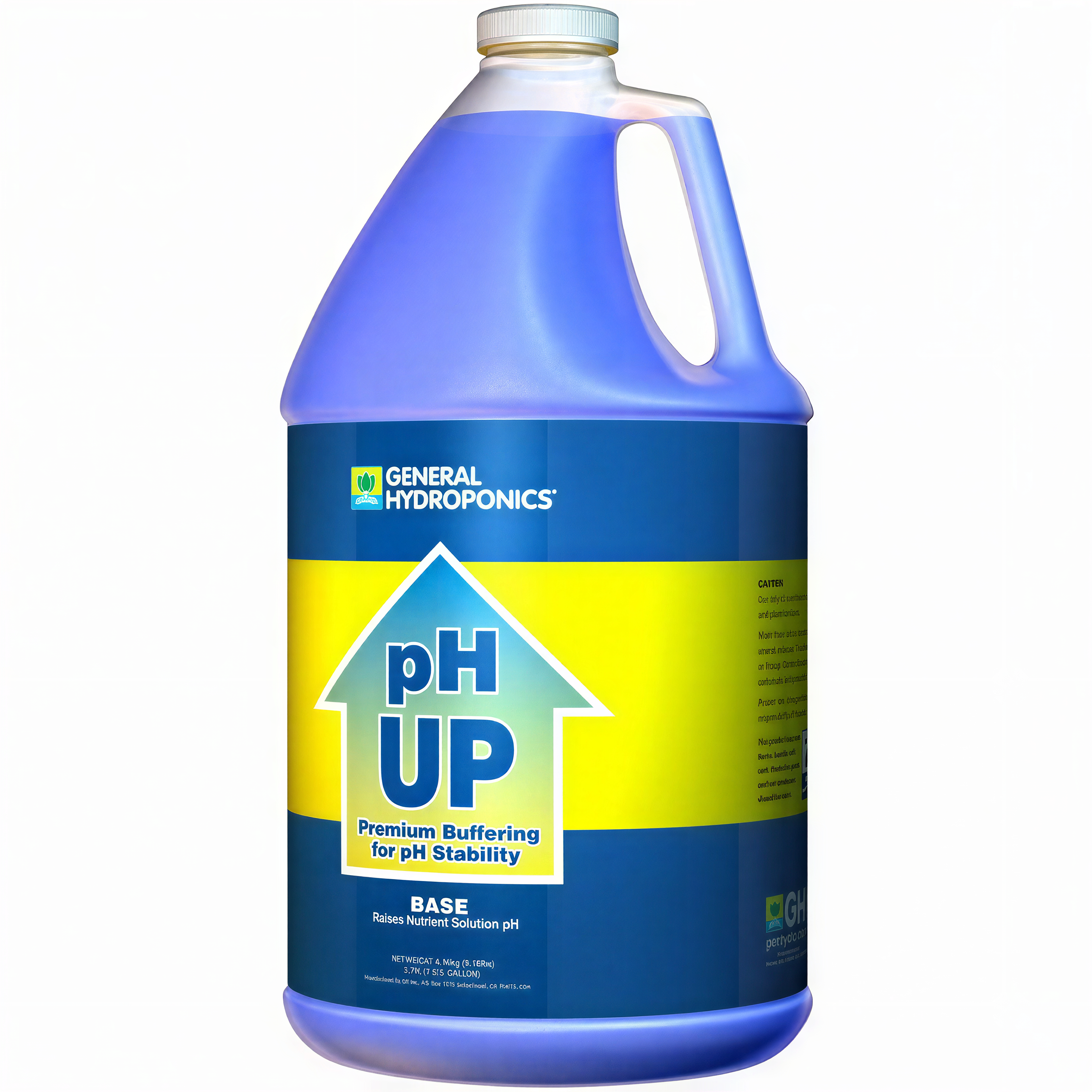
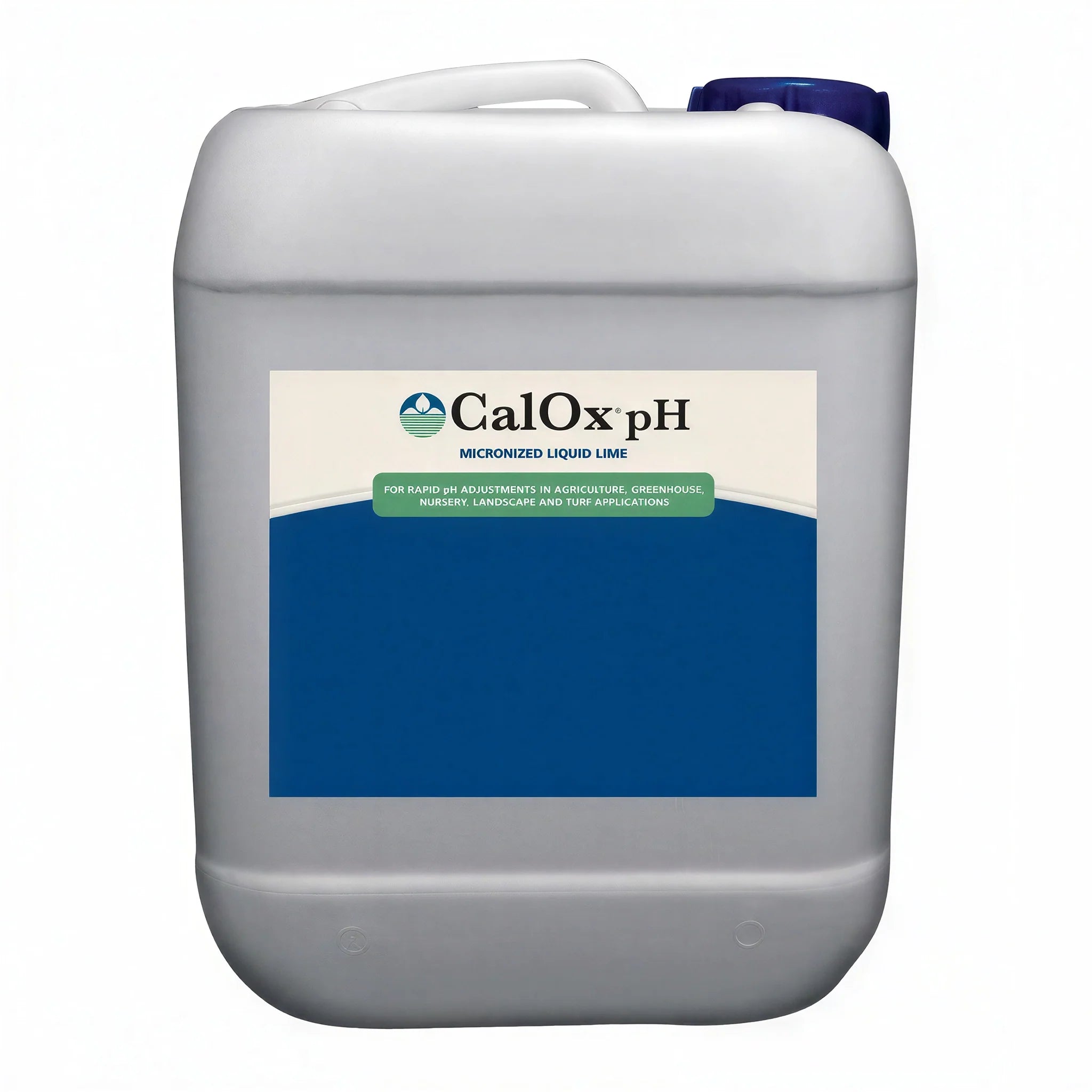
pH Up products are diluted base solutions -- typically potassium hydroxide or potassium carbonate -- used to raise the pH of nutrient solution that has dropped too low. pH Up is needed less frequently than pH Down in most tap water programs (tap water tends to run alkaline, requiring more pH Down), but becomes essential when using RO water (which is slightly acidic) or when solution pH drops significantly after nutrient additions. As with pH Down, add in small increments, mix thoroughly, and retest before adding more. Keep both pH Up and pH Down from the same brand ecosystem (General Hydroponics Kit, for example) to ensure formulation compatibility and consistent adjustment ratios. Fast shipping.
pH Adjusters FAQ
What pH should I adjust to for hydroponics?
Target pH 5.8-6.2 for most hydroponic systems using inert media (coco coir, rockwool, clay pebbles, perlite). This range keeps all essential macro and micronutrients chemically available for root uptake. For soil growing, target 6.0-7.0. Always adjust pH after your full nutrient solution is mixed -- never adjust plain water and then add nutrients, as the nutrients will shift the pH again. Check with a calibrated pH meter, not test strips, for the accuracy that hydroponic nutrient management requires.
How much pH Down do I add per gallon?
It depends on your starting water pH and the buffer capacity of your tap water. A typical starting rate is 1 ml of General Hydroponics pH Down per gallon of nutrient solution -- mix thoroughly and retest, adding more in 0.5 ml increments until you reach target pH. RO water requires very little pH adjustment (already slightly acidic and has minimal buffering capacity). Hard tap water with high alkalinity requires significantly more pH Down due to its strong buffering against pH change. There is no universal dose -- always add incrementally and test after each addition.
Why does my pH keep rising after I adjust it?
pH rise after adjustment is normal in recirculating systems -- as plants consume nutrients, particularly nitrate nitrogen, the solution pH naturally rises. This is expected and simply requires periodic pH correction (daily in most recirculating systems). If pH is rising unusually fast (more than 0.5 pH units per day), check for algae growth in the reservoir (cover all light entry points), high carbonate alkalinity in your source water (consider RO filtration), or calcium carbonate precipitation from high-calcium nutrient formulas at borderline pH levels. Regular reservoir changes every 7-14 days also prevent the pH drift accumulation that happens in older, nutrient-depleted solution.