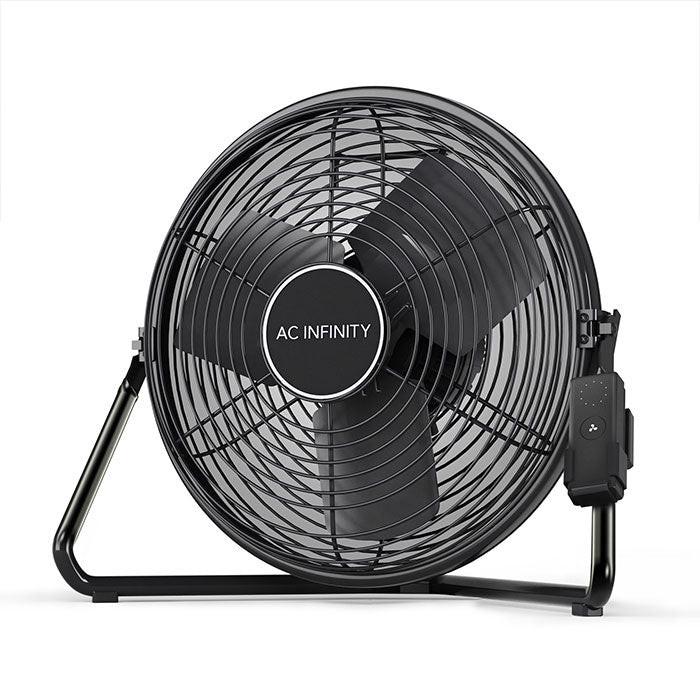
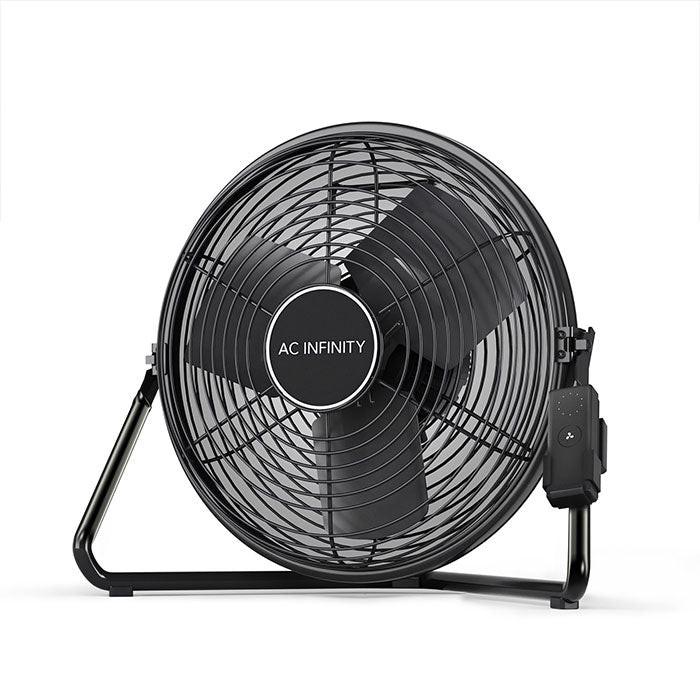
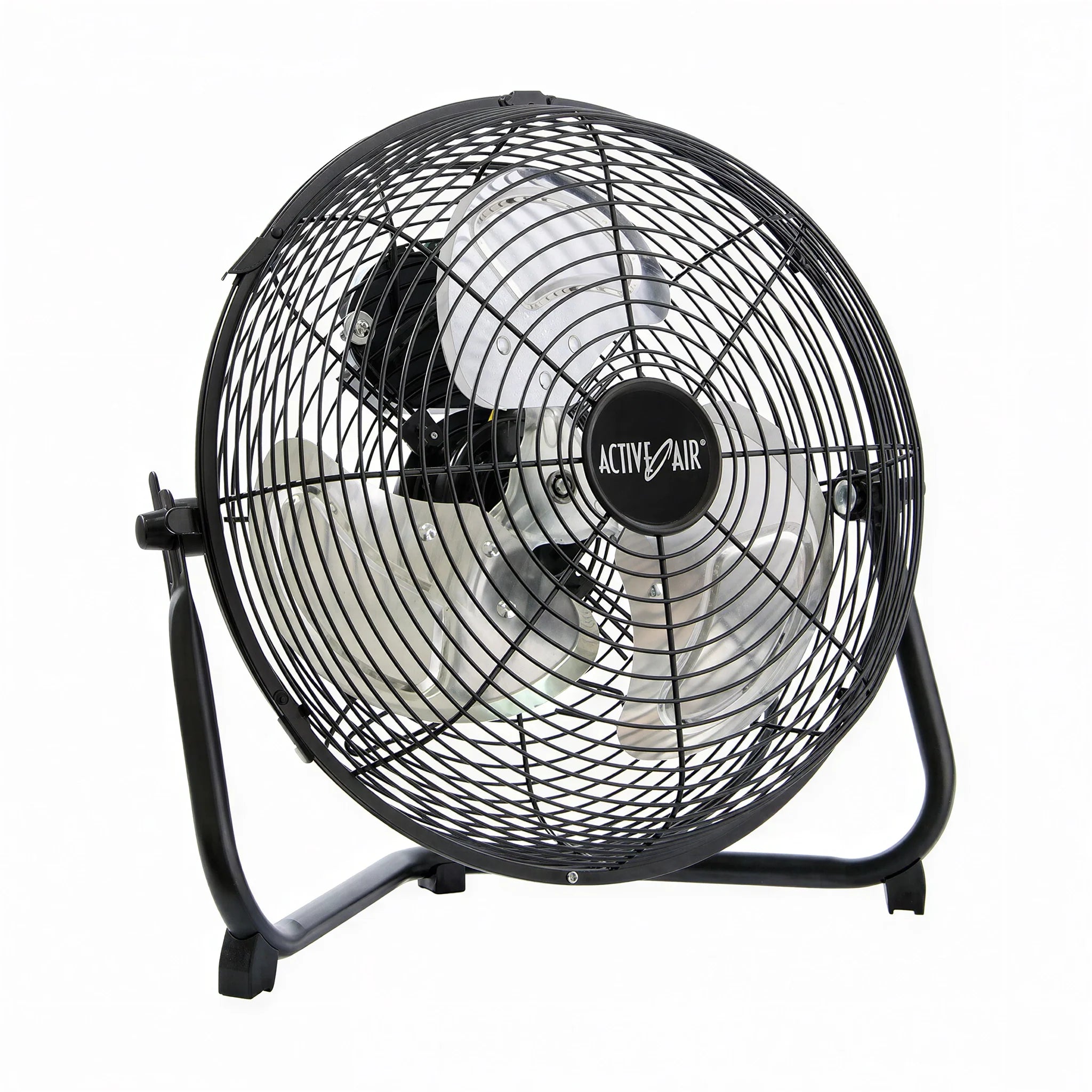
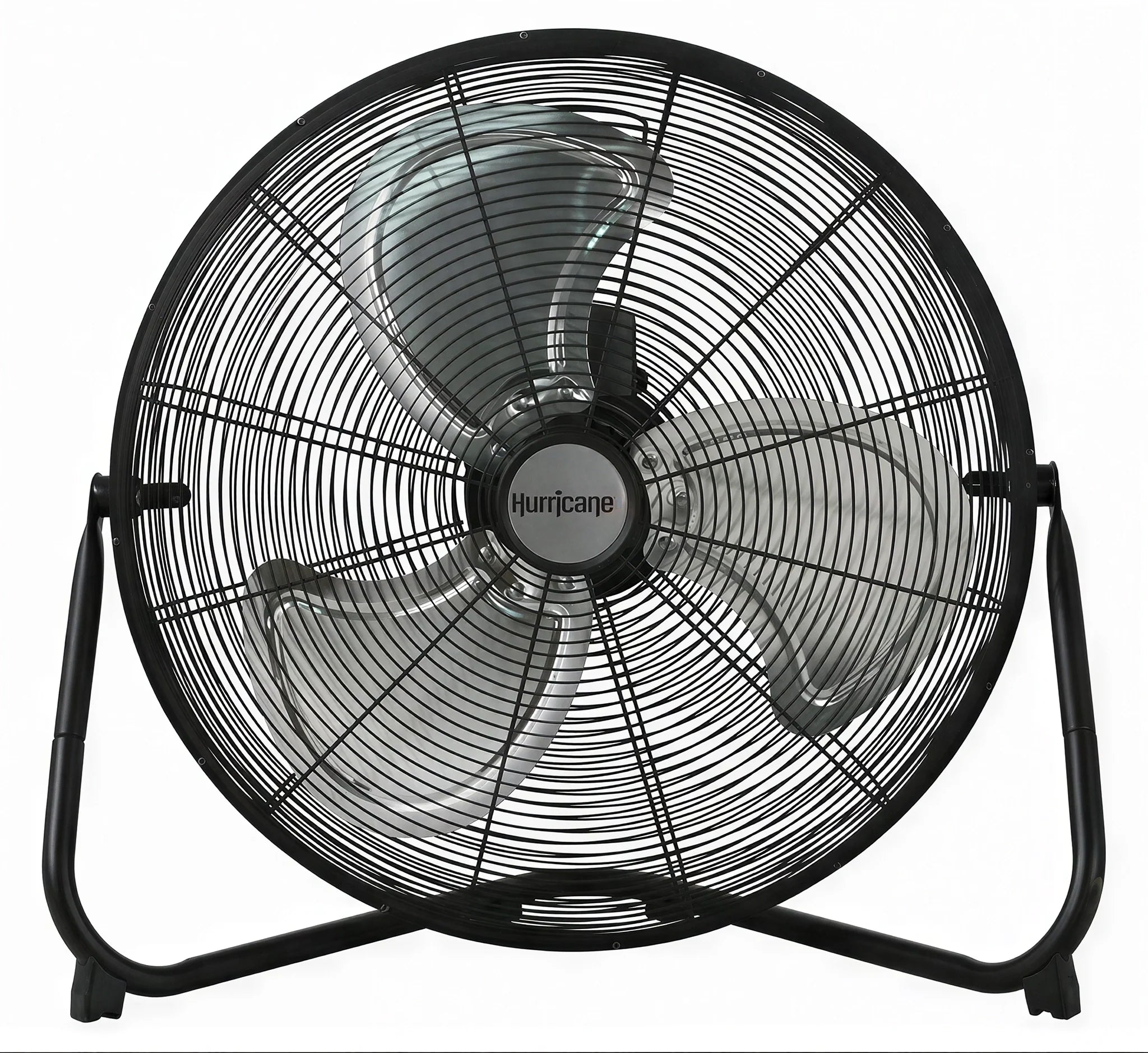
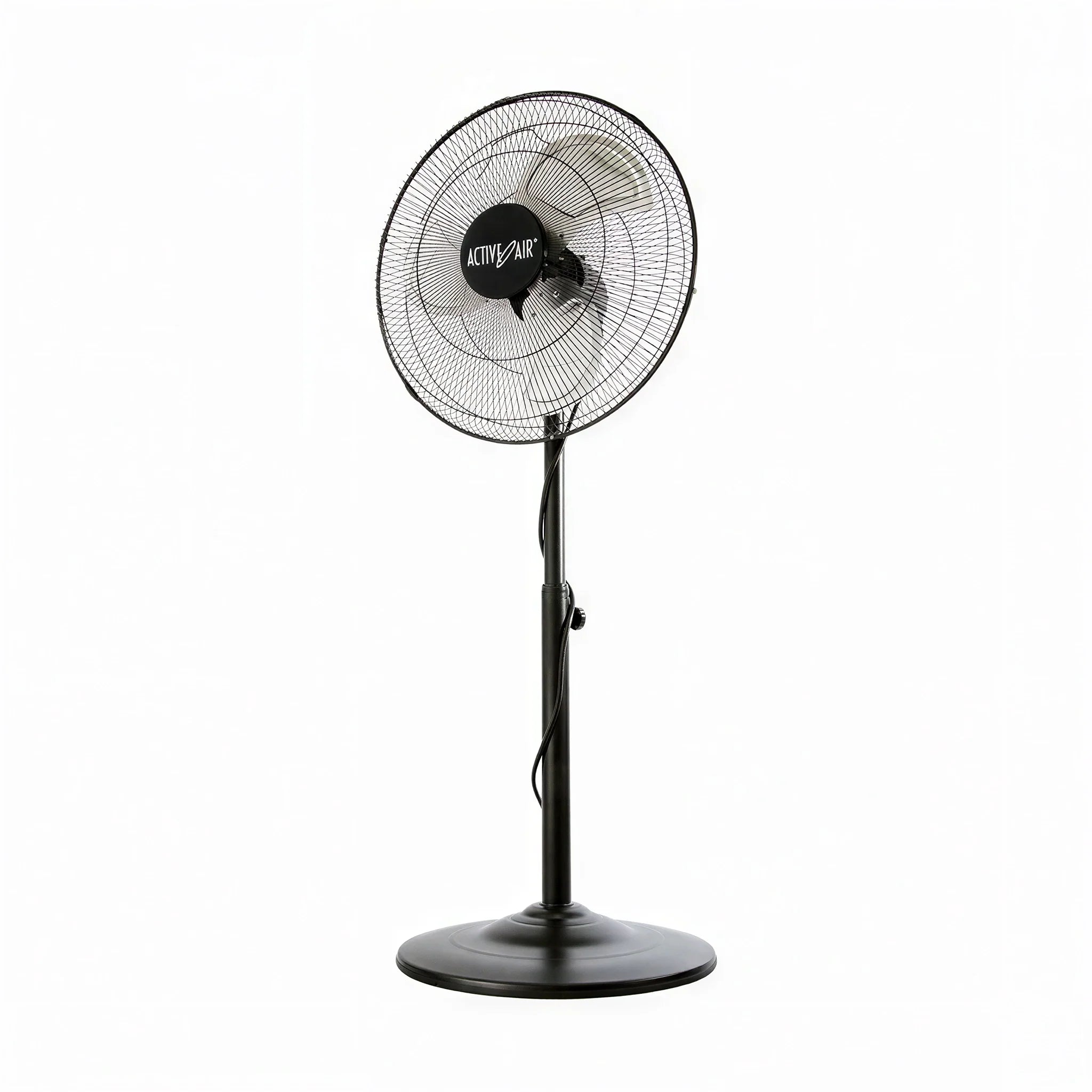
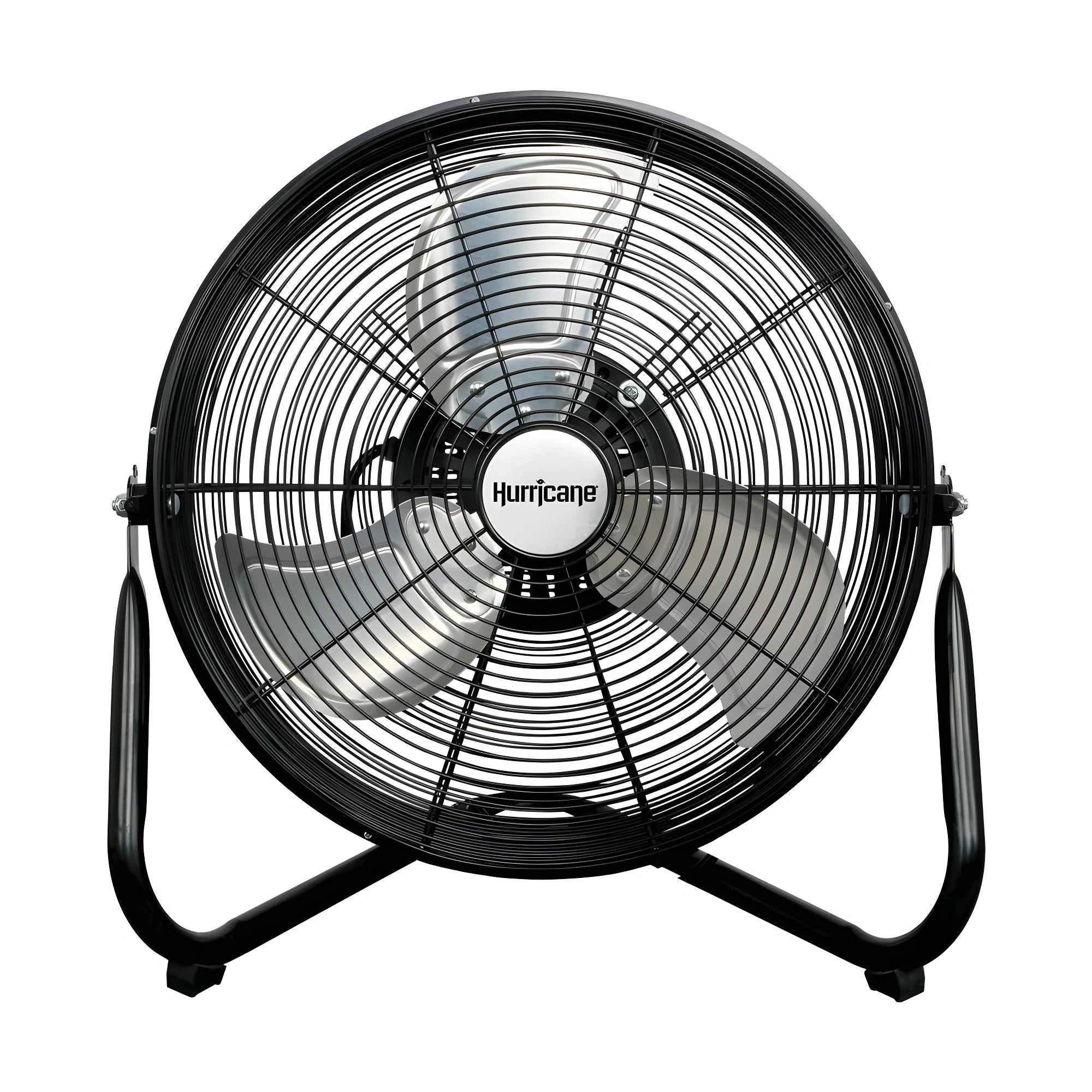
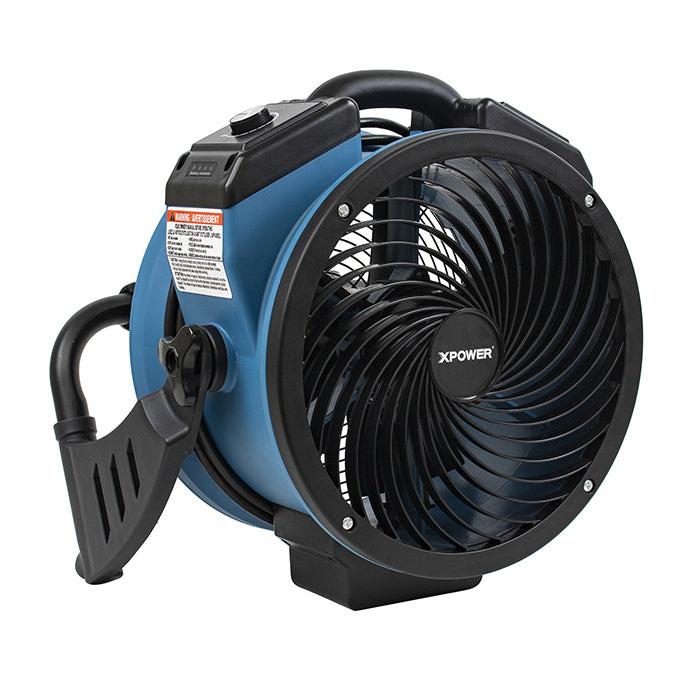
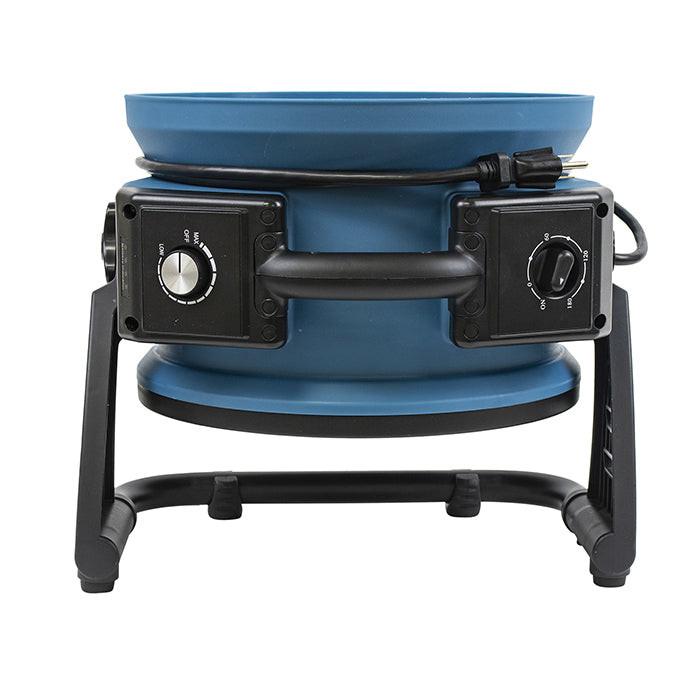
Pedestal Fans & Floor Fans for Grow Rooms
Pedestal fans and floor-standing fans create air movement within the growing space -- distributing fresh air from intake points across the canopy, preventing the stagnant microclimates at leaf surfaces that allow powdery mildew and botrytis to establish, and providing the gentle stem and leaf movement that triggers thigmomorphogenesis (the plant's mechanical response to wind that produces stronger, thicker stems). In large growing spaces where clip-on oscillating fans cannot reach all canopy areas, floor-standing pedestal fans with height-adjustable stands and wide oscillation arcs provide broader air distribution coverage from a single fixture.
Pedestal vs. Clip-On vs. Inline Circulation
Pedestal fans move air through the space in a broad, sweeping pattern -- useful for large rooms with wide canopies where a single positioned fan can cover multiple rows. Clip-on oscillating fans attach directly to tent poles or vertical supports at canopy level for targeted air delivery in tent setups. Wall-mount oscillating fans save floor space and provide reliable fixed positions without the stability risk of a tall pedestal fan that can tip when bumped in a crowded grow room. Choose the format based on your available floor space, canopy layout, and whether the fan needs to move with the canopy height as plants grow.
Positioning & Airflow Strategy
Position pedestal fans so air movement crosses the canopy from the side rather than blowing straight down from above or straight up from below -- side-directed airflow at canopy height most effectively disrupts the boundary layer at leaf surfaces where humidity accumulates and fungal spores germinate. Set fans to oscillate to vary airflow direction and prevent localized wind stress from continuous directional airflow. Aim for gentle leaf flutter -- strong wind that causes continuous leaf movement stresses plants and increases transpiration beyond what roots can support. Fast shipping.
Pedestal Fans FAQ
How many fans do I need in my grow room?
A general guideline: one circulation fan per 4-6 plants or per 16-25 square feet of canopy. The goal is gentle air movement at every canopy surface -- if you can observe stagnant areas where leaves are completely still while nearby areas have movement, add a fan positioned to cover those still zones. In tent setups: one clip-on or small oscillating fan per 4x4 ft tent is a starting minimum; two fans on opposite corners providing crossing airflow patterns is better. In larger rooms, multiple pedestal or wall-mount fans in a distributed pattern produce more uniform coverage than a single large fan.
What fan speed is best for grow room air circulation?
The correct fan speed for grow room air circulation produces gentle, consistent leaf movement -- leaves should sway lightly but not be blown flat or stressed by strong wind. Start at the lowest speed setting and increase until you observe the gentle flutter that signals adequate airflow at the leaf surface. High fan speeds appropriate for cooling a large commercial greenhouse may cause wind stress in a compact tent where the canopy is close to the fan. Oscillating fans at medium speed typically produce better coverage than a non-oscillating fan at low speed.
Can I use a standard household pedestal fan in a grow room?
Standard household pedestal fans work adequately for grow room circulation but have limitations in humid growing environments: the uncoated steel components (motor housing, base, adjustment mechanisms) rust in high-humidity conditions over multiple growing cycles. Purpose-made grow room circulation fans use corrosion-resistant materials and sealed motors appropriate for the humidity levels in production growing environments. If using a household fan, expect to replace it every 1-2 seasons in high-humidity environments where rust and motor corrosion become operational issues.
Should grow room fans run 24 hours?
Air circulation fans should run continuously -- both during the light period and the dark period. Powdery mildew, botrytis, and other fungal diseases establish most readily during the dark period when temperatures drop, humidity rises, and there is no photosynthetic water demand from the plants to dry the canopy surface. Turning off circulation fans during the dark period creates the ideal conditions for fungal disease establishment. Only exhaust fans that are part of a CO2 enrichment program (where exhausting air removes expensive CO2) should be cycled on timers to manage CO2 levels.
What wattage fan do I need for a 4x4 or 5x5 grow tent?
For a 4x4 ft tent: a 15-30W oscillating fan or 20-40W pedestal fan provides adequate circulation for most programs. For a 5x5 ft tent: 25-50W. The key metric is airflow delivery at the canopy level, not wattage -- a low-wattage fan with a wide oscillation arc and good blade design may outperform a higher-wattage fan aimed at a fixed point. For tent use, clip-on fans mounted at tent pole positions near the canopy level are often more space-efficient than floor-standing pedestal fans that consume limited floor area.