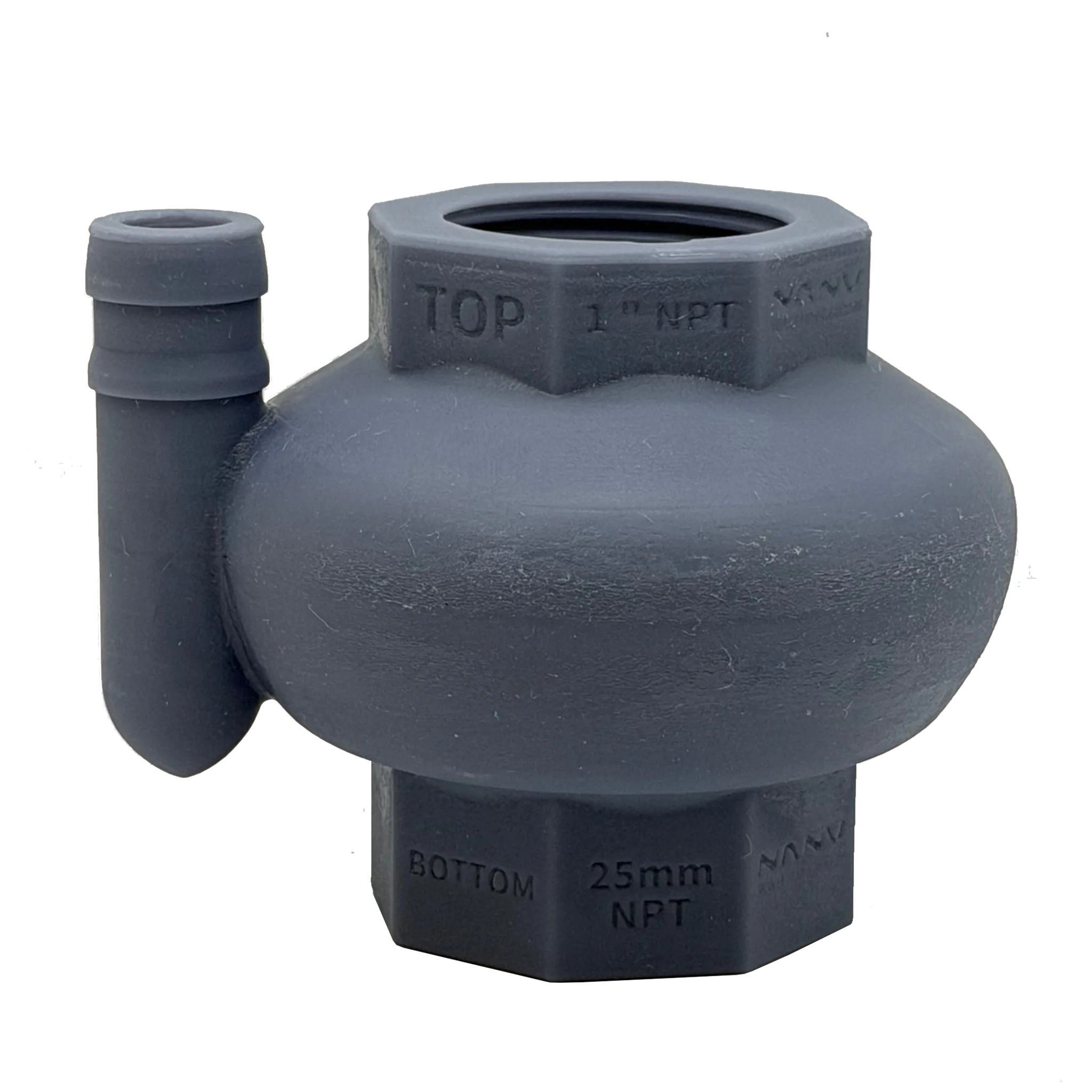
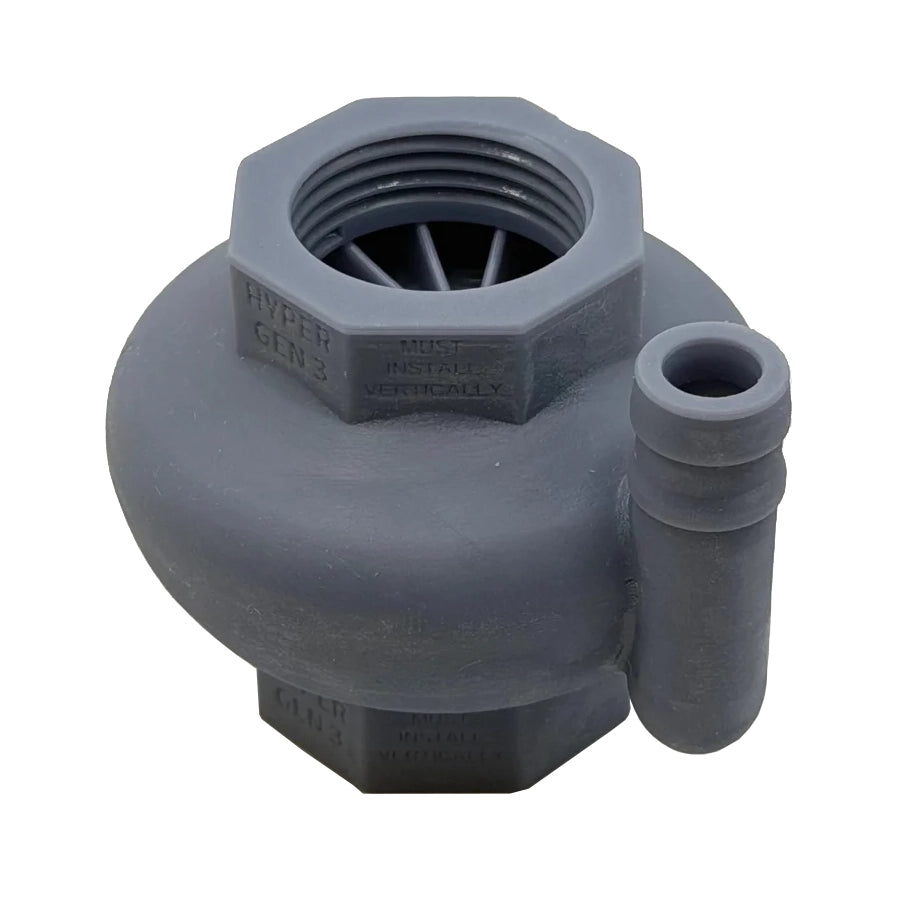
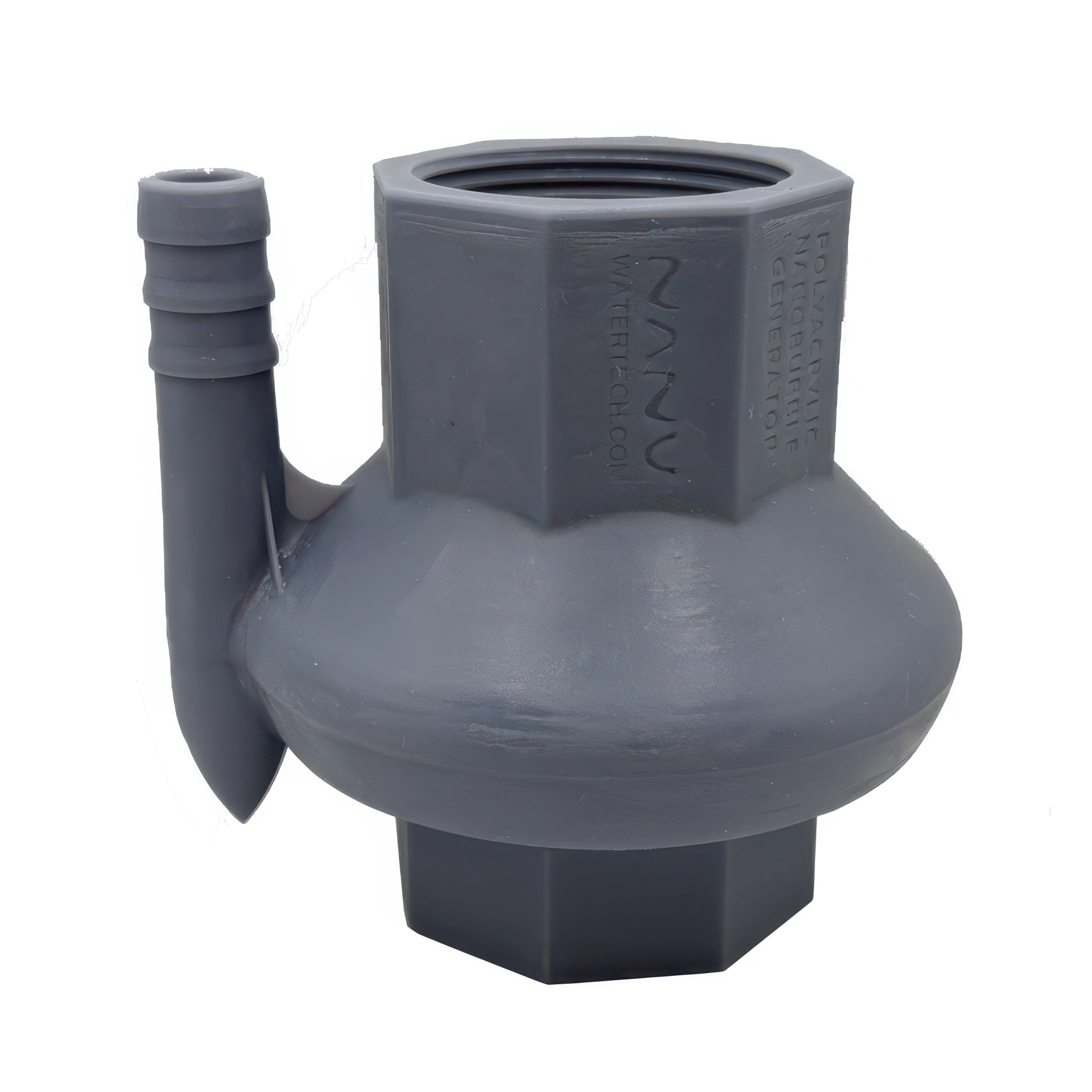
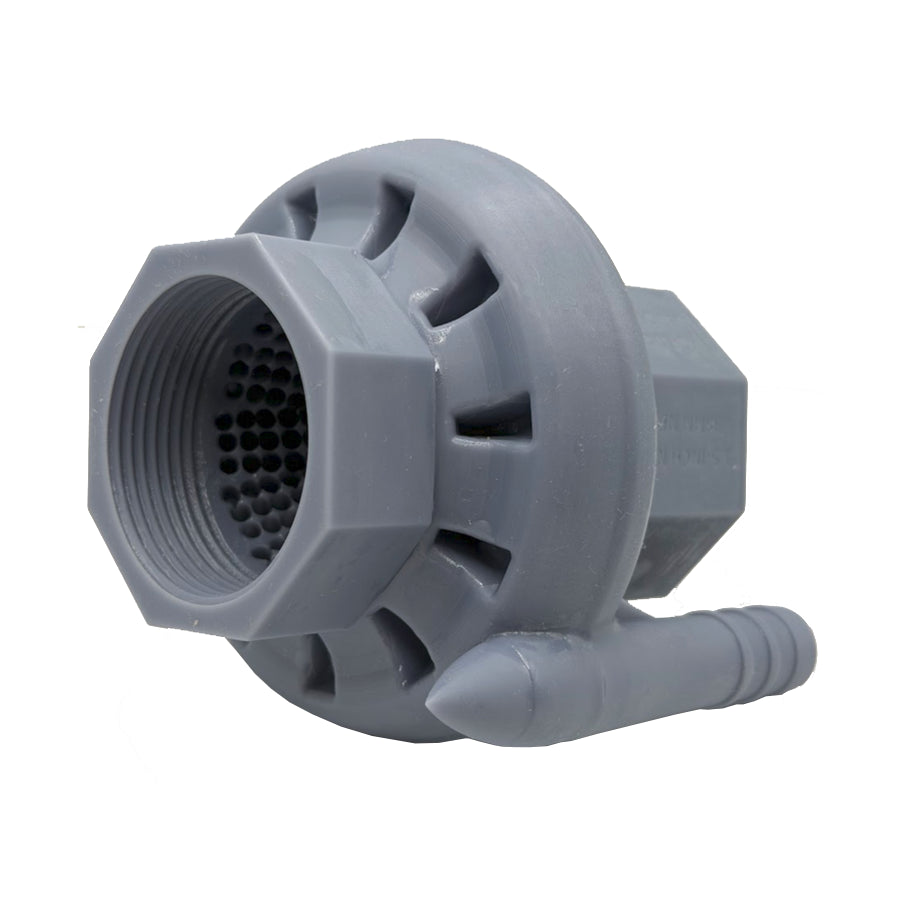
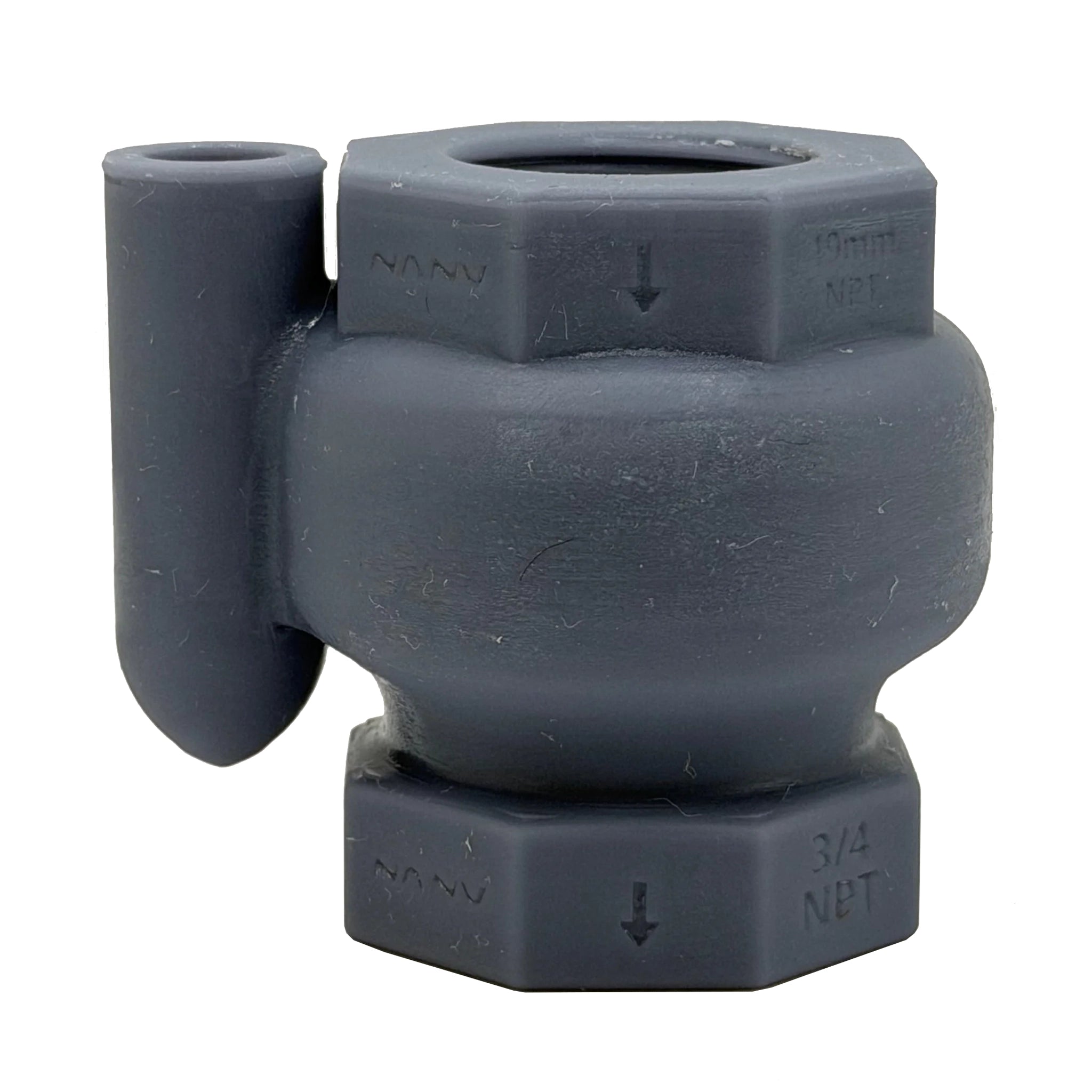
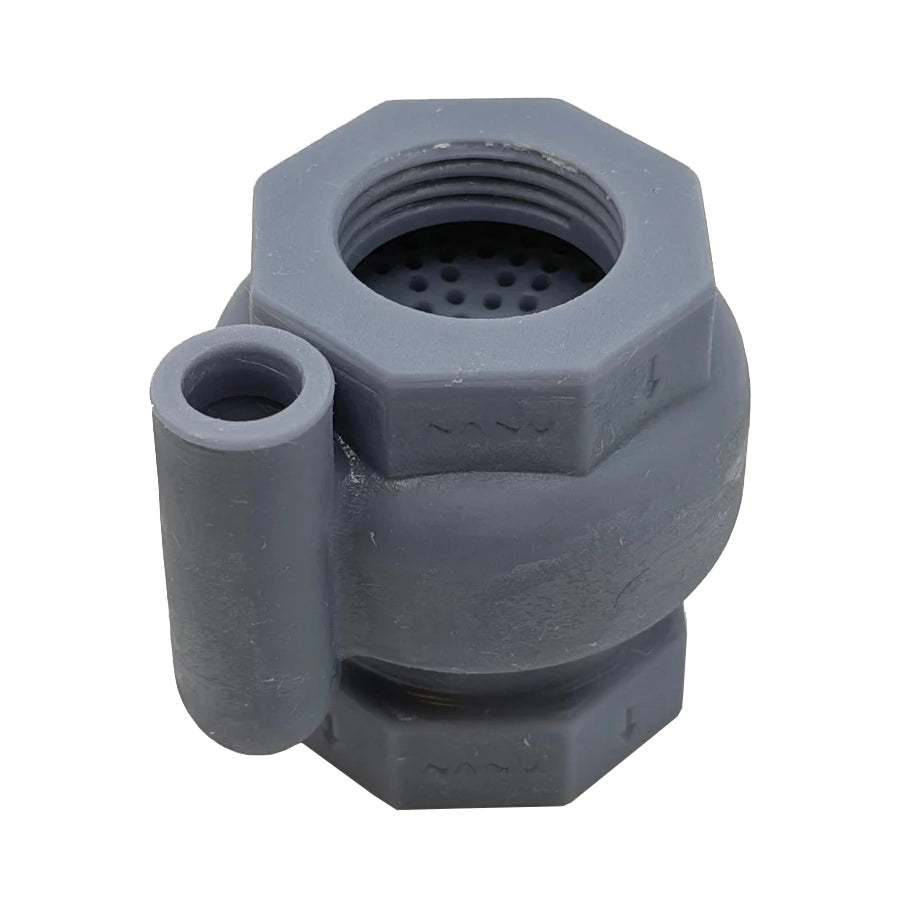
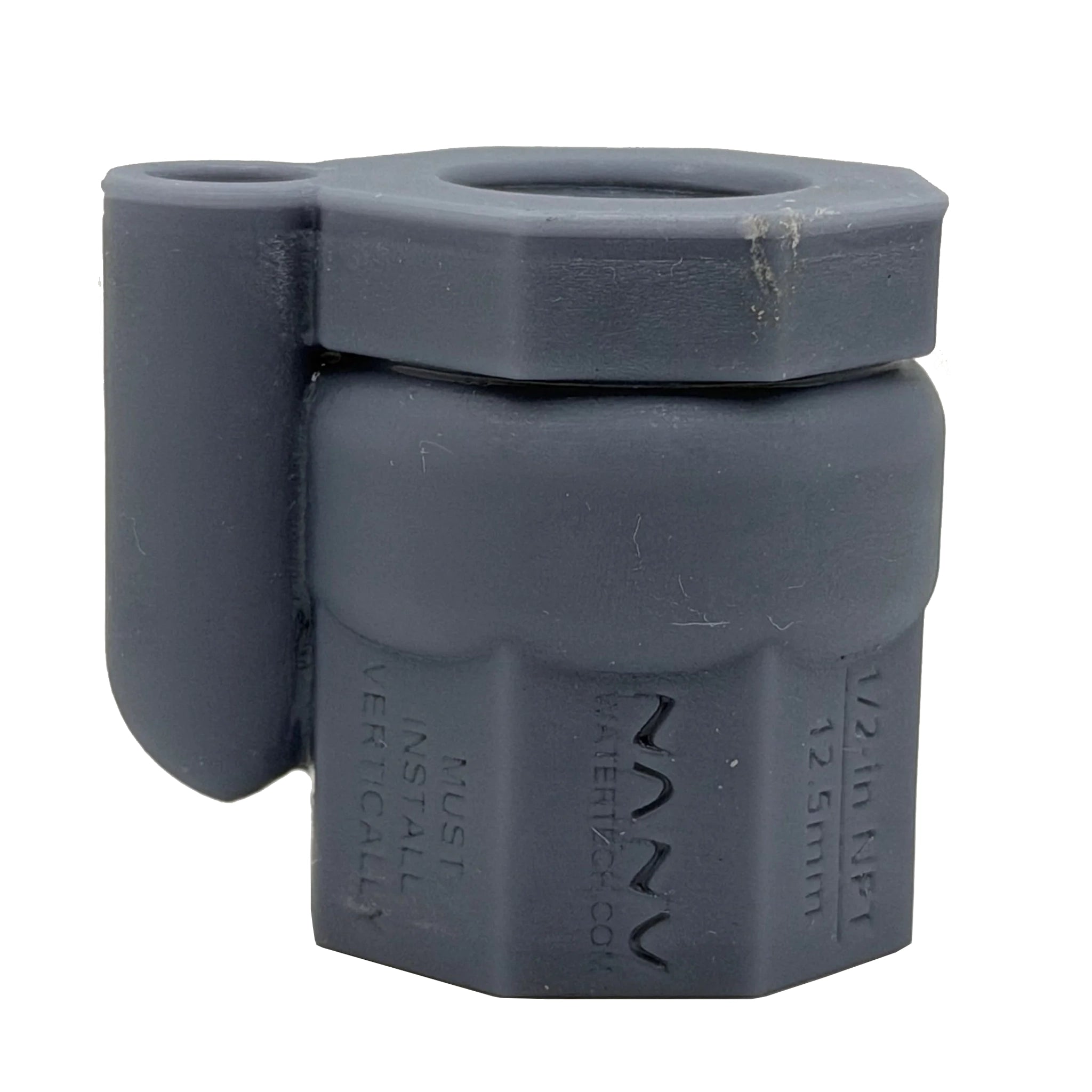
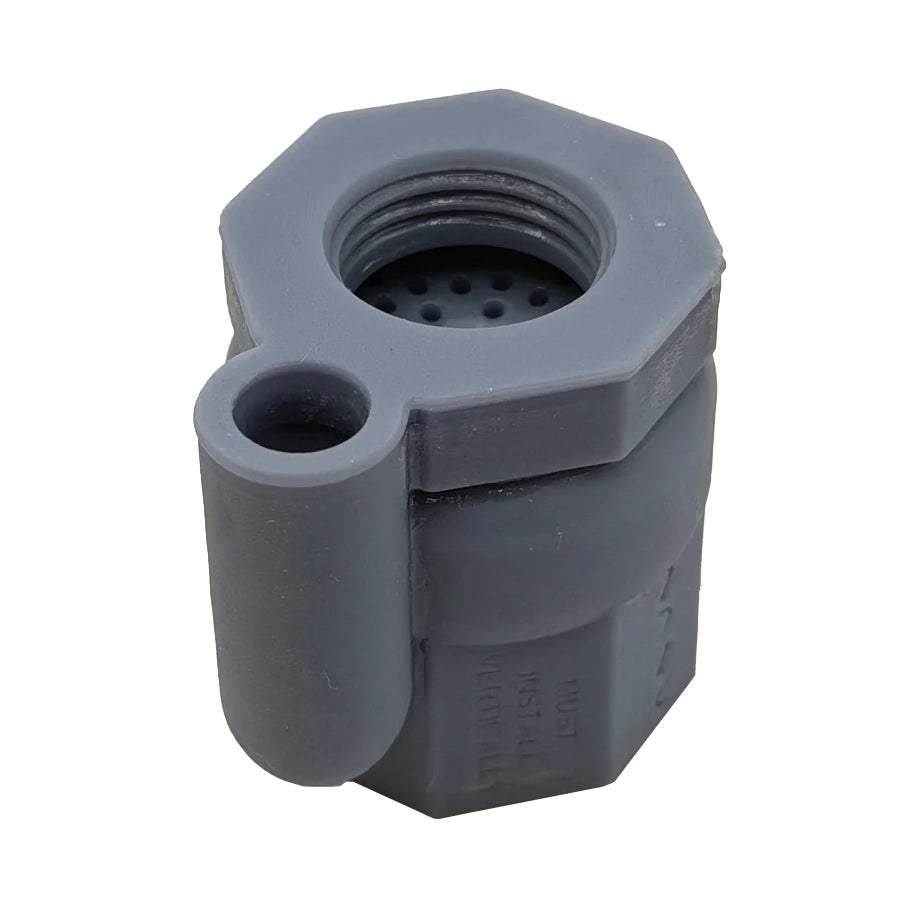
Nanobubble Generators & Dissolved Oxygen Infusers
Nanobubble technology supersaturates water with dissolved oxygen at levels that far exceed what conventional aeration can achieve -- while standard air stones and diffusers produce bubbles that rise quickly to the surface and escape, nanobubbles (less than 200 nanometers in diameter) remain suspended in solution for hours to days, dramatically increasing the dissolved oxygen available to plant roots throughout the irrigation cycle. This collection covers Moleaer nanobubble generators and BioTherm Solutions dissolved oxygen infuser systems -- the primary commercial nanobubble platforms available for hydroponic and greenhouse growers.
Moleaer Lotus Nanobubble Generator
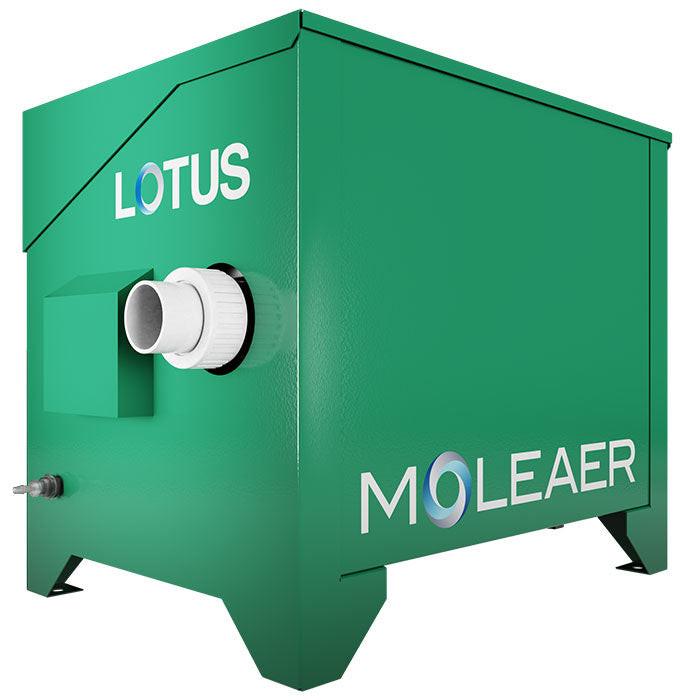
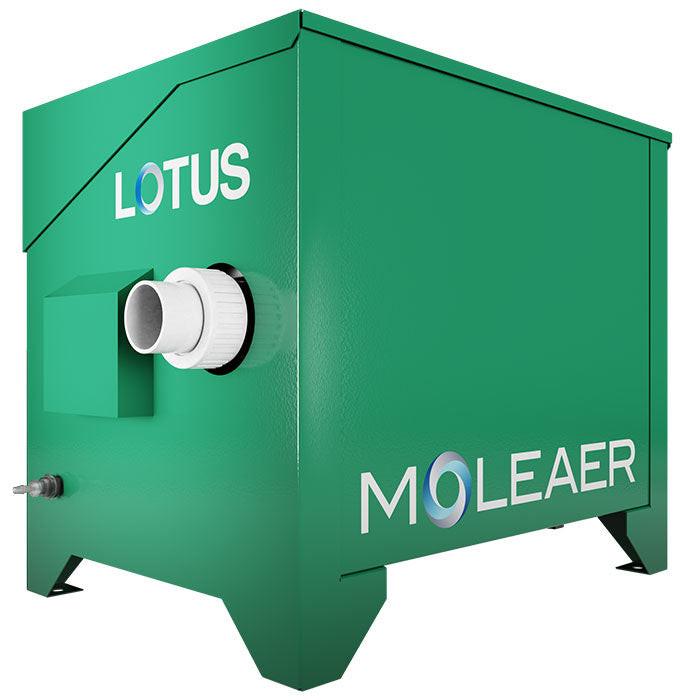
The Moleaer Lotus is a compact inline nanobubble generator designed for hydroponic reservoir and irrigation line integration. It processes water through a venturi-based nanobubble generation chamber, injecting oxygen-enriched nanobubbles into the water stream without a separate oxygen source. Available as a standalone unit, with an included DO (dissolved oxygen) meter for monitoring supersaturation levels, and without a DO meter for integration with existing monitoring systems. Moleaer Lotus units rank #1 for "nanobubble generator" in organic search, reflecting real commercial adoption in hydroponic and CEA production.
BioTherm Solutions Dissolved Oxygen Systems
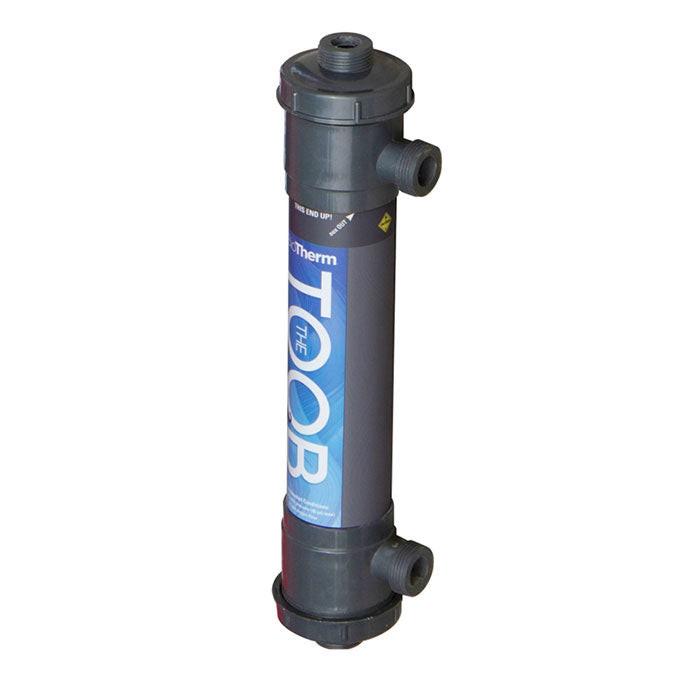
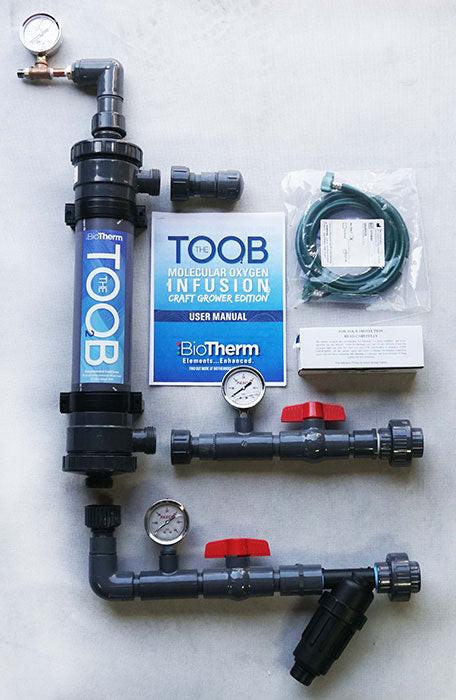
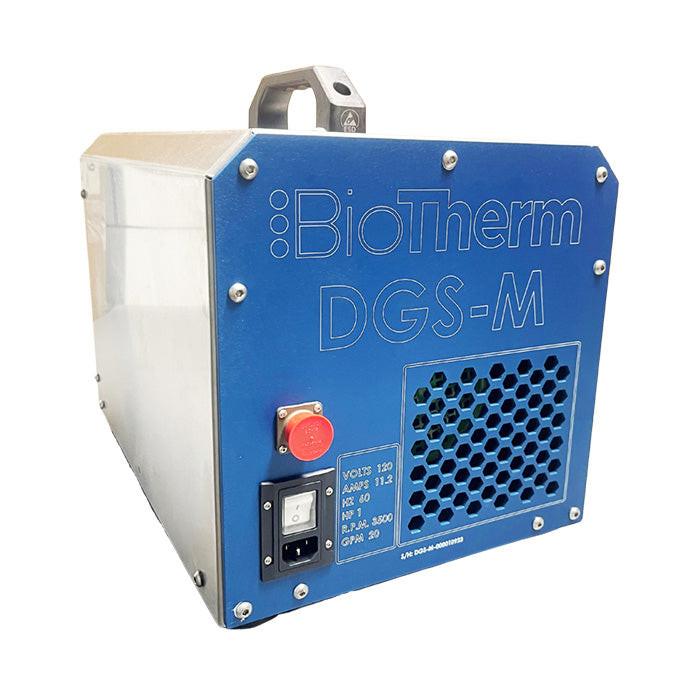
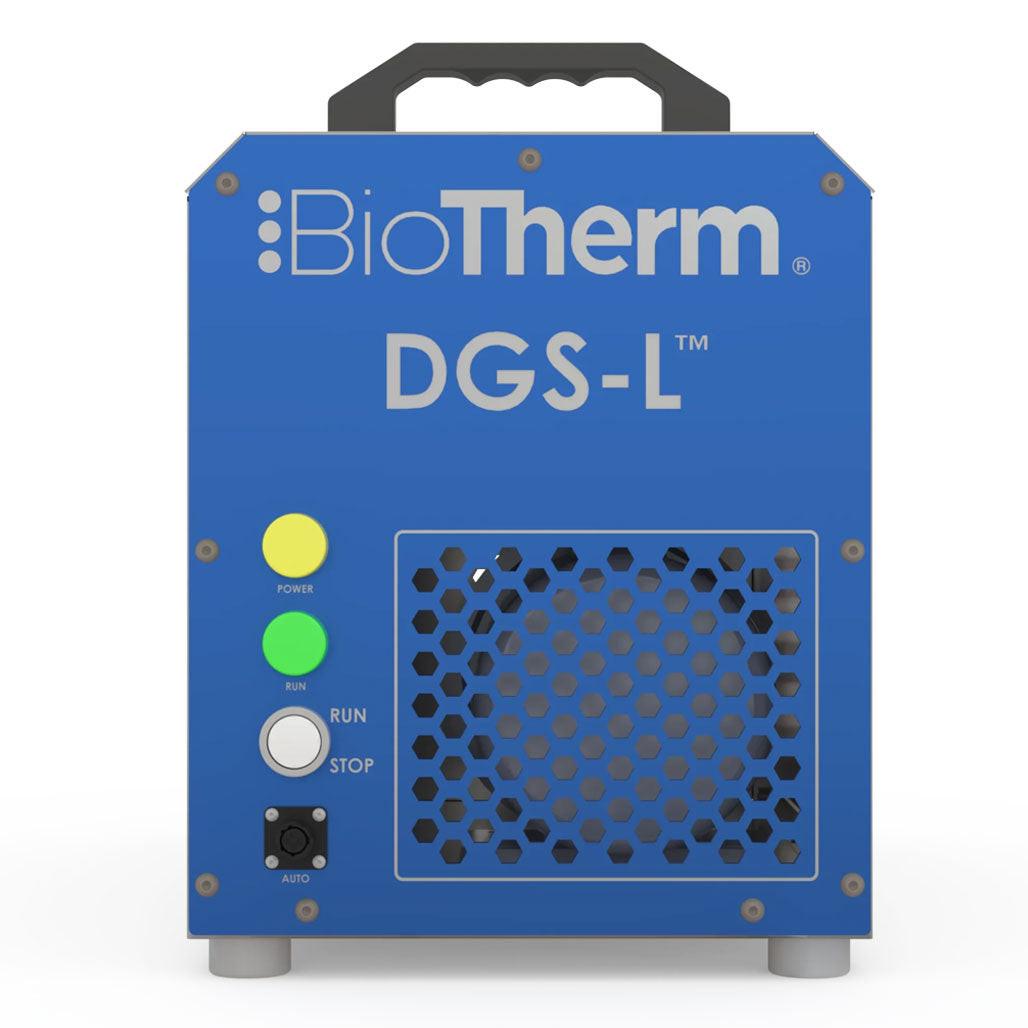
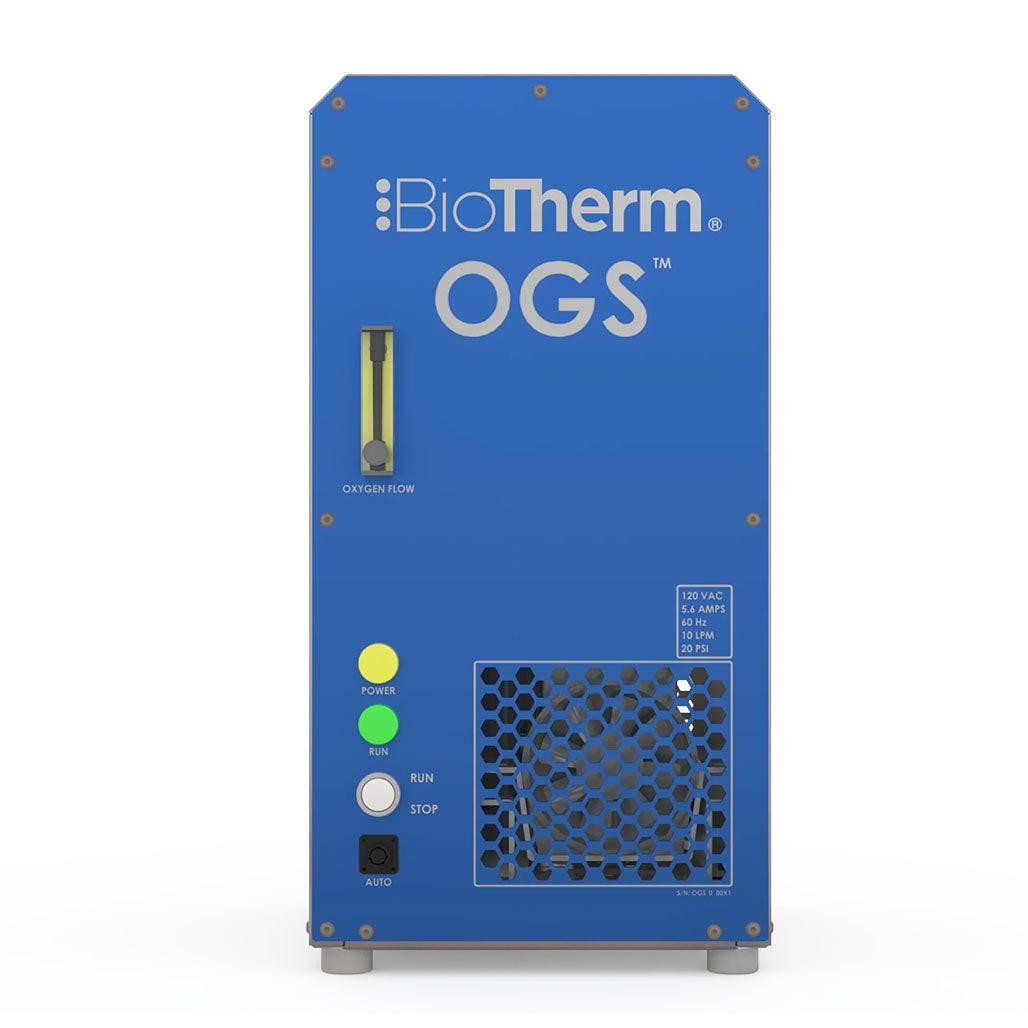
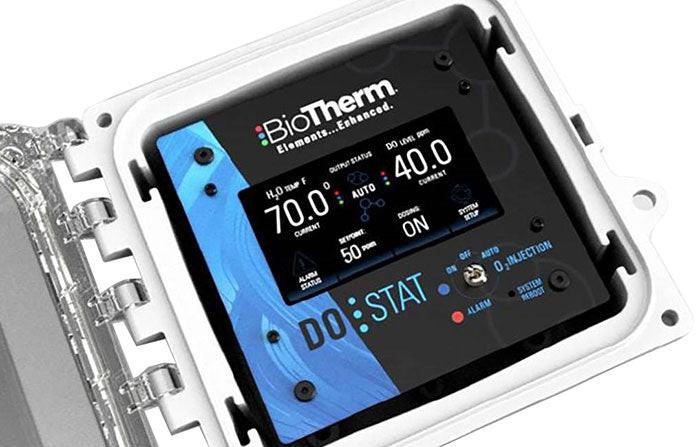
BioTherm Solutions produces dissolved oxygen infuser systems at multiple scales, from the O2 TOOB Craft DO Infuser for small operations through the OGS Oxygen Concentrator systems and full DGS dissolved oxygen management platforms. BioTherm systems can use an oxygen concentrator (OGS) as the oxygen source to achieve higher supersaturation levels than air-source nanobubble units. BioTherm also supplies DO meters (AMT07, YSI ProSolo) and D.O. Stat Controllers for automated dissolved oxygen management. Call 888-815-9763 or browse air pumps and air stones for conventional aeration options. Expert support available.
Nanobubble Generators FAQ
What is a nanobubble and how does it differ from standard aeration?
Standard aeration produces bubbles in the millimeter to centimeter range that rise rapidly through solution, spending only seconds in contact with the water before escaping at the surface. Most of the oxygen in these large bubbles transfers to the liquid as the bubble rises, but the process is limited by the relatively small surface area of large bubbles and their brief contact time. Nanobubbles (typically 50-200 nanometers) have a surface-to-volume ratio orders of magnitude higher than macro bubbles, carry a slight negative charge that prevents coalescence, and rise so slowly that they remain suspended in solution for extended periods. The result is dissolved oxygen levels of 30-50 mg/L or higher in nanobubble-treated water -- compared to the standard 8-12 mg/L achievable with conventional aeration at room temperature.
What benefits does nanobubble oxygen supplementation provide in hydroponics?
Higher dissolved oxygen in the root zone supports more vigorous root growth, faster nutrient uptake, and suppression of anaerobic pathogens like Pythium and Phytophthora that cause root rot. Research in commercial vegetable and cannabis production has shown reductions in root disease incidence, improvements in root mass and density, and in some cases measurable increases in yield and quality metrics in nanobubble-supplemented systems compared to conventionally aerated controls. The benefits are most pronounced in recirculating systems (RDWC, NFT, ebb-and-flow) where reservoir oxygen depletion is an ongoing management challenge, and in warm environments where dissolved oxygen naturally decreases.
How does a Moleaer Lotus nanobubble generator integrate with an existing hydroponic system?
The Moleaer Lotus installs inline in a recirculating irrigation or reservoir line -- water flows through the unit, nanobubbles are generated and injected, and the oxygen-supersaturated water continues into the reservoir or growing zone. The unit requires a pump to drive flow through the chamber at the recommended flow rate (check Moleaer specifications for your unit); in most RDWC systems, the existing circulation pump can be used with appropriate plumbing to route flow through the Lotus before returning to the reservoir. A dissolved oxygen meter downstream of the unit confirms supersaturation is being achieved. Contact 888-815-9763 for installation guidance for your specific system configuration.