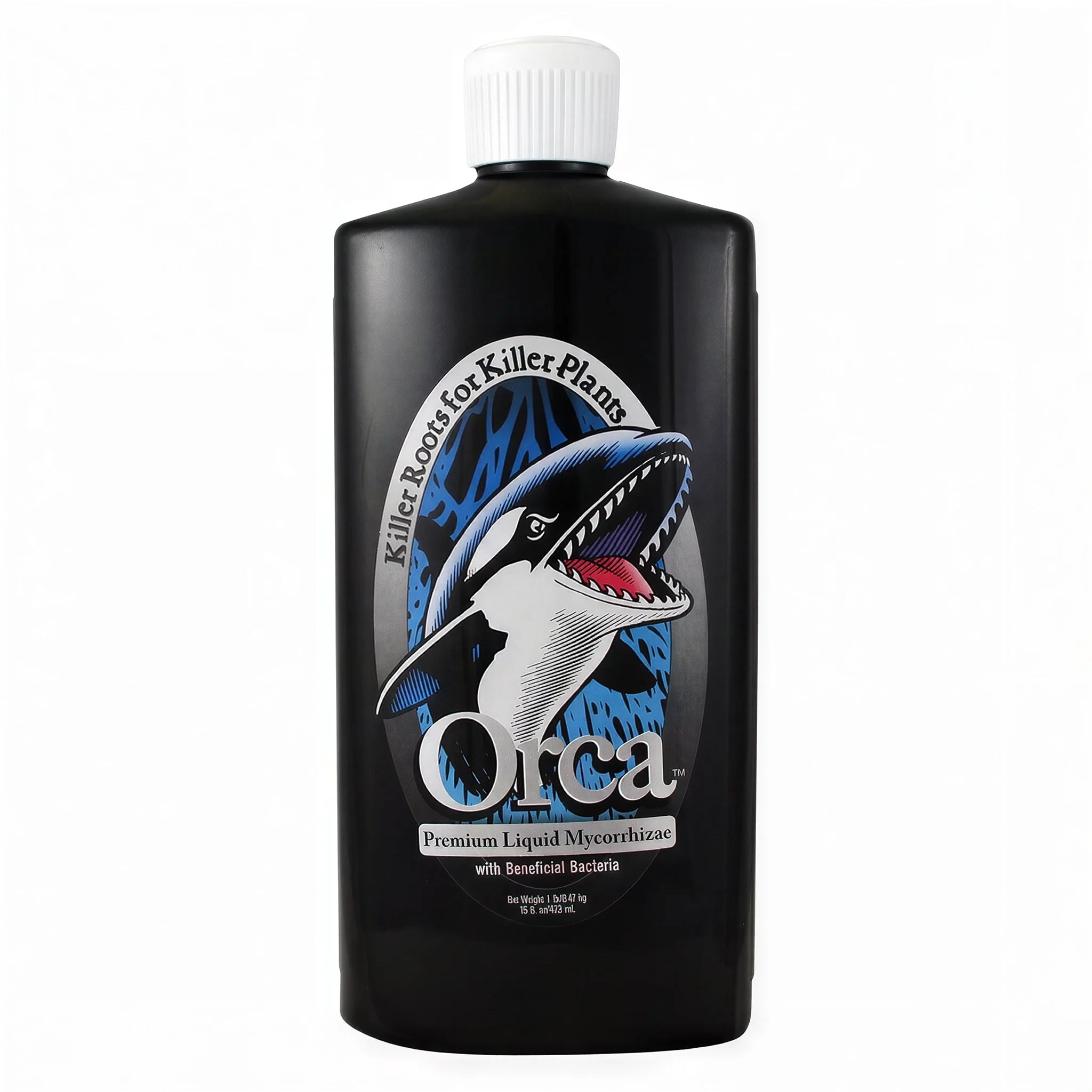
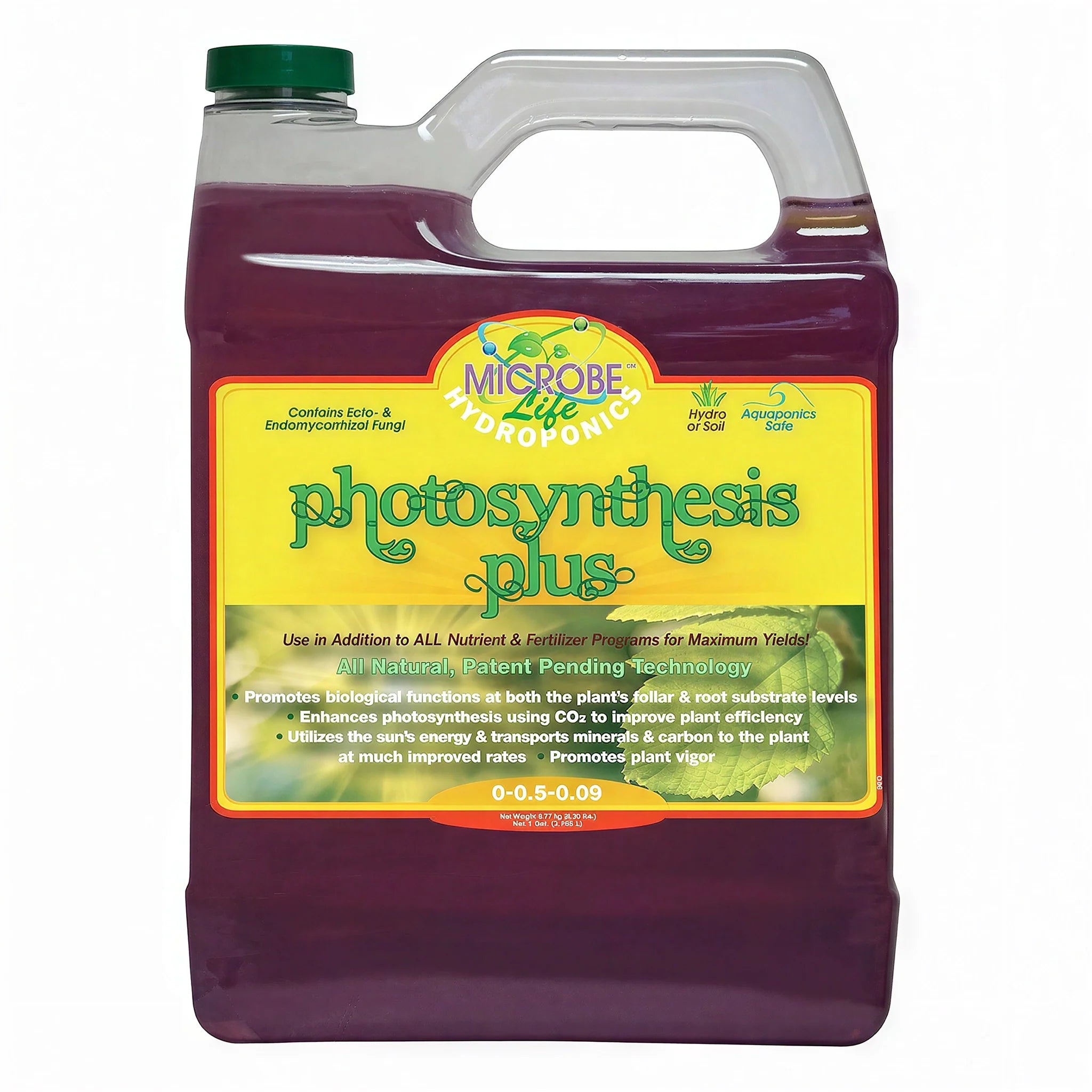
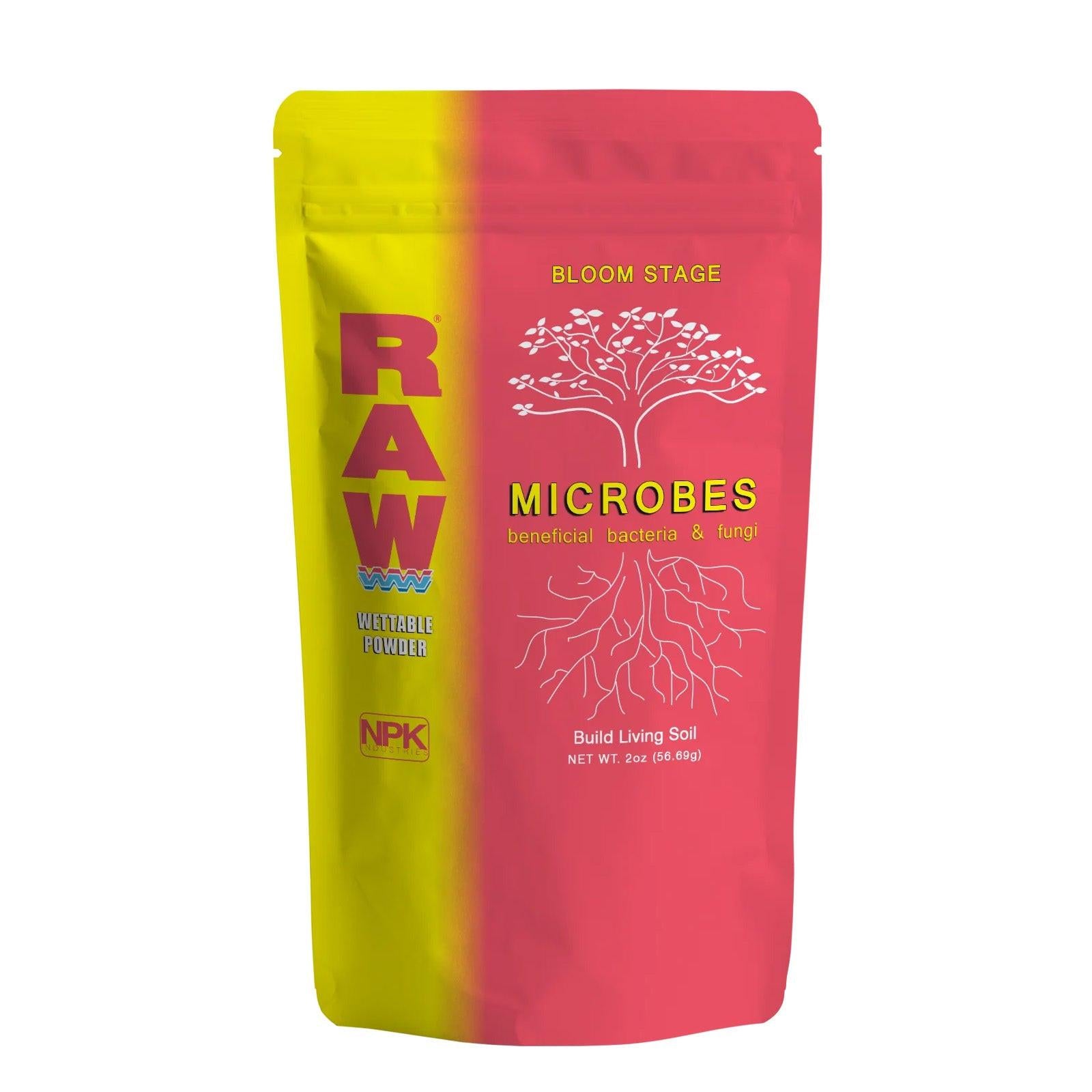
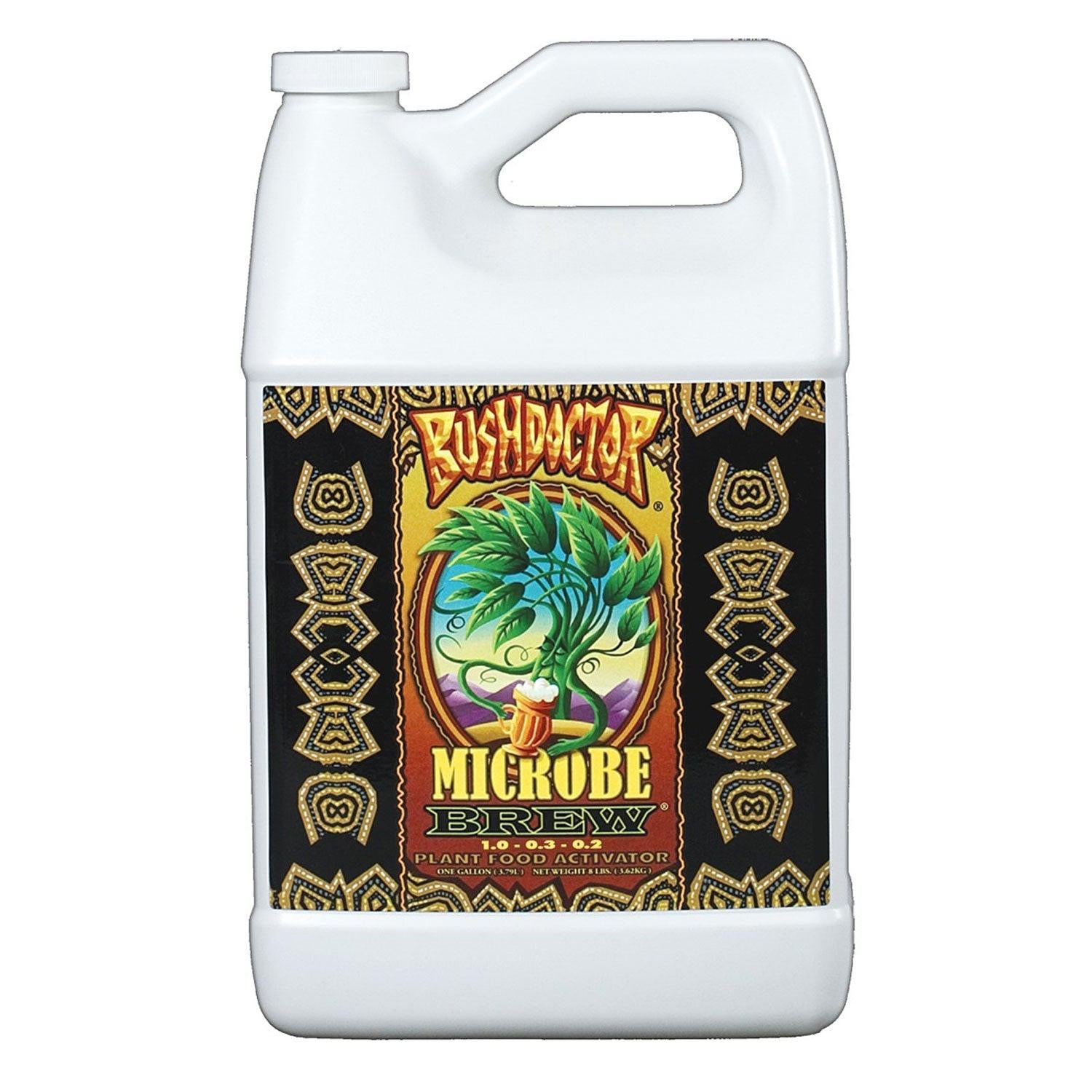
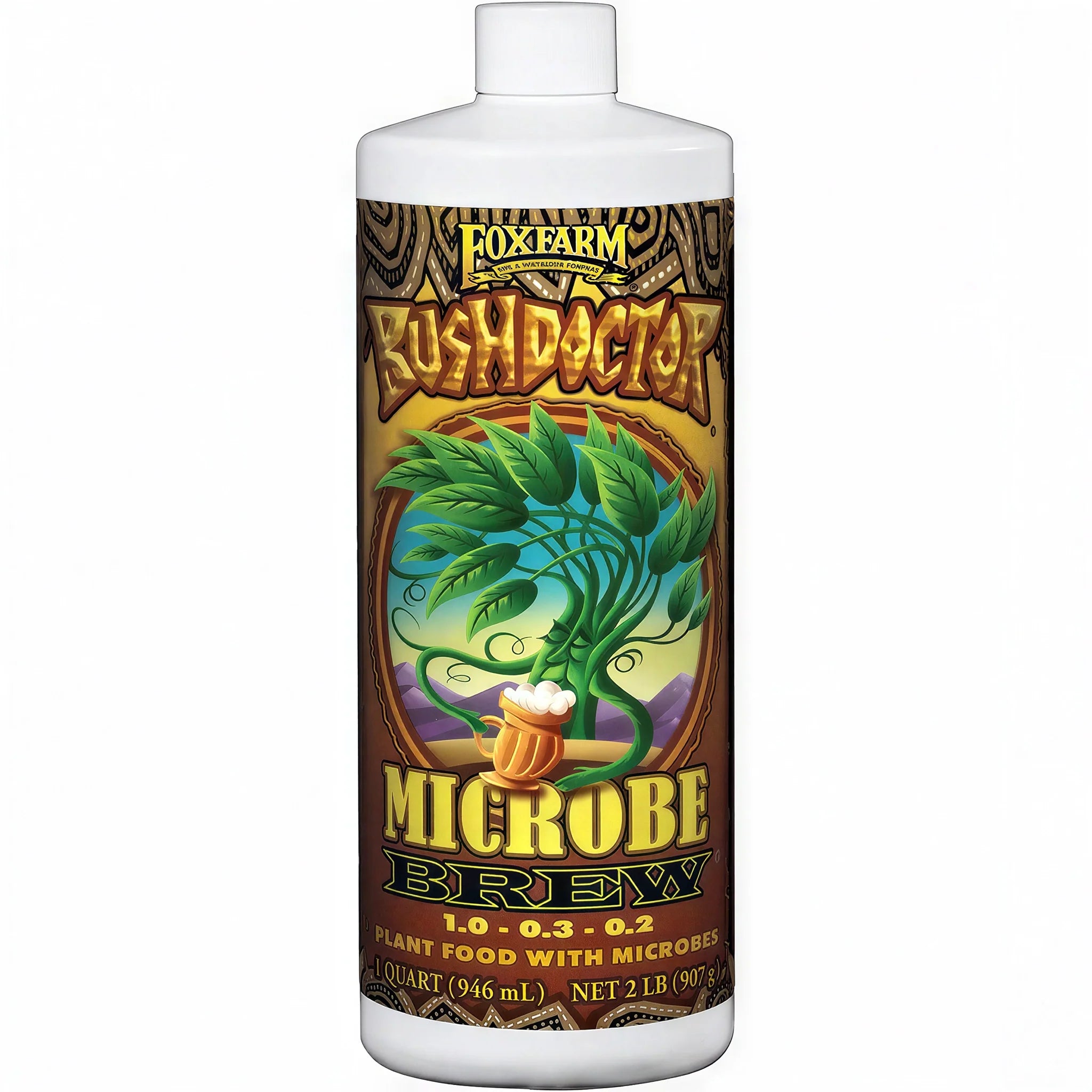
Mycorrhizal Fungi & Beneficial Bacteria Inoculants
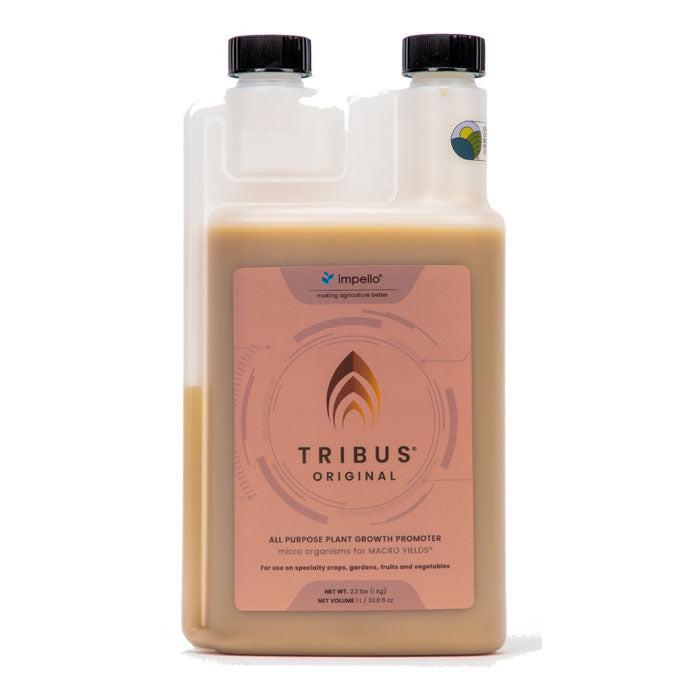
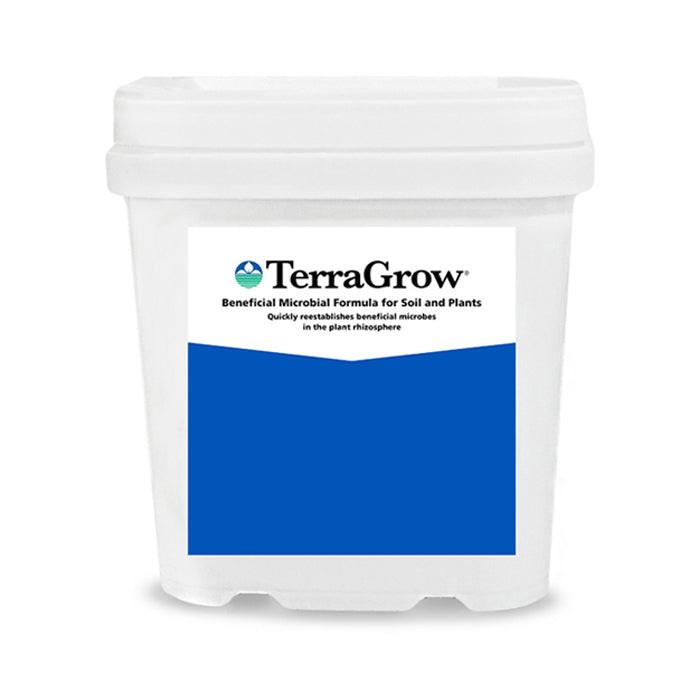
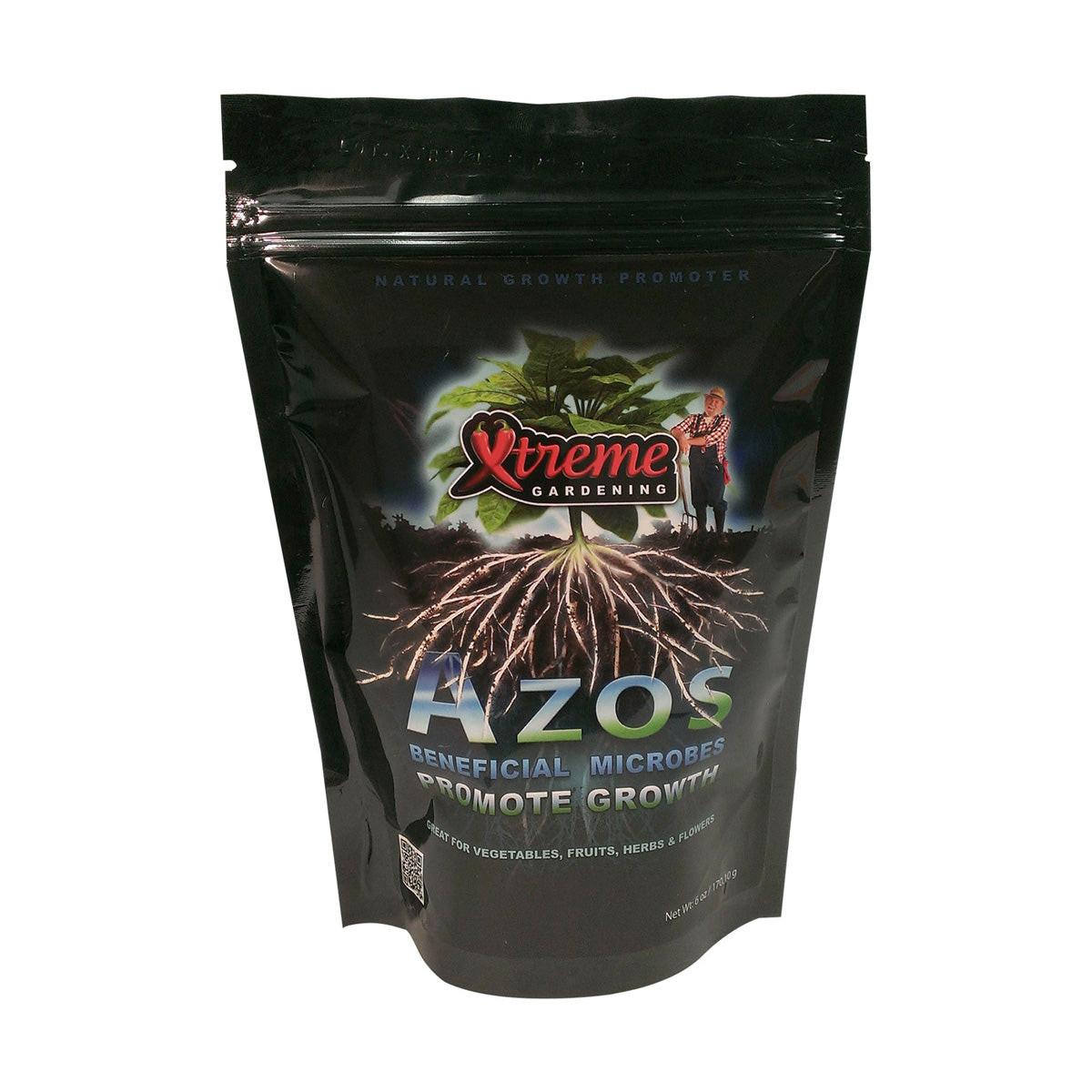
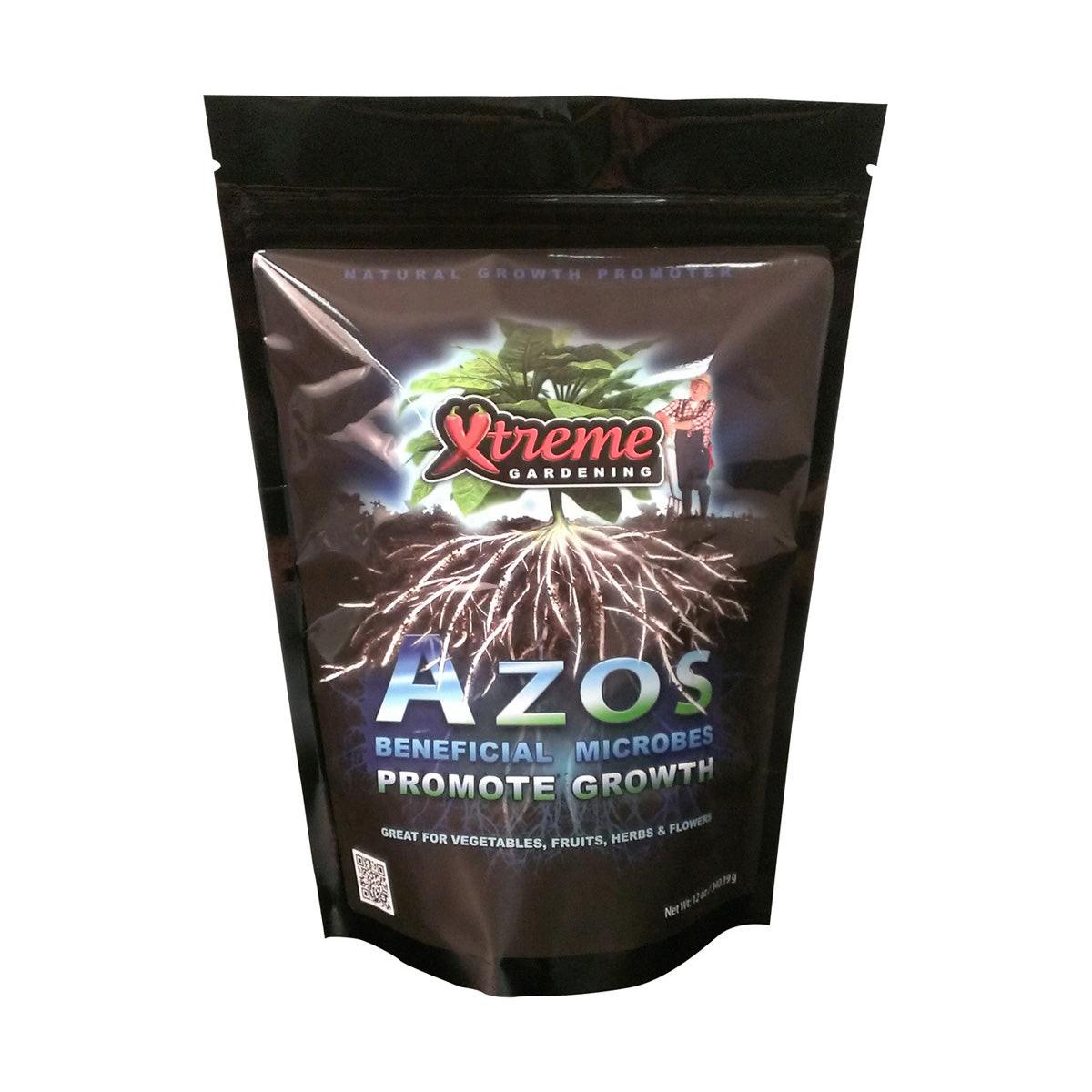
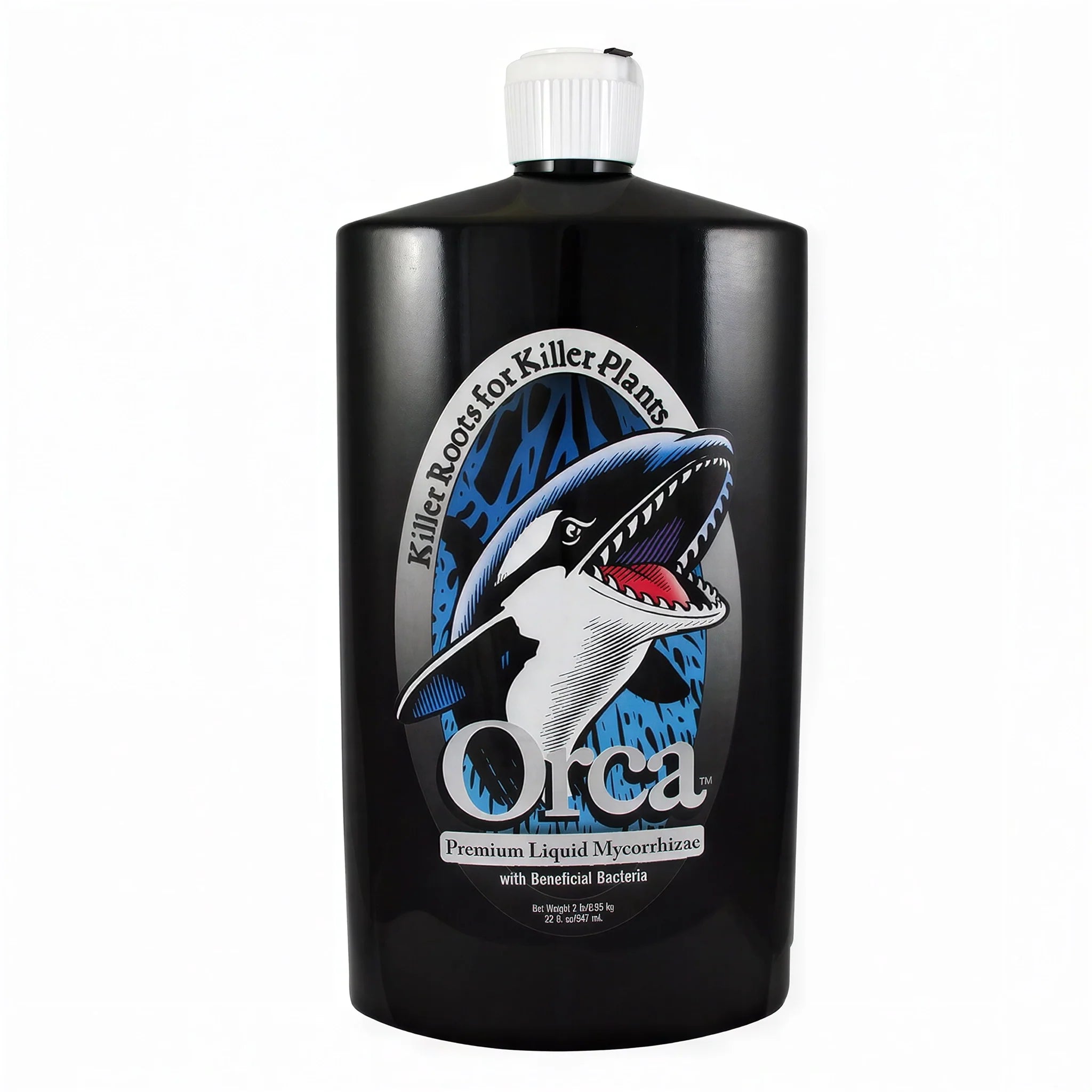
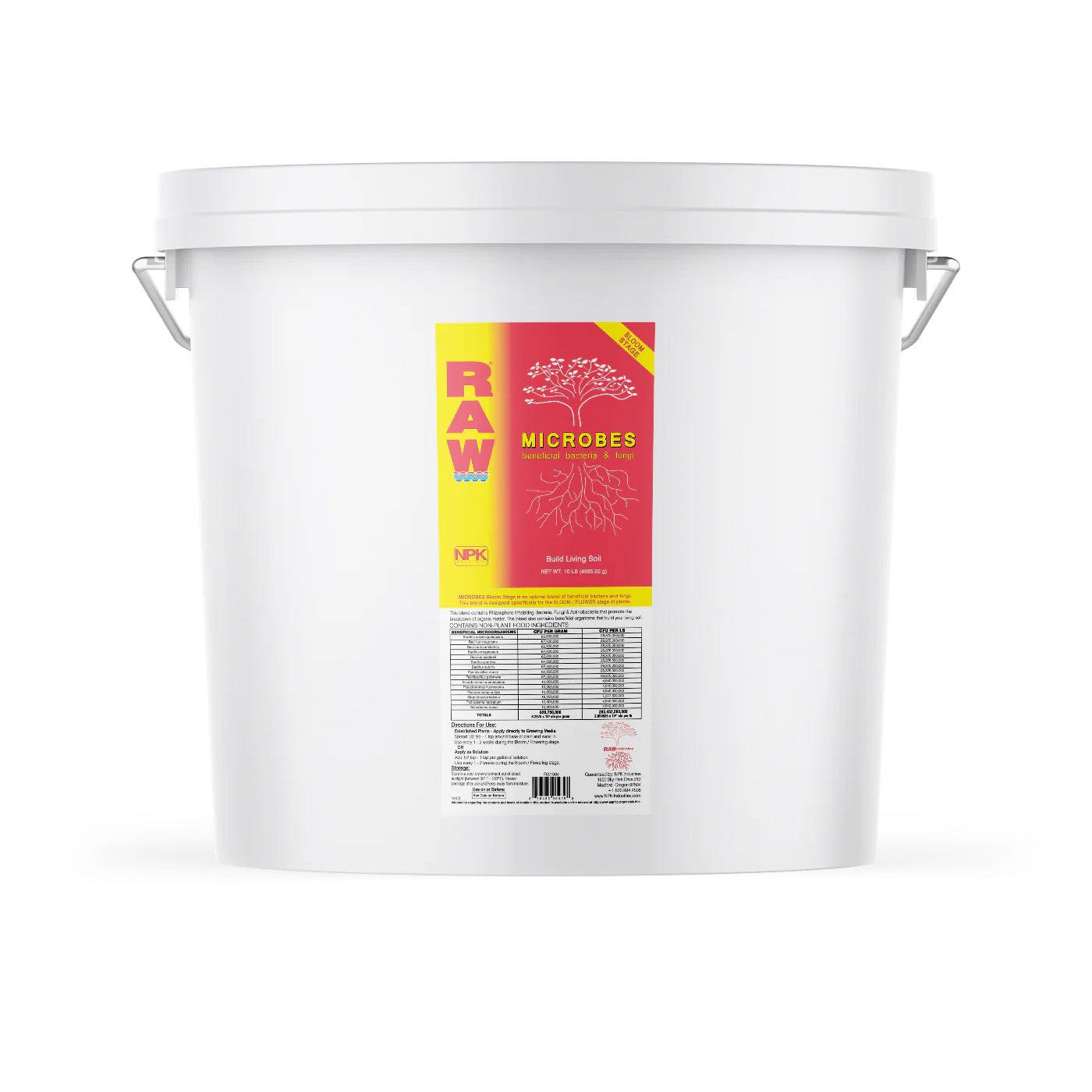
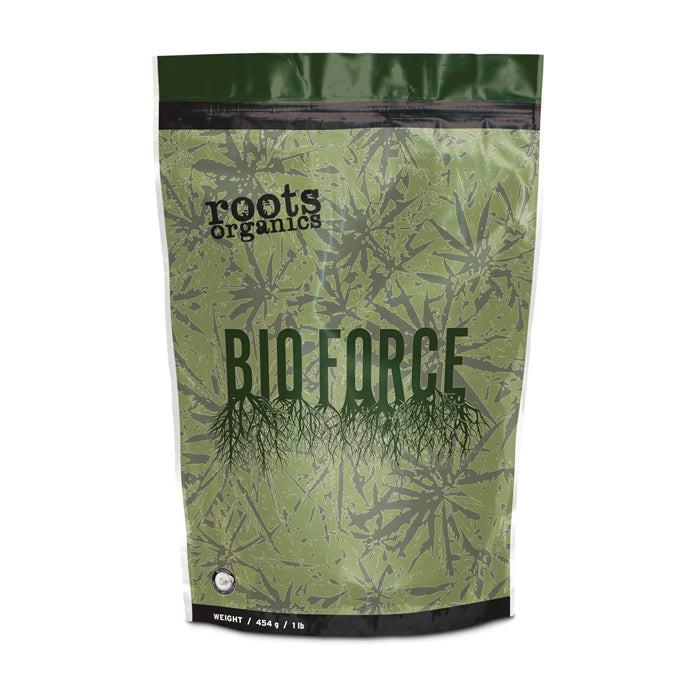
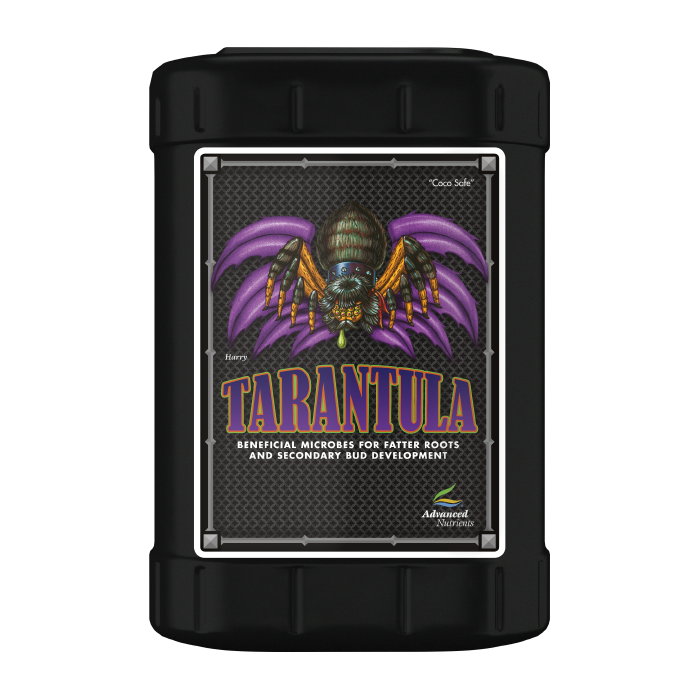
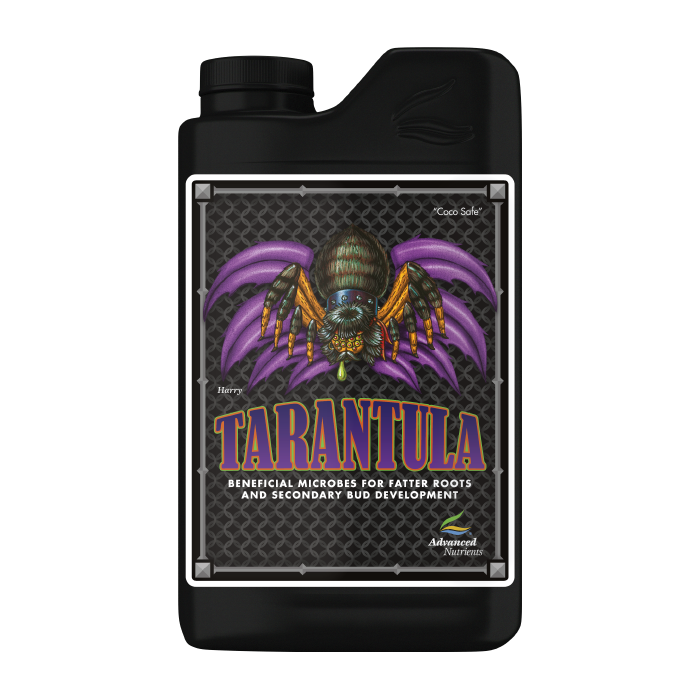
Mycorrhizal fungi and beneficial bacteria inoculants introduce specific beneficial microorganisms to the plant root zone at transplant, establishing symbiotic and mutualistic relationships that improve plant growth, nutrient acquisition, stress tolerance, and disease resistance throughout the production cycle. These are not fertilizers -- they do not supply nutrients directly. They improve the plant's ability to access and use nutrients already present in the growing environment, and they modify the root zone biology in ways that support plant health through mechanisms that mineral inputs alone cannot replicate.
Mycorrhizal Fungi
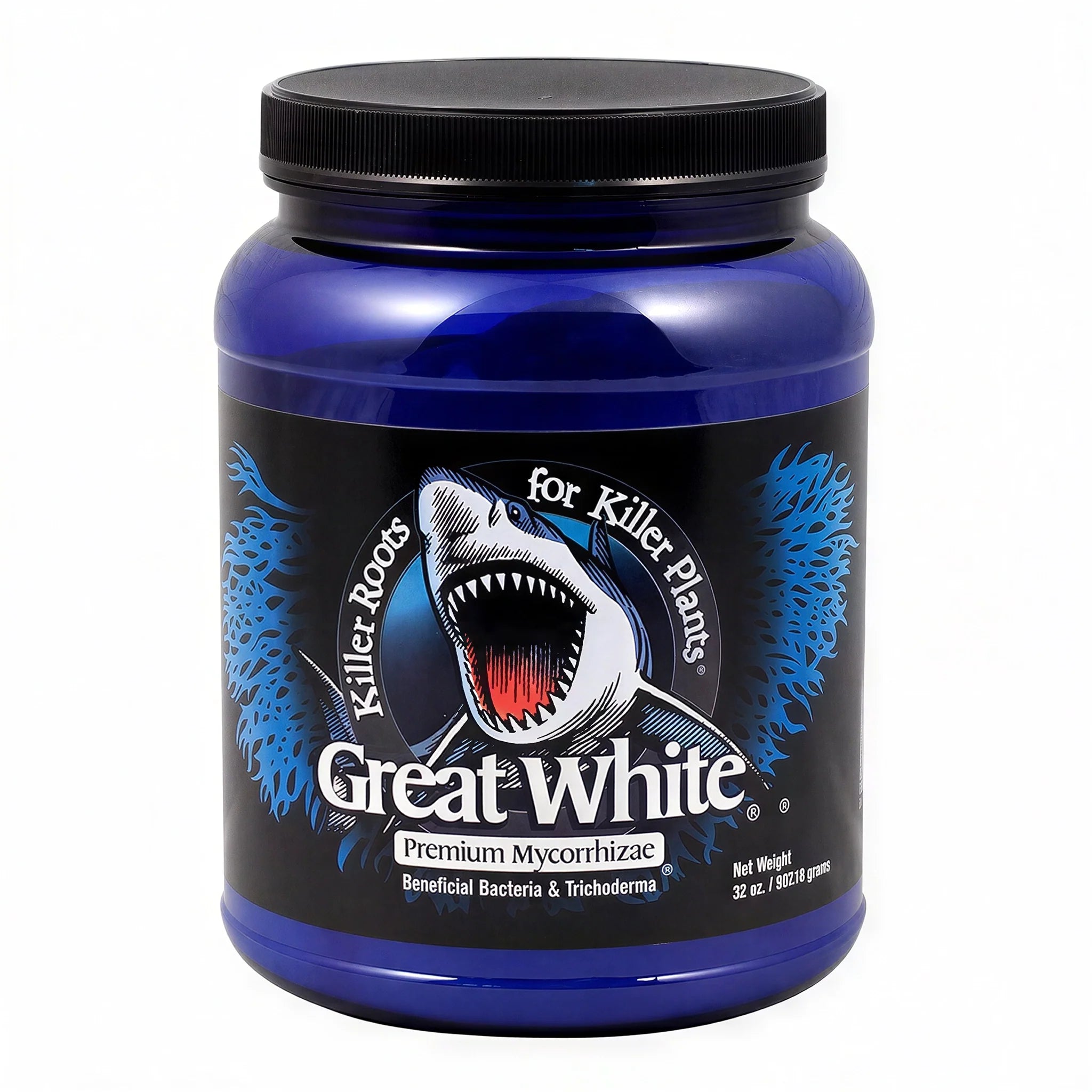
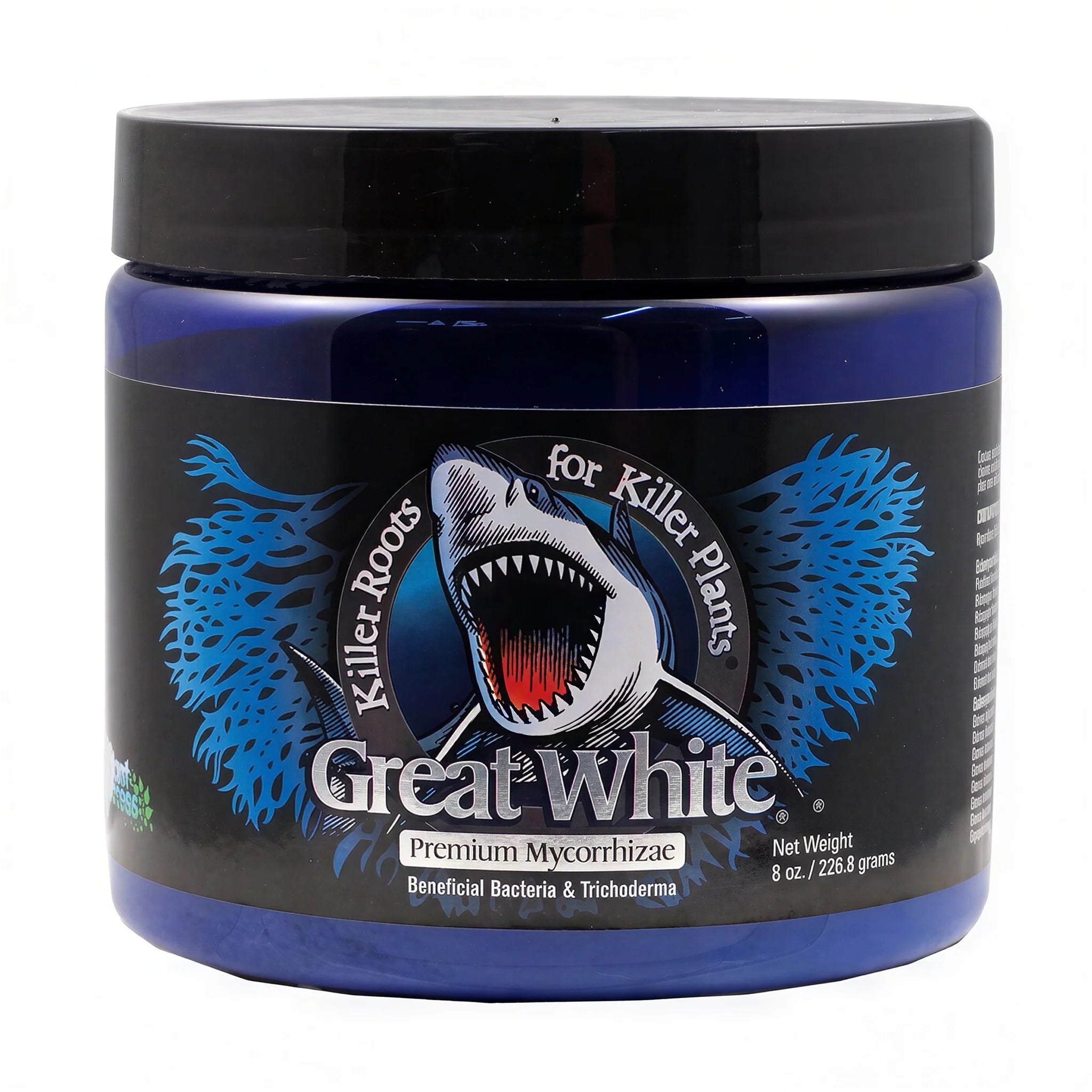
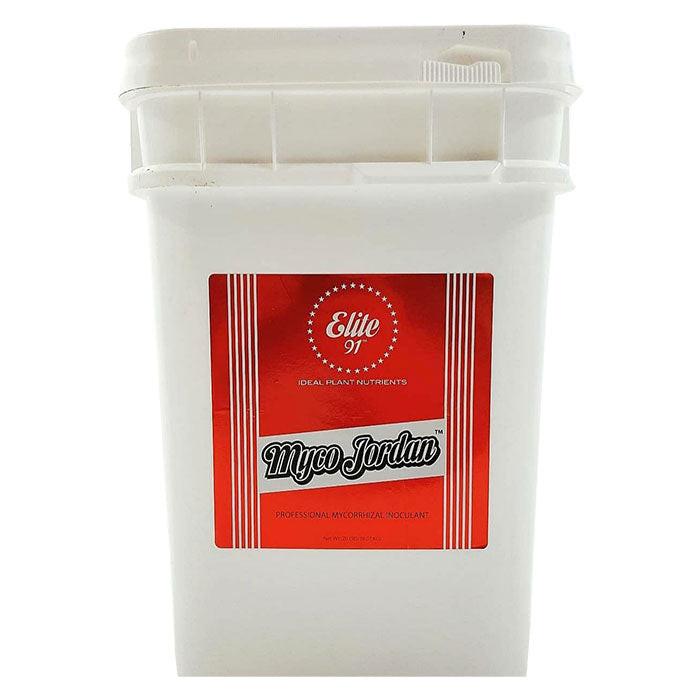
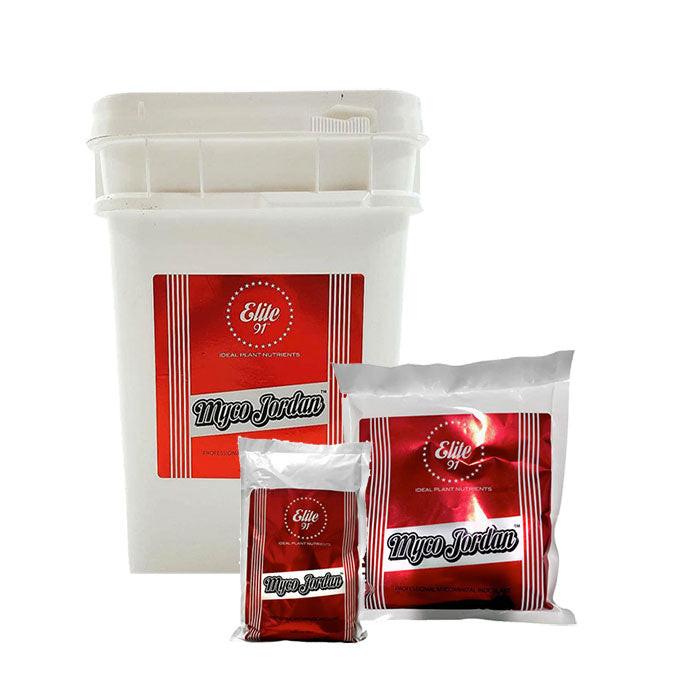
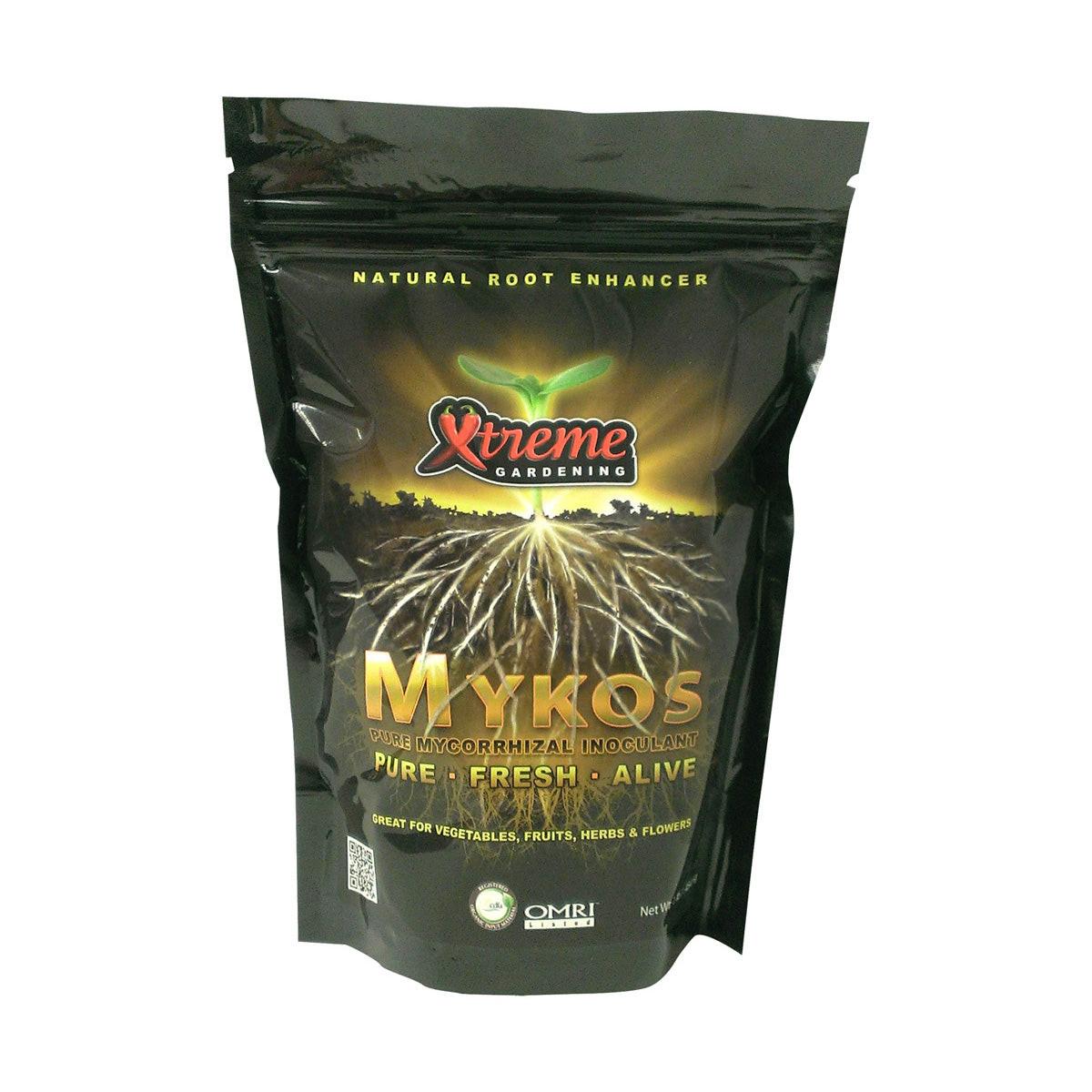
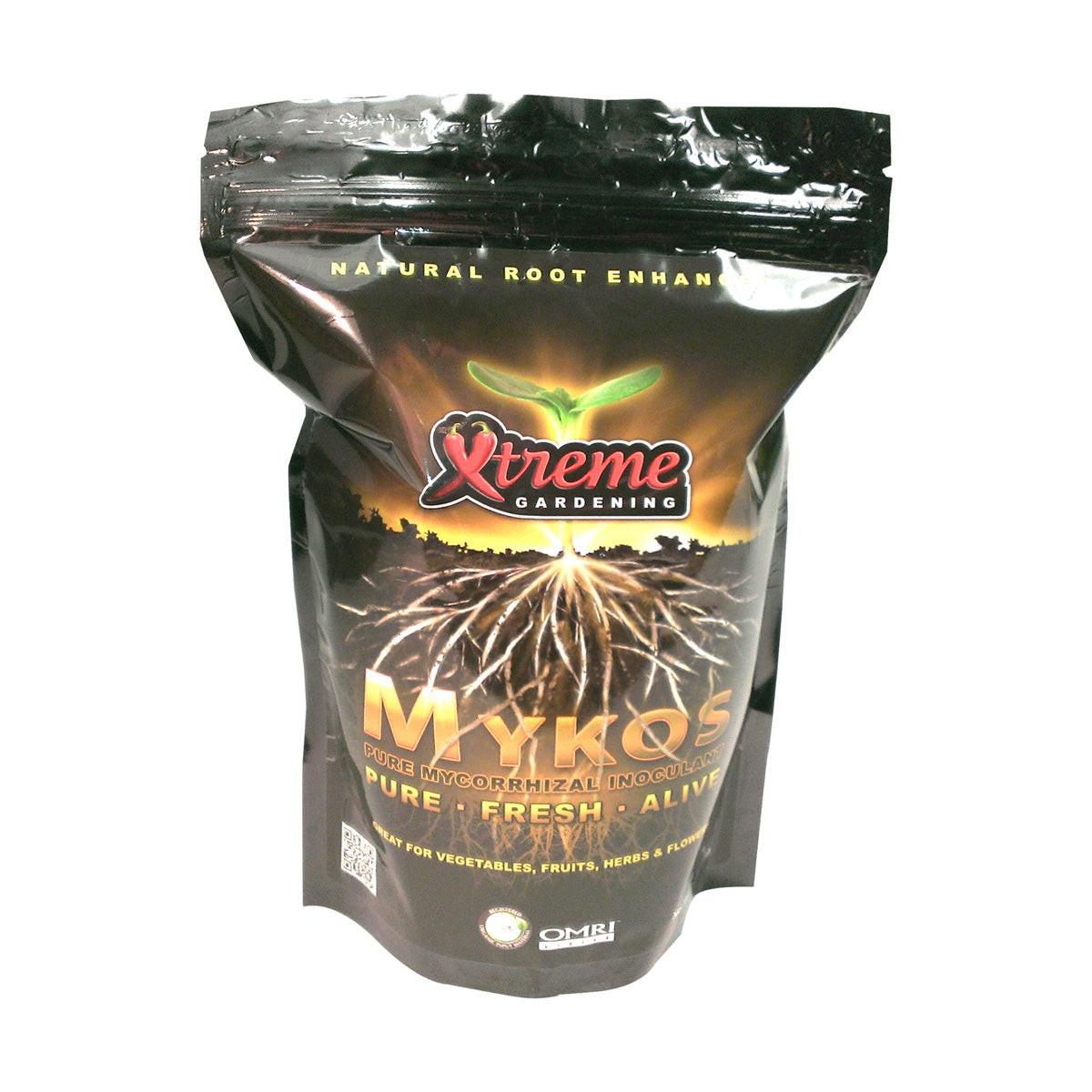
Mycorrhizal fungi form physical connections with plant roots, extending the effective root surface area by orders of magnitude through hyphal networks that penetrate soil spaces far smaller than roots can access. The fungal hyphae deliver water and minerals (particularly phosphorus, which moves by diffusion and is quickly depleted in the immediate root zone) to the plant in exchange for carbon sugars. Ecto and endo mycorrhizal fungi serve different plant hosts: endomycorrhizal species (primarily Glomus species) are appropriate for most vegetable, herb, and flowering plant crops; ectomycorrhizal species colonize tree species. Apply mycorrhizal inoculants directly to the root ball or transplant hole at planting -- once the root system is established in non-inoculated substrate, it is harder to establish the association. Browse our complete organic nutrients collection for mycorrhizal products alongside other biological inputs.
Beneficial Bacteria
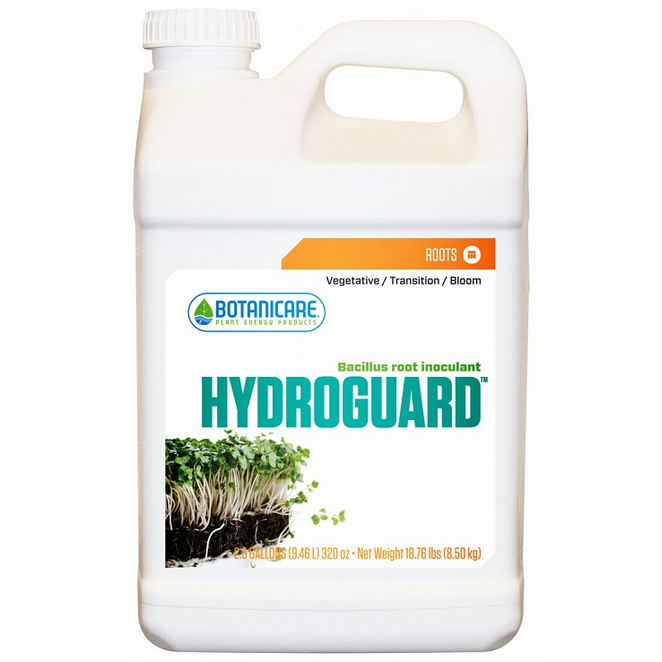
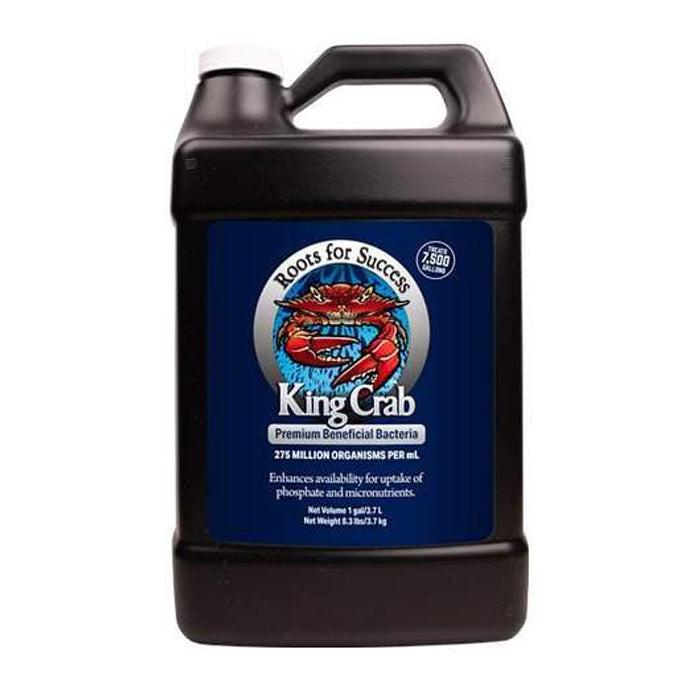
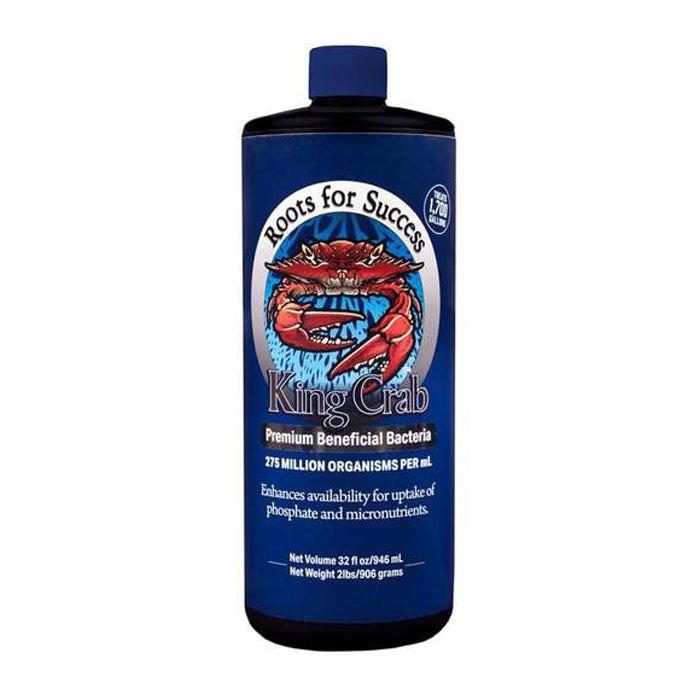
Bacillus subtilis, Bacillus amyloliquefaciens, Trichoderma harzianum, and related species produce antibiotics, enzymes, and other compounds that suppress root pathogens, improve nutrient availability through enzymatic organic matter breakdown, and stimulate plant immune responses. These are the same species found in quality compost and biostimulant products -- inoculants deliver concentrated populations directly to the root zone at a critical establishment moment. Fast shipping.
Mycorrhizae & Beneficial Bacteria FAQ
Do mycorrhizal inoculants work in hydroponic systems?
Mycorrhizal fungi require soil or organic substrate to establish -- they colonize root surfaces and extend hyphal networks through solid growing media. In recirculating hydroponic systems (DWC, NFT) where roots are suspended in water or air, mycorrhizal colonization does not establish effectively. In media-based growing programs (coco, perlite, rockwool), mycorrhizal establishment is possible but variable -- the relatively inert nature of these substrates and the high-EC solution programs used in hydroponics create conditions that are less favorable for mycorrhizal symbiosis than living soil environments. Mycorrhizal inoculants deliver the most consistent benefits in soil, coco-soil blends, and organic growing programs.
When should I apply mycorrhizal inoculants?
Apply at transplant -- when the plant is moved from its propagation container to its final growing container or in-ground location. This is the moment when new roots are actively growing and most likely to form the physical connection with the fungal hyphae that establishes the mycorrhizal association. Apply the inoculant directly to the root ball, to the transplant hole before planting, or as a root dip. Applying after the root system is established in a non-inoculated substrate is less effective because the roots must grow to the inoculant rather than the inoculant being placed at the growing root tips.
Can I use mycorrhizal products with fungicides?
Many fungicides are toxic to mycorrhizal fungi as well as to the pathogenic fungi they target -- broad-spectrum fungicides in particular can eliminate mycorrhizal inoculants applied at the same time or shortly before. If fungicide application is necessary, apply the mycorrhizal inoculant after the fungicide residues have degraded, not simultaneously. Check the specific fungicide label for mycorrhizal compatibility -- some biological and selective fungicides (Bacillus-based products, copper at low rates) have acceptable mycorrhizal compatibility; broad-spectrum synthetic fungicides typically do not.
What is the difference between endo and ectomycorrhizae?
Endomycorrhizal fungi (arbuscular mycorrhizal fungi, AMF) penetrate root cell walls and form arbuscules (tree-like structures) inside the root cells where nutrient exchange occurs. They are the correct type for most vegetable, herb, fruit, and flowering plant crops -- approximately 80% of terrestrial plant species form endomycorrhizal associations. Ectomycorrhizal fungi form a sheath around root surfaces without penetrating cells -- they are appropriate for tree species (pine, oak, birch, spruce). Using ectomycorrhizal products on vegetable crops or vice versa will not establish the correct association. Most general garden mycorrhizal products contain endomycorrhizal species (Glomus/Rhizophagus species) appropriate for most non-tree crops.
Do mycorrhizal products work with synthetic fertilizers?
High-phosphorus synthetic fertilizer programs reduce the benefit of mycorrhizal inoculants. The mycorrhizal association is driven by the plant's need for phosphorus -- when phosphorus is abundantly available from synthetic sources, the plant invests fewer carbon resources in maintaining the fungal relationship, and the association is less vigorous. In high-P synthetic programs, the cost of mycorrhizal inoculants may not be justified. In organic and lower-P programs where phosphorus availability from biological cycling is the primary P source, mycorrhizal associations provide substantial benefit. For maximum mycorrhizal establishment, avoid high-soluble-P fertilizer application in the first 2-4 weeks after inoculation.