Mushroom Growing Kits -- Beginner to Advanced
Mushroom growing kits remove the most technical barriers to mushroom cultivation -- sourcing and sterilizing substrate, inoculating with spawn, and managing the colonization environment -- delivering a ready-to-fruit block or kit that just needs humidity and fresh air to produce. For first-time mushroom growers, a complete fruiting kit is the fastest path to understanding how mushrooms grow and produce before investing in the grain spawn, substrate preparation, and sterilization equipment needed for more advanced cultivation. For experienced growers, pre-made grain spawn and substrate bags streamline the production pipeline without building every step from scratch.
Types of Mushroom Kits
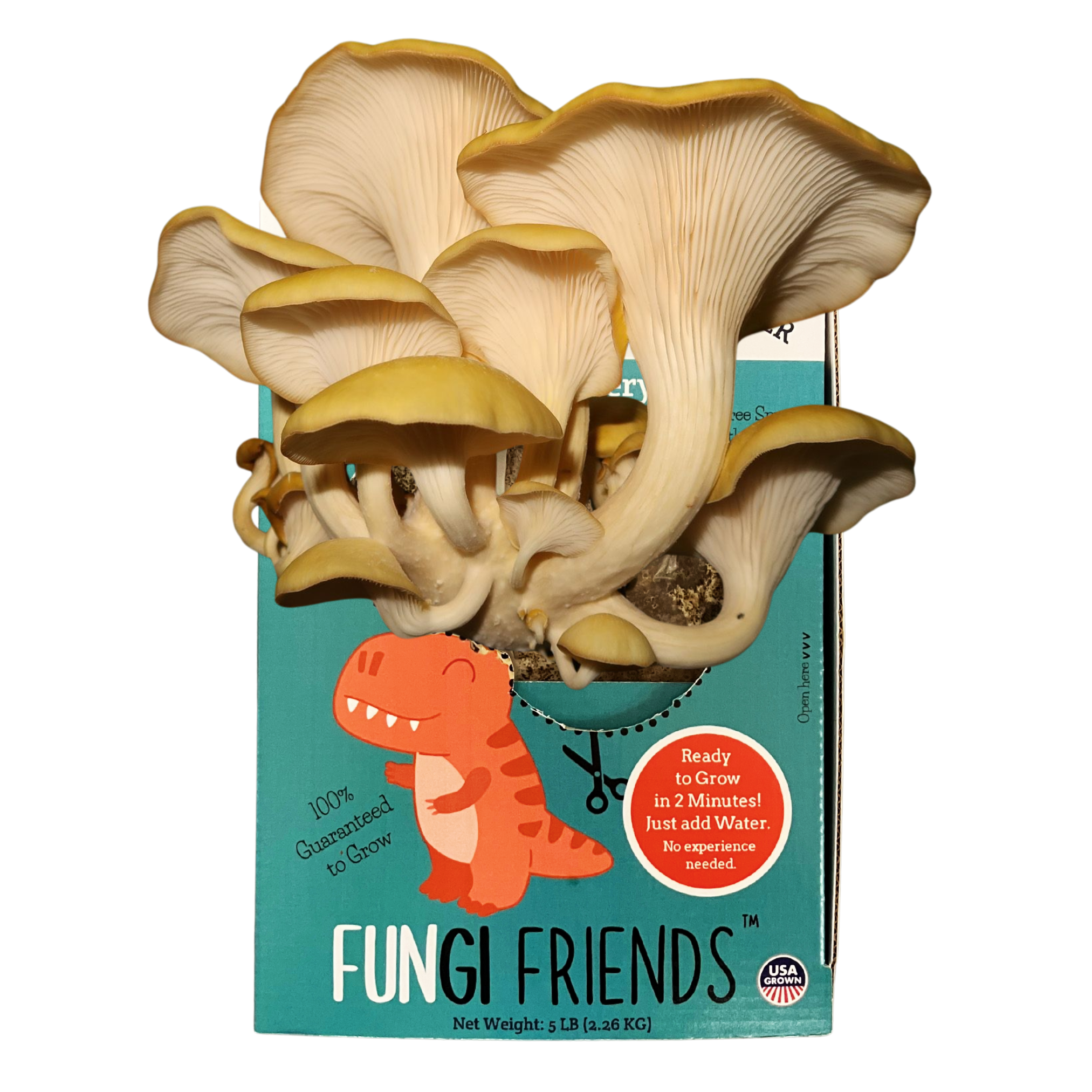
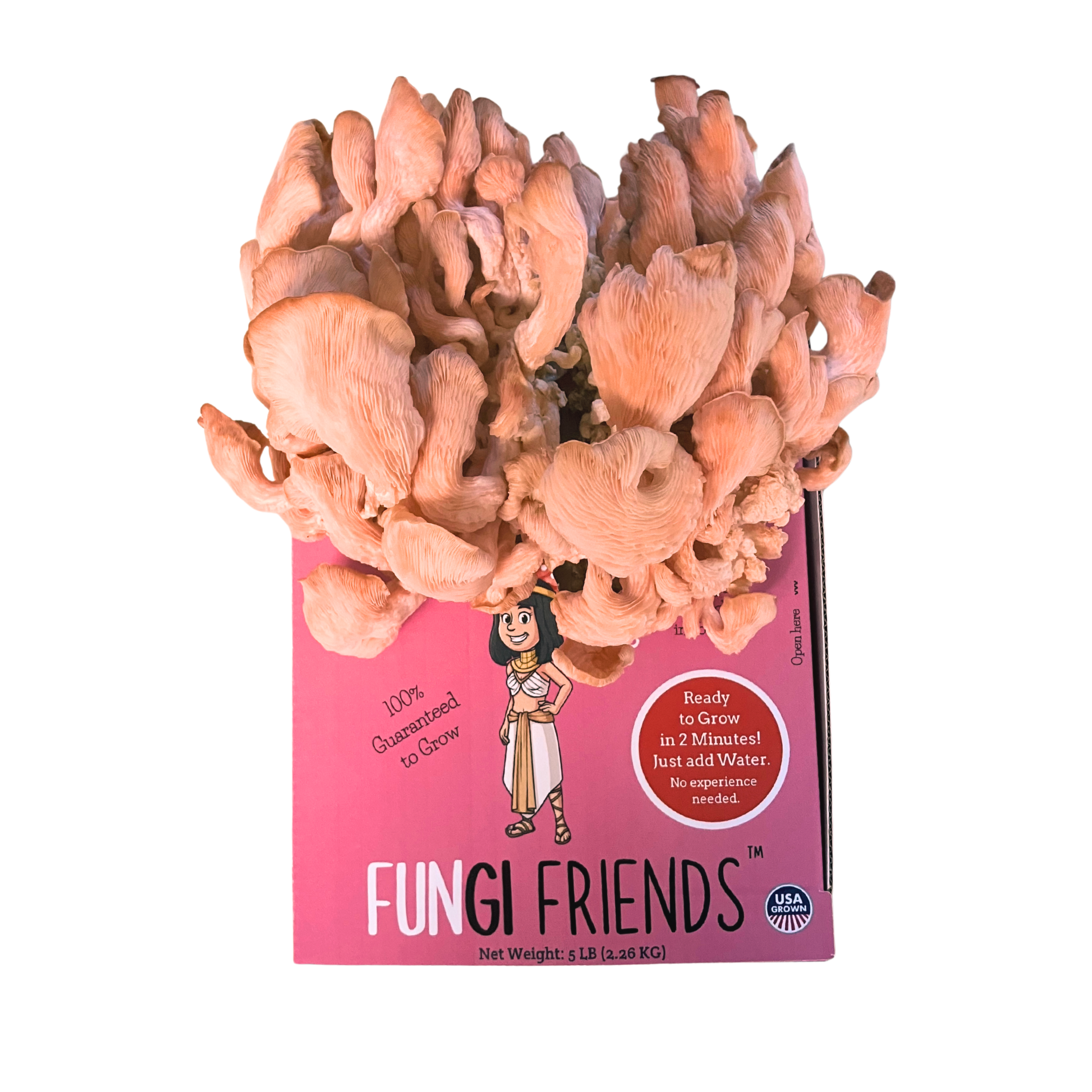
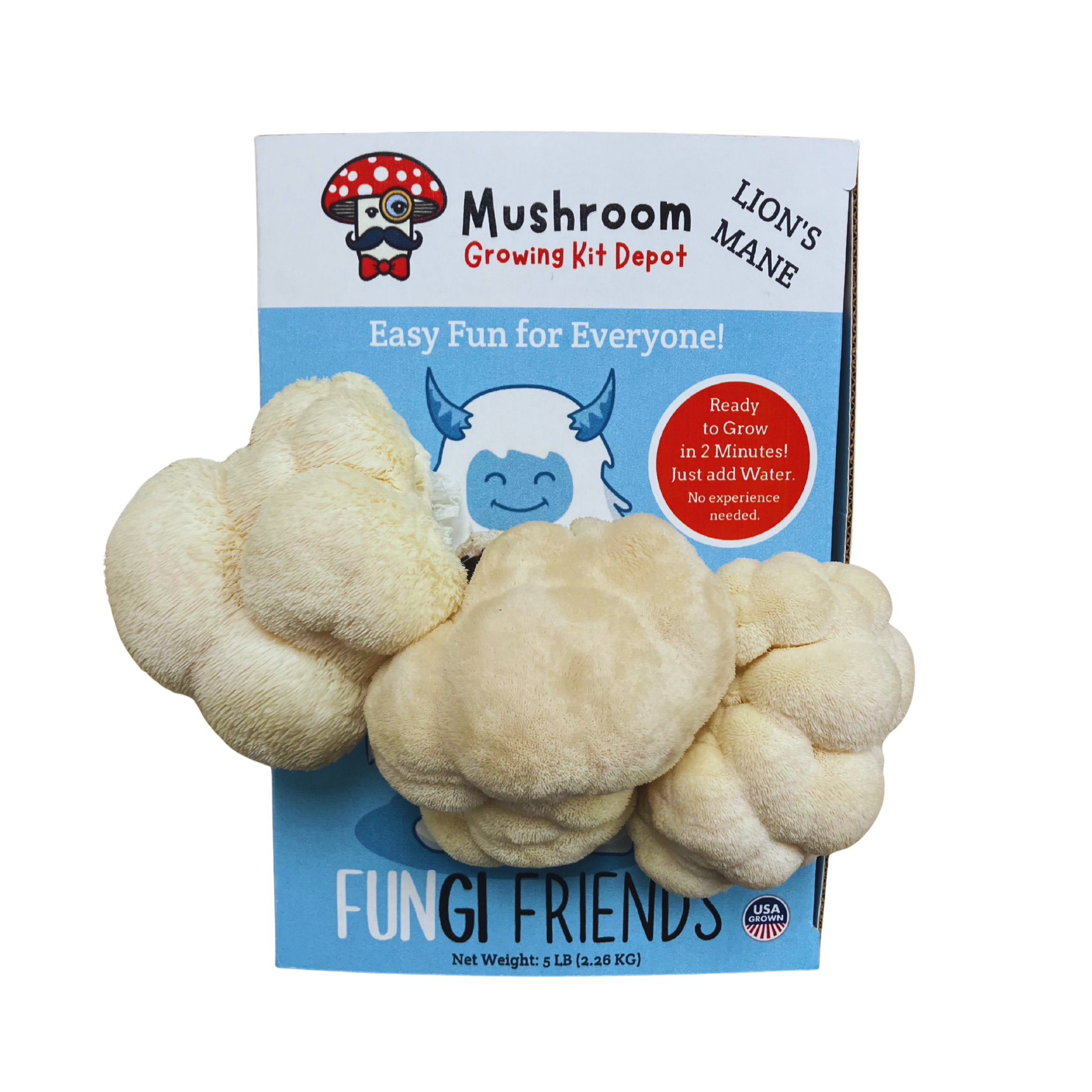
Ready-to-fruit blocks arrive fully colonized with mycelium and require only humidity and air to produce fruiting bodies -- typically producing 2-3 flushes per block over 4-8 weeks. These are the most accessible kit format for beginners and require no additional materials beyond the block itself and a misting routine. Grain spawn bags contain colonized or partially colonized grain (rye, wheat, millet) ready for mixing with bulk substrate to start a colonization run -- for growers who want to produce bulk substrate runs without sterilizing their own grain. Grow bag substrate kits contain pre-sterilized substrate ready for inoculation -- reducing the cultivation process to inoculation, colonization, and fruiting without substrate preparation. Browse our complete mushroom growing supplies collection for all available products.
Species Available
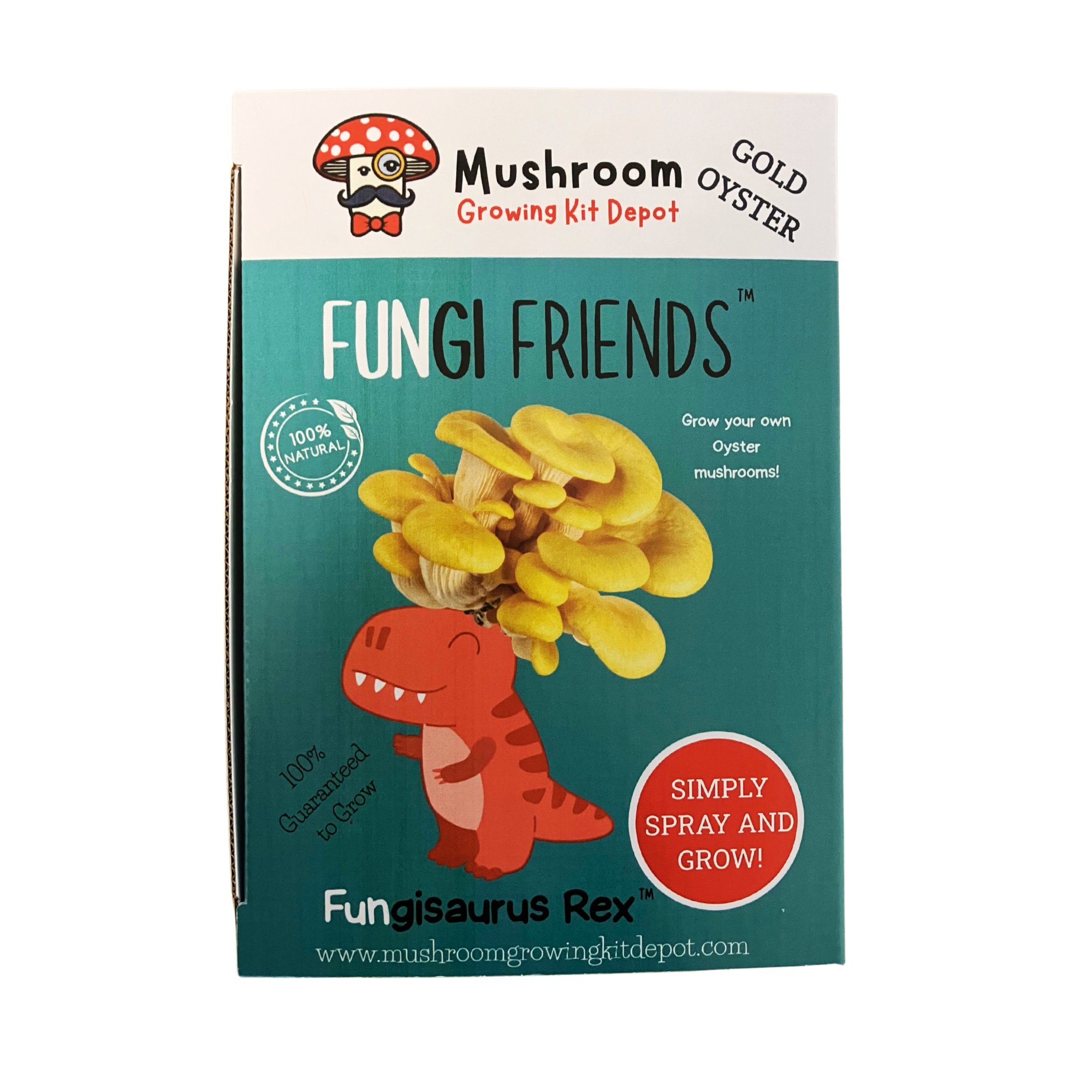
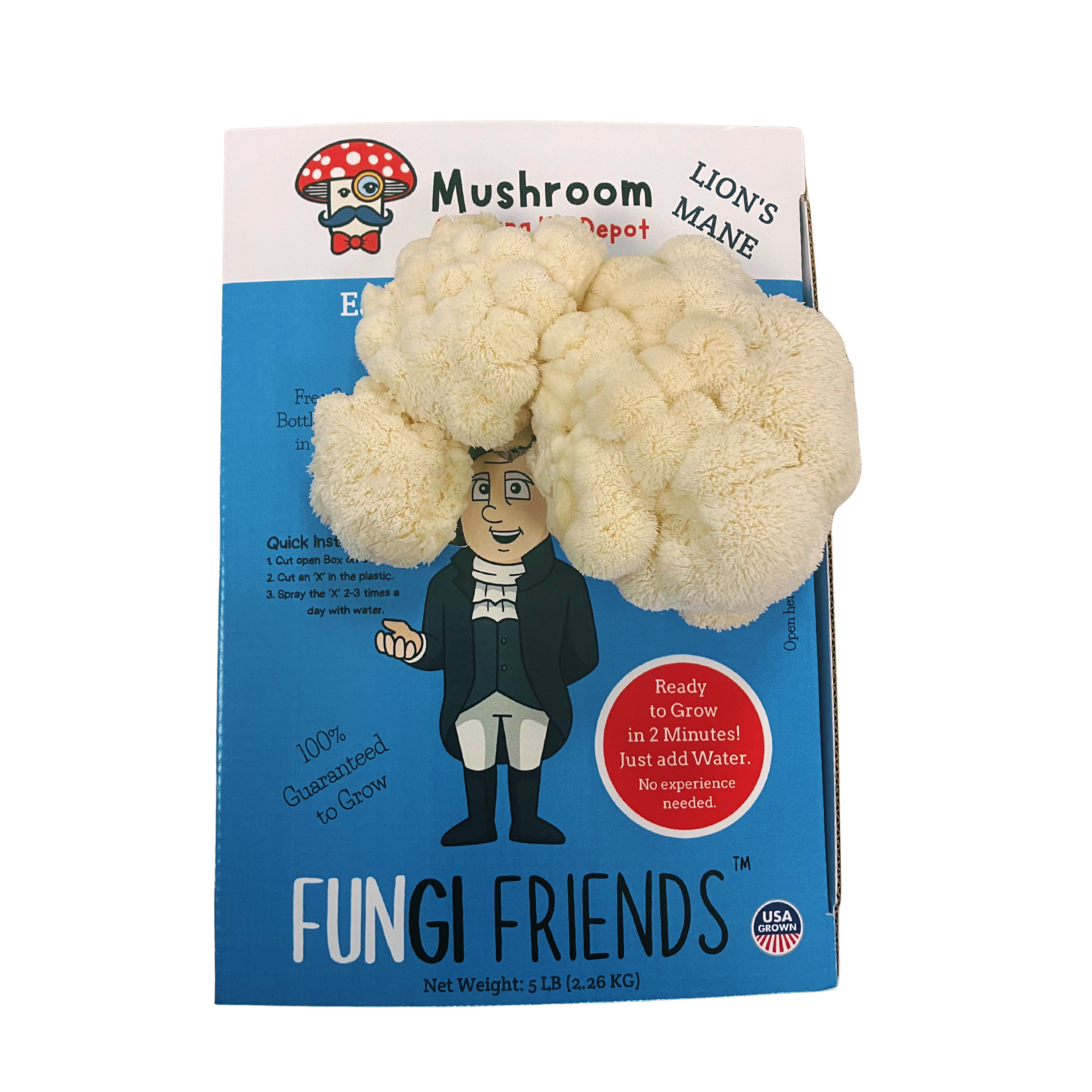
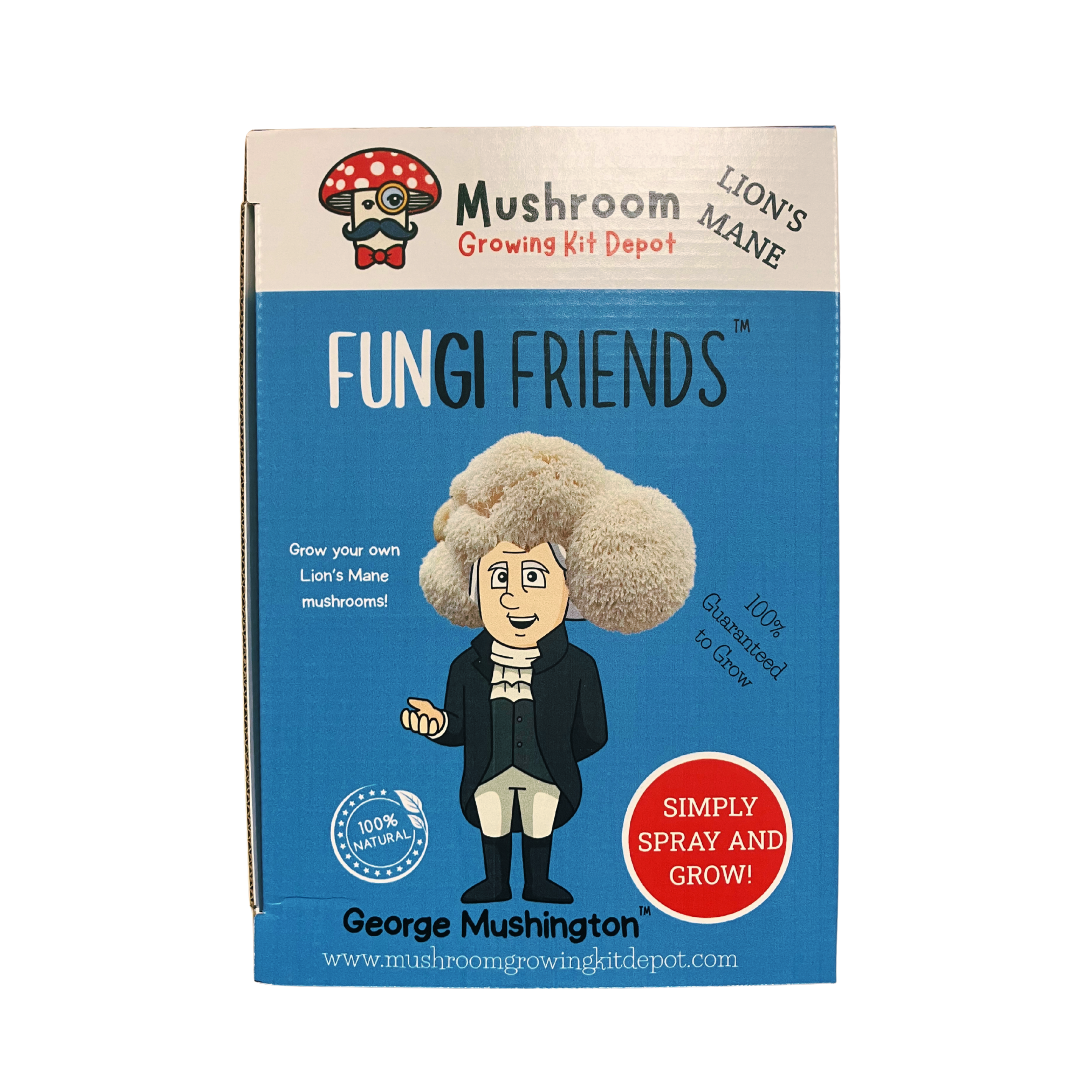
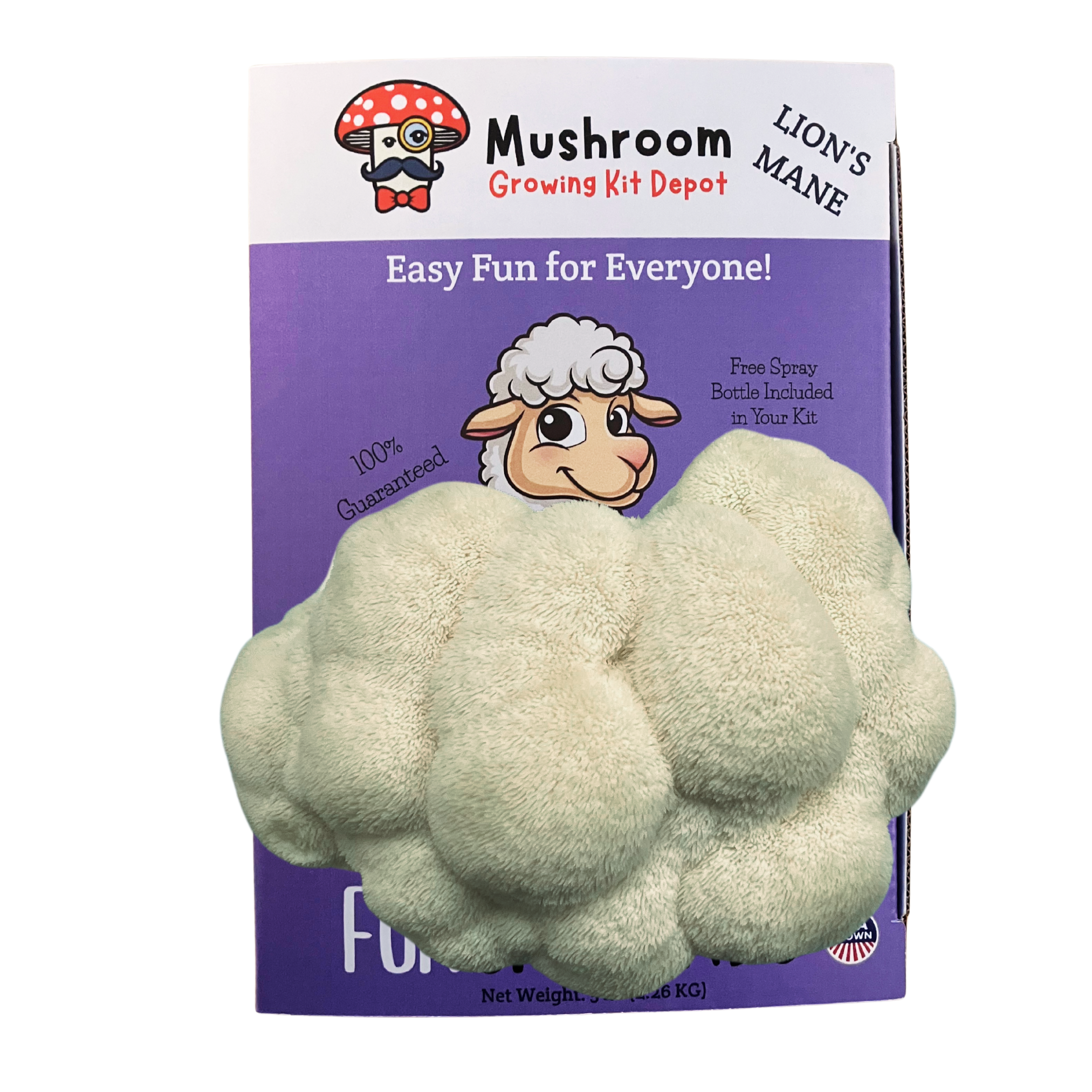
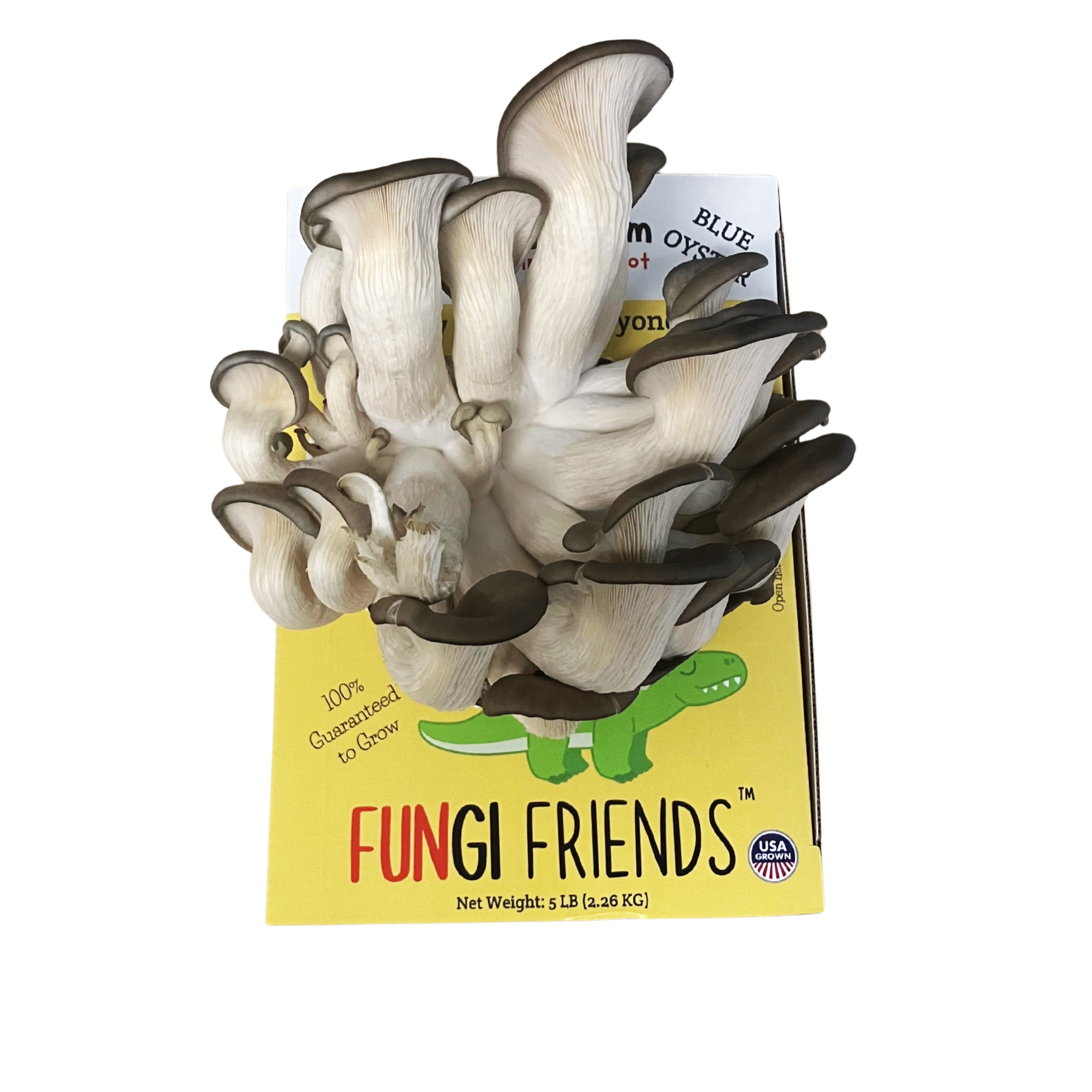
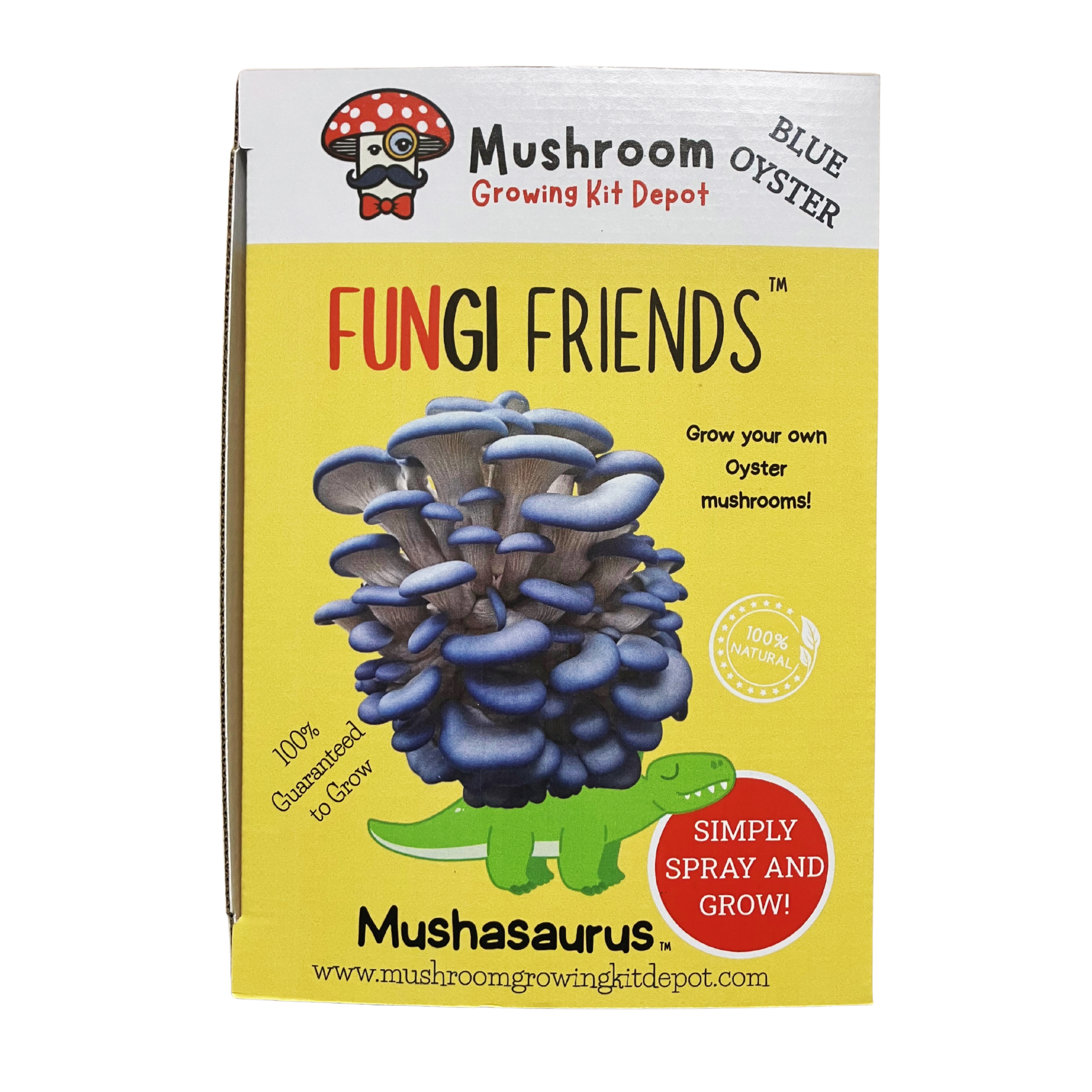
The most commonly available kit species at Hydrobuilder: oyster mushrooms (blue, pink, golden, and pearl varieties) -- the most productive and easiest to fruit for beginners; shiitake -- the most popular culinary mushroom globally, requiring slightly more attention to temperature and humidity; lion's mane -- a popular culinary and health-focused species with distinctive appearance; and various specialty gourmet species. Different species have specific temperature and humidity requirements -- verify the kit's requirements match your growing environment before ordering. Fast shipping.
Mushroom Growing Kits FAQ
What is included in a mushroom growing kit?
Ready-to-fruit mushroom kits typically include a colonized substrate block (hardwood sawdust, straw, or grain-based, depending on species), packaging instructions for initiating fruiting, and sometimes a humidity tent or misting bag. They do not include the grow tent, humidifier, or other equipment for the fruiting environment -- just the colonized substrate that produces mushrooms when given the right conditions. Advanced cultivation kits (grain spawn, substrate bags) include the inoculated material without the colonized stage, requiring more cultivation steps before fruiting.
How many mushrooms can I expect from one kit?
A standard oyster mushroom fruiting block (5 lbs substrate) typically produces 1-2 lbs of fresh mushrooms across 2-3 flushes over 4-6 weeks. First flush is usually the largest; subsequent flushes taper in yield as the block's nutrients are depleted. Shiitake fruiting blocks produce somewhat less per block but maintain quality through multiple flushes over a longer period. Actual yields vary by cultivation conditions -- blocks maintained at the correct humidity, temperature, and fresh air exchange within species tolerances perform significantly better than blocks in suboptimal conditions.
What equipment do I need alongside a mushroom kit?
For a ready-to-fruit block, you need: a way to maintain 85-95% relative humidity around the block (a humidity tent, a grow tent with a humidifier, or very frequent misting -- 3-5 times per day with a spray bottle); fresh air exchange to prevent CO2 buildup; and a cool location (55-75 degrees F depending on species). For oyster mushrooms in a simple setup, a humidity tent (a clear plastic bag with holes) over the block with regular misting in a cool room is sufficient for first-time cultivation.
What is the easiest mushroom to grow for beginners?
Oyster mushrooms are the easiest and most forgiving species for beginning cultivators. They colonize quickly (1-2 weeks on grain, 2-3 weeks on bulk substrate), tolerate a wider range of temperatures and humidity than more demanding species, fruit abundantly and visibly, and are aggressive colonizers that resist contamination better than more delicate species. Pink oysters are particularly fast and productive; blue and pearl oysters are the most widely available and documented in cultivation resources. For a first mushroom grow, any oyster mushroom variety is the recommended starting point.
Can I reuse a mushroom kit for multiple harvests?
Yes -- mushroom fruiting blocks typically produce 2-4 flushes before the available nutrition is exhausted. After the first flush, allow the block to rest for 7-14 days (some cultivators submerge it in water for 12-24 hours to rehydrate the substrate) before initiating the next flush. Blocks become progressively more susceptible to contamination between flushes as the mushroom mycelium weakens -- discard blocks that show signs of green or black mold (Trichoderma or other contaminants) rather than continuing to attempt additional flushes. Properly maintained blocks can produce 3-4 flushes before the substrate nutrients are fully depleted.